Public transit is the last true public square, the one place where every kind of person is guaranteed to eventually sit next to every other kind of person, and the results are the greatest free entertainment any city provides. These bus people are the stars of that show, the commuters in costumes, the improvised dining rooms, the physics-defying boarding strategies. The fare covers the ride. The spectacle is complimentary. Move to the back with me.
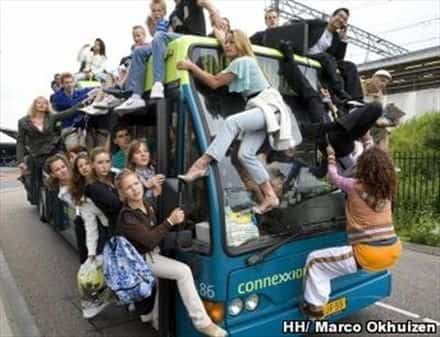
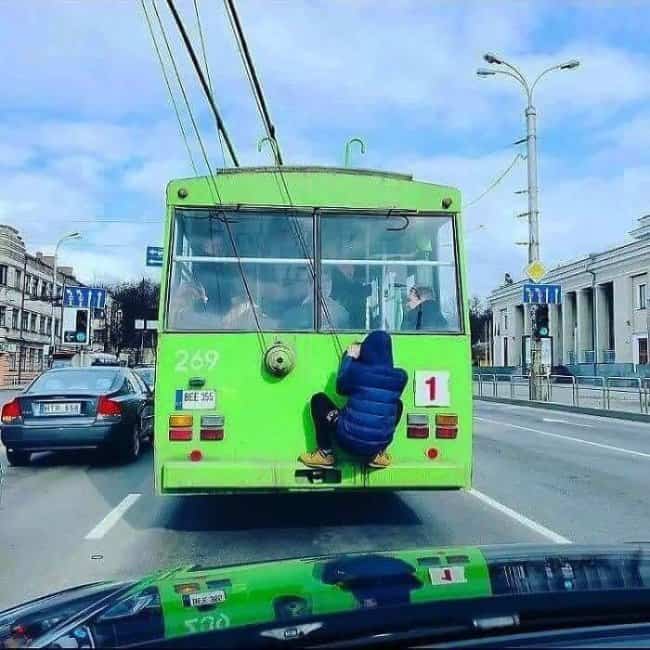
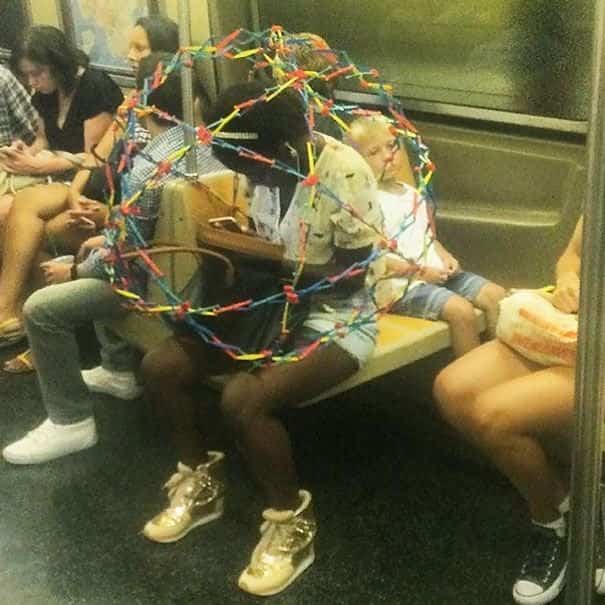
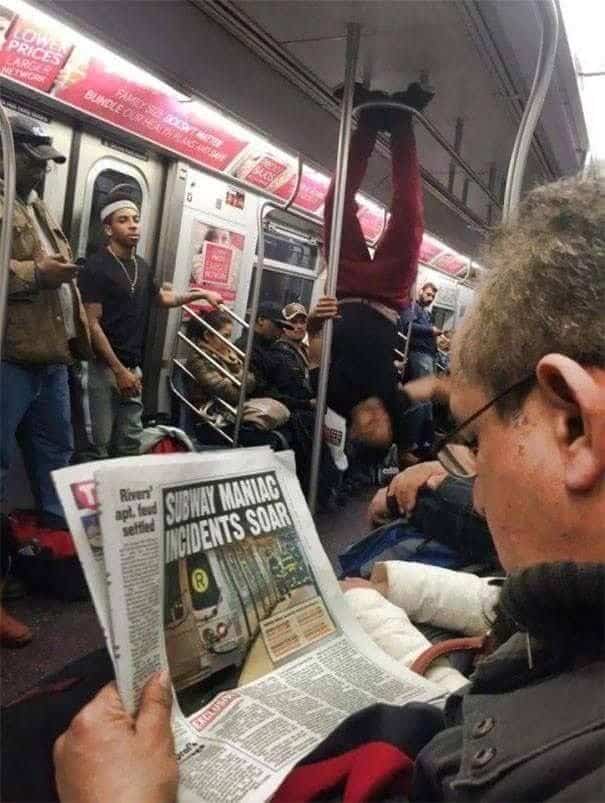
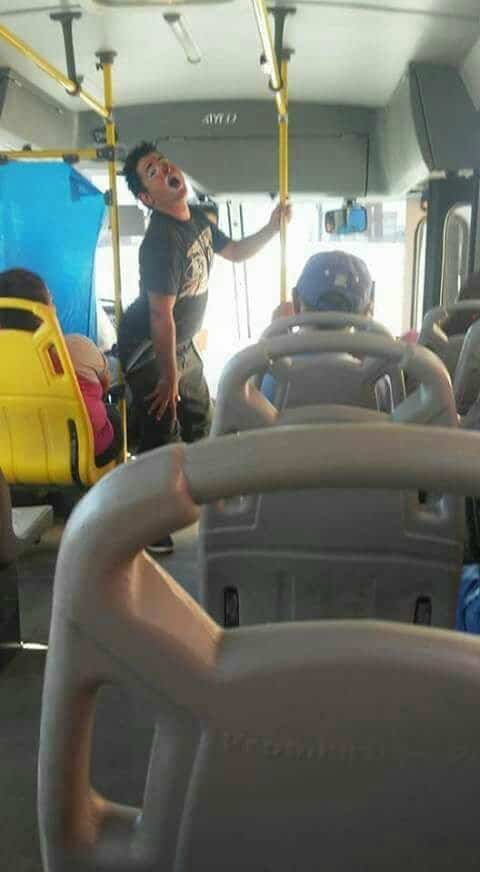
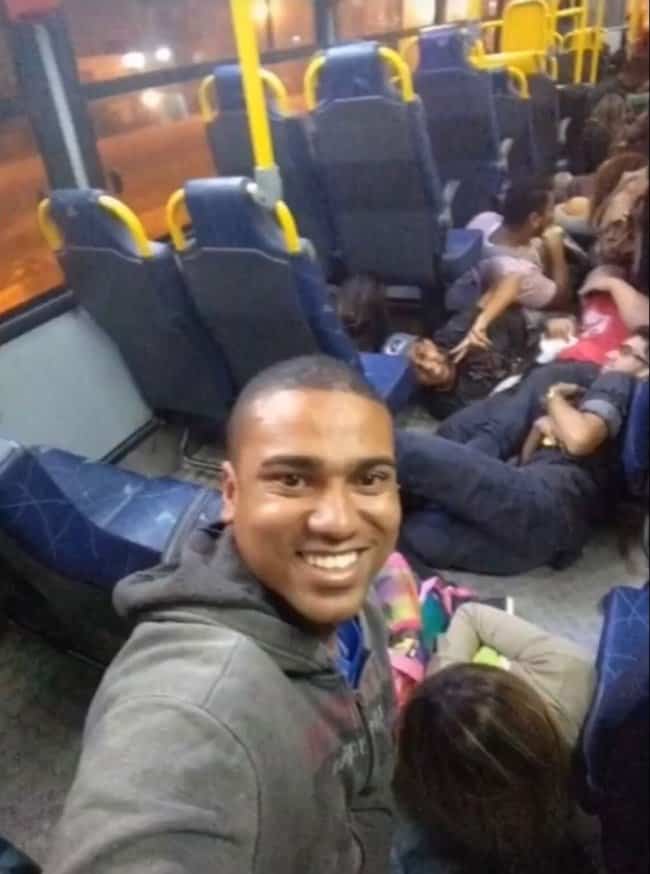
When the bus driver says "please move to the back," this is definitely not what they meant.
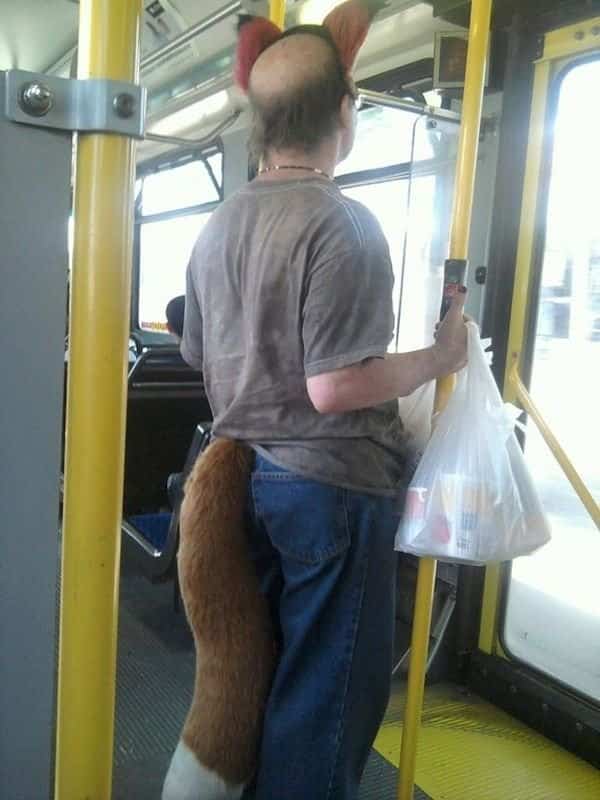
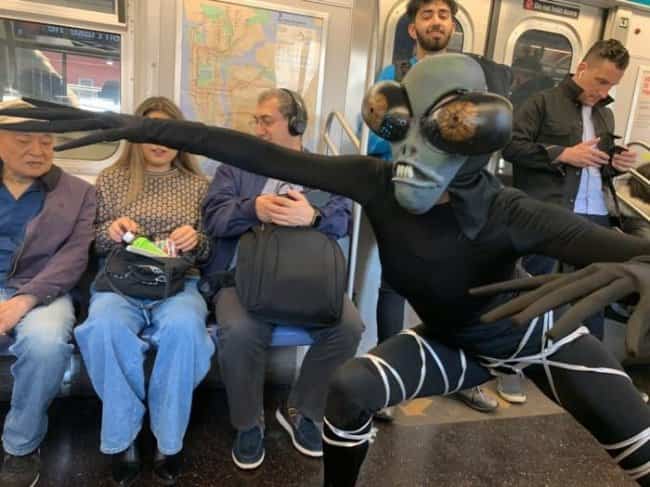
What does the fox say? "Next stop, 5th Avenue."
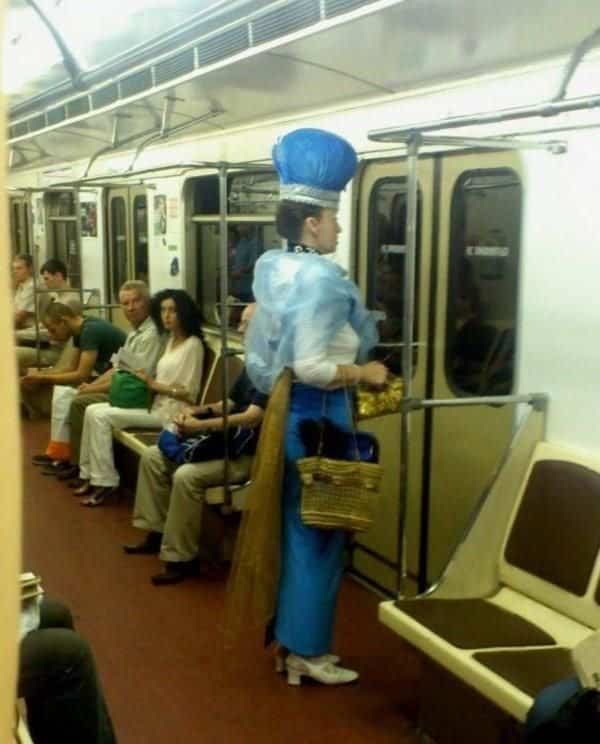
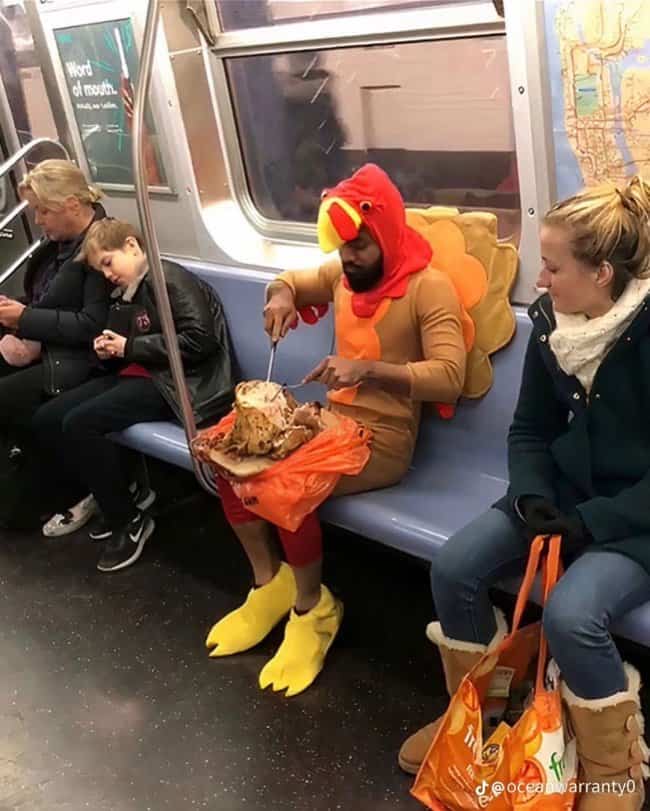
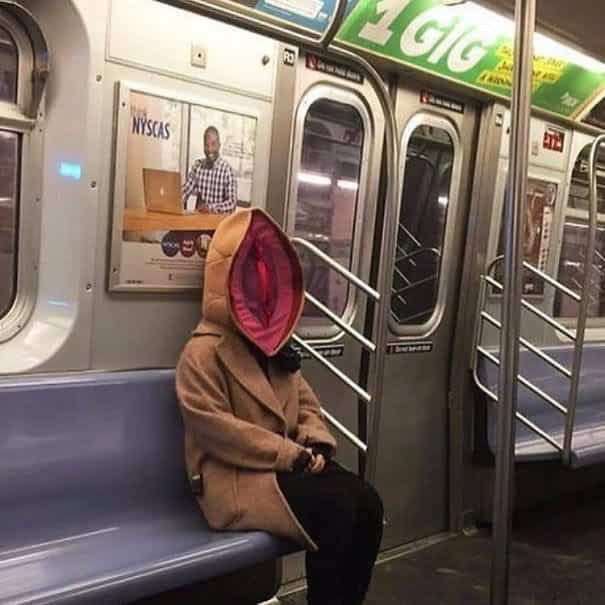
When you have a subway commute at 8 AM and a coronation at 9 AM.
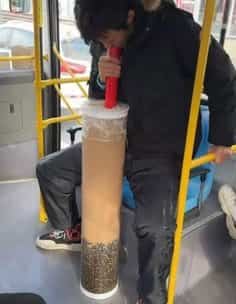
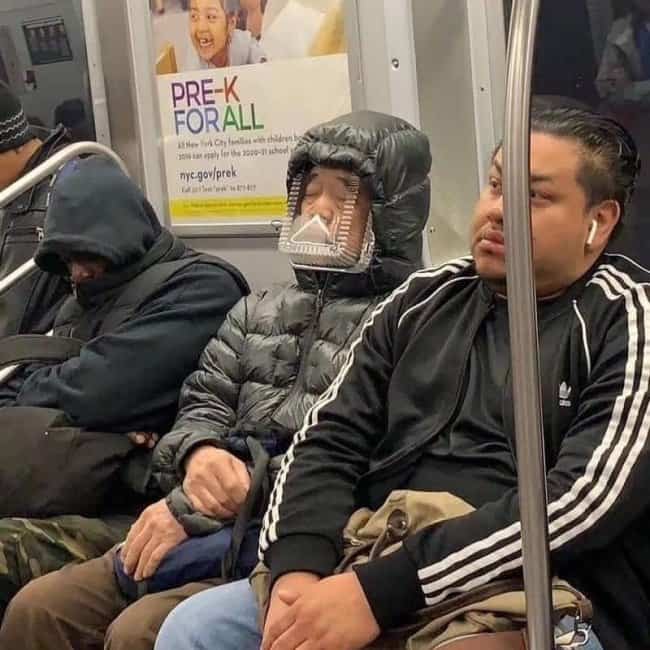
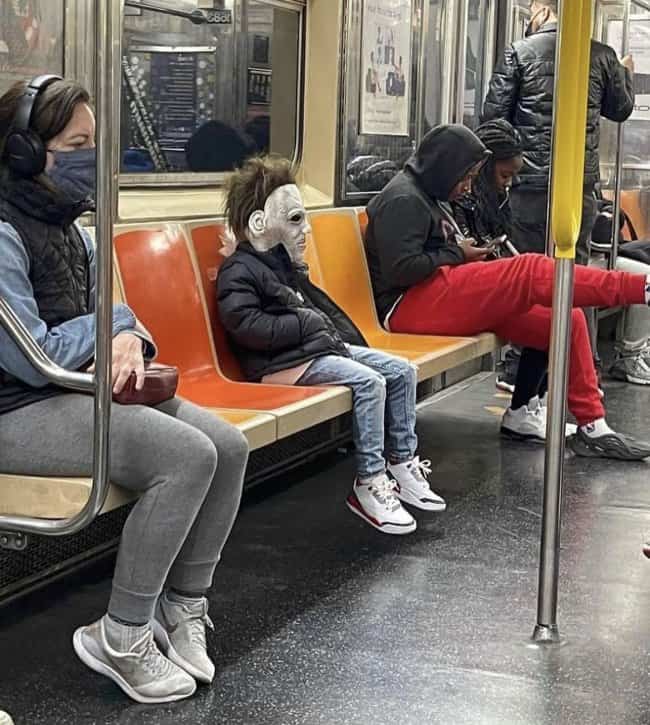
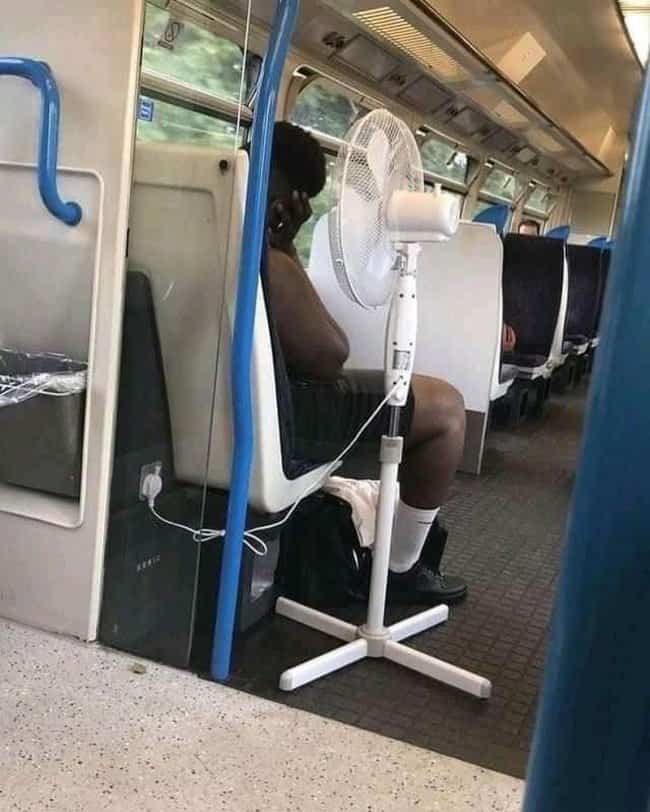
DIY PPE at its finest.






Bus people
Read More
The unbothered-fashion genre is the crown of transit culture, the riders in full regalia, crowns, tails, costumes, treating the morning commute like a runway with worse lighting. What elevates these photos is never the outfit alone, it’s the total normalcy of everyone around it, a car full of exhausted commuters not glancing up from their phones while royalty transfers to the express. That collective indifference is the real subject. Cities train their people to absorb anything, and the training is complete, and the crown gets no reaction, which somehow makes the crown more majestic.
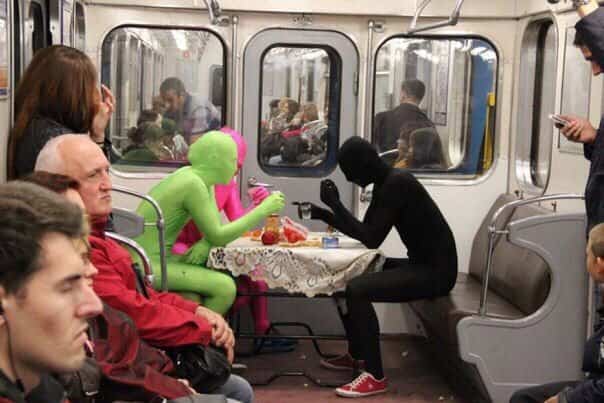
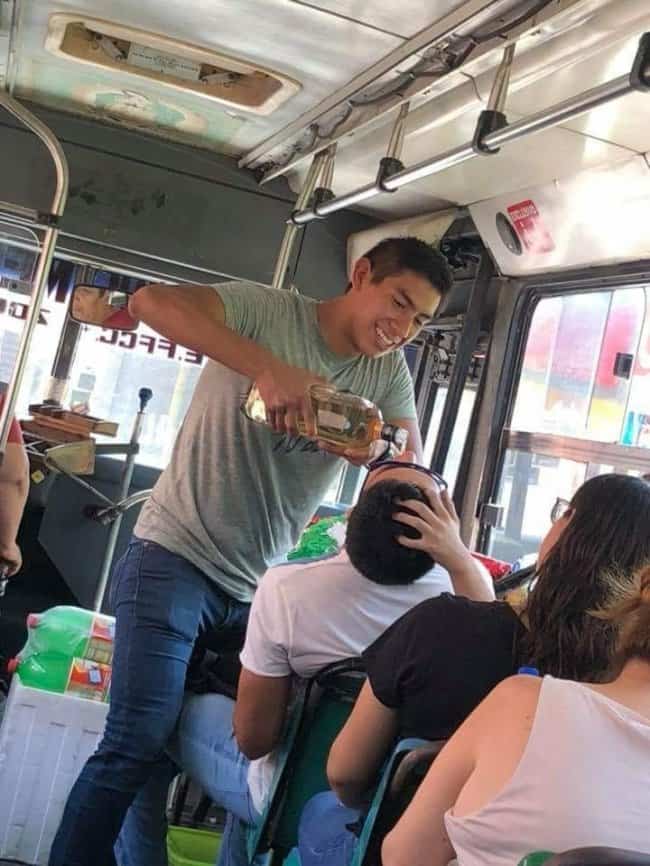
Then there’s the mobile-dining wing, the passengers who looked at a moving vehicle full of strangers and decided it was a dining room. Full meals carved on laps. Beverages in containers that require structural planning. Complete table setups deployed between stops. There’s a commitment in this category that borders on philosophy, a refusal to let logistics interfere with living, and while the health codes weep, the audacity commands a certain respect. The train was going that way anyway. Dinner was going to happen anyway. Efficiency, technically.
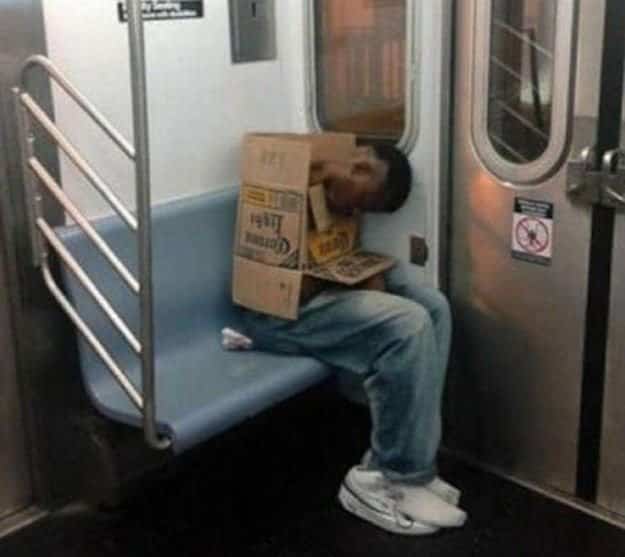
And the improvised-comfort category might be the most relatable lane, the zero-budget solutions to transit’s oldest problems. The cardboard box repurposed as a privacy suite. The plastic container drafted into personal protective service. The exterior-clinging boarding technique, which solves overcrowding through methods no transit authority endorses. These riders are problem-solvers operating without resources or shame, and every solution is a small monument to the human refusal to simply be uncomfortable quietly. The nap was needed. The box was available. The rest is history.
What transit spectacle actually demonstrates is that public space is the last venue where genuine surprise survives. Everything else is curated now, feeds filtered, environments designed, encounters predicted. The bus remains gloriously random, a lottery of humanity where the next stop can board absolutely anyone, and the not-knowing is the last real suspense city life offers. The commute is mandatory. The show is a gift.
And the mutual tolerance underneath it all deserves more credit than it gets, because a system where a person in an alien costume and a person carving poultry and a person asleep in a box all ride together, unremarked, is actually a small miracle of coexistence. Nobody approves of everyone. Everybody makes room anyway. That’s not chaos, that’s a functioning social contract with excellent costumes, and it renews at every stop.
The doors are opening. The legends are boarding. Mind the gap.
If the commuter spectacle was your kind of fun, our public chaos content is right where you’d want to land next, and we’ve got plenty of transit story archives, city life threads, and unbelievable sighting compilations for anyone whose best entertainment has always been included in the fare. Watch the closing doors.
Read Memes
Get Paid


Jake Parker, known around the web as "Jay," is a digital writer with over 10 years of experience covering internet humor, meme trends, and viral content. Before joining Thunder Dungeon, Jay was the lead editor at MemeWire, where he helped curate memes that broke the internet, including coverage on trends like Distracted Boyfriend, Kombucha Girl, and Bernie Sanders’ Mittens. A self-proclaimed "professional procrastinator," Jay spends his downtime scrolling Reddit and Twitter to stay ahead of what's about to break the internet next.