
Something beautiful happens when the internet’s film discourse machine, built for franchise wars and casting debates, gets pointed at a poem older than most civilizations. These odyssey reaction memes are that collision preserved, cinephiles applying blockbuster-era arguments, spoiler culture, aspect ratio wars, historical accuracy complaints, to a story that predates the concept of a theater. The epic survived three millennia. Let’s see if it survives film Twitter.
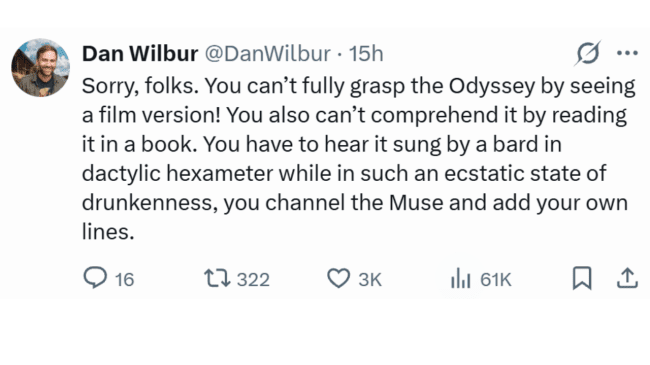
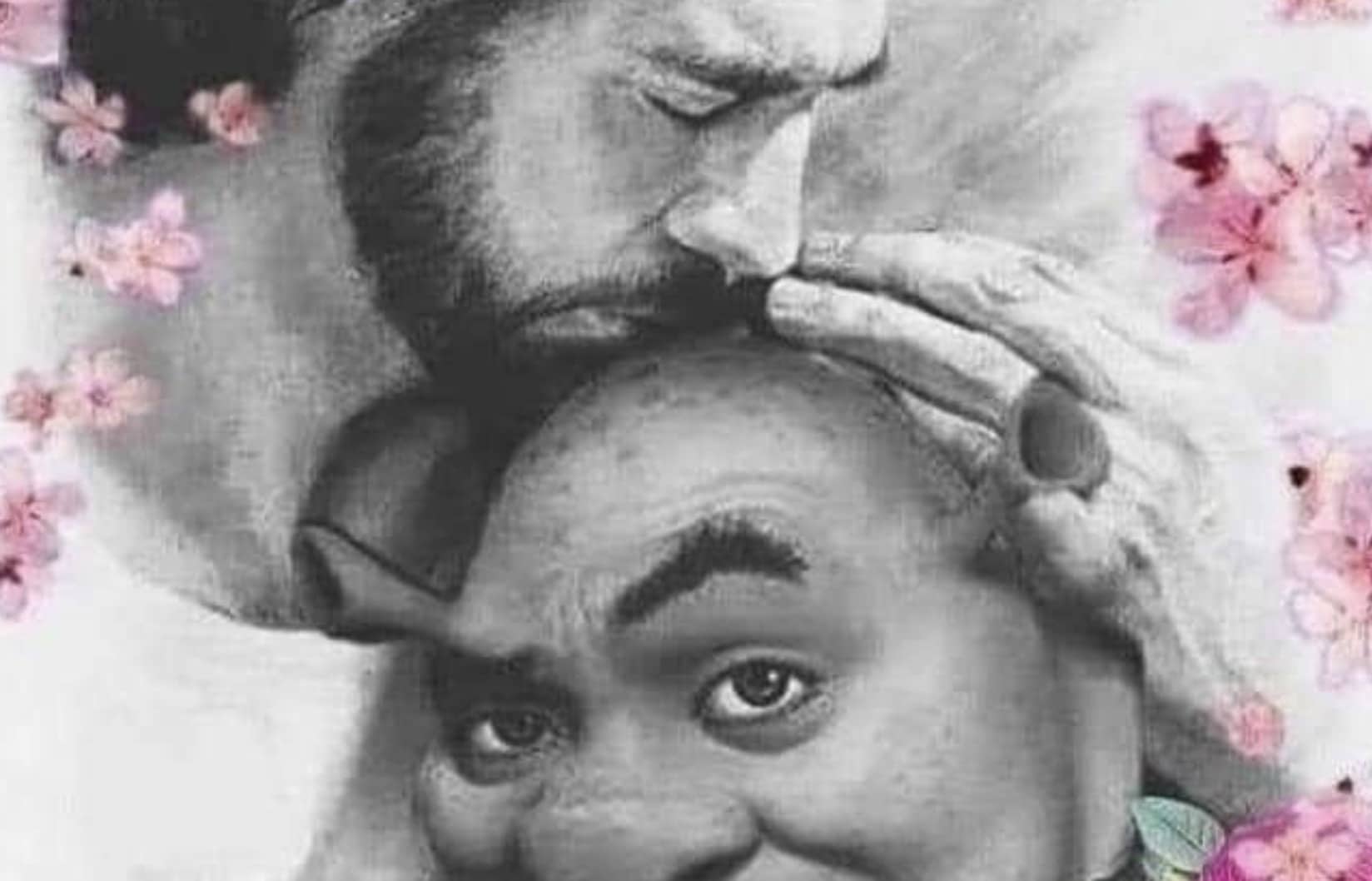
Gatekeeping Homer is a wild hobby.
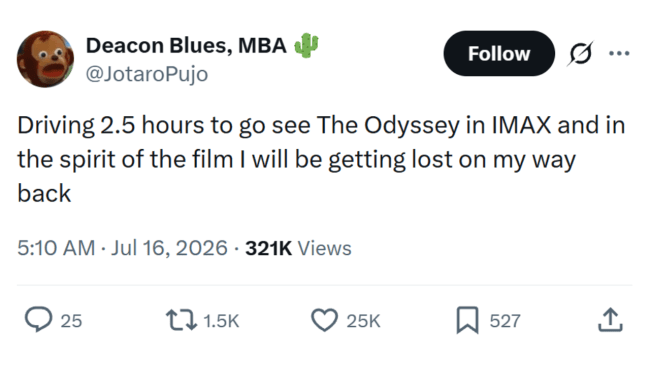
The true immersive 4D experience involves your GPS completely failing you on the interstate.
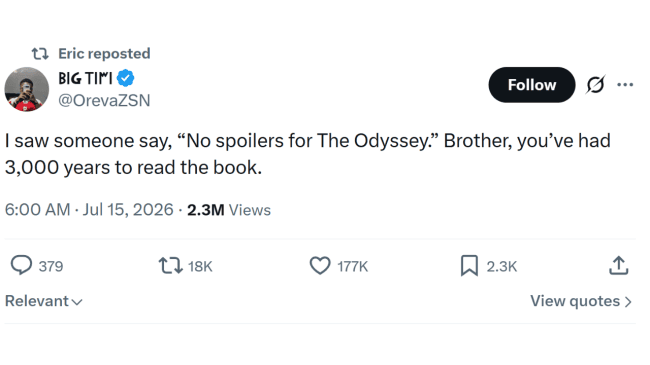
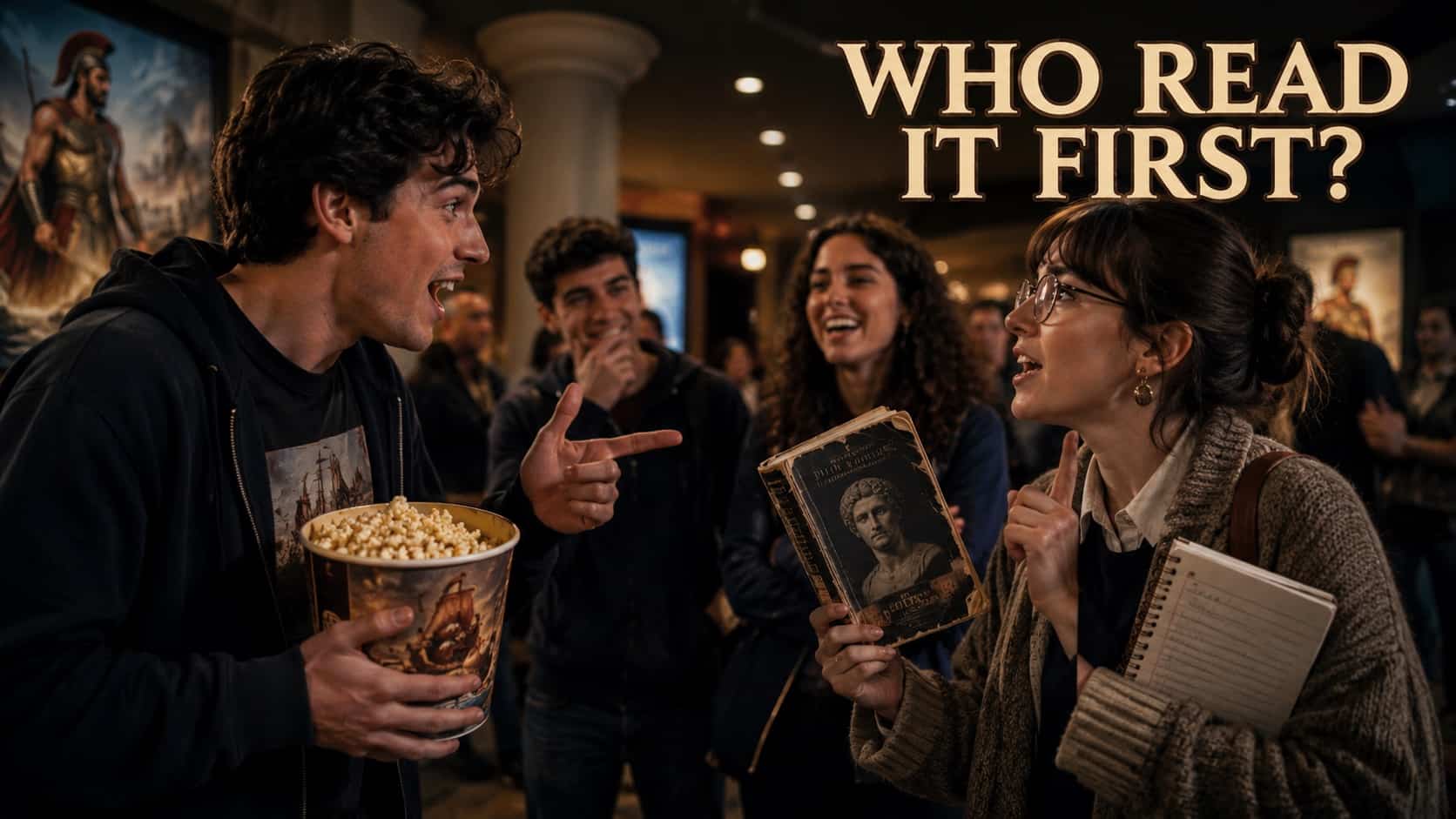
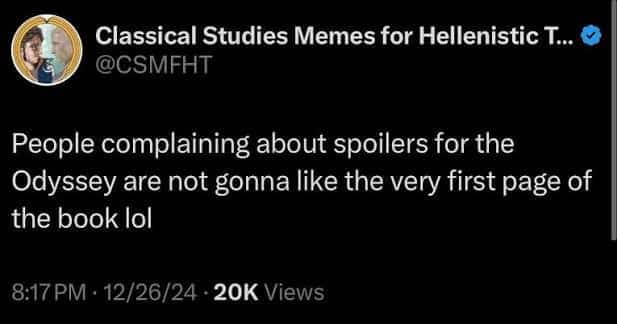
Fellas, is it a spoiler if the author has been dust for three millennia?
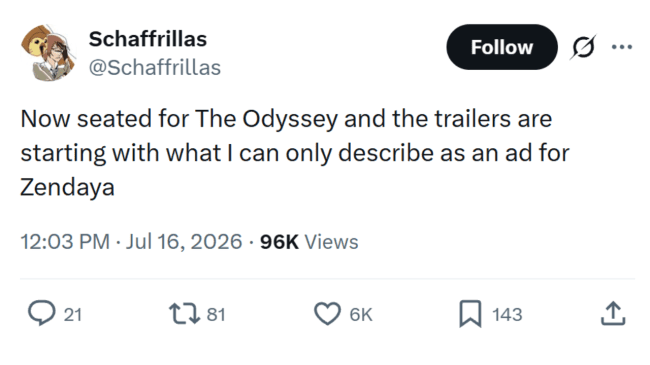
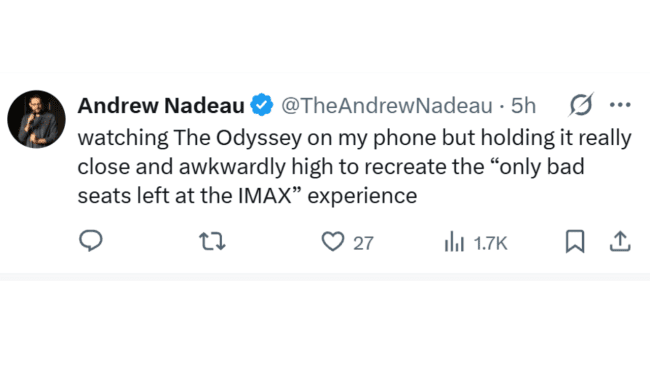
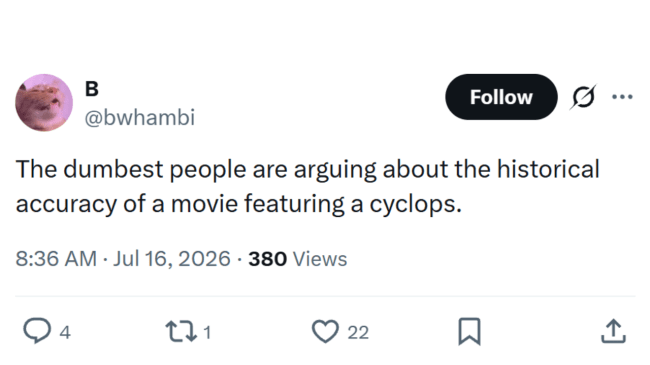
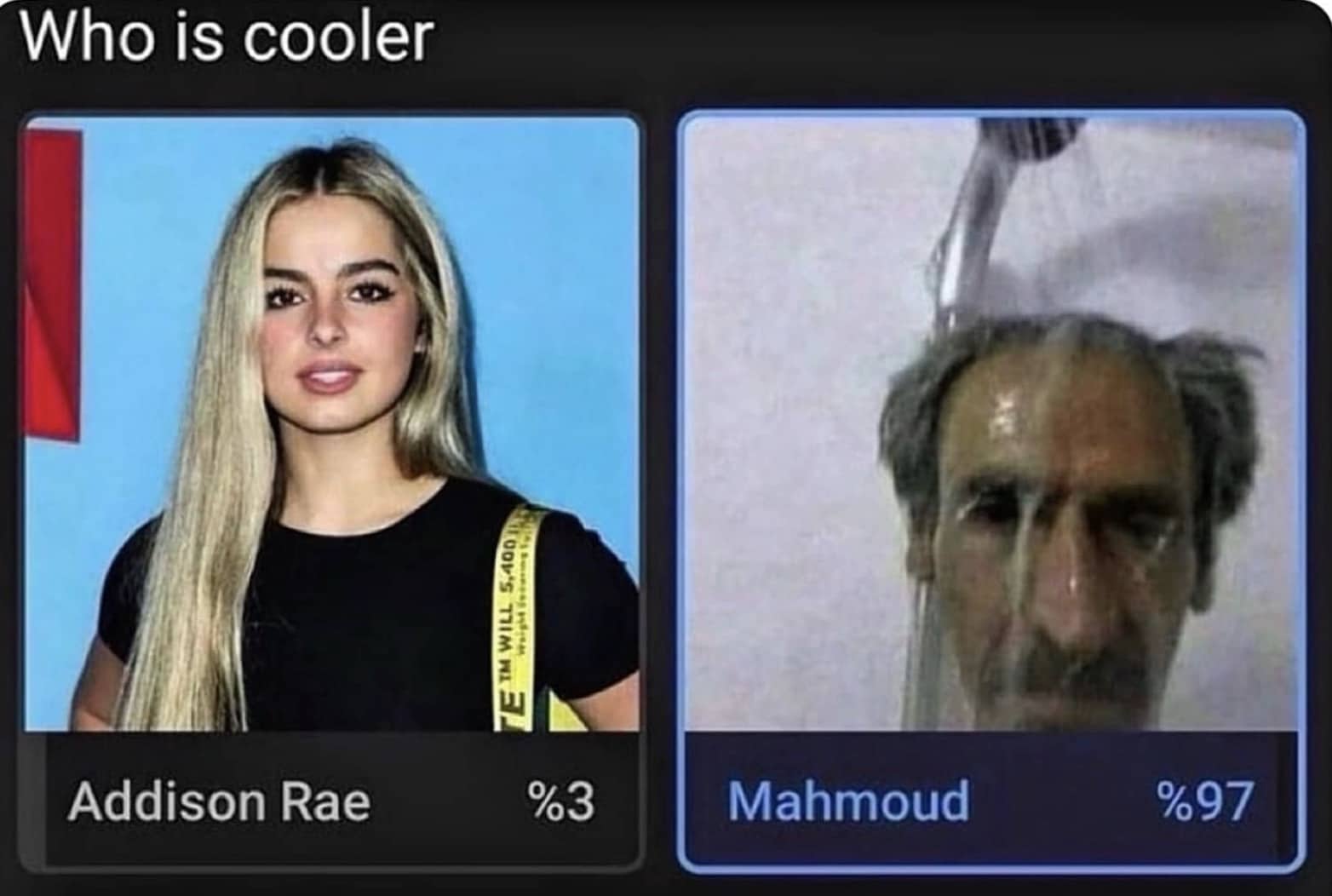
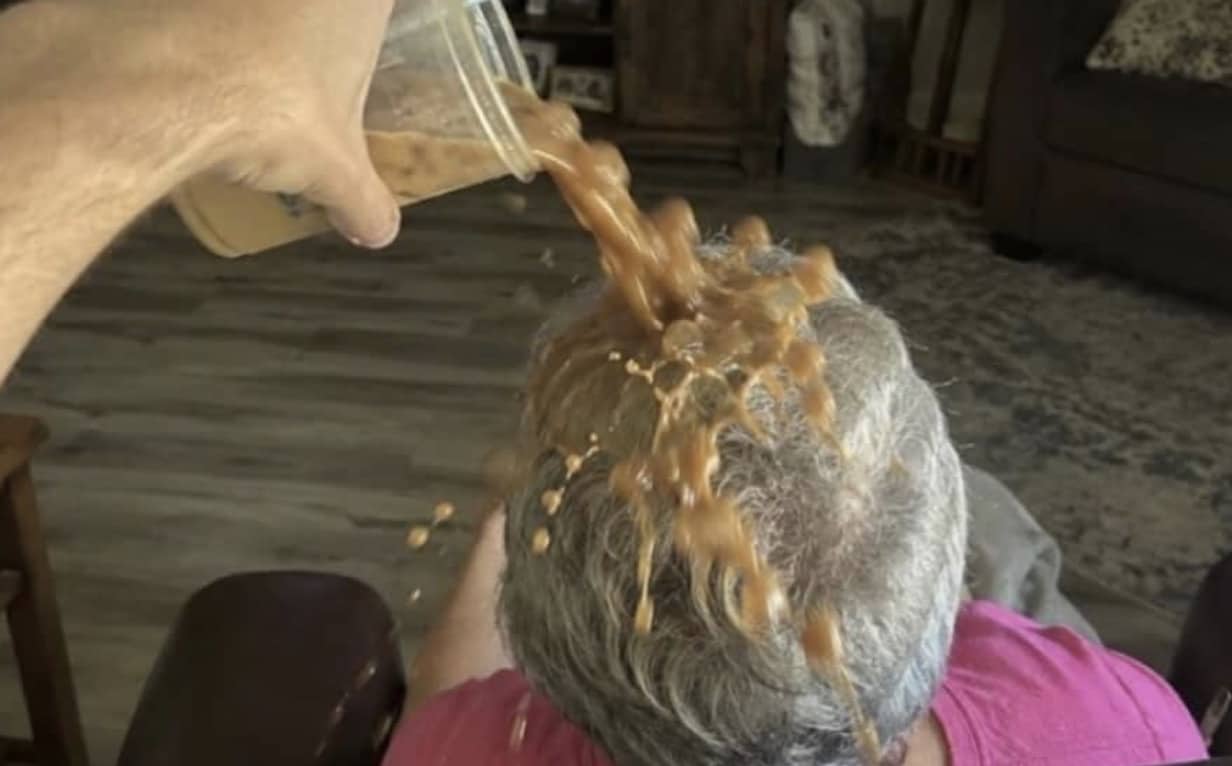
Film Twitter logic.
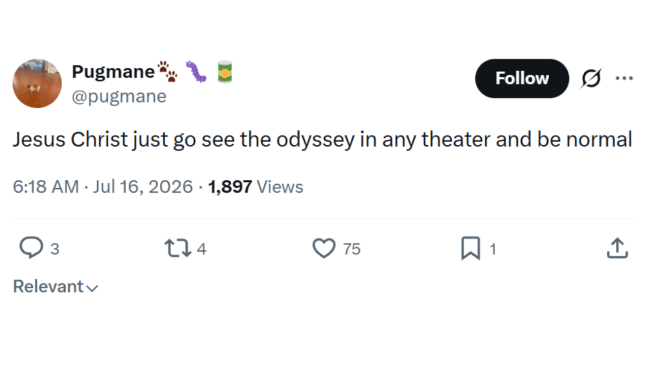
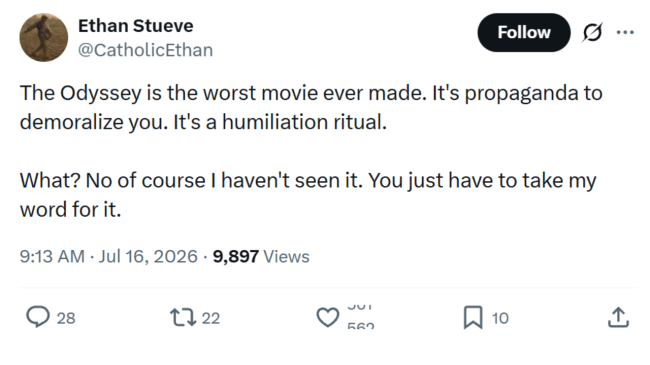
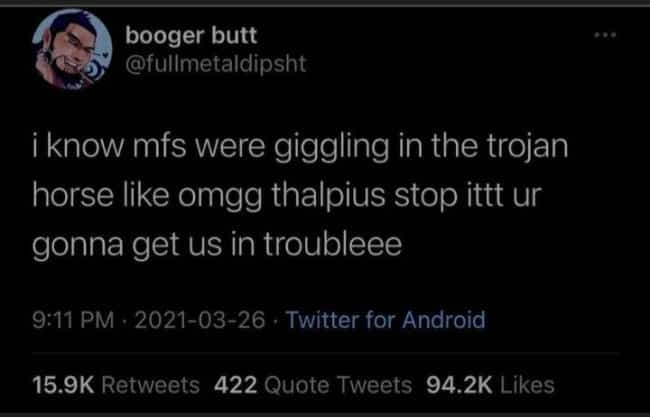
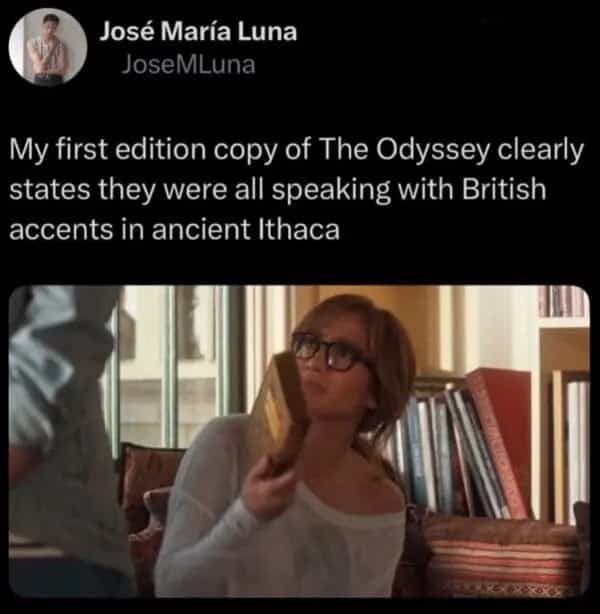
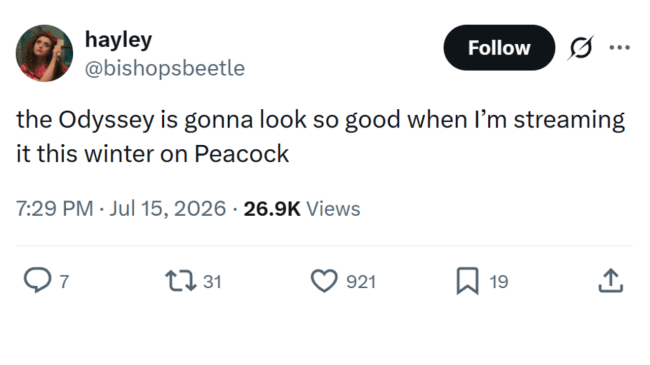
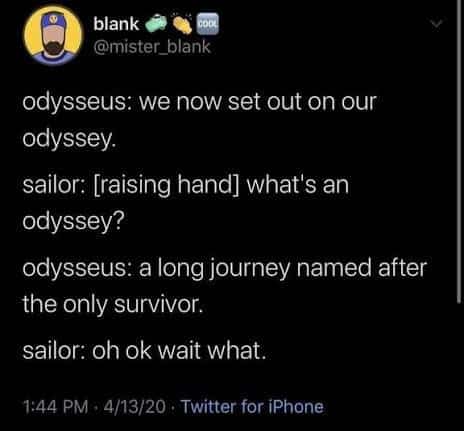
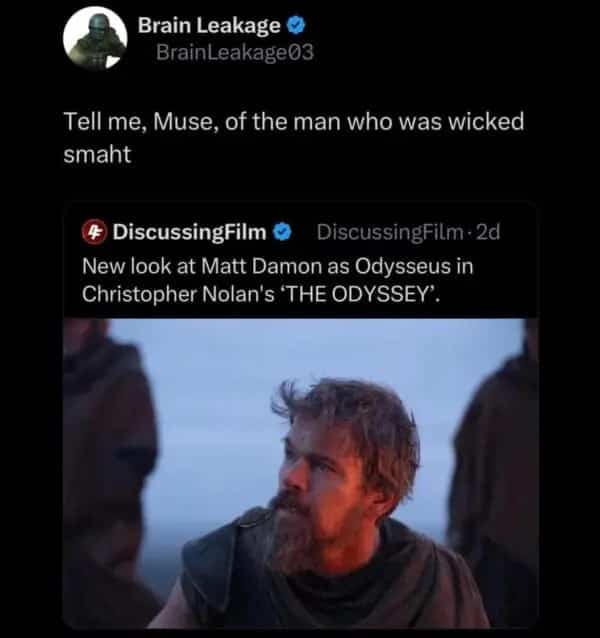
Odyssey reaction memes
Read More
The spoiler discourse is the crown jewel of this whole moment, the genuinely surreal spectacle of people requesting protection from the ending of one of the oldest stories humanity possesses. The text has been in the public domain since before the public existed. It’s been assigned homework for centuries. And yet the modern spoiler reflex is so deeply installed that it fires anyway, and the memes documenting this are performing a public service, which is pointing and laughing, gently, at all of us.
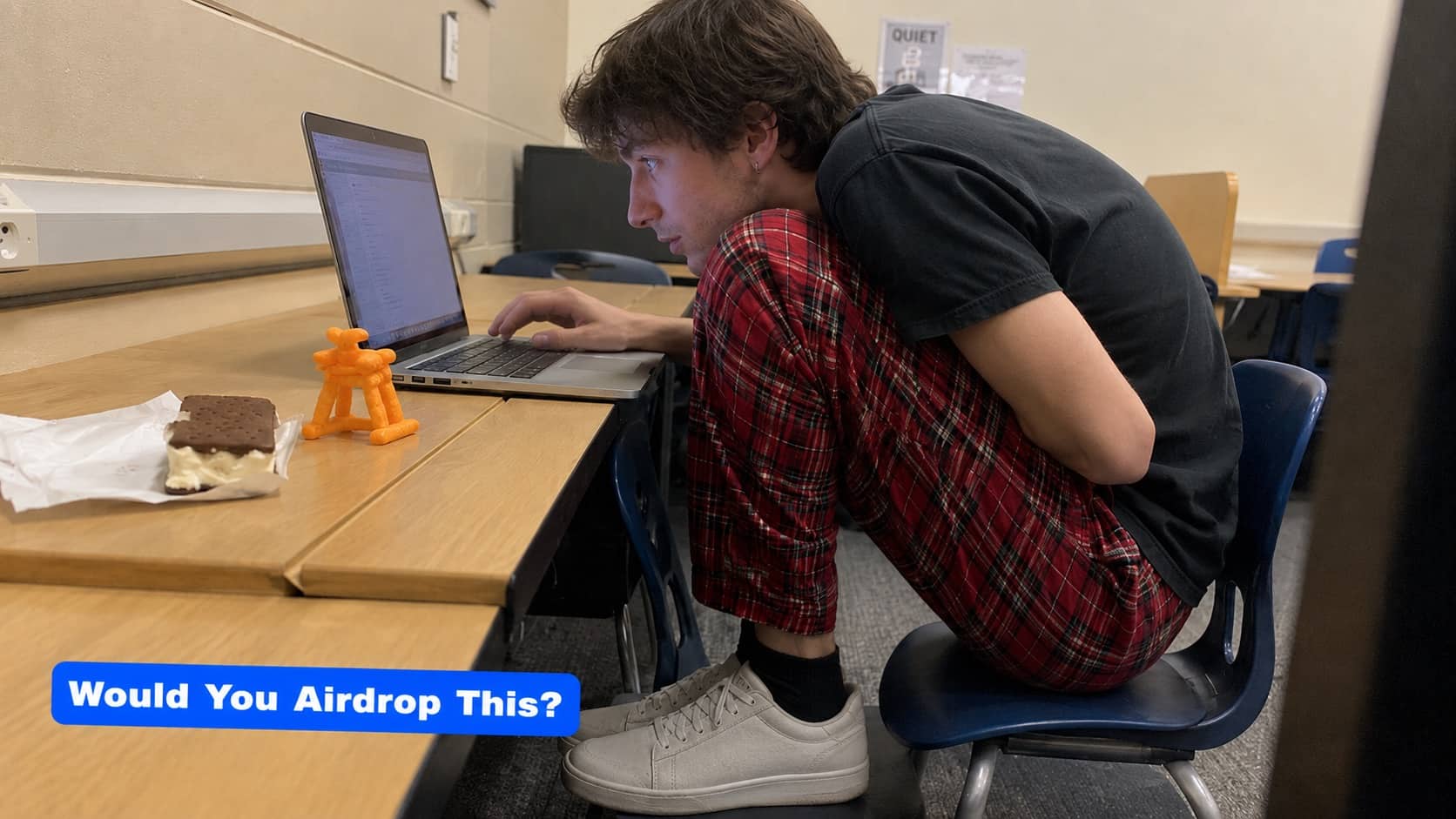
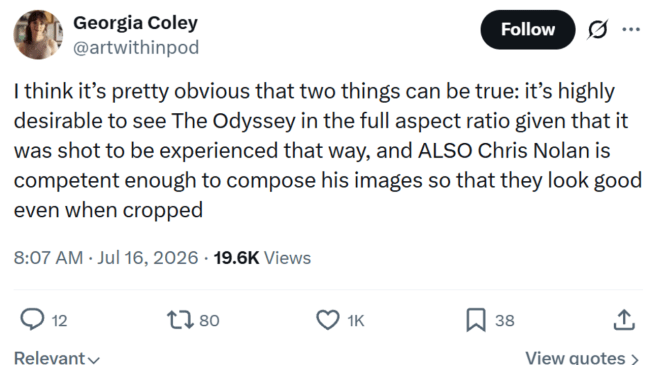
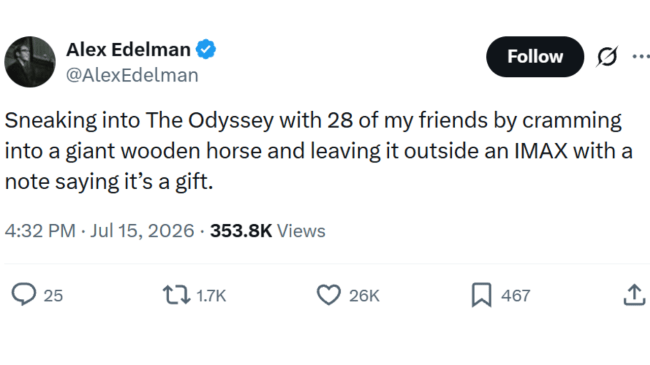
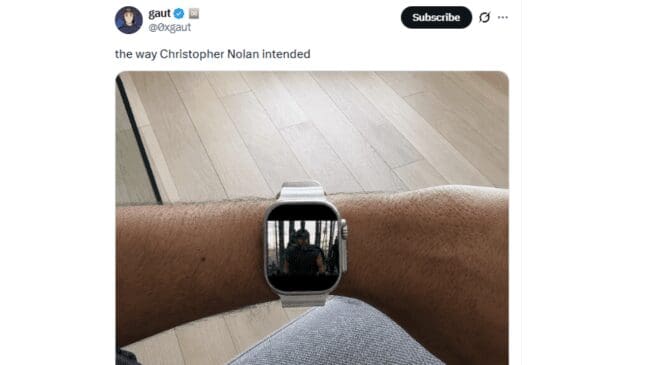
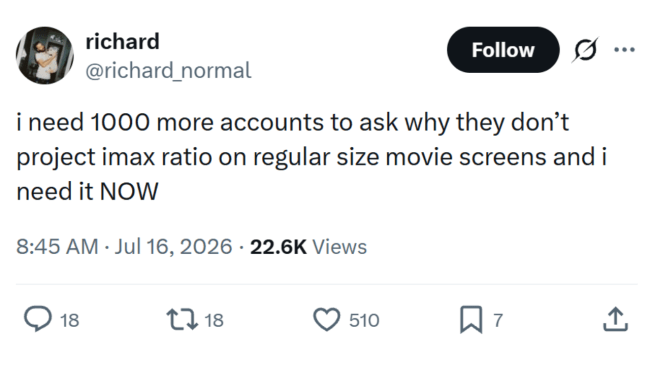
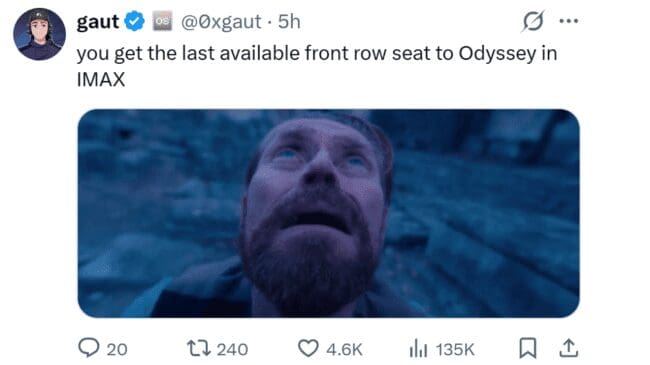
Then there’s the format-purist wing, the viewers locked in combat over the singular correct way to experience the film. Screen dimensions treated as moral positions. Physical discomfort framed as devotion, the argument that you haven’t truly seen it without the specific neck cramp of premium seating. It’s the modern version of an ancient impulse, honestly, the belief that suffering validates the experience, and the original poem’s protagonist would recognize the logic immediately. He suffered for ten years to get home. You can suffer for three hours in row two.
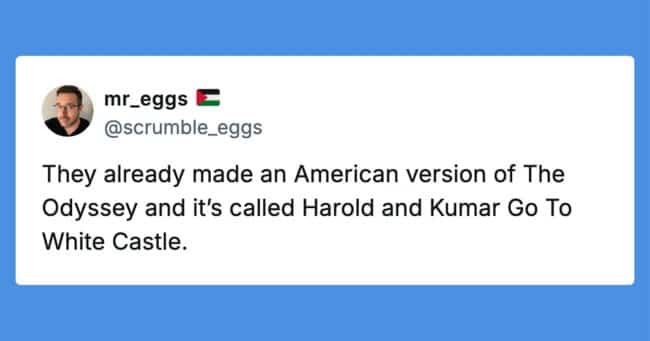
And the historical-accuracy debates achieve a purity of absurdity that deserves preservation, the earnest arguments over realism in a story featuring mythological monsters. There’s a whole genre of commentary applying documentary standards to material where a one-eyed giant eats sailors, and the confidence of these critiques is the entire joke. The facts are not available. The monster is not documented. The discourse continues regardless, which might be the most human thing about the entire phenomenon.
What this moment actually demonstrates is that the internet only has one set of tools, and it will use them on anything. The discourse machine doesn’t distinguish between a superhero sequel and a foundational text of Western literature. Everything gets the same treatment, the takes, the wars, the memes, and there’s something almost democratic in that flattening. Homer is trending. The bards never dreamed this big.
And underneath the mockery, the memes are documenting something kind of wonderful, which is mass enthusiasm for a very old story. The arguments are silly, but arguments mean attention, and attention means a three-millennia-old epic is genuinely in the cultural bloodstream again, being fought over like it’s new, because for many people it is. The gatekeepers will lose, they always do. The story absorbs everyone eventually. It has practice.
The poem is ancient. The takes are fresh. No spoilers, apparently.
If the film discourse chaos was your kind of fun, our pop culture content is right where you’d want to land next, and we’ve got plenty of movie reaction archives, internet debate threads, and cinema meme compilations for anyone who enjoys the arguments about a film at least as much as the film. Save your ticket stub.
Read Memes
Get Paid


Michael Hartley, or just "Mike," is an editor and seasoned meme historian whose articles have traced the evolution of meme humor from early Impact-font classics to today’s TikTok sensations. With nearly a decade spent as senior editor at ViralHype and as a regular contributor to Cheezburger, Mike has dissected the rise of meme legends such as Bad Luck Brian, Success Kid, and Doge. When he's not hunting down meme gold for Thunder Dungeon, Mike teaches workshops on meme marketing and the psychology behind shareable content.