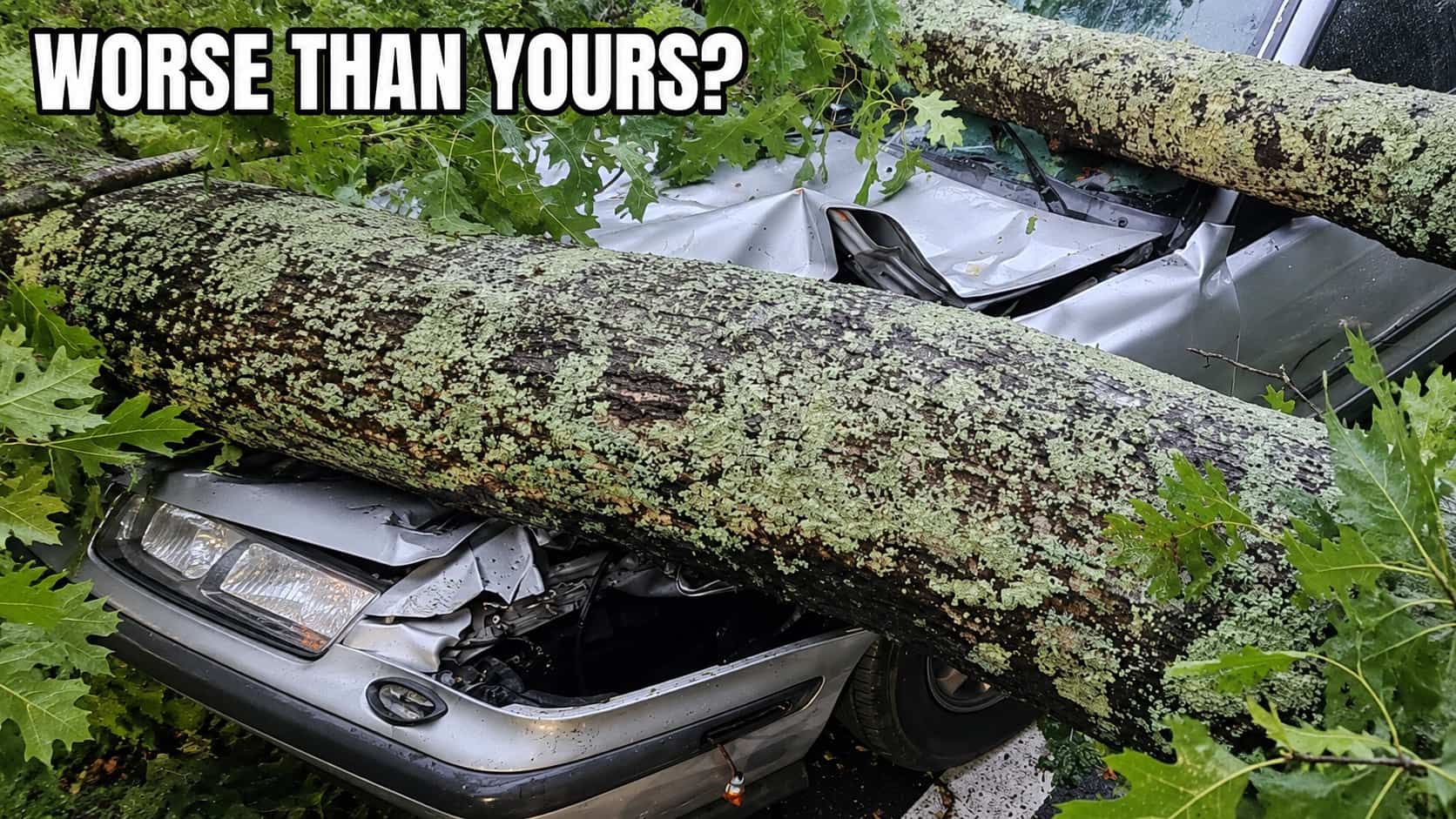


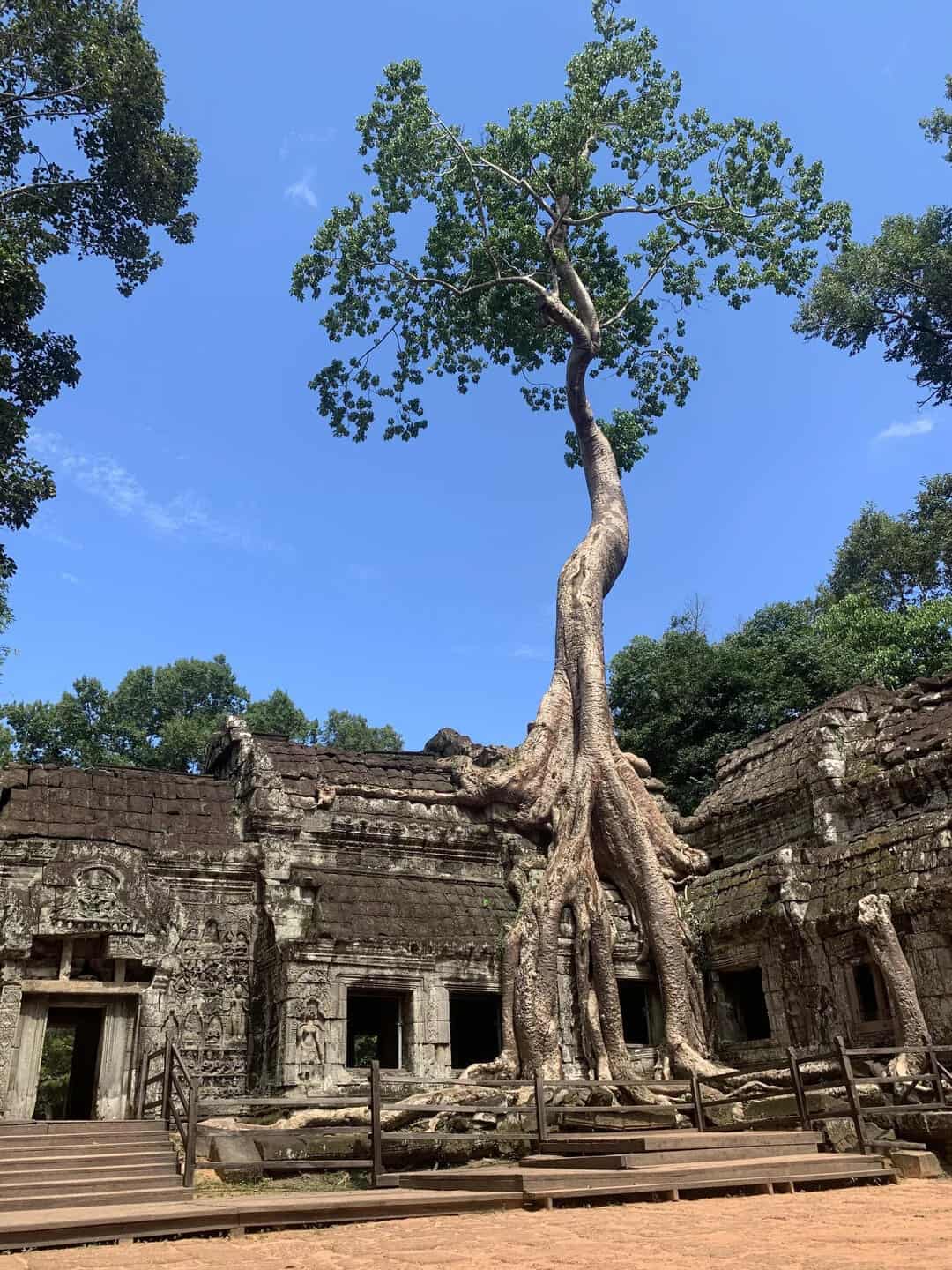
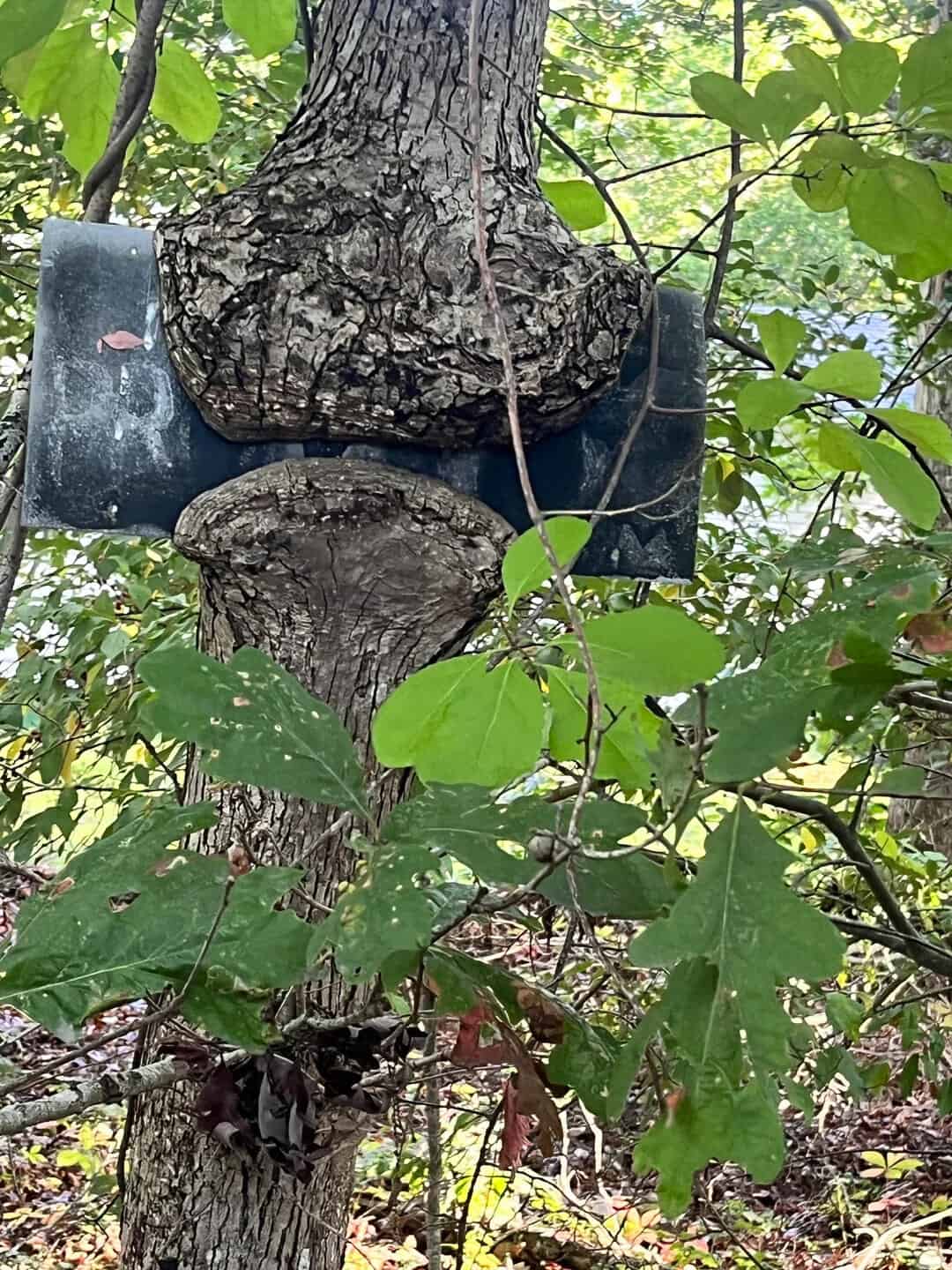
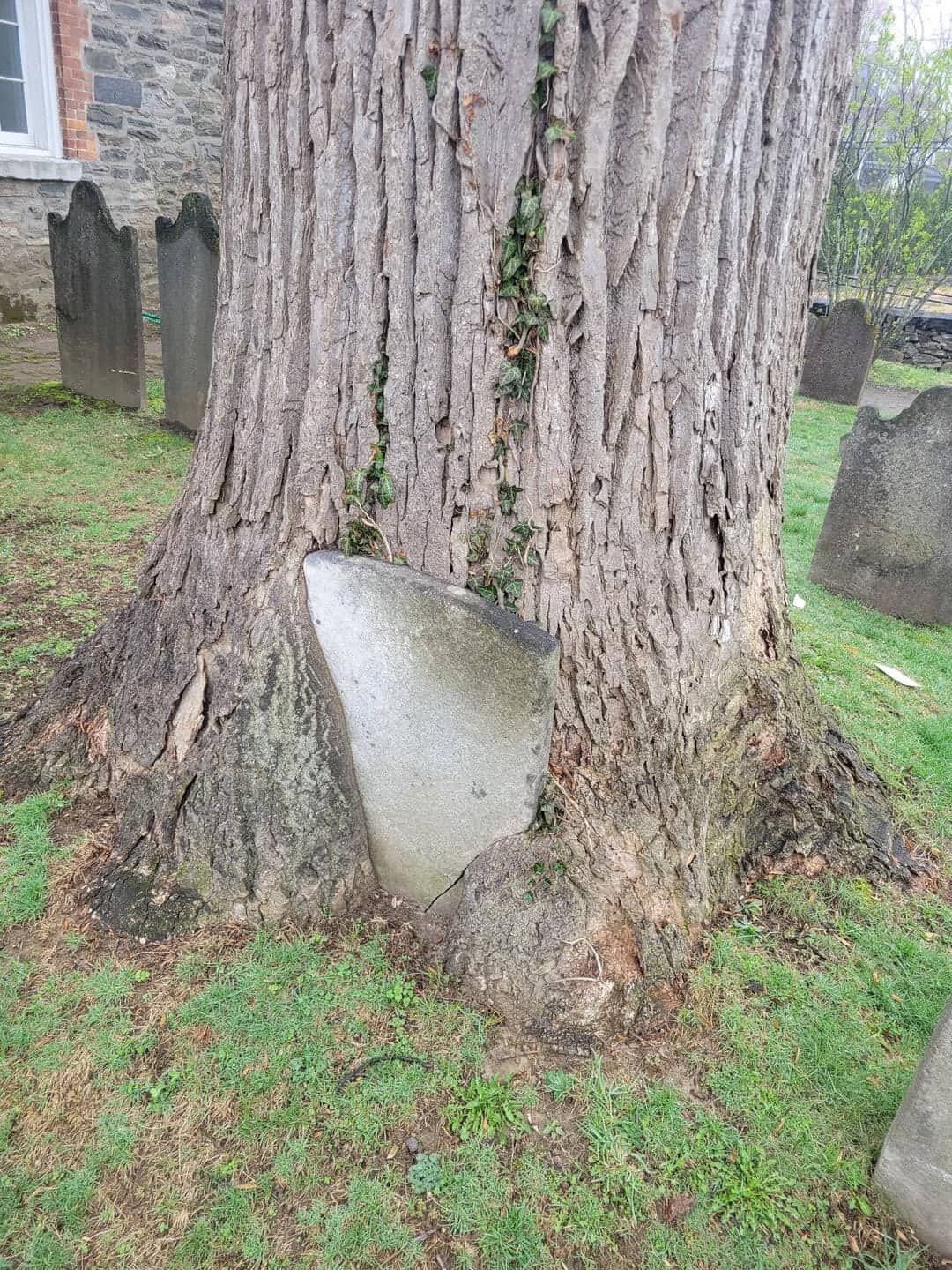
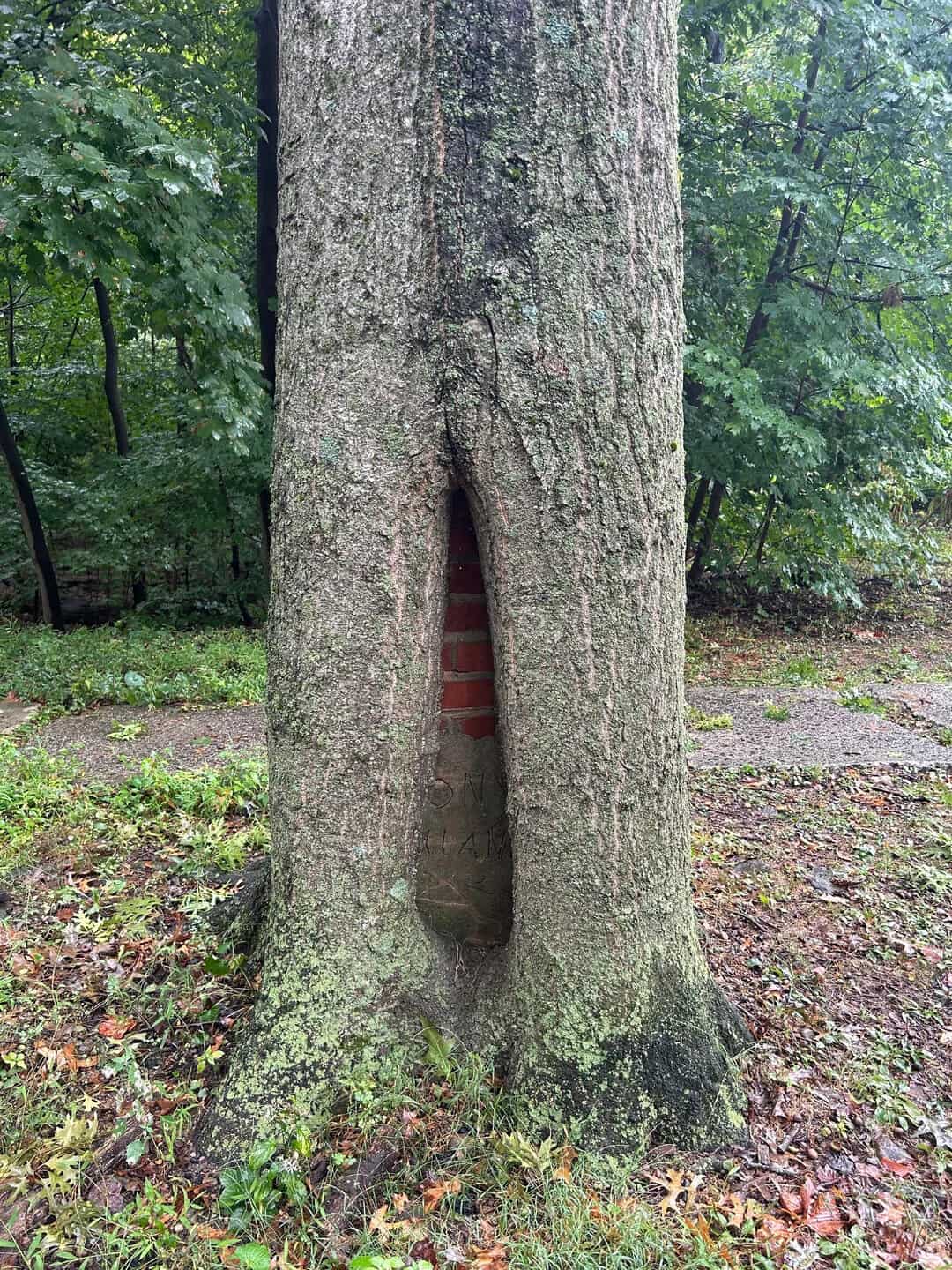
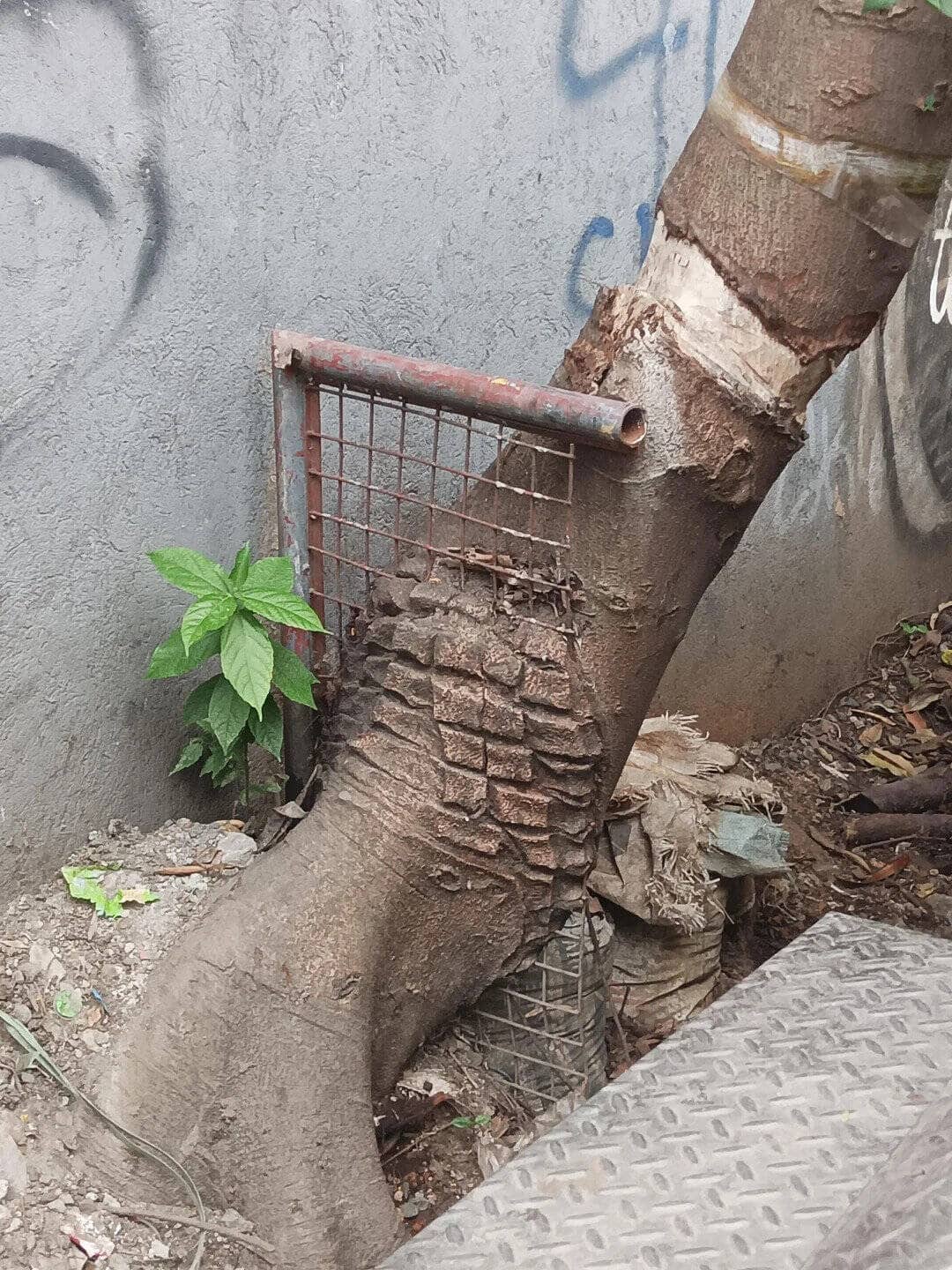
Humans build fences, walls, signs, and streetlights, and trees look at all of it and think, eventually, that’s mine. These trees eating things photos document the slowest hostile takeover in nature, wood patiently absorbing metal, stone, and infrastructure one millimeter per year, with no urgency and no mercy. You cannot rush a tree. You also, apparently, cannot stop one. Respect your future overlords.
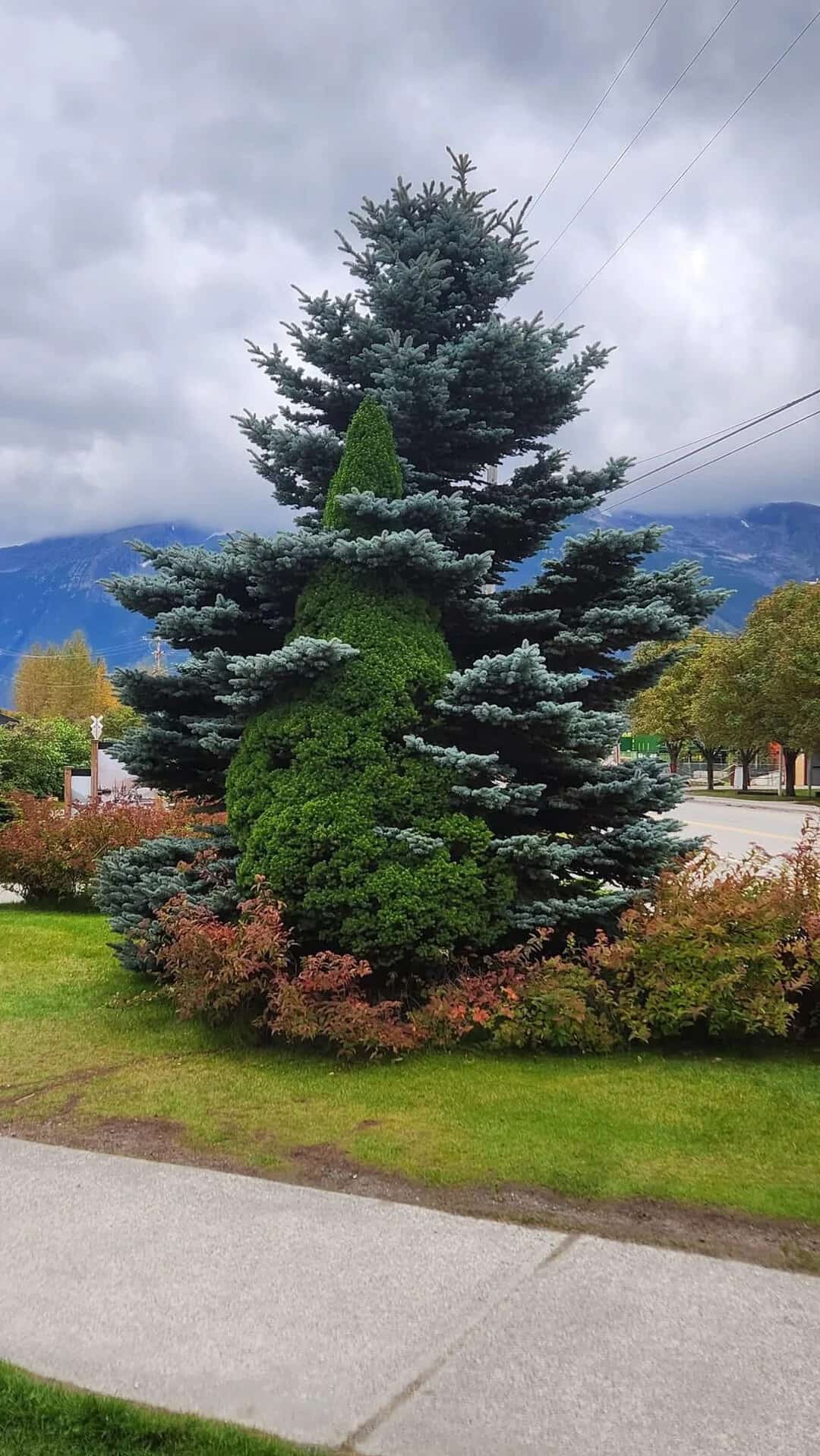
The most polite, incredibly slow-motion turf war in suburban history.
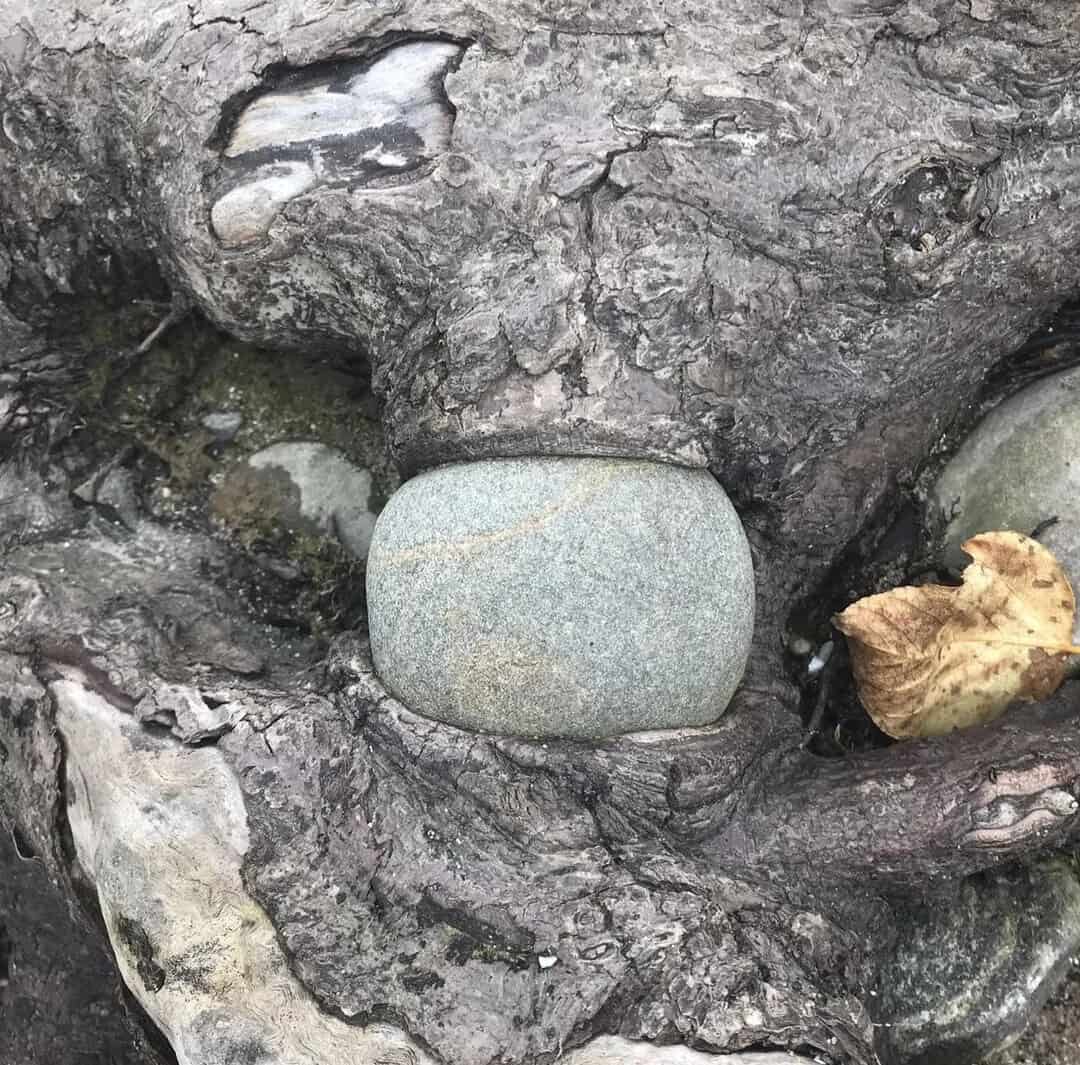
"Nom."
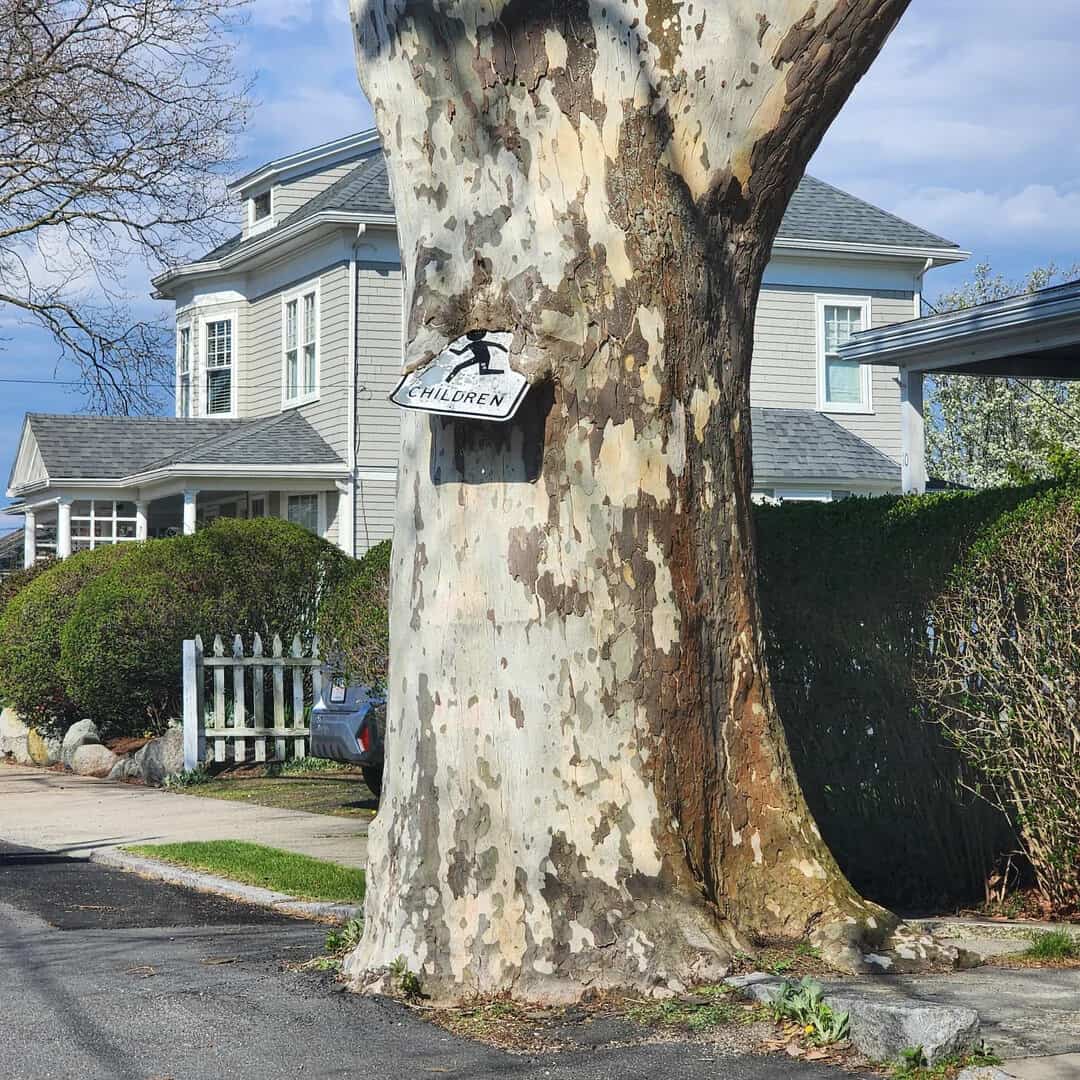
The trees are fighting back, and they are starting with our civil infrastructure.

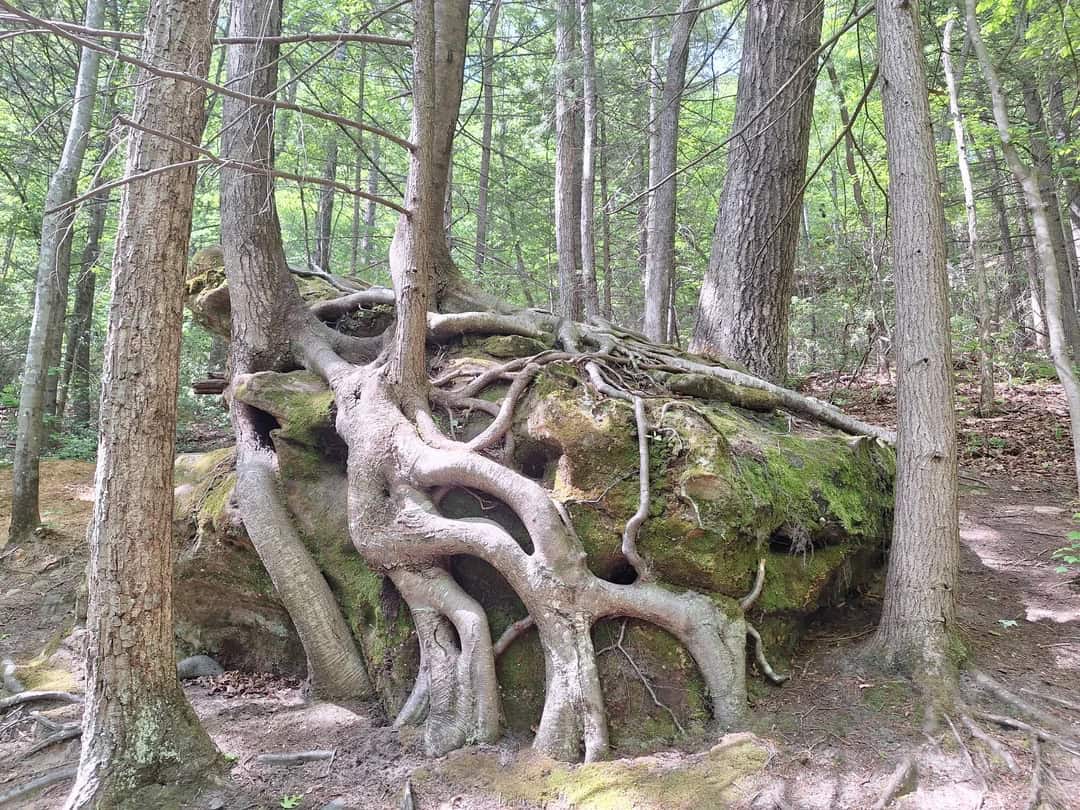
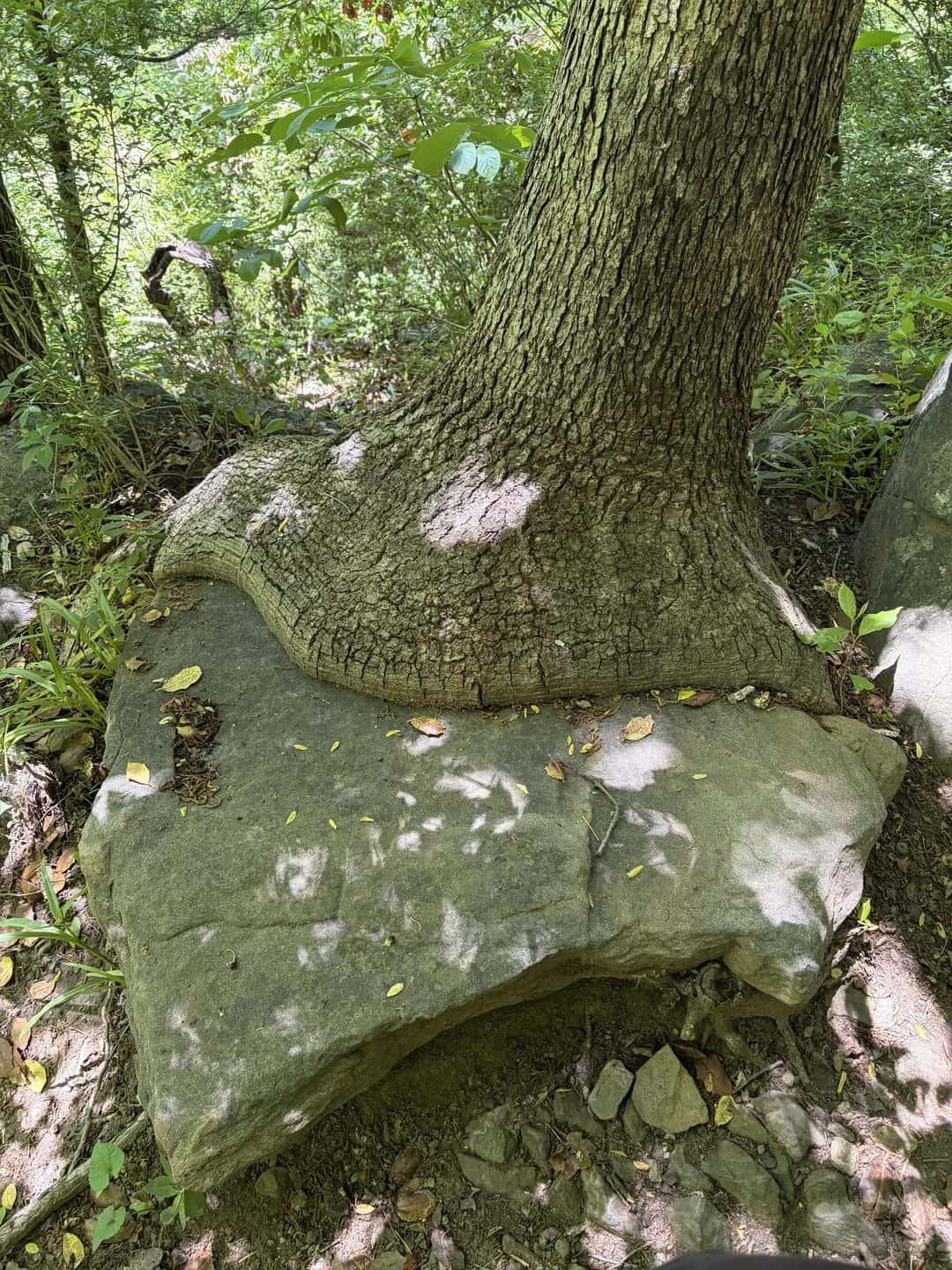
The forest version of a memory foam mattress.
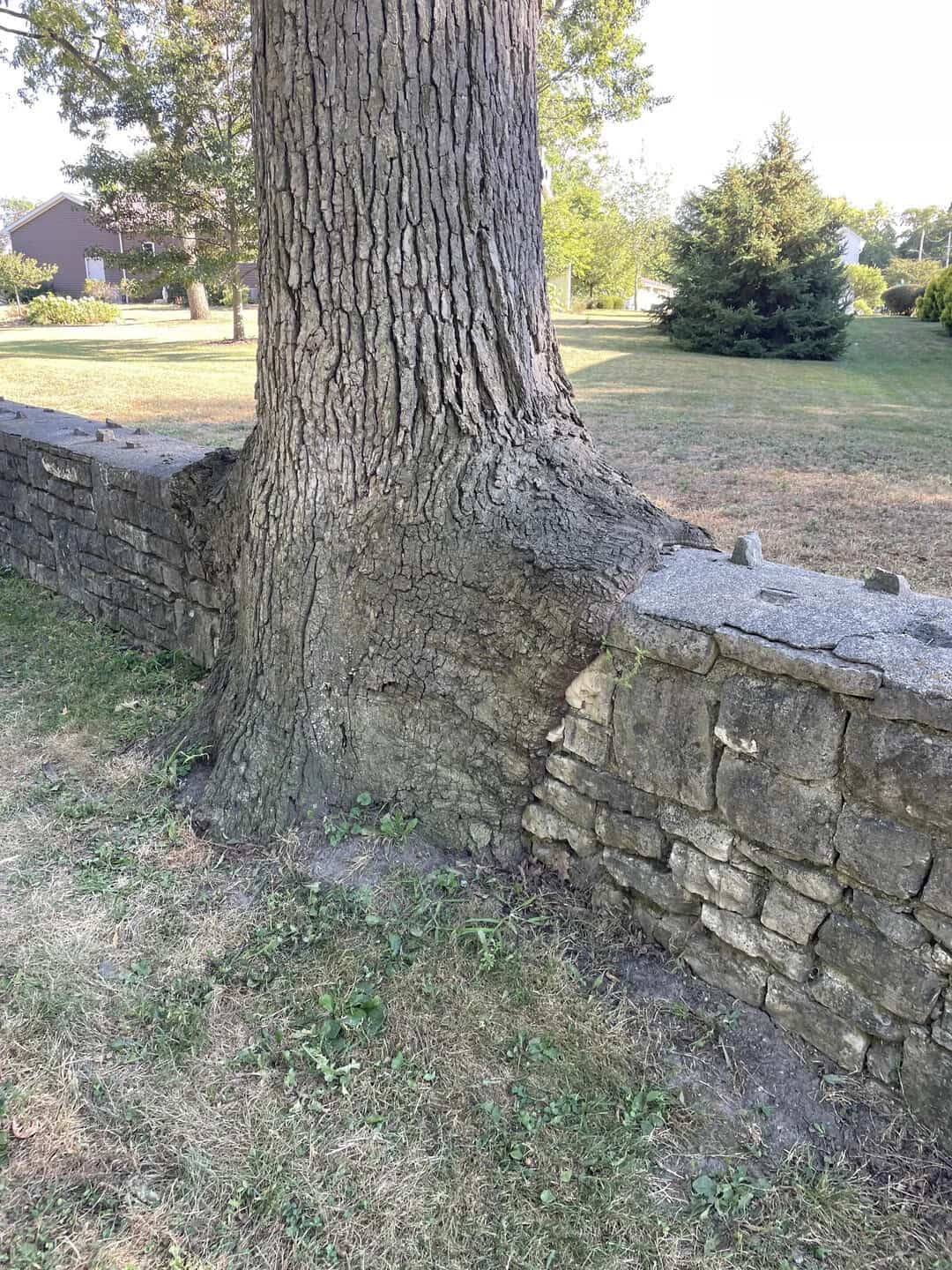
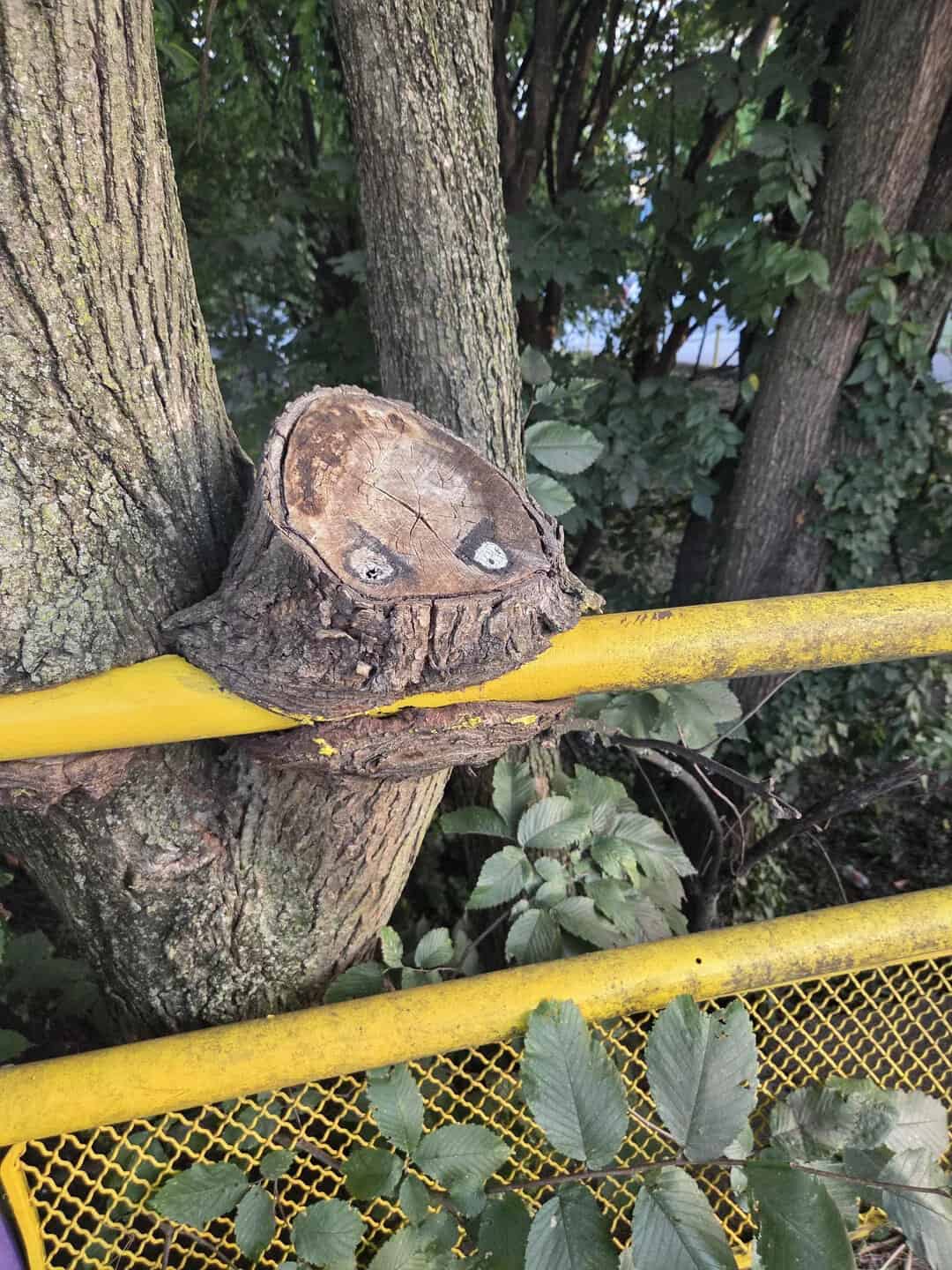
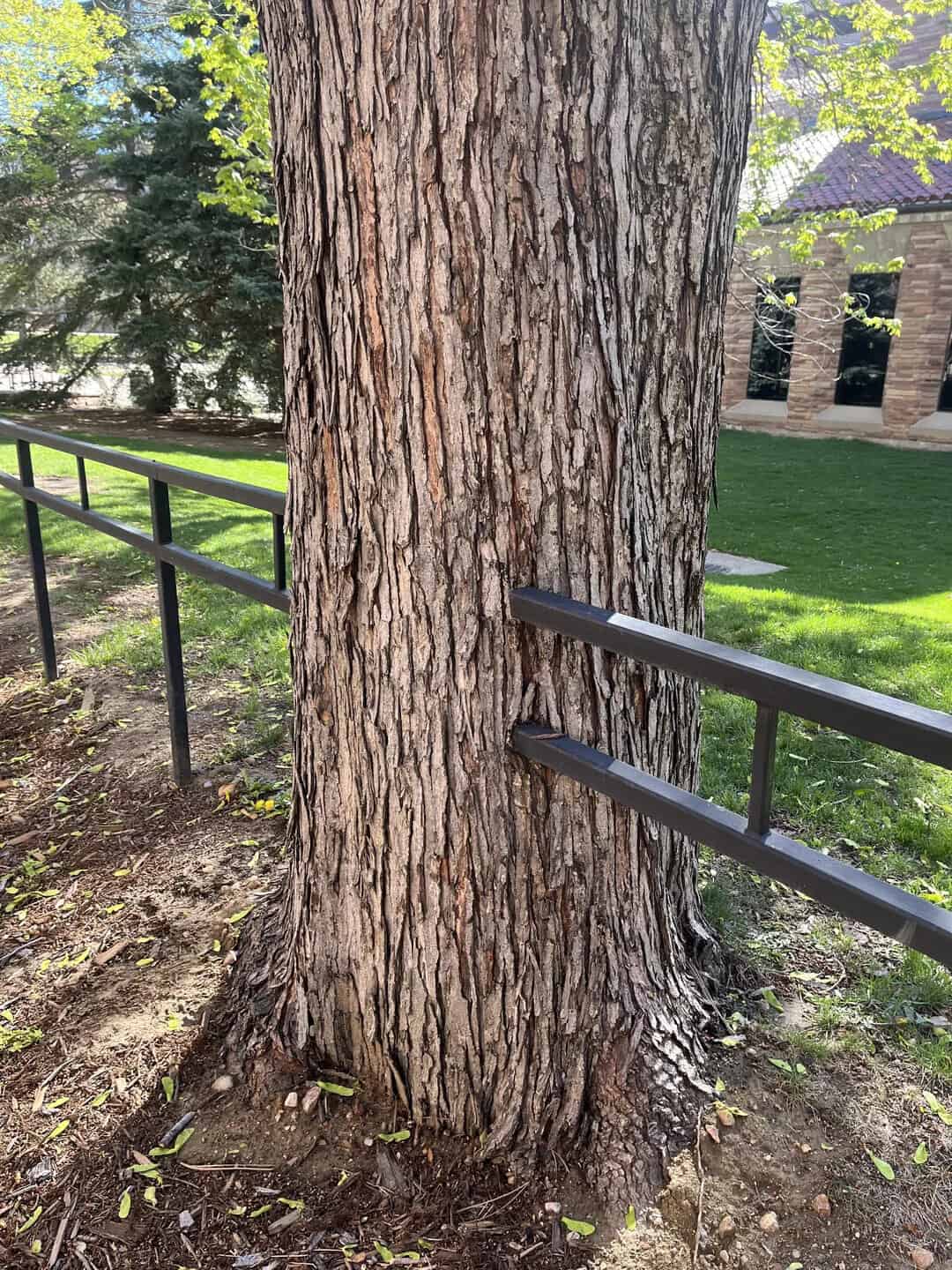
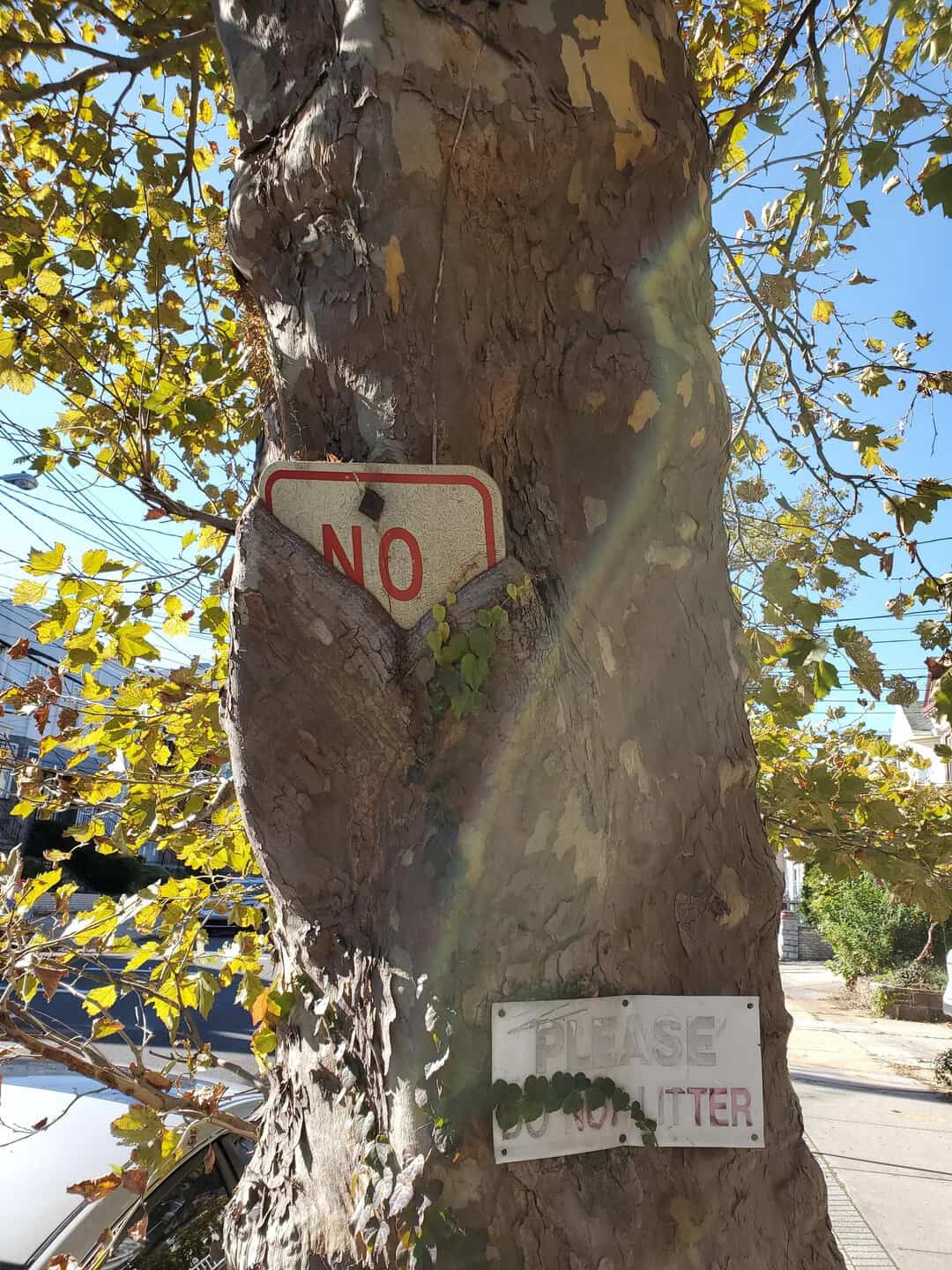
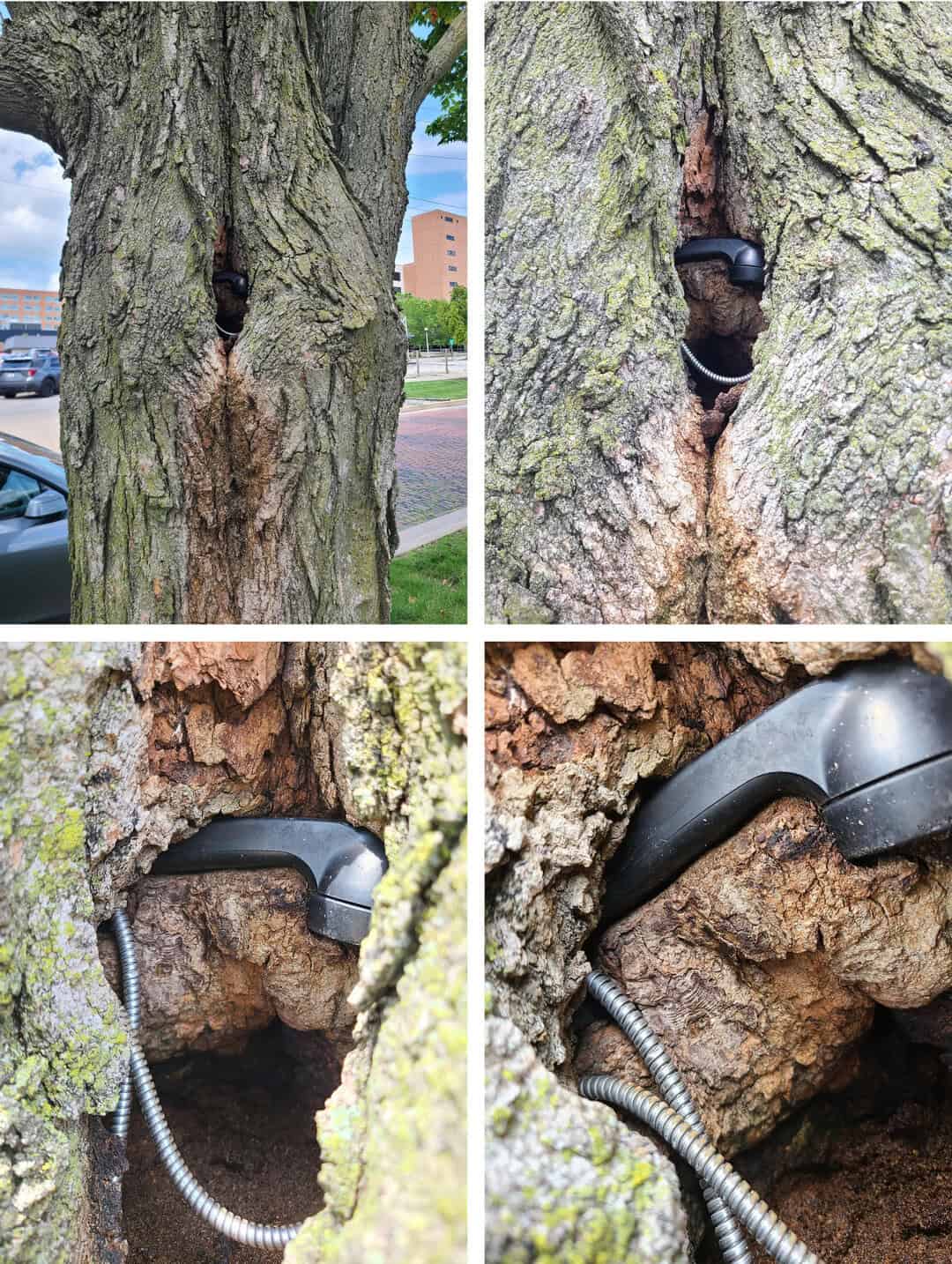
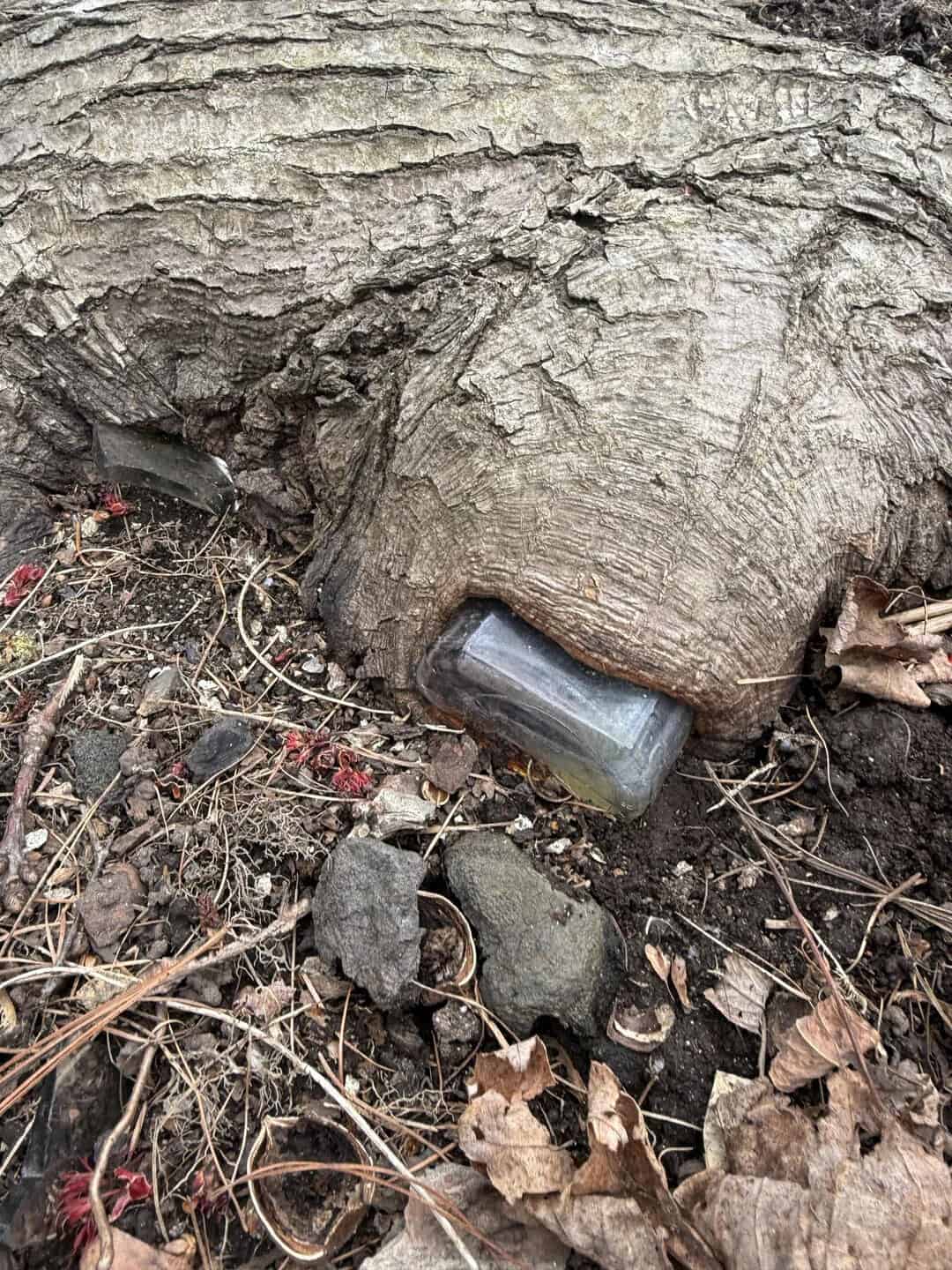
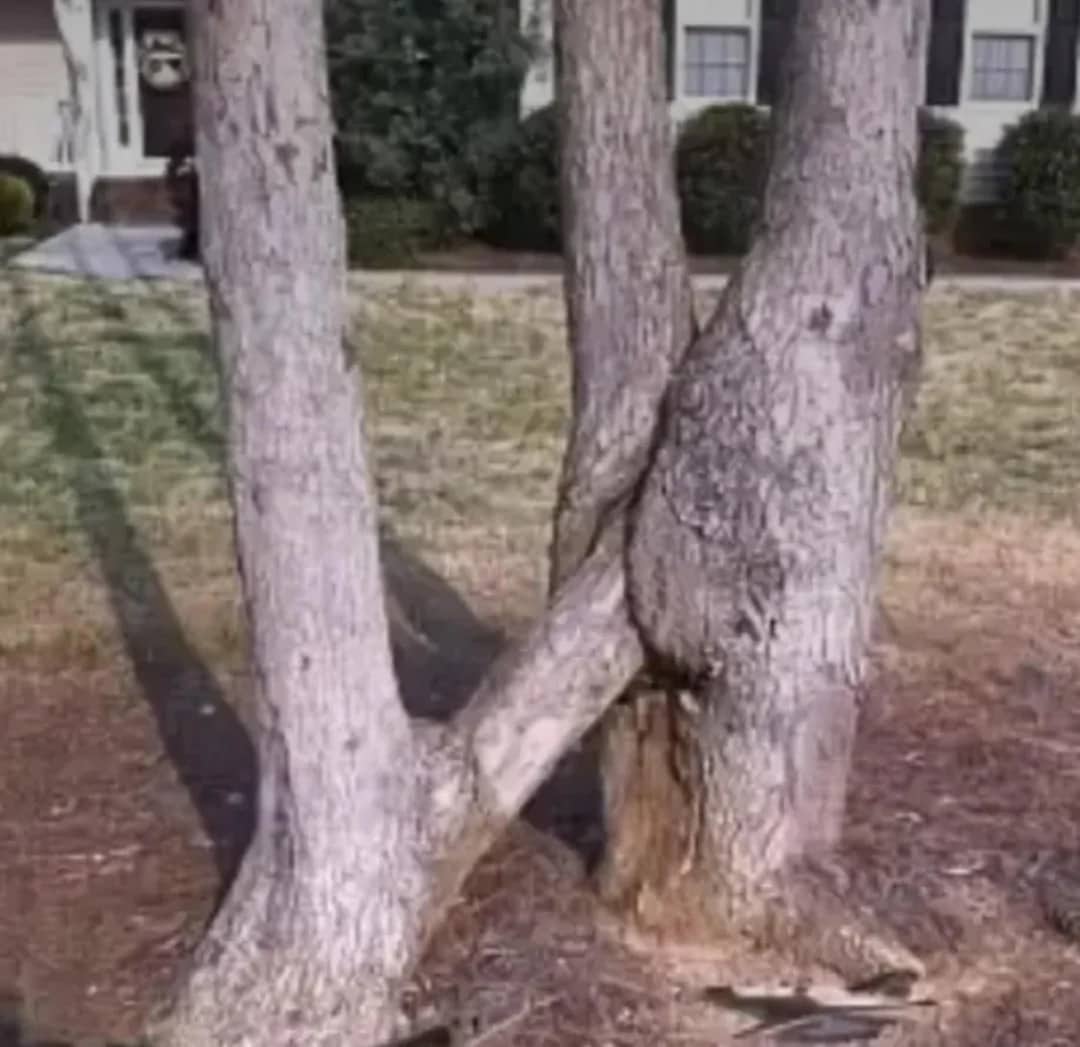
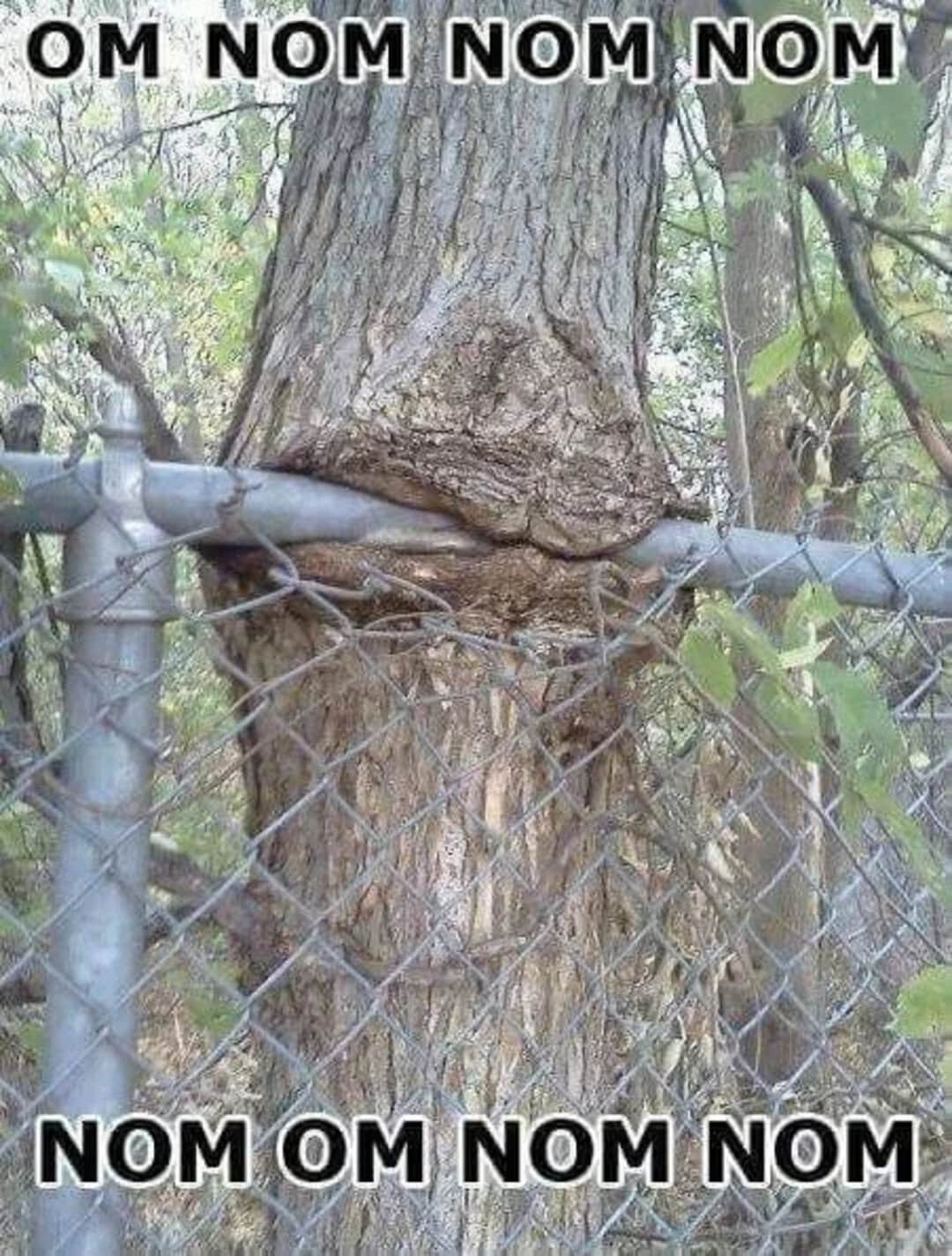
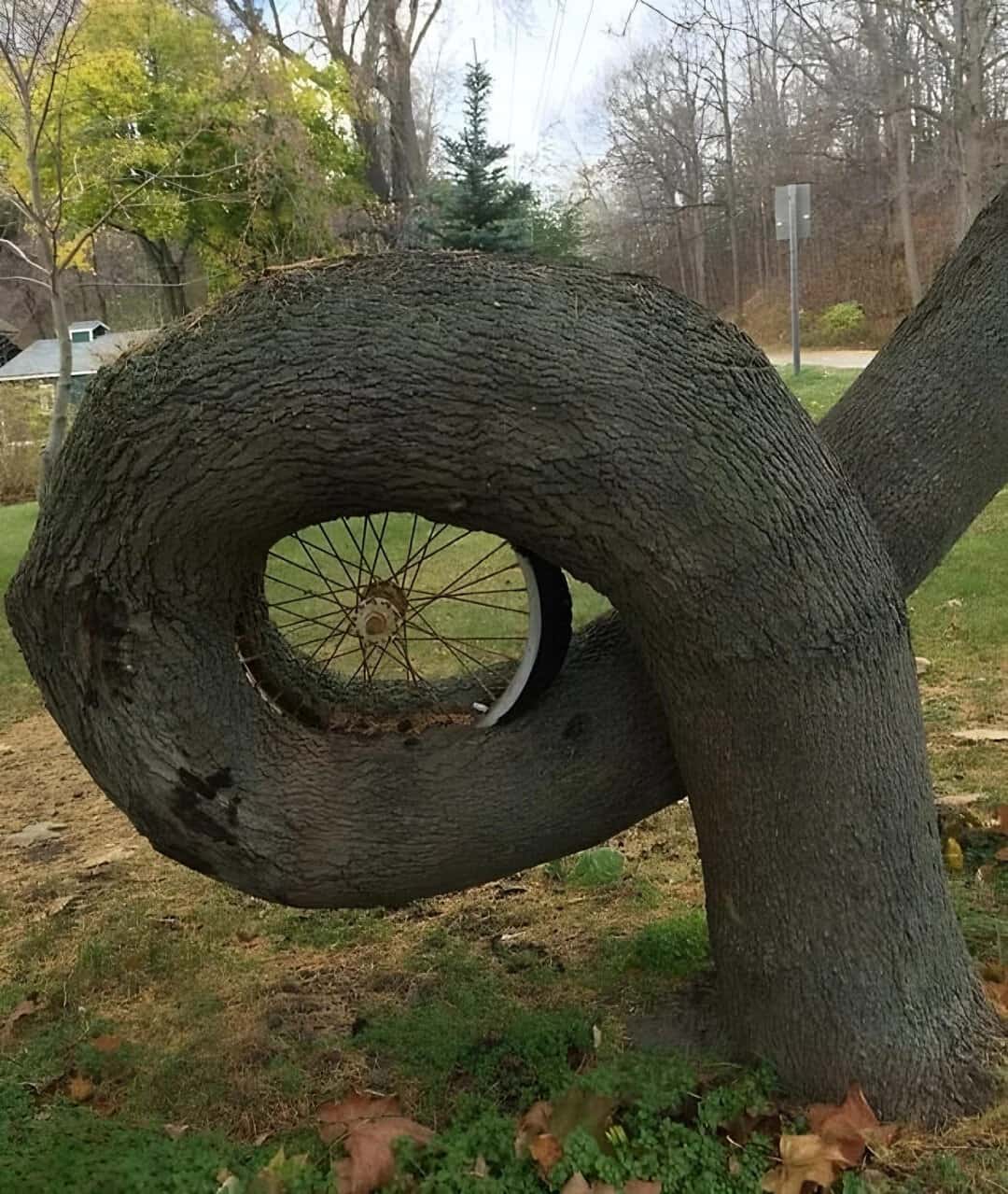
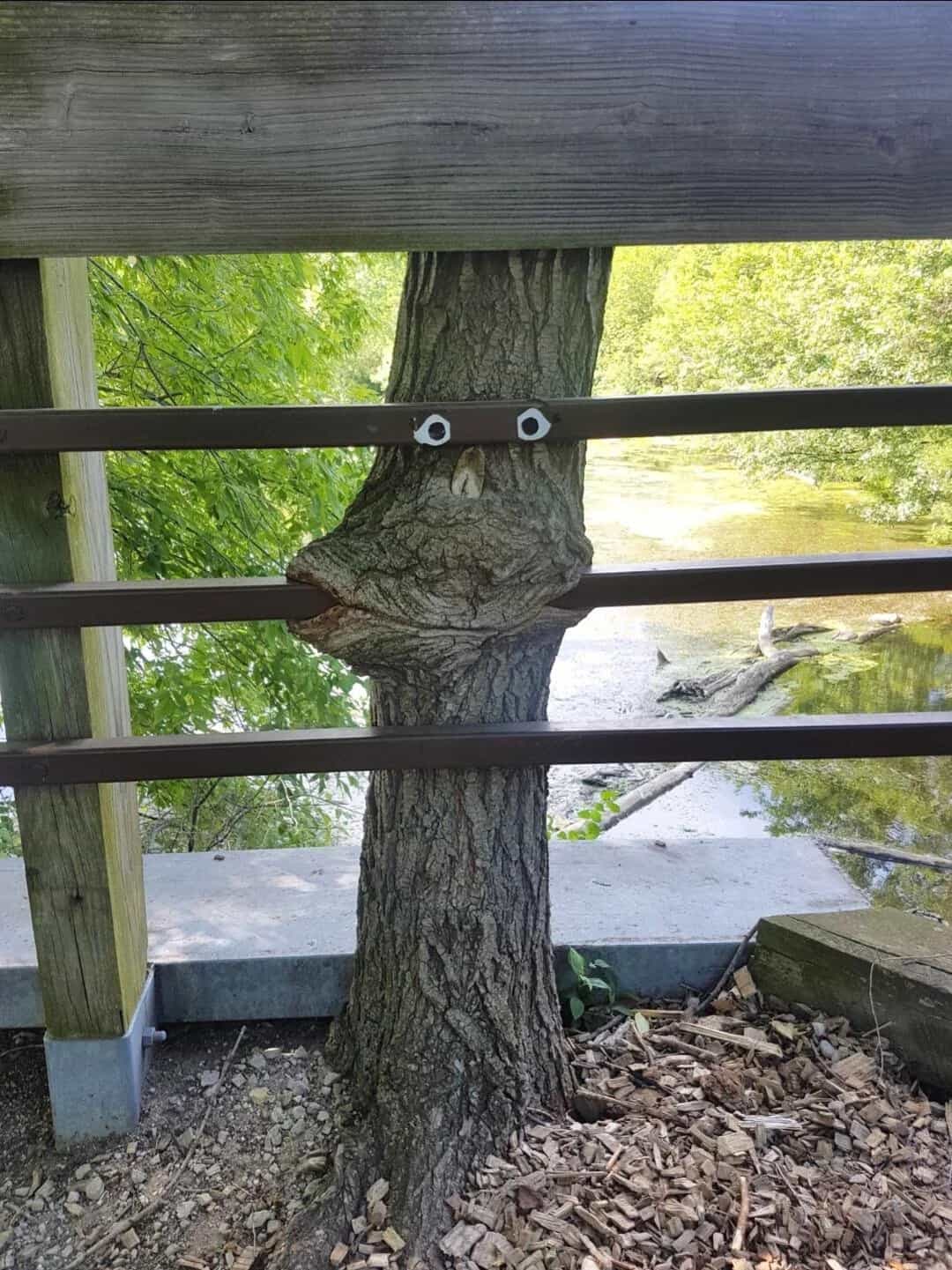
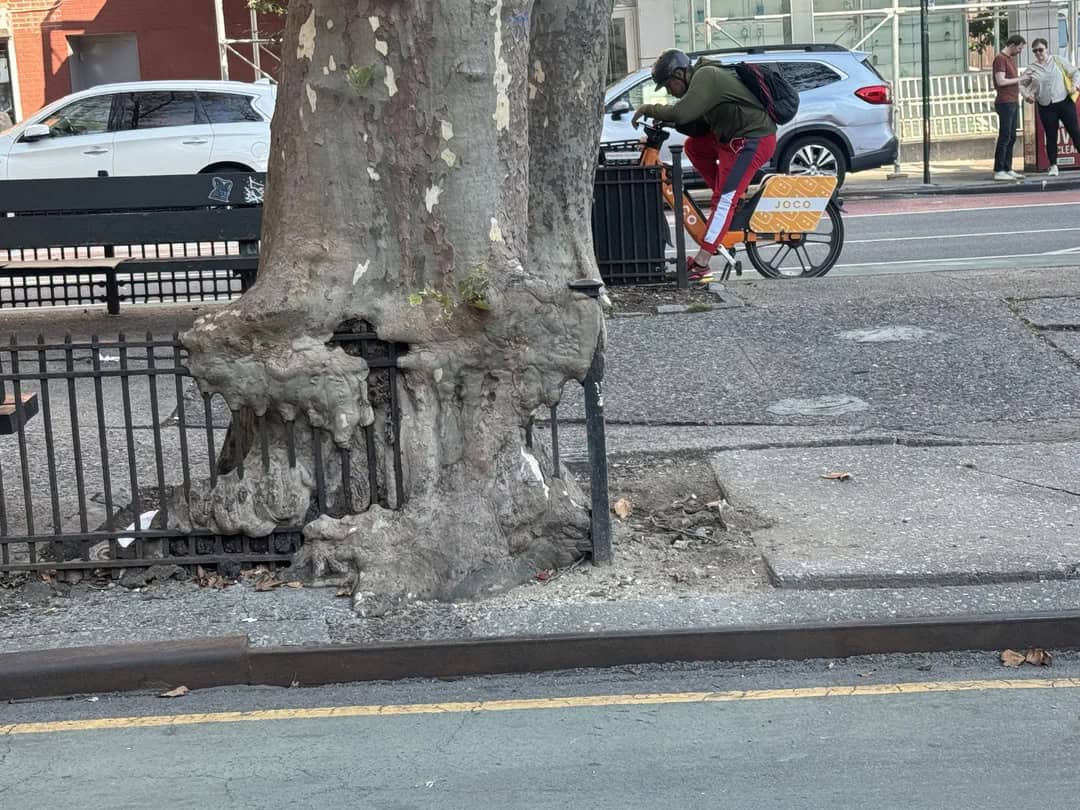
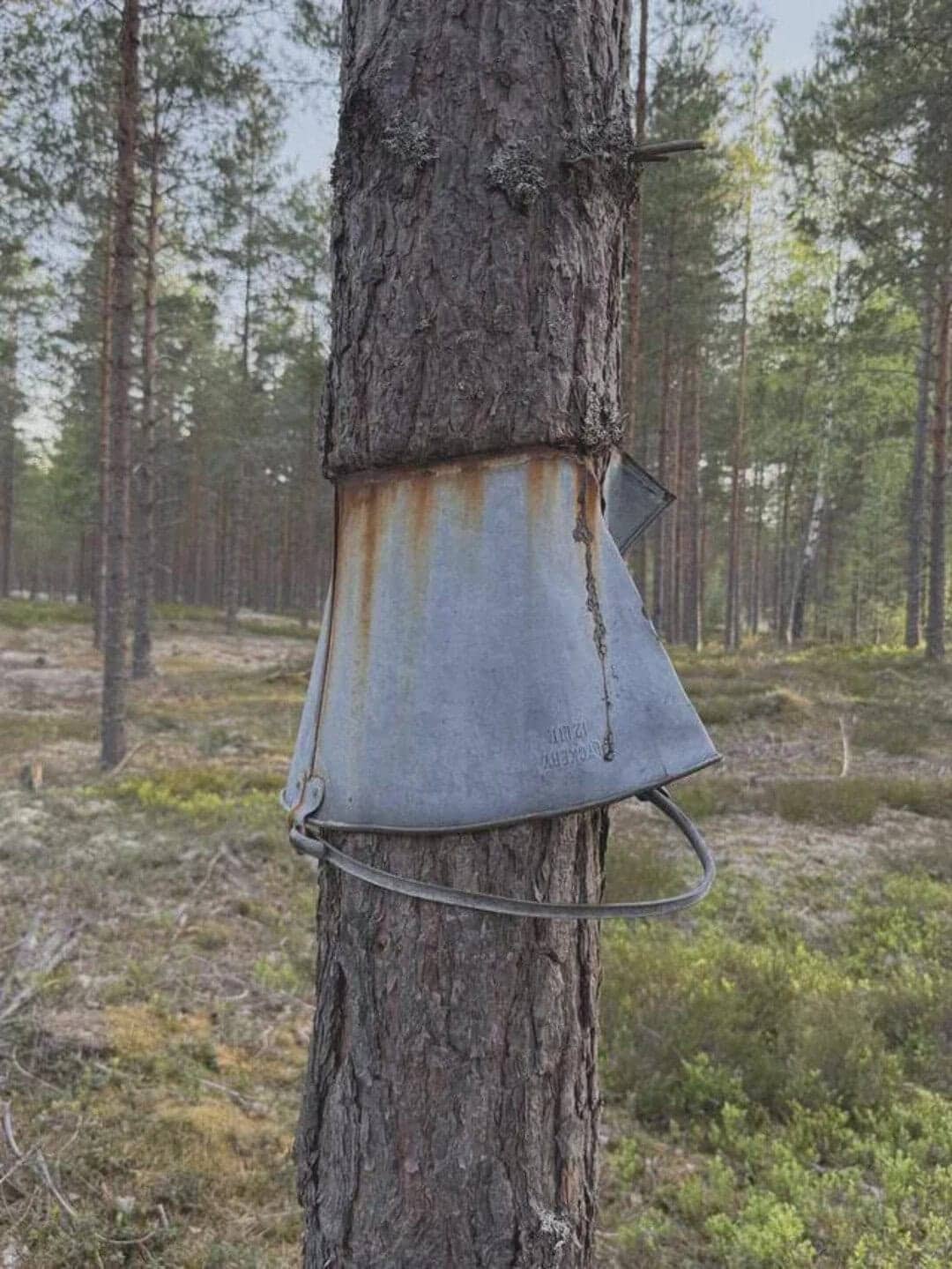
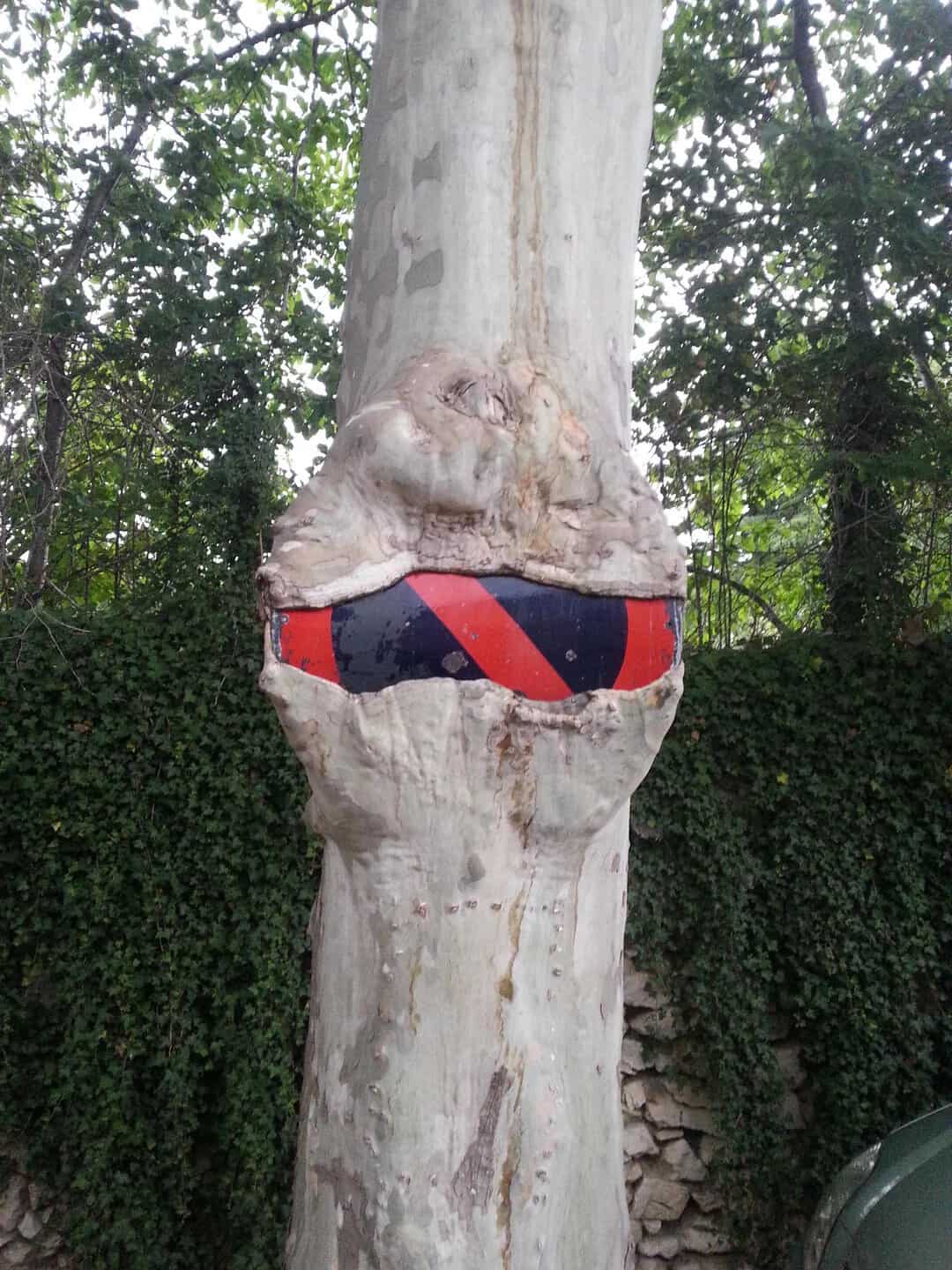
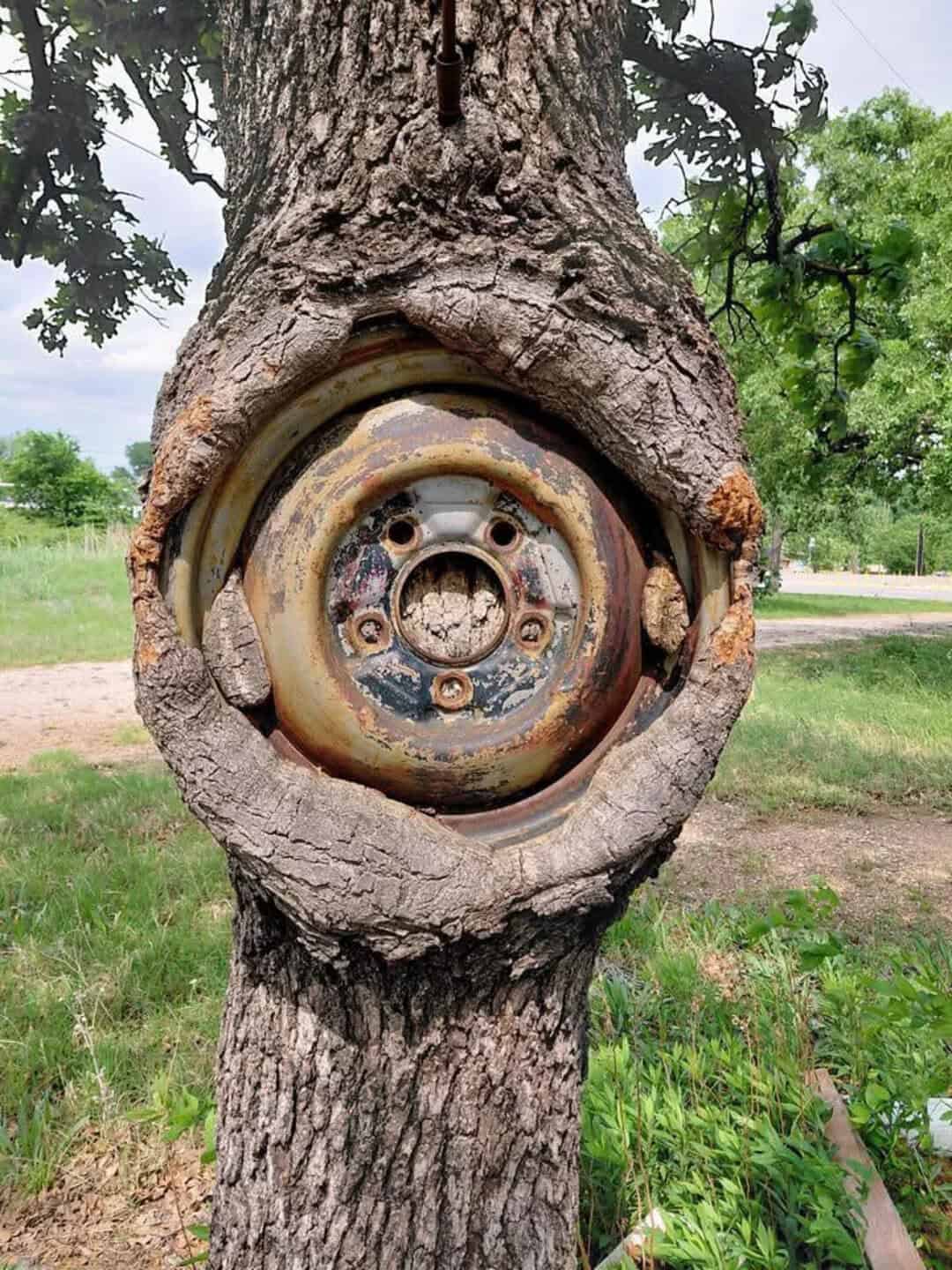
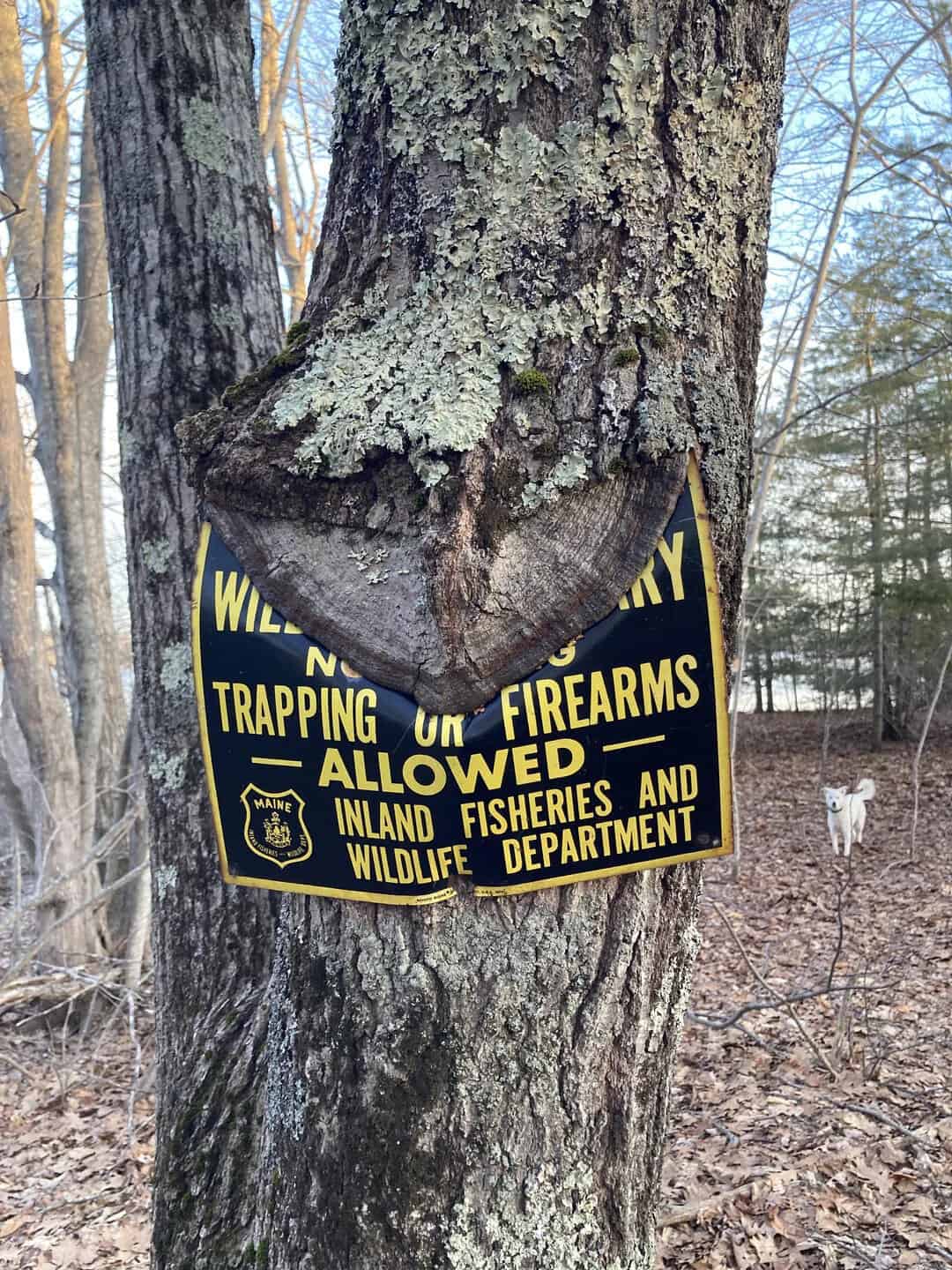
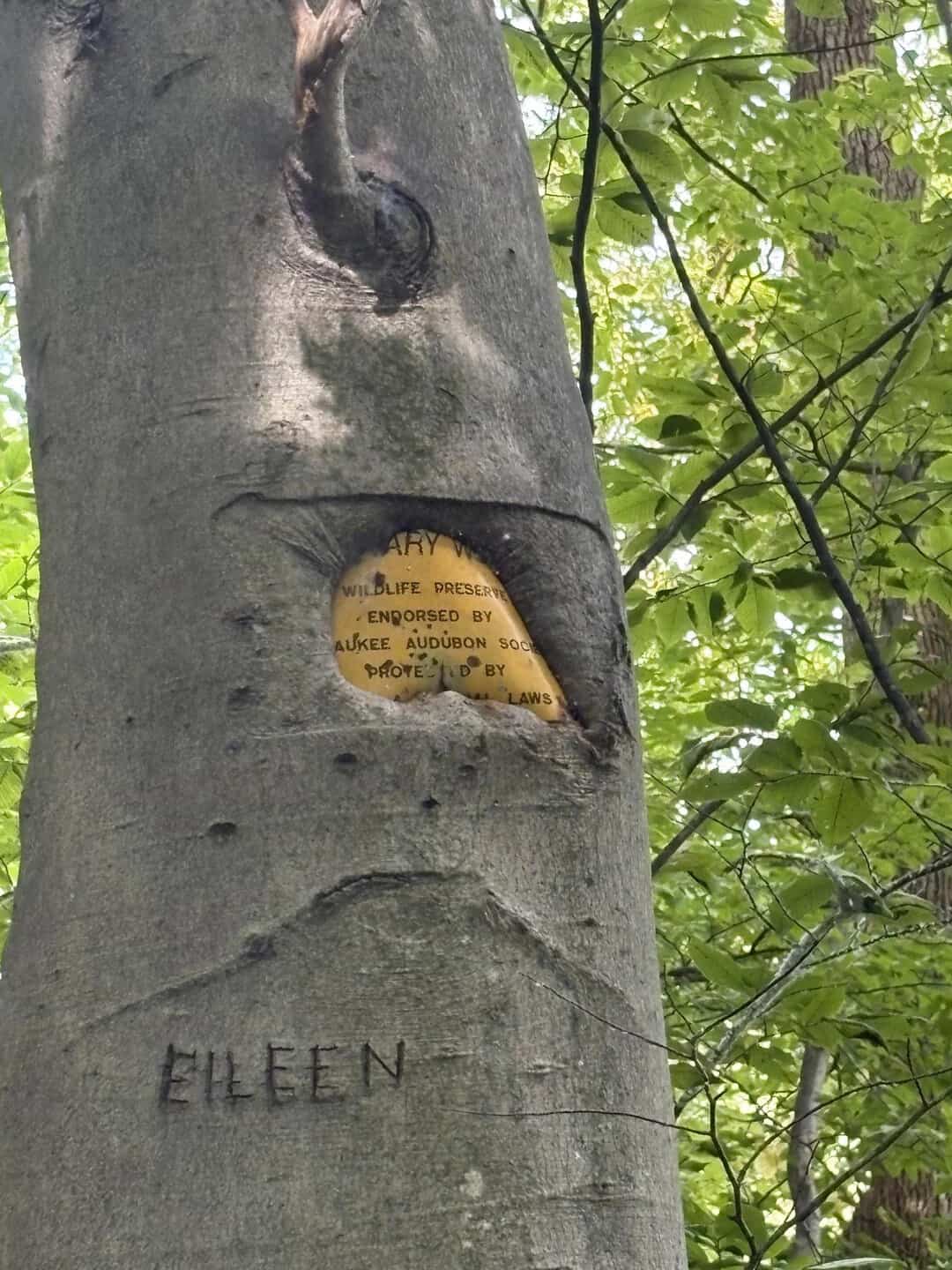
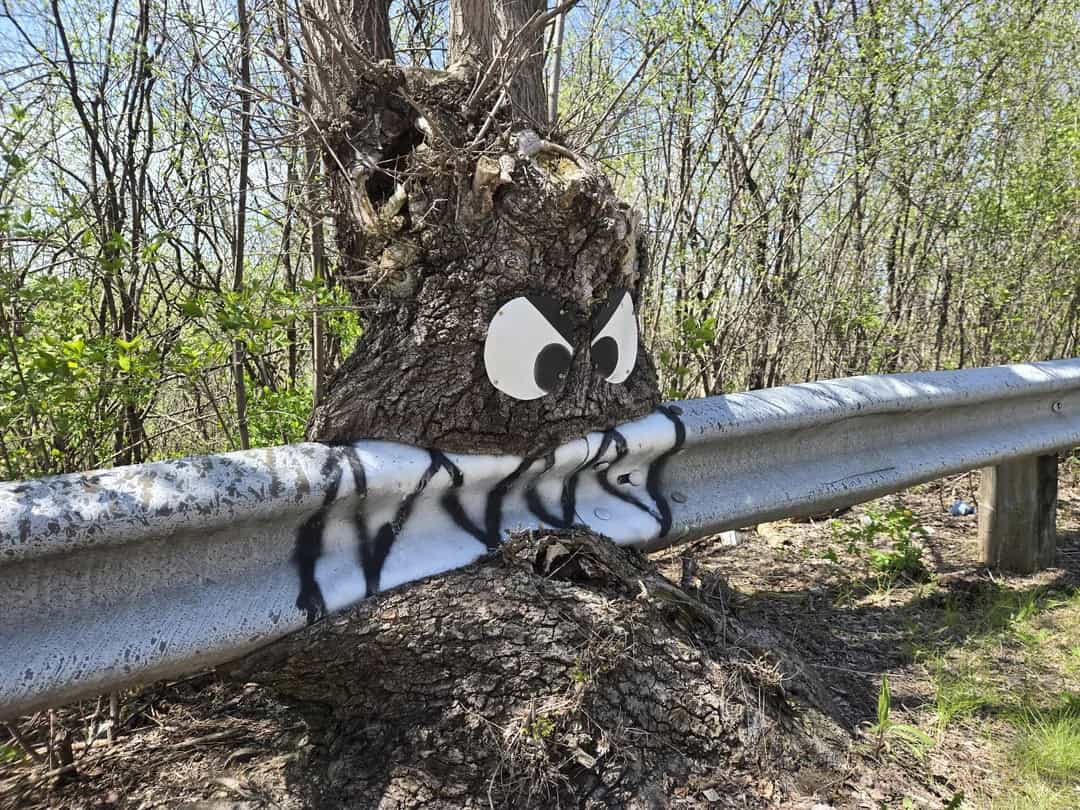






Trees eating things
Read More
The thing that makes this genre quietly unsettling is the timescale. A tree consuming a street sign isn’t an event, it’s a decades-long process that nobody witnessed and everybody discovers finished. There was never a dramatic moment. The tree just kept existing in that direction, and one day the sign was simply inside it, filed away like the tree was keeping records. Every one of these photos is the final frame of a movie that took forty years to shoot and had no audience.
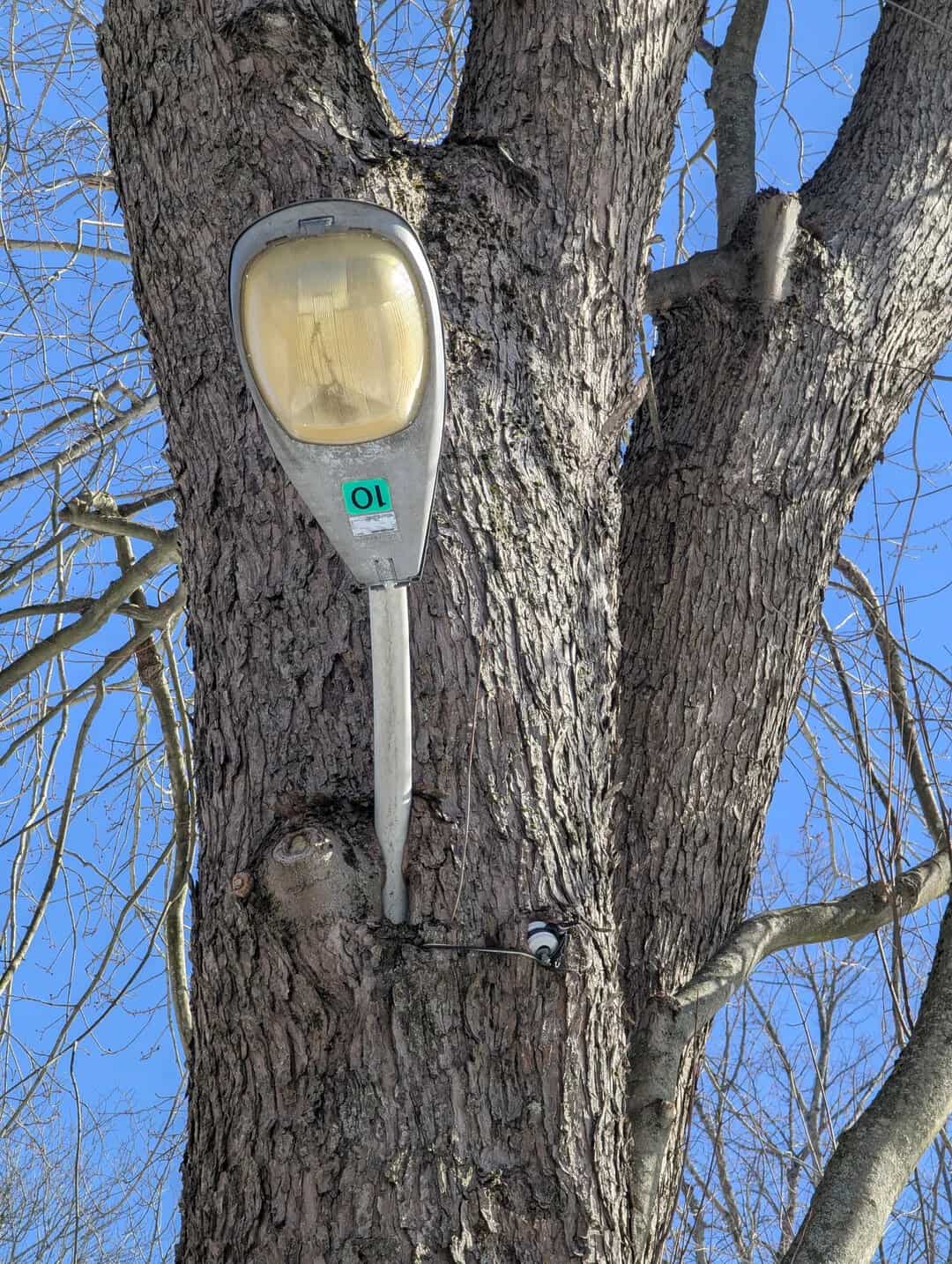
Then there’s the infrastructure-appetite category, which is where the personification becomes irresistible. Trees don’t eat around obstacles, they eat through them, engulfing streetlights and signage with the calm confidence of something that knows the city will not fight back. There’s a comedy in a living thing slowly digesting municipal property, absorbing the very warnings posted near it, converting civic planning directly into bark. The city filed paperwork. The tree filed the city.
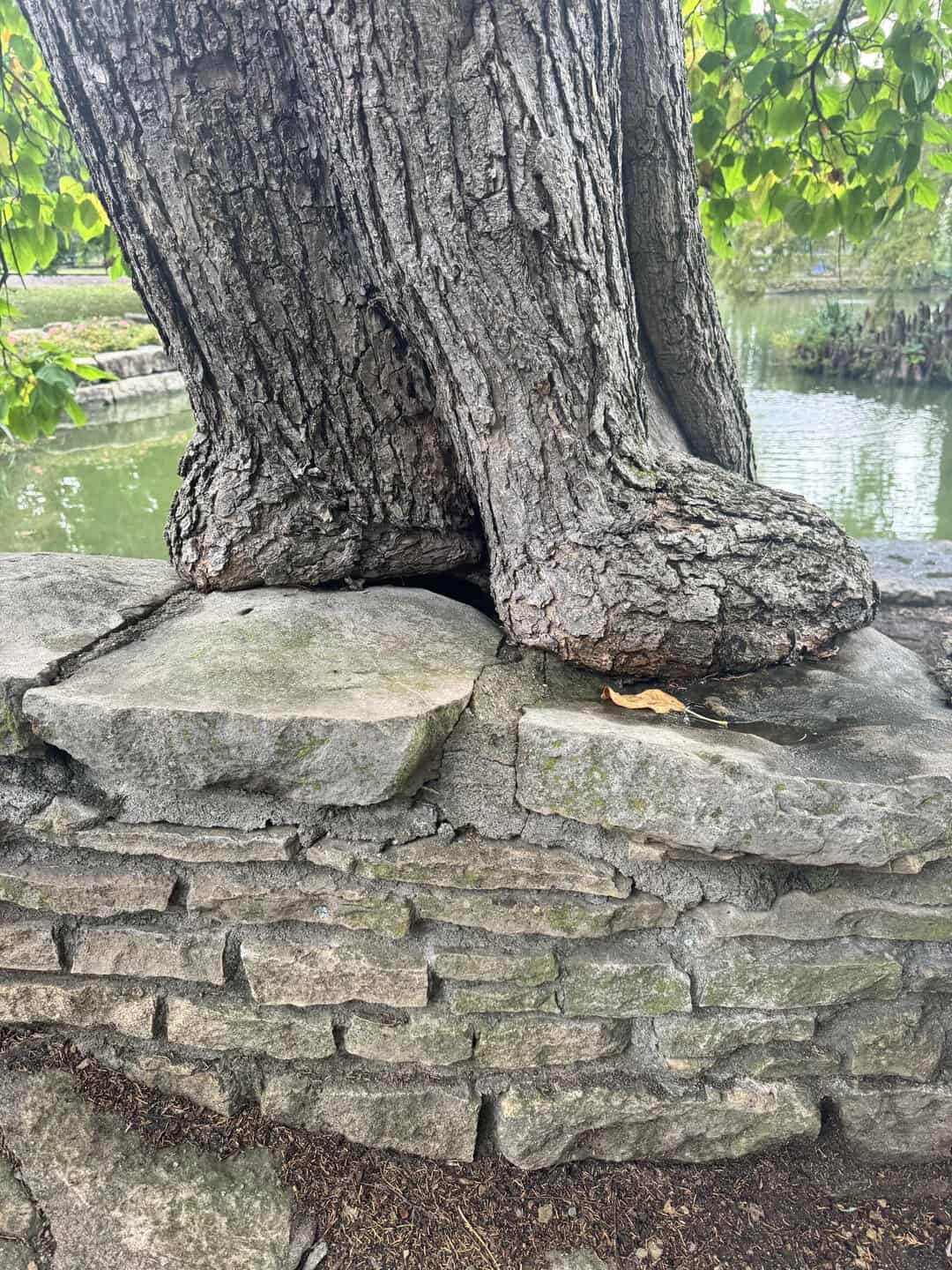
And the liquid-wood genre might be my favorite, the trunks that pour over boulders and walls like they’ve forgotten they’re solid. Wood is supposed to be rigid, and these trees are out here draping themselves over stone like melted cheese, hugging rocks with a patience that borders on affection. It’s not violence at that point. It’s a very slow, very firm cuddle, and the rock, for the record, never consented but also never objected. That’s just the forest’s paperwork process.
What these photos actually communicate is a completely different relationship with time, and I find it weirdly calming. Everything humans build assumes urgency, deadlines, maintenance schedules. The tree assumes nothing except that it will still be here later, and later, and later, and given enough laters, it wins every negotiation without ever attending one. That’s not aggression. That’s the ultimate long game, played by something that doesn’t know it’s playing.
And there’s an honest humility in looking at them, because every fence and wall in these photos was somebody’s finished project, somebody’s solved problem, and the tree treated all of it as a temporary suggestion. Our infrastructure has a lifespan. Their patience doesn’t. We’re not really in charge, we’re just fast, and the trees are politely waiting for us to finish.
The signs are absorbed. The walls are becoming fiber. The trees are in no hurry.
If the botanical patience was your kind of fun, our nature content is right where you’d want to land next, and we’ve got plenty of nature-reclaiming archives, plant chaos threads, and slow takeover compilations for anyone who now regards their backyard oak with a new and appropriate wariness. Don’t lean anything against it.
Read Memes
Get Paid


Laura Bennett has spent eight years immersed in internet culture, specializing in deep dives into meme origins, evolving meme trends, and digital subcultures. As a contributor for several prominent online platforms, including BuzzFeed’s meme division and Know Your Meme, she’s written extensively about viral moments from Crying Jordan to Woman Yelling at a Cat. Laura believes memes aren't just internet jokes—they're modern-day folklore. She brings that passion to Thunder Dungeon by keeping readers connected to what's culturally significant, hilarious, and timelessly viral.