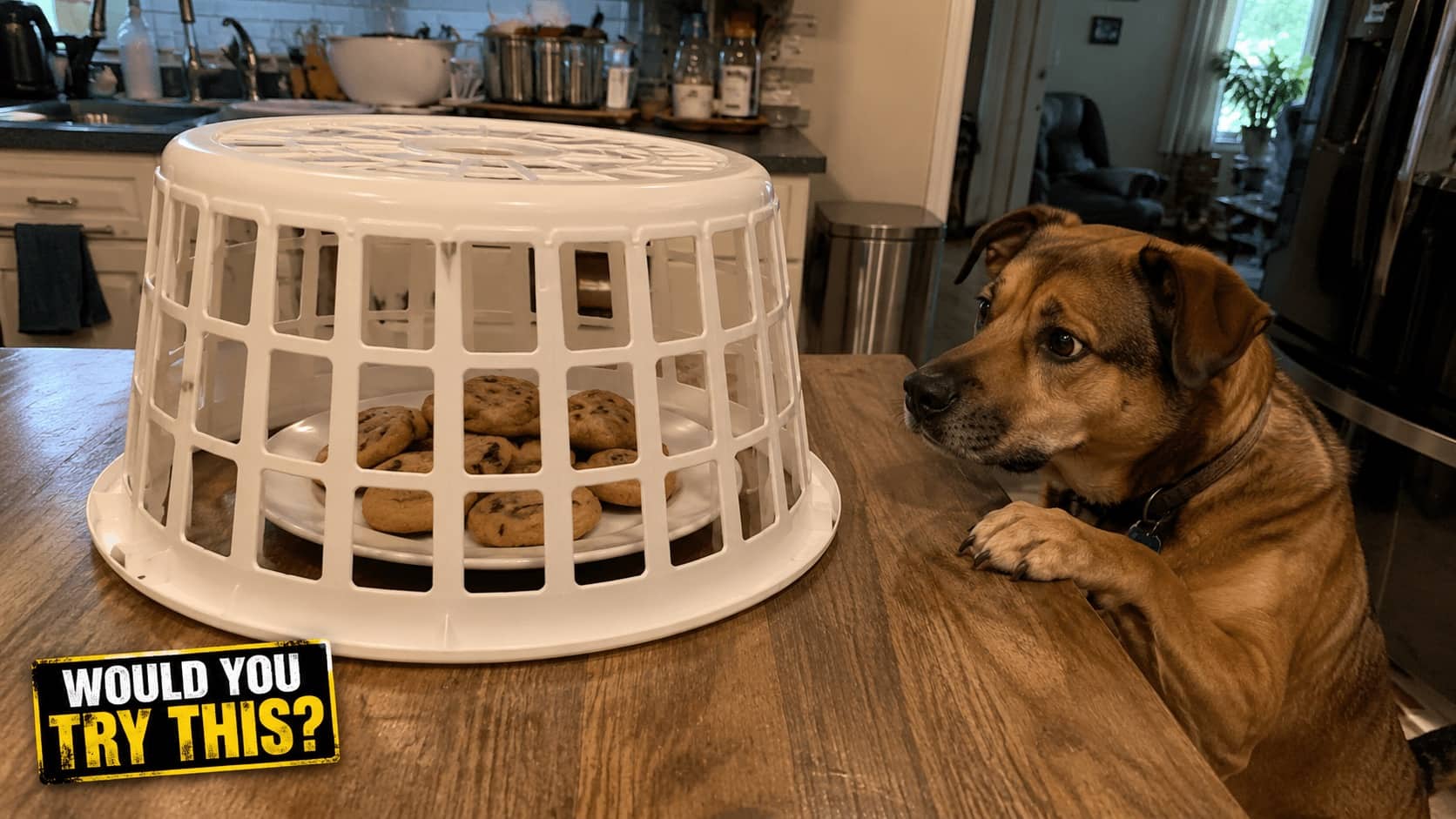

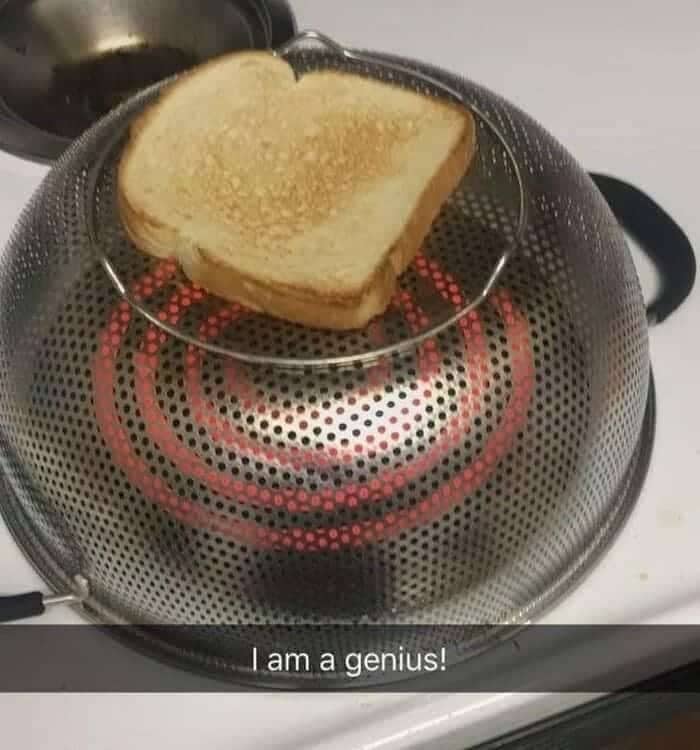
There’s a very thin line between a terrible idea and a brilliant one, and the only thing that decides which side you’re on is whether it worked. These simple genius ideas all worked. They shouldn’t have, some of them involve kitchen utensils doing jobs kitchen utensils were never meant to do, but they did, and now the rest of us have to sit with the fact that we never thought of them first. Take notes. Steal freely.

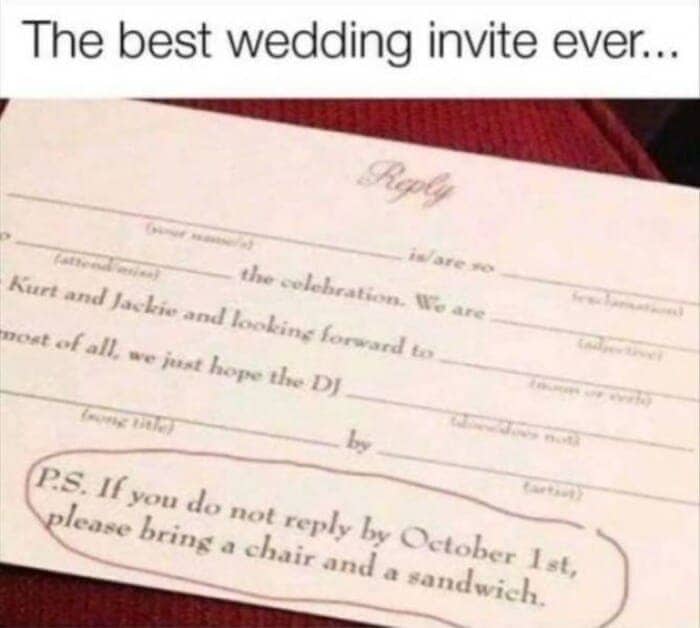
Give this headline writer a raise.
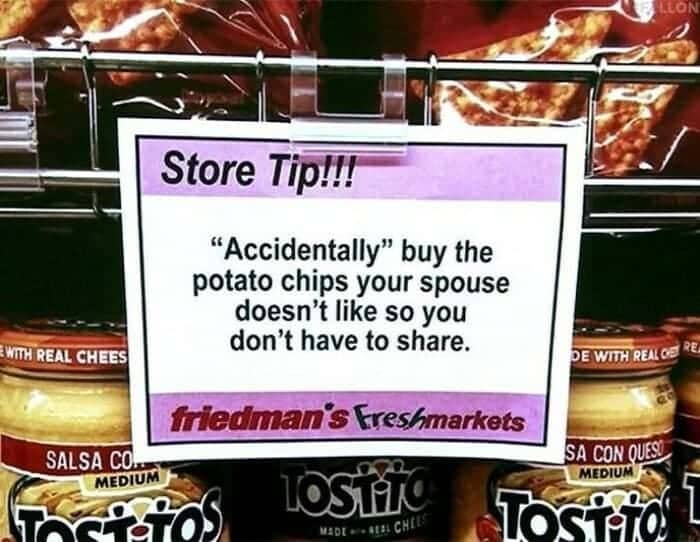
Modern marriage requires modern solutions.

Nobody is checking the diaper. Nobody.
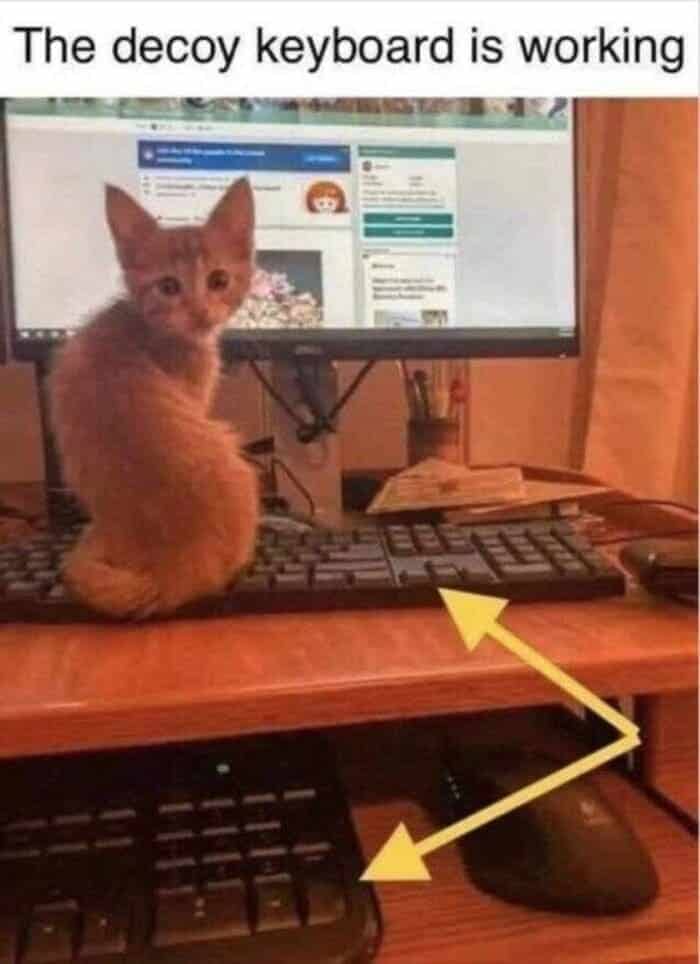


RIP to a real one.

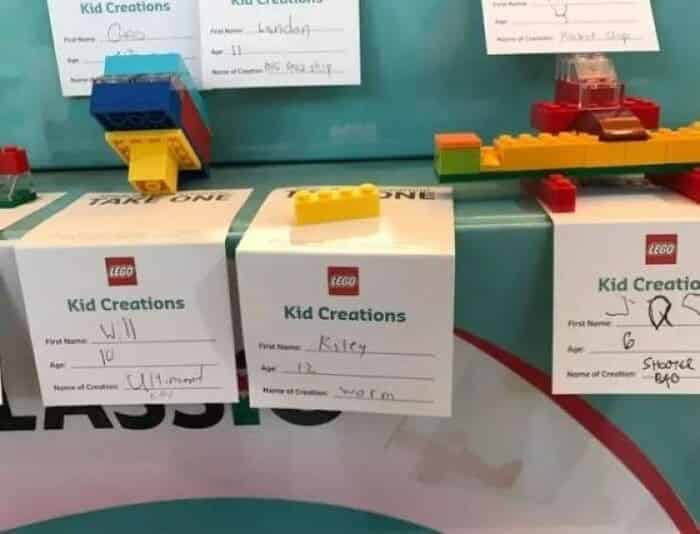


























Simple genius ideas
Read More
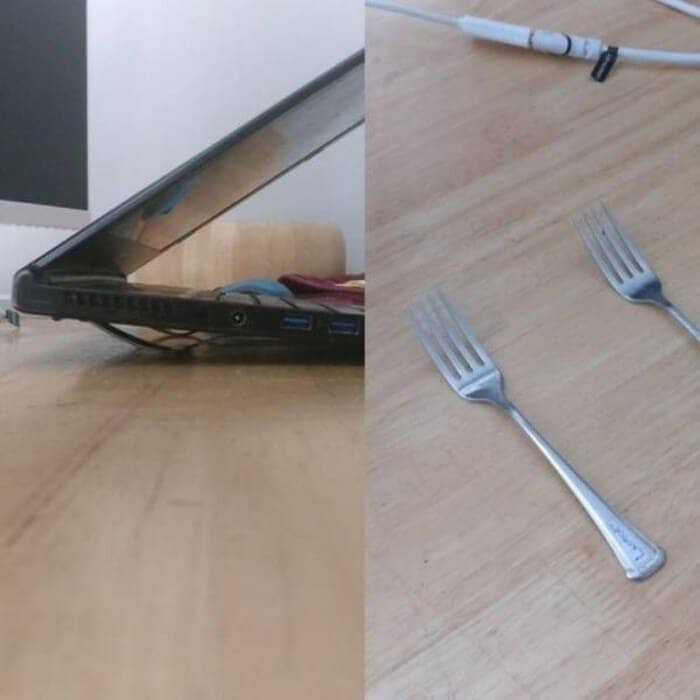
The purest form of this genre is the workaround born from avoiding a slightly harder solution. Somebody needs their laptop to stop overheating, and instead of buying a stand, they reach for the silverware drawer, and the truly maddening part is that it works. That’s the whole philosophy: the correct solution costs money and the dumb solution is free and functional, so the dumb solution wins, and honestly the dumb solution deserves to win.
Then there’s the interpersonal-strategy wing, which is where the genius gets a little devious. There’s a specific brilliance in solving a relationship problem through preemptive engineering rather than conversation, buying the snacks your partner dislikes so they stay yours, hiding valuables where no rational human would ever search. It’s not communication. It’s not healthy, exactly. But it’s airtight, and there’s something to be said for a plan with zero failure points.
And the accidental-minimalism category rounds it out, the solutions and creations so simple they loop back into profundity. A single object presented with total confidence. A decoy deployed to redirect chaos. These aren’t overthought, and that’s their power. Most of us complicate everything, and then somebody solves a real problem with one move and the audacity of not caring how it looks, and we’re forced to call it genius because there’s no other word left.
What I love about this genre is that it completely flips the relationship between effort and intelligence. We’re taught that smart solutions look complicated, involve planning, require the right tools. And then someone solves the same problem in four seconds with whatever was within arm’s reach, and you realize the complicated version was never intelligence, it was just insecurity with extra steps.
And the shamelessness is the real ingredient. Every one of these solutions looks ridiculous, and the person doing it knows it looks ridiculous, and they proceed anyway because the results speak for themselves. That confidence is the actual genius. The forks are just forks. The willingness to be seen using them is the innovation.
The solutions are dumb. The results are undefeated. If it works, it isn’t stupid.
If the shameless problem-solving was your kind of fun, our life hack content is right where you’d want to land next, and we’ve got plenty of clever workaround archives, budget solution threads, and lazy genius compilations for anyone whose best ideas arrive while actively avoiding the correct approach. Work smarter, barely.
Read Memes
Get Paid


Laura Bennett has spent eight years immersed in internet culture, specializing in deep dives into meme origins, evolving meme trends, and digital subcultures. As a contributor for several prominent online platforms, including BuzzFeed’s meme division and Know Your Meme, she’s written extensively about viral moments from Crying Jordan to Woman Yelling at a Cat. Laura believes memes aren't just internet jokes—they're modern-day folklore. She brings that passion to Thunder Dungeon by keeping readers connected to what's culturally significant, hilarious, and timelessly viral.