

LinkedIn was supposed to be a place to post your resume and quietly stalk your old coworkers’ salaries, and instead it became the single most unhinged platform on the internet. These worst LinkedIn posts are the proof, a parade of professionals converting every human experience, weddings, parenting, fast food orders, sleep deprivation, into a business lesson delivered with the confidence of a keynote speaker. Nobody asked. They posted anyway. Let’s go.
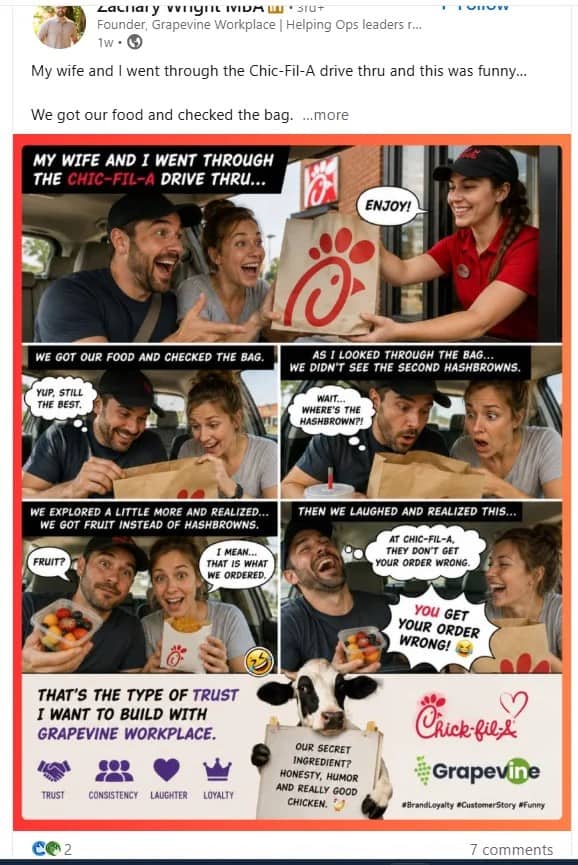
If your business trust depends entirely on waffle fries, we might need to restructure.
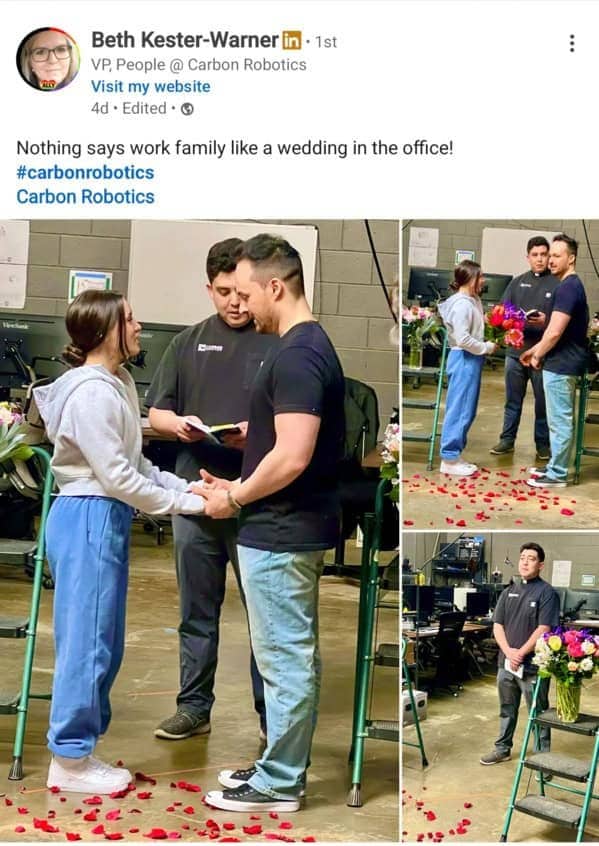
"Do you take this company to have and to hold, through Q4 layoffs and mandatory overtime?"
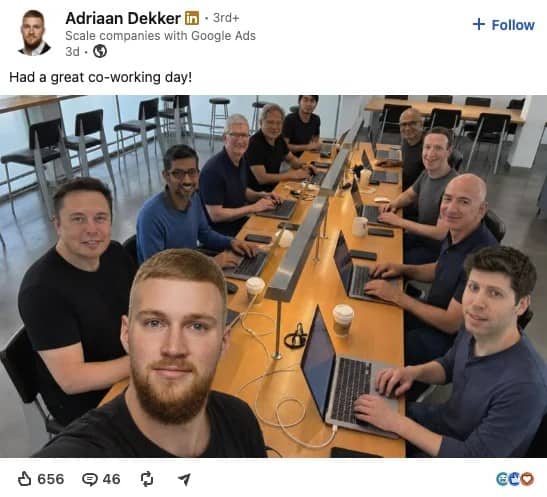
Wow, I also love hanging out with my totally real, non-JPEG friends.
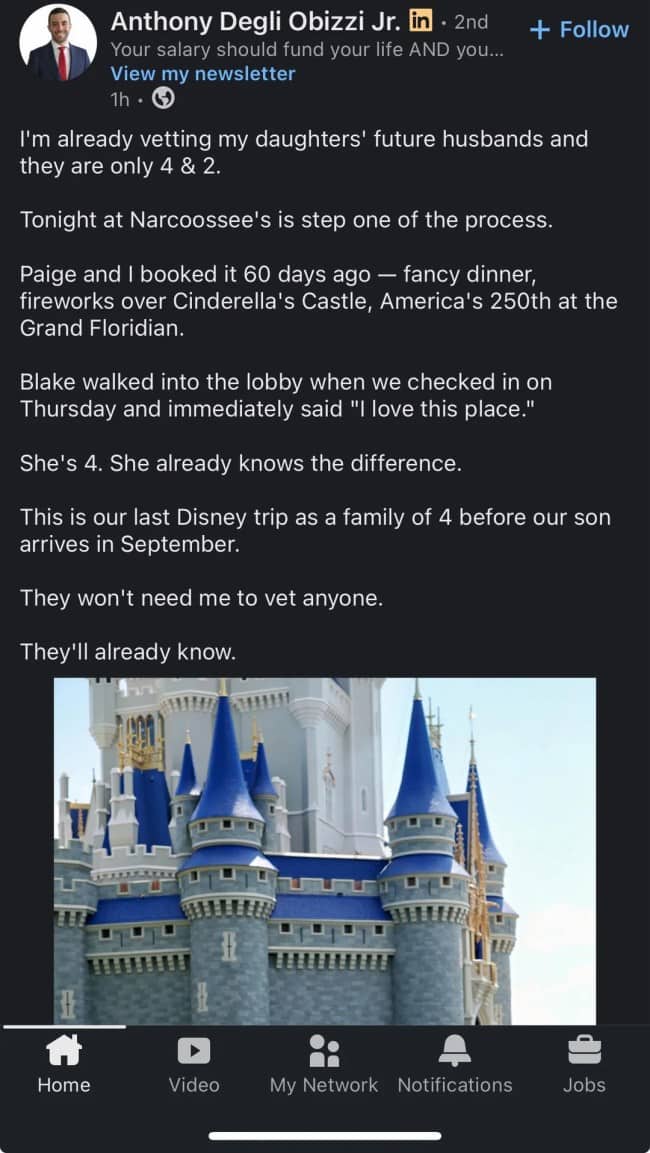
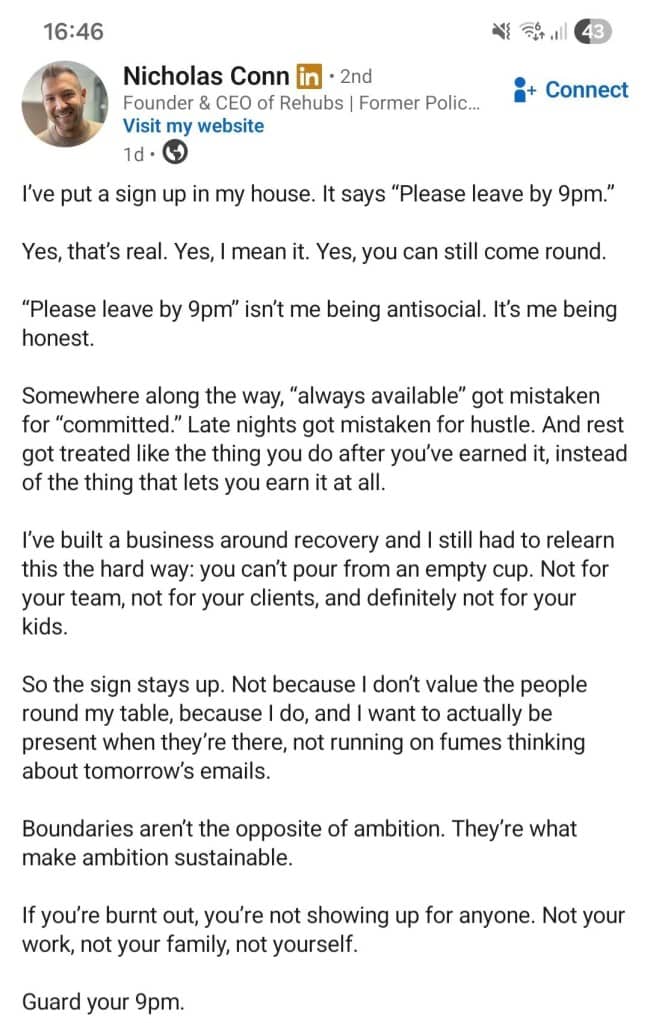
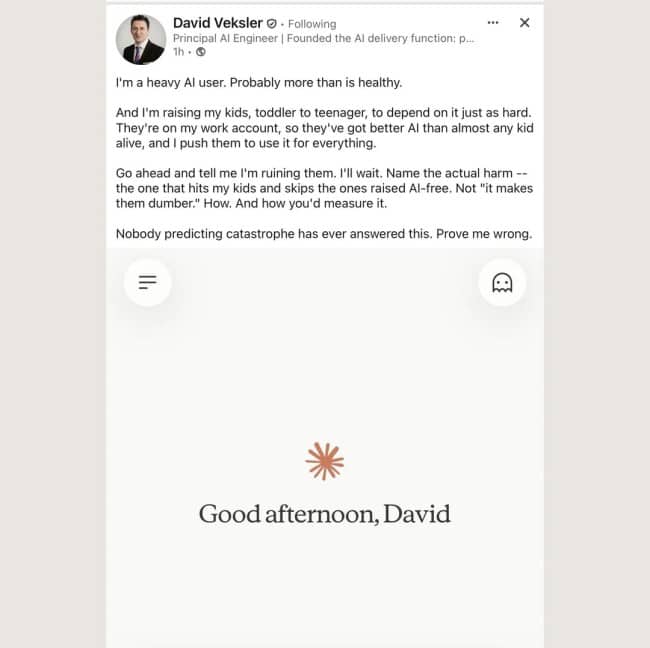
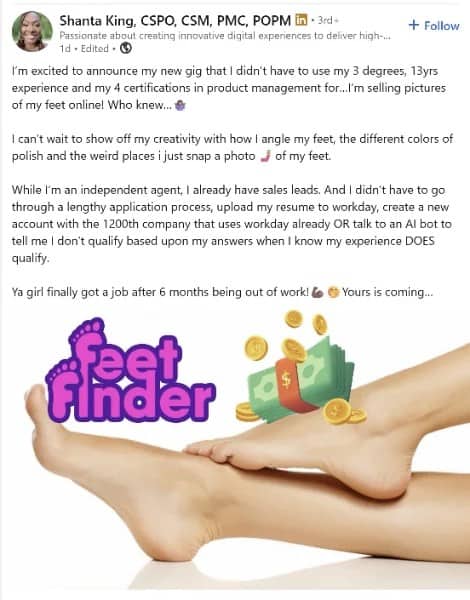
Honestly? Respect the hustle.
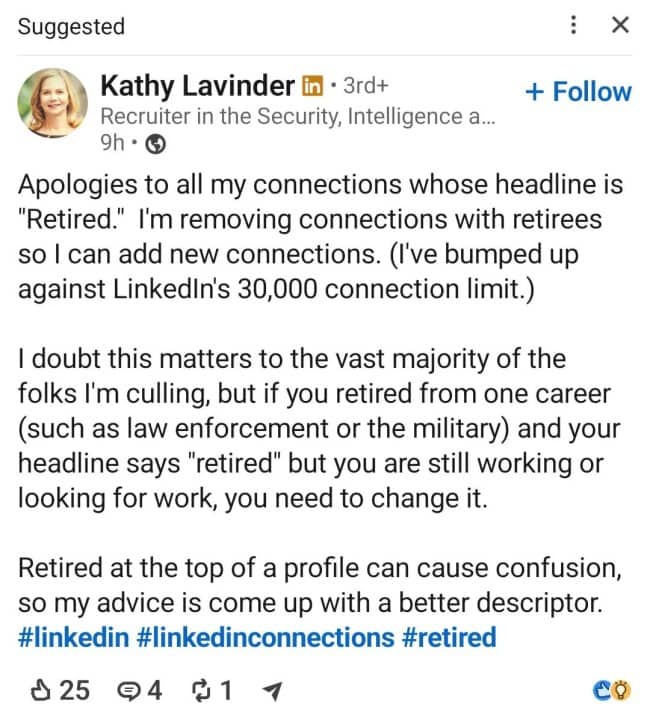


Worst LinkedIn posts
Read More
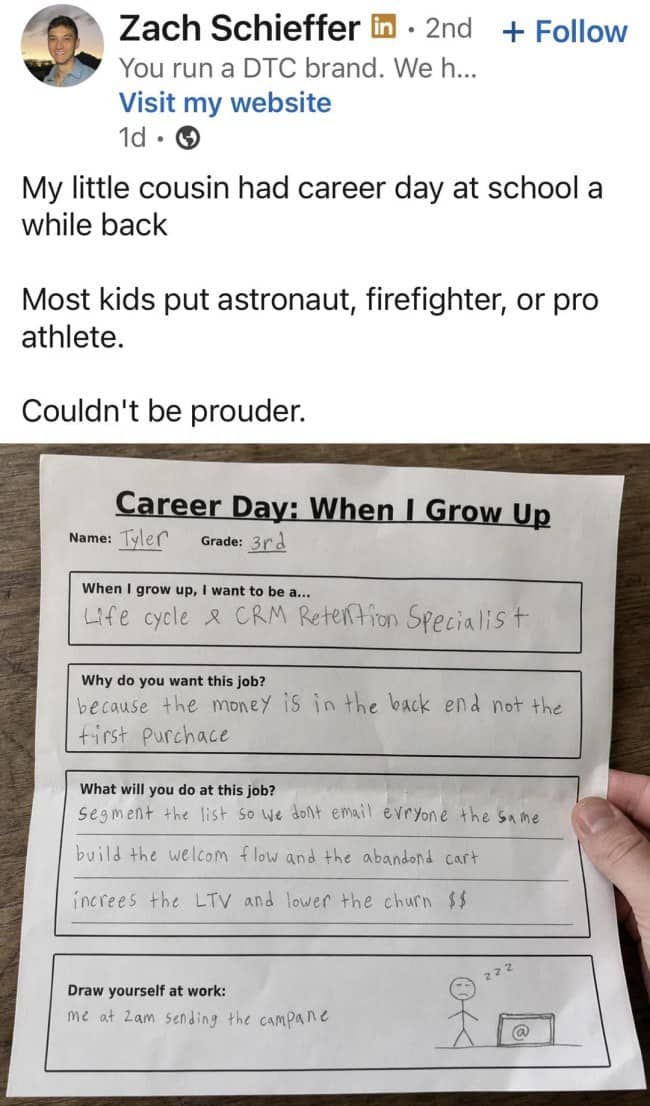
The signature move of this genre is the forced metaphor, the ability to take any mundane event and torture it into a lesson about leadership. A wrong food order becomes a meditation on trust. A minor inconvenience becomes a framework. The formula is always the same: something small happened, and instead of moving on like a person, the author saw content, and now three hundred strangers are reading about synergy because a drive-thru made a mistake. The event was nothing. The lesson was less.
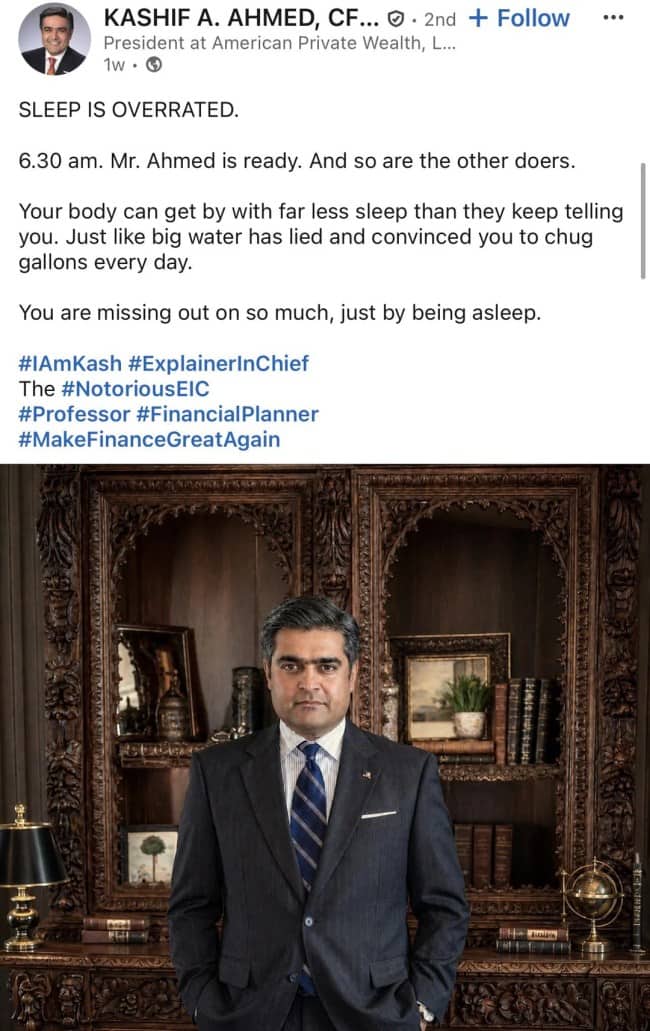
Then there’s the hustle-culture extremism, which reads like a cry for help formatted as advice. There’s a whole subgenre of posts arguing that sleep is a scam, that rest is weakness, that basic human maintenance is a conspiracy against your grind. These posts are always written at a caffeine level that’s visible through the screen, and the scariest part is the engagement, hundreds of people nodding along, agreeing to also never sleep, together, professionally.
And the boundary-free oversharing is where the platform truly separates itself. Personal milestones, family decisions, parenting philosophies, all of it broadcast to a professional network with the framing of a TED talk. There’s a specific confusion at the heart of it, people who can no longer tell the difference between their life and their personal brand, and the result is content that makes you physically look away from your own screen while continuing to read every word.
What fascinates me about this whole ecosystem is that everyone involved is performing for an audience that’s also performing. Nobody on that platform is a civilian. Every reader is a potential poster, every connection a potential audience member, and the incentive structure rewards exactly the behavior it should punish. The cringe isn’t a bug. The cringe is the engagement strategy, and it’s working, which is the darkest part.
And yet I can’t stop reading, and neither can you, because the worst posts offer something genuinely rare: total, unguarded sincerity from people who have no idea how they sound. That’s almost extinct on the internet. Everywhere else, irony protects everyone. On this one platform, people say exactly what they think in full paragraphs with their real name and employer attached, and the results are a gift. An uncomfortable, unhinged gift.
The metaphors are forced. The sincerity is real. Please, everyone, log off.
If the corporate cringe was your kind of fun, our workplace content is right where you’d want to land next, and we’ve got plenty of hustle culture archives, office humor threads, and professional oversharing compilations for anyone who reads networking posts through their fingers and cannot stop. Update your profile.
Read Memes
Get Paid


Katie Rodriguez is a seasoned writer with eight years dedicated to meme commentary, viral internet events, and digital storytelling. Formerly a senior meme analyst at Bored Panda and an occasional guest contributor at Vice's Motherboard, Kat specializes in meme culture’s intersection with social media phenomena—covering trends like Milk Crate Challenge, Area 51 Raid, and Baby Yoda. She’s known for her witty writing style and deep understanding of why certain memes resonate across generations, making her a valuable voice on Thunder Dungeon.