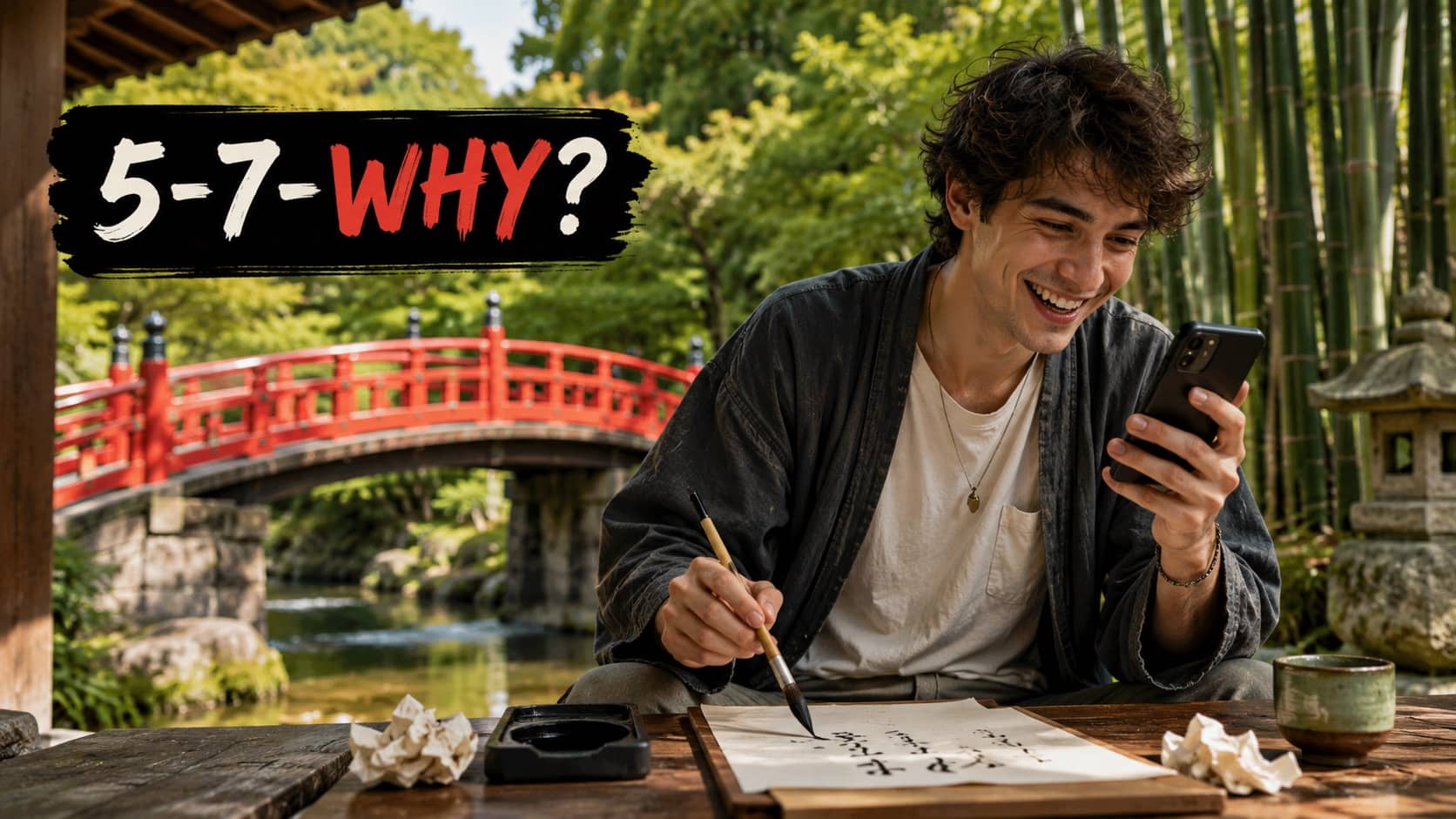

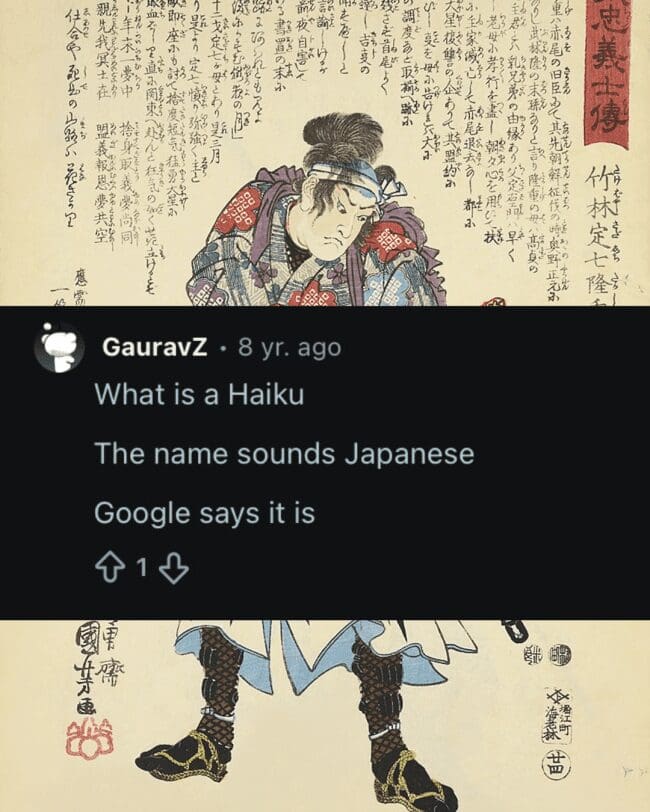
The haiku is an ancient form built on discipline, restraint, and quiet reflection on the natural world, so naturally the internet got hold of it and started using it to complain about screen time. These funny haikus are what happens when a sacred structure meets modern nonsense, seventeen syllables deployed with zero elegance and full commitment. The form survives. The dignity does not. Count along with me.








Funny haikus
Read More
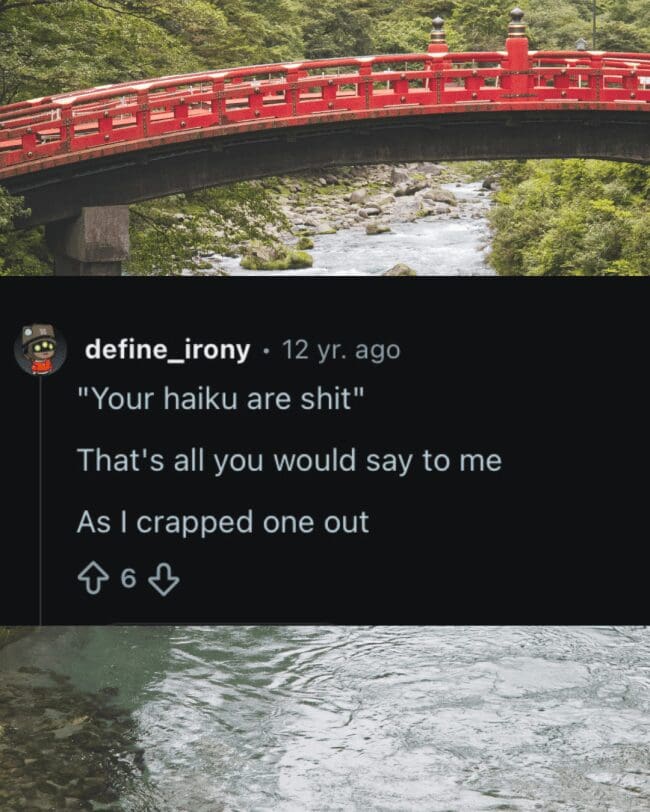
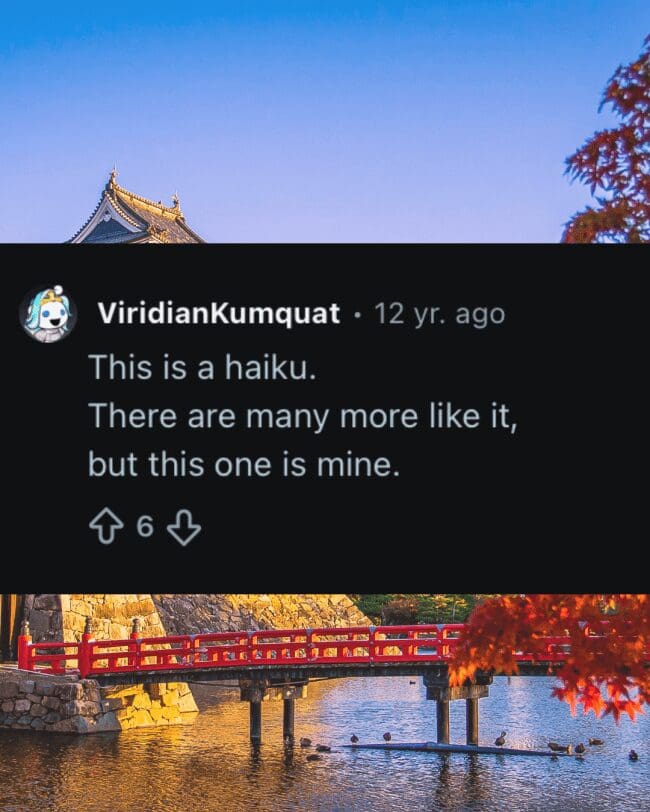
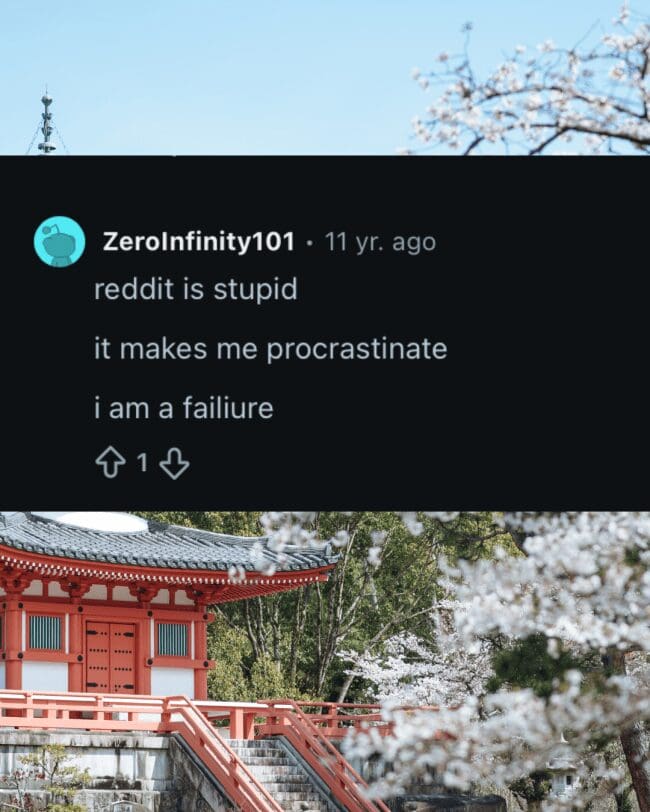
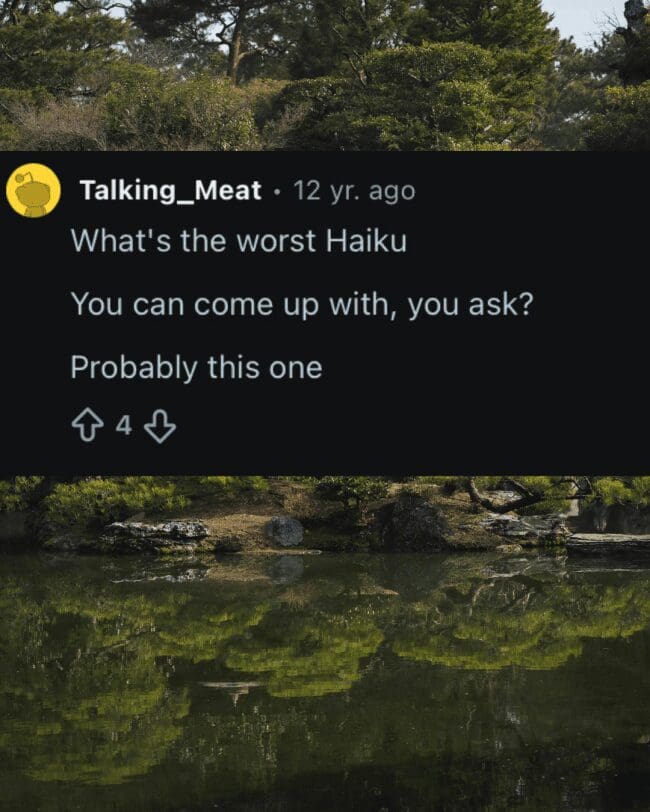
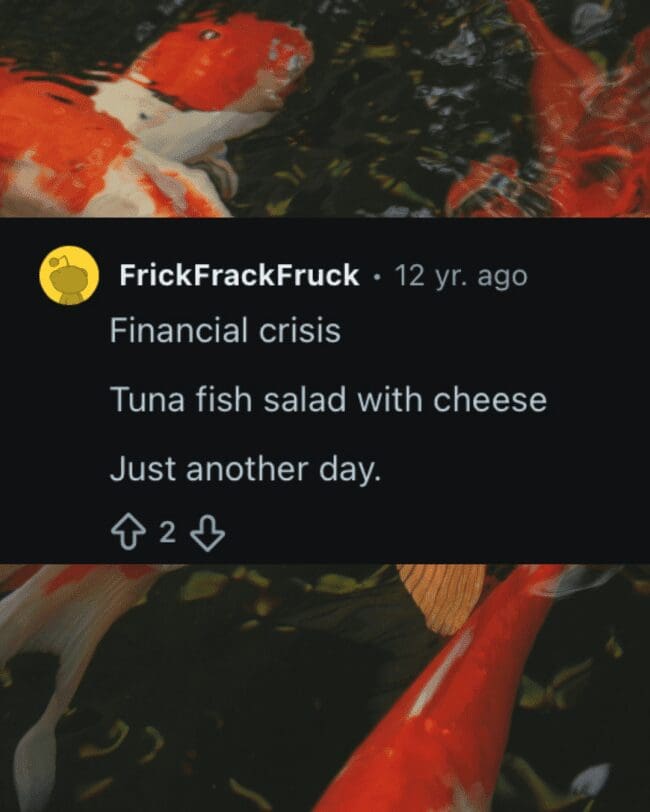
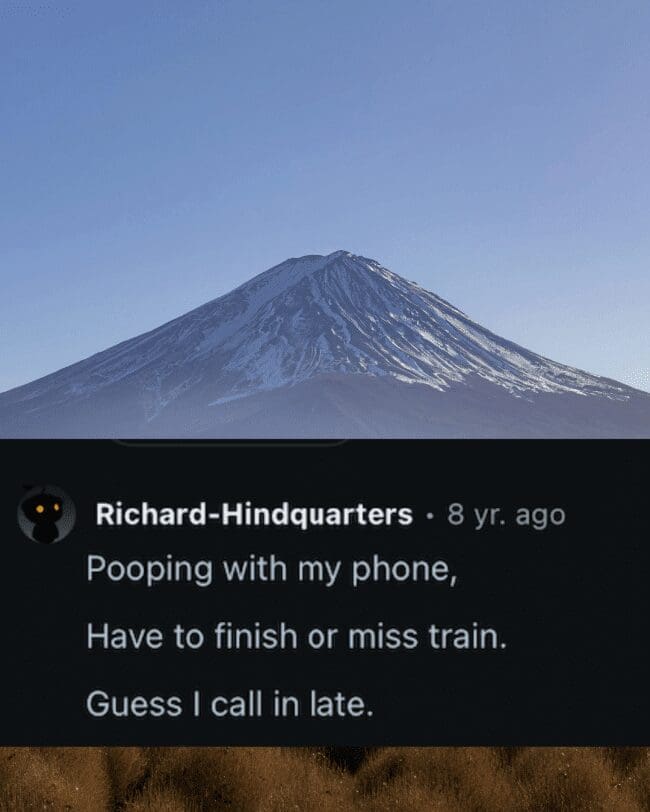
The comedy engine here is the collision between the format’s prestige and the content’s stupidity, and the internet has refined that collision into an art of its own. The 5-7-5 structure carries centuries of reverence, and the modern practitioner uses it to document their procrastination, their pop culture grudges, or absolutely nothing at all. Meeting the syllable count becomes the entire achievement, a technicality worn like a medal. It fits, so legally we cannot complain.
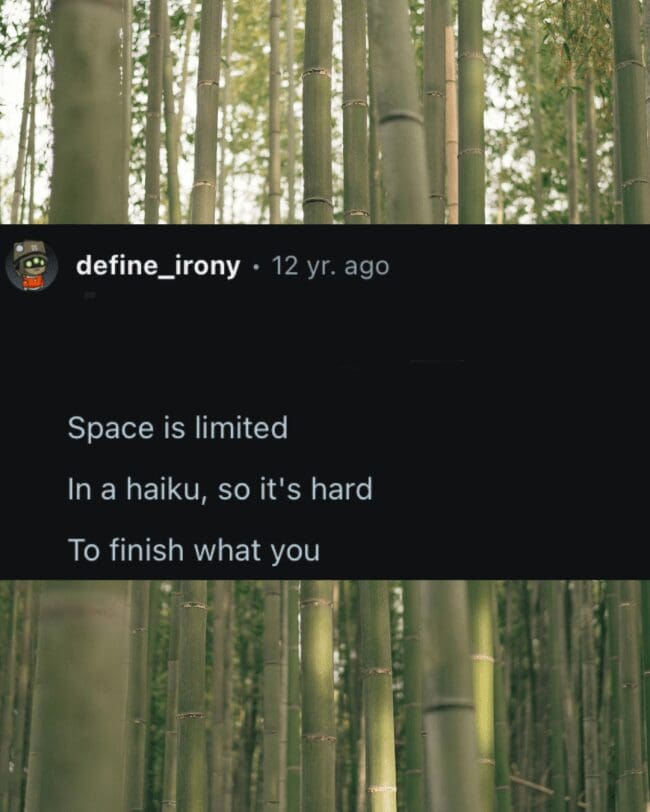
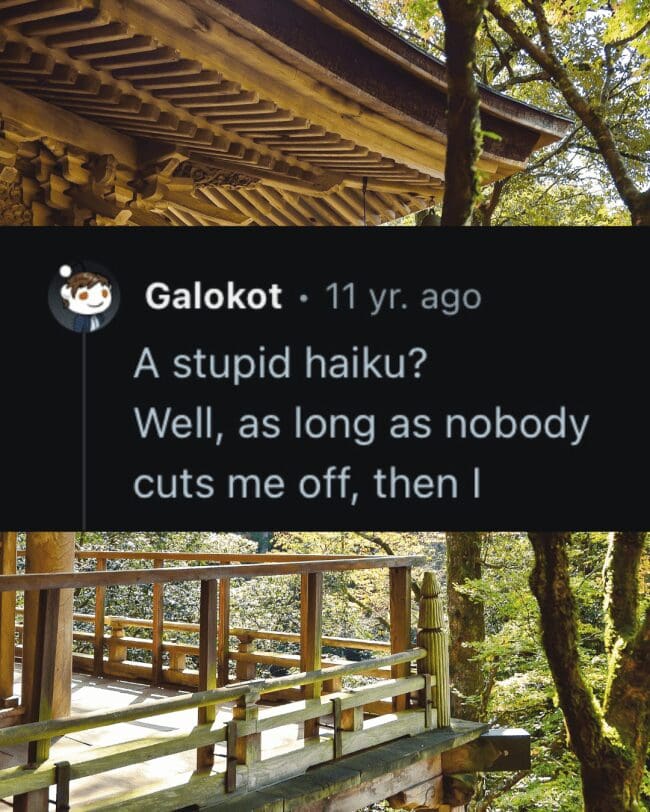
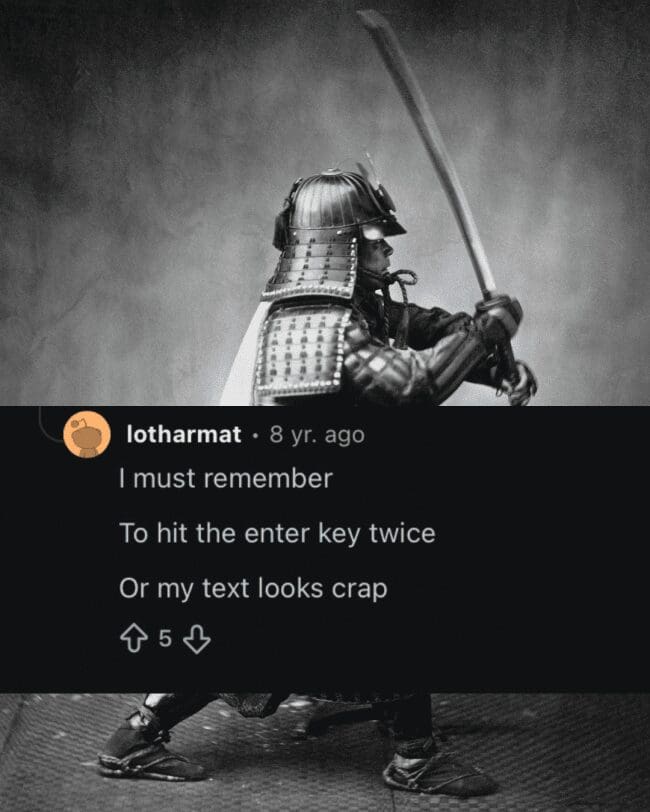
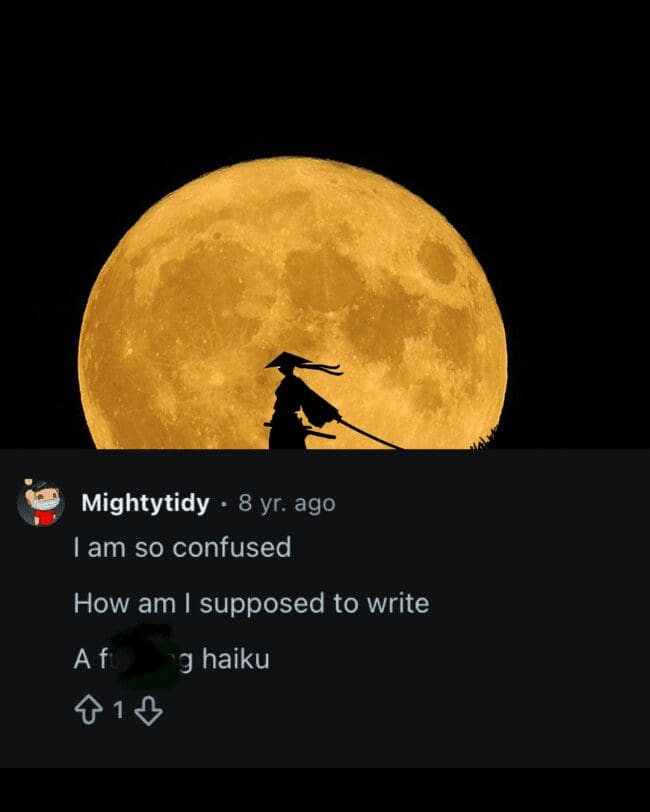
Then there’s the cut-off genre, my personal favorite, where the poet runs out of syllables mid-thought and just stops, leaving the final idea severed at the boundary. It’s the perfect self-demonstrating joke, a poem about limits that gets eaten by the limit, and it lands harder than any finished thought could. The structure isn’t just constraining the poem, it’s actively bullying the poet, and we get to watch.
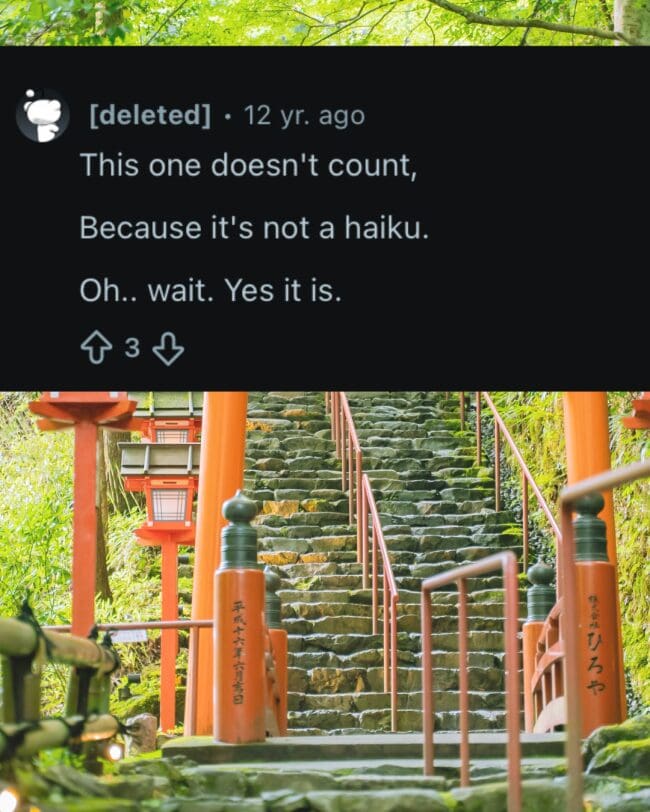
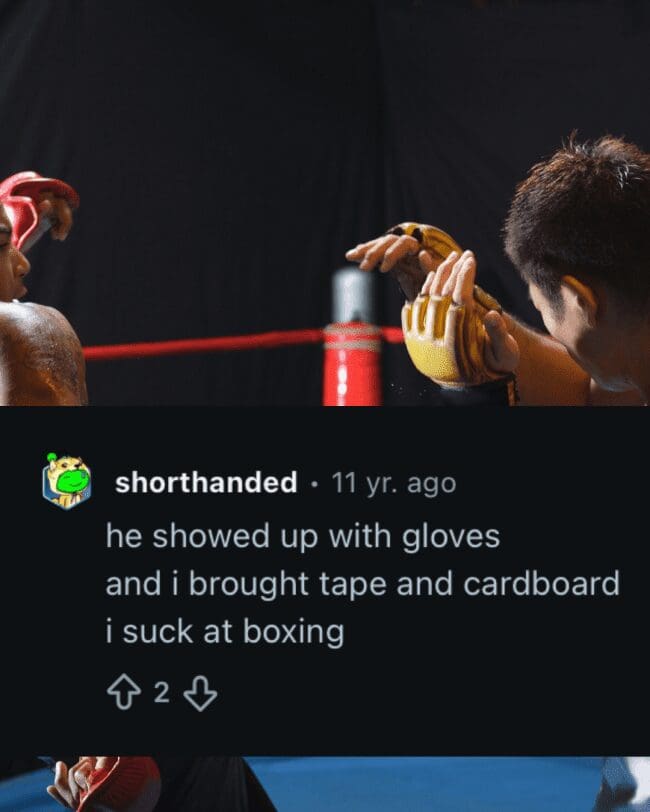
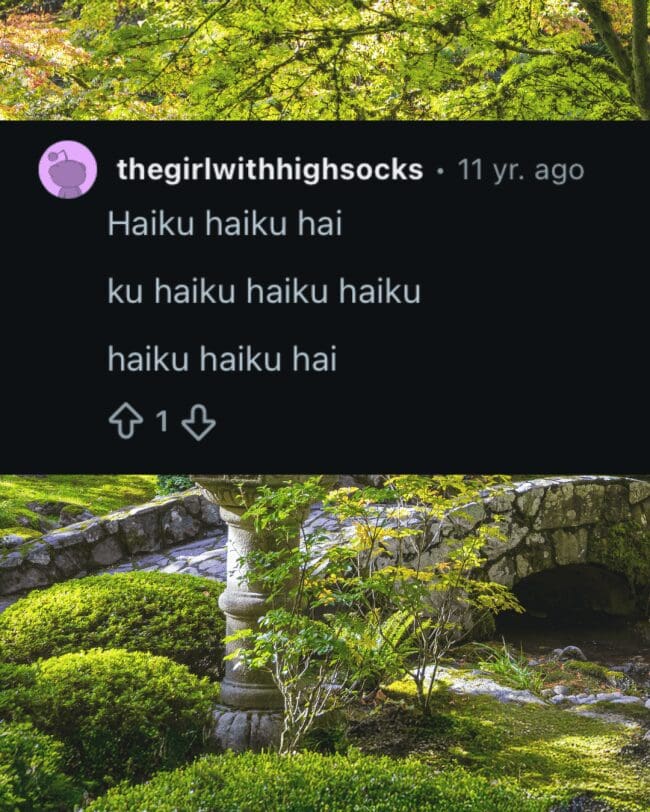
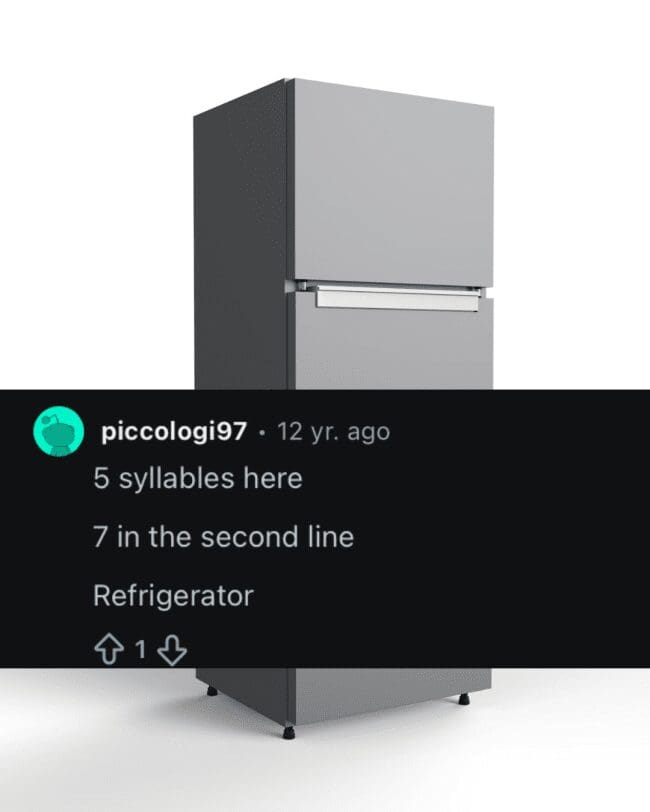
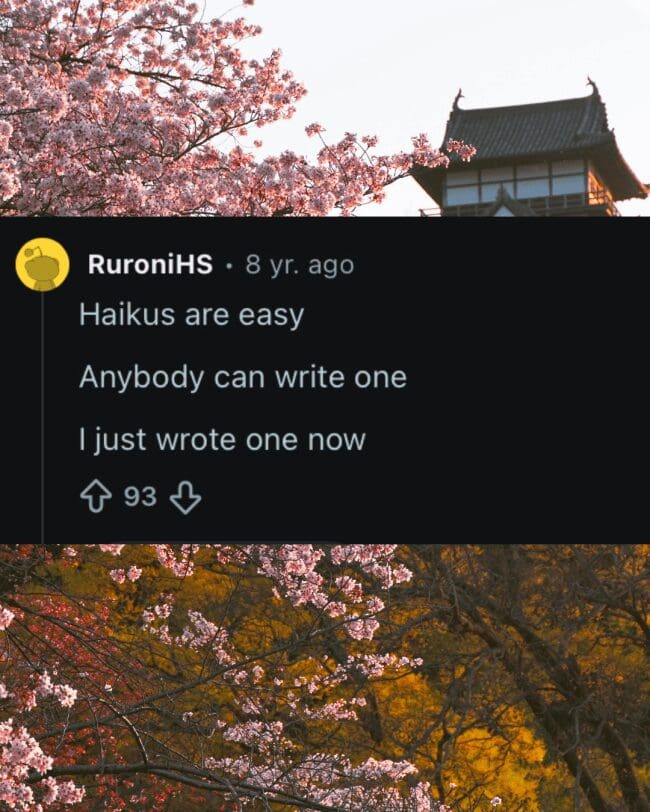
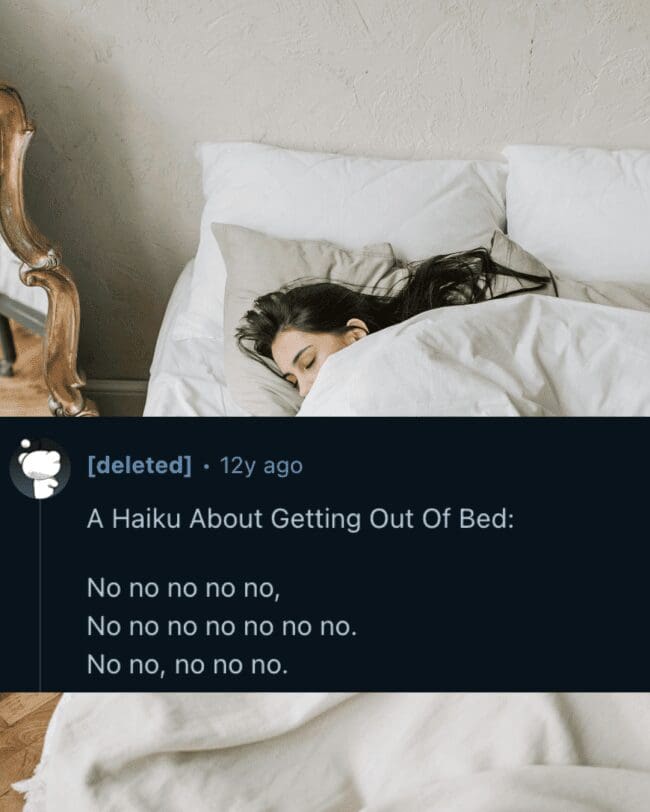
And the lazy-compliance school deserves recognition too, the poems that hit their targets through pure repetition or vocabulary abuse, one impressive word deployed as many times as the count allows, or the name of the form itself stacked until the math works. It’s poetry as malicious compliance, following every rule while violating the entire spirit, and there’s something deeply modern about that. The assignment was completed. Nothing was learned. Perfection.
What I actually love about this whole genre is that the constraint is doing all the work, which is what constraints have always done for art, just usually with more dignity involved. Give people infinite space and they ramble. Give them seventeen syllables and suddenly every word is a decision, even when the decision is to repeat the same word five times. The form forces craft, even on people actively resisting craft.
And there’s something quietly wonderful about an ancient tradition being this durable, flexible enough to hold centuries of contemplation and also a joke about getting cut off mid-sentence. The masters wrote about cherry blossoms and impermanence. The internet writes about scrolling instead of working, and honestly, that IS impermanence, that IS the fleeting nature of existence, just with worse lighting. The tradition continues. The tradition is fine.
The syllables are counted. The spirit is violated. The form abides.
If the structural poetry abuse was your kind of fun, our wordplay content is right where you’d want to land next, and we’ve got plenty of internet poetry archives, clever comment threads, and literary chaos compilations for anyone who counts syllables on their fingers and feels genuine triumph when it works out. Five, seven, five.
Read Memes
Get Paid


Laura Bennett has spent eight years immersed in internet culture, specializing in deep dives into meme origins, evolving meme trends, and digital subcultures. As a contributor for several prominent online platforms, including BuzzFeed’s meme division and Know Your Meme, she’s written extensively about viral moments from Crying Jordan to Woman Yelling at a Cat. Laura believes memes aren't just internet jokes—they're modern-day folklore. She brings that passion to Thunder Dungeon by keeping readers connected to what's culturally significant, hilarious, and timelessly viral.