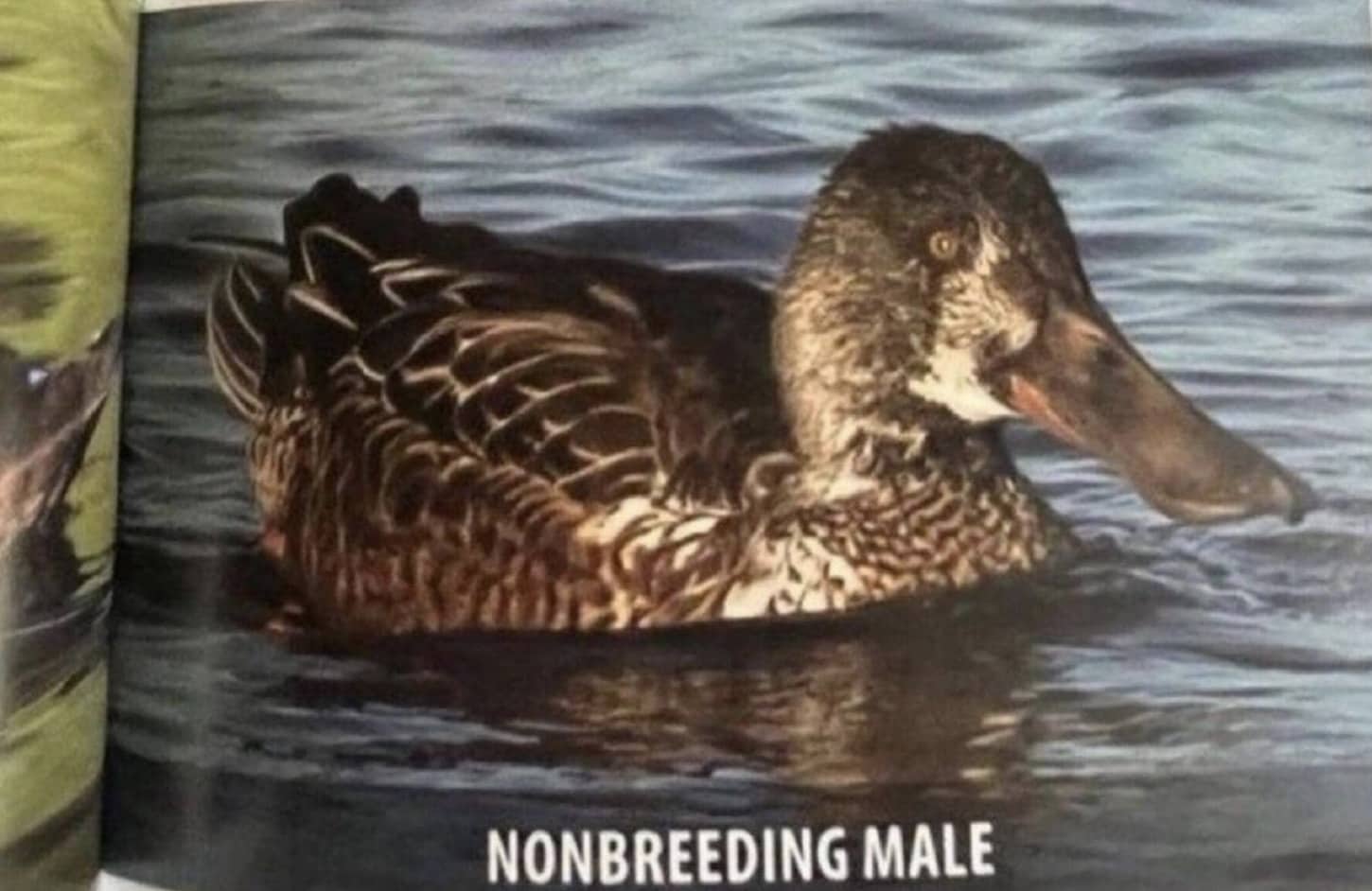
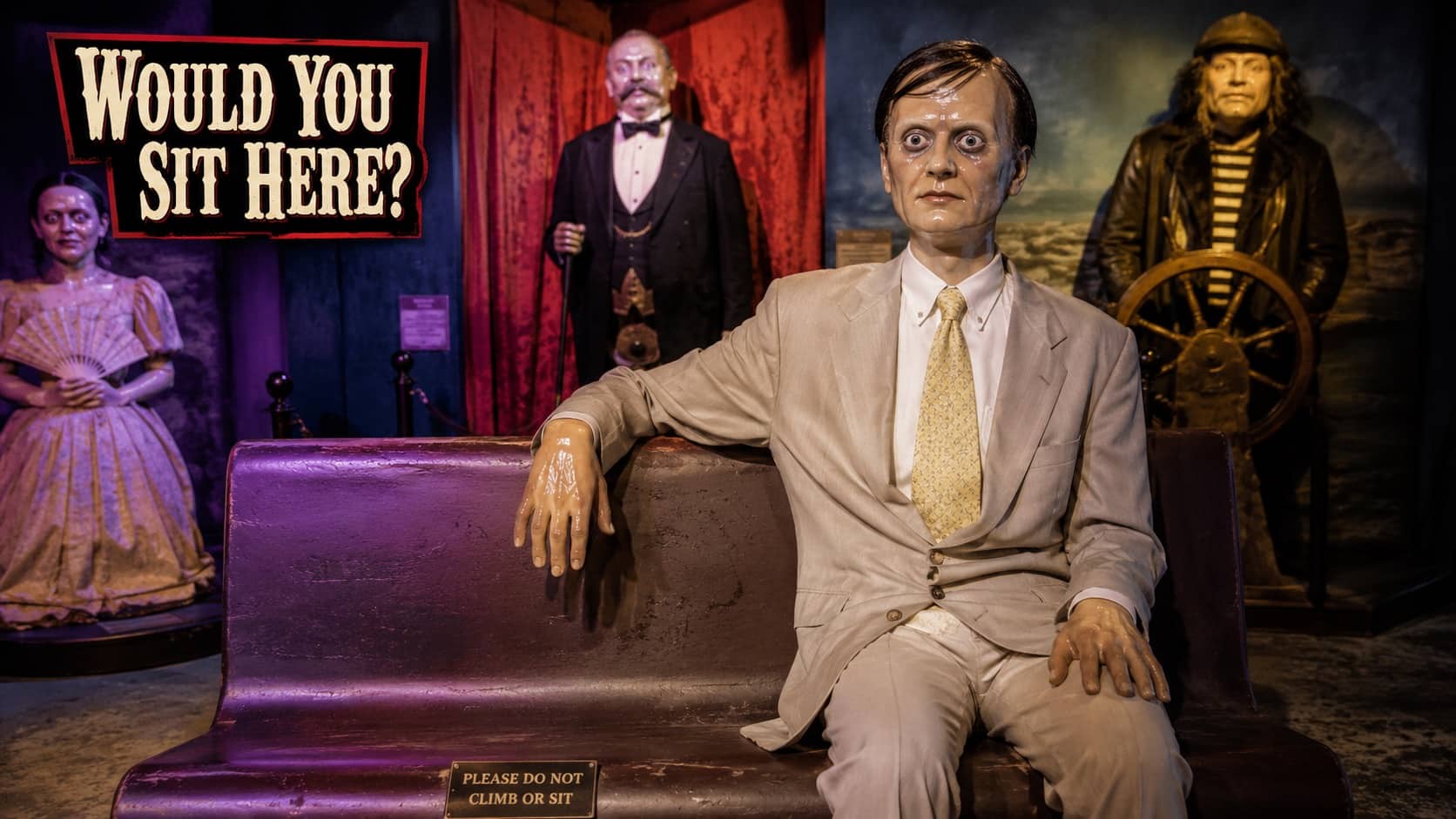

Look, every couple of years somebody on the internet visits a regional wax museum and posts a photograph of a celebrity sculpture that looks like it is having a complete spiritual crisis, and the rest of us are reminded that this entire art form exists almost entirely as a public service to comedy. These creepy wax sculptures are the small ongoing record of what happens when ambition exceeds budget in the field of celebrity preservation, and the gap between ambition and execution is, frankly, the funniest thing in tourism. Set aside the next forty minutes.
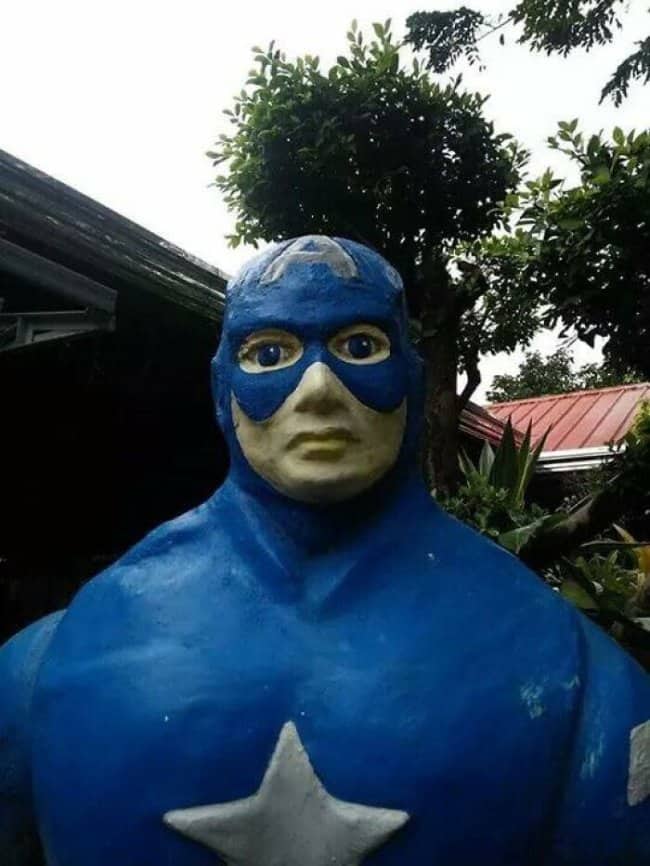
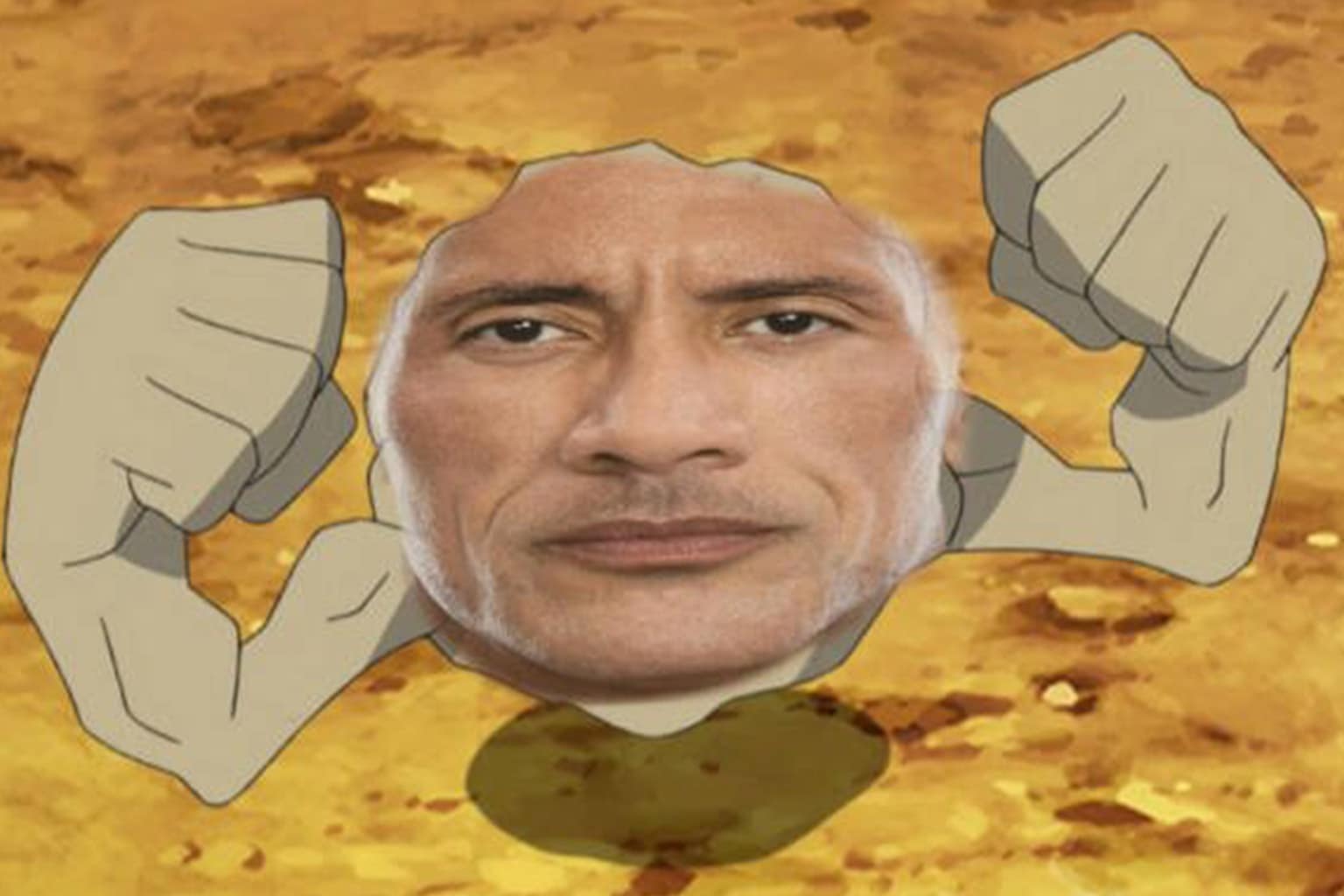
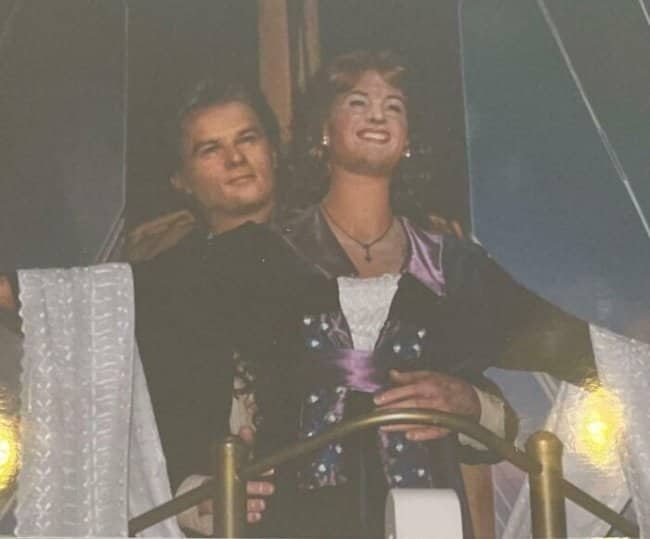
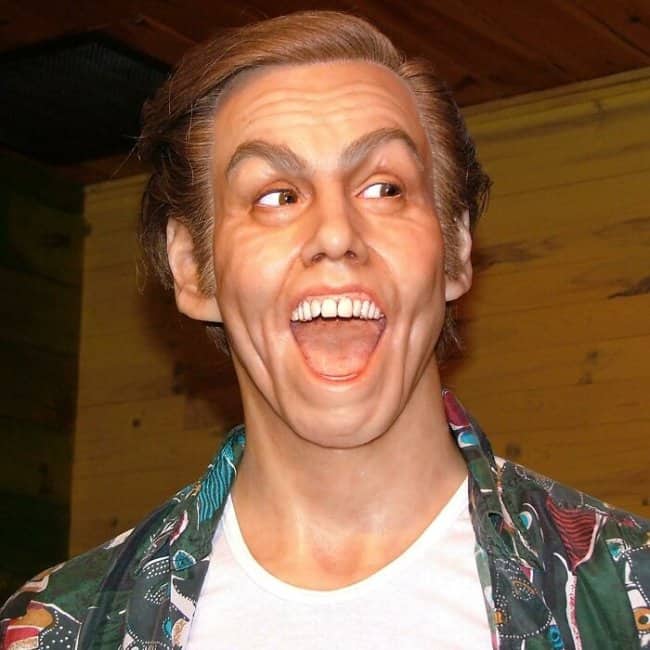
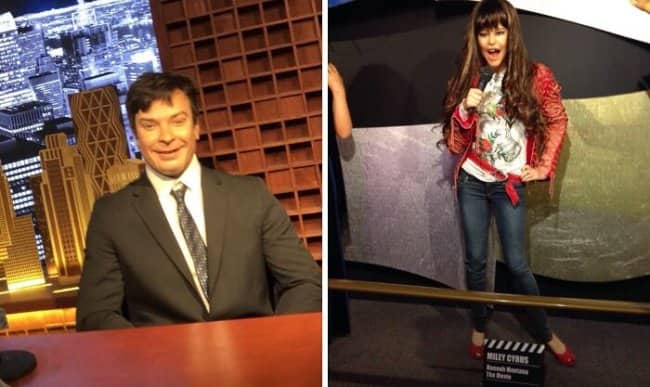
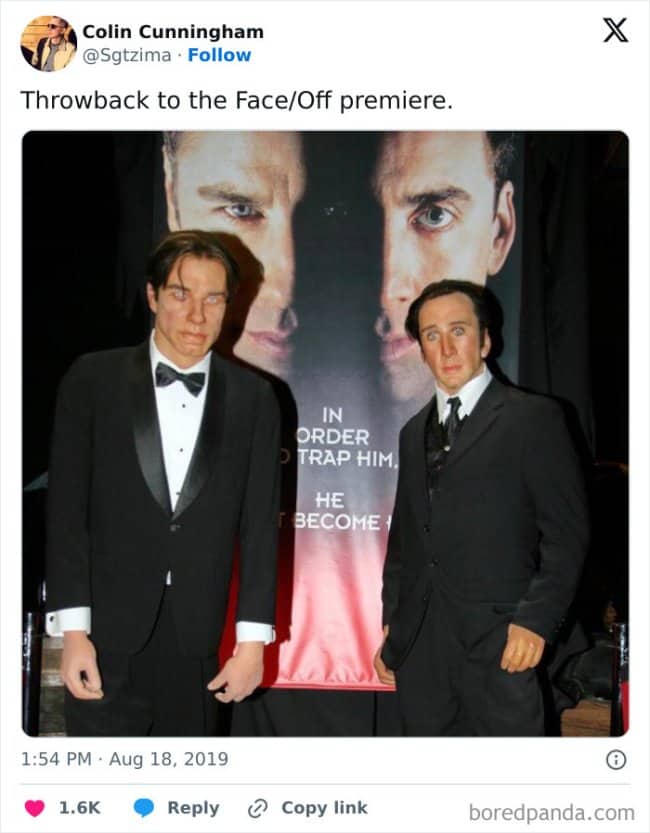
When the budget for the Avengers goes strictly to catering.
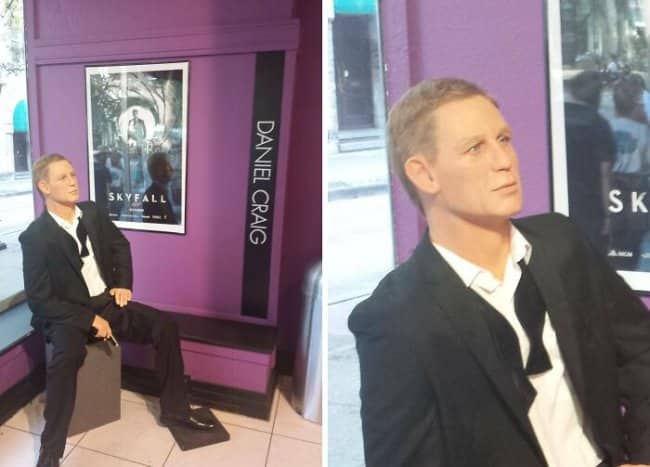
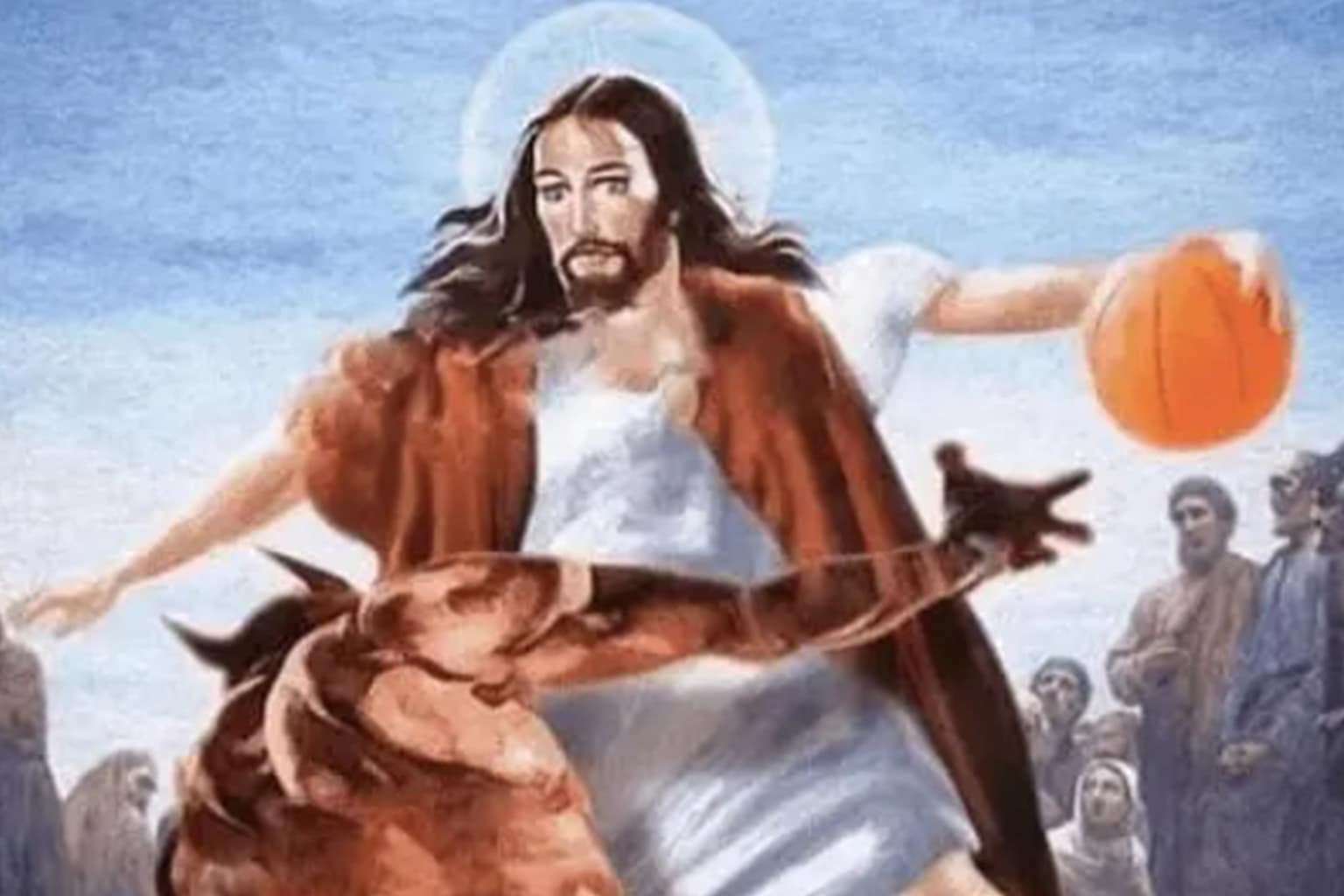
License to chill… in a highly uncomfortable sitting position.
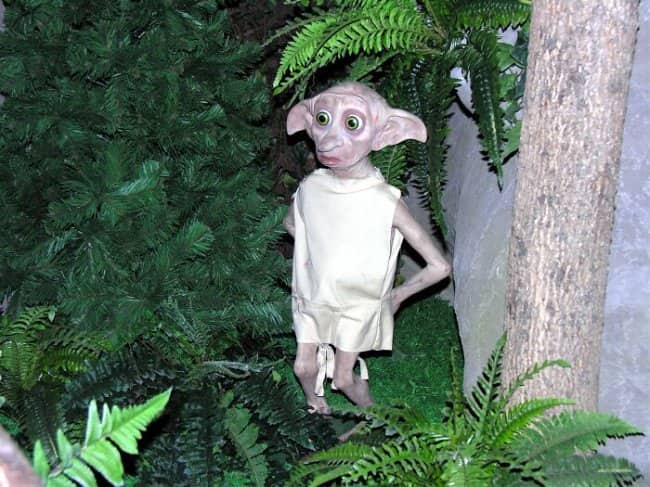
Dobby has seen things that a free elf should never have to witness.
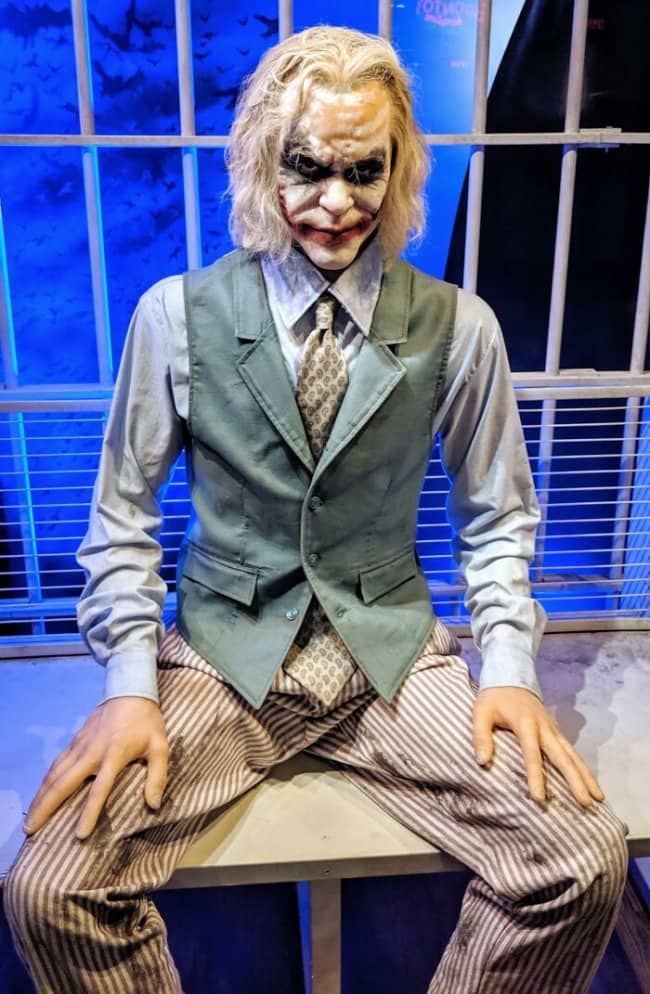
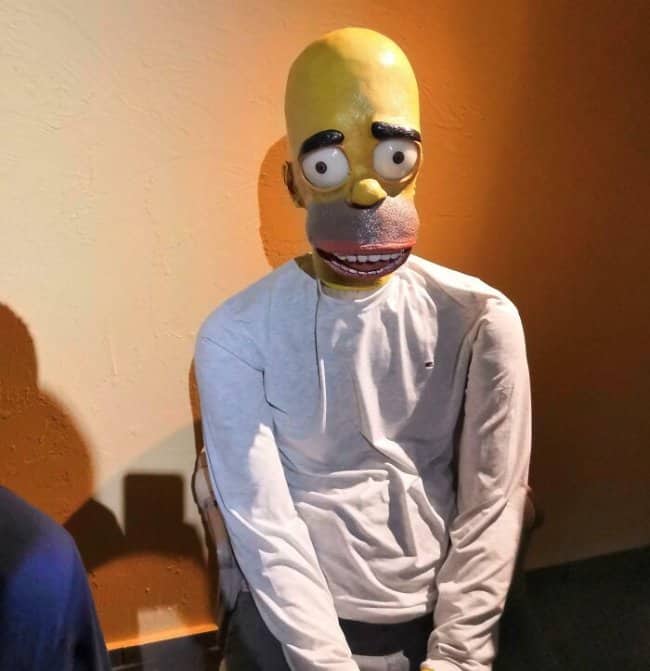
D'oh no.
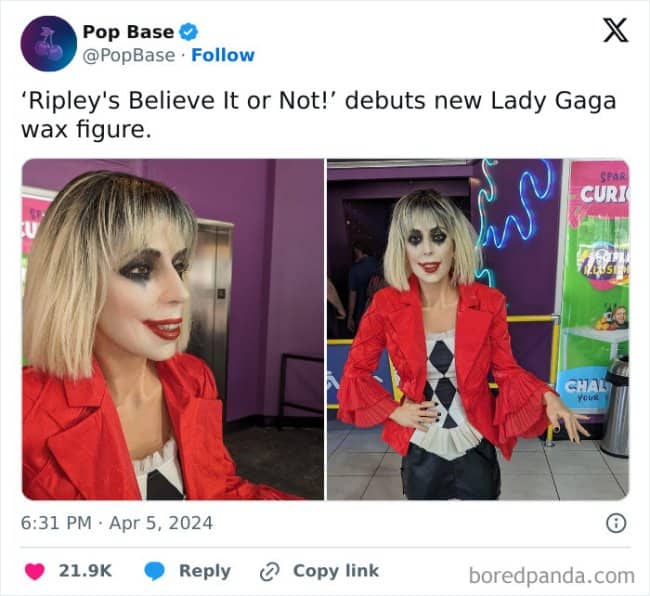
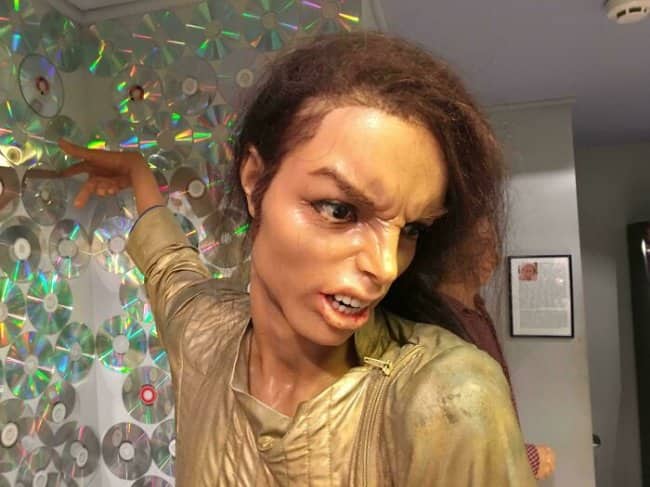
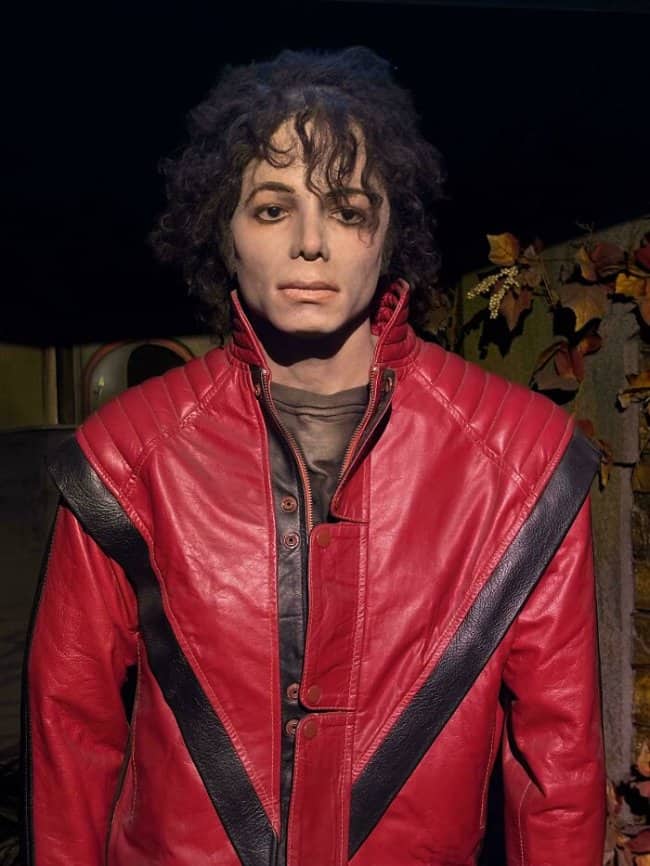
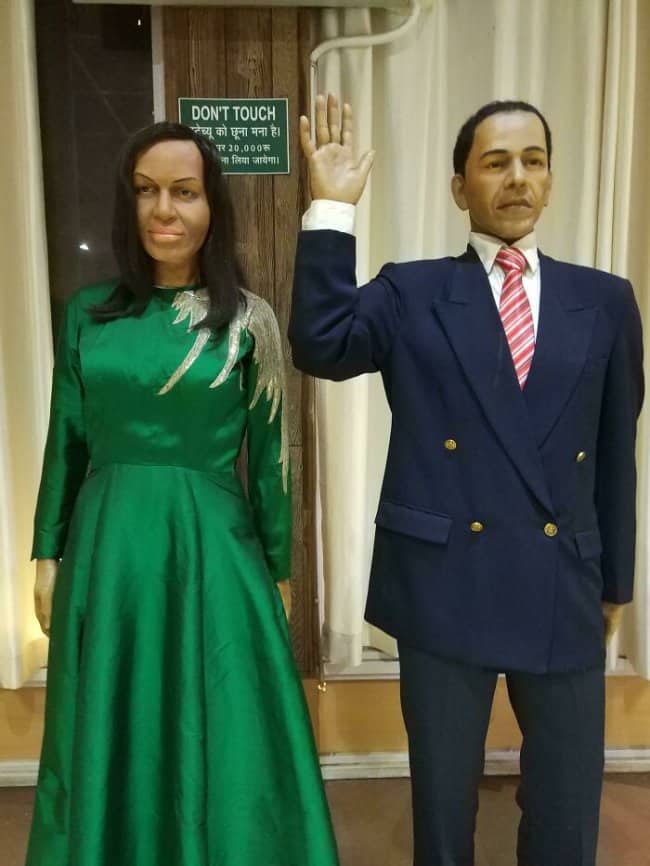





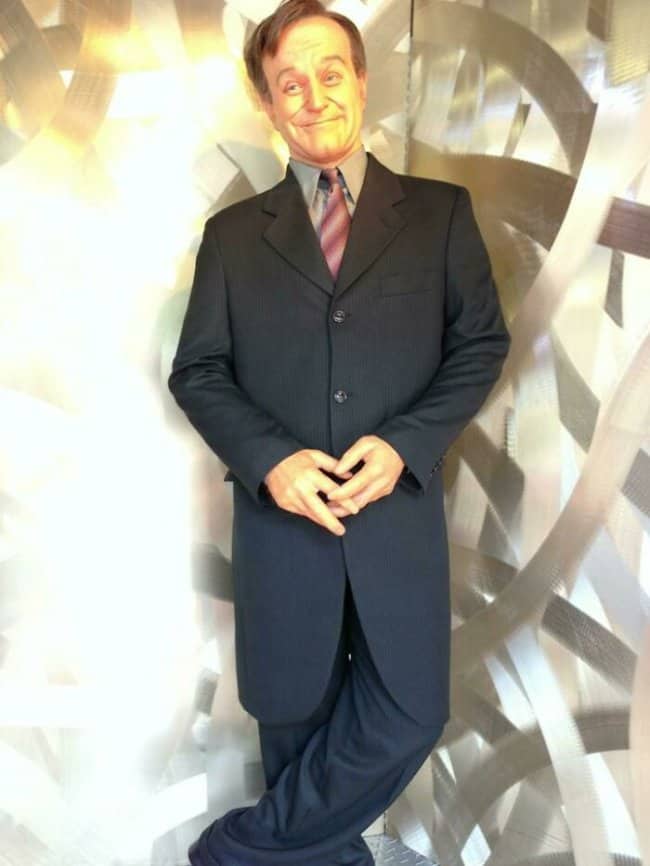
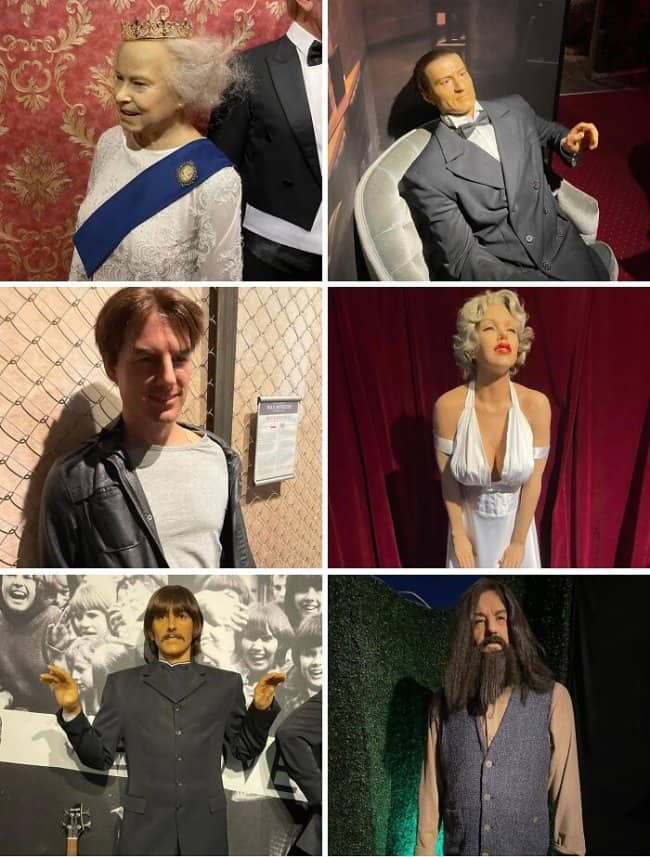
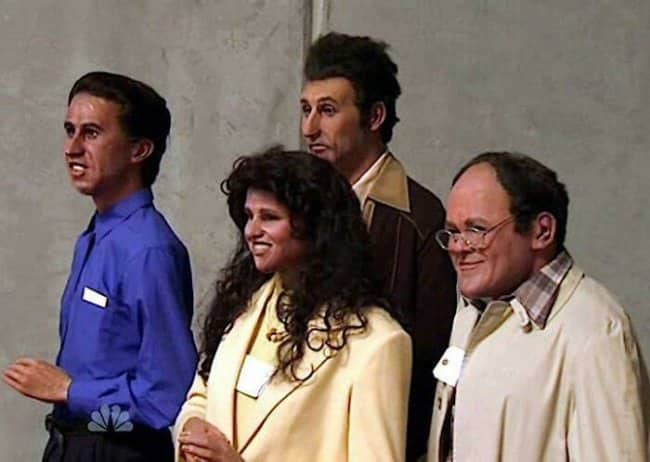
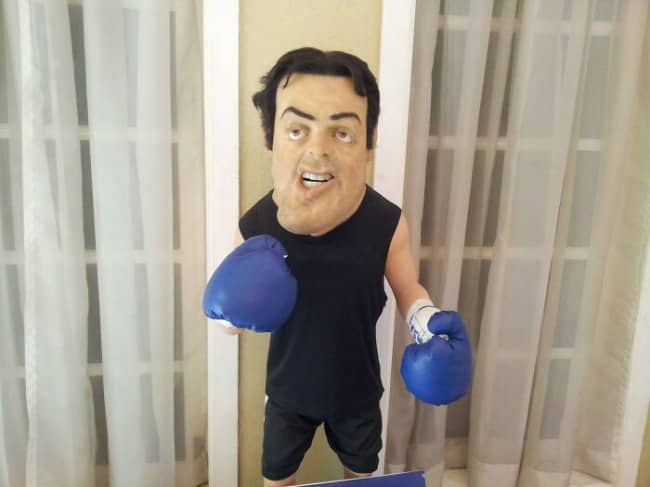
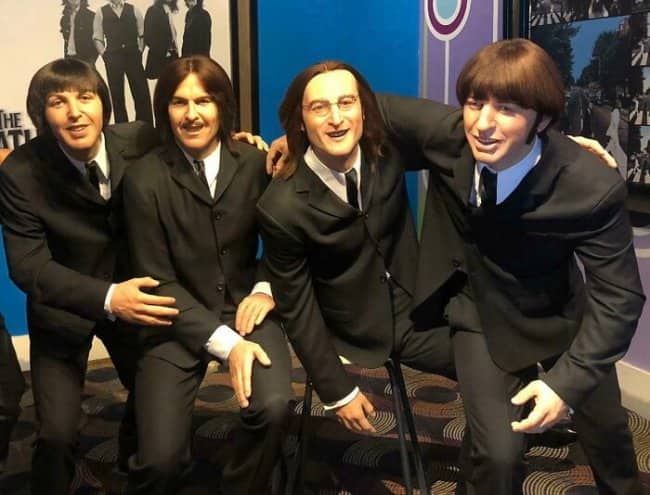
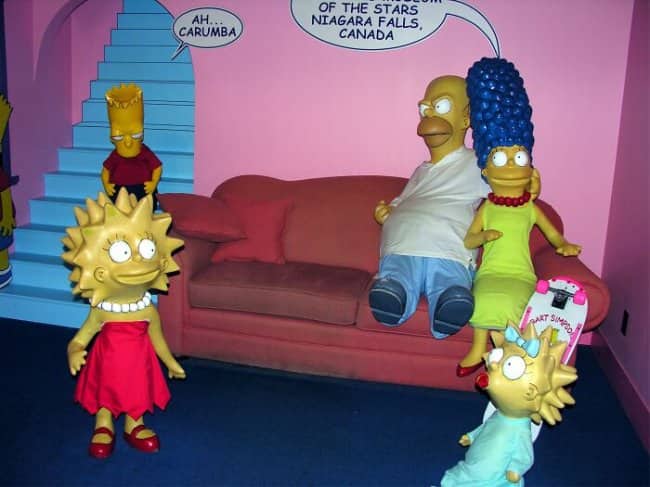
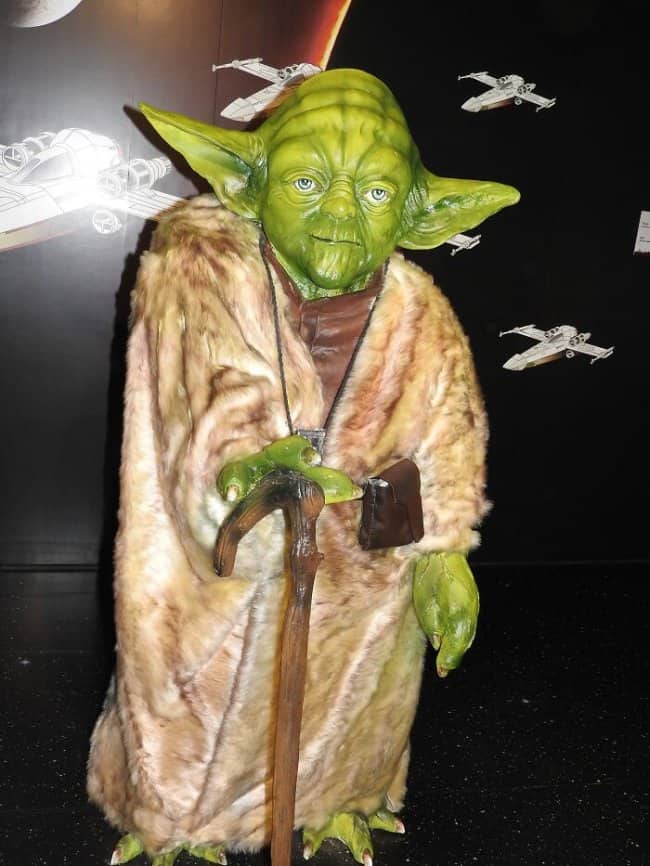




Creepy wax sculptures
Read More
OK so the actual reason this stuff is so consistently entertaining is that the wax museum industry occupies a very strange position in tourism, where the production budget is too low for actual realism but the marketing budget is high enough to convince families to pay admission anyway. The terrifying wax figures filling galleries like this are essentially the documented evidence of this mismatch, where the museum has decided that approximately representing a celebrity is, structurally, sufficient, and the approximate representation has produced some of the most accidentally surreal art currently on display anywhere in the world.
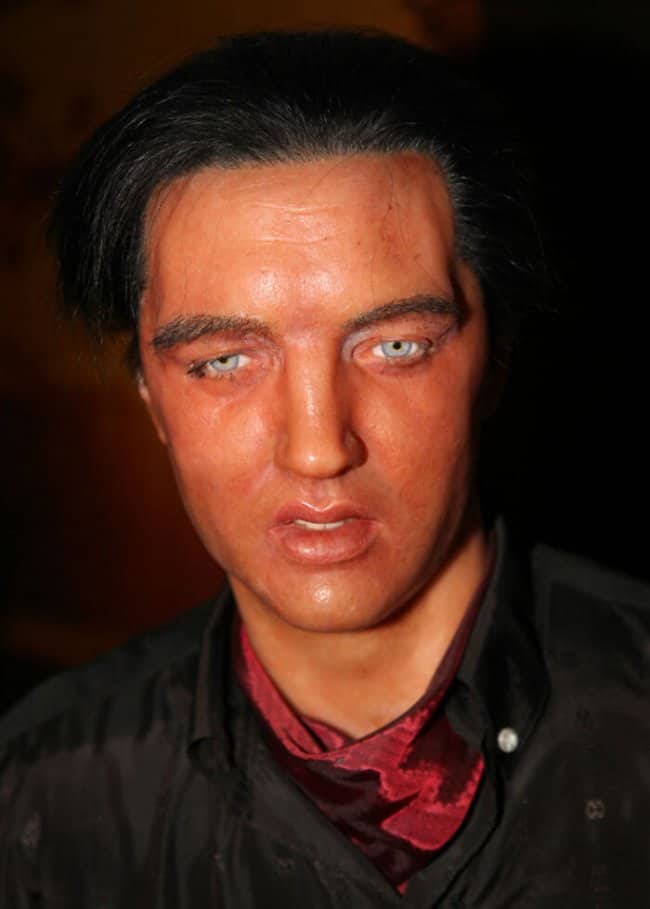
The celebrity content specifically deserves recognition as a kind of unintentional commentary on fame itself. There is something genuinely disturbing about looking at a wax sculpture of a famous person whose actual face you have seen thousands of times in photographs, and realizing that the sculpture has captured none of the qualities that made the person recognizable in the first place. The bad wax museum content circulating online is essentially documenting this exact gap, where the famous person remains famous and the sculpture remains a separate entity entirely, and the separation is what makes the photograph go viral.
The character content has its own particular flavor of horror. The cartoon characters translated into three-dimensional wax. The fantasy creatures attempting to look photo-real. The cursed wax statues in this lane are essentially documenting what happens when an art form designed for one medium is forced into a completely different medium, and the forcing produces results that nobody, including the original sculptor, can quite defend in print.
The larger thing happening across this whole lane of content is that wax museums have, over the past decade or so, become almost entirely valuable as a source of internet comedy rather than as actual cultural institutions. The original purpose of these museums was to bring audiences closer to famous figures they could not otherwise see in person. The internet has, mostly, solved that problem. The museums remain, partly because the bad sculptures inside them are now generating more attention than the good ones ever did.
The funny wax museum content that endures is the kind that captures this exact irony. The audience is not, mostly, going to these museums anymore to see the sculptures sincerely. The audience is going to take photographs of the worst sculptures, post them online, and let the internet do the comedic work of explaining what went wrong. The cursed wax content that goes viral is essentially a small industry of accidental art critics, performing their work one bad celebrity sculpture at a time.
The museum is open. The lights are dim. The faces are wrong. The internet has, somehow, made the entire enterprise more entertaining than the original artists ever intended.
If the uncanny horror was your kind of fun, our weird tourism content is right where you’d want to land next, and we’ve got plenty of bad museum archives, terrible roadside attraction threads, and questionable celebrity tribute compilations for anyone who plans road trips around regrettable photo opportunities. Pack the camera.
Read Memes
Get Paid


Jake Parker, known around the web as "Jay," is a digital writer with over 10 years of experience covering internet humor, meme trends, and viral content. Before joining Thunder Dungeon, Jay was the lead editor at MemeWire, where he helped curate memes that broke the internet, including coverage on trends like Distracted Boyfriend, Kombucha Girl, and Bernie Sanders’ Mittens. A self-proclaimed "professional procrastinator," Jay spends his downtime scrolling Reddit and Twitter to stay ahead of what's about to break the internet next.