
There is a category of internet photograph that documents the exact moment when somebody, somewhere, made a decision that should have been caught by any one of the four supervisors who were technically responsible for the project, and the supervisors were, statistically, on a smoke break. These funniest fails are the small ongoing archive of construction, design, and engineering decisions that survived past the review stage and into the physical world, and the survival is, frankly, evidence that quality control is mostly a suggestion.
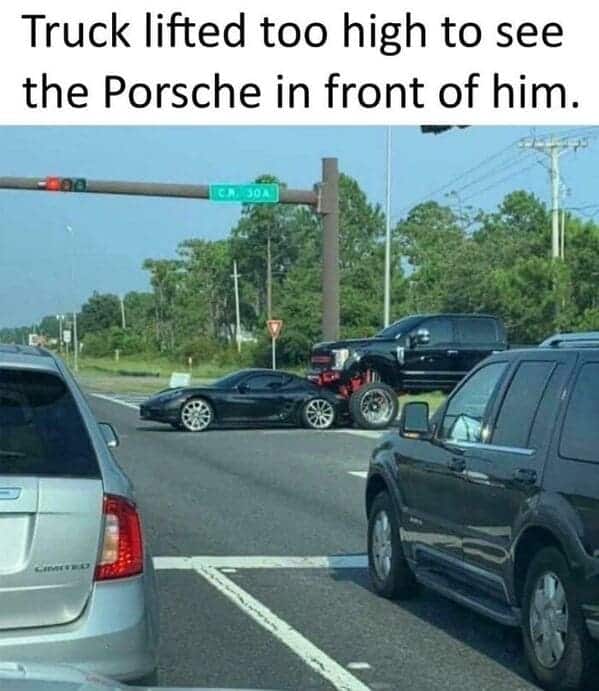
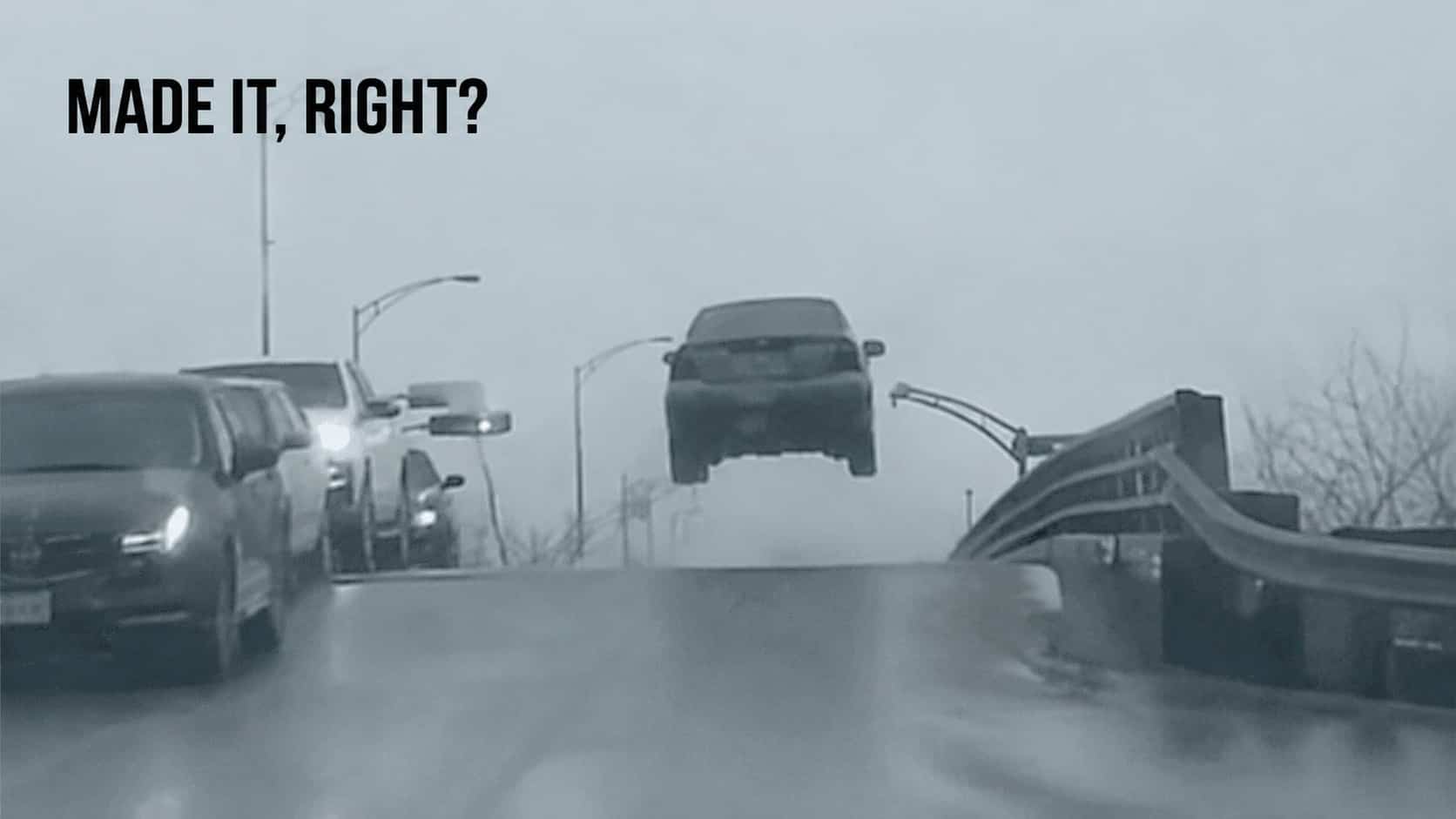
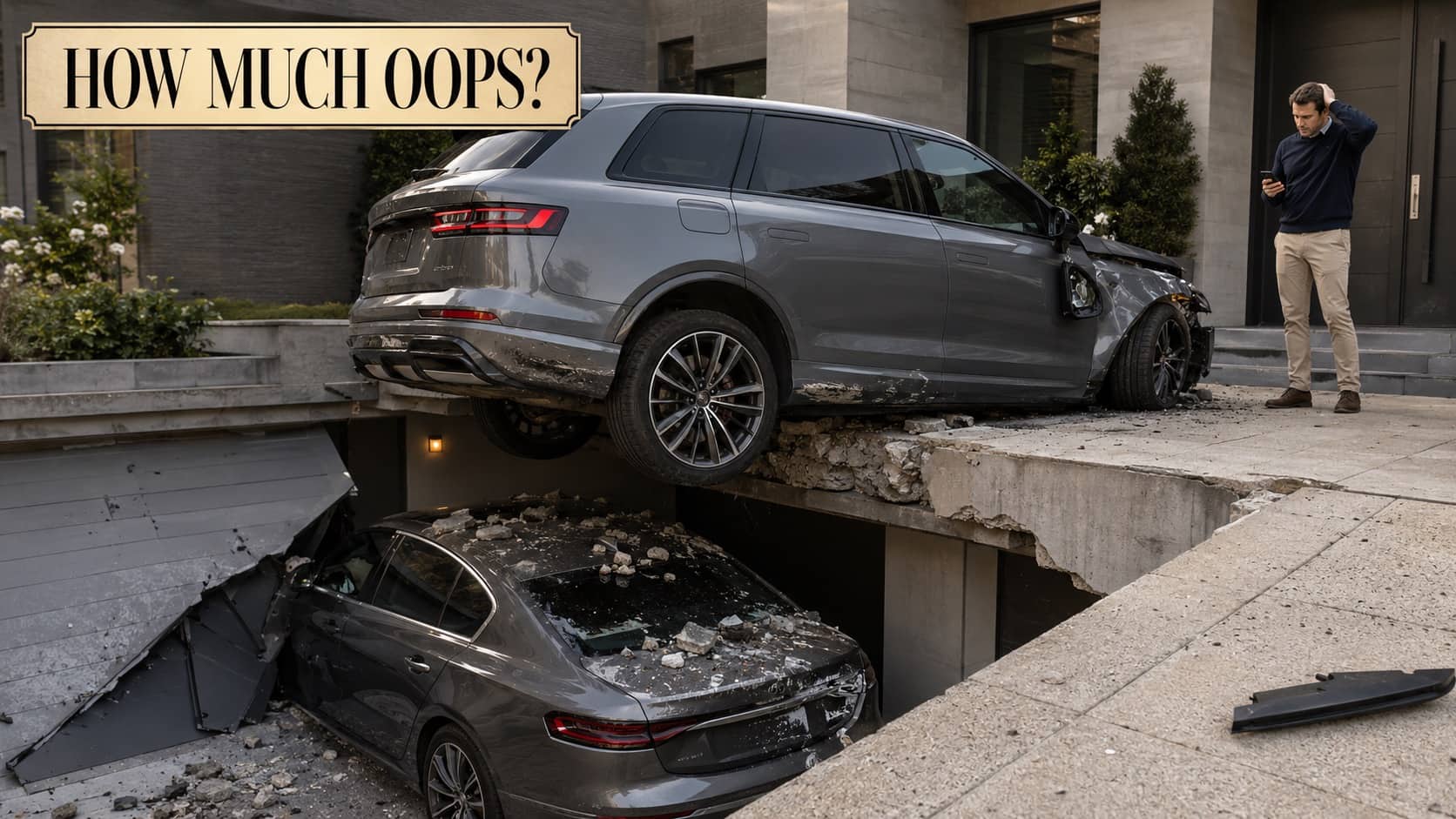
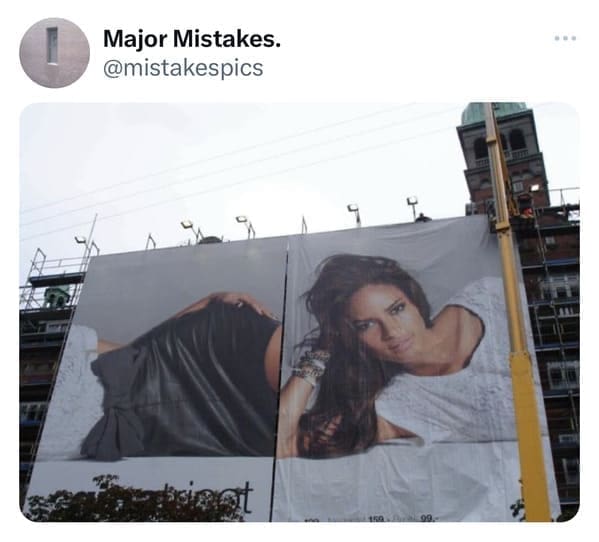
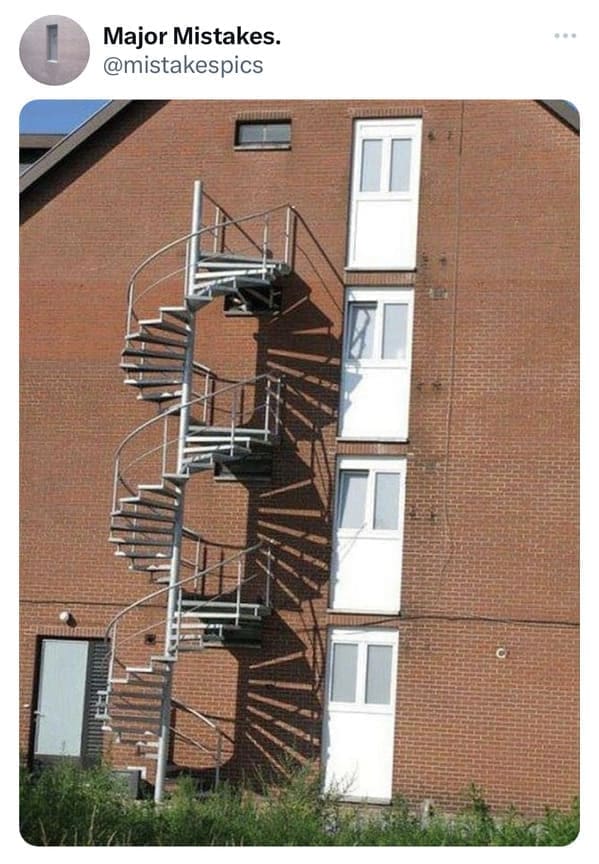
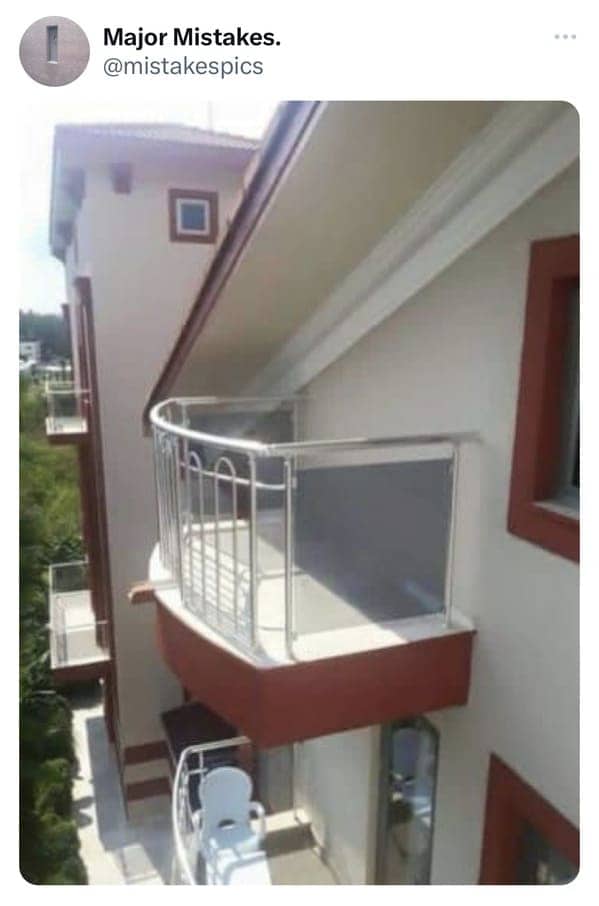
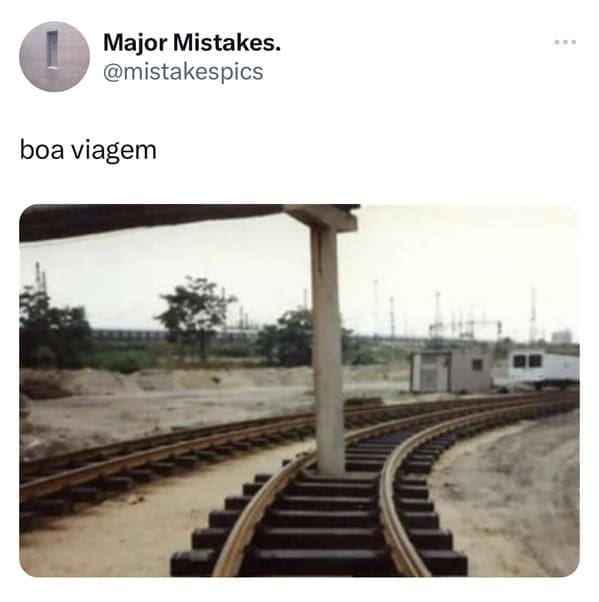
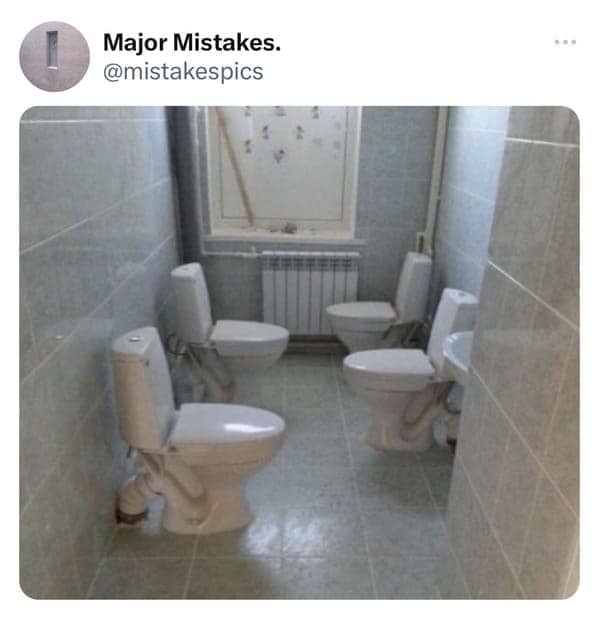
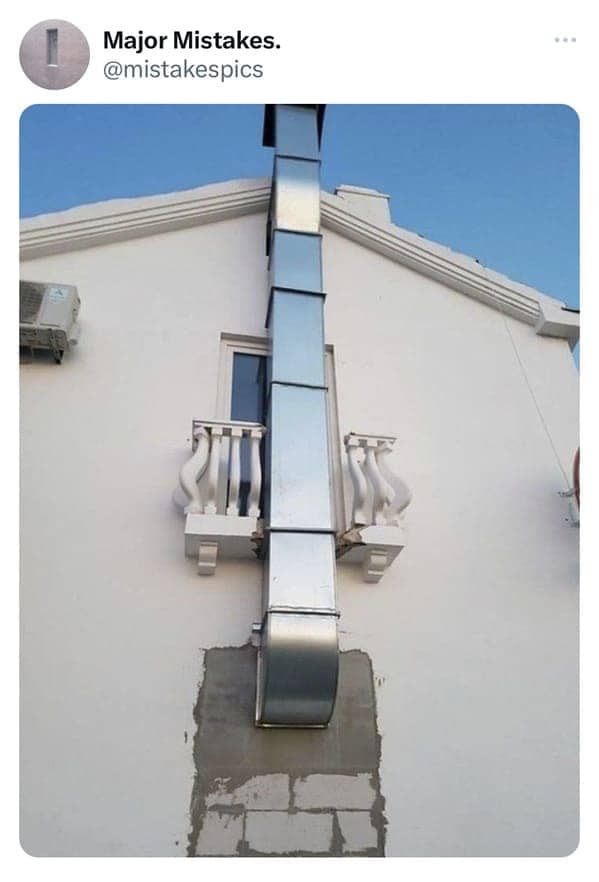
Aggressive parallel parking.
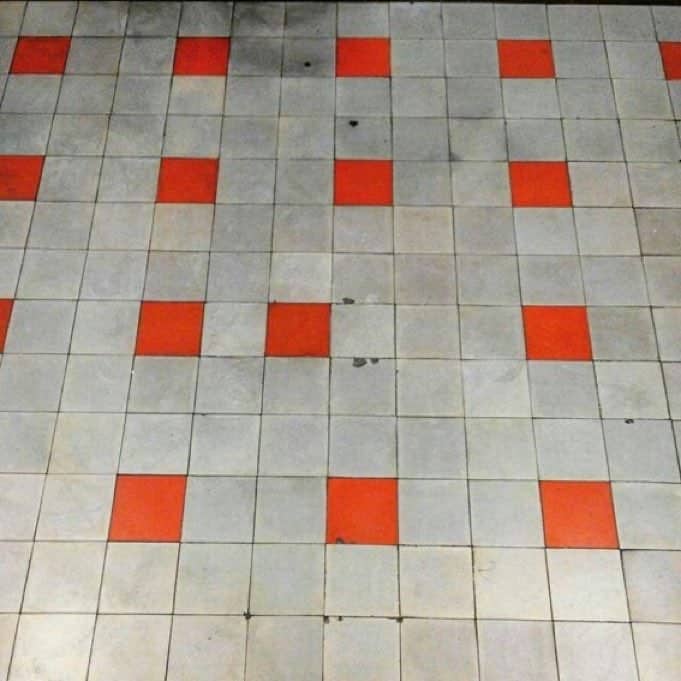
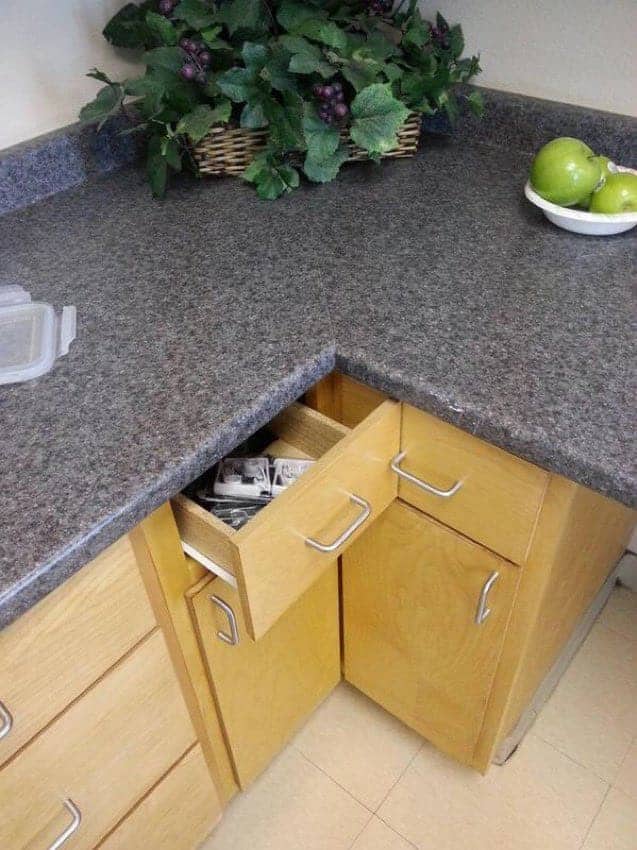
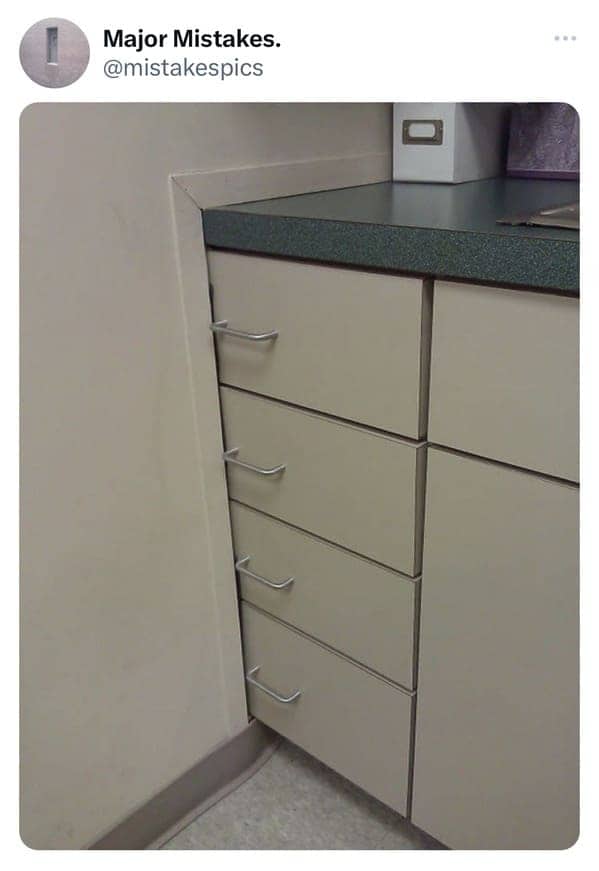
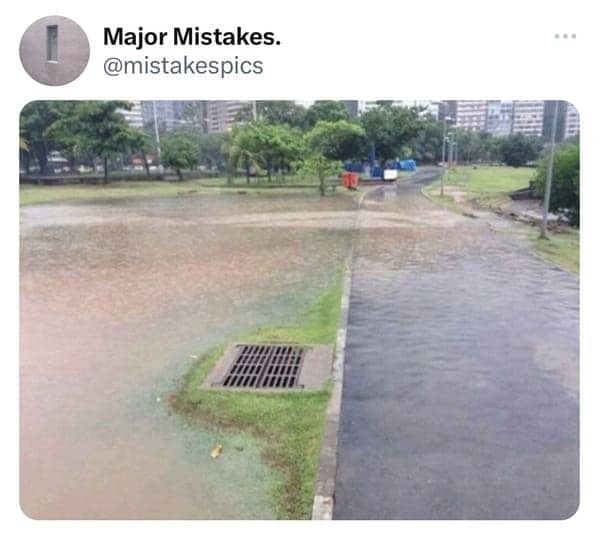
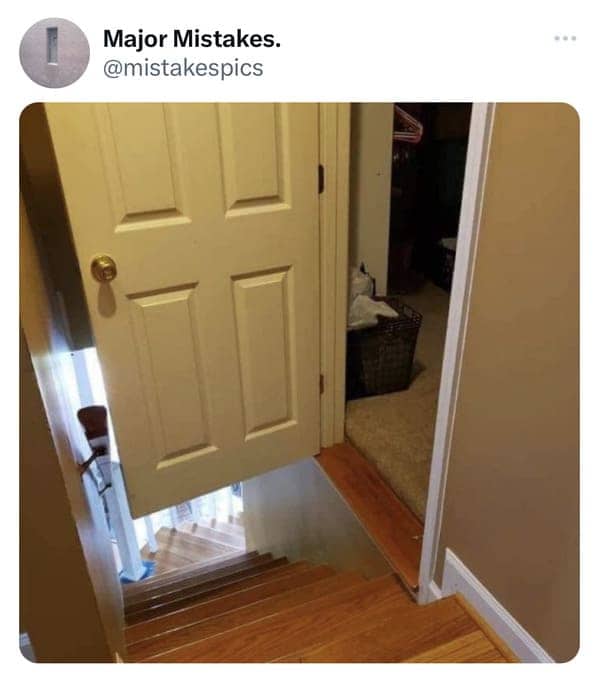
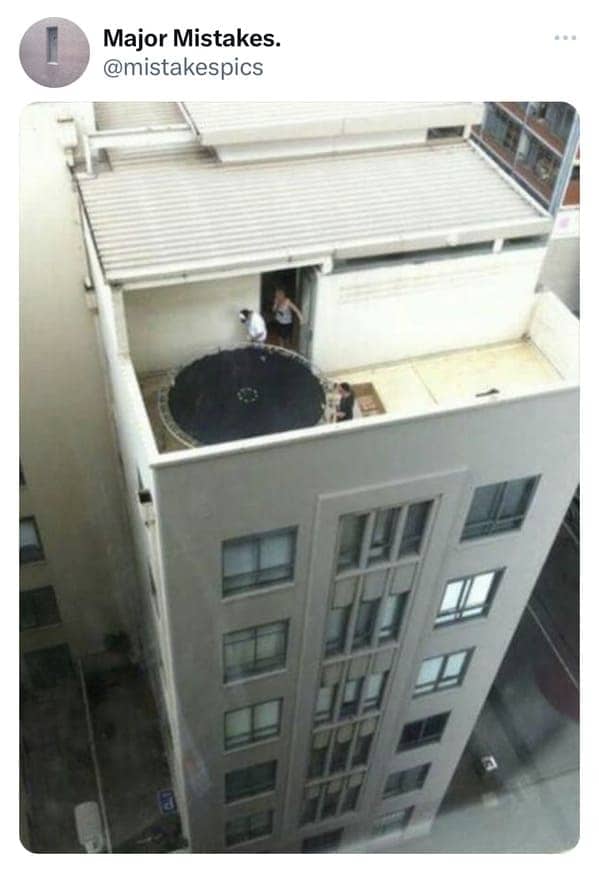
Somewhere, a perfectionist is staring at this floor and weeping silently.
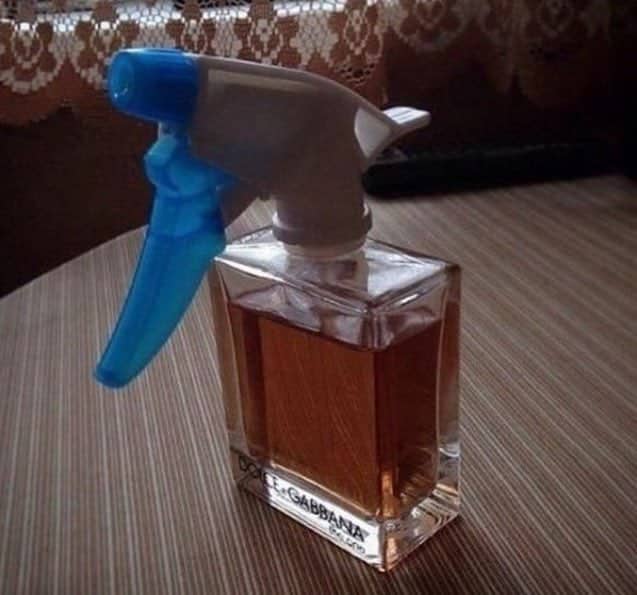
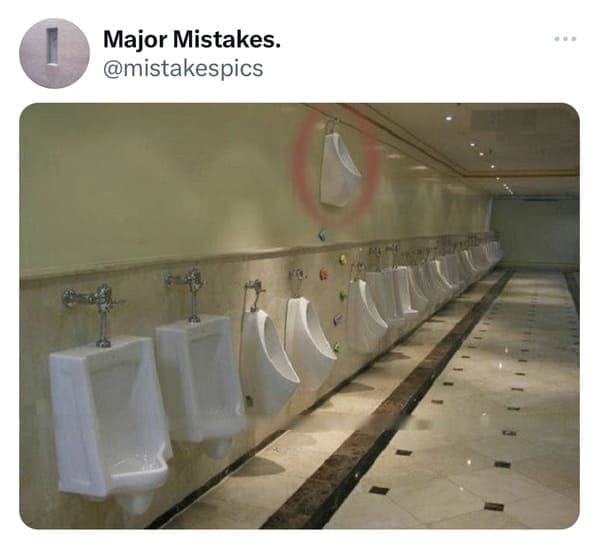
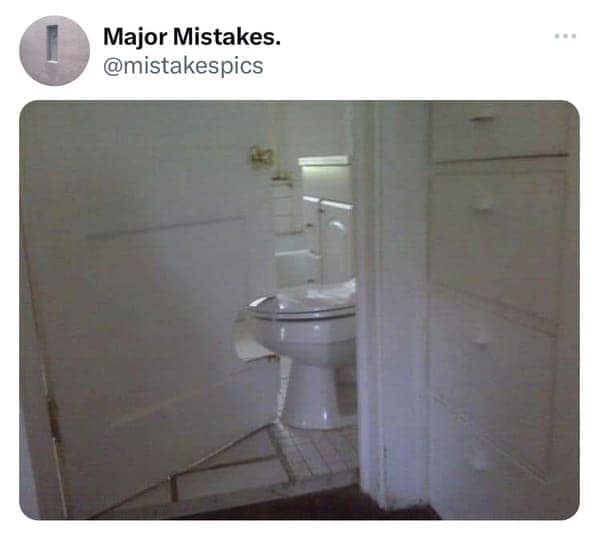
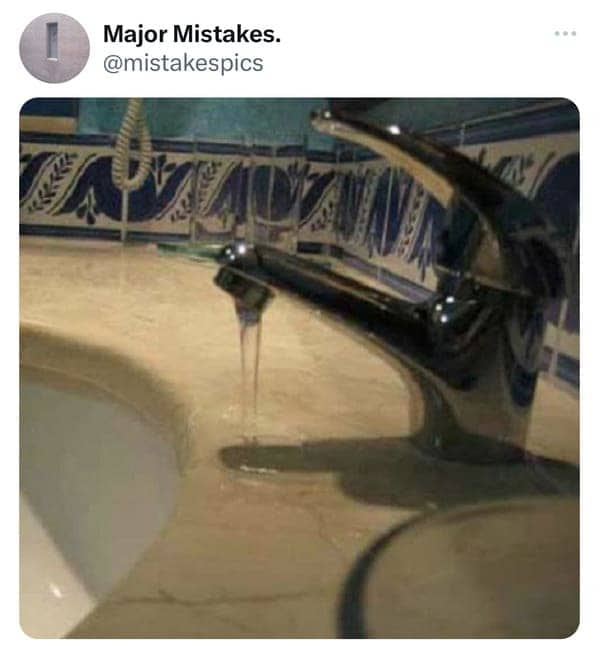
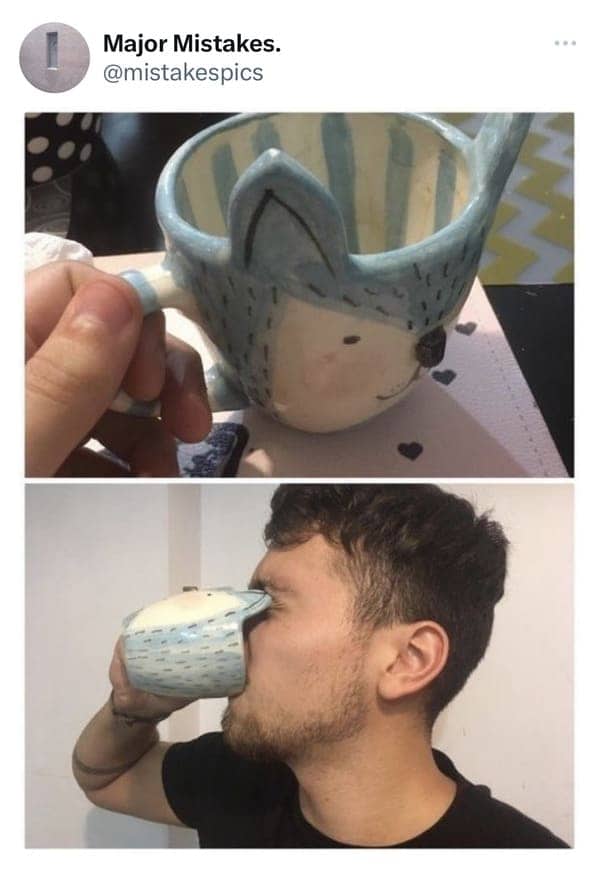
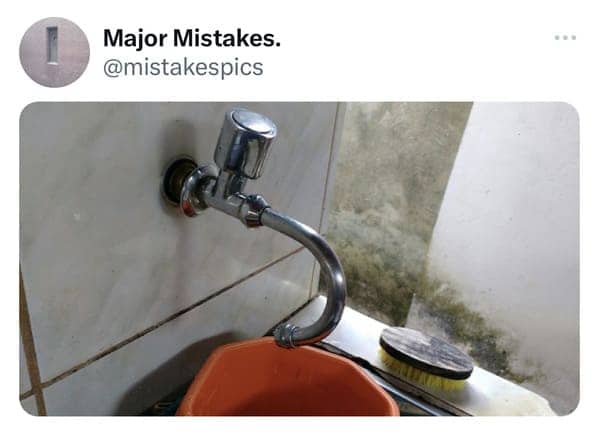
When you want to apply high-end fragrance like you're cleaning a kitchen counter.
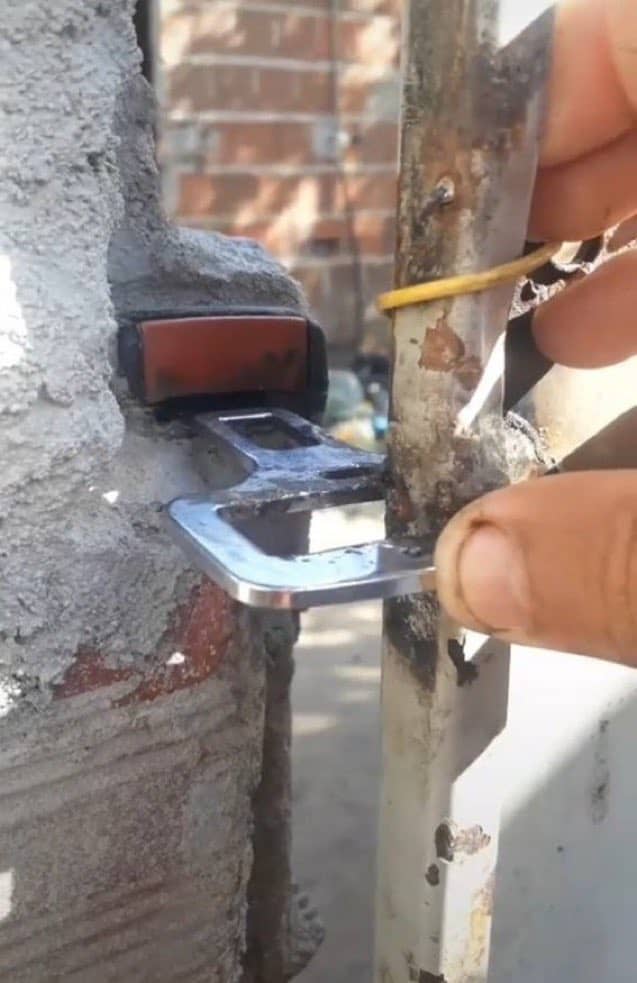
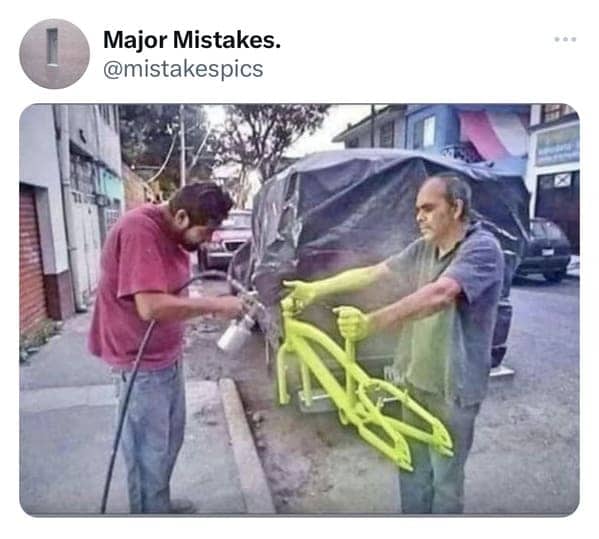
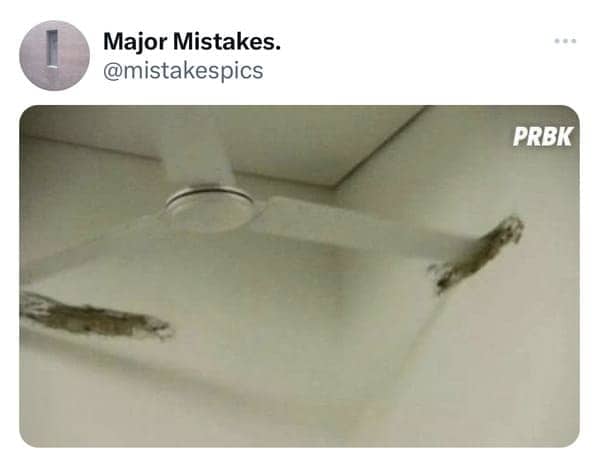
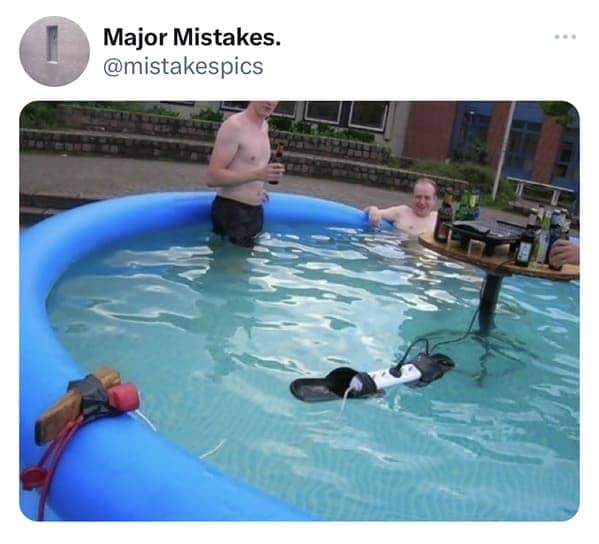
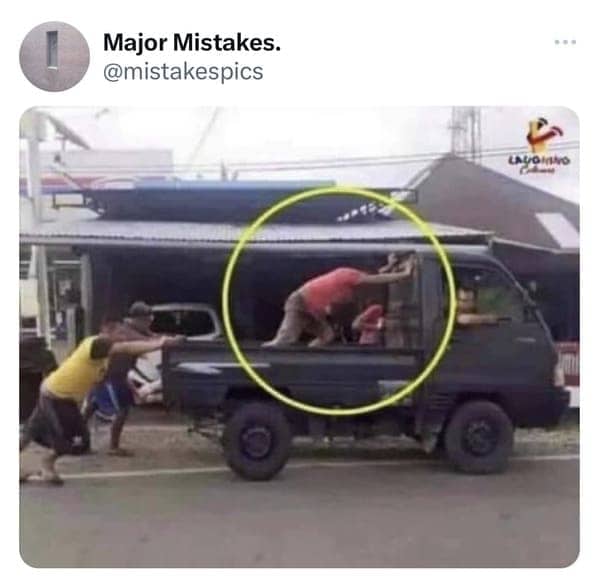
Who needs protective gear when you can just have matching neon skin?
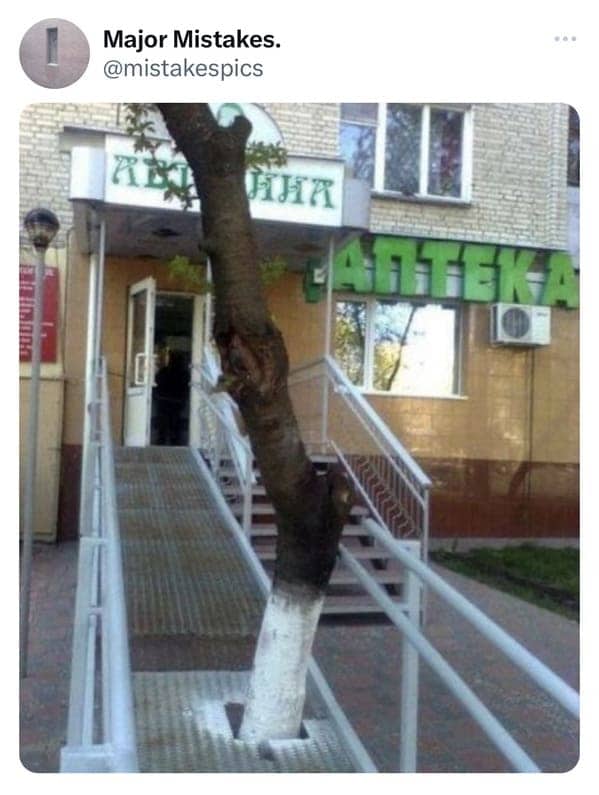
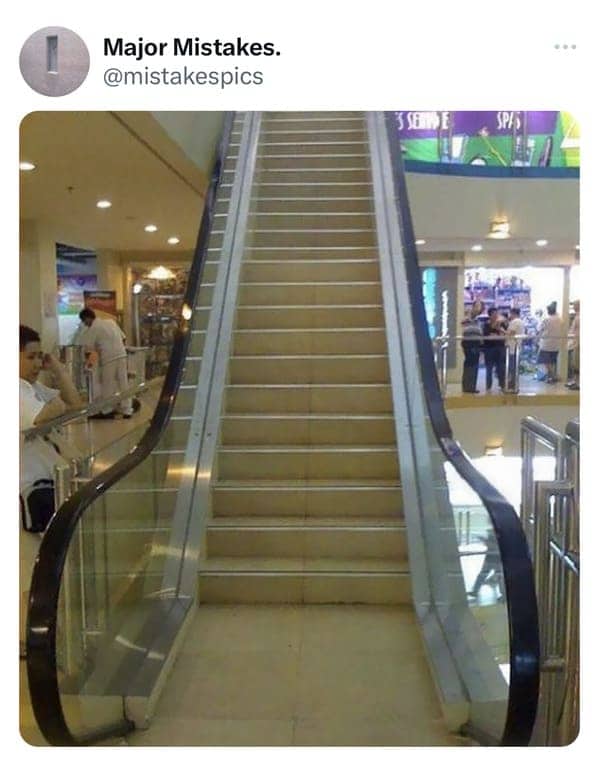
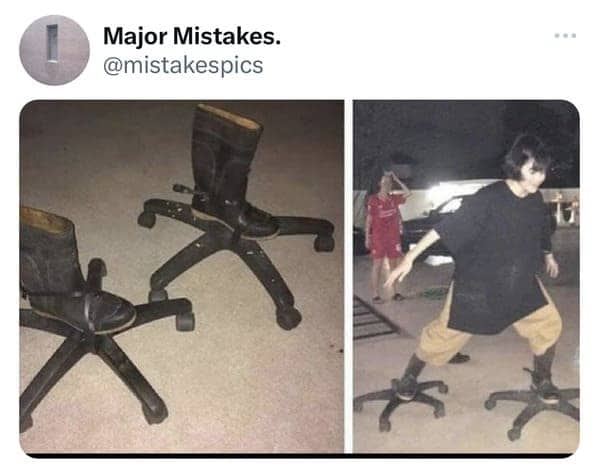
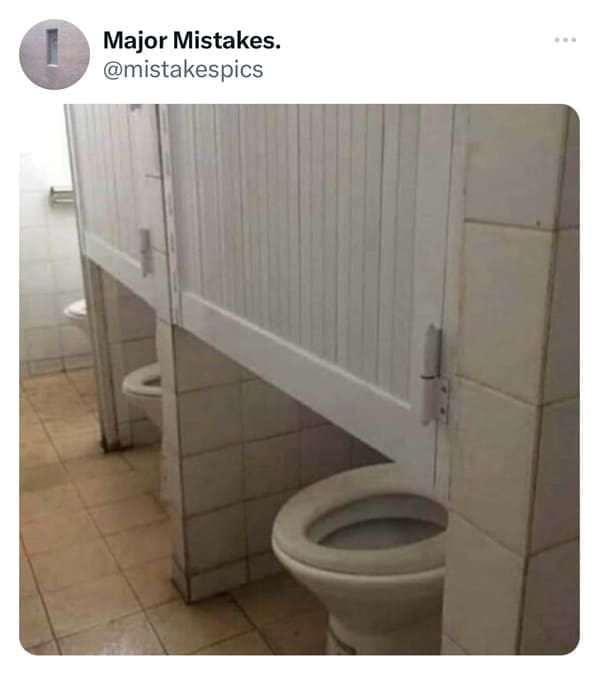
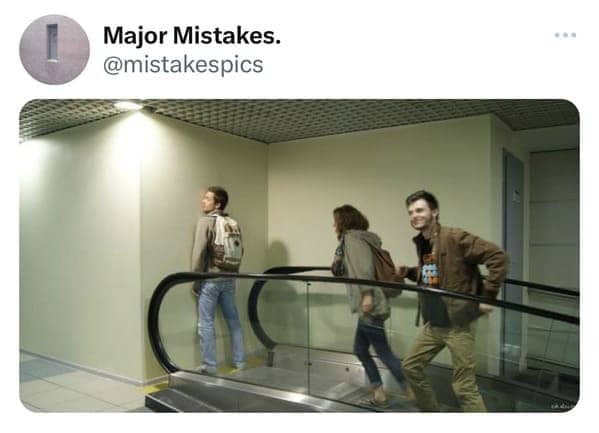
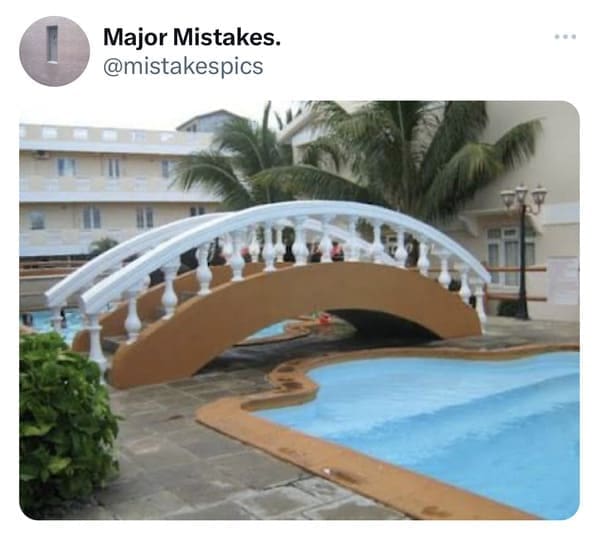
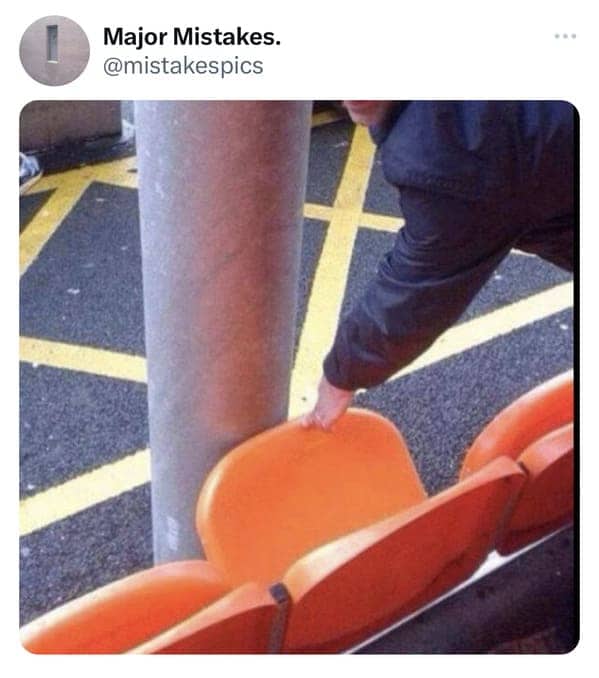
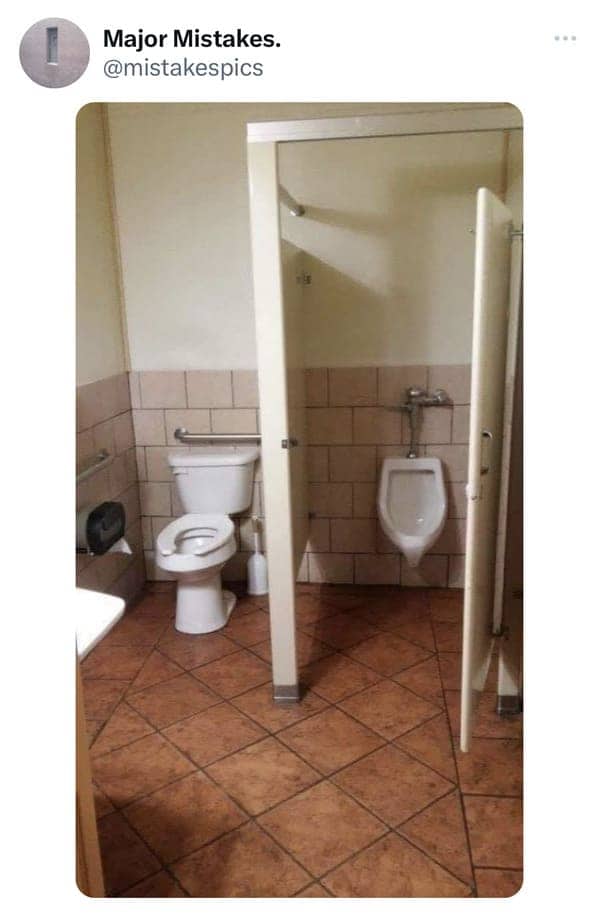
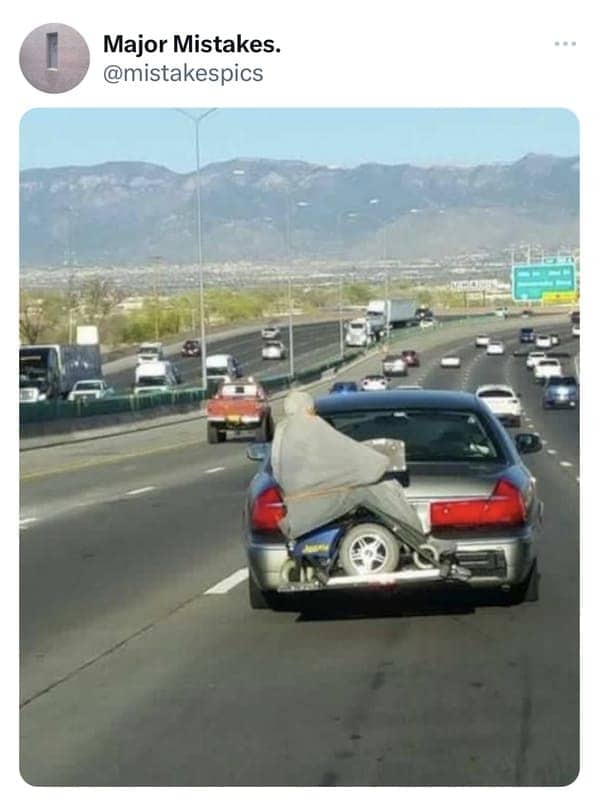
Peak mobility.
Funniest fails
Read More
The funniest fails genre exists because most professional work, when examined closely, contains a baseline percentage of small mistakes that the original team did not catch and the supervising team did not flag. Most of these mistakes are invisible to anybody outside the industry. The ones that go viral are the ones where the mistake is, on visual inspection, completely obvious to everybody, and where the question of how the mistake survived multiple review stages becomes the entire content of the joke. The hilarious construction fails filling galleries like this are essentially the documentation of that very specific class of error.
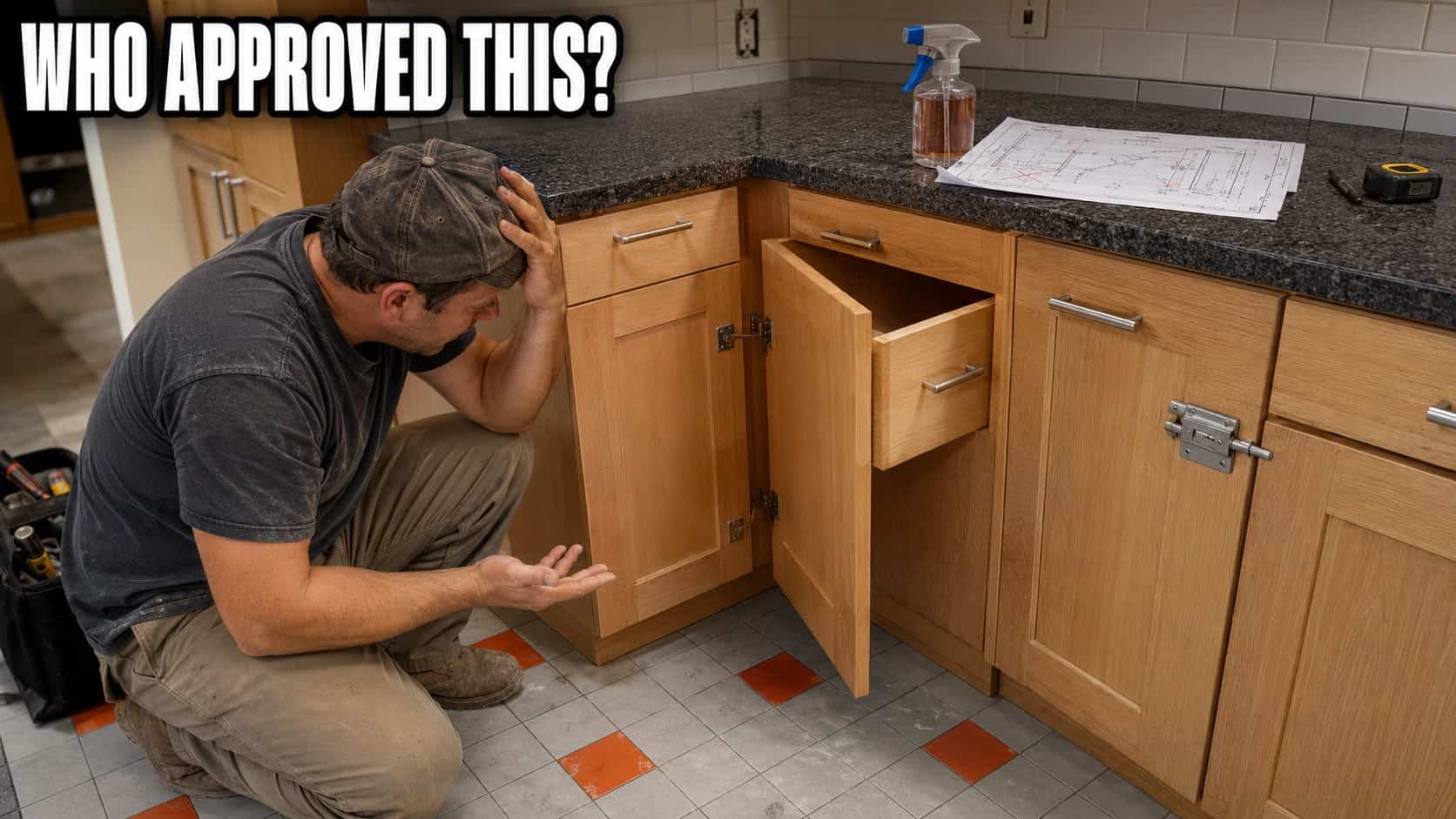
What makes the genre particularly satisfying is the recurring impossibility of explaining how each one happened. Every photograph contains an implicit question. Why does the escalator end at a wall. Why is the ramp built around a tree. Why did somebody approve this. The design fail memes operating in this category are operating less on visual humor and more on a kind of philosophical comedy, where the audience is being asked to consider the chain of decisions that produced the outcome, and the consideration produces a sense of vertigo that no other genre quite achieves.
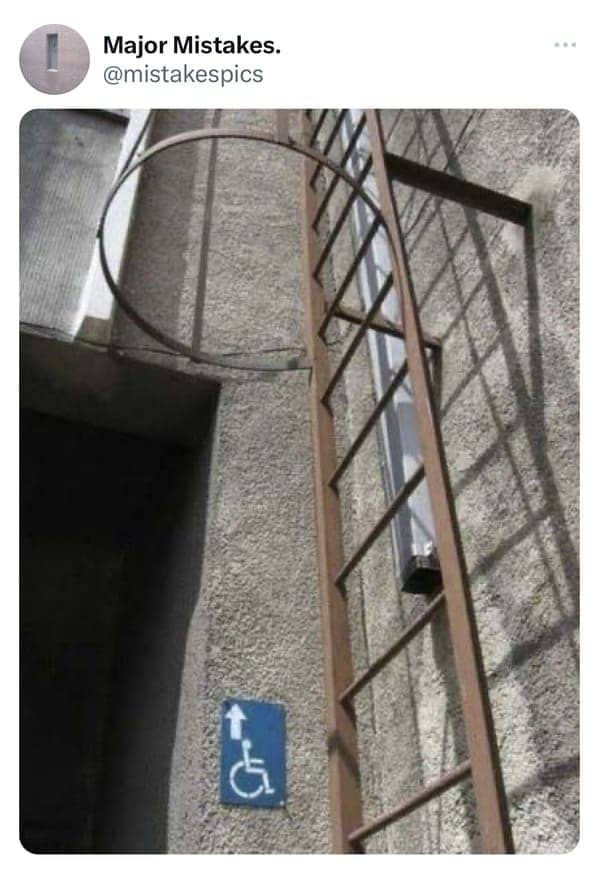
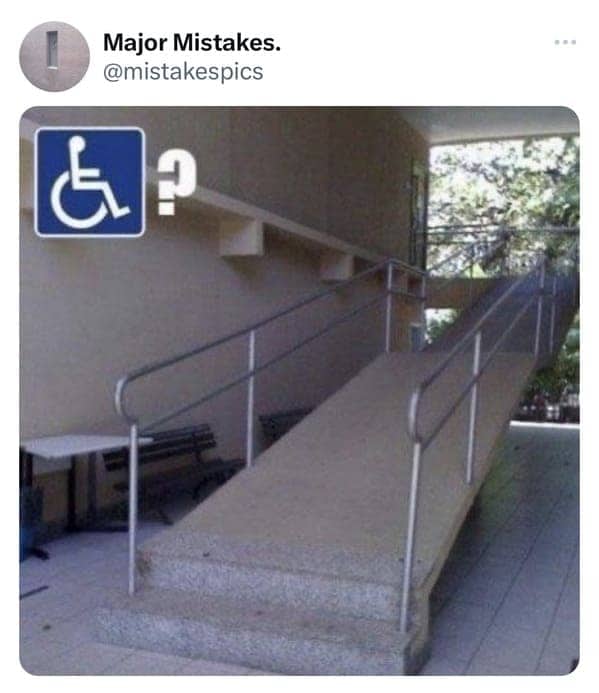
There is also a strong recurring subgenre targeting the very specific phenomenon of accessibility compliance done incorrectly. The wheelchair-accessible feature that is, on examination, completely inaccessible. The funny design fail memes in this category are not, mostly, mocking the intent. They are mocking the gap between the intent and the execution, and the gap is, in many cases, large enough to drive a vehicle through without lowering the antenna.
The broader thing this whole genre captures, beyond the visual comedy, is the way professional incompetence has, somewhere in the past few decades, become harder to hide and easier to share. A bad piece of construction work used to live where it was built, witnessed only by the people who walked past it. The internet has changed this. The bad work can now be photographed, shared, mocked, and preserved indefinitely, and the preservation is doing the small social work of holding the industries that produced these results to a slightly higher standard going forward.
There is also a small consolation embedded in how this content gets received. The audience is not, mostly, contractors. The audience is, mostly, regular people who have spent a lifetime walking past slightly broken infrastructure and wondering whether they were the only ones noticing. The construction humor memes that go viral are essentially confirmation that the noticing was correct, and the confirmation is, in its own way, reassuring.
The blueprint was approved. The work was completed. The mistake was preserved. The internet, eventually, made it everybody’s problem.
If the structural chaos was your kind of fun, our design fail content is right where you’d want to land next, and we’ve got plenty of contractor disaster archives, bad blueprint compilations, and questionable engineering threads for anyone who walks past public infrastructure with quiet suspicion. Check the rivets.
Read Memes
Get Paid


Jake Parker, known around the web as "Jay," is a digital writer with over 10 years of experience covering internet humor, meme trends, and viral content. Before joining Thunder Dungeon, Jay was the lead editor at MemeWire, where he helped curate memes that broke the internet, including coverage on trends like Distracted Boyfriend, Kombucha Girl, and Bernie Sanders’ Mittens. A self-proclaimed "professional procrastinator," Jay spends his downtime scrolling Reddit and Twitter to stay ahead of what's about to break the internet next.