

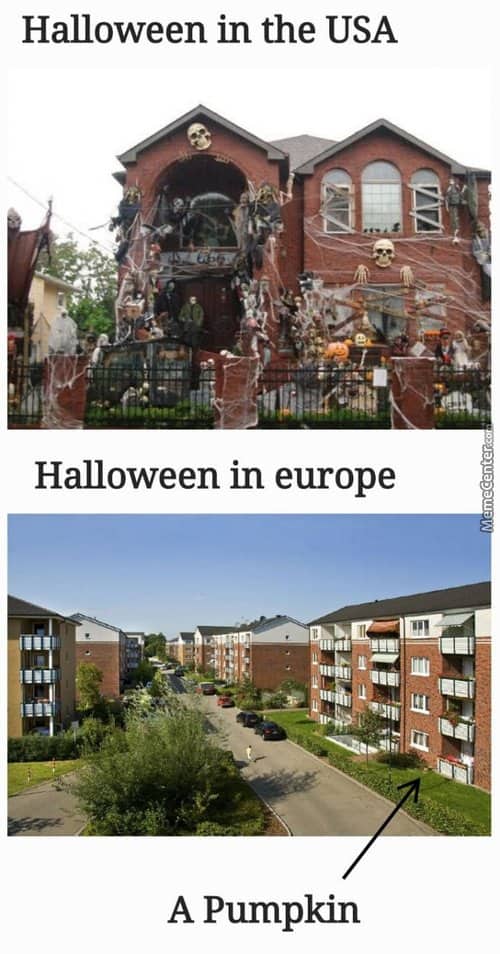
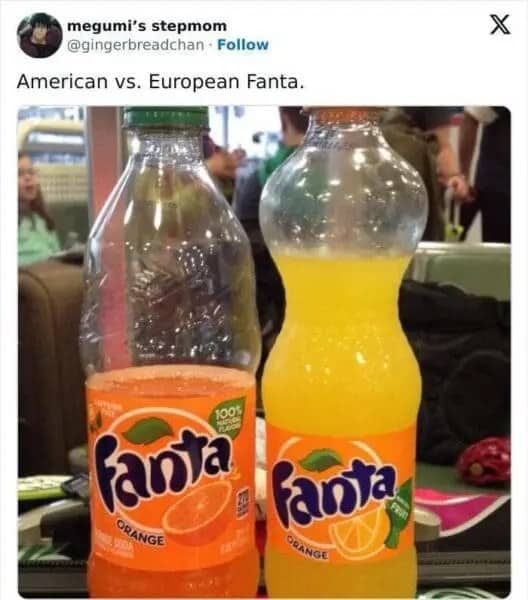
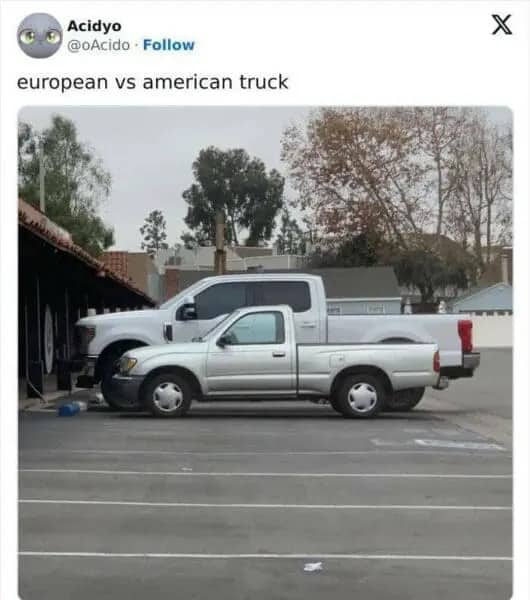
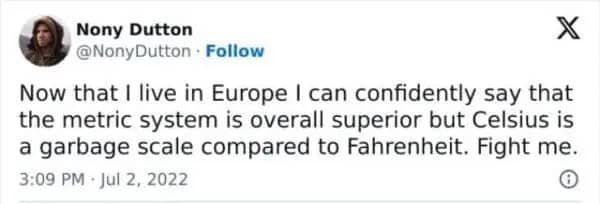
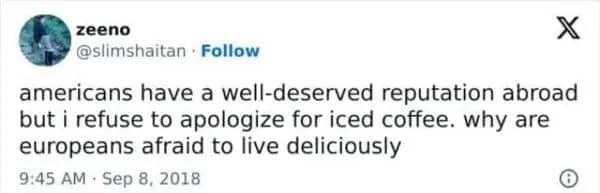
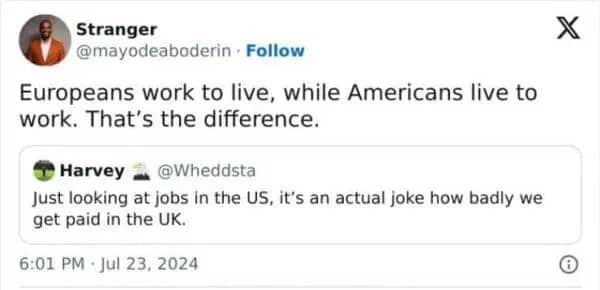
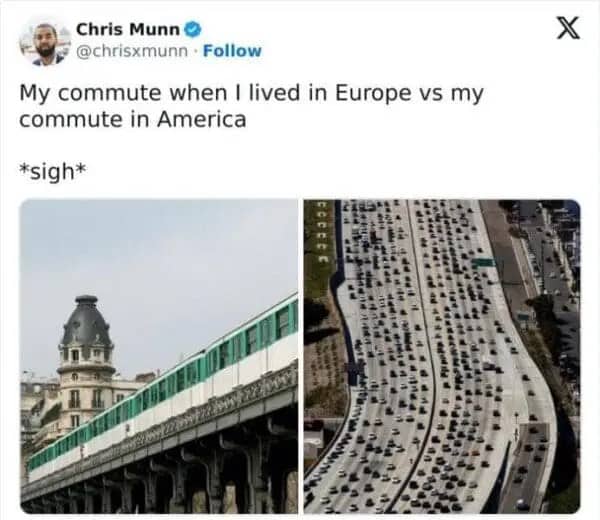
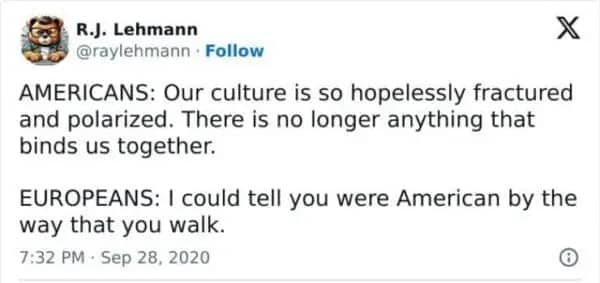
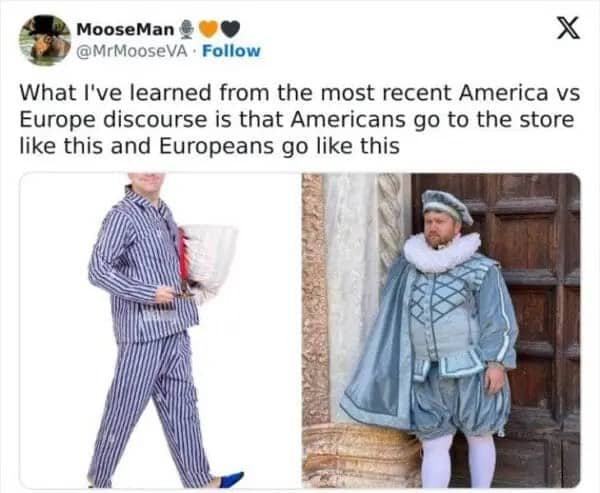
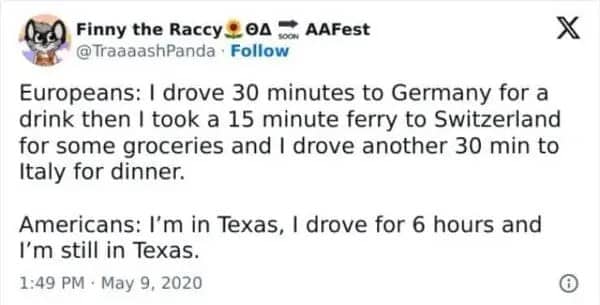
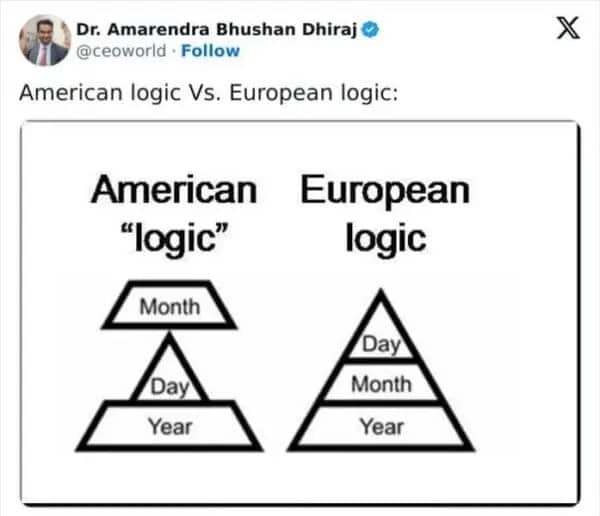
A side-by-side has emerged showing a tiny European Fiat parked next to a standard American pickup truck, and the size difference is so dramatic that the photographer appears to have made a small spatial joke without trying. These America and Europe memes are the small ongoing comedic exchange where two cultural traditions take turns gently mocking each other, and the memes are flying in both directions. The Fanta color difference is in here. The metric system conversion flex. The American front yard with seventeen plastic skeletons. Pour something culturally appropriate.

Don't talk to me or my son ever again.

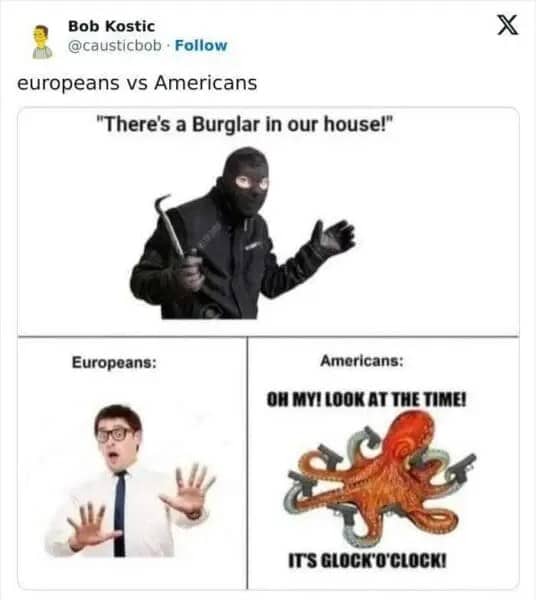
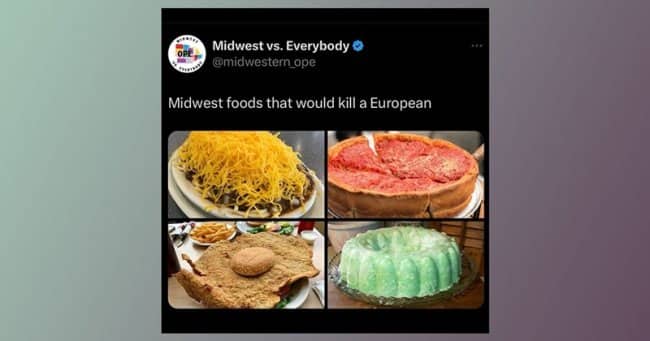

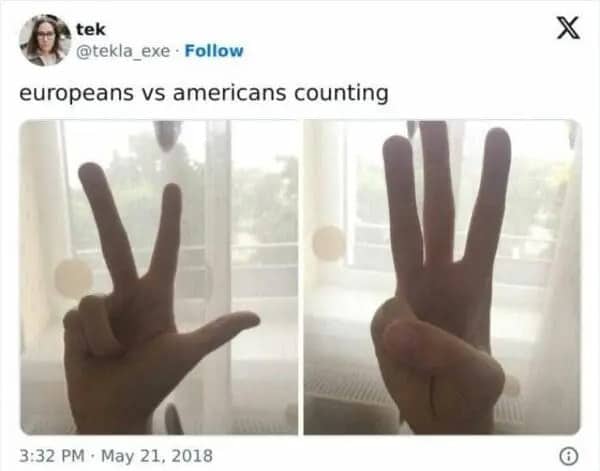
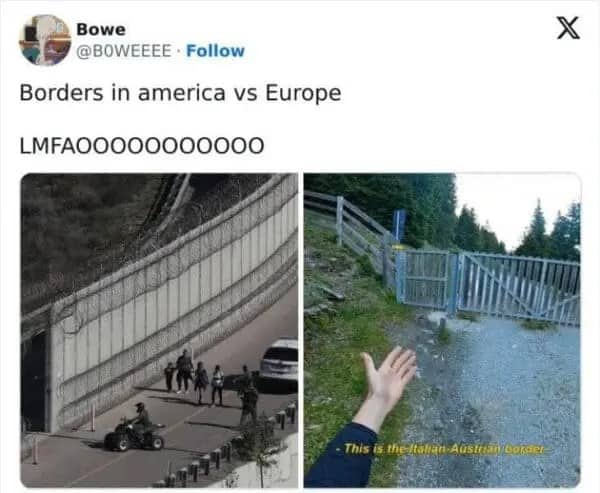



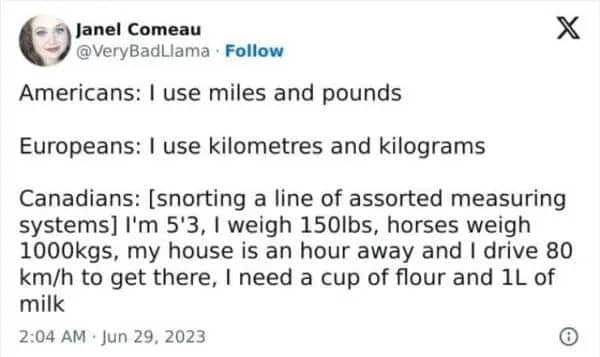
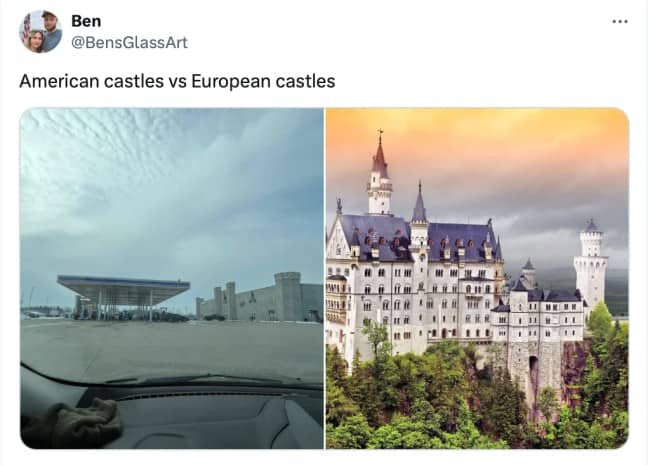

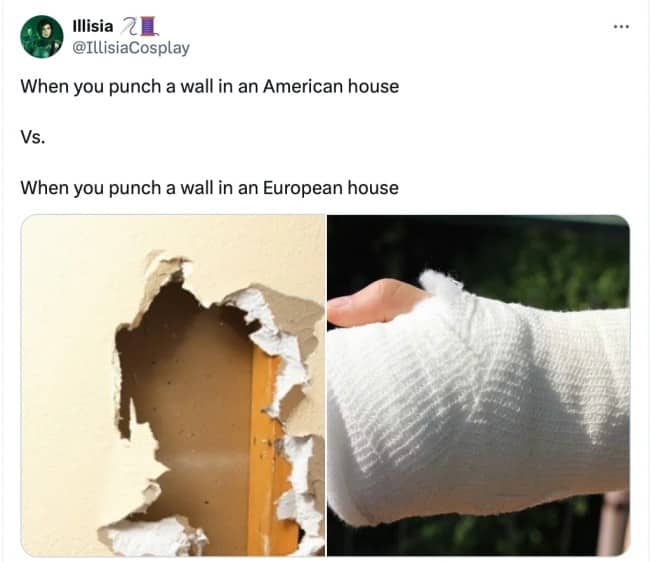
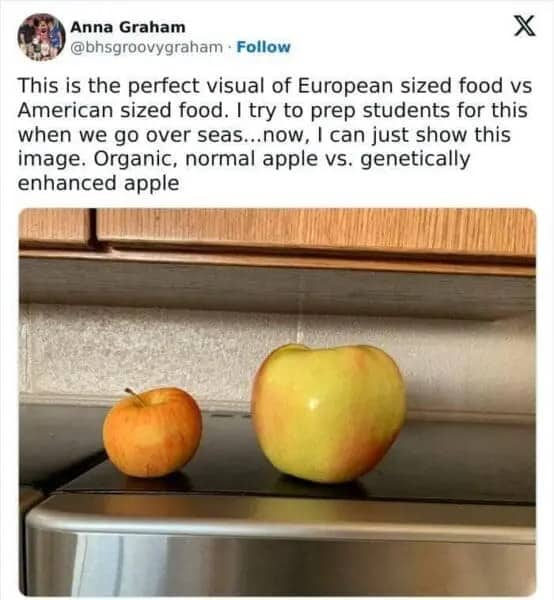


America and Europe memes
Read More
The transatlantic meme genre exists because two of the most online cultures in the world are, on most surface metrics, very similar, and yet the underlying daily differences are dramatic enough to keep producing new material. Both regions speak English. Both regions watch each other’s TV. Both regions have the same broad pop culture references. And yet, the moment you actually visit, the small differences accumulate into a kind of constant low-grade culture shock, and the cultural comparison memes that fill galleries like this are essentially the field notes of that experience.
What makes the genre particularly fun is how mutual the mocking is. Europeans roast America for the food coloring, the truck sizes, and the holiday decoration intensity. Americans roast Europe for the lack of air conditioning, the apartment sizes, and the casual acceptance of being slightly sweaty all summer. The funny culture clash memes circulating online have, over time, developed an almost ritualized format, where both sides get to feel slightly superior, and neither side actually loses, and the whole exchange is conducted with the affectionate tone of close cousins who like each other enough to keep teasing.
The genre also surfaces a recurring observation, which is that a lot of these differences come down to scale rather than fundamental values. American houses are bigger because American land is cheaper. American trucks are bigger because American roads are wider. European apartments are smaller because European cities are older. The transatlantic humor in this gallery is, structurally, mostly about how the same human desires get expressed at different sizes depending on what’s geographically available, and the size differences end up being more comedic than the underlying values would suggest.
There’s also a recurring undercurrent in this content about what each region thinks is normal. Europeans seem genuinely shocked by American soda colors. Americans seem genuinely shocked by the absence of central air conditioning. The American versus European memes work in both directions because the “normal” baseline for each region is unrecognizable to the other, and the unrecognizability never quite stops being funny, no matter how many times the side-by-side gets posted.
What this whole gallery captures, beyond the easy laughs at food coloring and truck sizes, is the way the internet has made cross-cultural mocking weirdly intimate. A generation ago, most Americans and most Europeans rarely interacted directly. The mocking happened mostly through travel writers, late-night comedians, and the occasional sitcom episode set in Paris. Now, everybody is in everybody’s replies, all the time, and the result is a continuous transatlantic conversation where the differences get noted, mocked, and absorbed in real time.
There’s also a quietly affectionate thing happening underneath the surface jabs. Nobody in these memes actually dislikes the other side. The Europeans posting about American soda are not, generally, trying to start an international incident. The Americans posting about European AC are not, mostly, looking down on Europe. The whole genre operates on the implicit assumption that the differences are interesting rather than threatening, and the implicit assumption is what makes the humor work without curdling into something more hostile.
The other thing worth saying is that the genre is essentially a small celebration of the fact that the world remains plural. Despite globalization, despite the internet, despite the fact that most major cities have the same Starbucks and the same H&M, the actual texture of daily life still varies dramatically depending on where you are, and the memes are documenting that variation. The Fanta is still differently colored. The trucks are still differently sized. The handshakes still count to three differently. Long may the differences persist. Otherwise none of this would be funny.
If the cross-cultural energy hit the spot, broader country comparison galleries live in this exact wheelhouse, expat humor compilations cover similar ground, and general international culture memes are where the related material keeps multiplying. Order whichever Fanta works for you. The choice is yours.
Read Memes
Get Paid


Laura Bennett has spent eight years immersed in internet culture, specializing in deep dives into meme origins, evolving meme trends, and digital subcultures. As a contributor for several prominent online platforms, including BuzzFeed’s meme division and Know Your Meme, she’s written extensively about viral moments from Crying Jordan to Woman Yelling at a Cat. Laura believes memes aren't just internet jokes—they're modern-day folklore. She brings that passion to Thunder Dungeon by keeping readers connected to what's culturally significant, hilarious, and timelessly viral.