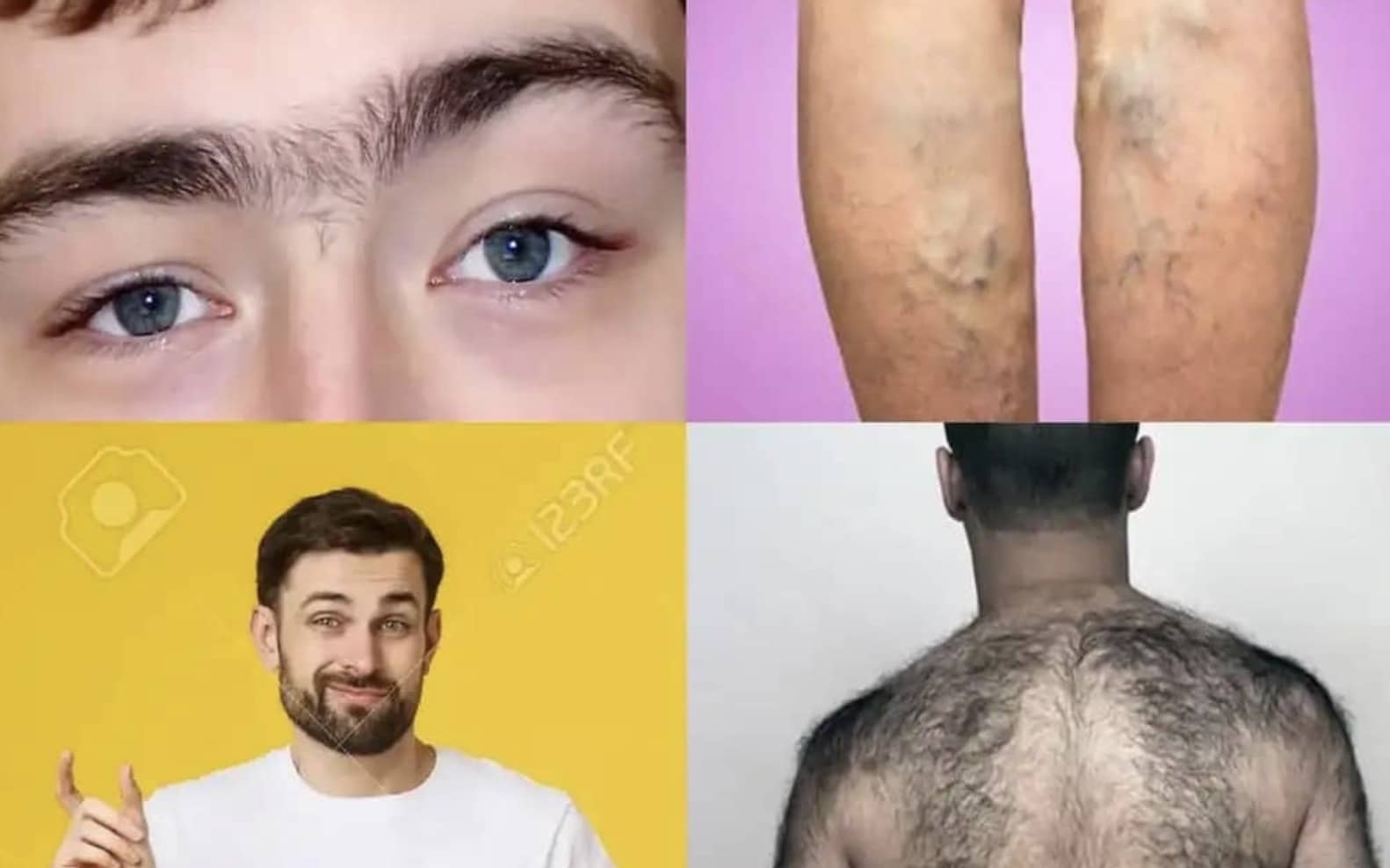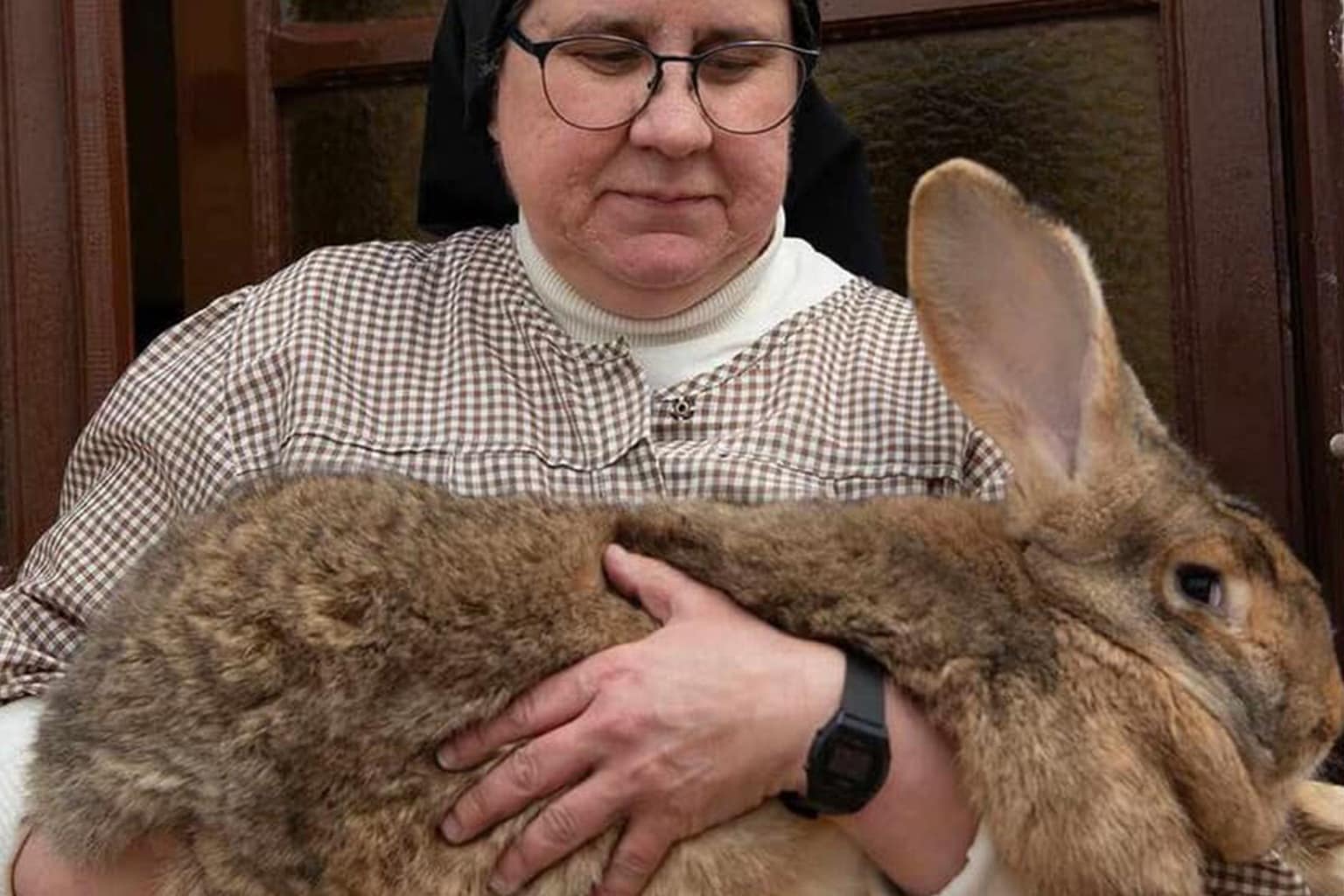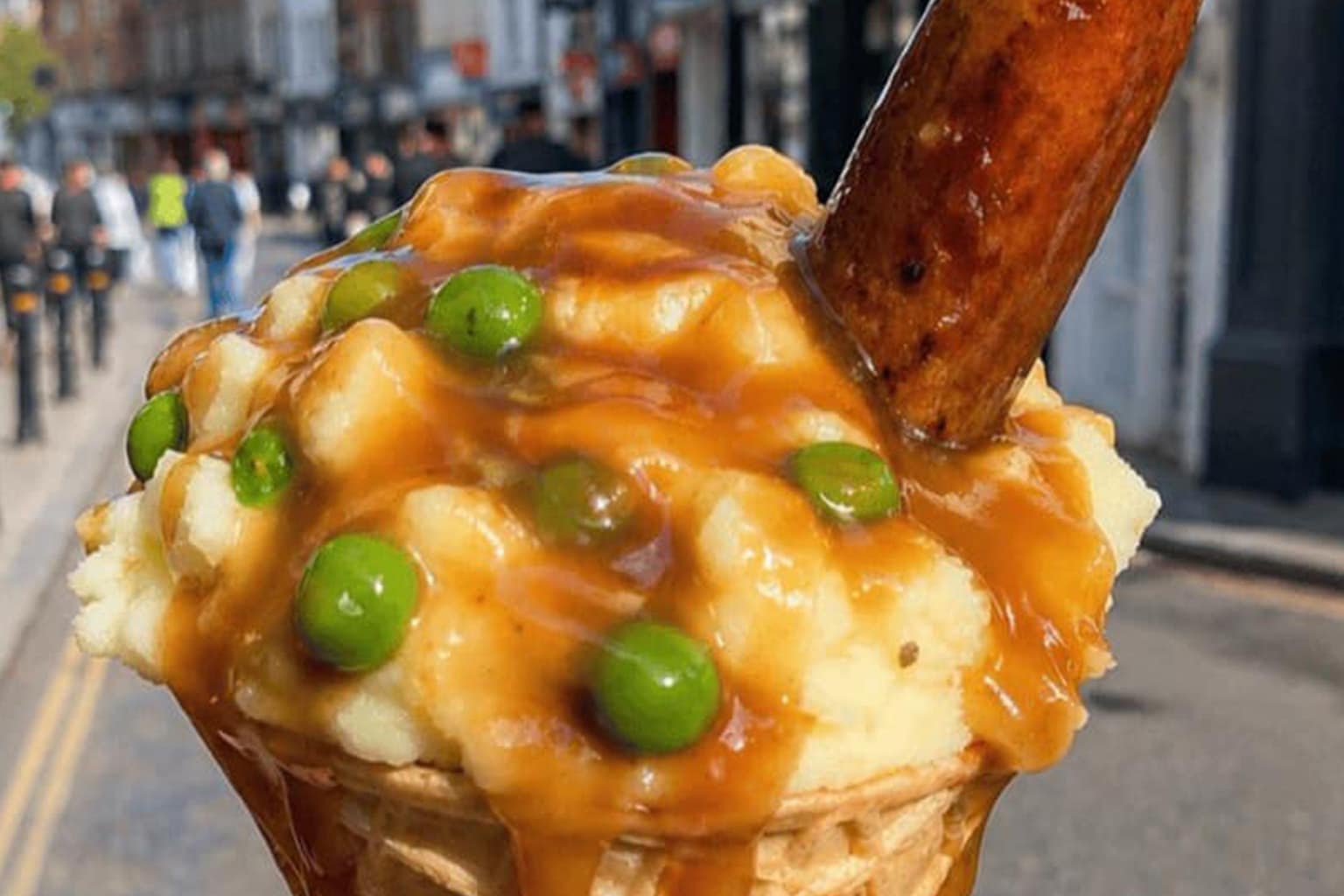
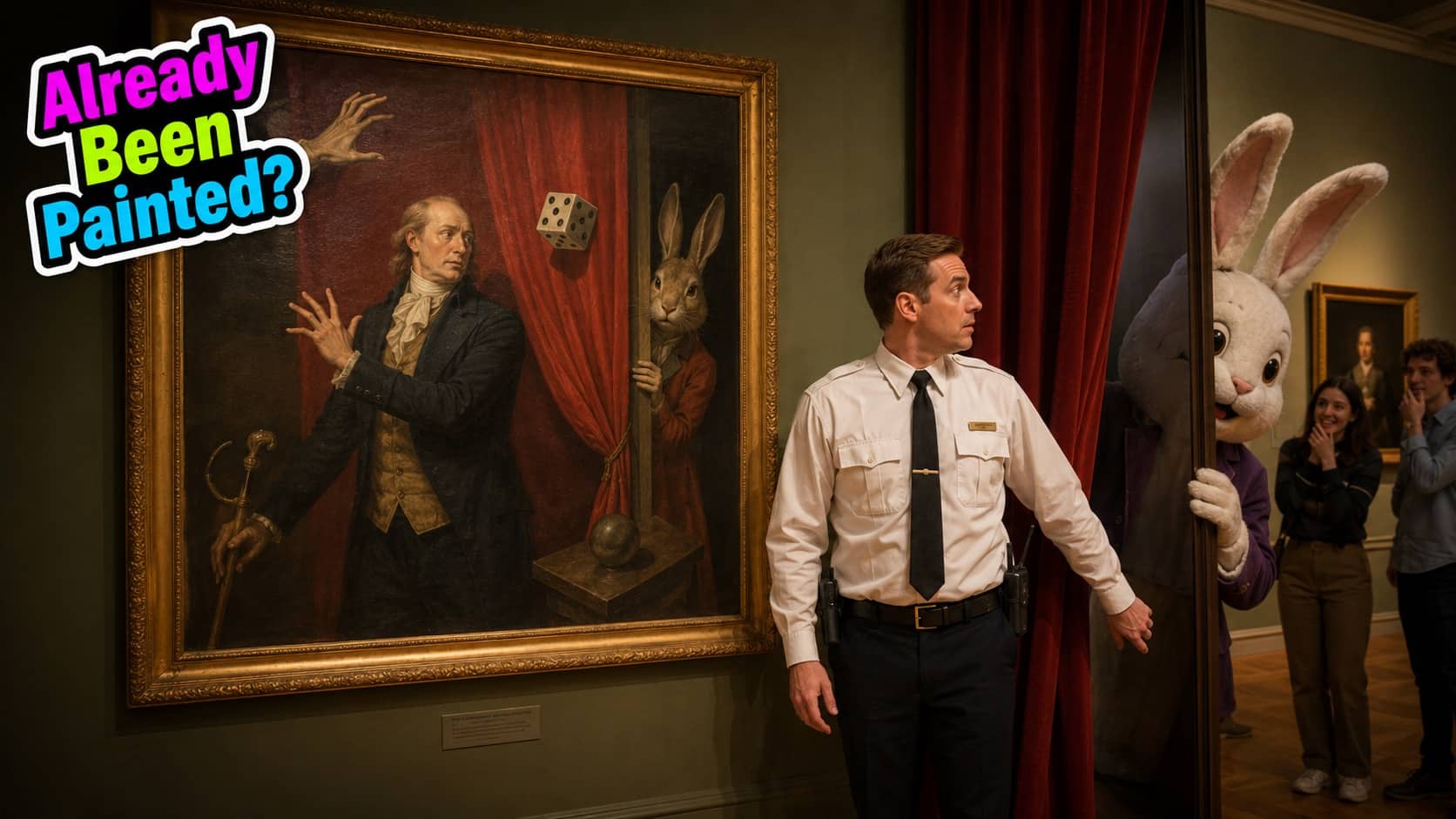

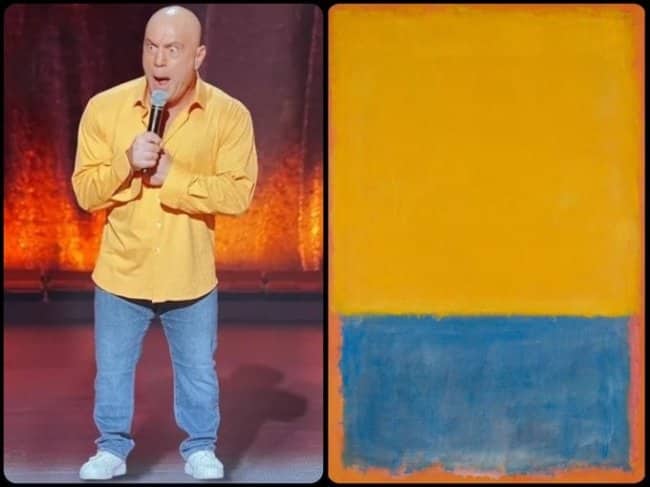
A side-by-side has emerged showing JD Vance shaking hands with the Pope next to a 15th-century Danse Macabre etching, and the visual rhyme is so precise that you start to wonder if the painter had access to the news. These life imitating art comparisons are the small ongoing project where the internet matches contemporary photographs to centuries-old paintings, and the matches are landing with more accuracy than anybody is comfortable with. Stock market crashes are getting rendered as abstract expressionism. Politicians are arriving pre-painted. The simulation is recycling.
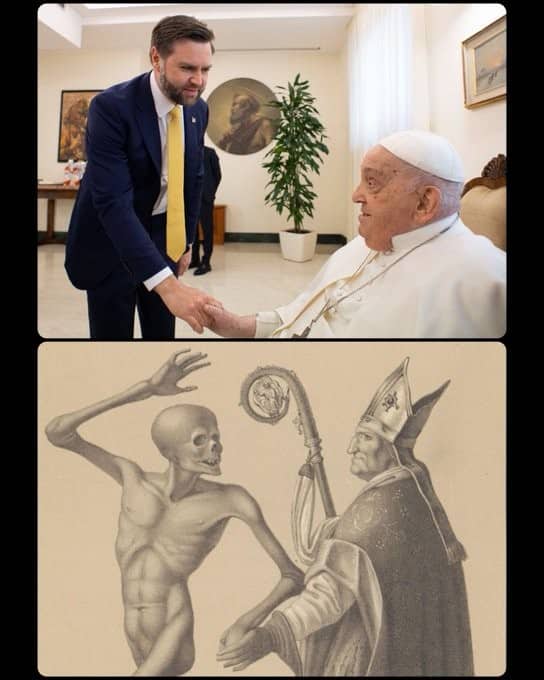
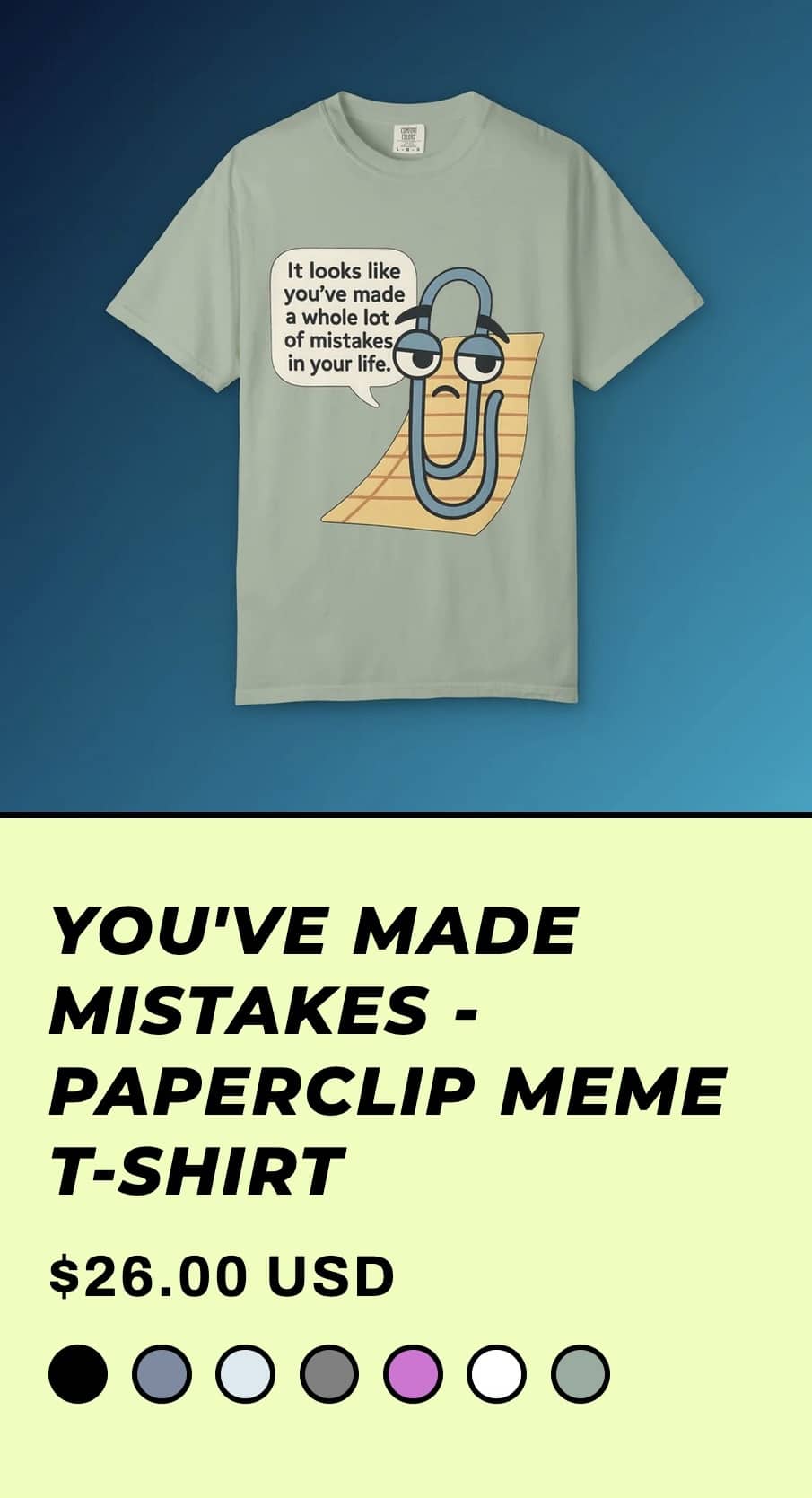
When you realize your handshake was prophesied in the 15th century.
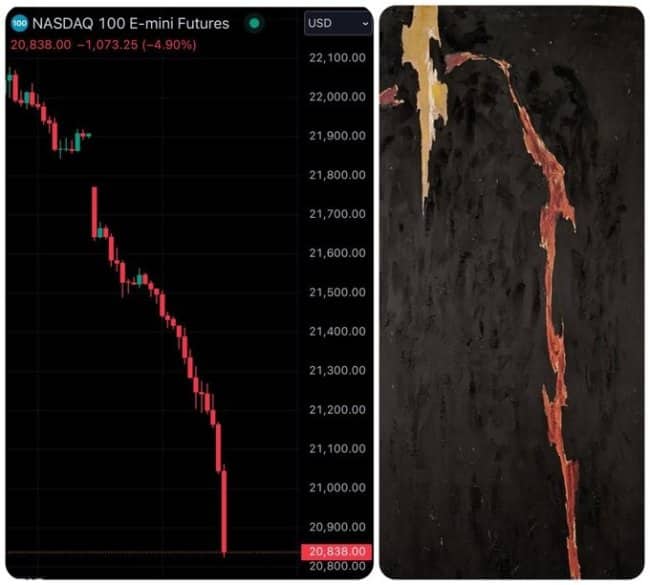
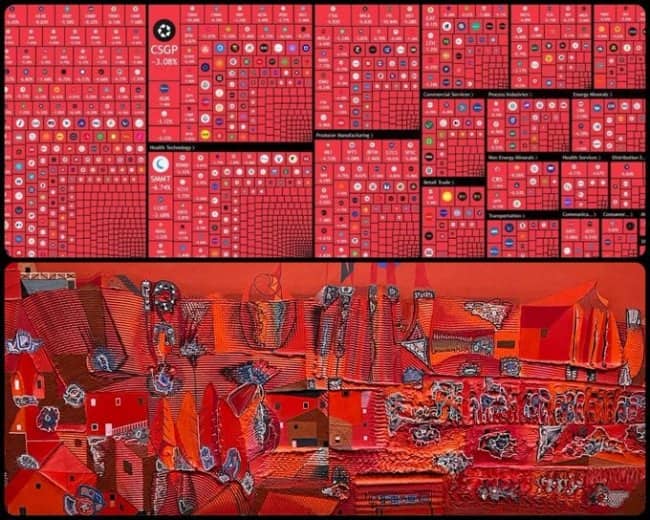
My portfolio is looking very "avant-garde" today.
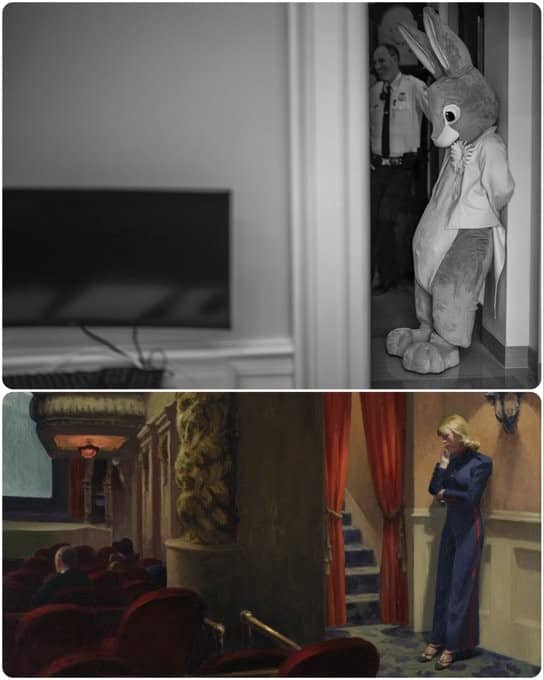
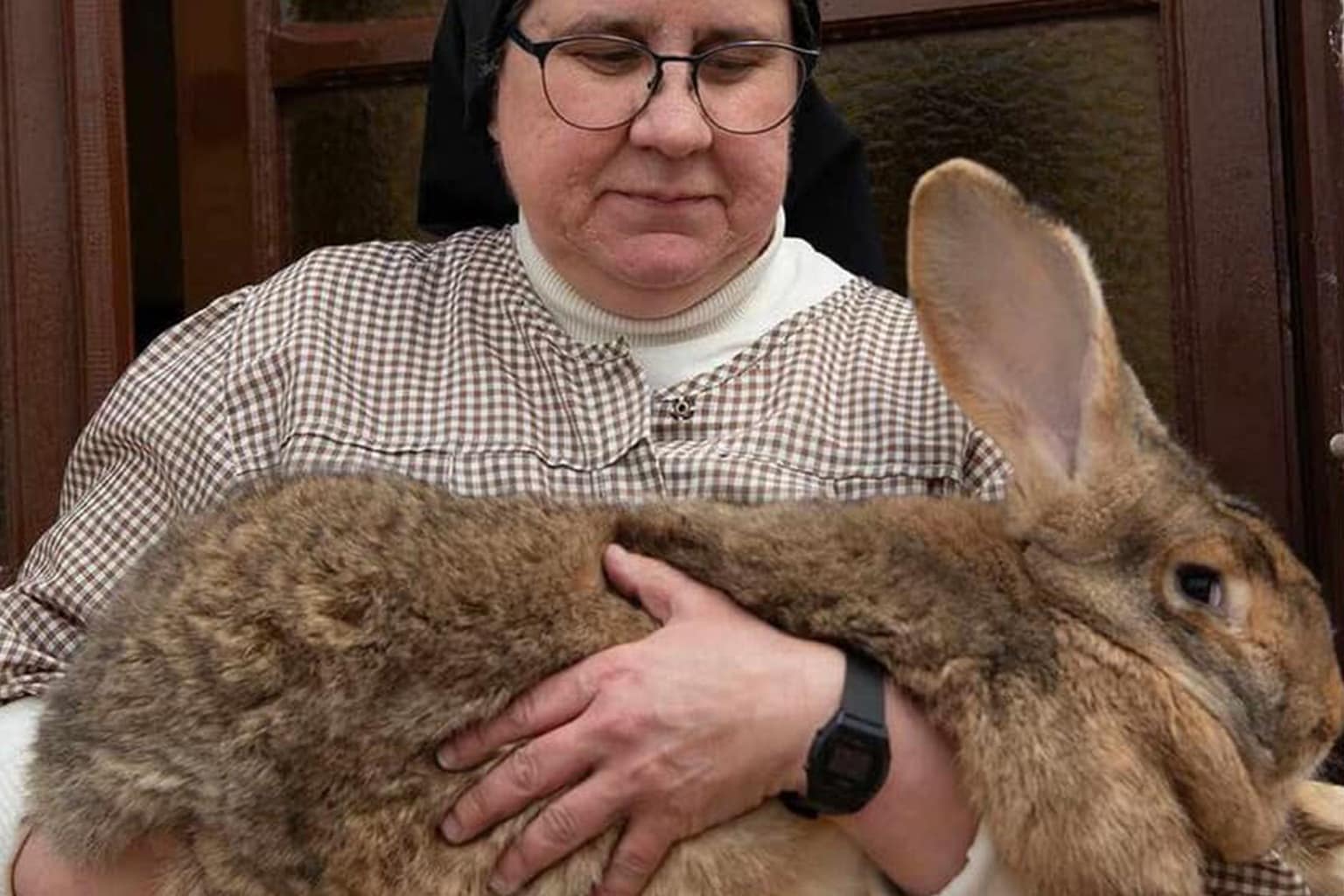
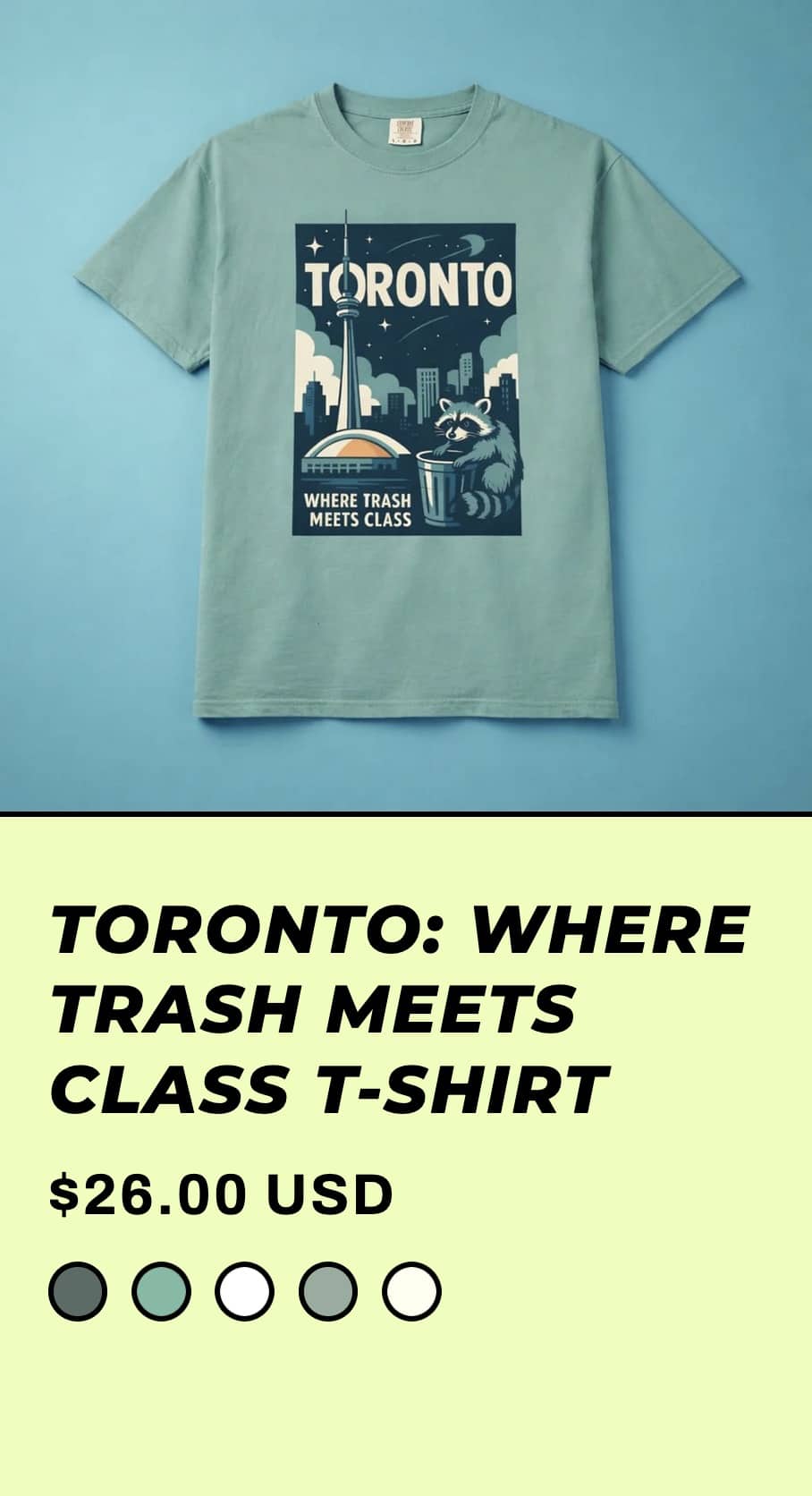
Even the Bunny needs a minute to contemplate the cinematic void.
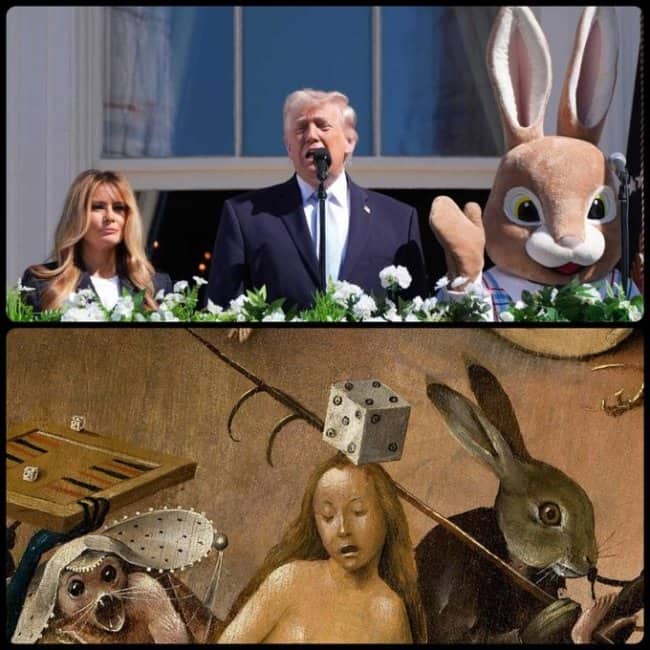
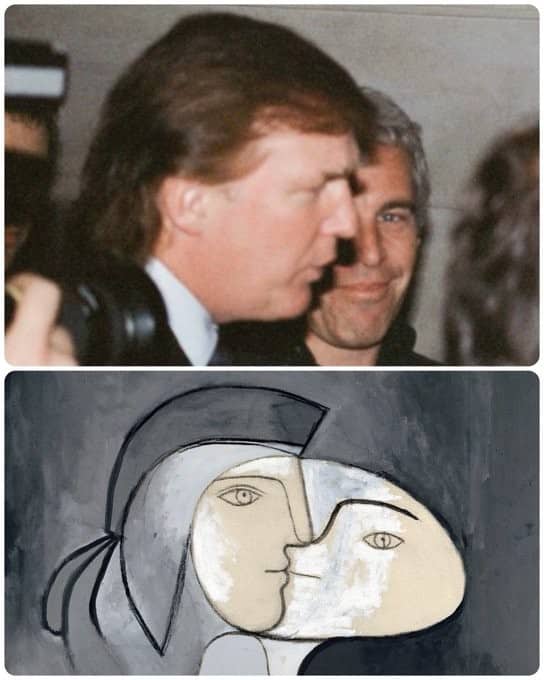
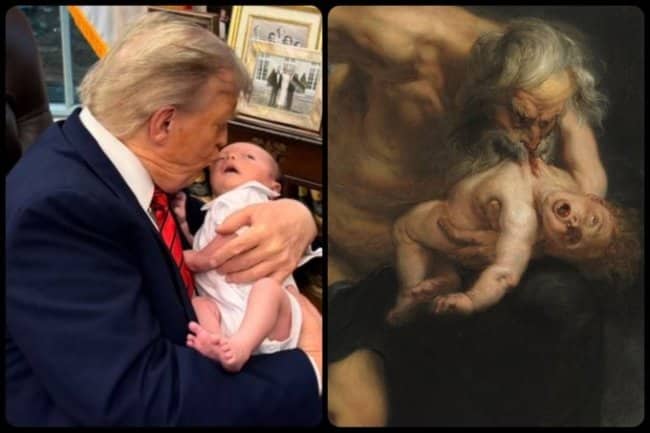
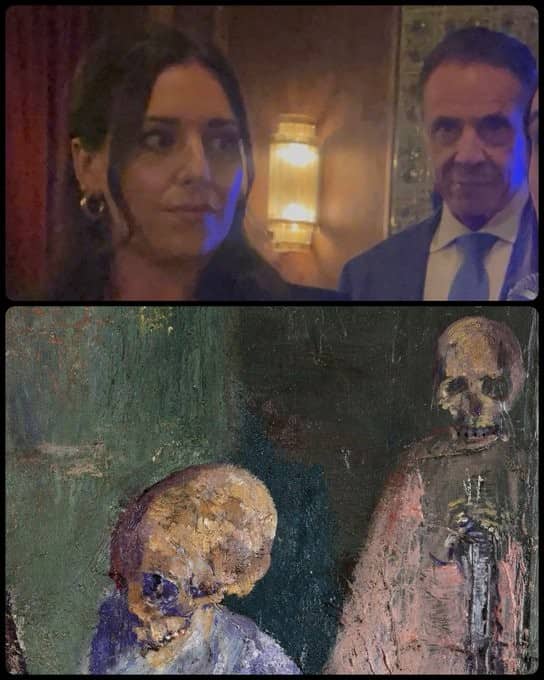
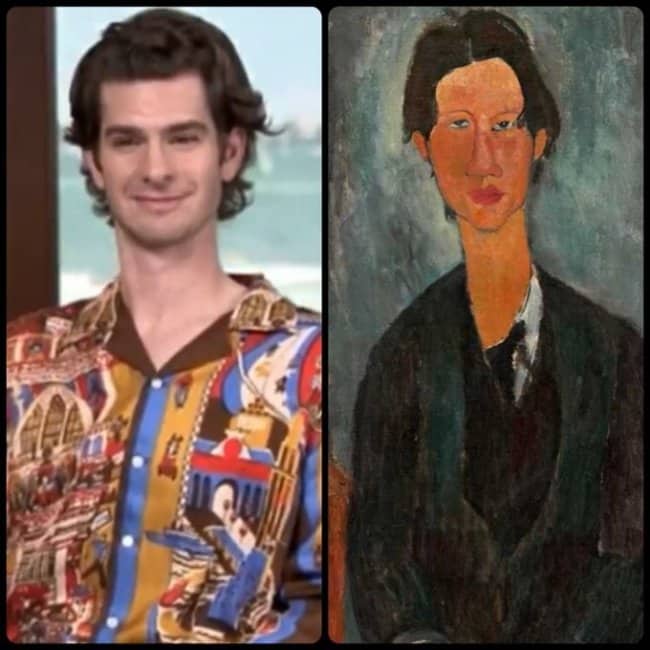
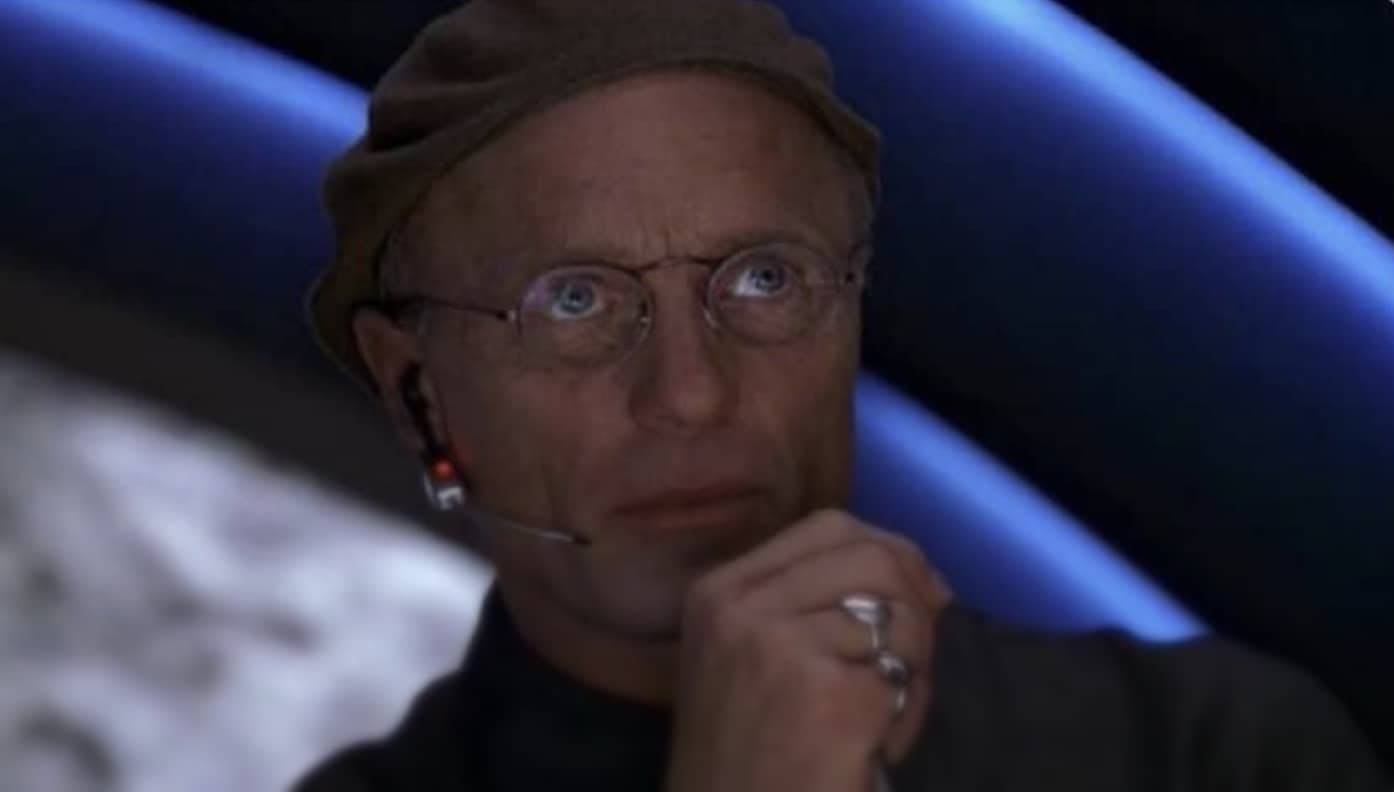
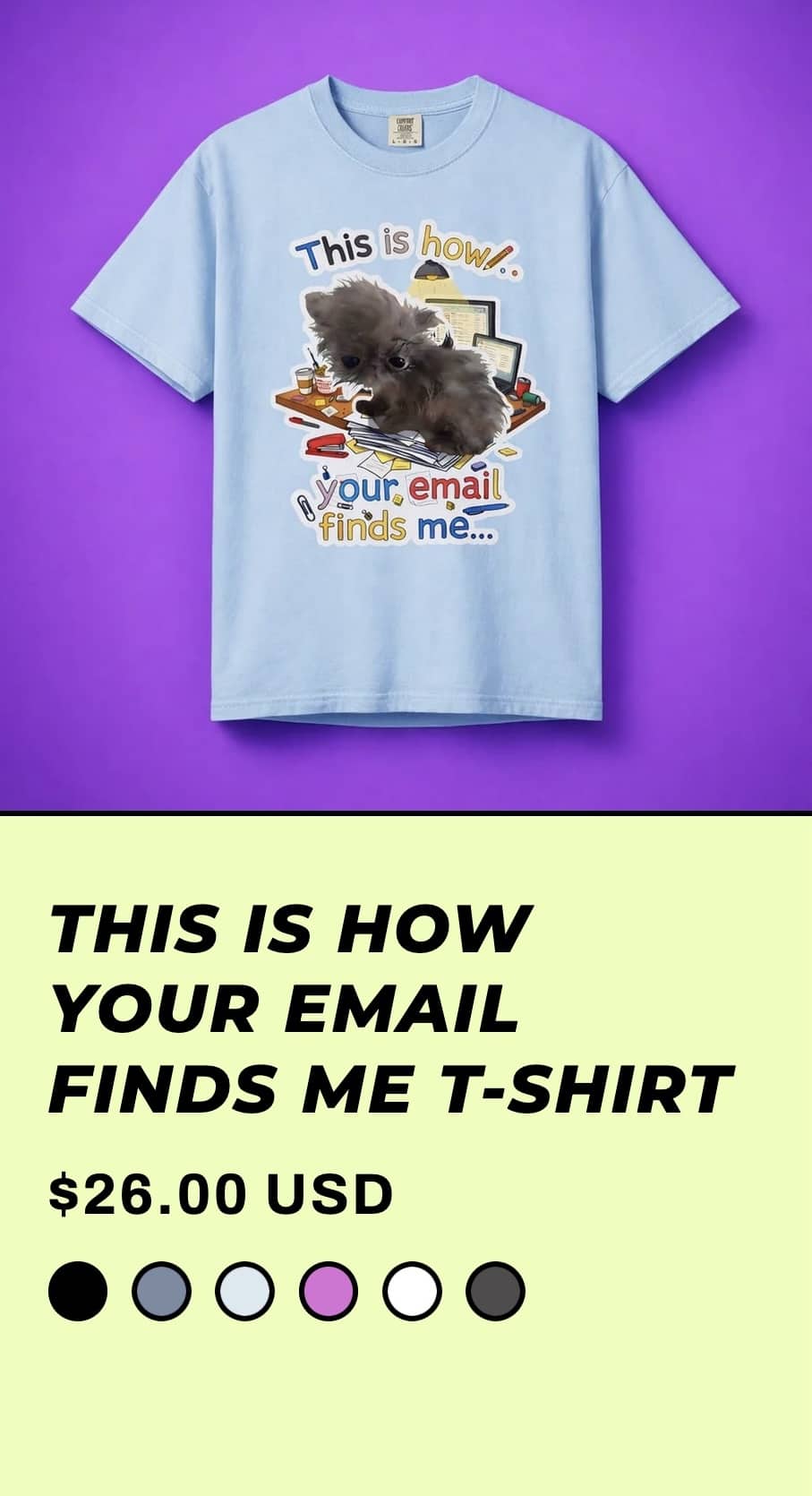
Neck for days and vibes for centuries.
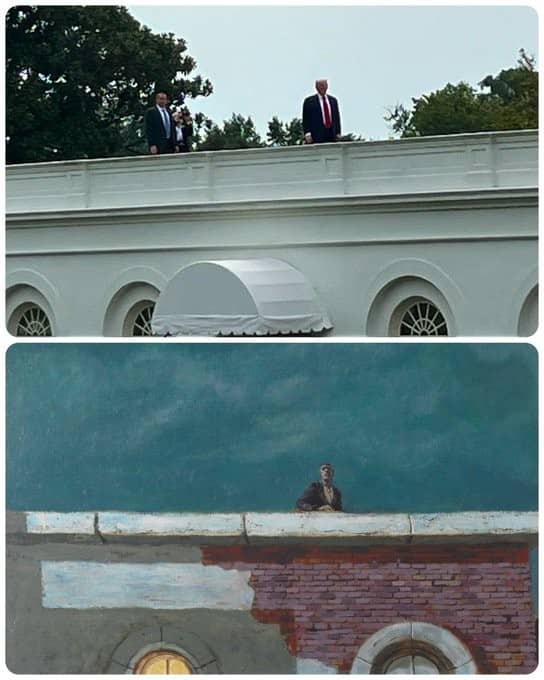
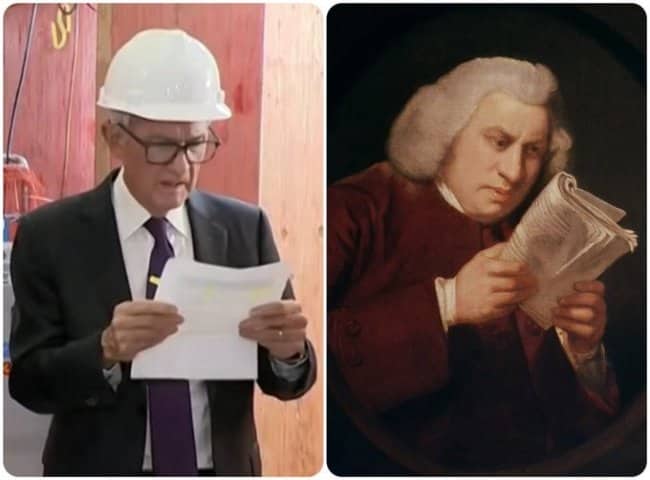
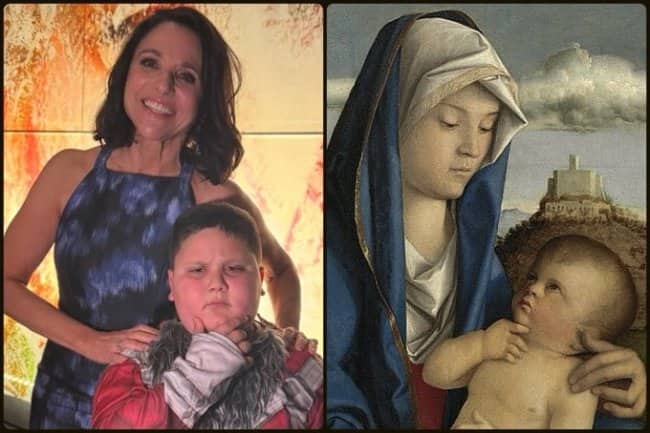
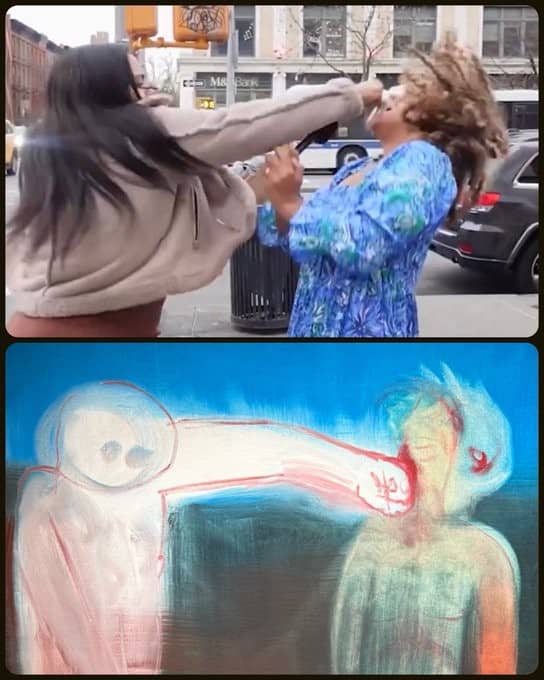
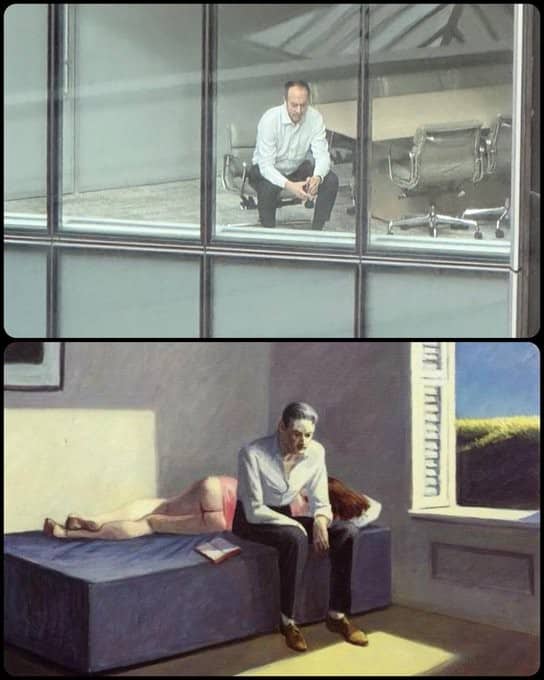
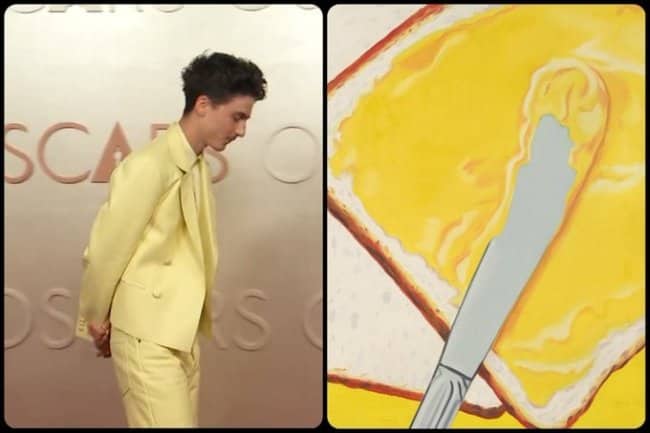
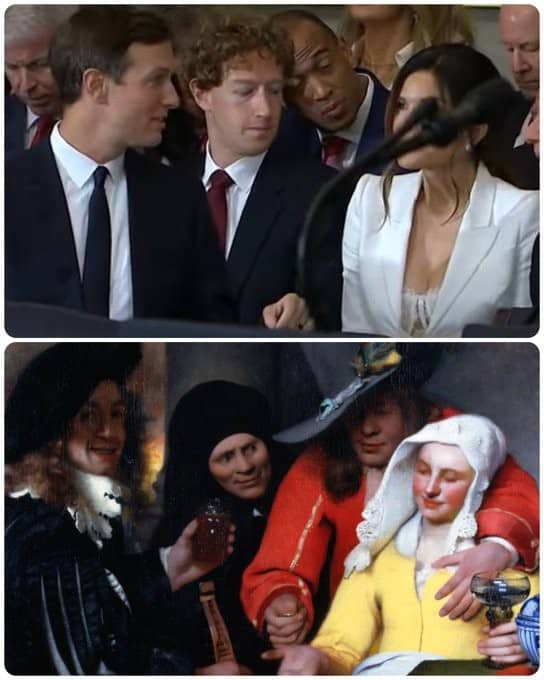
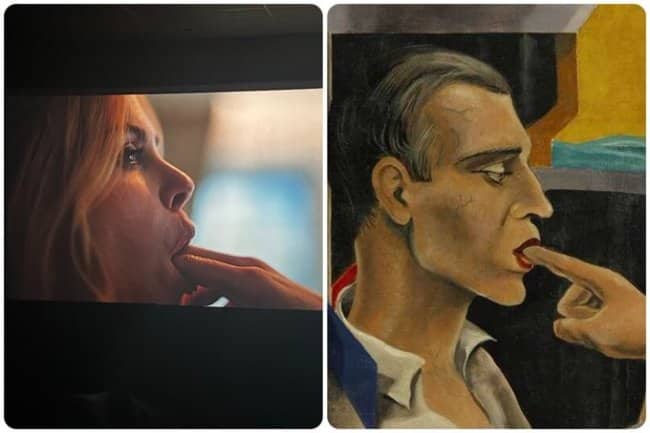
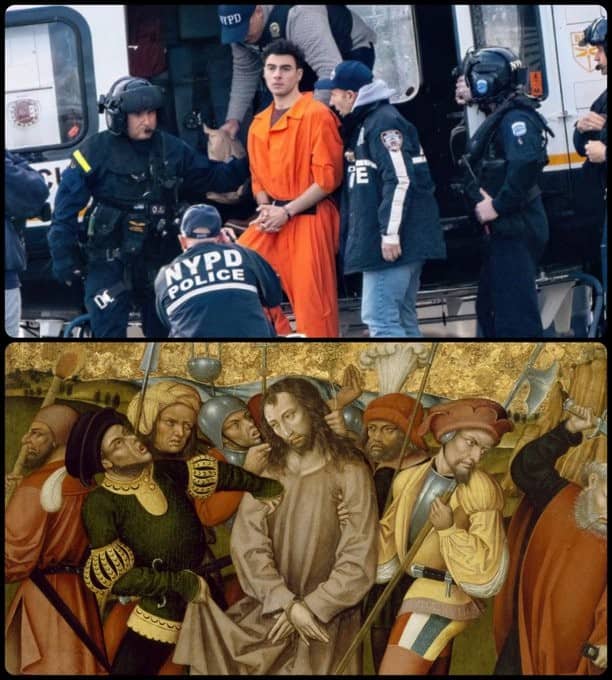
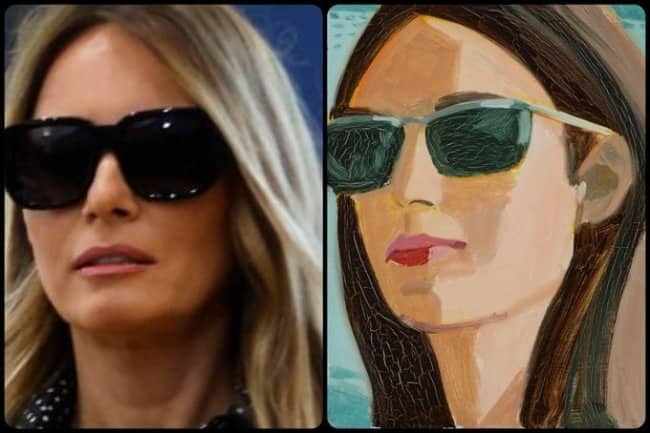
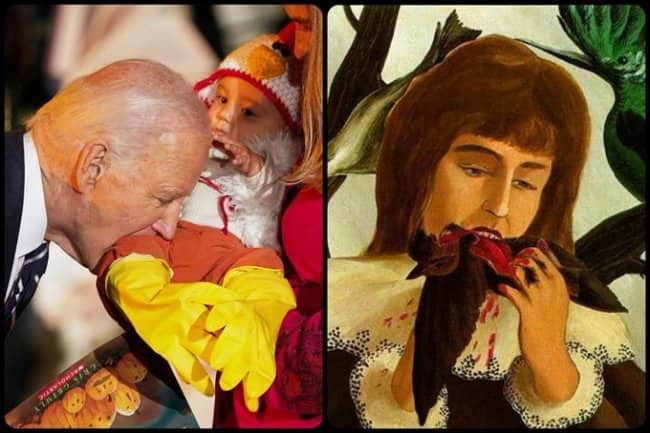
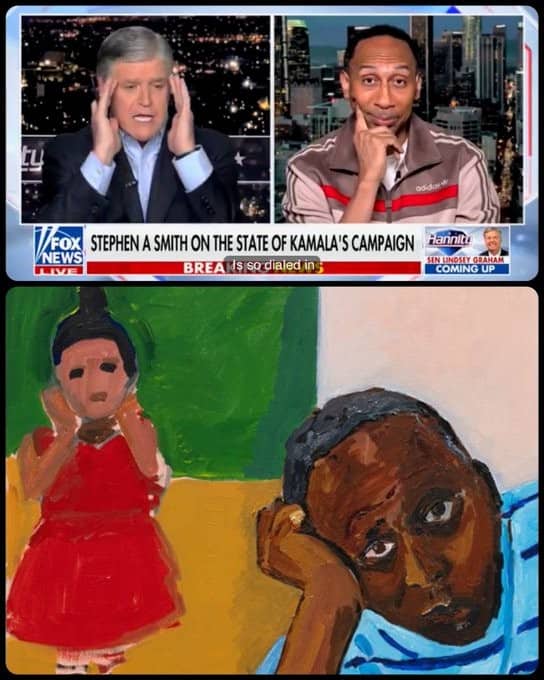
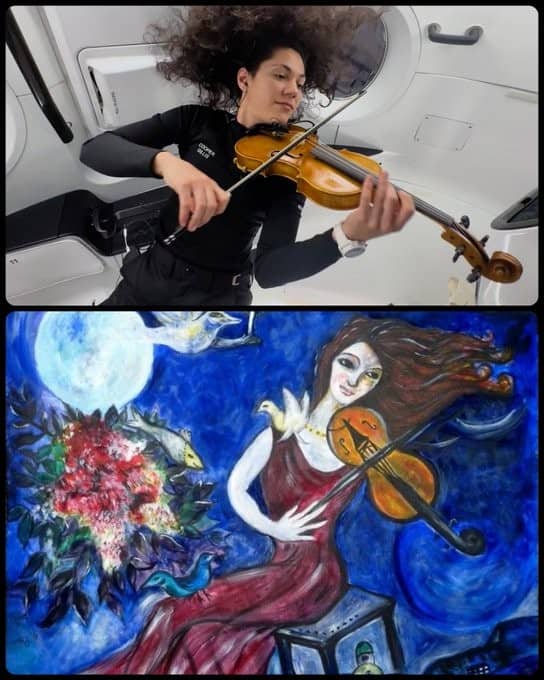
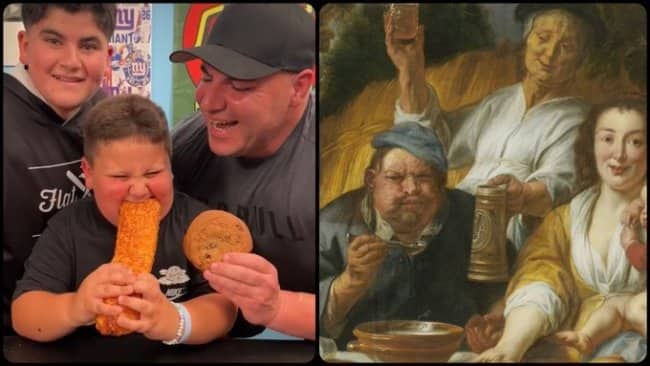


Life imitating art
Read More
The genre exists because art has, for several thousand years, been doing the work of compressing human experience into recognizable visual templates, and humans, in turn, keep accidentally re-enacting those templates in their daily lives. A handshake between two powerful men is going to look, structurally, the same in 2026 as it did in 1487, because the human body has not changed and the social ritual has not changed. The art history memes in this gallery are essentially small acts of pattern recognition, where somebody noticed that the present moment has already been painted.
What makes the format particularly satisfying is the way it reveals something about the original artwork that you don’t usually notice. A painting on its own is a finished object in a museum. A painting next to a candid photograph of a contemporary politician suddenly becomes a piece of journalism, capturing a specific human dynamic that turns out to be timeless. The classic art parody trend that fills this kind of gallery is, in its own way, doing more for art education than most museums manage, because the comparisons make the paintings feel alive in a way the gallery placard never quite does.
The genre is also doing something quietly subversive with how we read the news. A grim photograph of a stock market crash is, on its own, just a chart. The same chart next to an abstract expressionist painting about despair suddenly takes on a different emotional register, and the joke is that the painting was, somehow, prescient. The funny art history posts working in this space are essentially translating contemporary chaos into the visual language of art history, and the translation tends to make the chaos look much more inevitable than we’d like.
There’s also a small unsettling element to the political pairings in particular. When a contemporary politician’s gesture matches a 600-year-old painting of a similar gesture, the implication is that nothing about the human power dynamic has actually changed. The same handshakes. The same expressions. The same backroom looks captured in the same way. The viral art comparisons that hit hardest are the ones that gesture at this continuity, and the continuity is, frankly, not the most flattering picture of human progress.
The bigger thing the genre captures, beyond the easy laughs at the visual matches, is the way that contemporary life is, almost without exception, retreading patterns that artists have been documenting for centuries. We tend to think of ourselves as living in unprecedented times. The paintings keep arriving to suggest otherwise. The faces are the same. The grimaces are the same. The expressions of fear, greed, exhaustion, and tenderness have been showing up in human portraiture since portraiture began, and the side-by-sides are simply confirming what art historians have been quietly saying all along.
What’s almost comforting about this is that the recognition cuts both ways. If we’re not as new as we think we are, we’re also not as doomed as we think we are. The same painters who captured our exact contemporary expressions also lived through plagues, wars, political upheavals, and economic collapses, and their work survived. The faces are timeless because the experiences are timeless. The art history humor circulating online is, in its own way, a small reminder that humans have been navigating very similar conditions for a very long time, and the conditions keep getting navigated.
There’s also a kind of small dignity that the genre confers on the famous and infamous people it pairs with paintings. To be matched with a centuries-old portrait is to be granted, briefly, a kind of art-historical relevance that no Twitter thread can take away. The pope handshake is now part of a visual lineage. The Goya pairing is now part of a tradition. Everybody in this gallery has been quietly upgraded into art, whether they consented or not. The simulation, as the joke goes, did not credit its source material. The source material does not seem to mind.
If the side-by-sides hit the spot, broader art history meme galleries live in this exact wheelhouse, classical art repurposing compilations cover similar territory, and general visual coincidence content keeps the supply flowing. Look closer at every painting. The news is already in it.
Read Memes
Get Paid


Katie Rodriguez is a seasoned writer with eight years dedicated to meme commentary, viral internet events, and digital storytelling. Formerly a senior meme analyst at Bored Panda and an occasional guest contributor at Vice's Motherboard, Kat specializes in meme culture’s intersection with social media phenomena—covering trends like Milk Crate Challenge, Area 51 Raid, and Baby Yoda. She’s known for her witty writing style and deep understanding of why certain memes resonate across generations, making her a valuable voice on Thunder Dungeon.