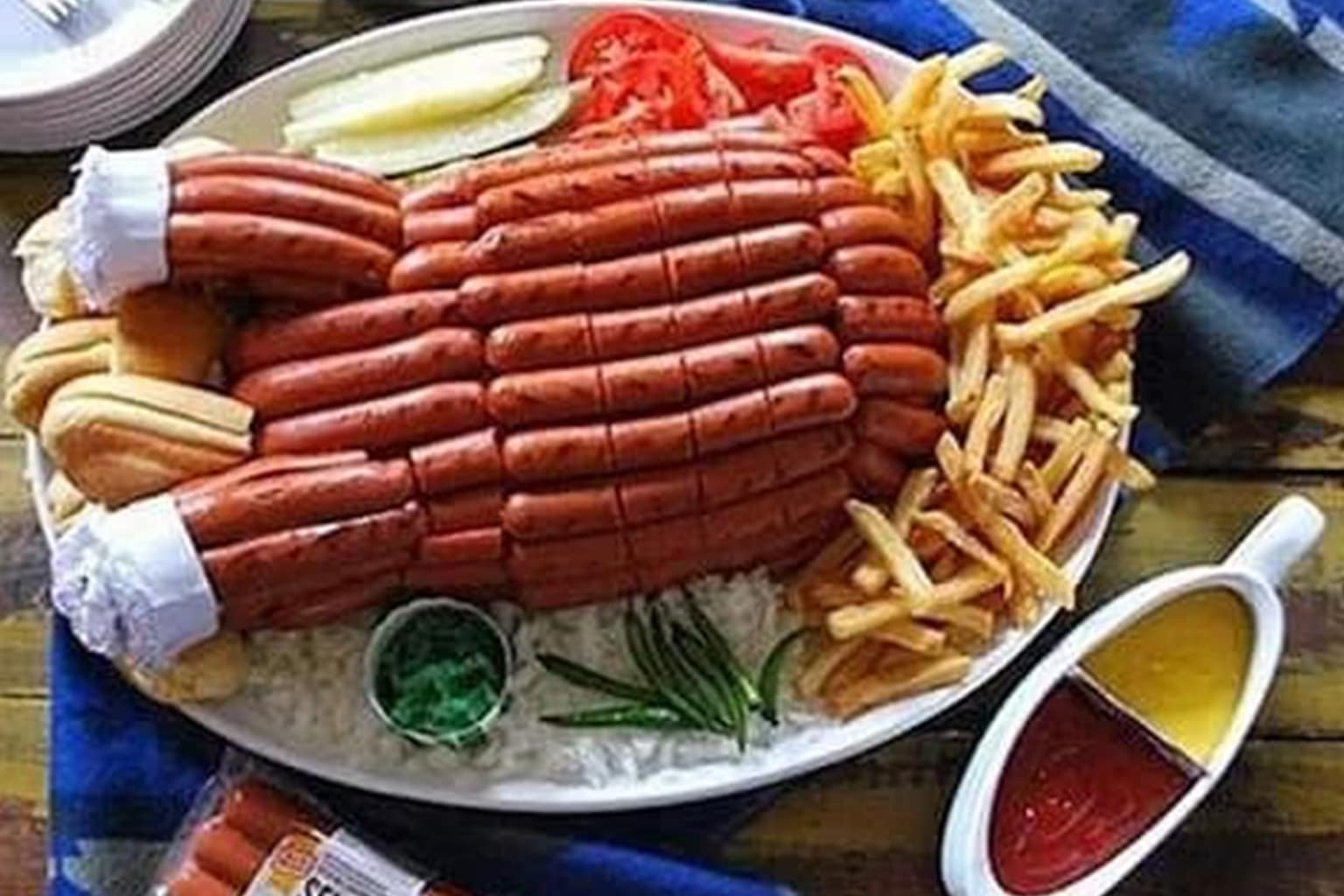
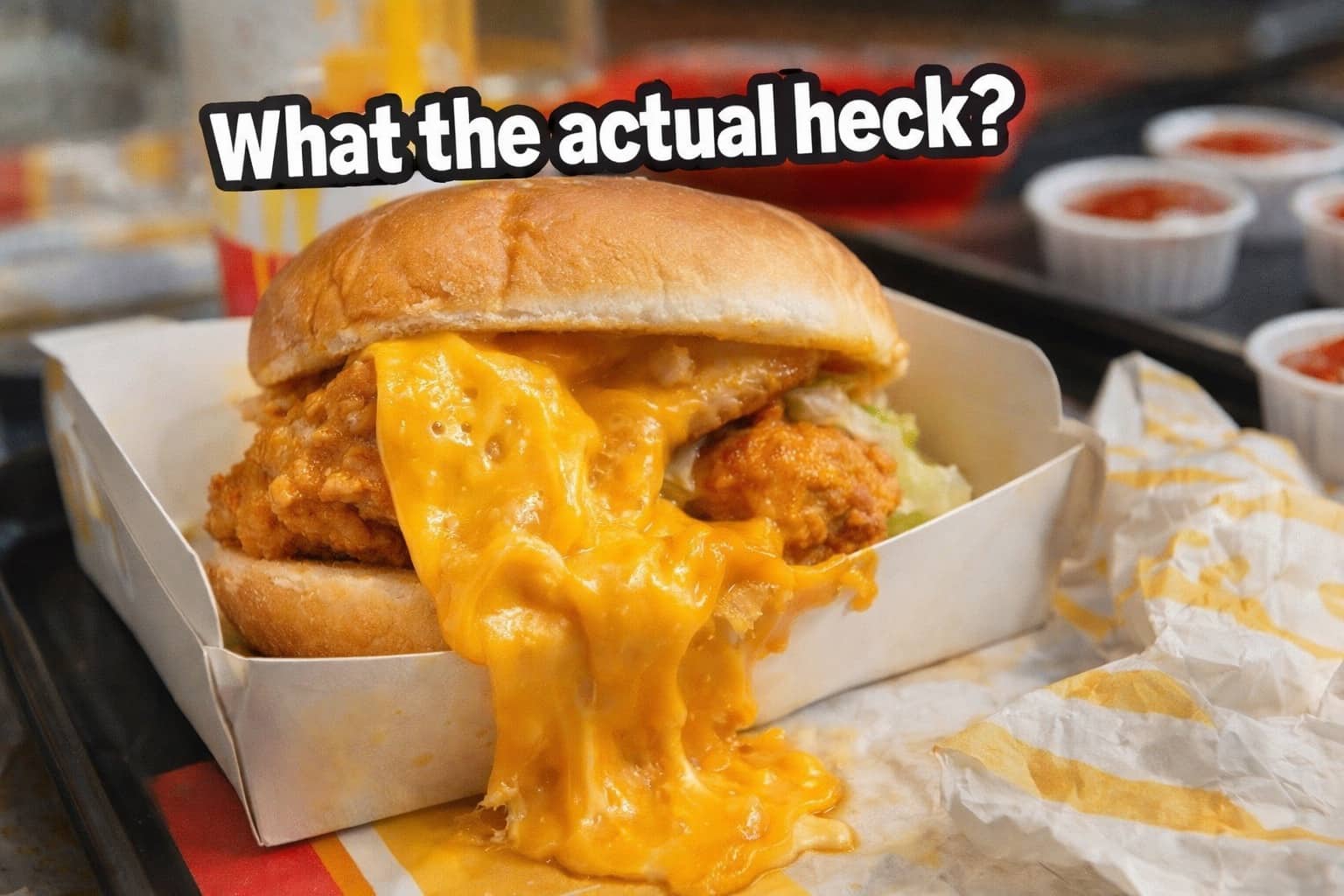

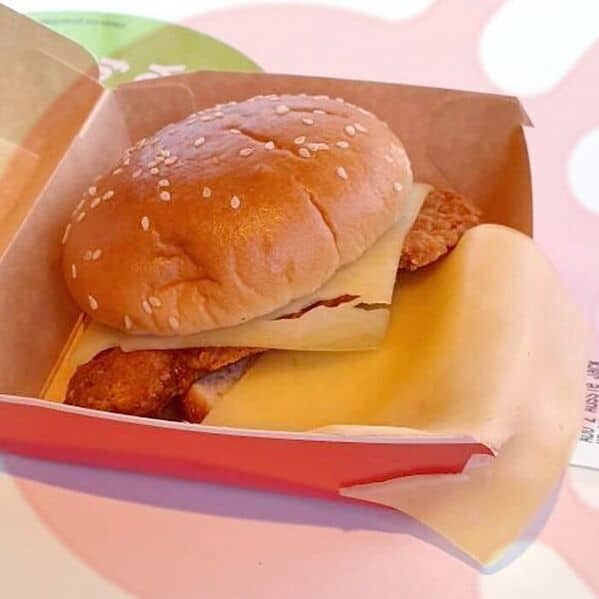
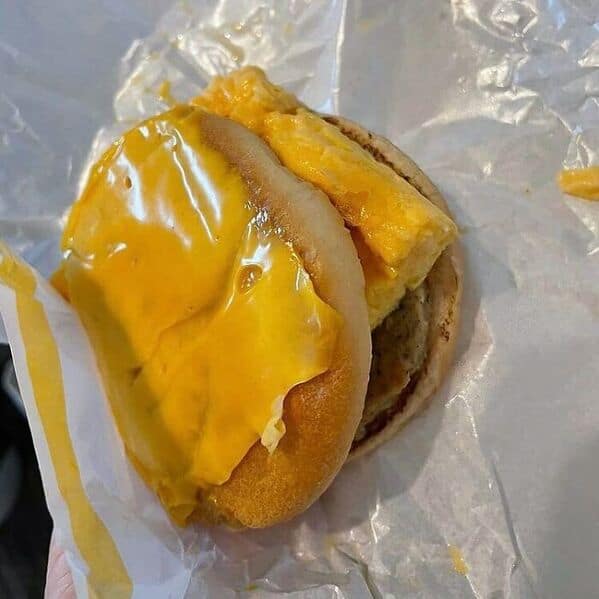
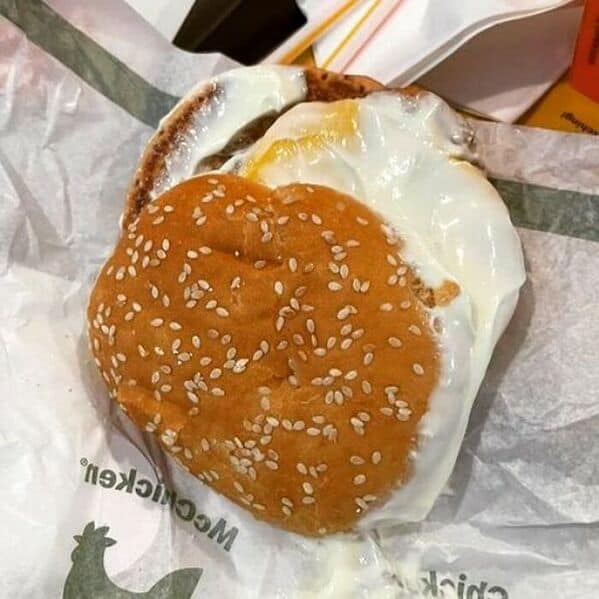
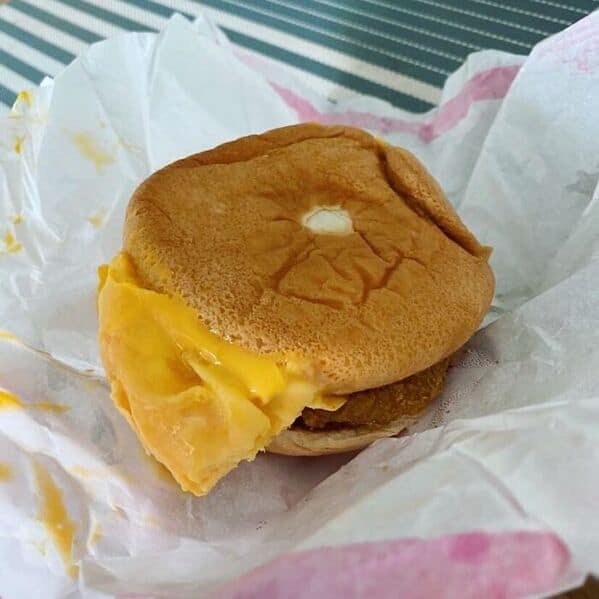
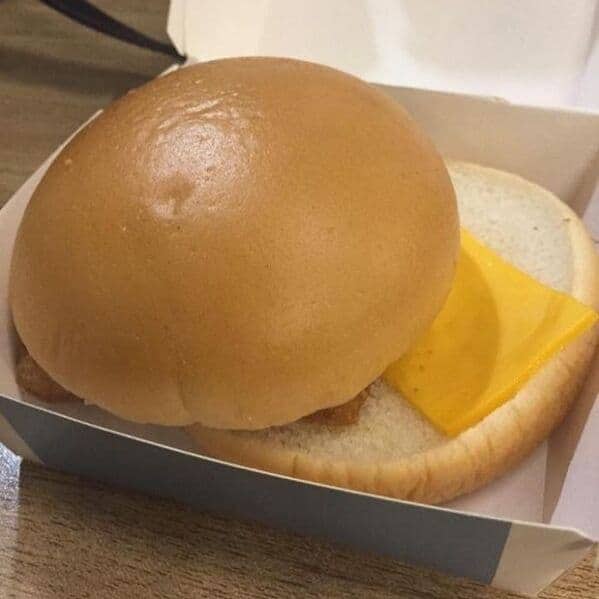
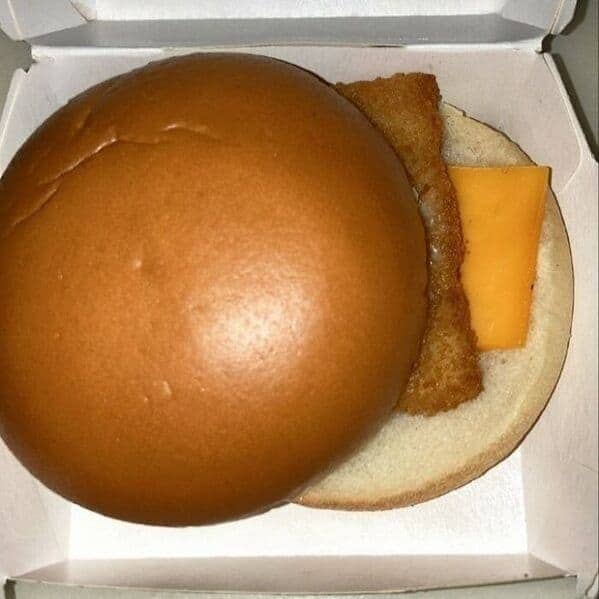
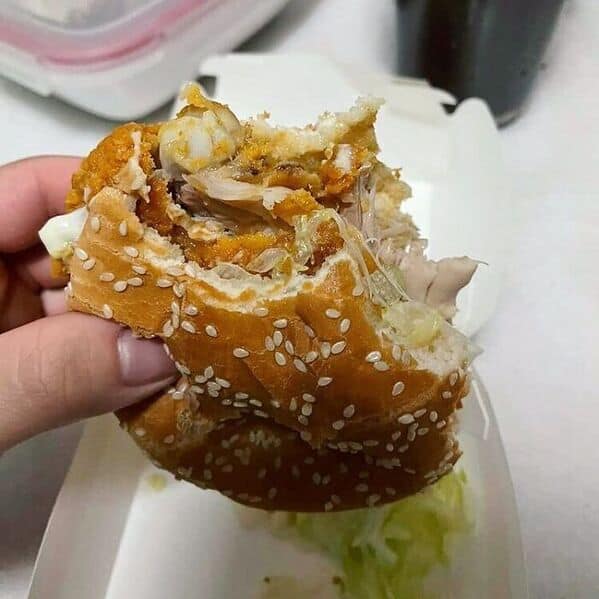
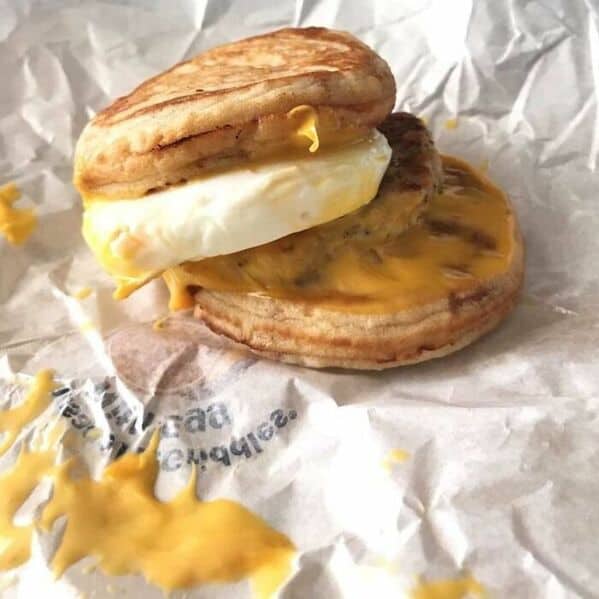
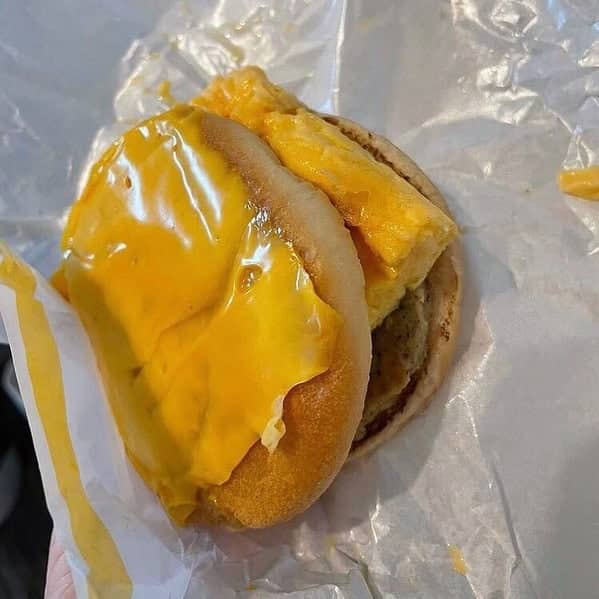
There is a specific kind of hope that lives in the drive-thru order. You tap the screen, you confirm the transaction, and for exactly the duration of the wait, you believe in the social contract — in the idea that what you asked for and what you receive will have a meaningful relationship with each other. McDonald’s fails exist in the gap between that hope and the moment you open the bag. They are not angry moments. They are philosophical ones. The bun and the patty have parted ways. The cheese has achieved a shape that was not in the brief. The tartar sauce has made a unilateral decision about portion size and is not taking feedback. We have all been there. We have all unwrapped something that asked more questions than it answered.
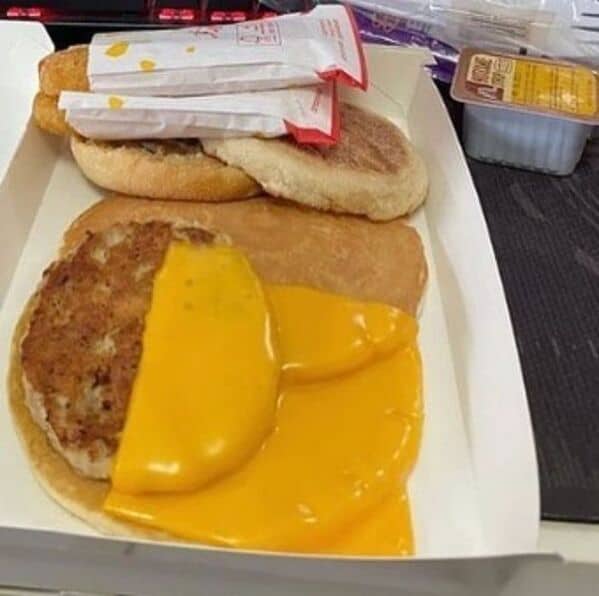
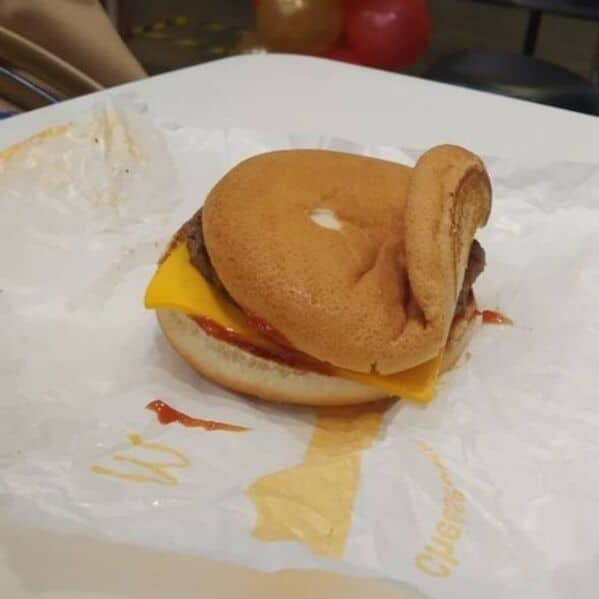
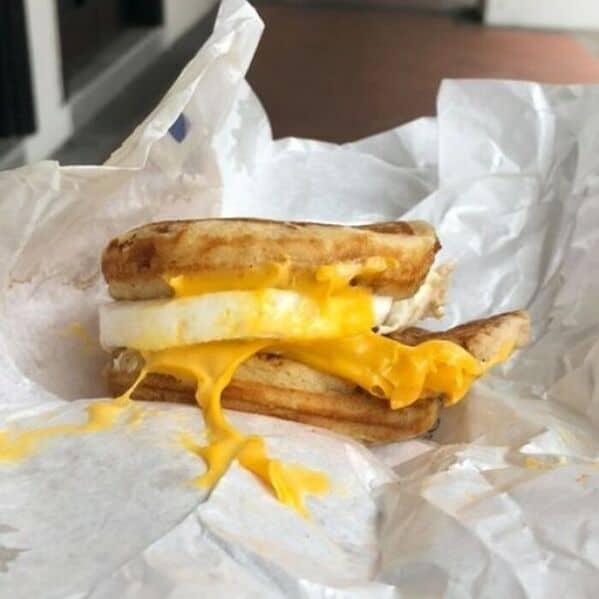
Ordered a McMuffin, received a Rorschach test.
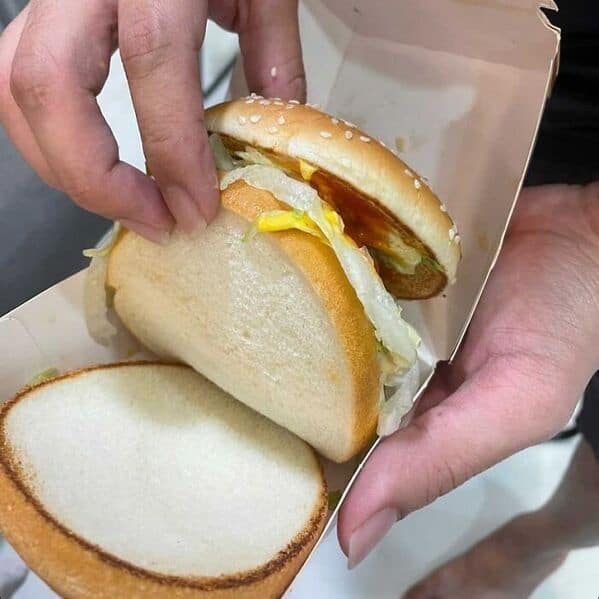
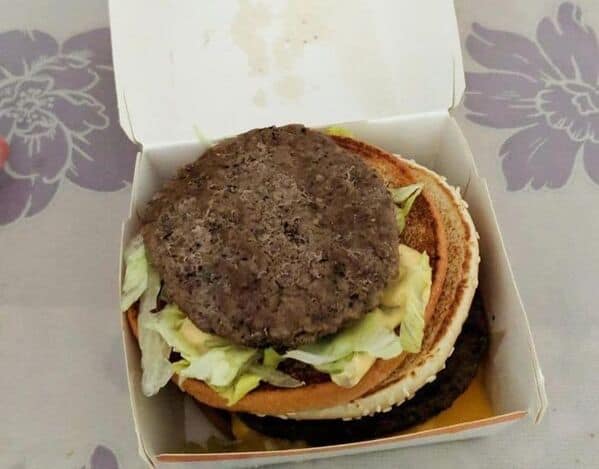
They took "hold the meat" as a personal challenge.
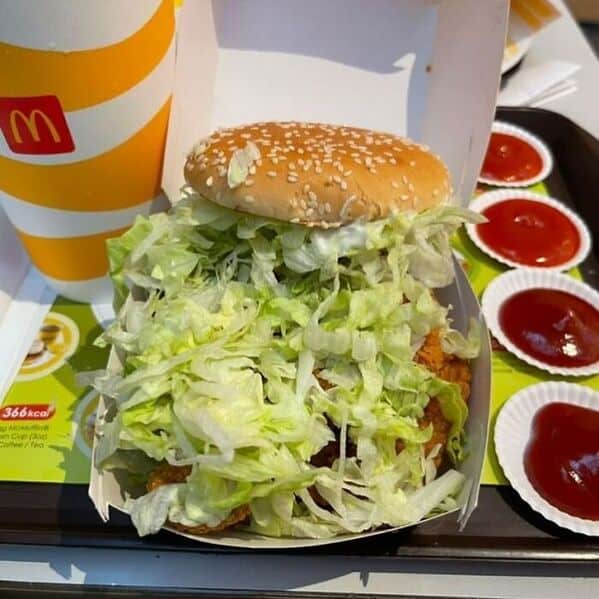
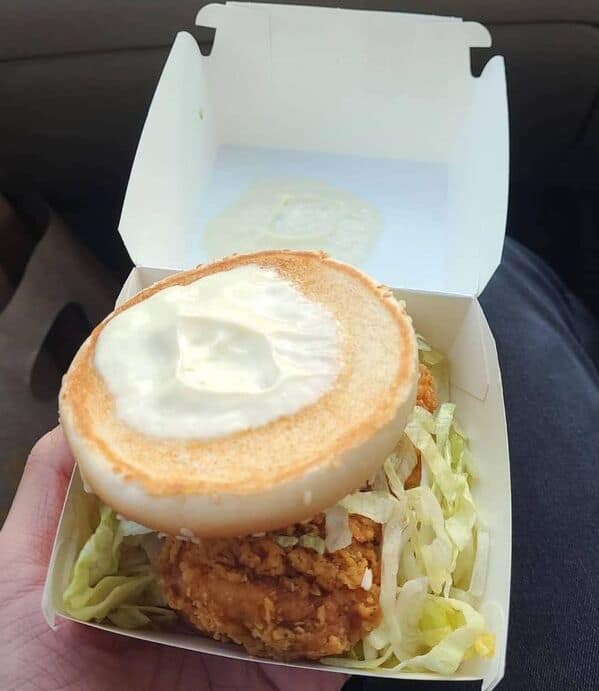
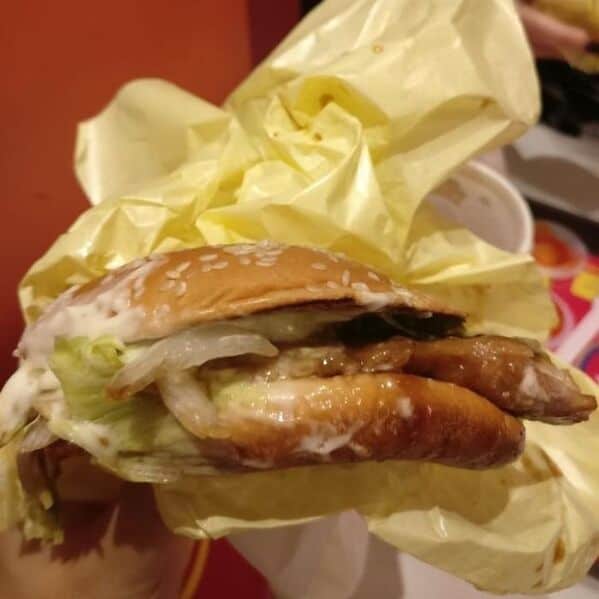
Someone finally got their money's worth on the lettuce.
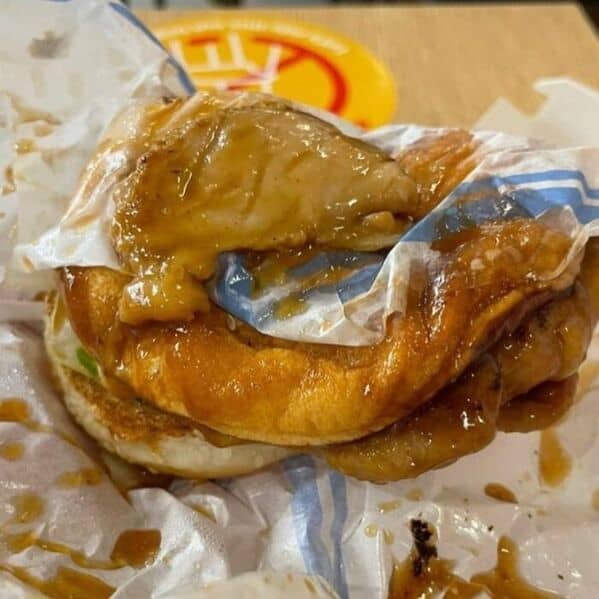
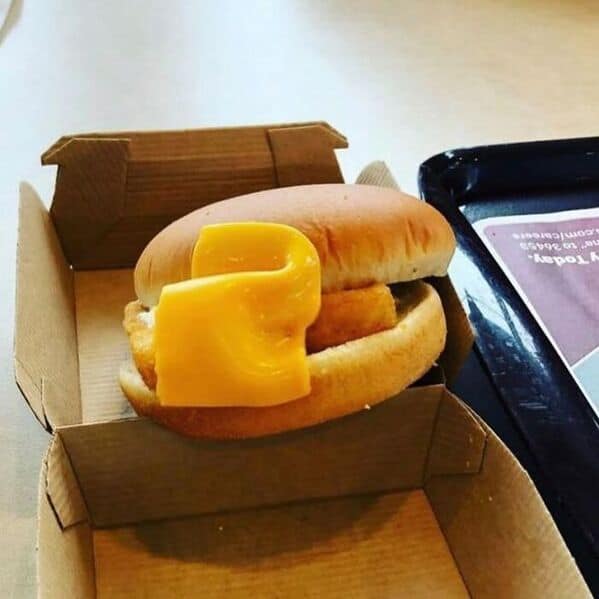
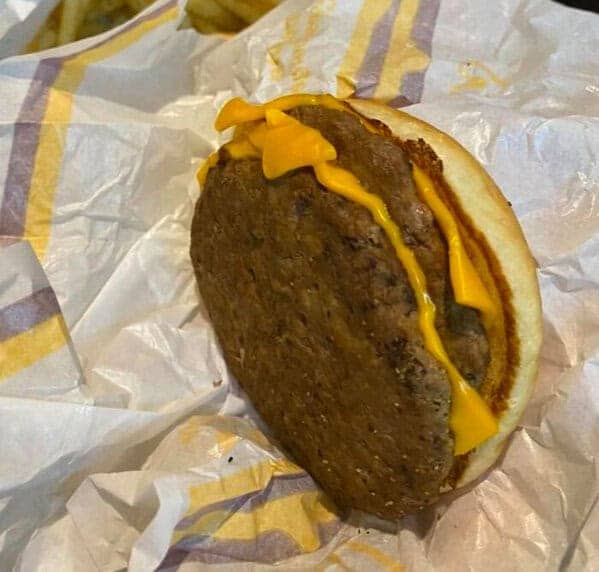
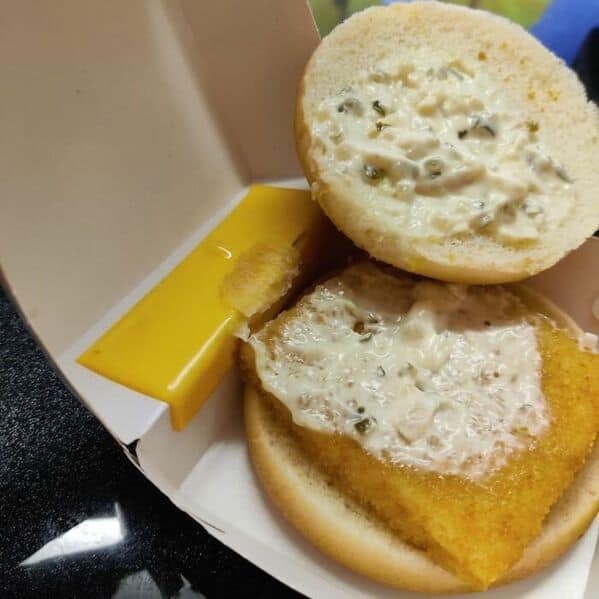
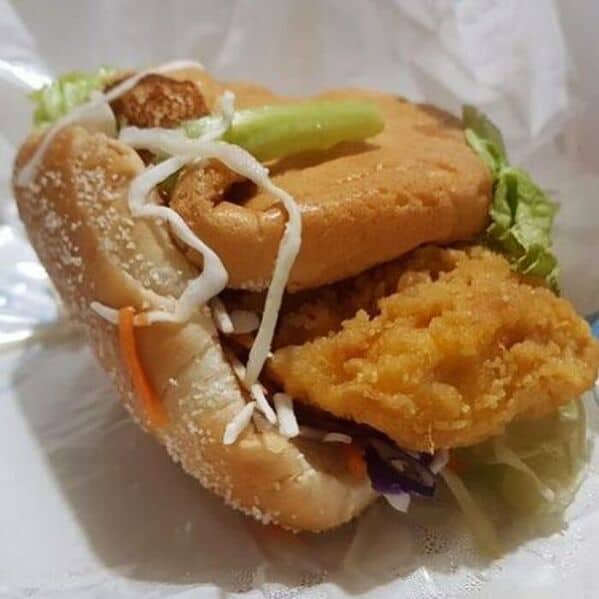
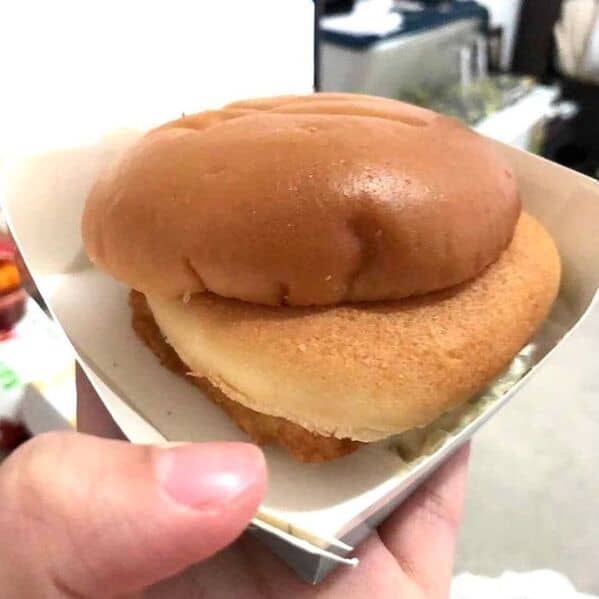
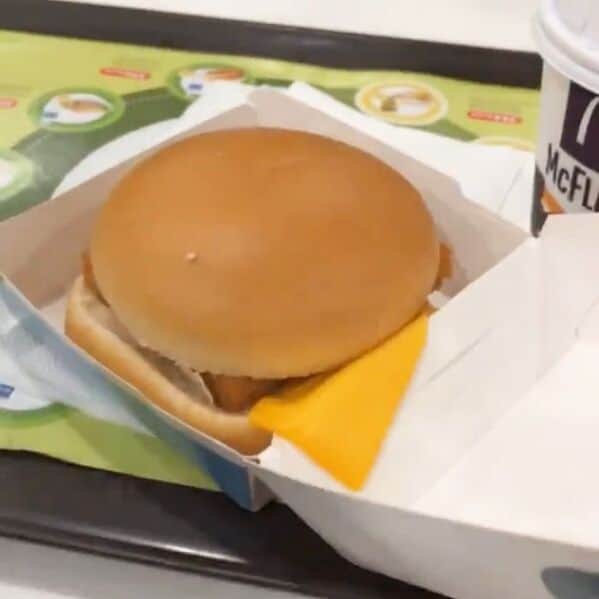
Structurally unsound, emotionally devastating
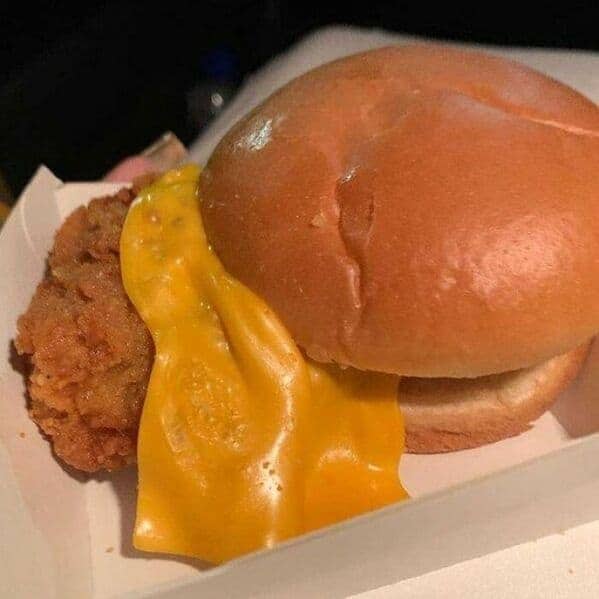
The bun and patty are no longer on speaking terms.
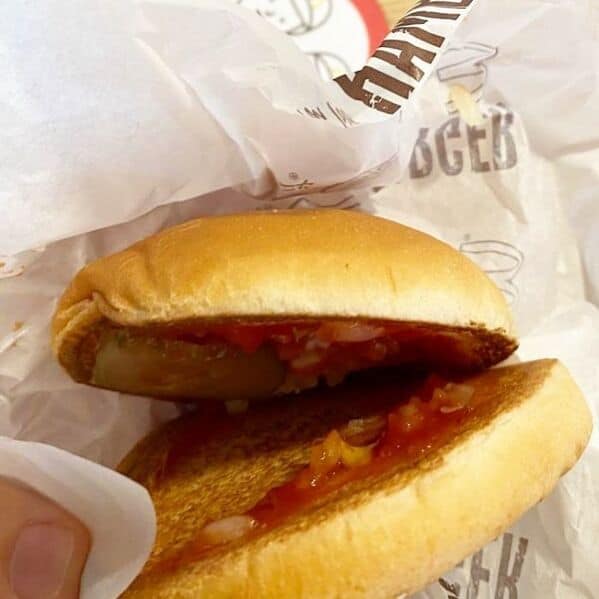
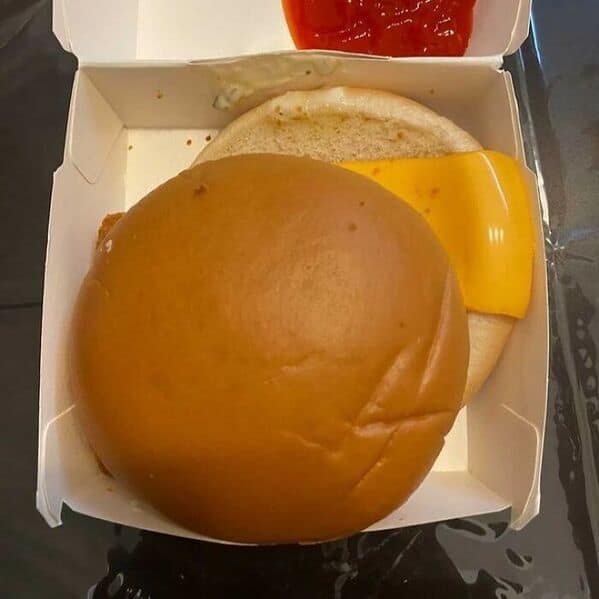
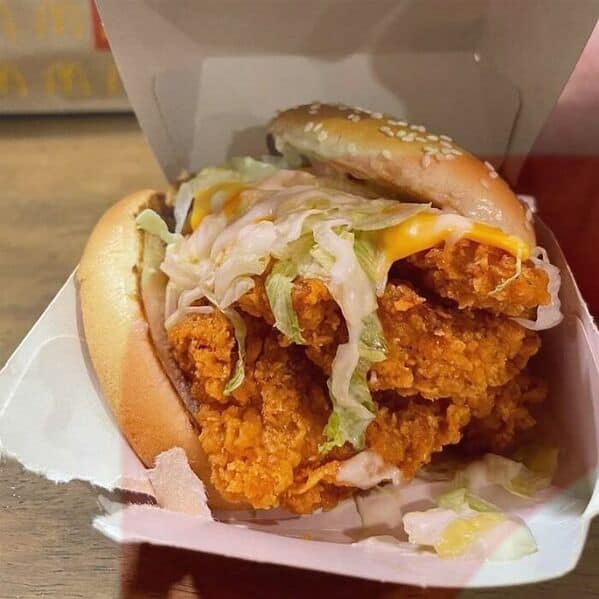
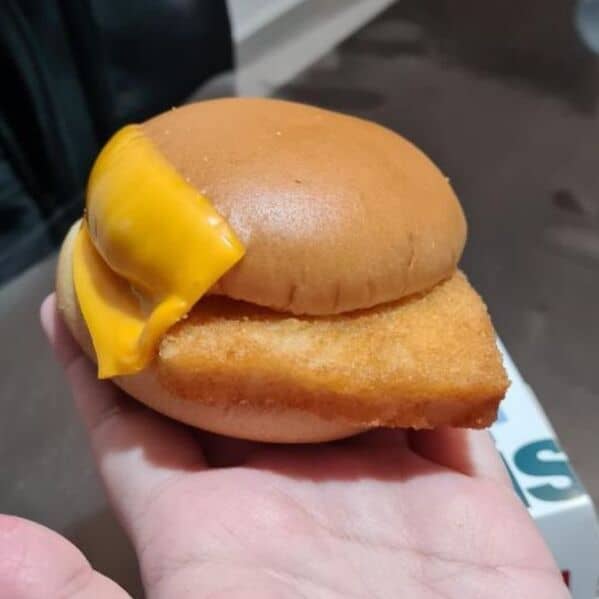
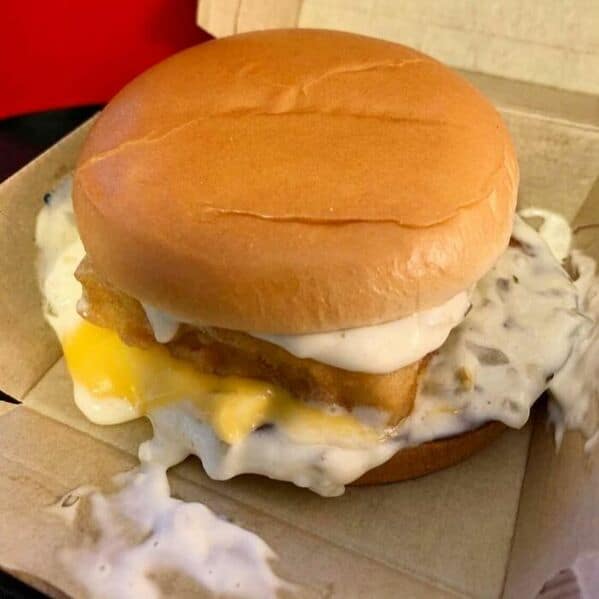
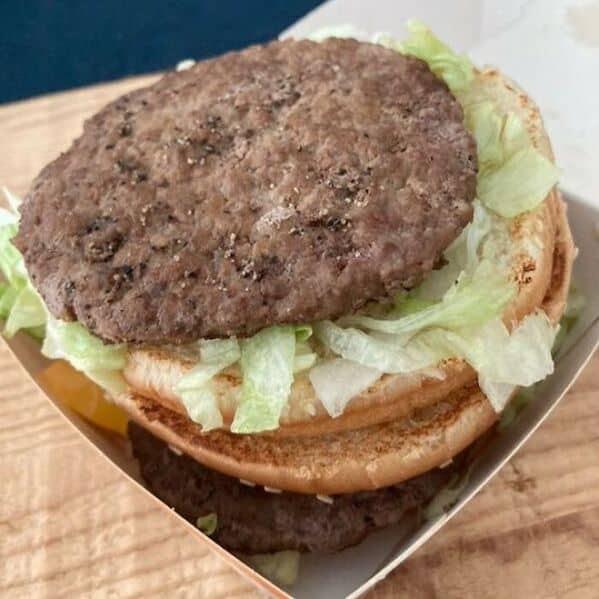
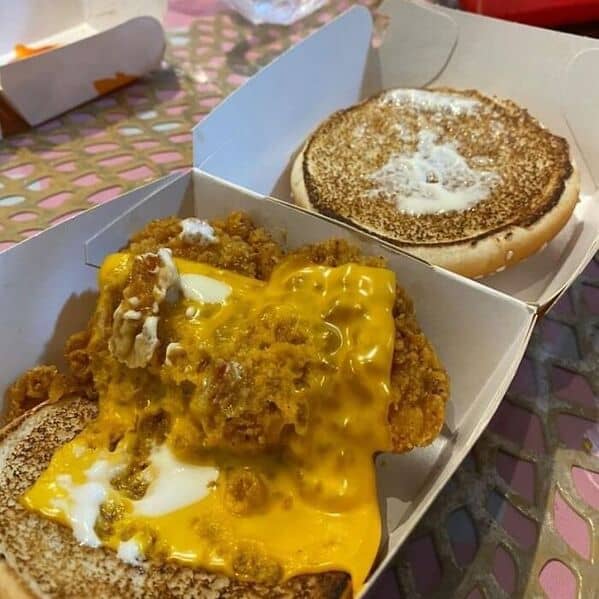
A crime scene, but make it lunch.
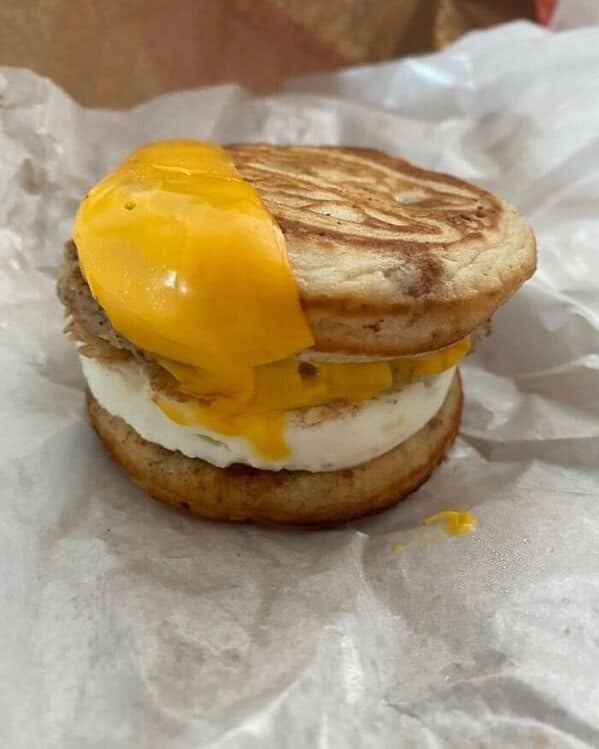
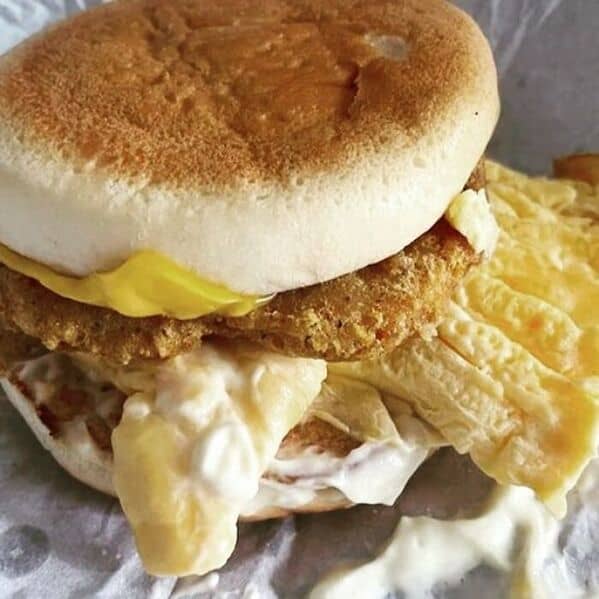
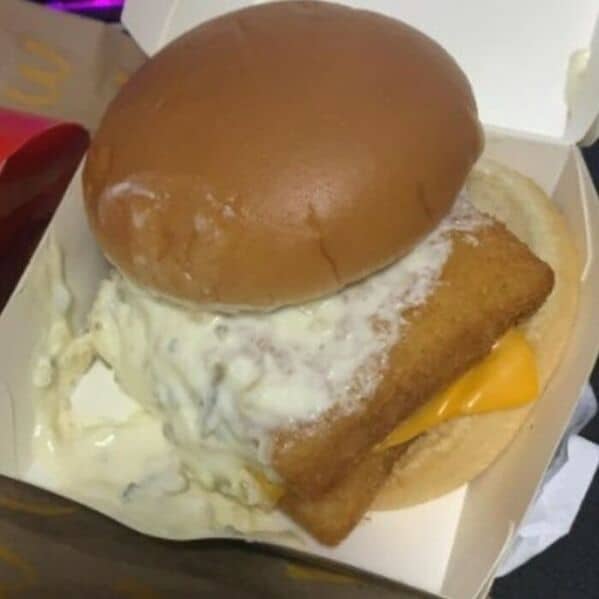
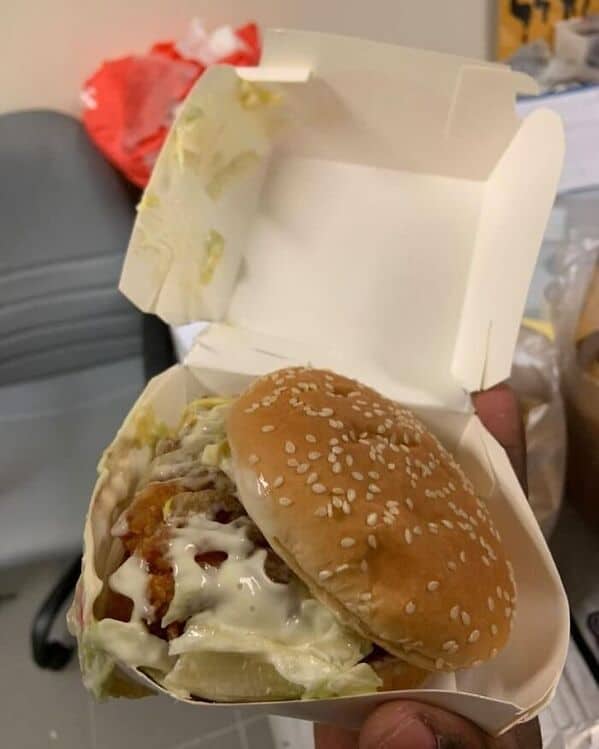
McFails
Read More
What makes McFail content hit the way it does is that it connects to a universal fast food experience that cuts across demographics, income levels, and dietary preferences. Everybody has opened a wrapper and found something that required a second look. Everybody has held a burger up to the light and tried to identify the structural logic behind the assembly. The cheese folded into the shape of a number two is not a random mishap — it is a moment of accidental artistry produced by a shift moving at speed, and the accidental artistry is funnier than anything deliberate could have been. Funny McDonald’s photos circulate because the recognition is immediate: the cheese ration. The patty that disappeared. The lettuce that showed up in quantities that suggest someone took the request personally.
The portion control question is one that fast food lovers have been living with for years, and these images are the documentation. When a patty extends four inches beyond a standard bun, it suggests that somewhere in the supply chain, consistency was more of an aspiration than a policy. When a cheese slice shows up as a single stripe on an otherwise unremarkable beef situation, it raises questions about whether the cheese is being rationed or whether the person assembling the sandwich is just making a point. Neither of these are disasters. Both of them are funny. Burger fails in the structural category — the leaning towers, the sideways buns, the patty that clocked out before the bread arrived — are a gallery of food assembled with the same energy as a flat-pack furniture project started at ten PM on a Sunday: technically complete, visually chaotic, and holding together just enough to get out the door.
The sauce events deserve their own moment of appreciation, because a condiment becomes interesting only when it stops behaving like a condiment and starts behaving like a landscape element. Tartar sauce as the primary structural ingredient. Cheese as a waterfall. Ketchup making an executive decision about coverage. These are not presentation failures. They are expressions of a kitchen operating at velocity, and the result is fast food photography that has somehow ended up funnier than most things that were deliberately staged. We ordered the sandwich. We received the content. Honestly, both are fine.
If this gallery has made you look at the next fast food order with slightly more attention, McDonald’s memes and fast food humor are well-populated categories where the cheese situation has been extensively documented and the bun-patty relationship has been analyzed more carefully than most academic subjects. Food fail photos broadly belong right beside them. And for anyone who found the structural engineering disasters most resonant, bad product fails are a companion space where the assembly chaos extends well beyond the drive-thru window.
Read Memes
Get Paid


Jake Parker, known around the web as "Jay," is a digital writer with over 10 years of experience covering internet humor, meme trends, and viral content. Before joining Thunder Dungeon, Jay was the lead editor at MemeWire, where he helped curate memes that broke the internet, including coverage on trends like Distracted Boyfriend, Kombucha Girl, and Bernie Sanders’ Mittens. A self-proclaimed "professional procrastinator," Jay spends his downtime scrolling Reddit and Twitter to stay ahead of what's about to break the internet next.