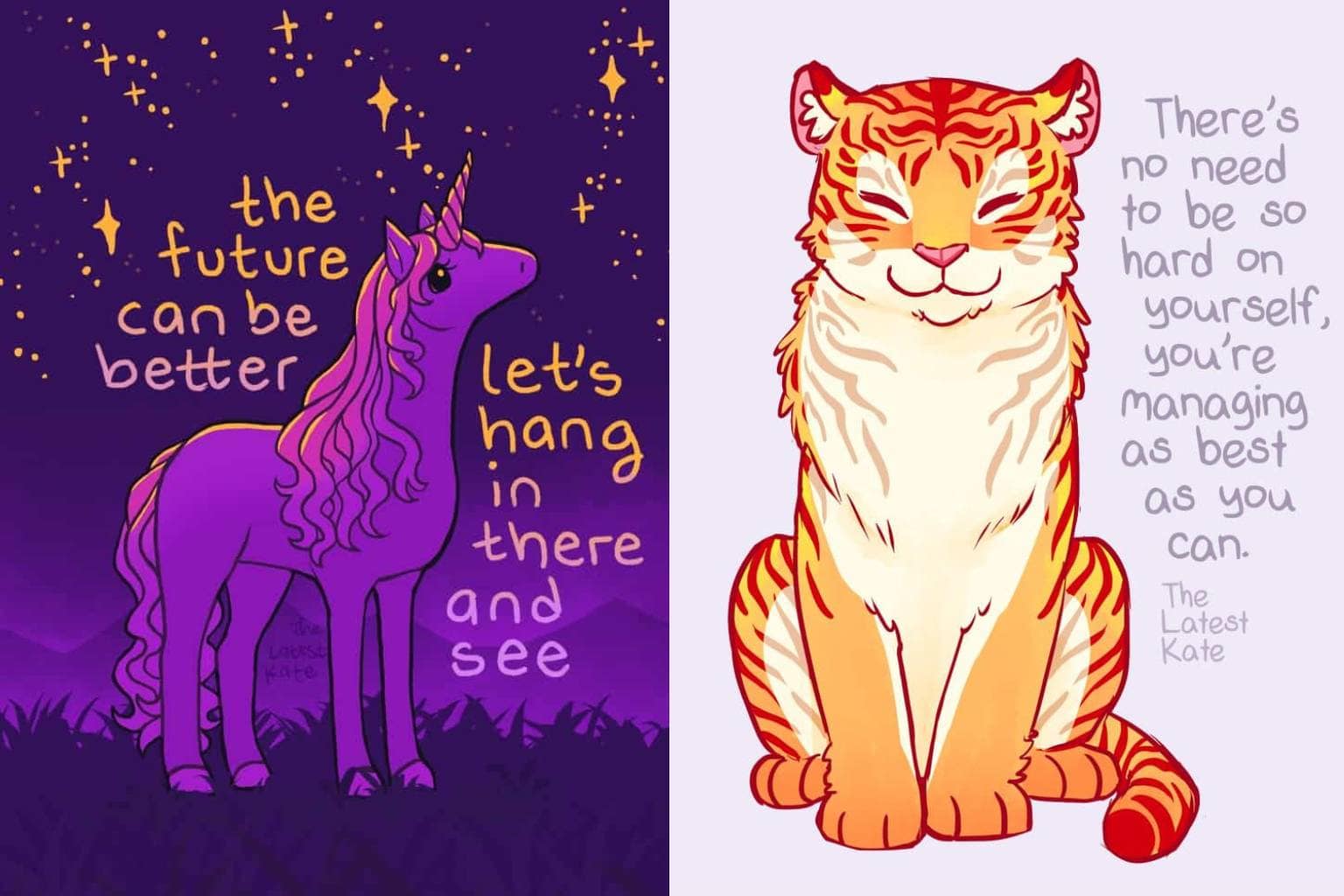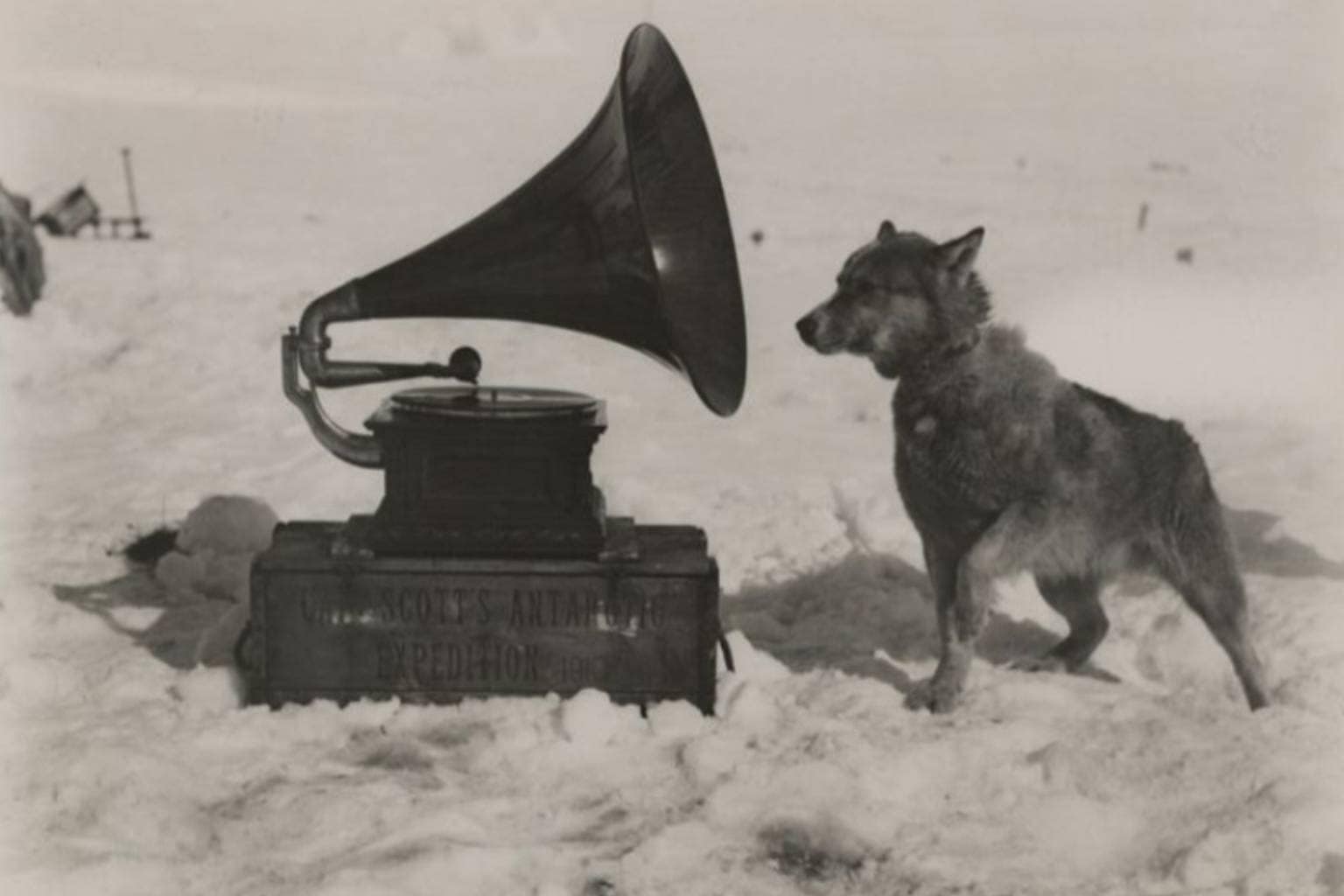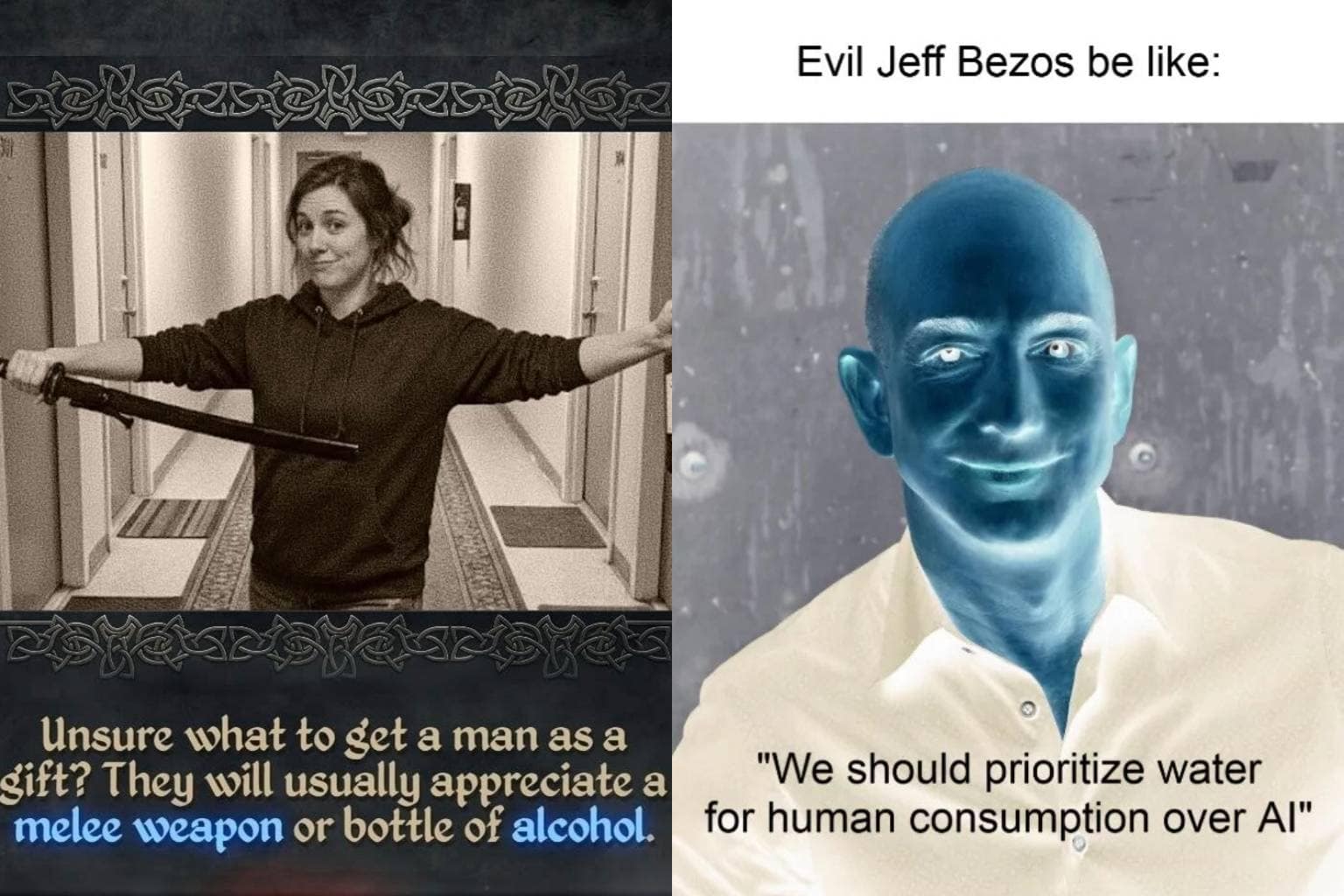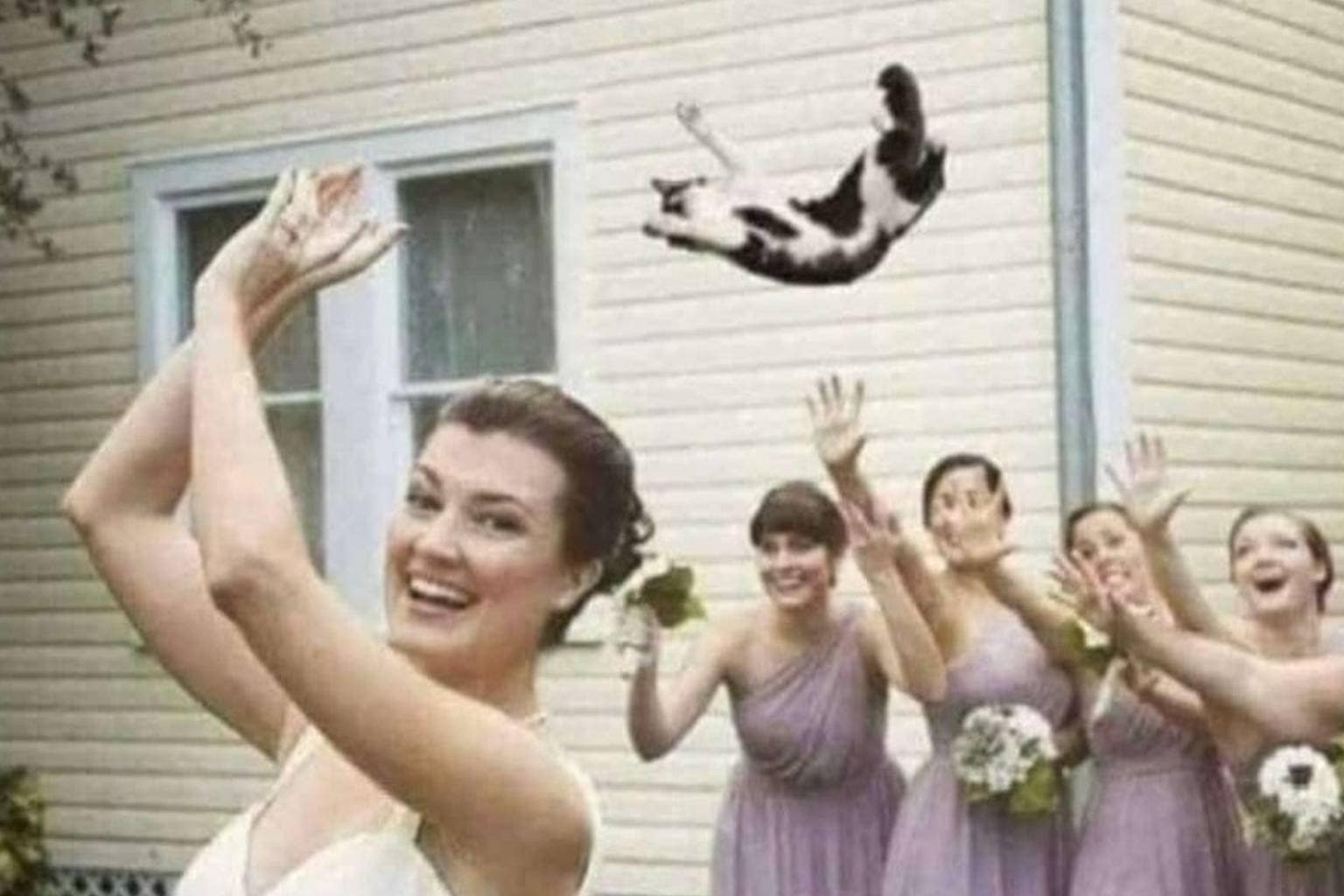
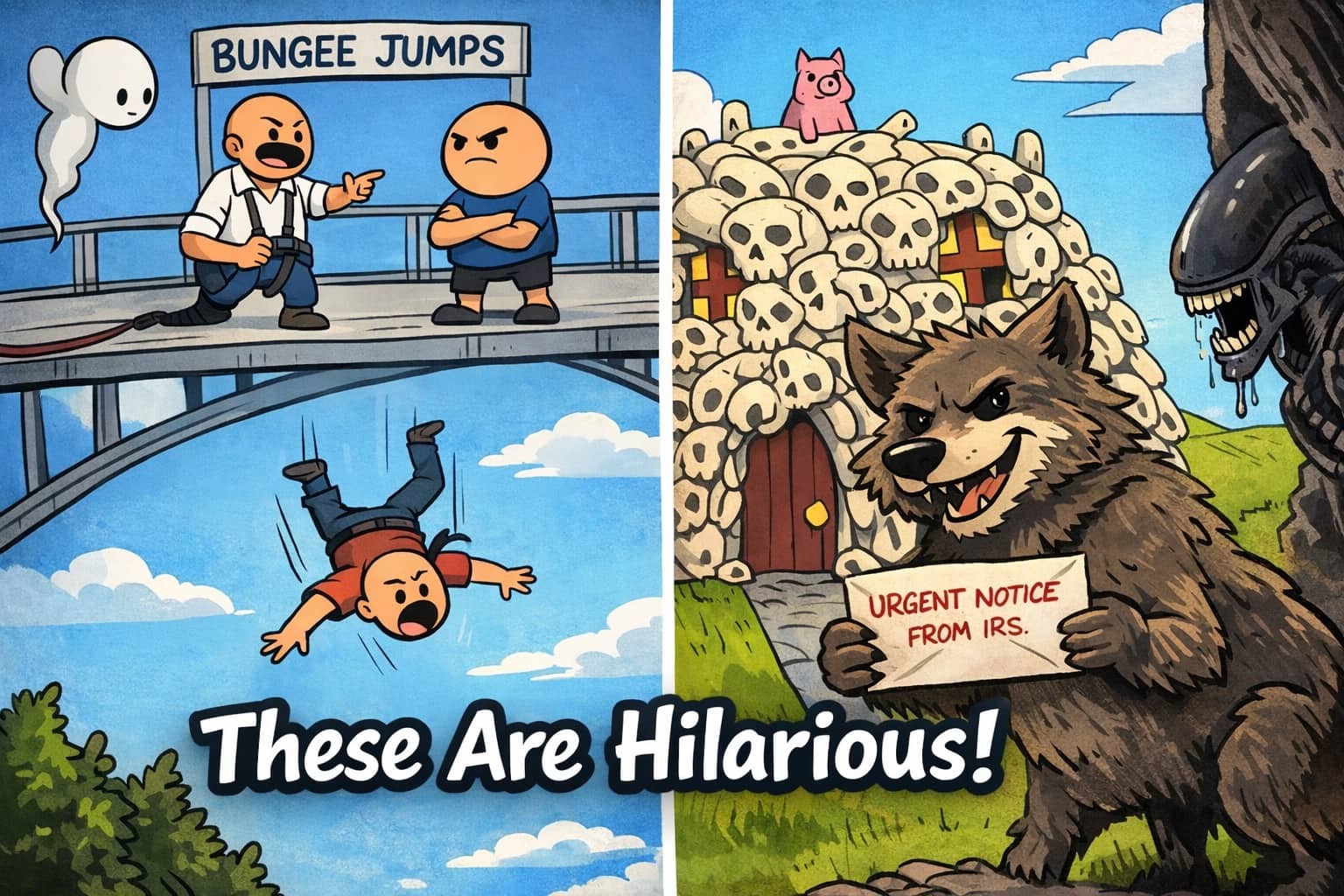

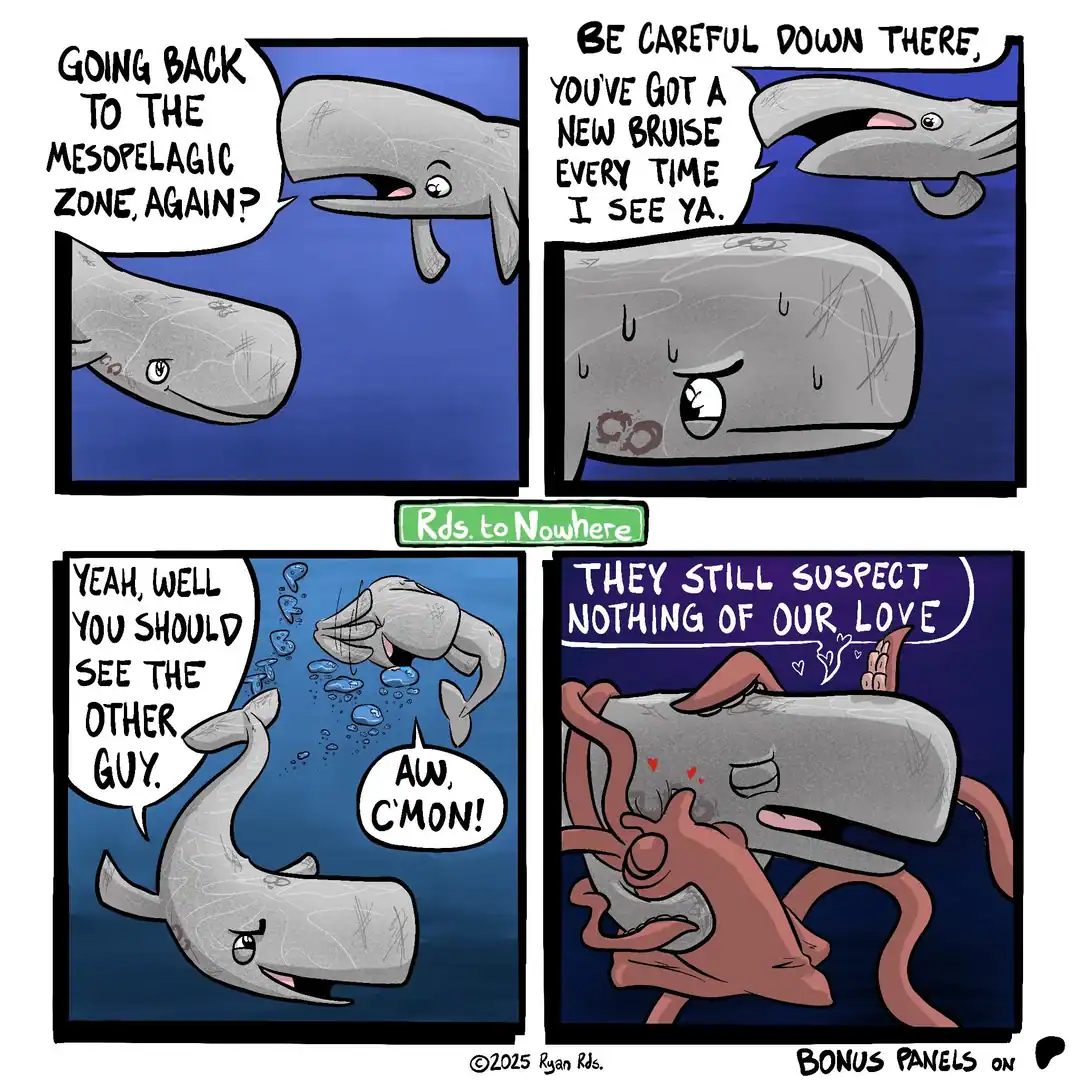
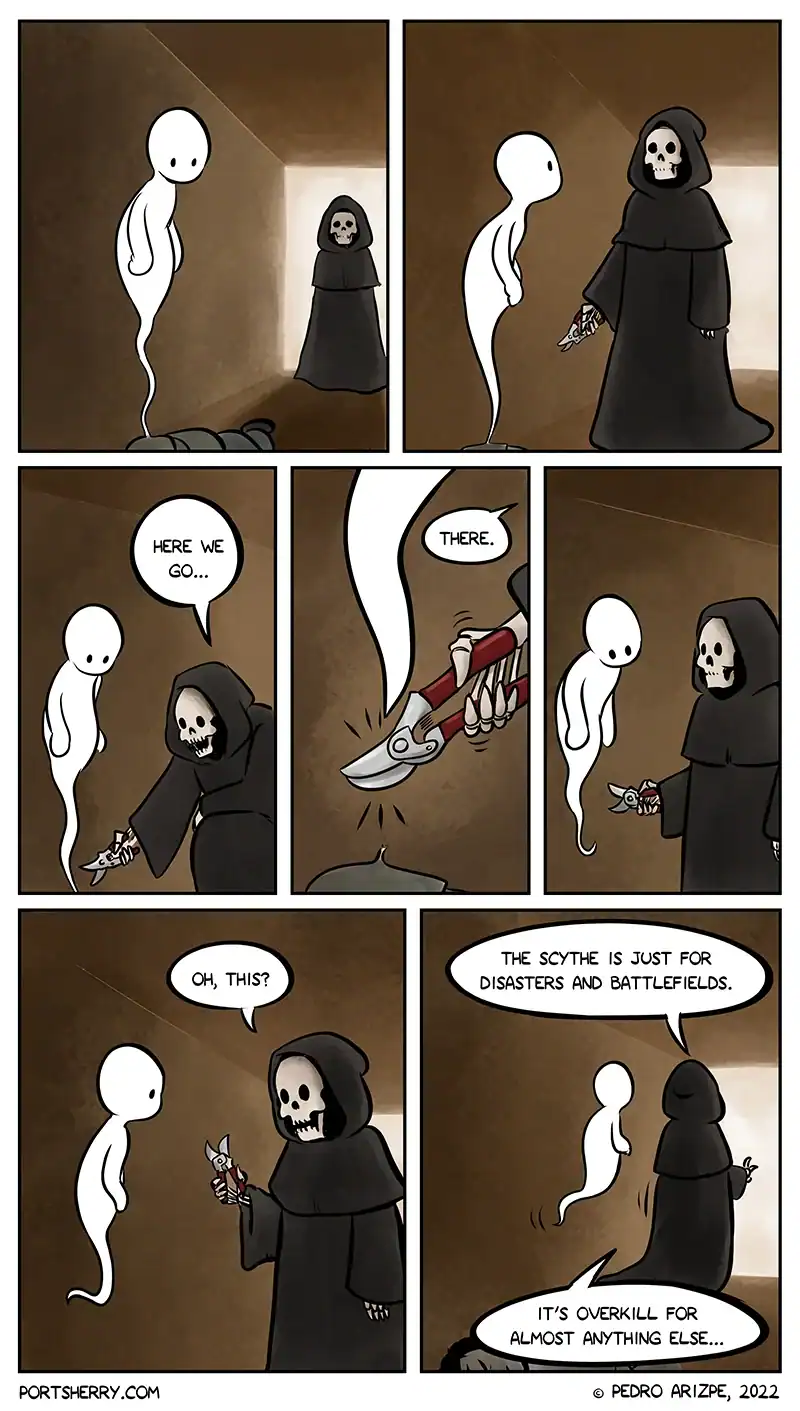
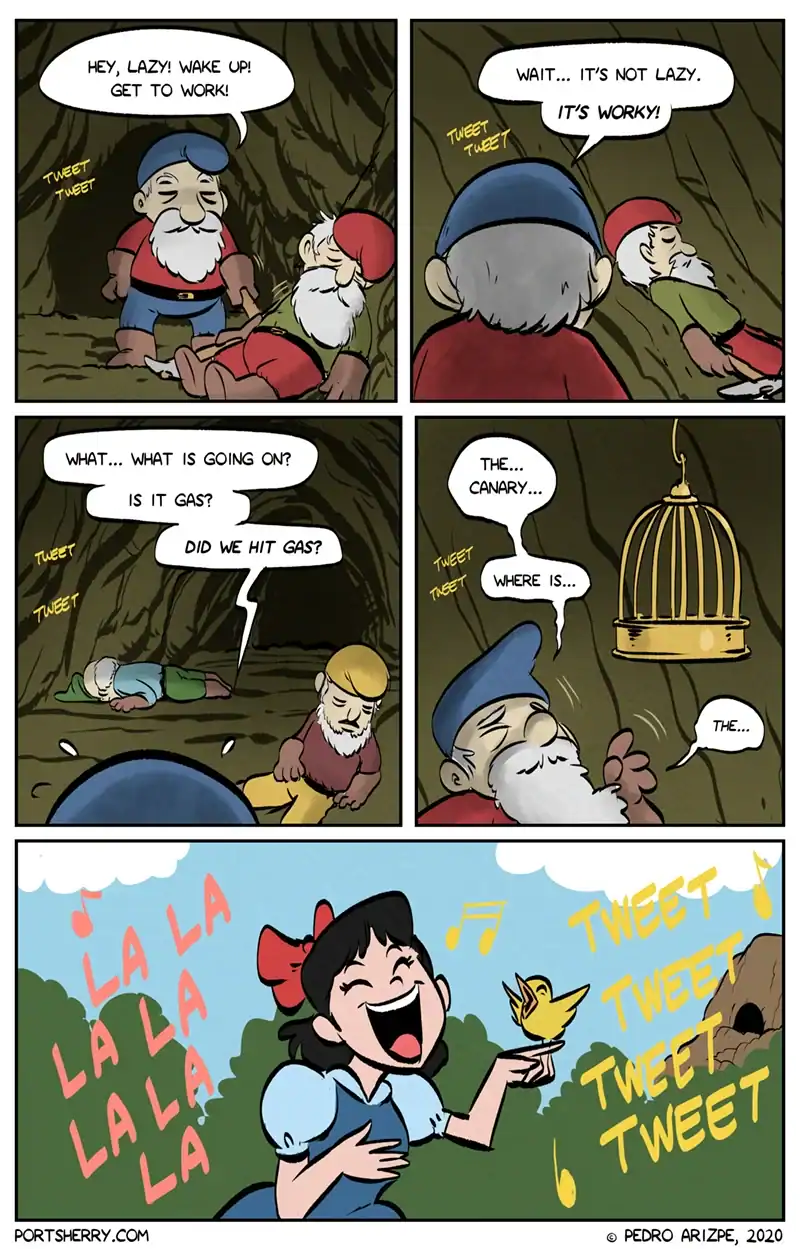
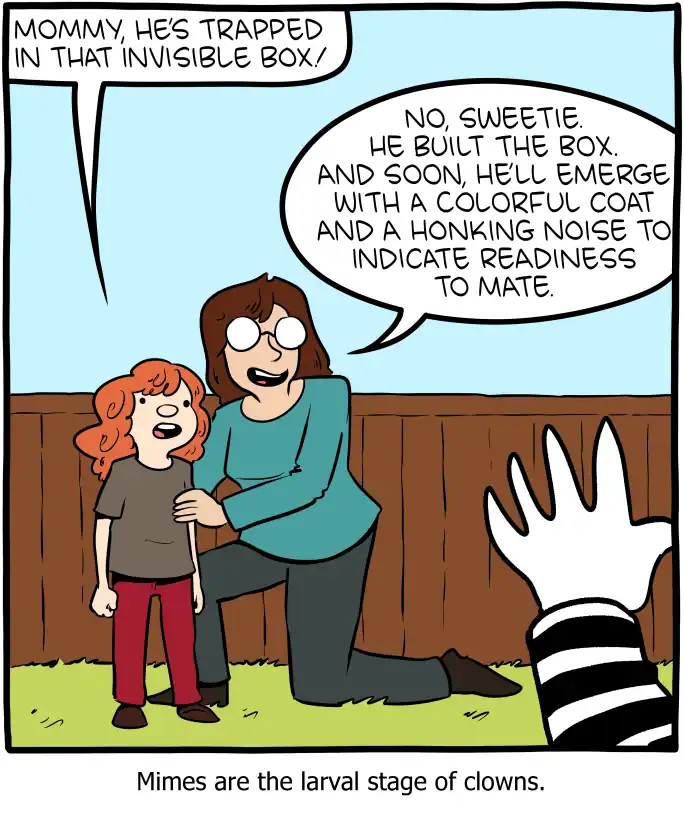
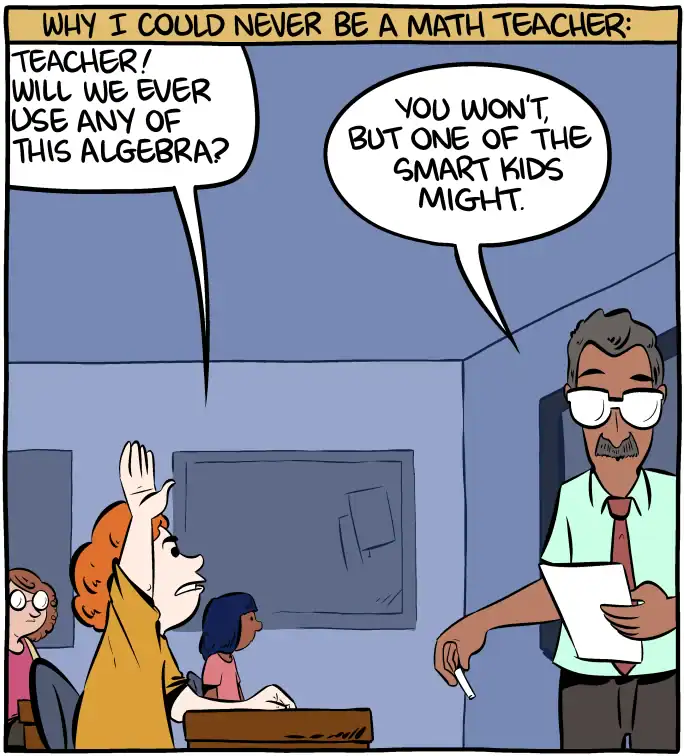
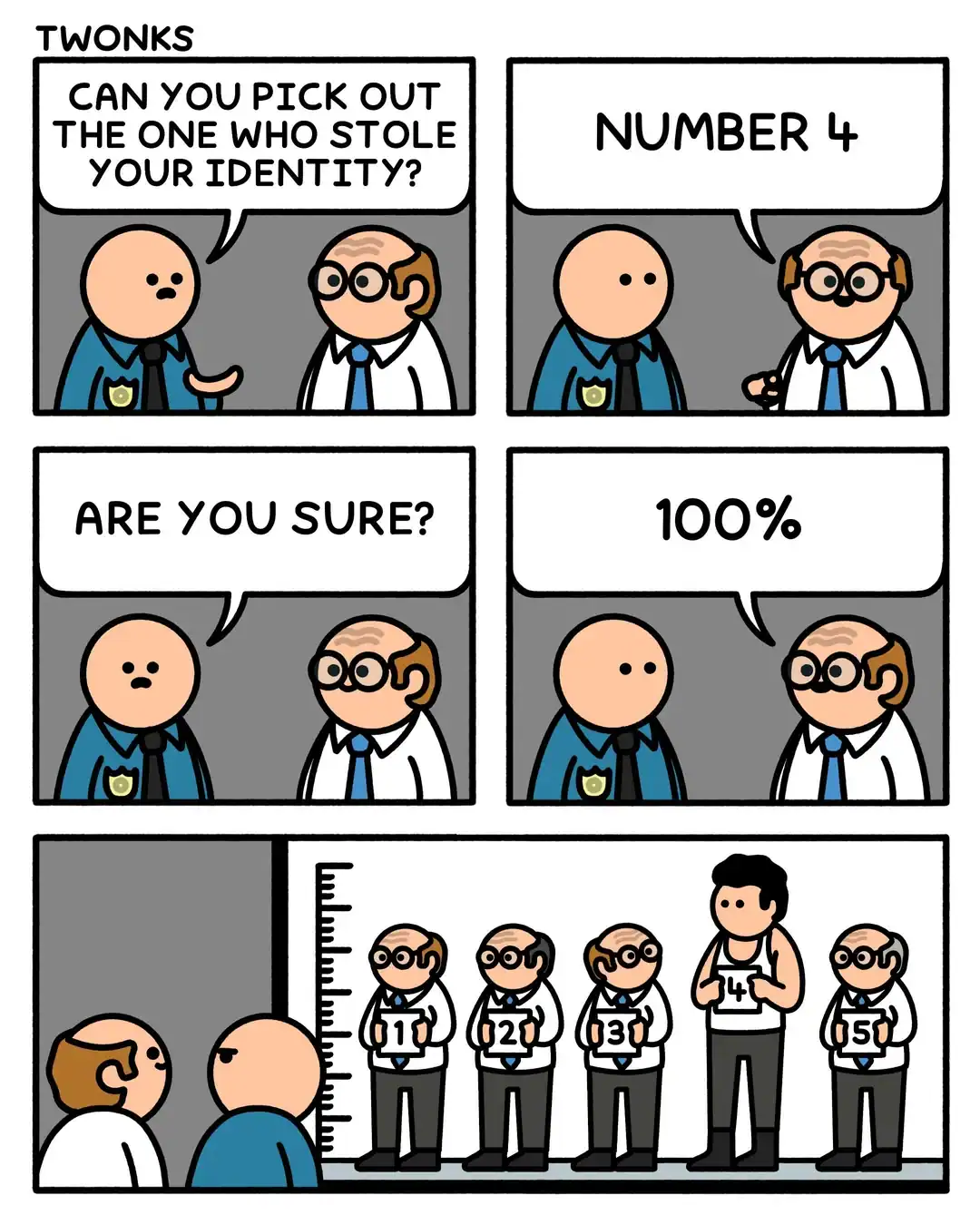
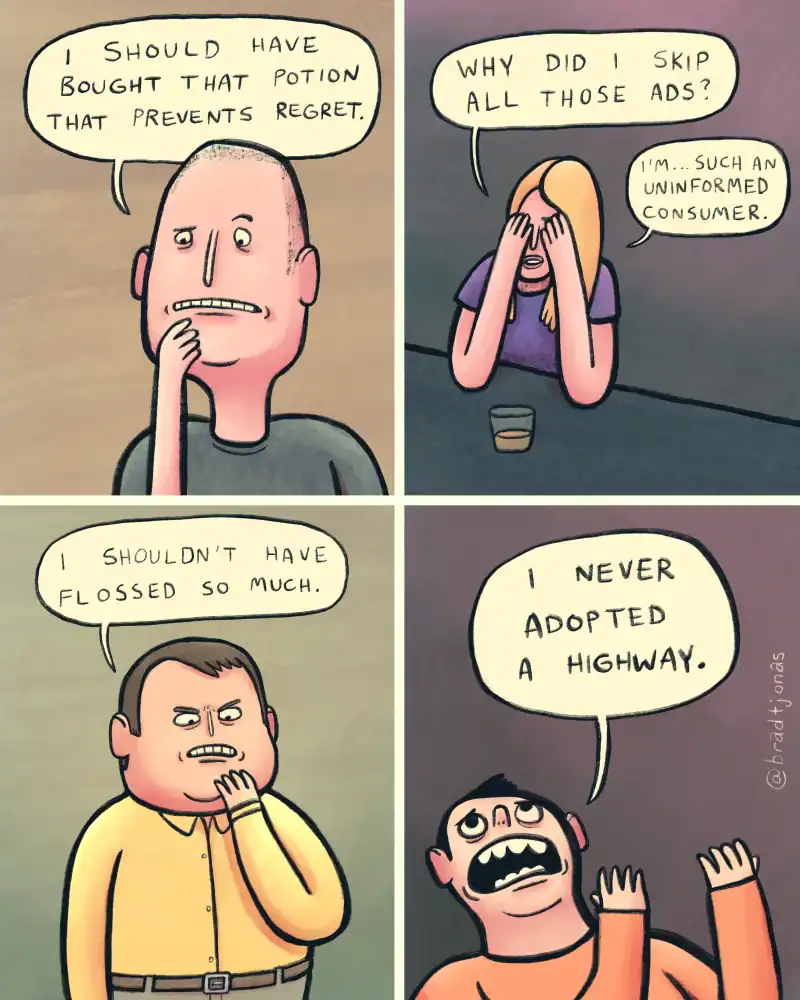
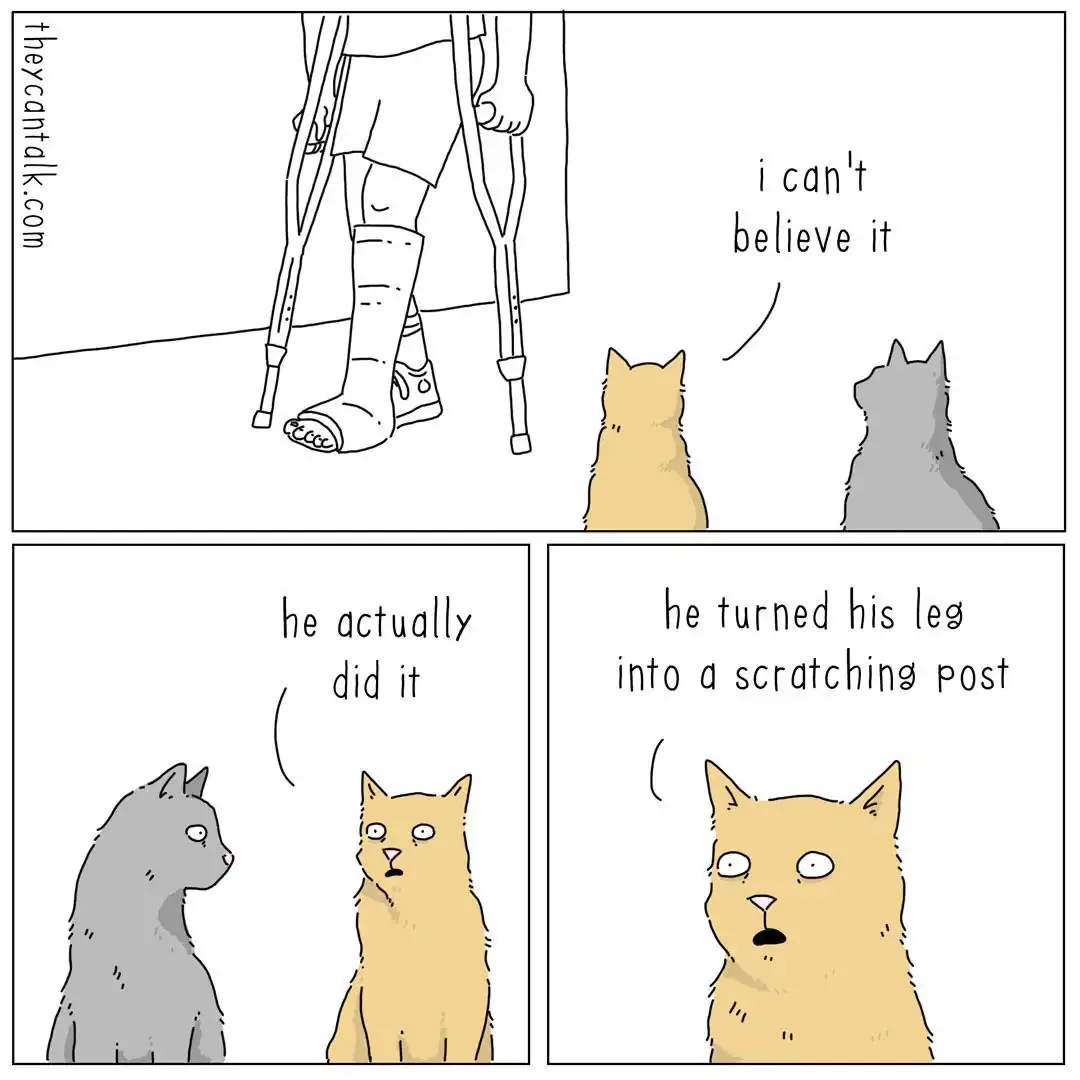
The newspaper comic strip had a long and culturally significant run, but it operated under constraints that the webcomic does not: the four-panel limit, the syndication approval process, the implied audience of everyone eating cereal on a Sunday morning. The webcomic has none of these obligations. The webcomic can spend a panel on the Grim Reaper’s indoor gardening tools. It can investigate the whale’s secret romantic life. It can dedicate an entire strip to the mime’s larval stage, which turns out to be the clown, and present this as natural history, and the audience will follow because the webcomic has established a contract with its reader that the newspaper strip never could: that the premises will be strange, the punchlines will be earned, and the art direction will reflect a sensibility that would not survive an editorial board.

Webtoons
Read More
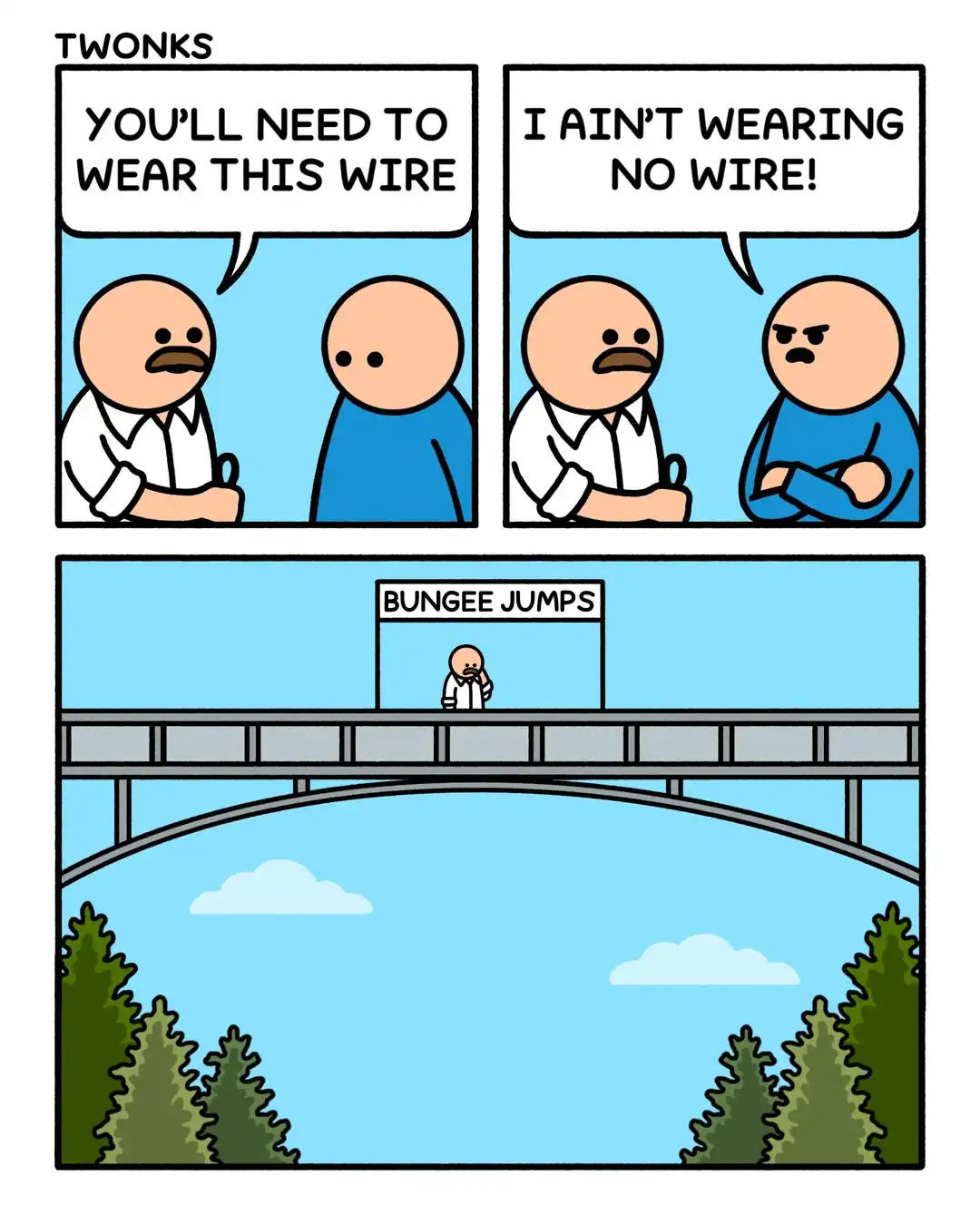
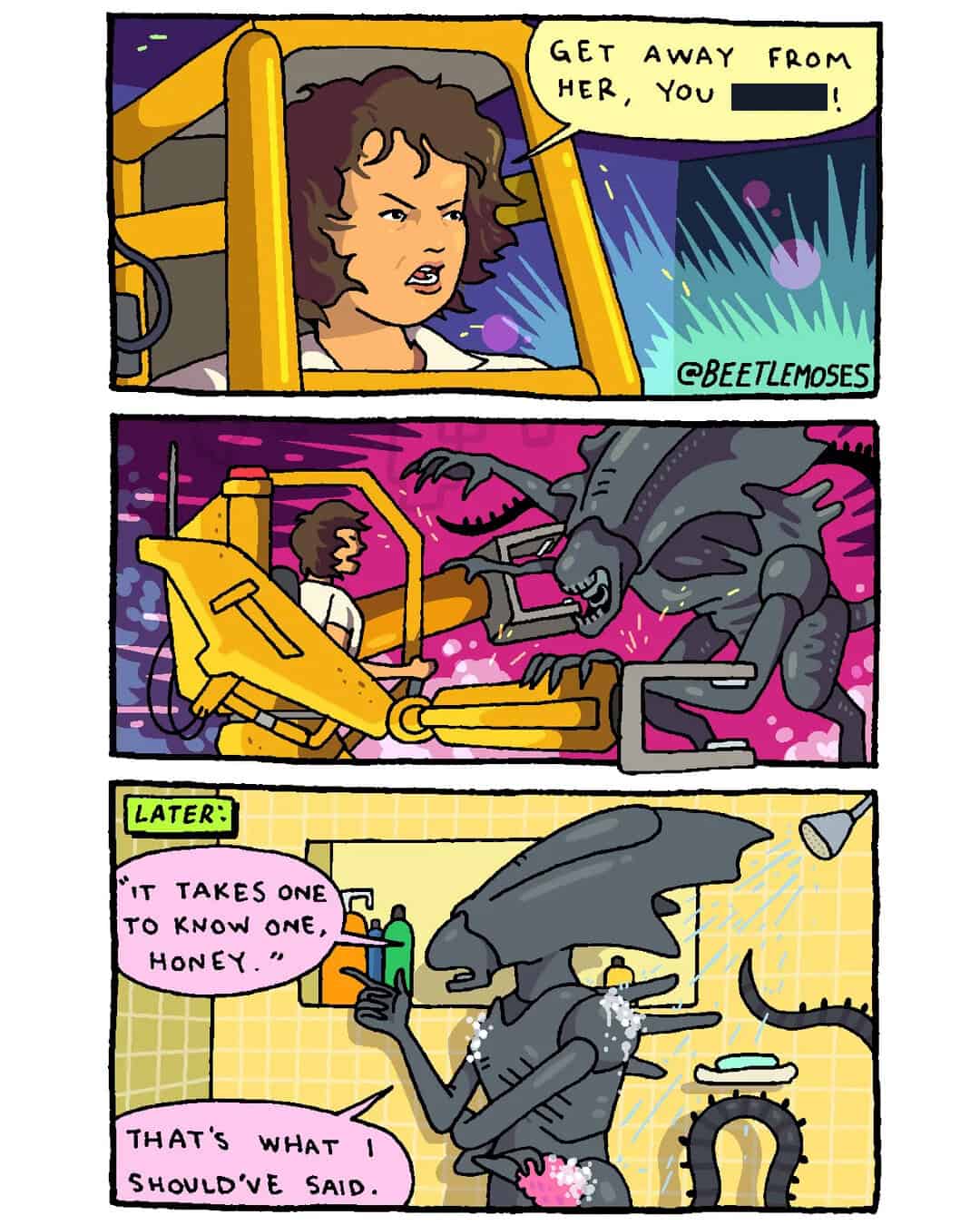
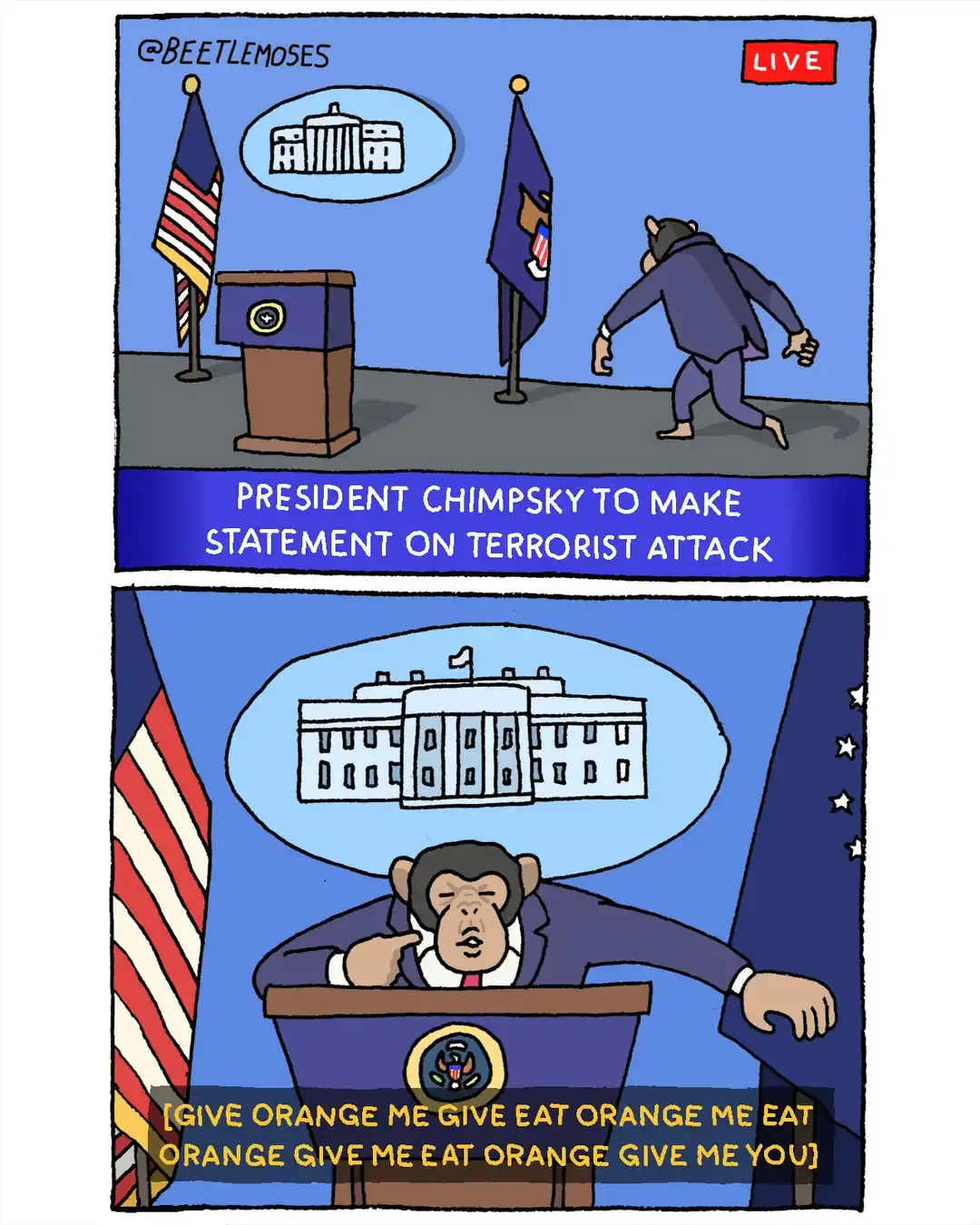
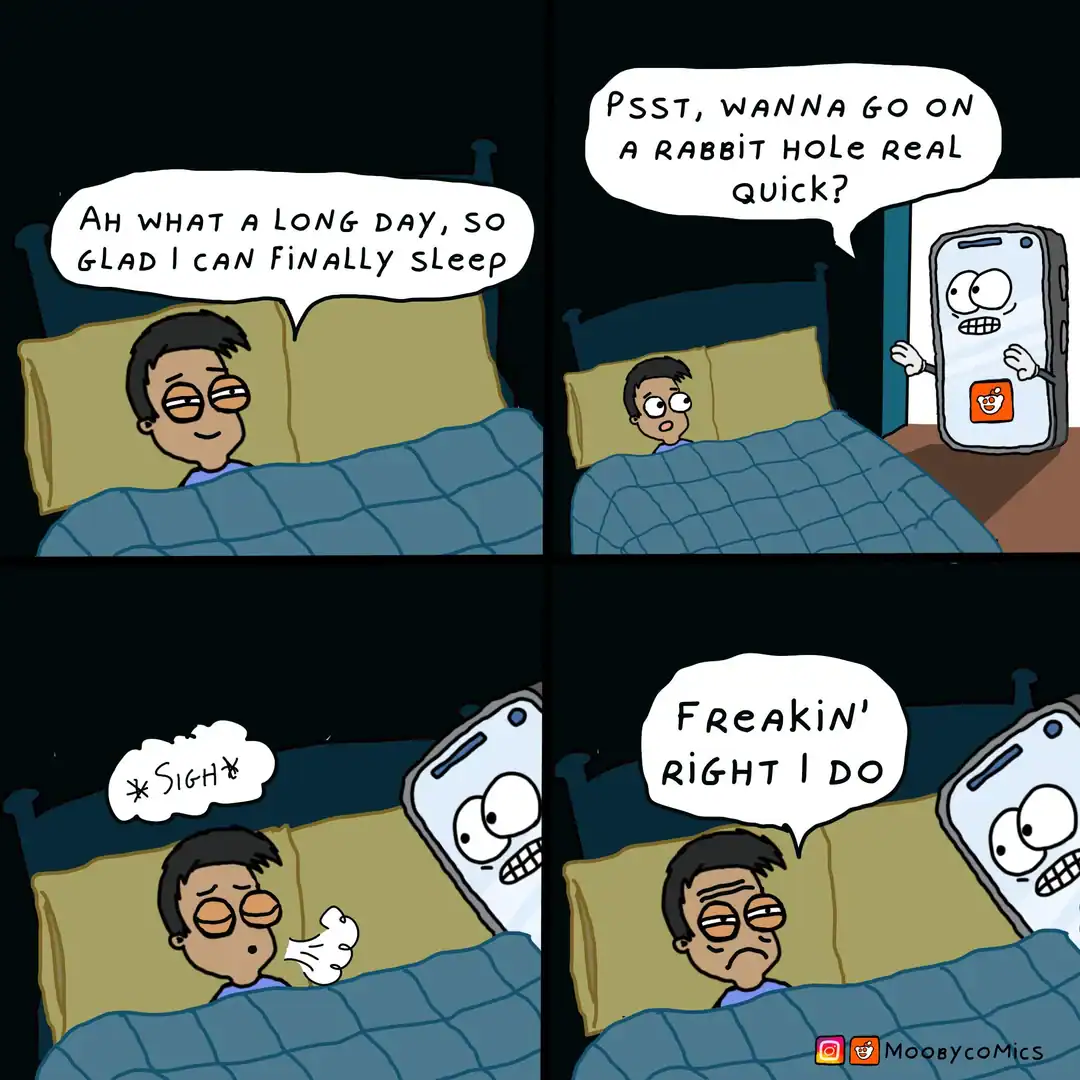
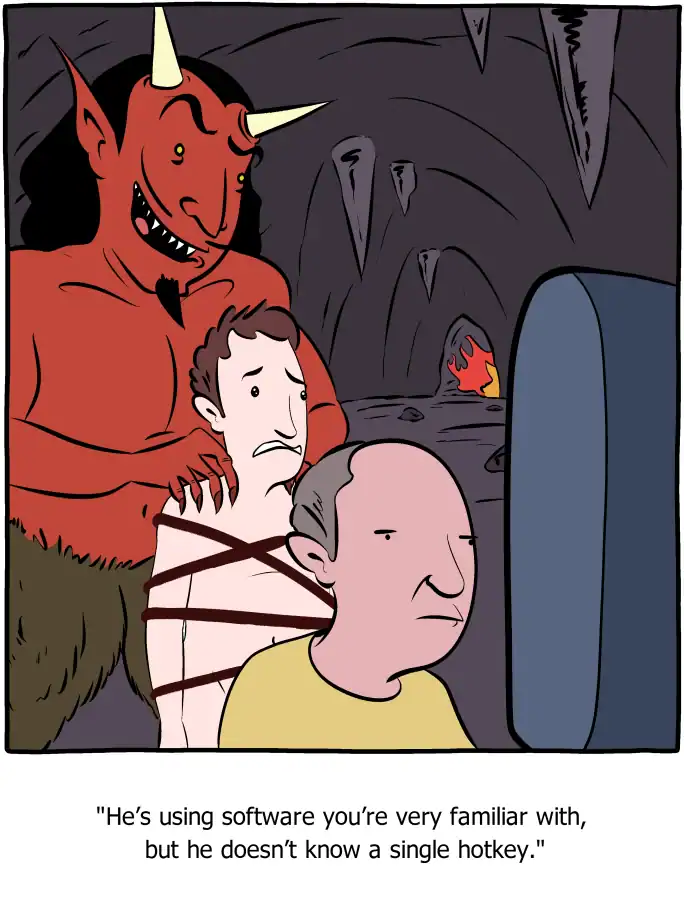
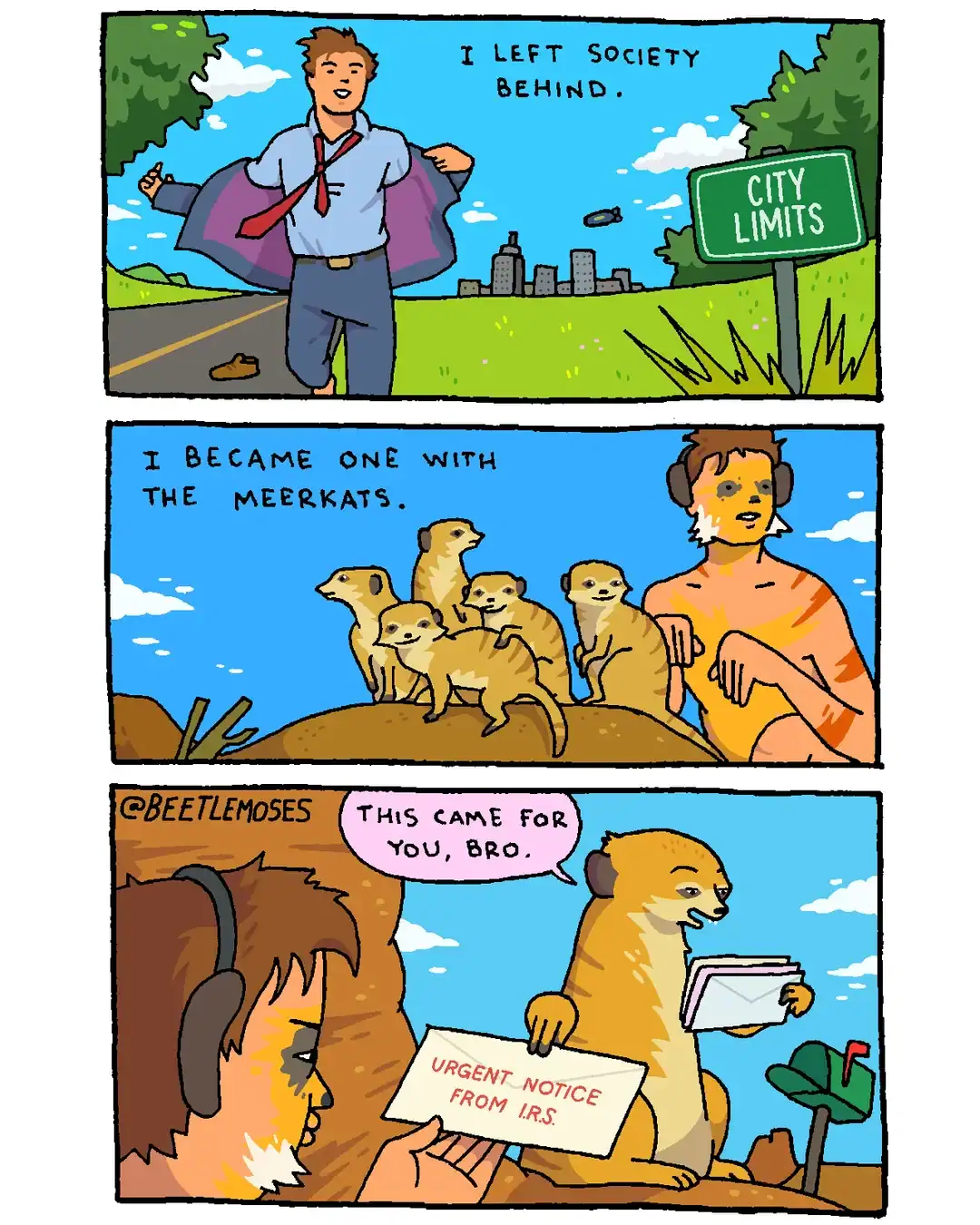
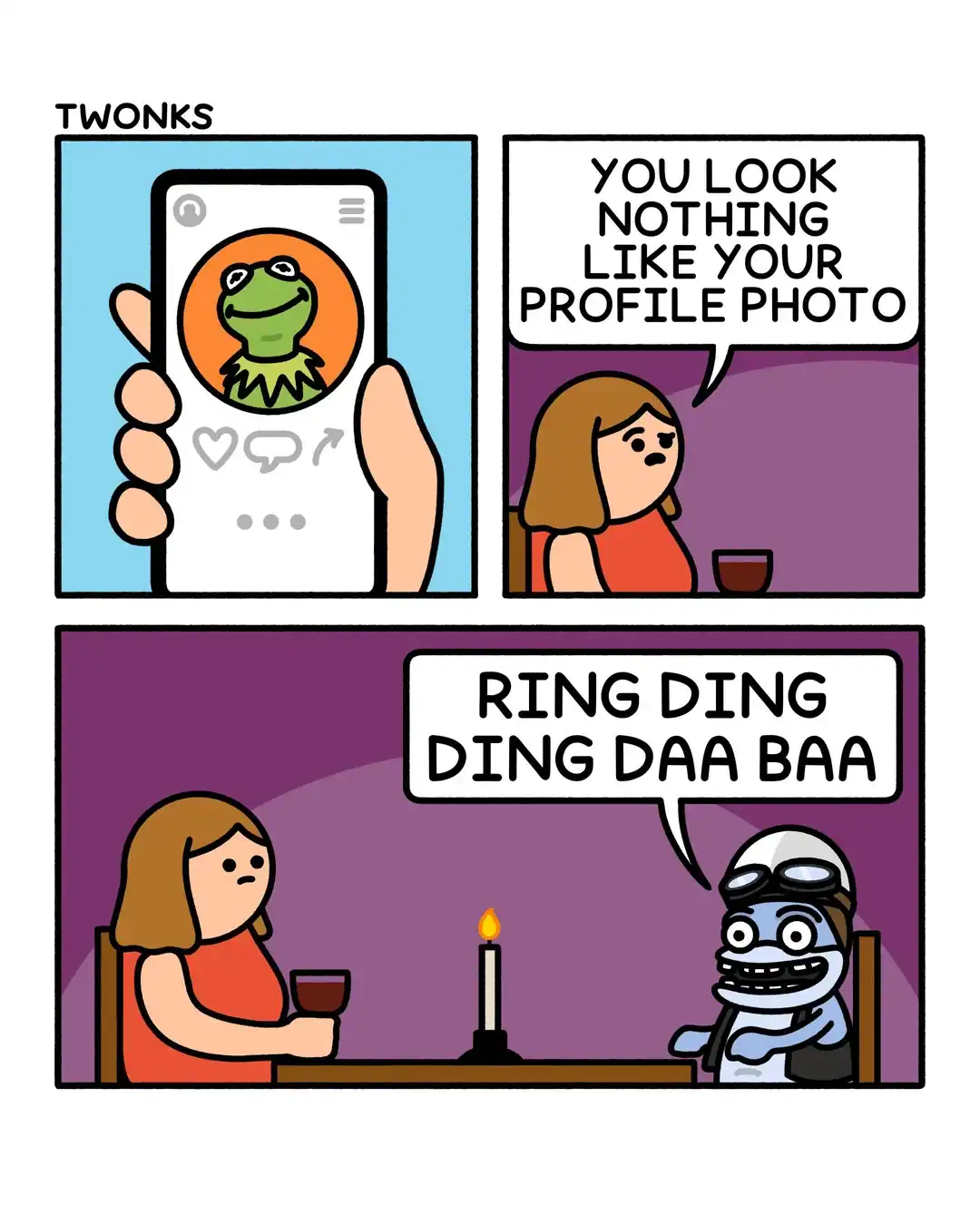
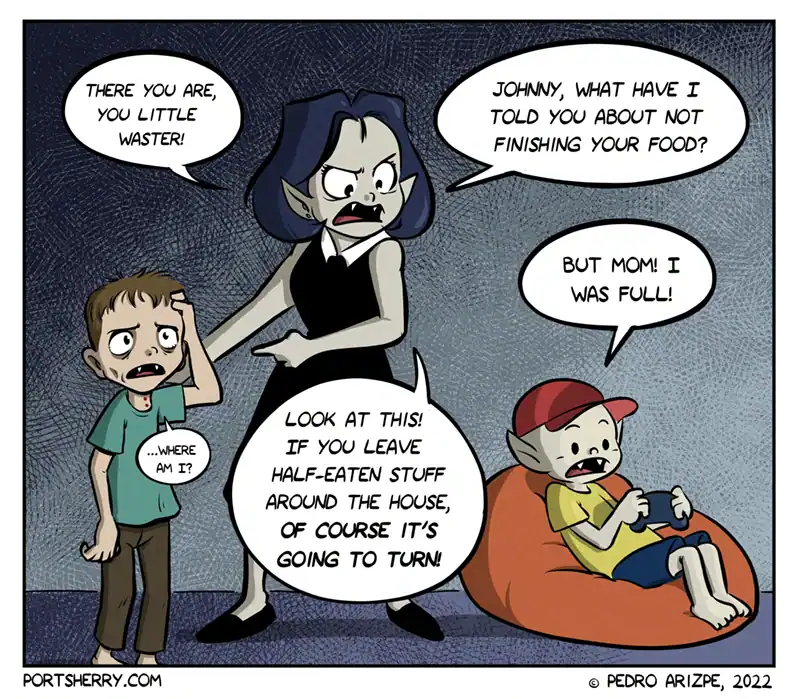
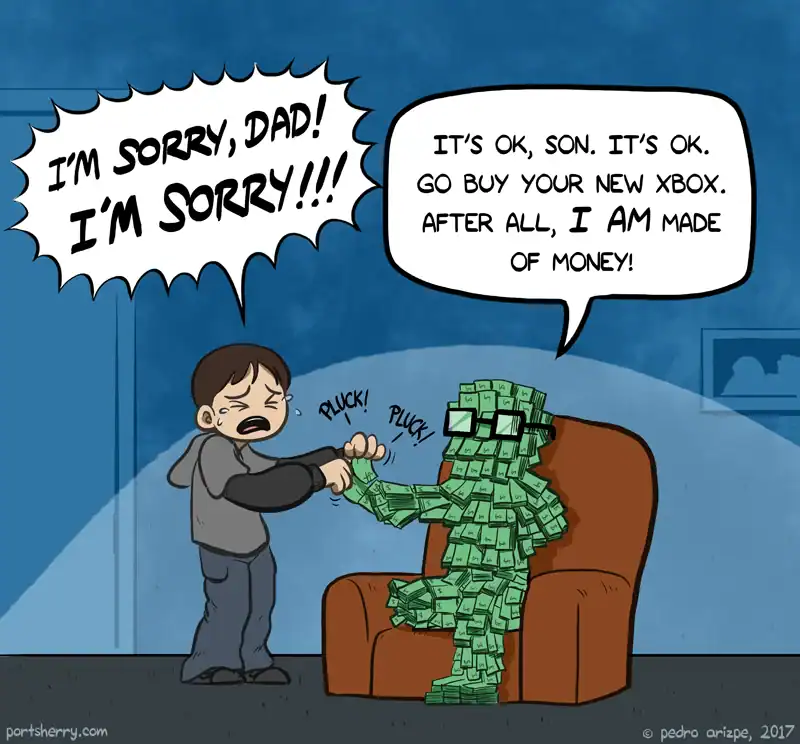
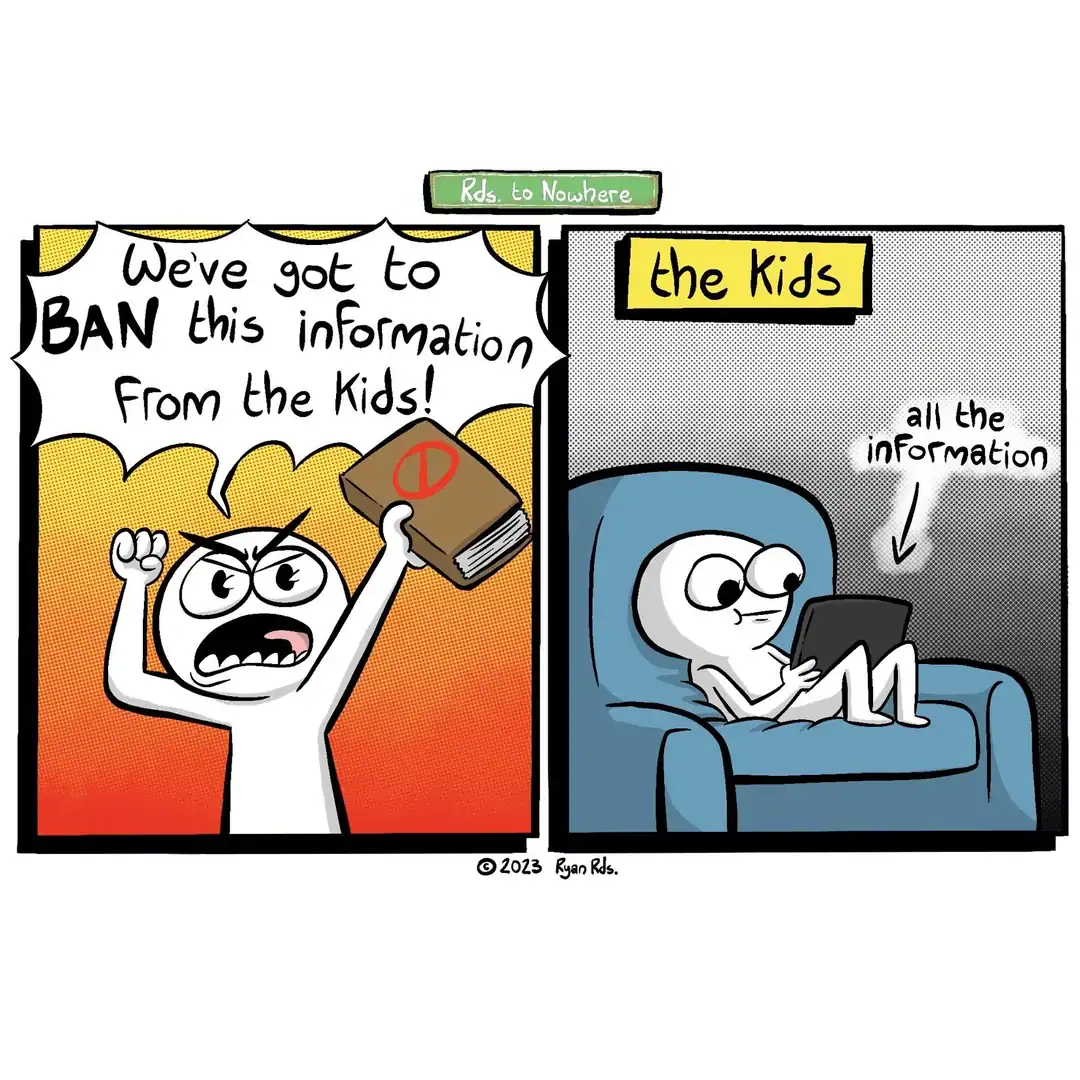
Funny webcomics occupy a space in internet culture that other short-form content formats approach but never quite reach, which is the space of the perfectly constructed joke. The meme format is immediate. The tweet is rapid. The webcomic has panels, which means it has structure, which means it has timing, which means the creator has made deliberate decisions about where the beat lands and how long the reader spends on each image before the turn. When that timing works — when the final panel hits with the force of a good line rather than the image already being visible from the first frame — the webcomic does something that almost no other internet format can do: it makes you feel the joke before you understand it, and then the understanding arrives.
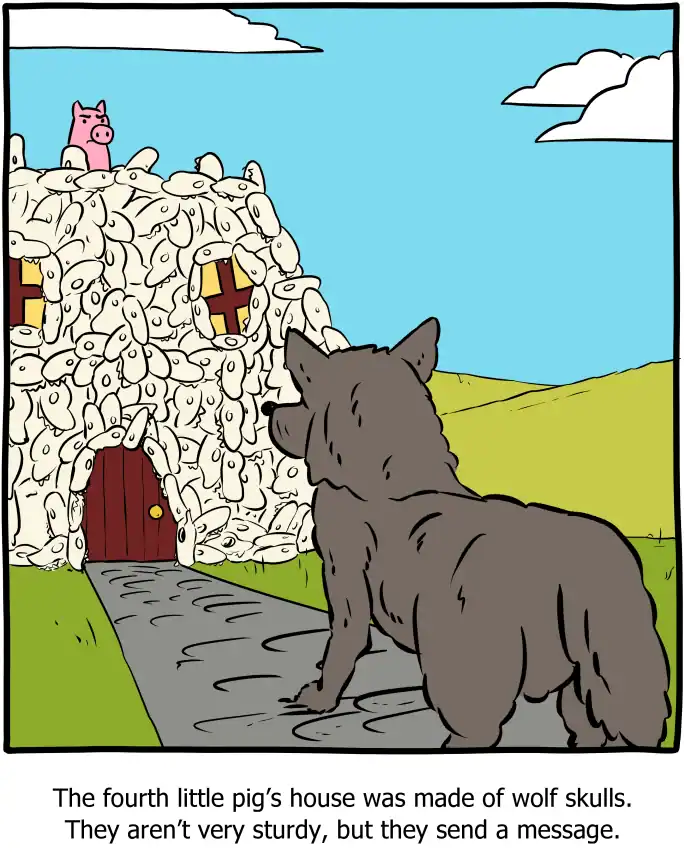
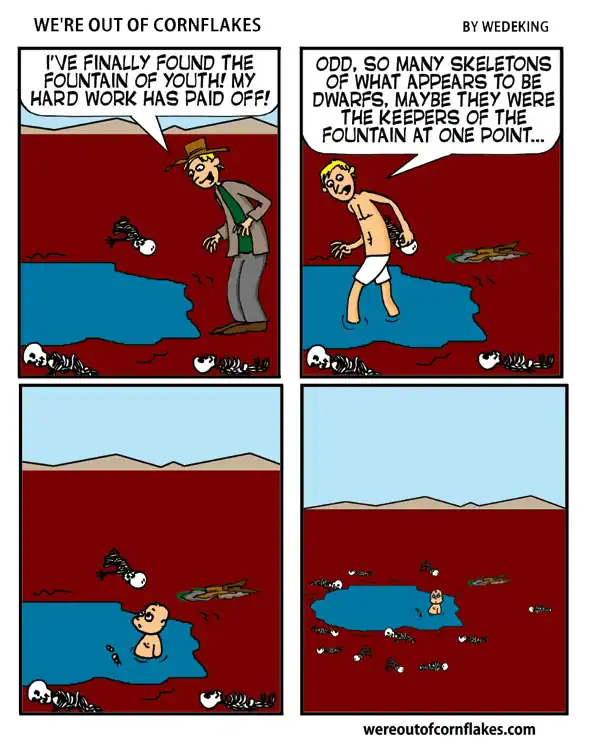
Online comics humor has always lived in the territory between the obvious and the surreal, and the best current creators understand that the territory is widest when the premise is most familiar. The fairy tale reimagined is a reliable vehicle not because the source material is weak but because the audience’s relationship with it is so established that any deviation from expectation registers immediately. The fourth pig’s architectural choices. Snow White’s employment practices. The dwarves’ occupational hazard. These land because everyone in the audience has the original stored completely, which means the gap between what was expected and what appears on the panel is the exact width of the laugh.
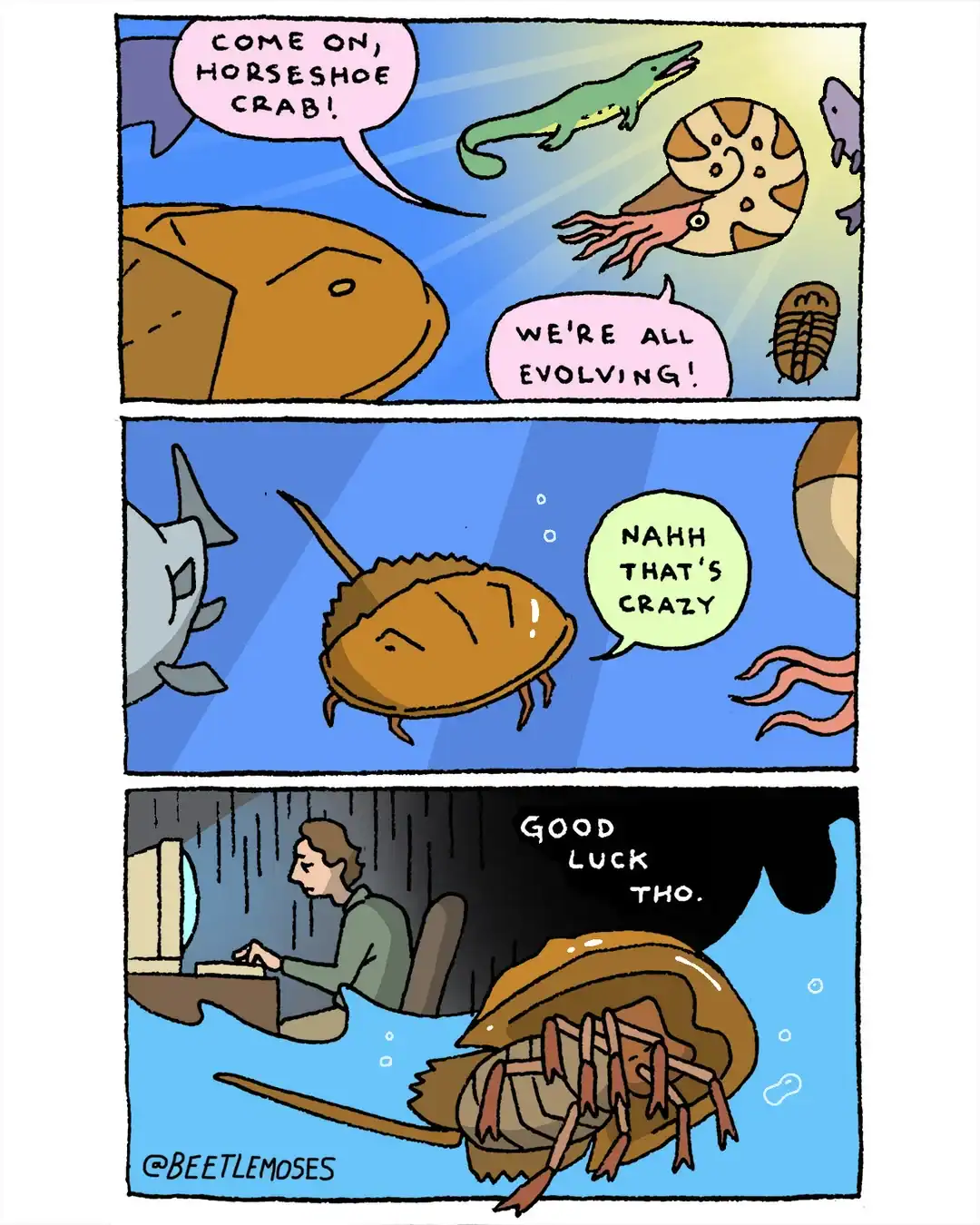
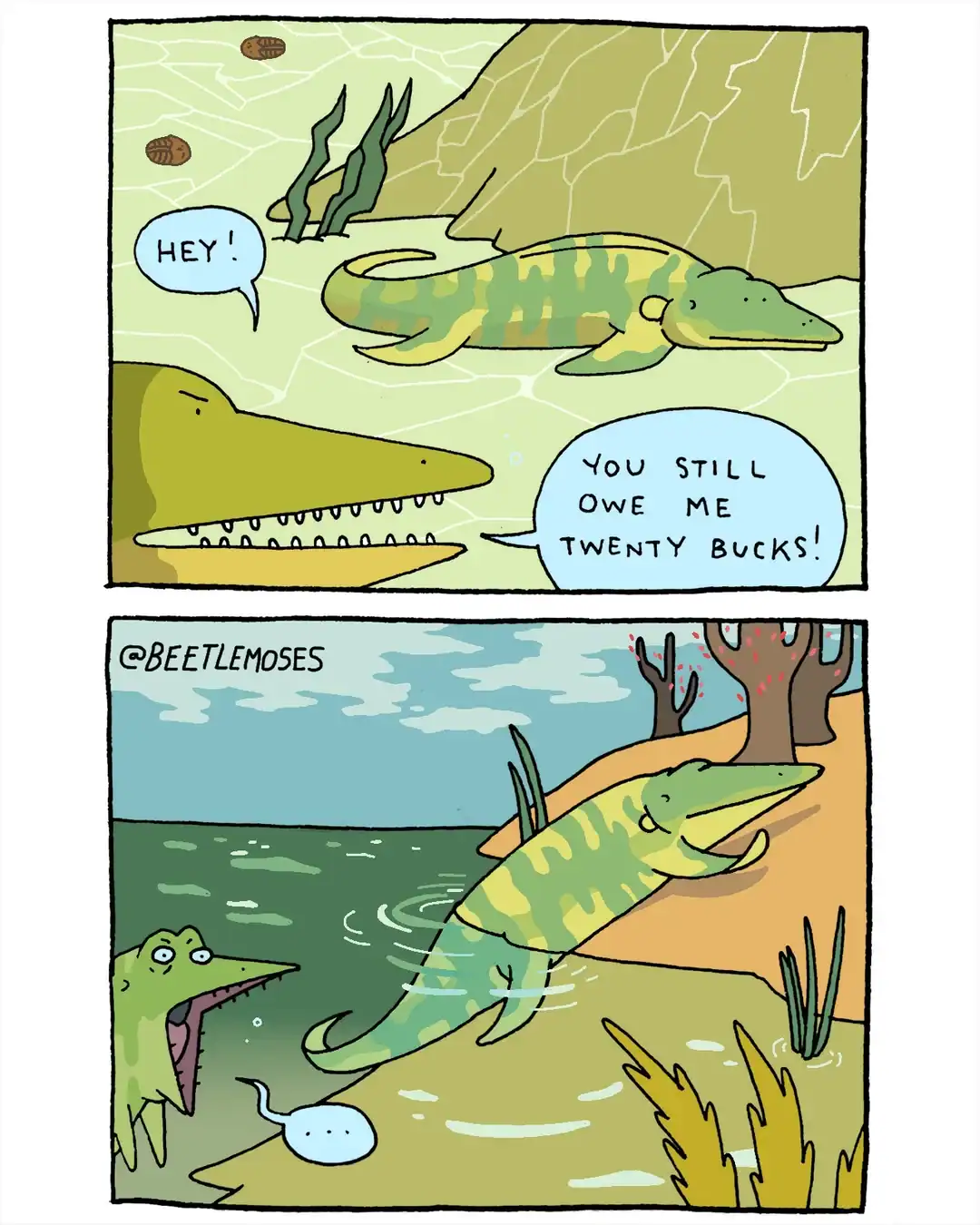
What distinguishes the webcomic from the meme or the tweet as a comedy format is also what makes it harder to make well: it asks for sustained attention, even briefly. The reader has to look at multiple panels, follow a sequence, hold the setup in mind while receiving the punchline. This is a longer transaction than a single image or a sentence, and the artists who make it work have figured out how to make that transaction feel effortless — how to make the setup invisible until the payoff makes it visible in retrospect. The horseshoe crab is funnier if you know how long evolution has been running. The mime larval stage is funnier if you consider how rarely anyone has asked the question. The webcomic format creates the space for that kind of compounding. The newspaper strip was never going to get there.
If this gallery has expanded your webcomic reading list, the artists represented here all maintain their work online and most have archives worth spending time in. Funny single-panel comics are a companion category for anyone who wants the punchline without the sequence. And for anyone drawn specifically to the evolutionary biology angle, animal humor and nature observation content is a well-populated space where the horseshoe crab has colleagues and the critique of the timeline is ongoing.
Read Memes
Get Paid


Jake Parker, known around the web as "Jay," is a digital writer with over 10 years of experience covering internet humor, meme trends, and viral content. Before joining Thunder Dungeon, Jay was the lead editor at MemeWire, where he helped curate memes that broke the internet, including coverage on trends like Distracted Boyfriend, Kombucha Girl, and Bernie Sanders’ Mittens. A self-proclaimed "professional procrastinator," Jay spends his downtime scrolling Reddit and Twitter to stay ahead of what's about to break the internet next.