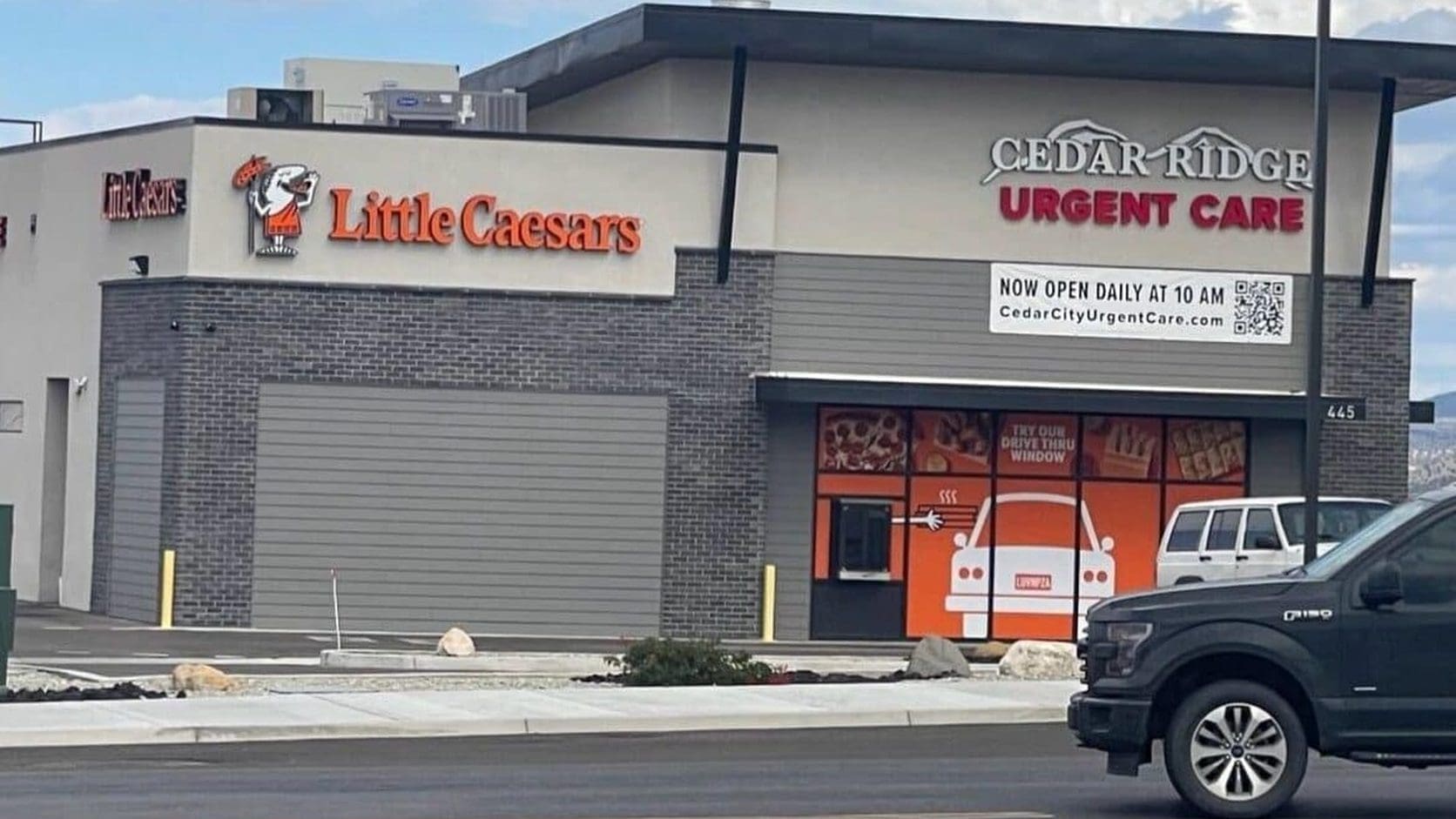
There is, somewhere in the Pacific Northwest, a building apparently designed by Frank Gehry to look like a pile of melted candy wrappers stacked next to a grocery store, and the building is celebrated as a landmark. These ugliest buildings in the world are the small ongoing catalog of architectural decisions that should have been caught at the sketching stage, and the catalog keeps growing. Office buildings shaped like fish. Apartment complexes that look like Soviet bunkers. Stacked-Jenga skyscrapers. Brace your eyes.

Frank Gehry is a genius, but this looks like a spaceship that crashed into a grocery store.

Medieval castle on top, unpermitted DIY project on the bottom.

Something about this design feels incredibly fishy.


A multi-billion dollar game of architectural Jenga that went too far.






Ugliest buildings in the world
Read More
There’s a specific brand of architectural failure that only happens when a famous architect is given an unlimited budget and no veto power, and the buildings that result from that combination are essentially the visual punchline to a decade of starchitect culture. The funny buildings filling galleries like this are not the work of amateurs. They are the work of professionals who had every resource available to them, and they used those resources to produce something that the surrounding community has, in many cases, been quietly hating ever since.
What makes the genre particularly satisfying is how often the failures fall into recognizable categories. There are buildings that wanted to be metaphorical and ended up too literal, like office complexes shaped like the animals they were meant to evoke. There are buildings that wanted to be daring and ended up overwhelming, with stacked components that look like a video game crash. The ugly building memes in this gallery work because the failures are not random. They are stylistically specific, and the specificity is funny on its own.
There’s also a strong recurring subgenre involving brutalist concrete structures that aged into something the architects probably did not anticipate. The municipal halls. The apartment towers. The hilarious architecture memes that come out of this category are not really laughing at the original design ideology. They are laughing at the gap between what brutalism wanted to communicate and what it actually communicates, fifty years later, to people walking past.
The broader thing this whole genre captures, beyond the easy laughs at each specific structure, is the way buildings, more than almost any other art form, get to stay around long after the cultural moment that created them has passed. A bad painting can be moved to a basement. A bad song can be forgotten. A bad building, in many cases, has to stay where it is for fifty, eighty, a hundred years, slowly outlasting the design language that justified it, and the community has to walk past it the whole time.
There’s also something quietly democratizing about how the ugly building genre has developed online. Architecture used to be the domain of critics, academics, and a small professional class. The internet has given everybody an opinion, and the opinions, when aggregated, are often sharper and funnier than the official critical response. The architects in these galleries are getting reviewed by an audience that the official review process never anticipated, and the audience is, frankly, ruthless.
The building stays. The opinions accumulate. The future generations will, eventually, have to figure out what to do with these.
If the architectural chaos was your kind of fun, our design fail content is right where you’d want to land next, and we’ve got plenty of bad construction archives, urban planning disasters, and home renovation horror stories for anyone who appreciates a good blueprint going wrong. Look up next time you walk past.
Read Memes
Get Paid


Alex Thompson has been chronicling internet culture and meme phenomena for nearly seven years. Starting at CollegeHumor and later becoming lead meme editor at Mashable, Alex has covered everything from vintage internet memes like Rickrolling to recent viral events such as Corn Kid and Grimace Shake. With a keen eye for what connects and entertains digital audiences, Alex writes with humor, relatability, and deep knowledge of online culture. At Thunder Dungeon, Alex is the go-to source for meme analysis, viral breakdowns, and internet nostalgia.