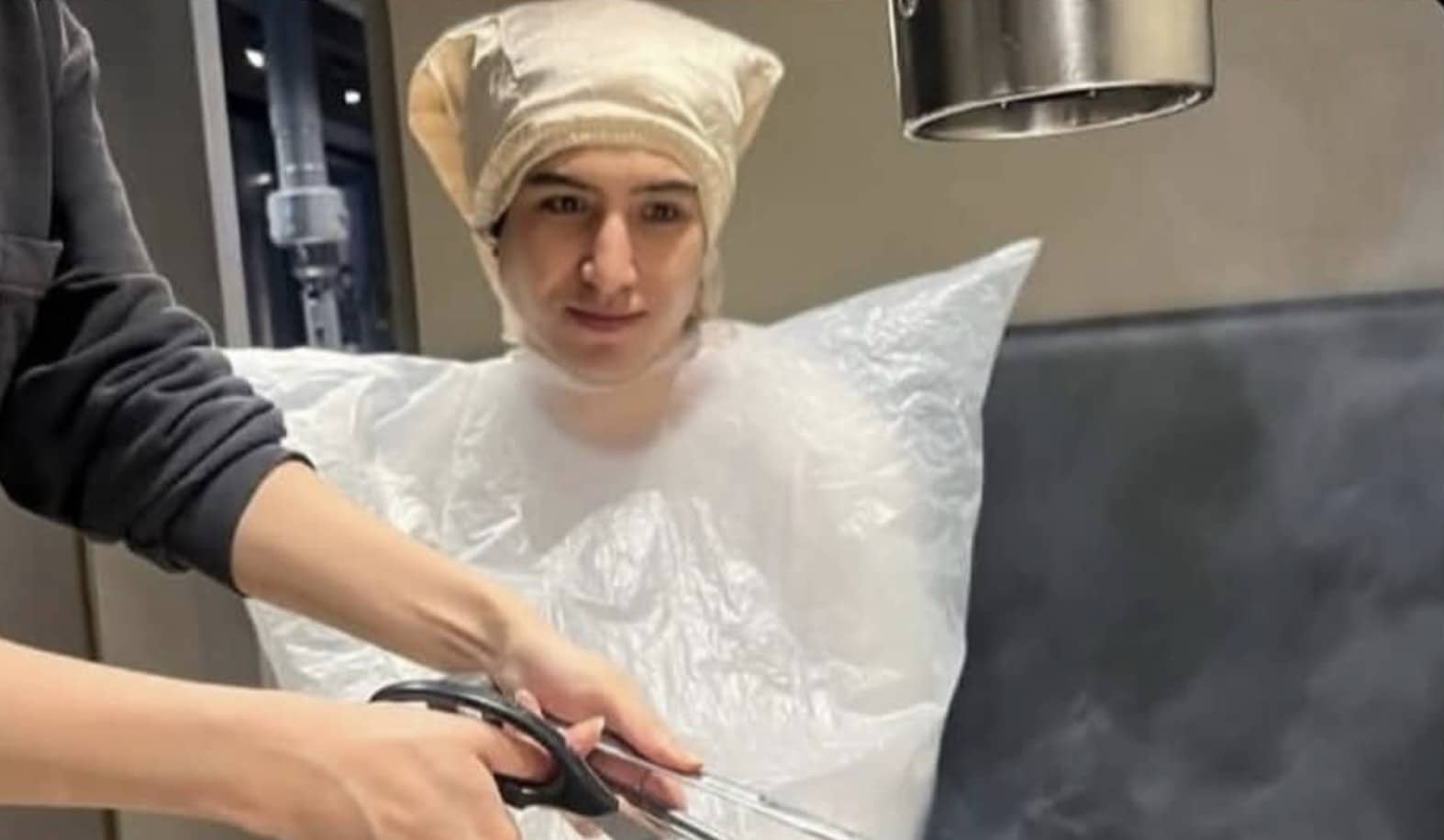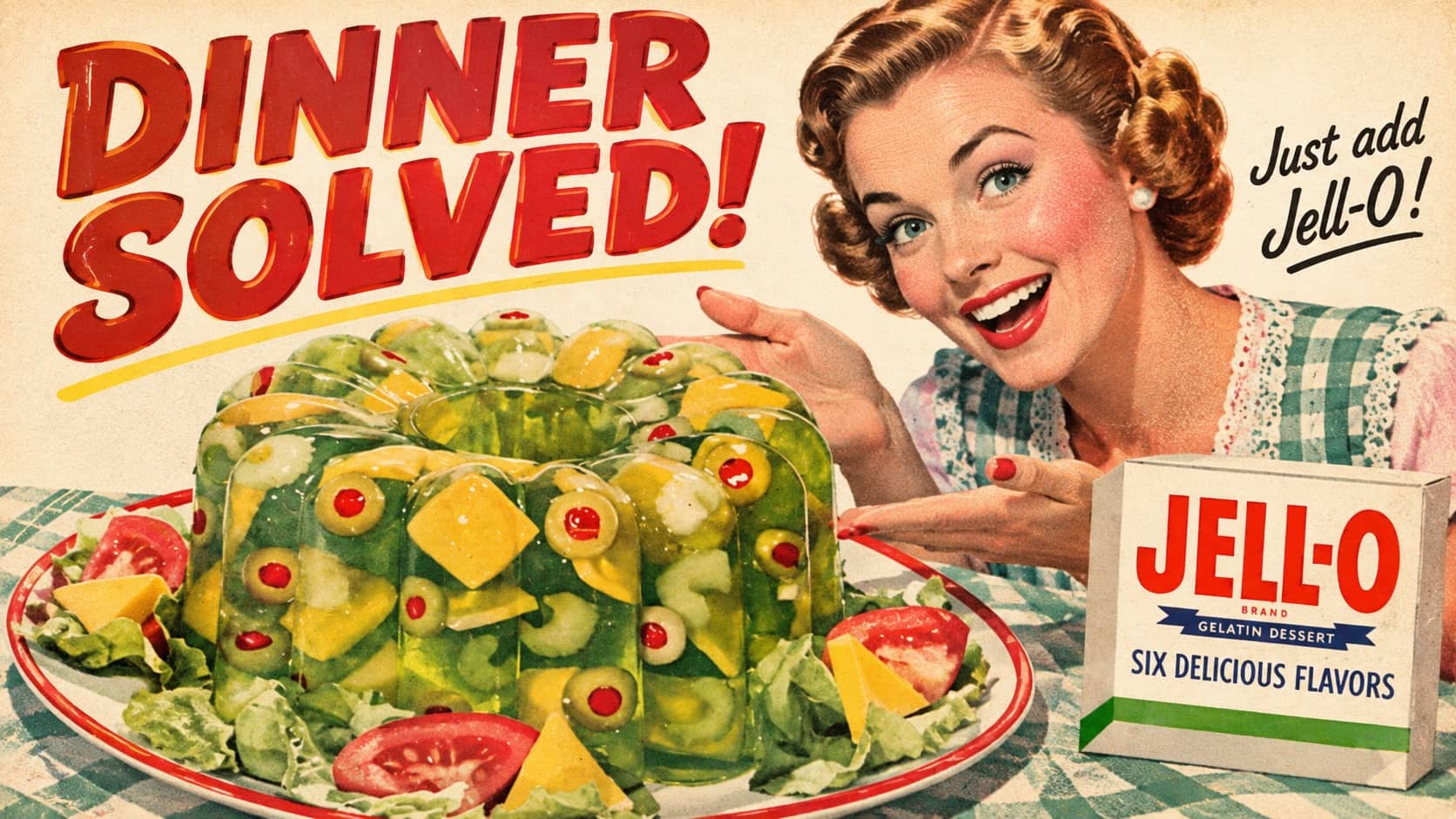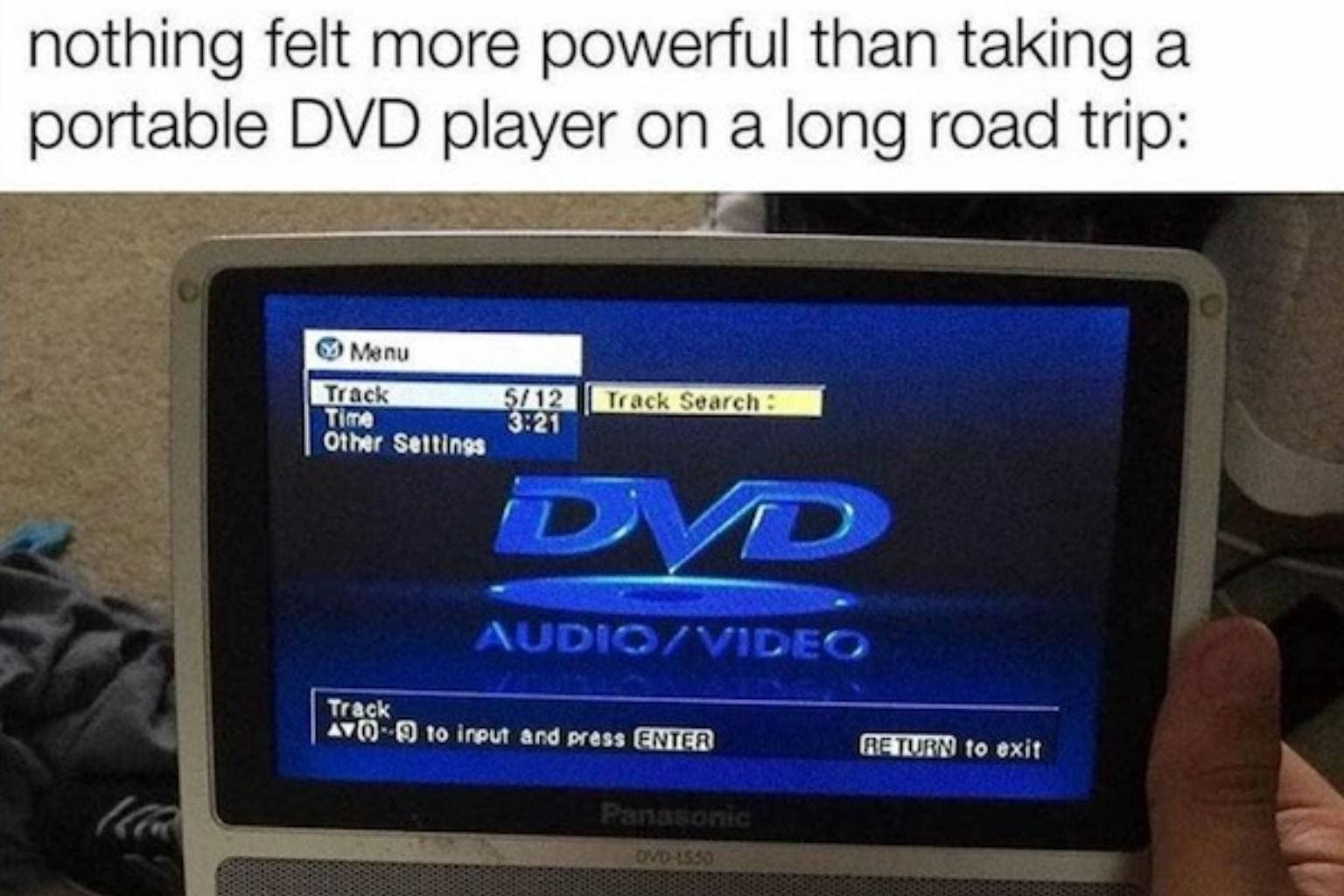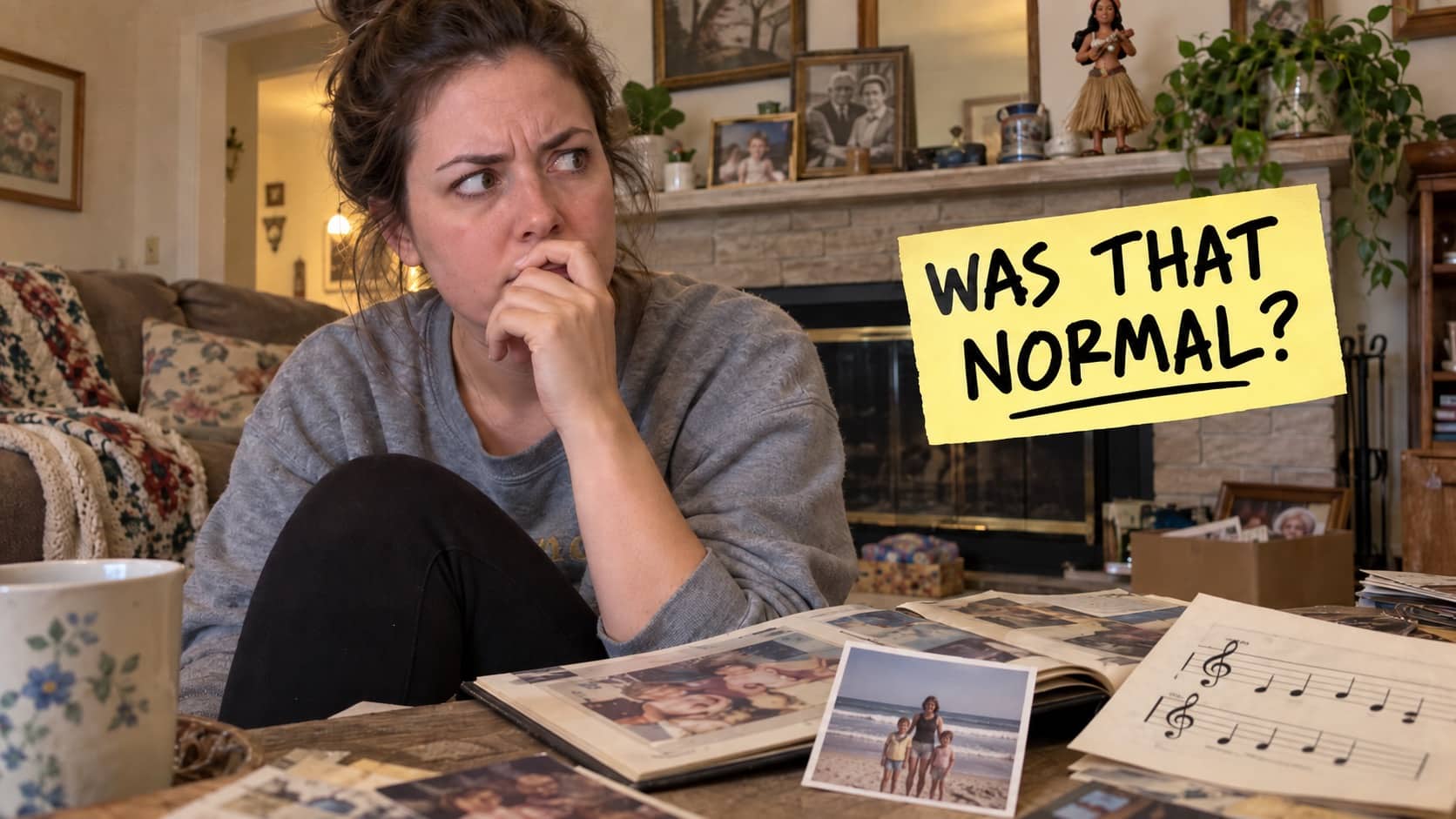

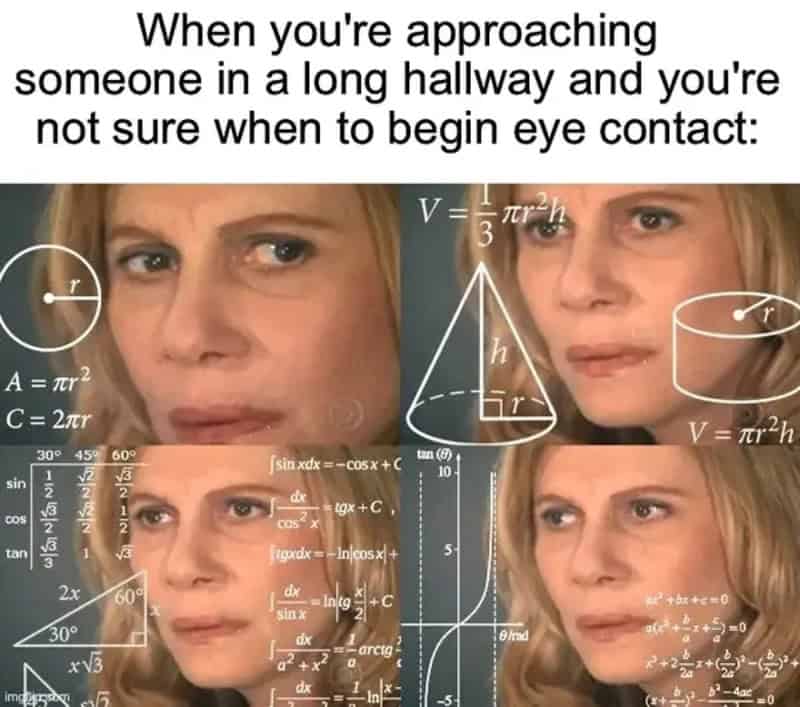
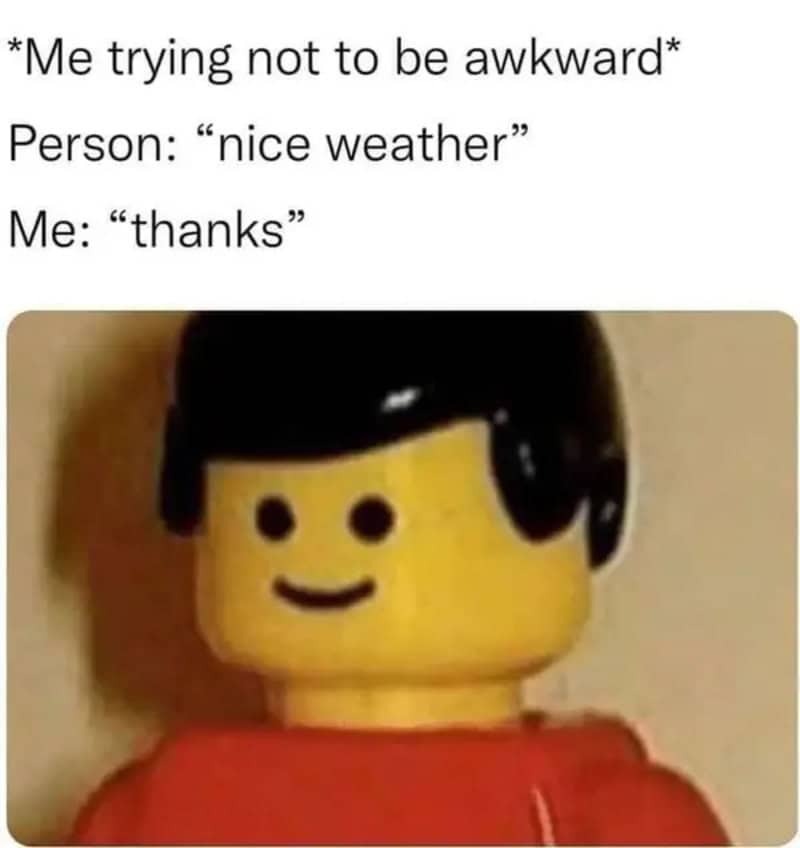
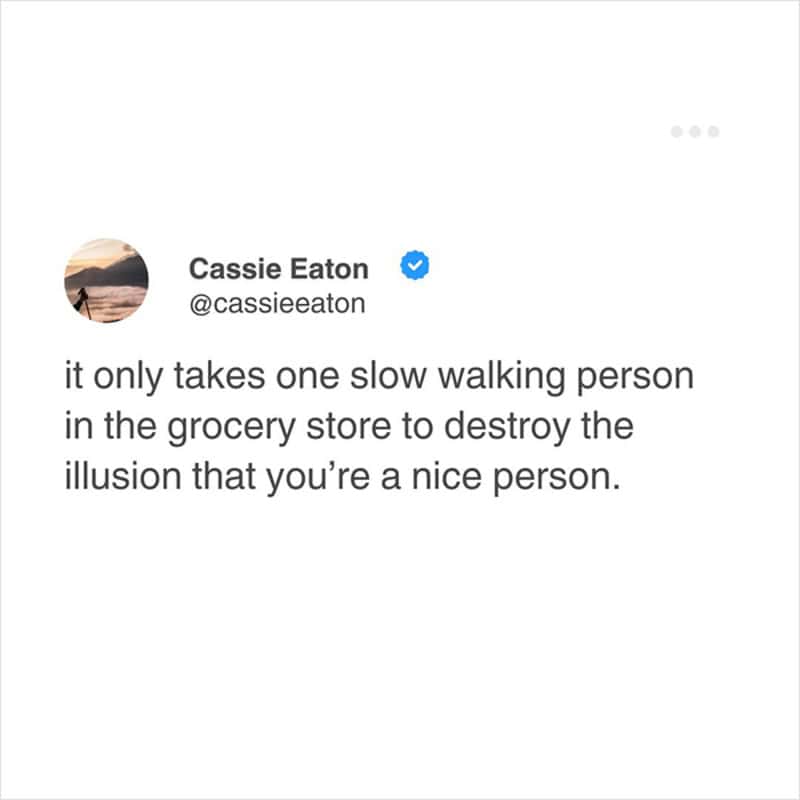
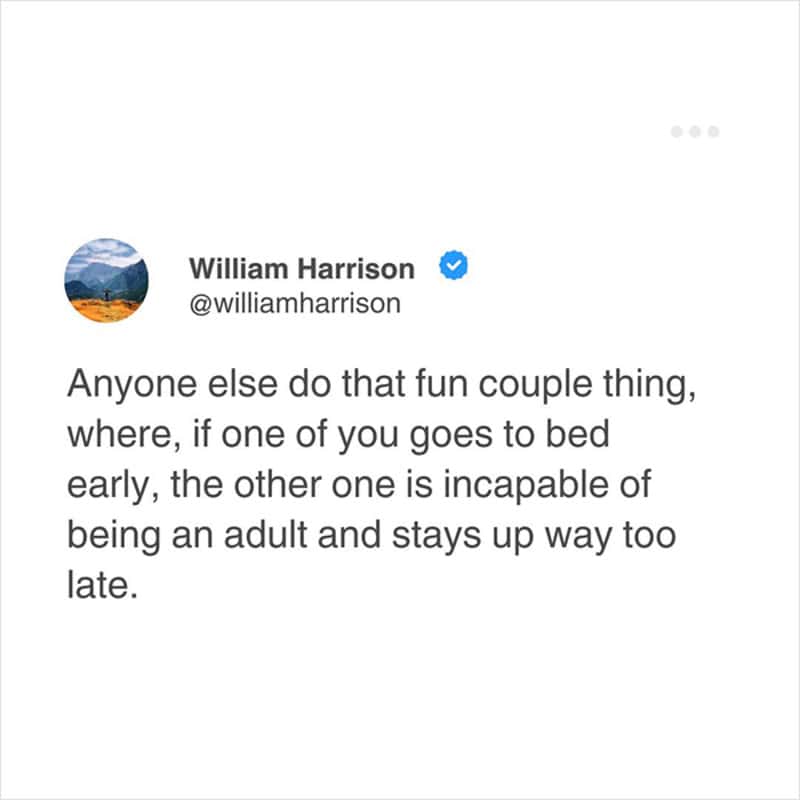
There is a category of thought that lives just below the level of conscious awareness — not quite a worry, not quite a decision, but something more like background processing that the brain runs automatically in social situations without ever announcing itself. The hallway eye contact calculation. The TSA security spiral. The birthday song countdown. These are not dramatic experiences. They are the micro-experiences that compose a significant percentage of daily life and that, until someone puts them in a meme, have no name and no community. Relatable memes in this register do something specific: they surface the thought, name it, and send it to forty thousand people simultaneously, and forty thousand people all experience the same recognition at the same moment. That collective “how did they know” is the most social media has ever delivered on its original premise.
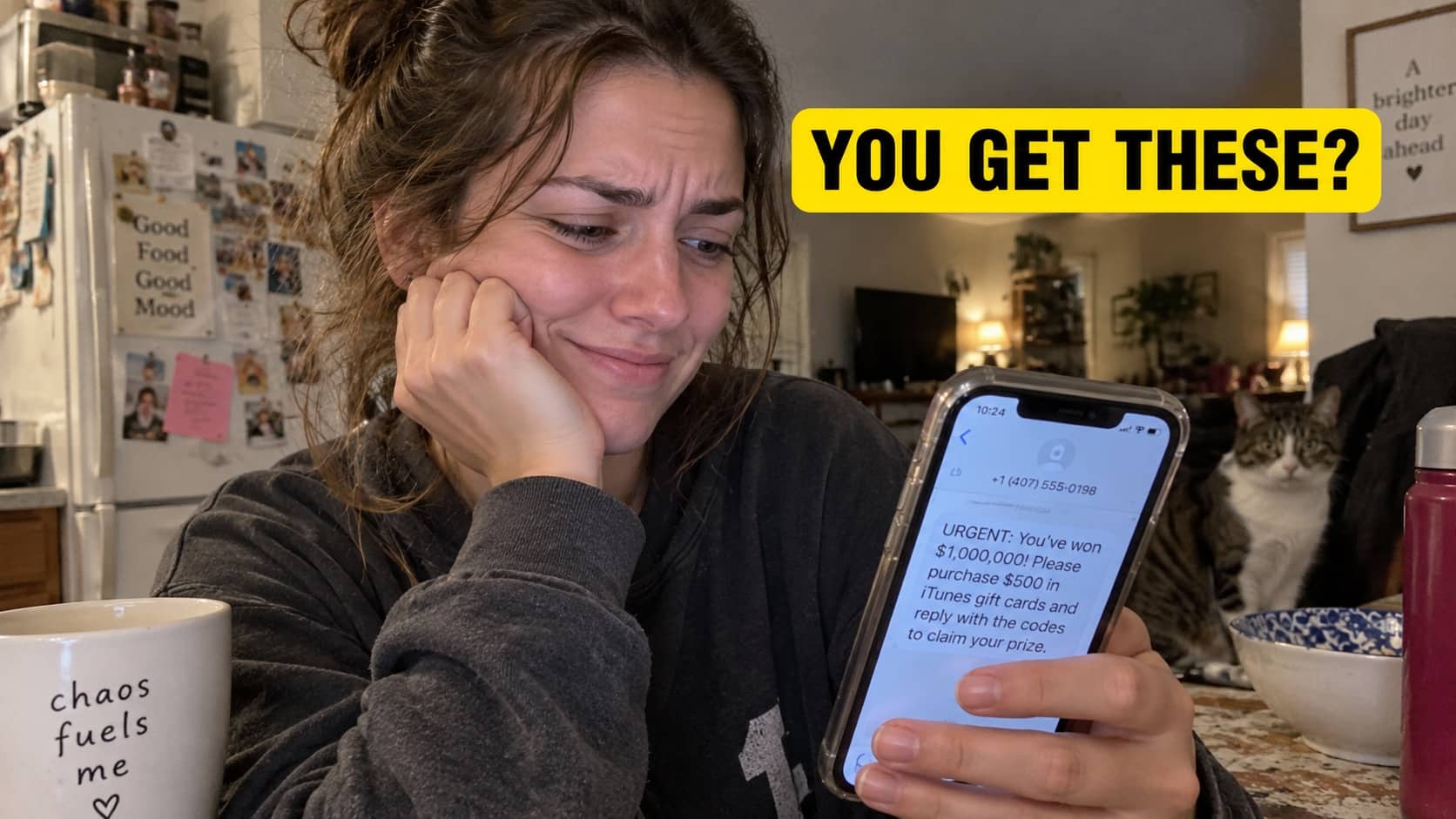
A relationship built entirely on pretending to look at your phone.
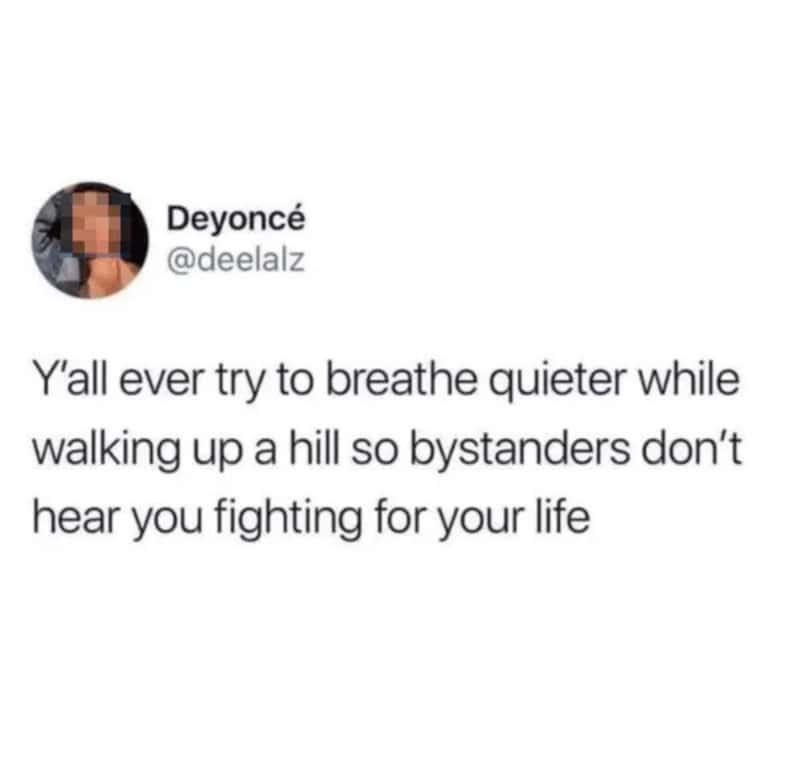
Lungs screaming. Face neutral.
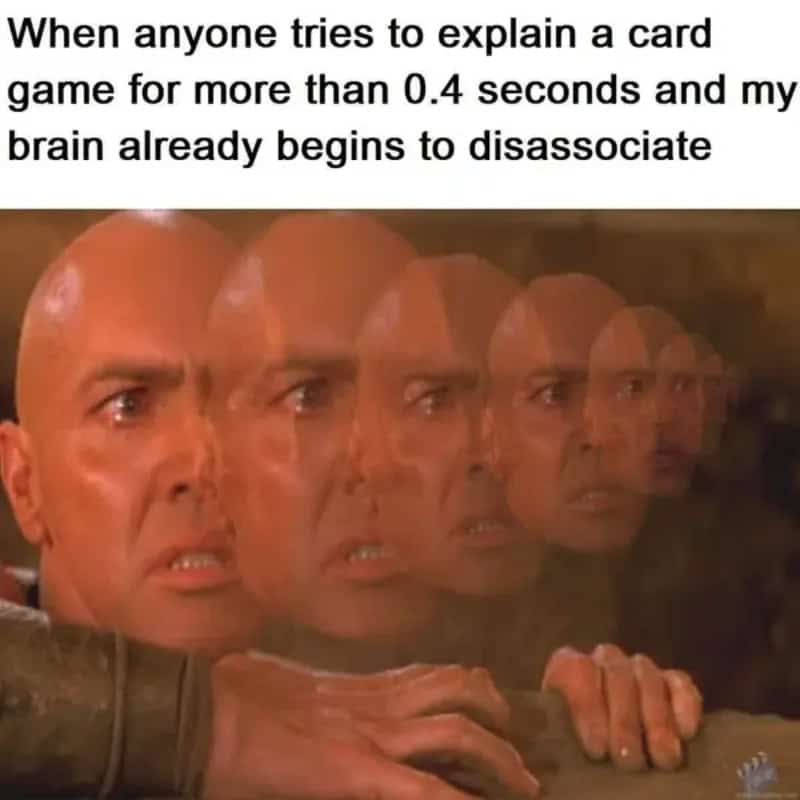
So the red cards beat the blue cards unless—" My soul: leaving the chat.

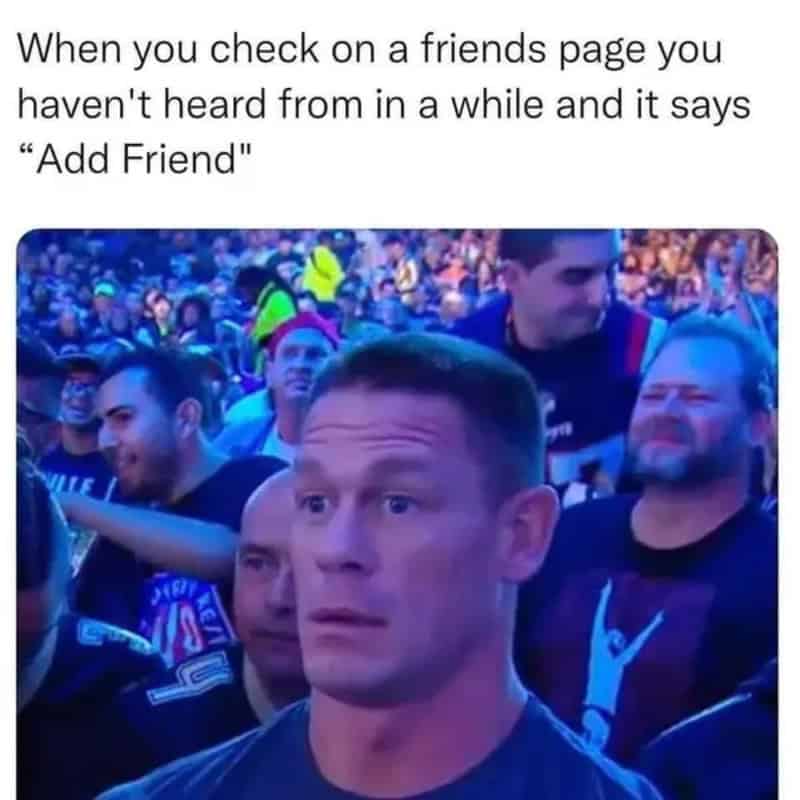
A betrayal worse than being left on read.
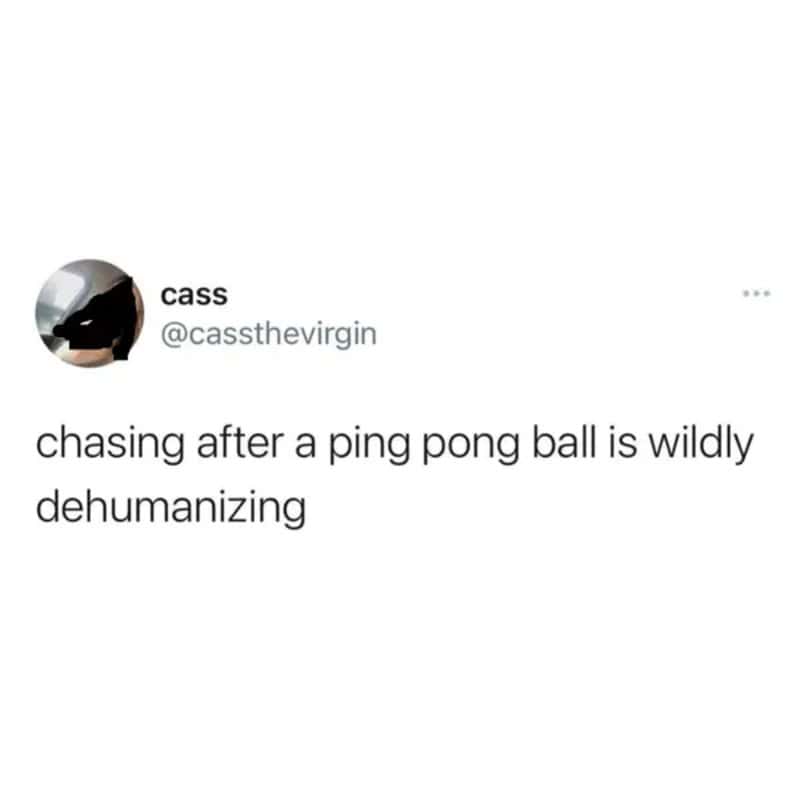
No one wins. The ball wins.
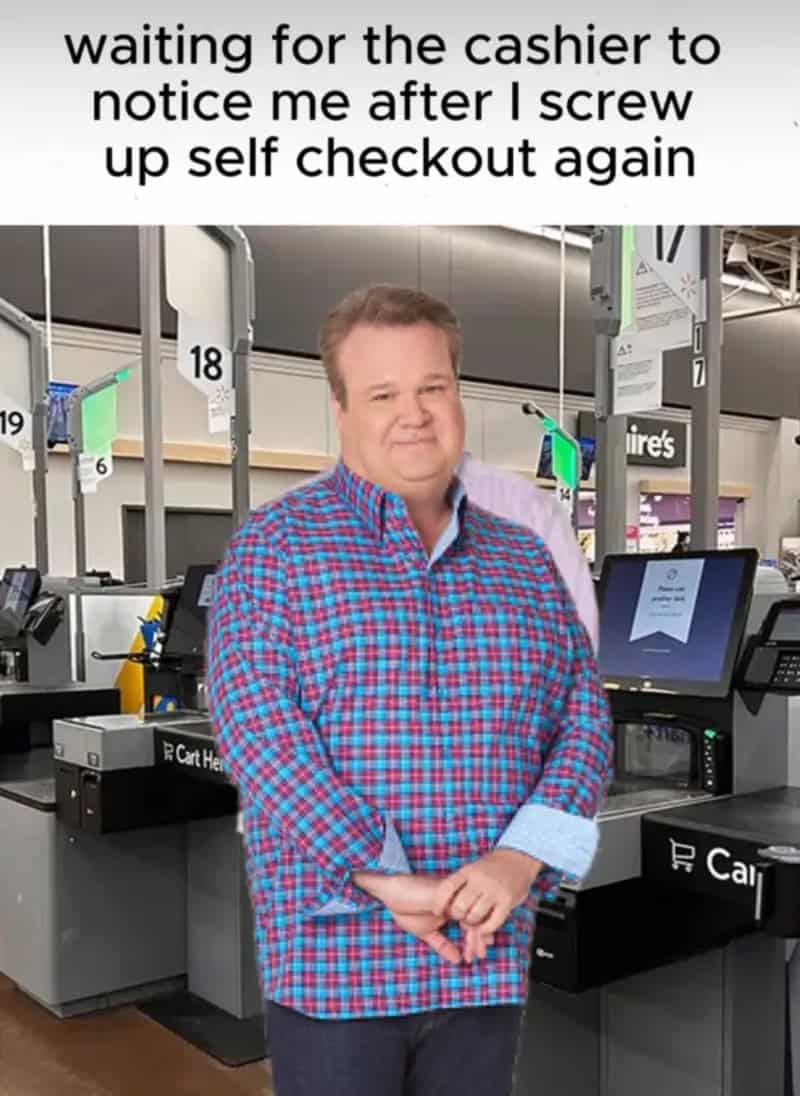
"Unexpected item in bagging area" has ruined more lives than we admit.
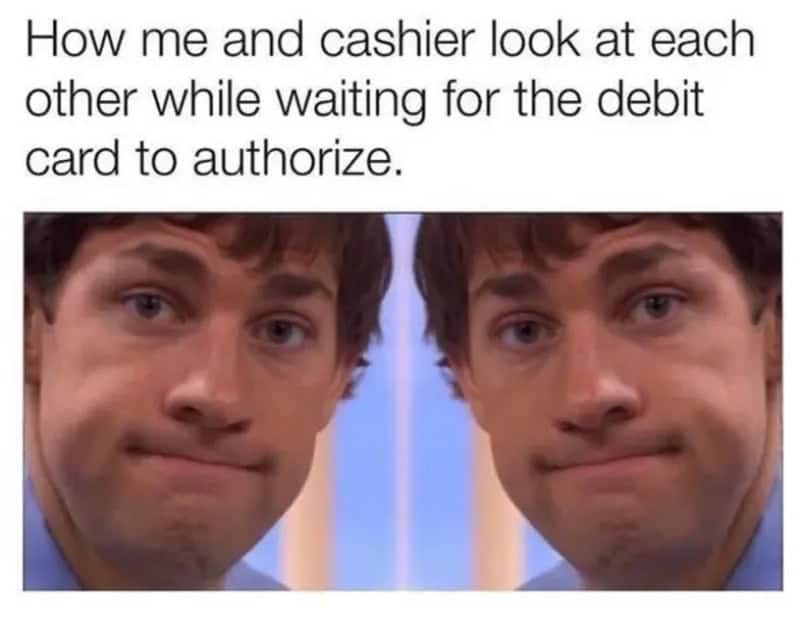
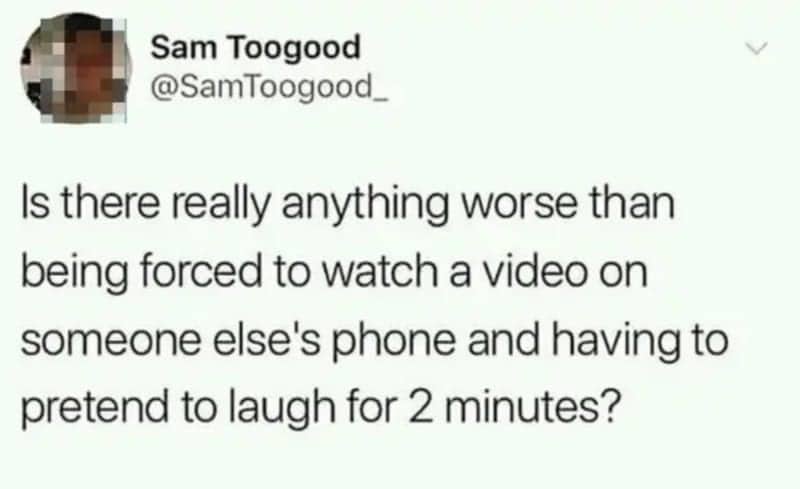
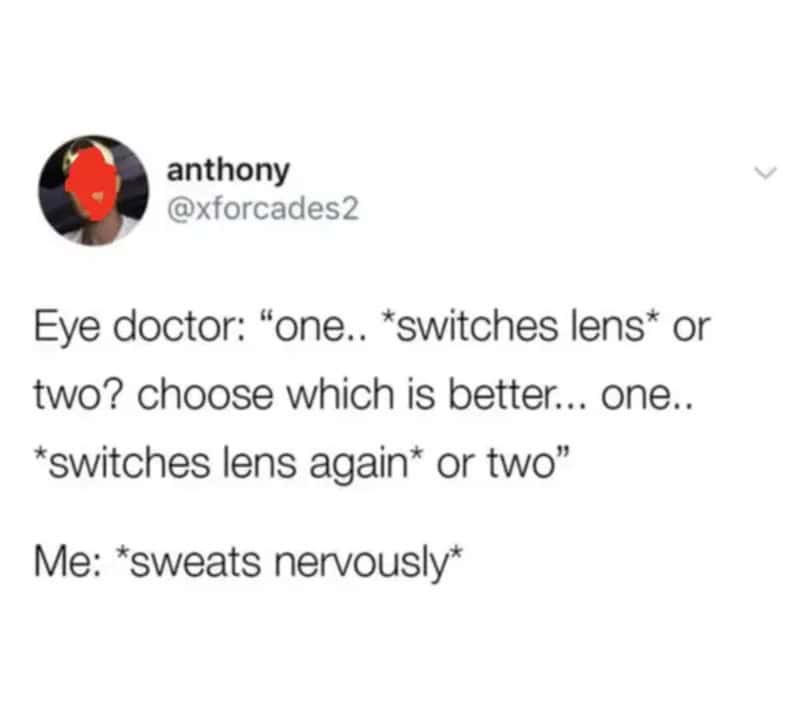

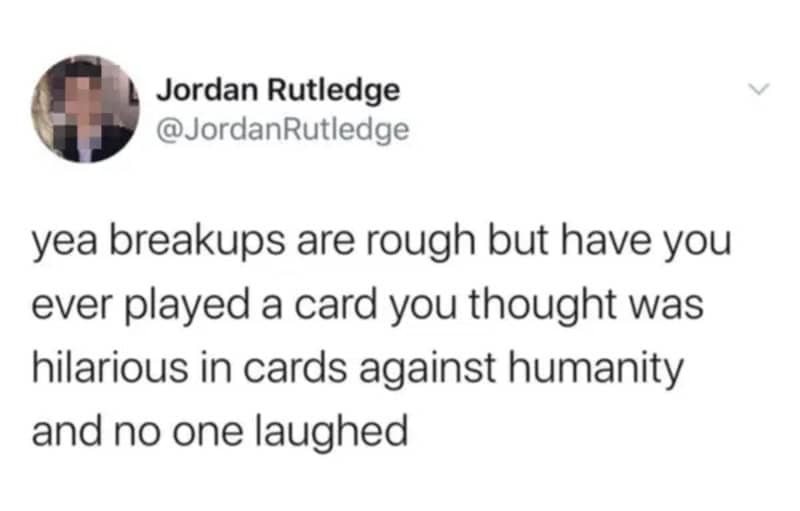
A grief no therapist can address.

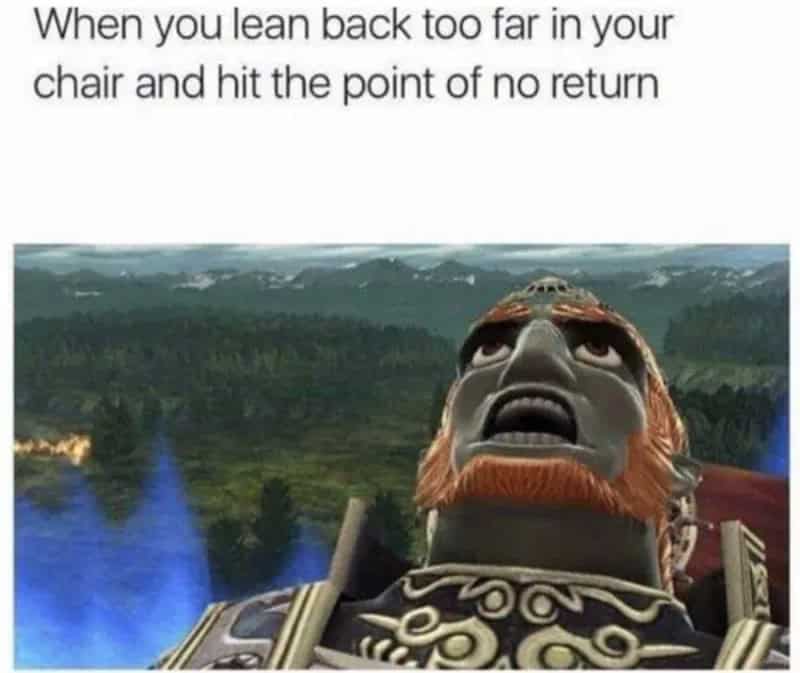
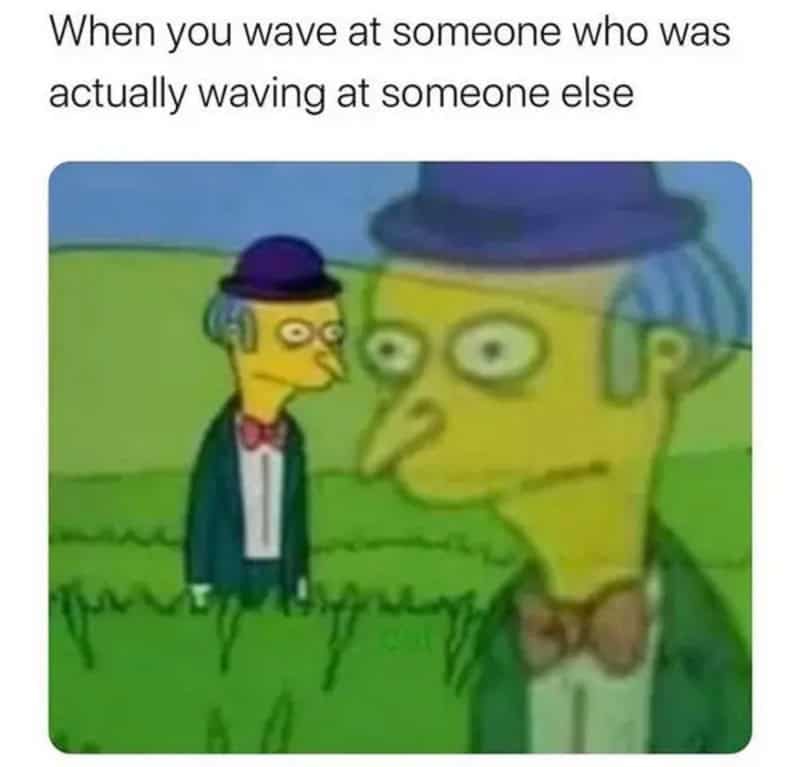
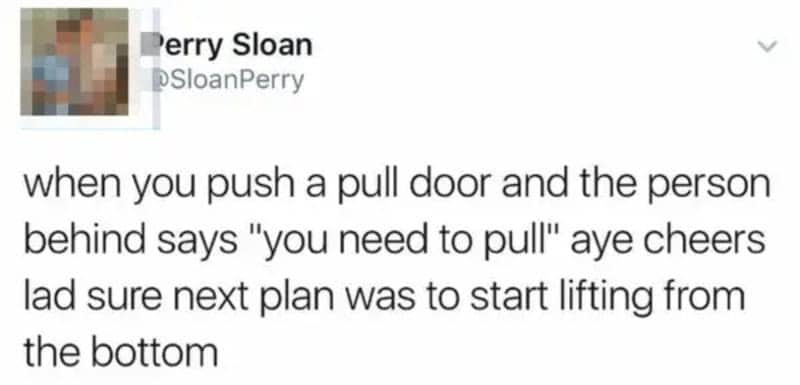
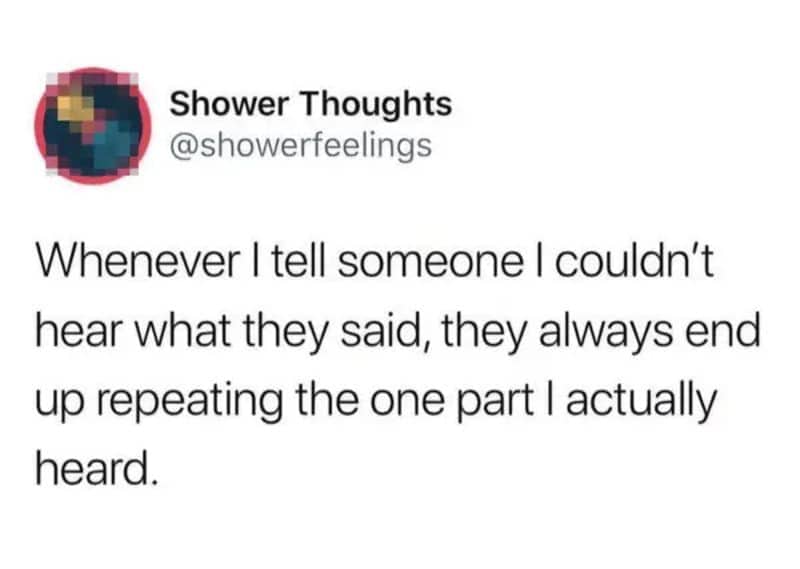


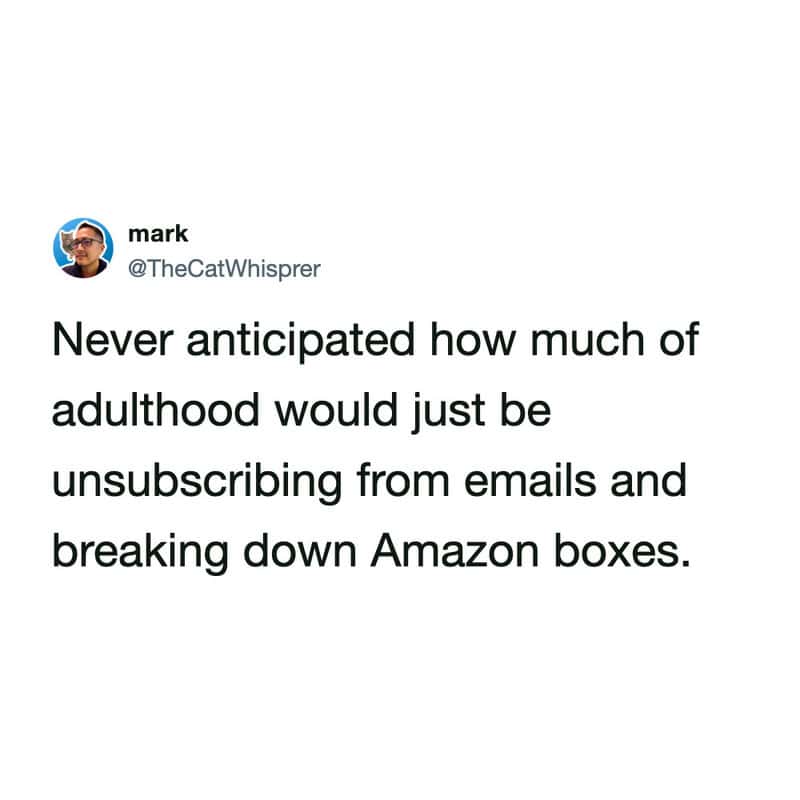
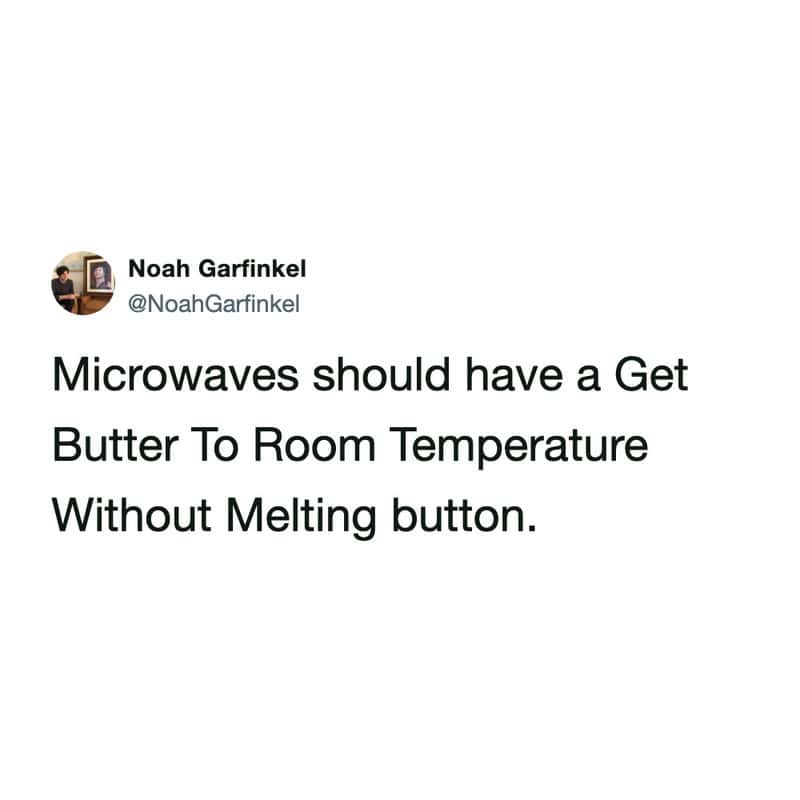
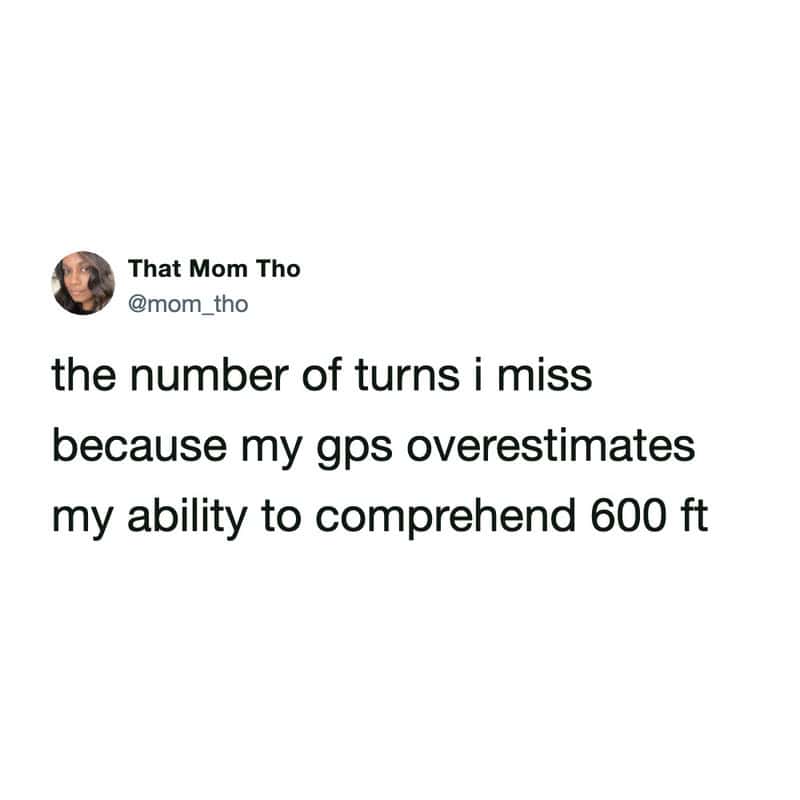


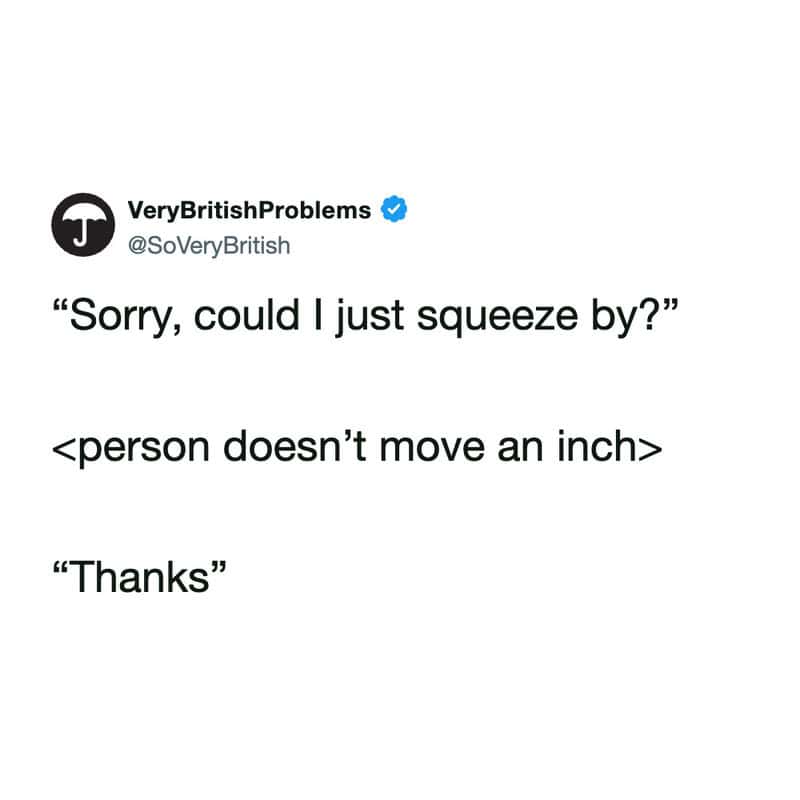
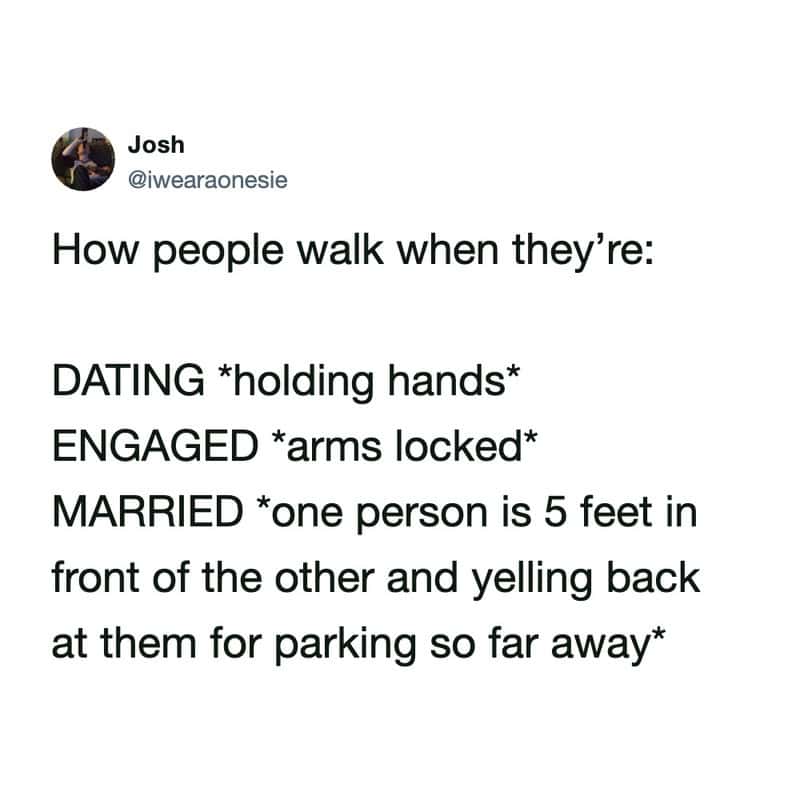

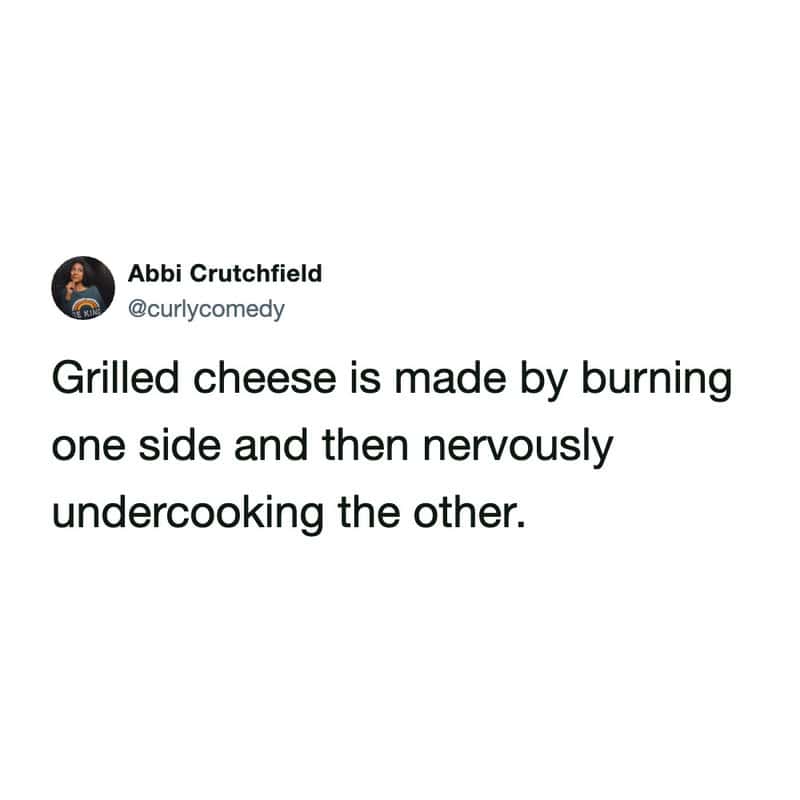
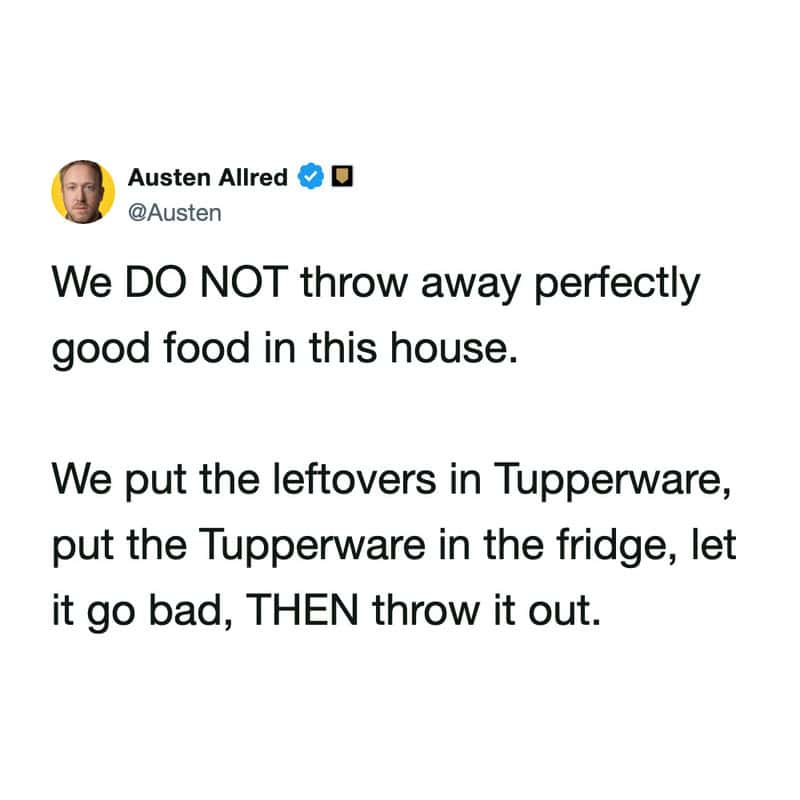

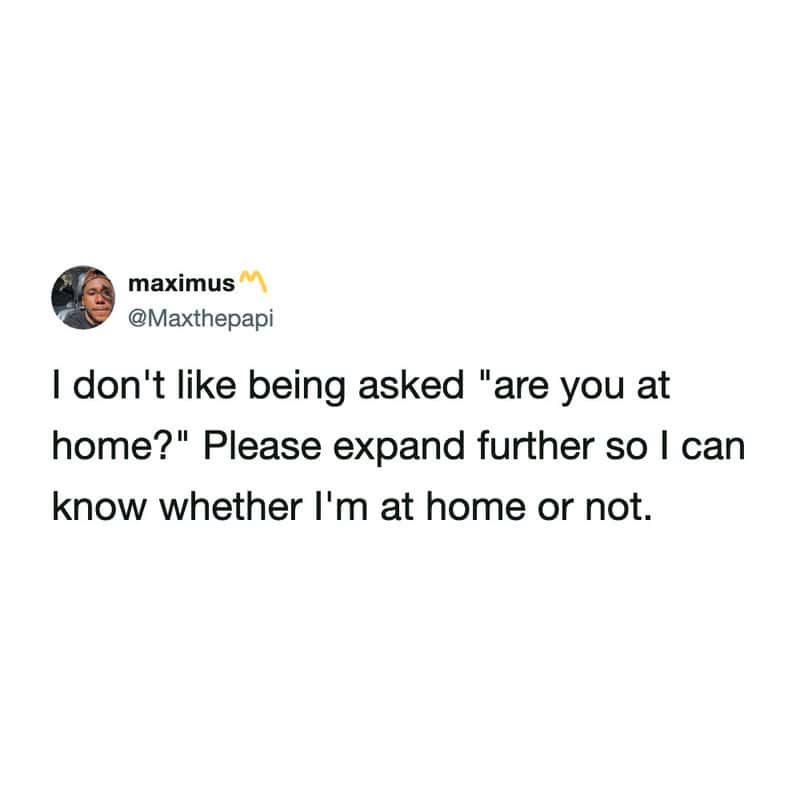


Relatable memes
Read More
The social anxiety comedy genre occupies a territory that is both extremely specific and completely universal, which is the unusual combination that produces viral content. Everyone has experienced the bowling return walk — the specific performance required to walk back from the lane toward your group after throwing the ball, where the arms don’t know what to do and every second feels longer than the actual game. But nobody, until the tweet, had a name for it. This is what funny anxious thoughts content provides: vocabulary for the experiences that were always there, sitting in everyone’s nervous system, waiting for someone to write them down. The recognition is immediate because the experience was already there. The meme just introduced it to itself.
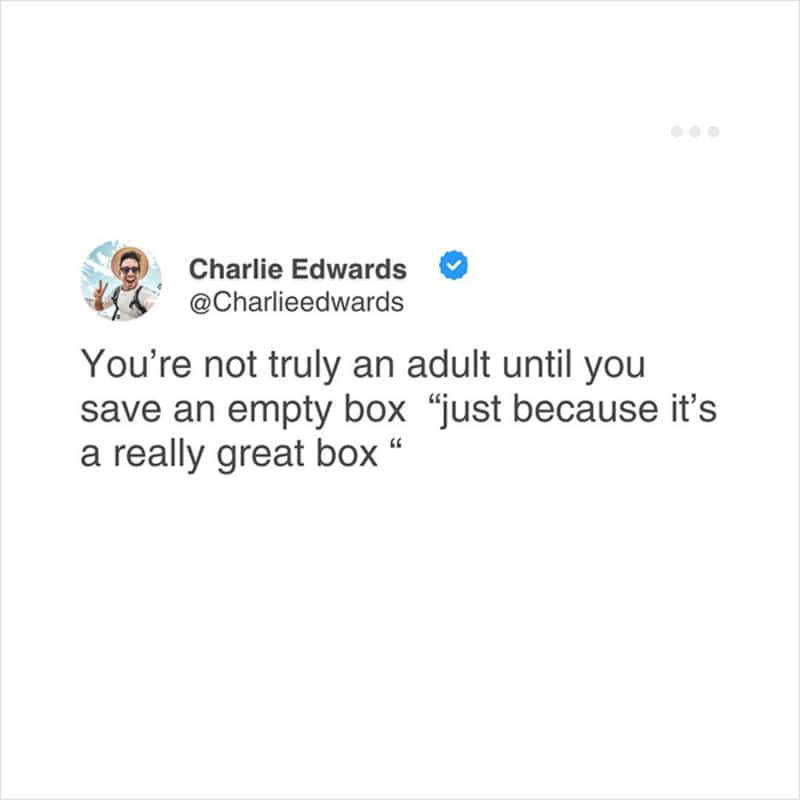
The adulting hall of shame category is the gallery’s most universal section because it reaches across every demographic in the audience. Using a calculator for simple arithmetic is not a generational experience. It is a human one — the gap between “I should know this” and “I genuinely do not want to do the math in my head when the machine is right there” exists in everyone who has ever held a smartphone and needed to know what fifteen percent of a dinner bill is. Airport security anxiety is not specific to frequent travelers. It is the specific product of knowing you are innocent and somehow not fully trusting that information under institutional scrutiny. These are not personality traits. They are the shared firmware of the modern person, and the memes that name them produce the particular relief of having a thing diagnosed that you thought was only yours.
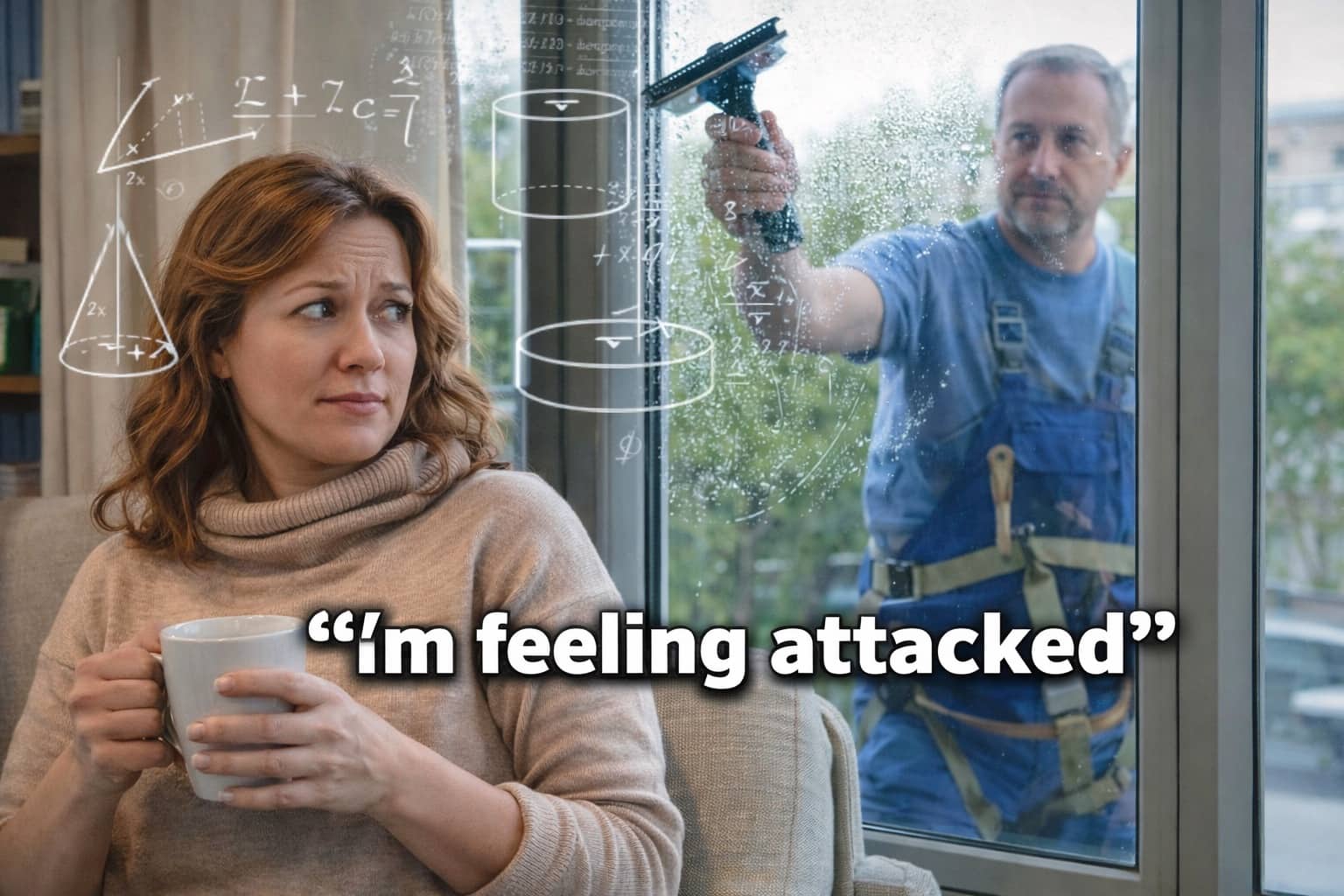
The window cleaner entry deserves its own extended moment because it represents the purest version of what relatable social memes do at their best. The situation is not dramatic. Nobody is in danger. The stakes are zero. And yet the experience of being inside your own home while a stranger cleans the outside of your window produces a genuinely unnavigable social situation with no clear protocol and no available exit. Where do you look? What do you do with your face? Are you supposed to acknowledge it? The question has never been answered, the situation keeps occurring, and the meme is the first honest public accounting of how genuinely strange it is. The tweet has been seen by thousands of people who had the exact experience and felt the exact confusion and are now, finally, not alone in the glass-cleaning void.
If this gallery made you tag three people before you finished reading it, relatable anxiety memes are a well-populated and continuously growing category where the social situation archive is being expanded daily by people who have found their specific experience and need to confirm that others share it. Awkward social moments broadly belong right beside it. And for anyone who found the eye exam entry most resonant, overthinking memes are a companion space where the calculator for simple math and the lens-choice paralysis are well-documented as symptoms of the same underlying condition, which is being a person with a brain that will not leave well enough alone.
Read Memes
Get Paid

Laura Bennett has spent eight years immersed in internet culture, specializing in deep dives into meme origins, evolving meme trends, and digital subcultures. As a contributor for several prominent online platforms, including BuzzFeed’s meme division and Know Your Meme, she’s written extensively about viral moments from Crying Jordan to Woman Yelling at a Cat. Laura believes memes aren't just internet jokes—they're modern-day folklore. She brings that passion to Thunder Dungeon by keeping readers connected to what's culturally significant, hilarious, and timelessly viral.