
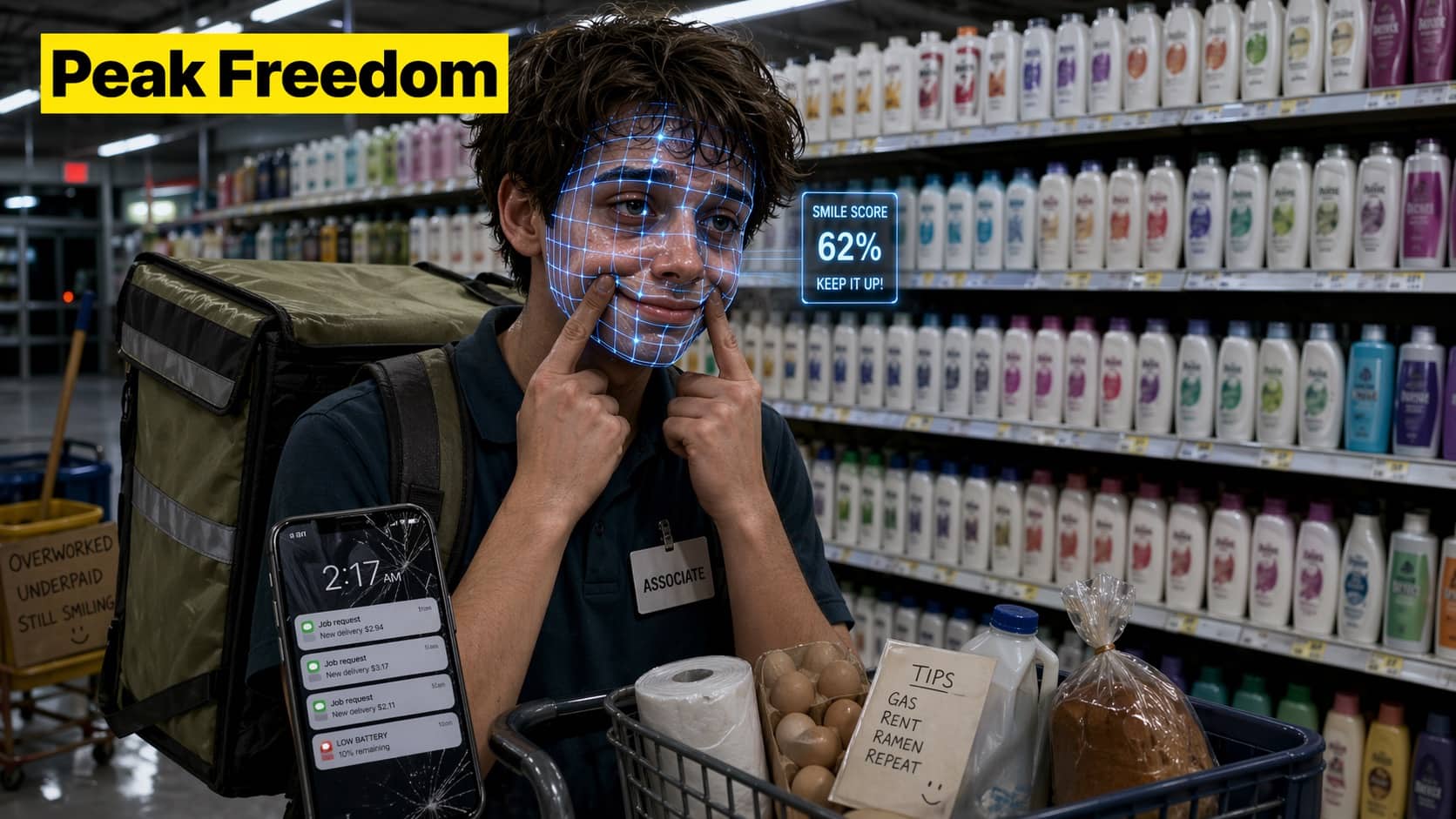

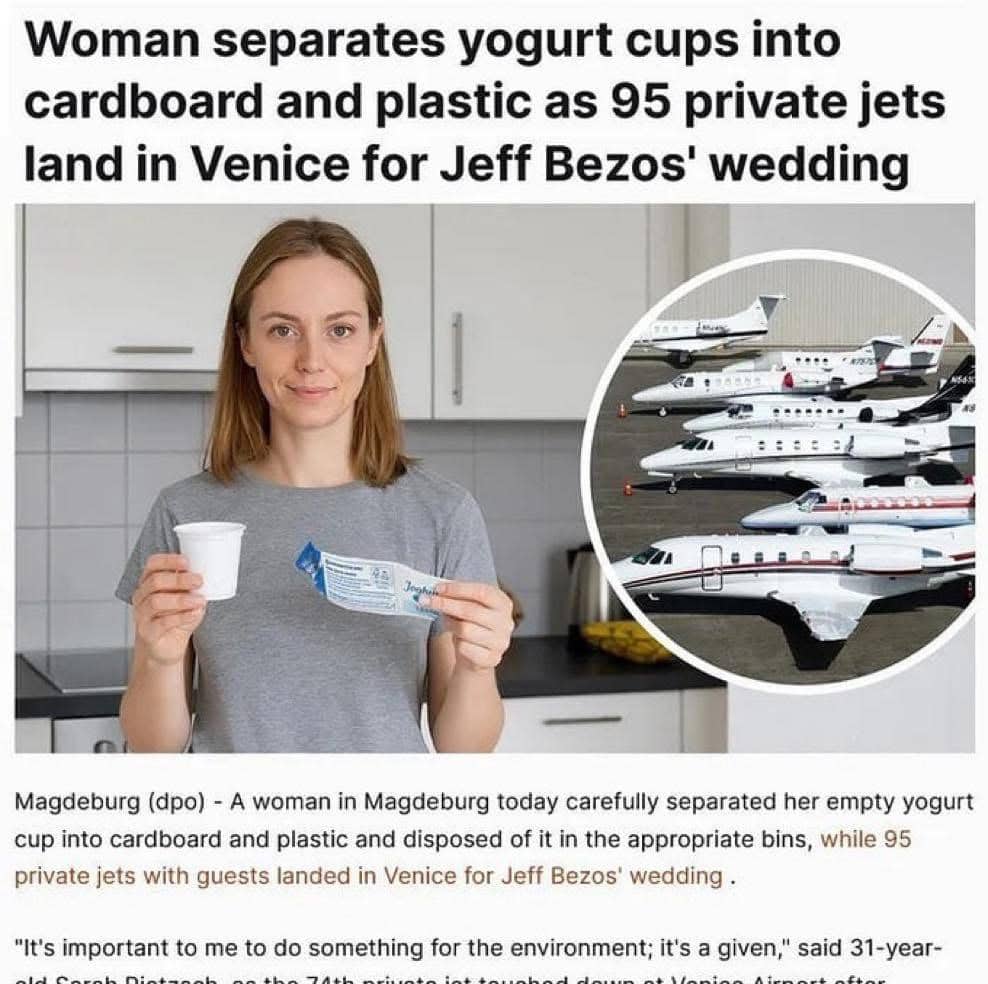
There is a specific register that economic dread humor operates in, and it is not the register of a manifesto. It is the register of someone who has done the math on their own situation, found the numbers unpleasant, and decided that the most available response was to post something dry and accurate and forward it to their coworkers before the next meeting. Capitalist memes are not optimistic. They are not particularly revolutionary. They are the humor of people who understand the system well enough to see the specific absurdity inside it, not the abstract wrongness, but the concrete, documentable, screenshot-able wrongness of a warehouse that has air conditioning for its robots and not for its human workers, and the tweet that says “not a fun fact” underneath the documentation.
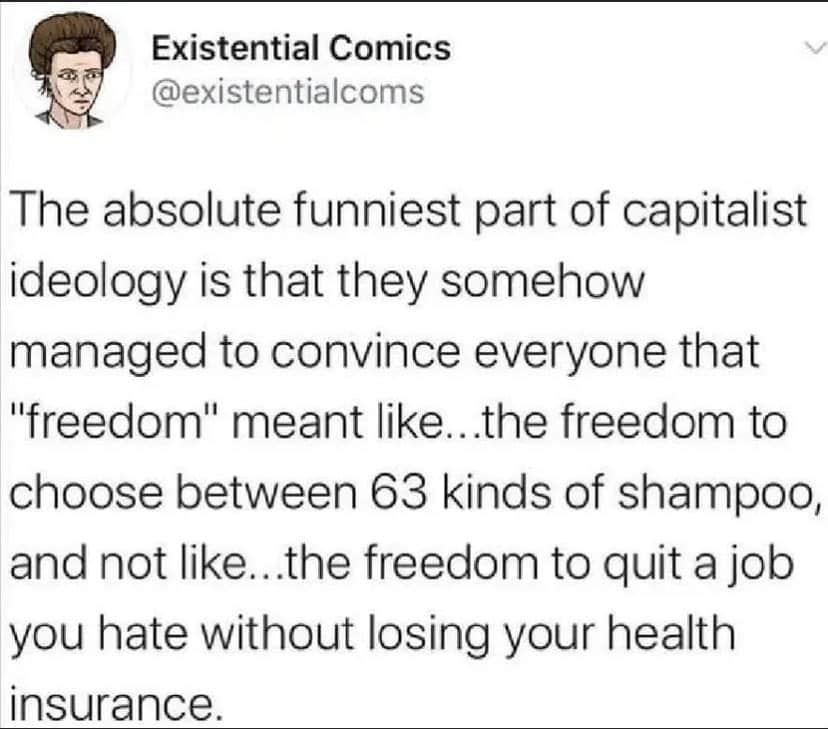
Sixty-three bottles, one employer holding your insulin hostage. Balanced.
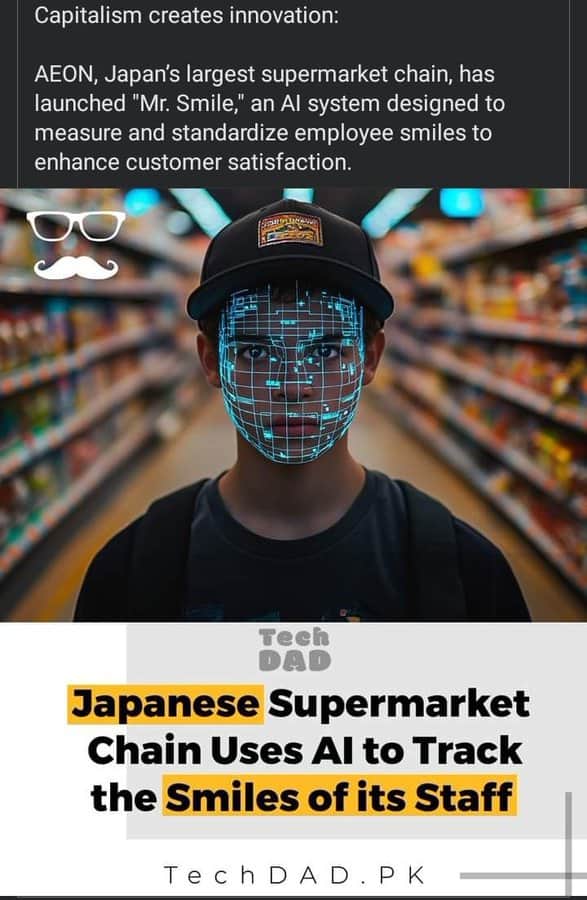
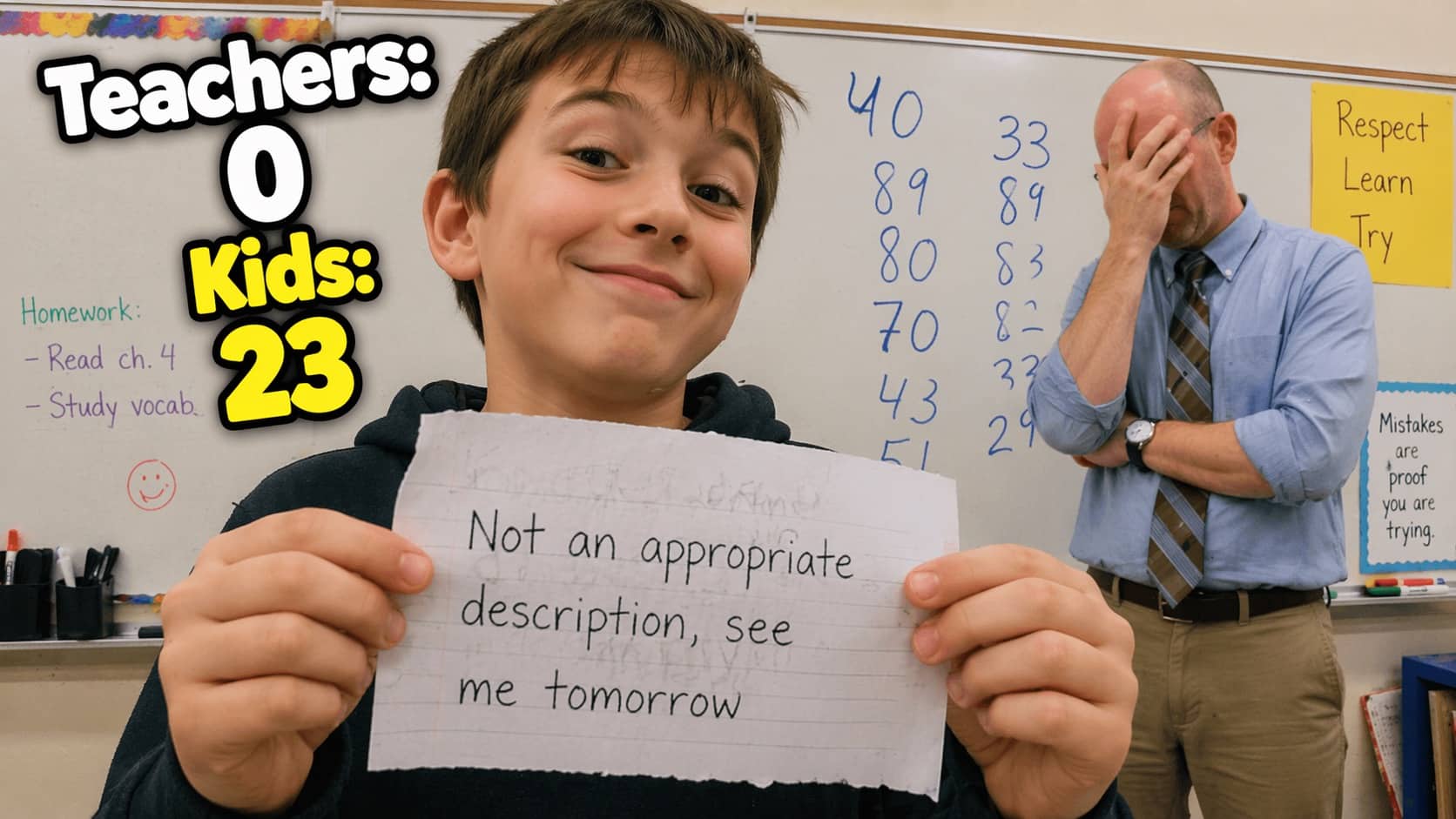
Imagine getting written up for a 7/10 grin.
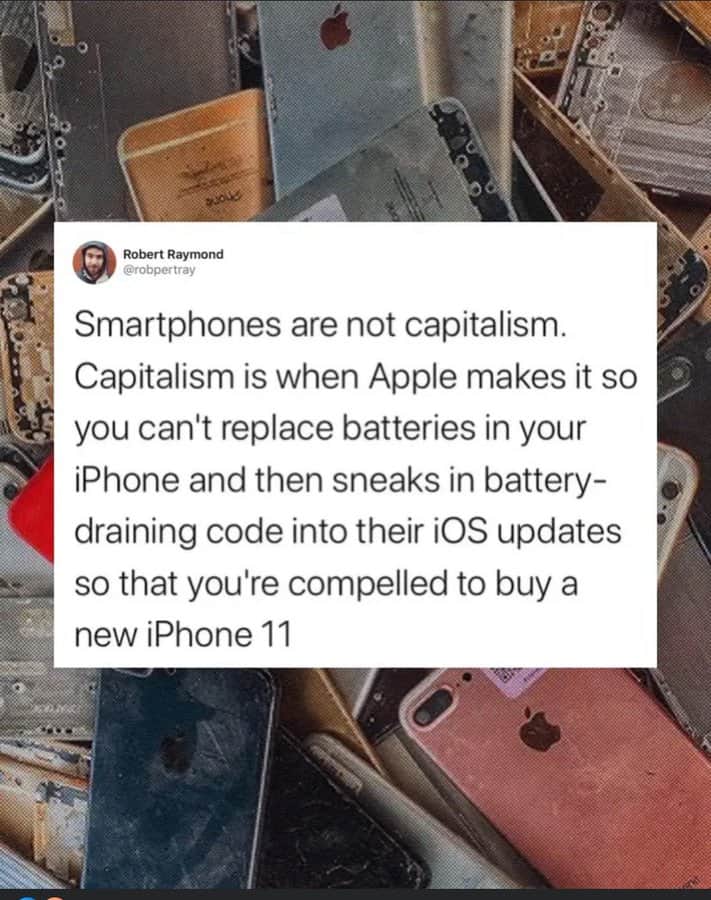
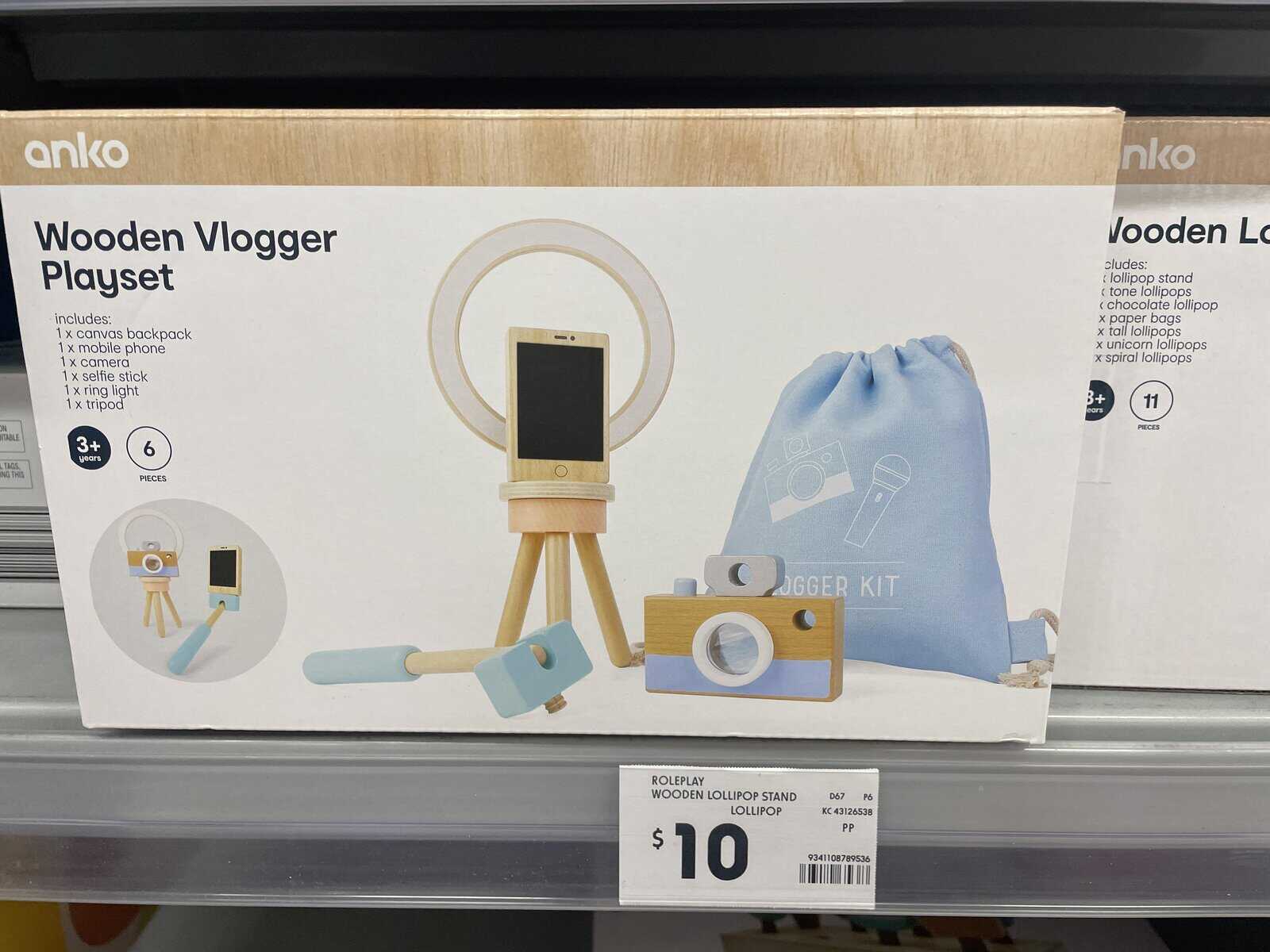
Planned obsolescence is just capitalism's love language.
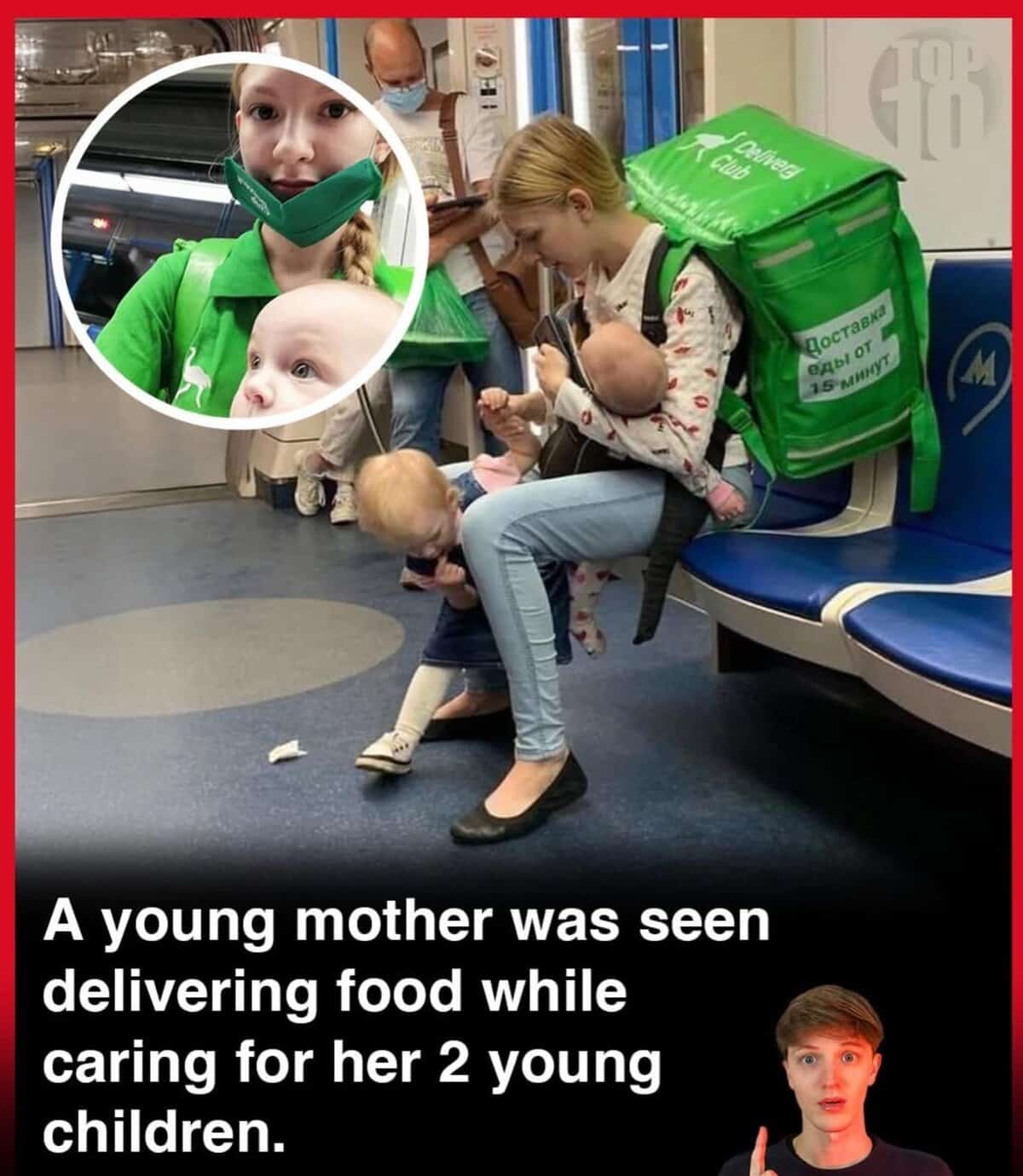
"Flexible hours" is doing a lot of heavy lifting in that job description.
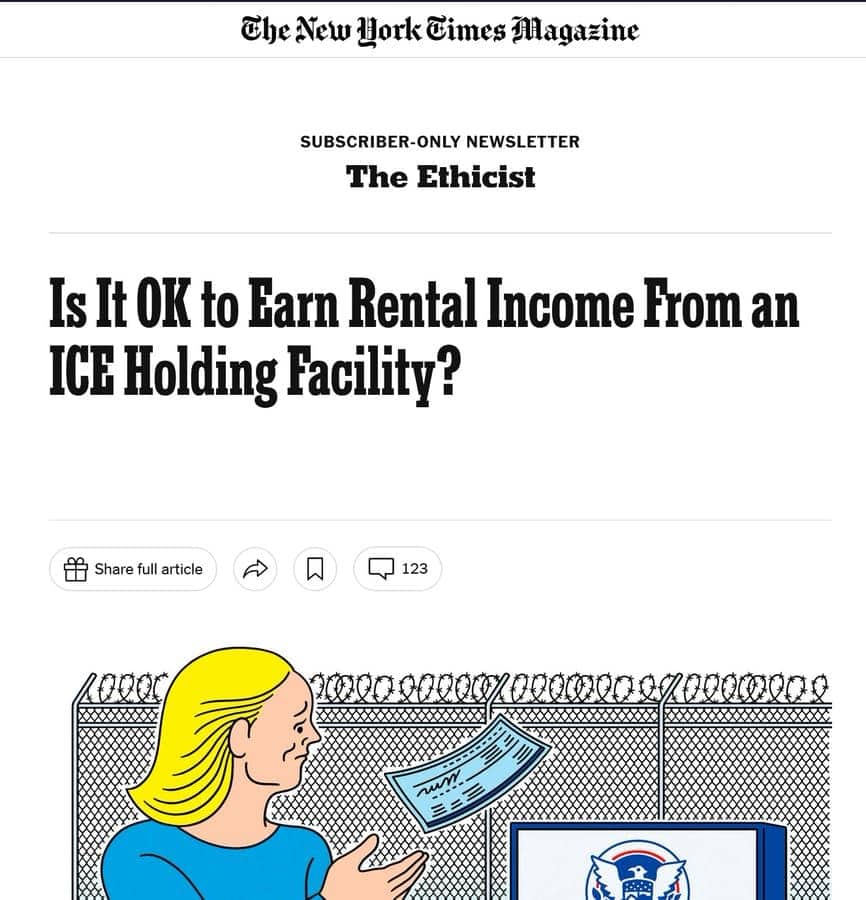
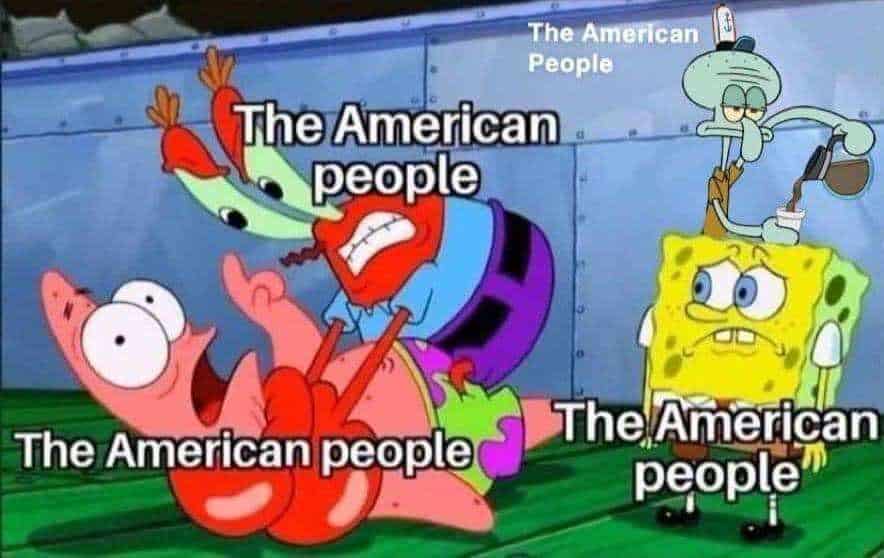
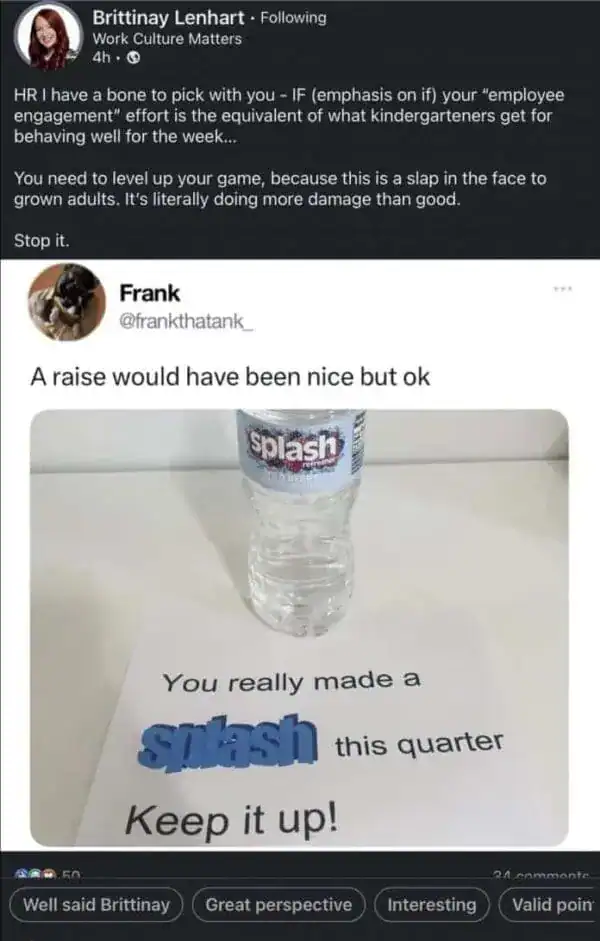
HR reinvented the pizza party and somehow made it worse.
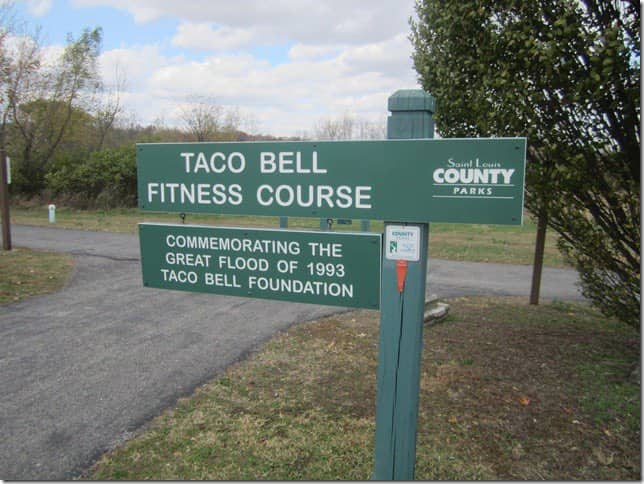
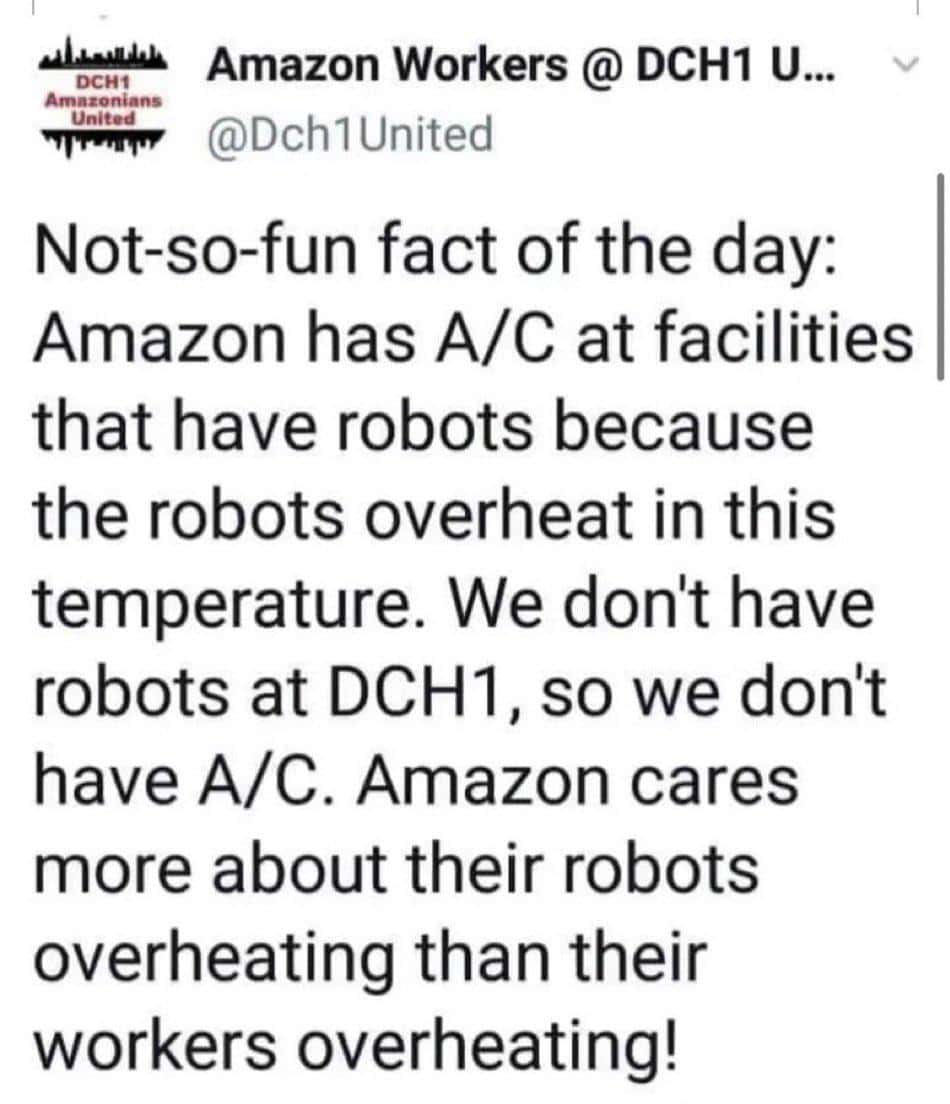
"Not a fun fact" is an understatement.
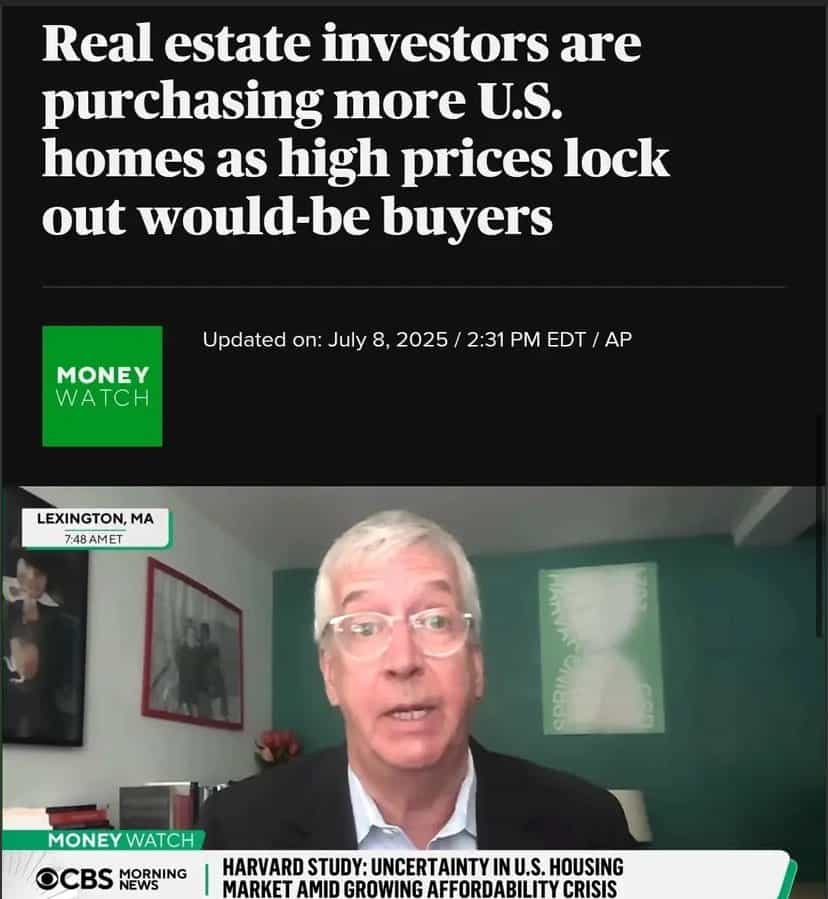
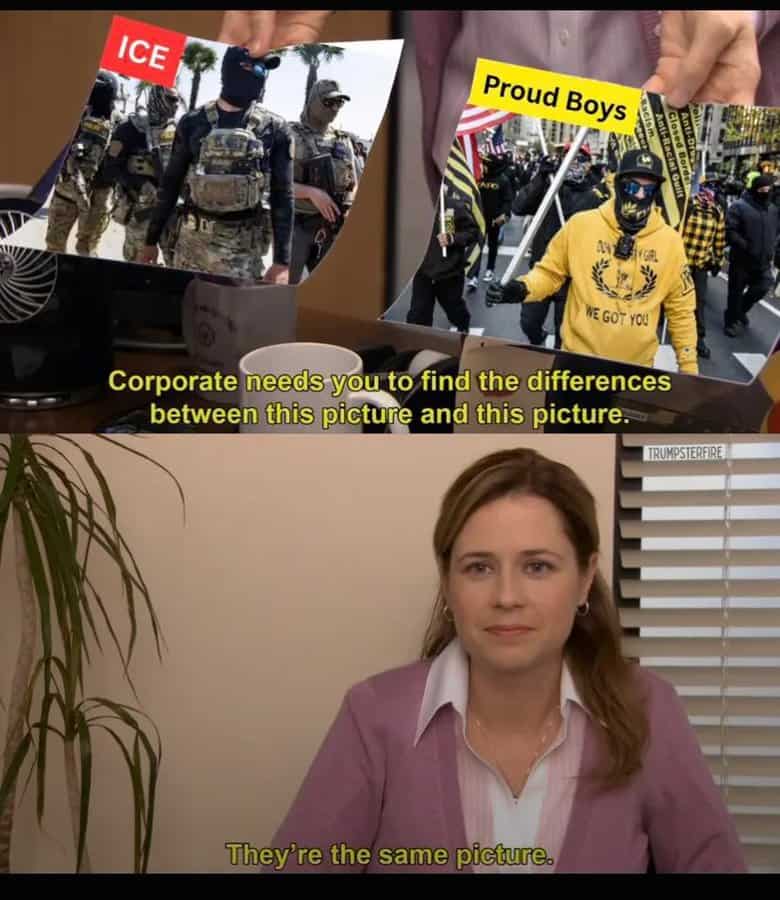
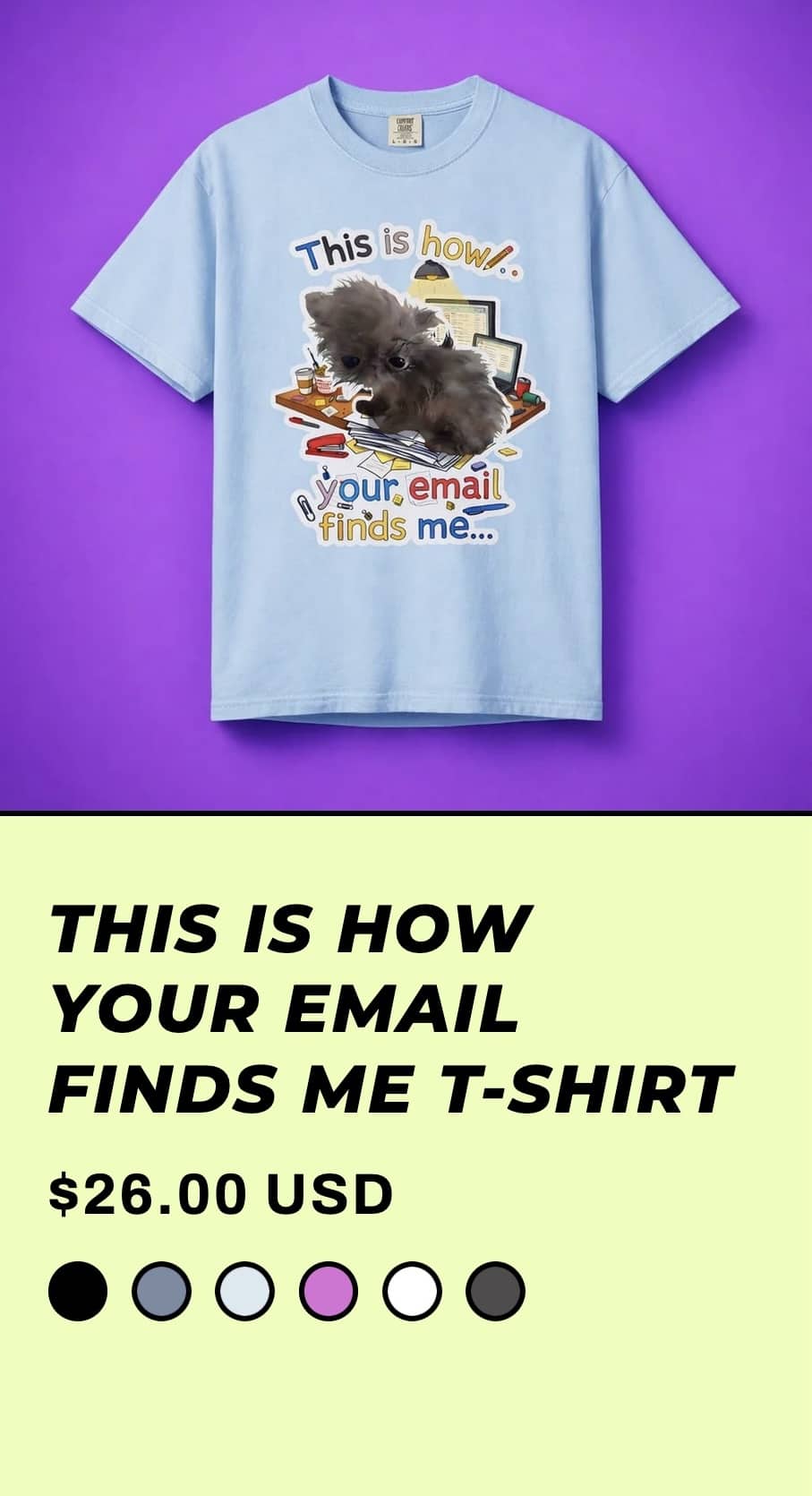
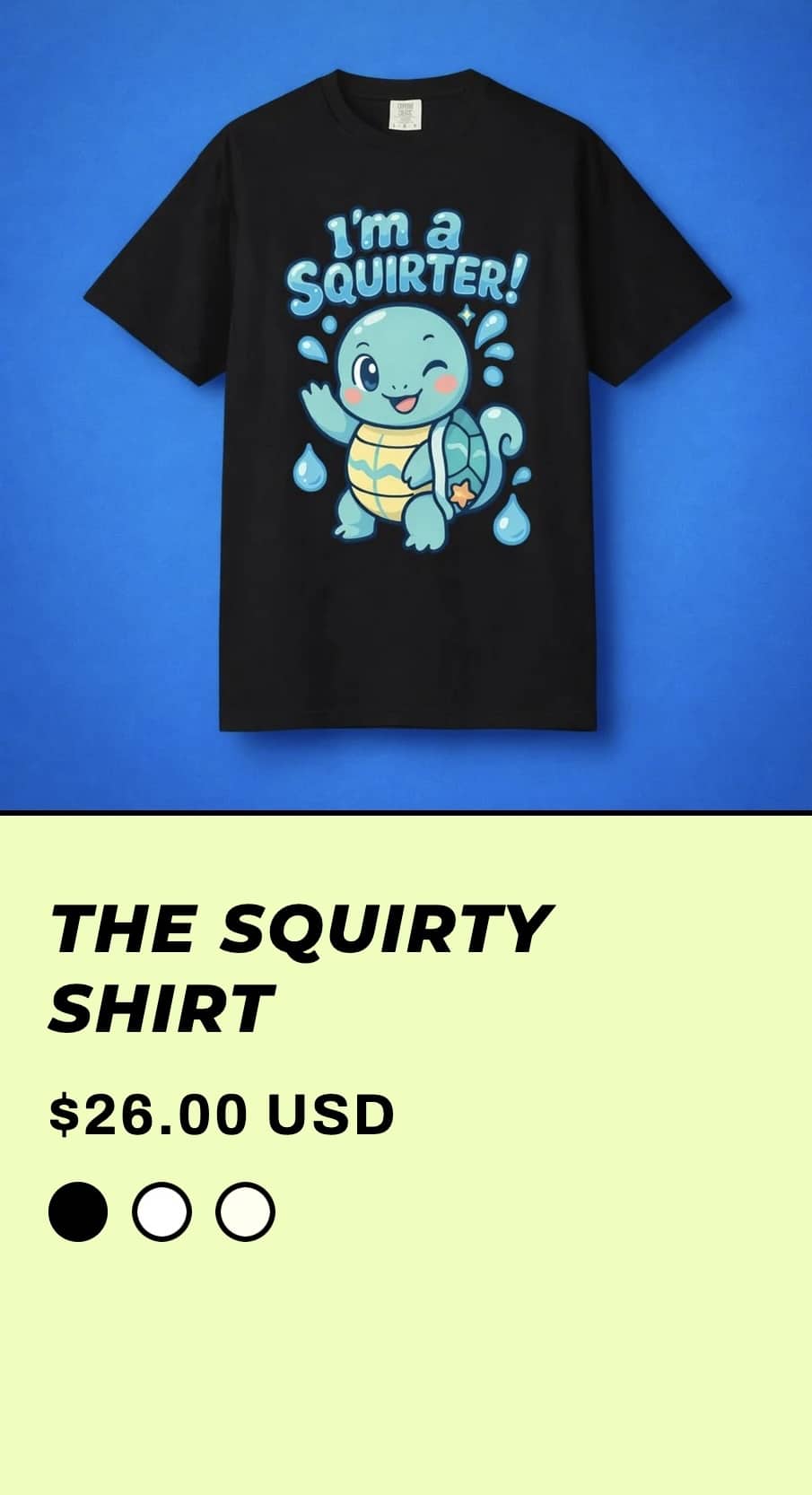
Capitalist memes
Read More
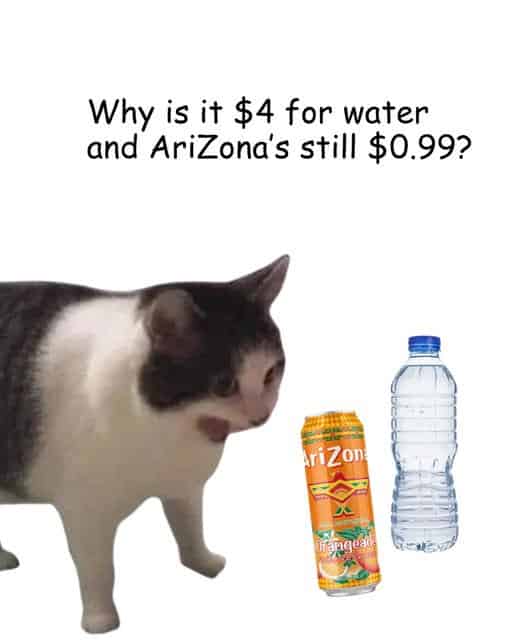
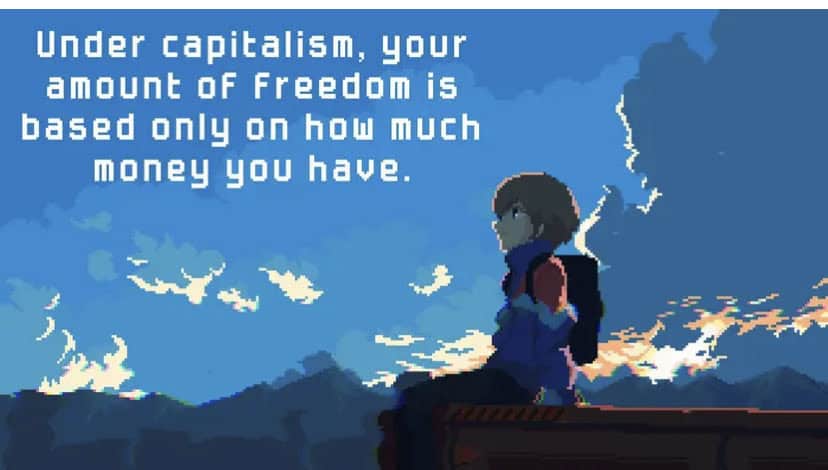
The freedom-as-consumer-choice observation has been circulating in various forms since Veblen, but the meme format delivers it with an efficiency that the academic version never achieved. Sixty-three shampoo choices is not an abstract critique. It is a specific number that someone counted or estimated, placed next to a specific constraint that most people in that aisle are also navigating, specifically the inability to leave an employer who holds their health coverage, and the gap between those two facts is the whole joke and also the whole argument. Late-stage capitalism humor works when it is this specific, when the contrast is this concrete, and when the person reading it can look at their own bathroom cabinet and do the count.
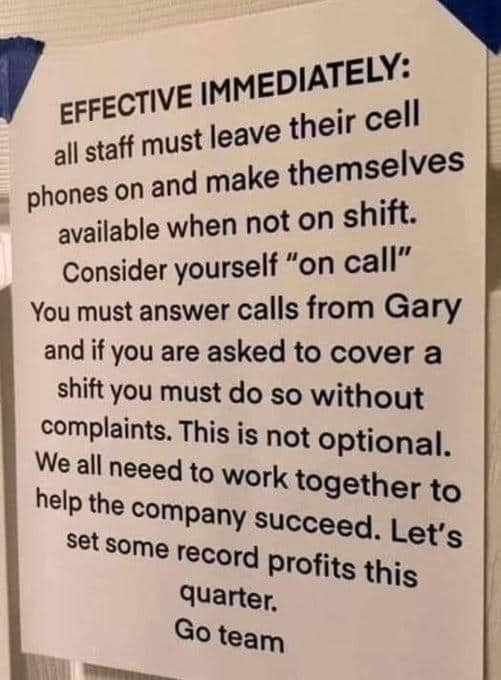
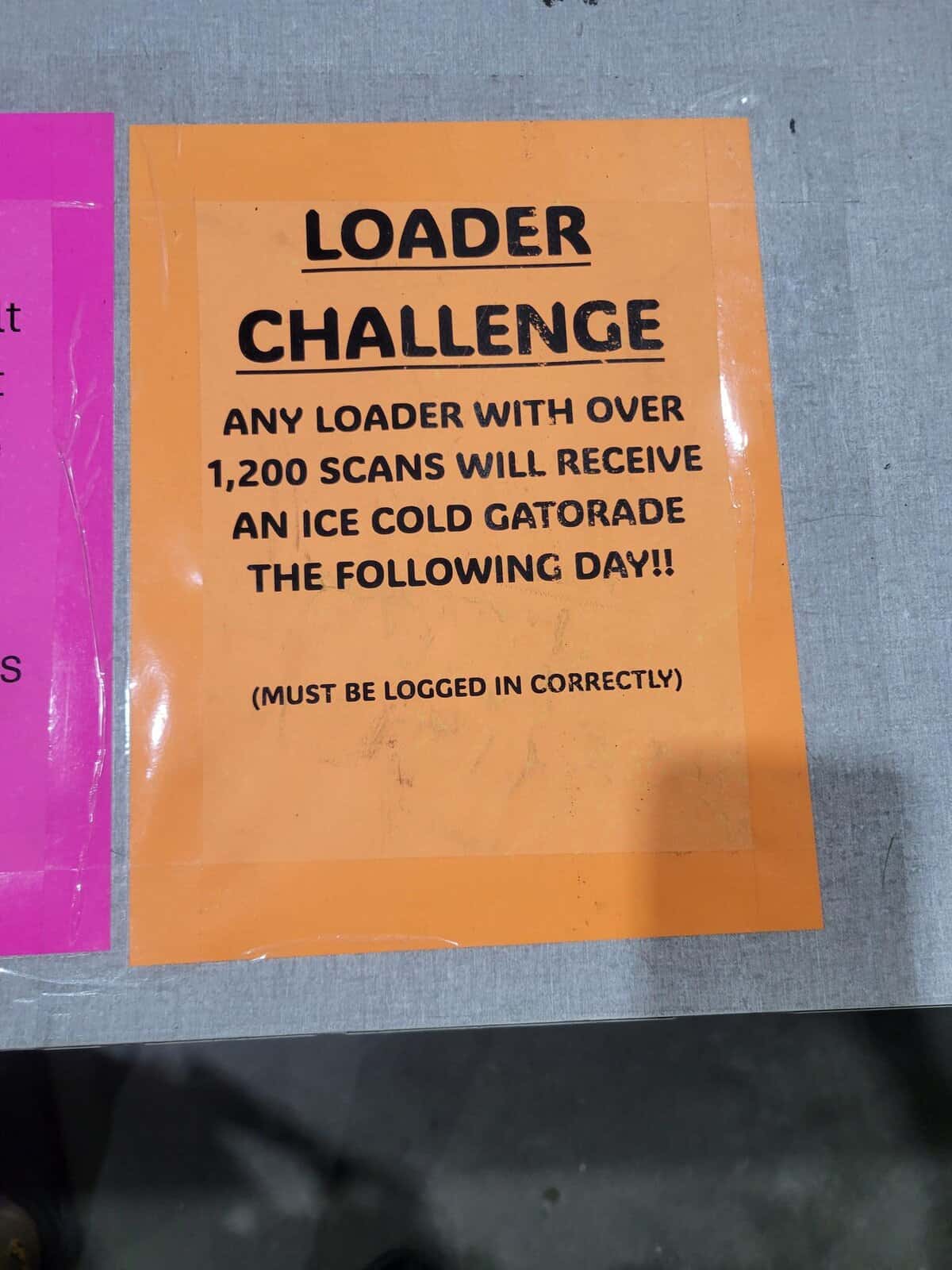
Workplace humor in this gallery operates in a register that is funnier than it would have been twenty years ago because the economic context has changed the stakes. The Gatorade reward for twelve hundred correct scans is not a human interest story about a generous employer. It is a document about the distance between the productivity being generated and the compensation being offered, and the meme format, an orange flyer on a warehouse wall, photographed by someone who knew exactly why it was worth photographing, does that work in a single image. Gary’s all-caps call demand ends with “go team,” which is two words that have never once produced team-going and are doing here the same work that “passionate about customer service” does everywhere else: performing motivation in a format that stopped performing it genuinely some time ago.
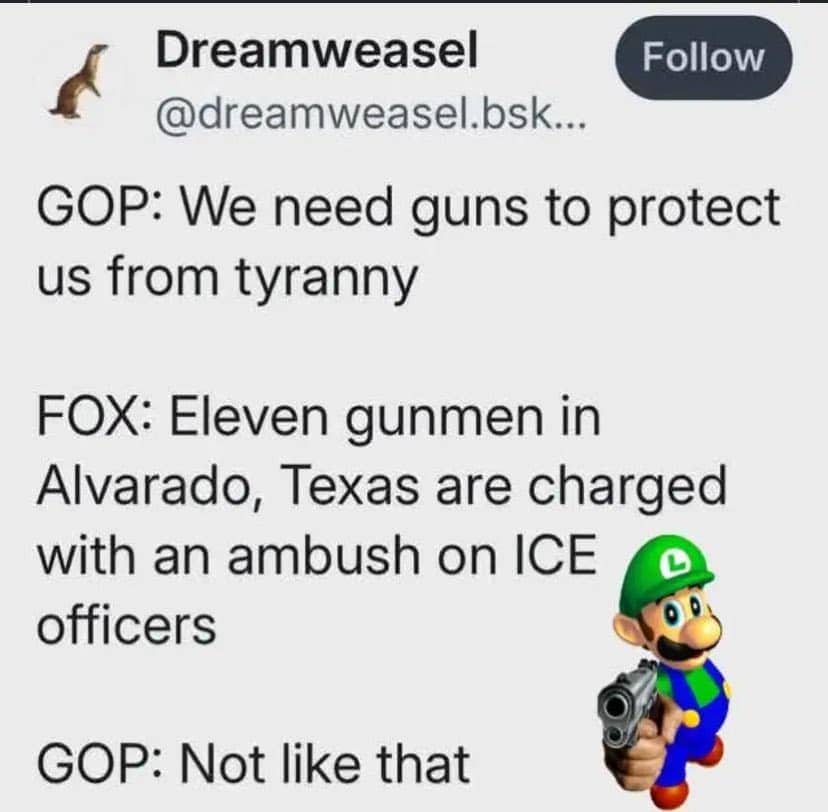
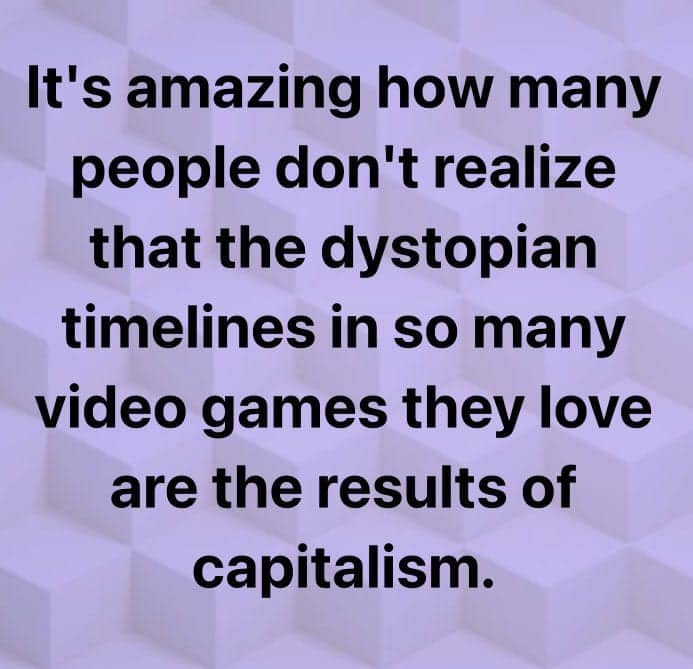
The dystopia-is-already-here section of this gallery is the one that requires the least additional commentary, because the images are doing the pointing themselves. Mr. Smile, the AI system measuring employee grins against a target score, is not a thought experiment. It is a product that was designed, sold, and deployed, and the fact that it reads as Black Mirror pitch material is not evidence of artistic imagination. It is evidence of how quickly the fictional and the actual have been closing the gap. The video game dystopias were not warnings in the traditional sense. They were documented observations made earlier than the boardroom was ready to hear them, and the boardroom took notes and called it product development. The memes see this. The memes have always seen this.
If this gallery has you updating your resume with a new kind of urgency, labor and workplace memes are a well-populated category where the Gary situation has been extensively documented and the Gatorade party equivalent has been covered across every industry. Economic humor broadly belongs right beside it for the wider context. And for anyone who found the Arizona Iced Tea 99-cent loyalty entry most spiritually meaningful, consumer culture memes are a companion space where the last price point standing against inflation has its own dedicated and deeply committed following.
Read Memes
Get Paid


Michael Hartley, or just "Mike," is an editor and seasoned meme historian whose articles have traced the evolution of meme humor from early Impact-font classics to today’s TikTok sensations. With nearly a decade spent as senior editor at ViralHype and as a regular contributor to Cheezburger, Mike has dissected the rise of meme legends such as Bad Luck Brian, Success Kid, and Doge. When he's not hunting down meme gold for Thunder Dungeon, Mike teaches workshops on meme marketing and the psychology behind shareable content.
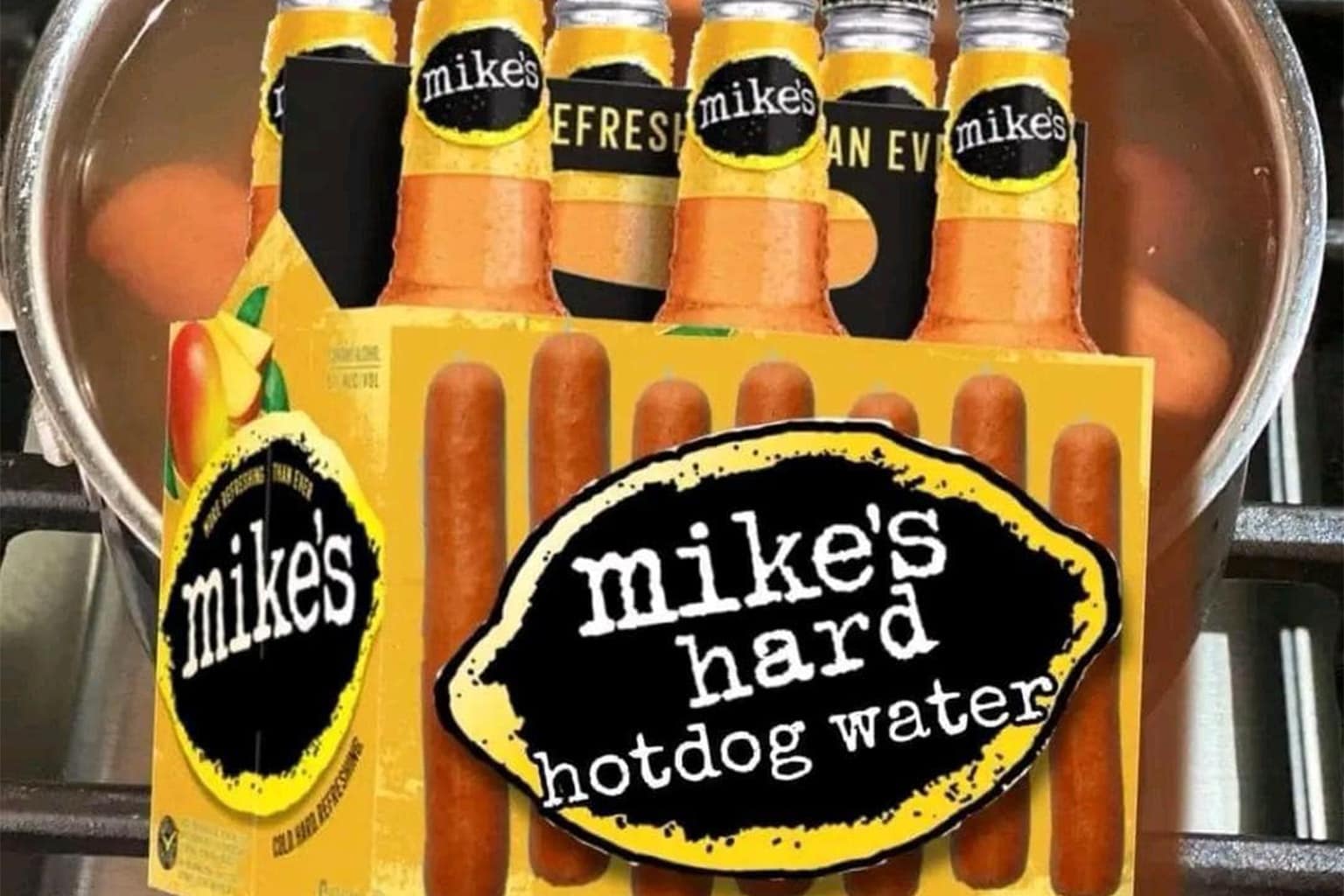
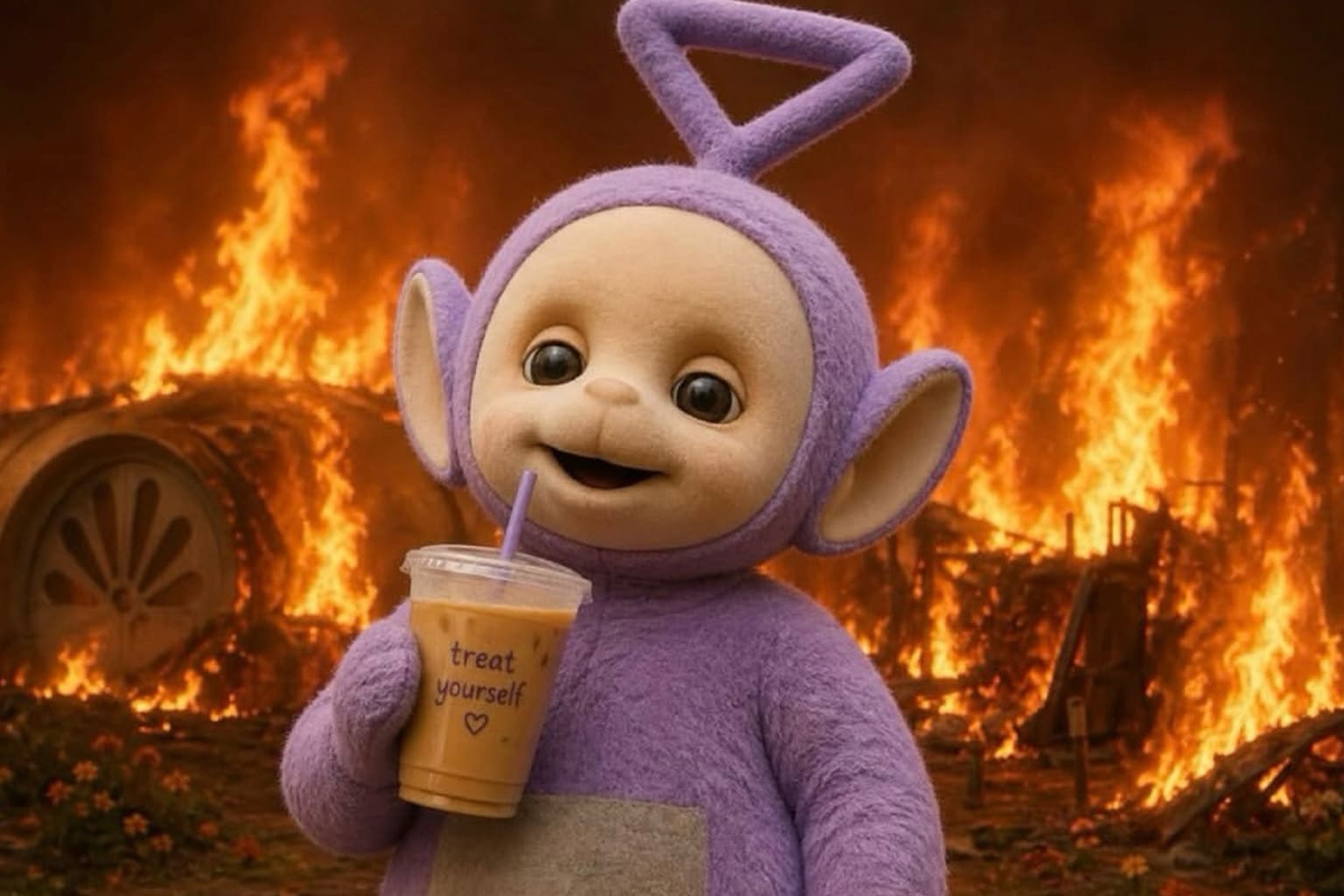
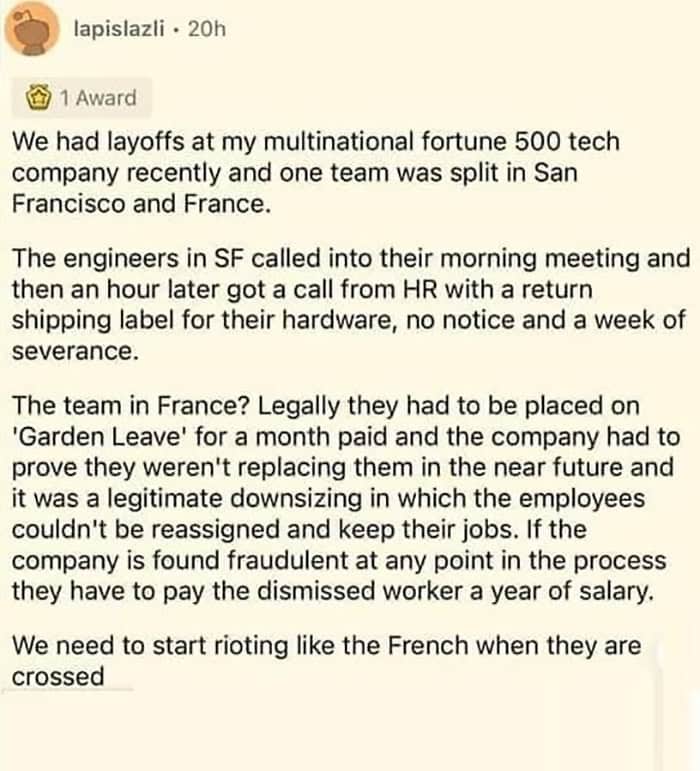
Not just riot like the French. Also need to break out the guillotines and start executing the 1% in town squares.