
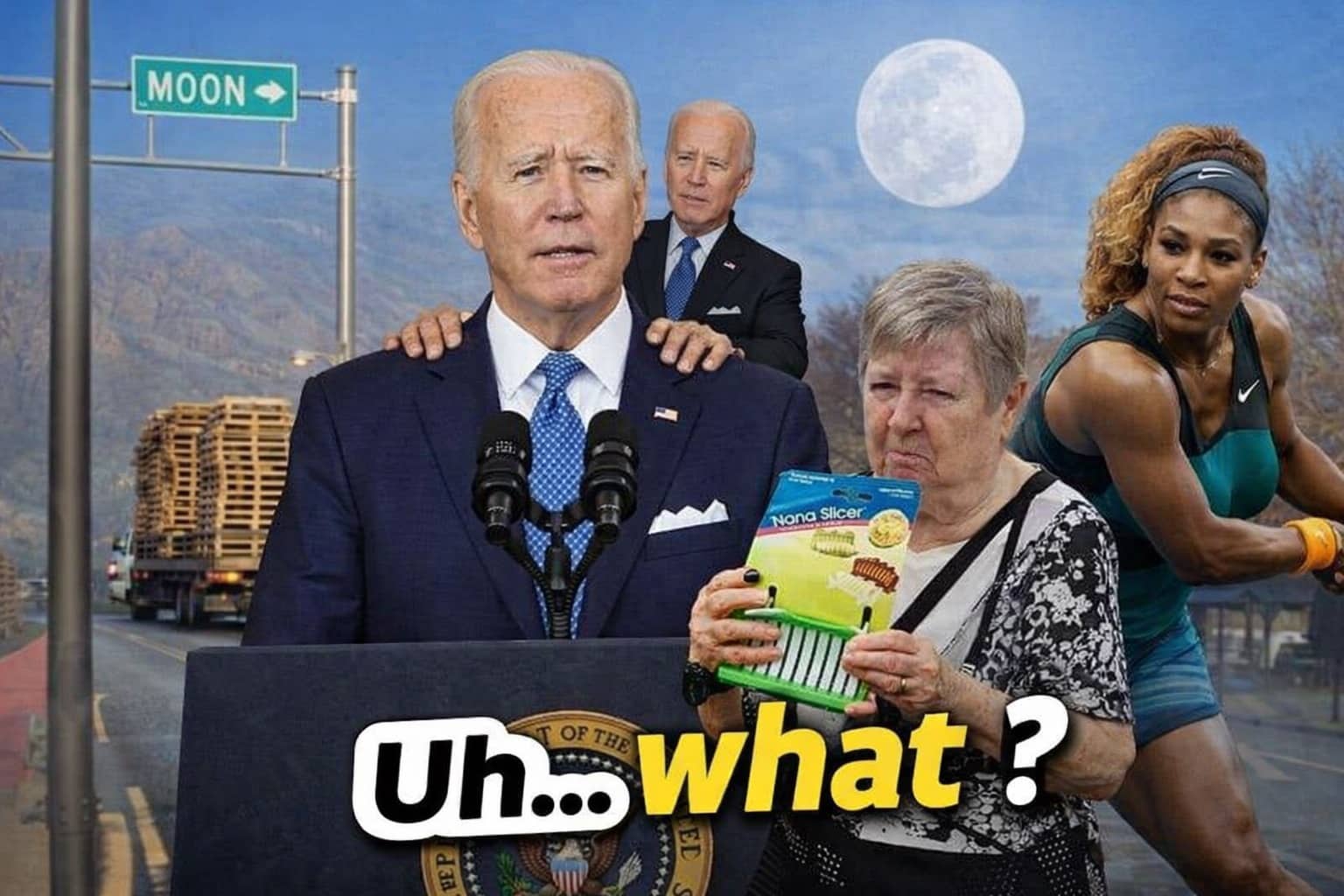

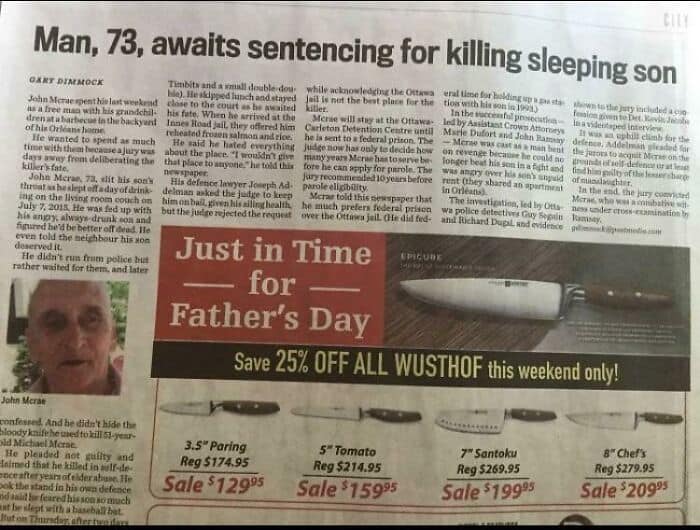
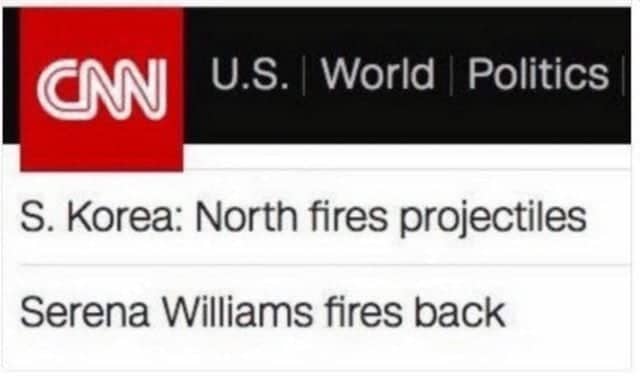
There are two categories of funny. The first requires effort: a writer, a setup, a structure, a delivery, a payoff. The second requires only the universe deciding, in one specific moment, that two things should be placed next to each other in a way that produces a result nobody planned and everyone can see. The second category is harder to achieve and more satisfying when it arrives, because it carries the specific comedy of the accidental — of something being funnier than anything deliberate could have been, simply because nobody was trying. You cannot write an advertisement that will sit below a news story about a sentencing with exactly the right product at exactly the right size and exactly the wrong implication. You can only be the editor who comes in on Monday and discovers that it has already happened, and that the screenshot has already been taken, and that the internet has already seen it.
Screenshot
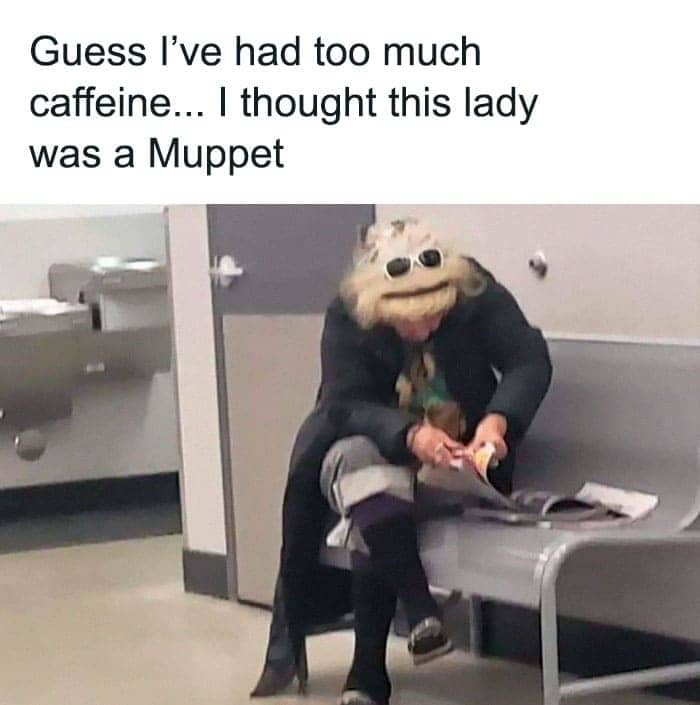
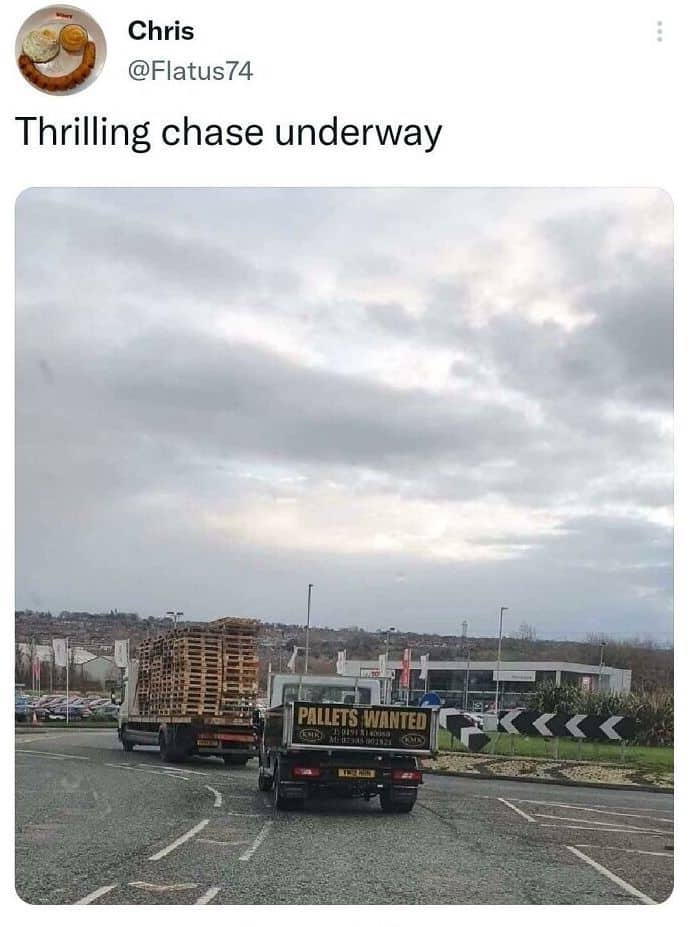
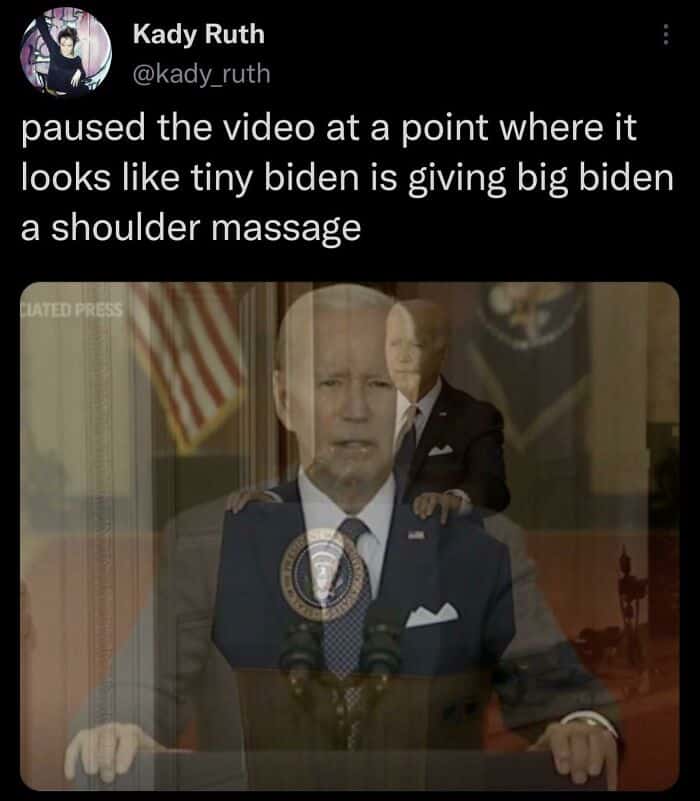
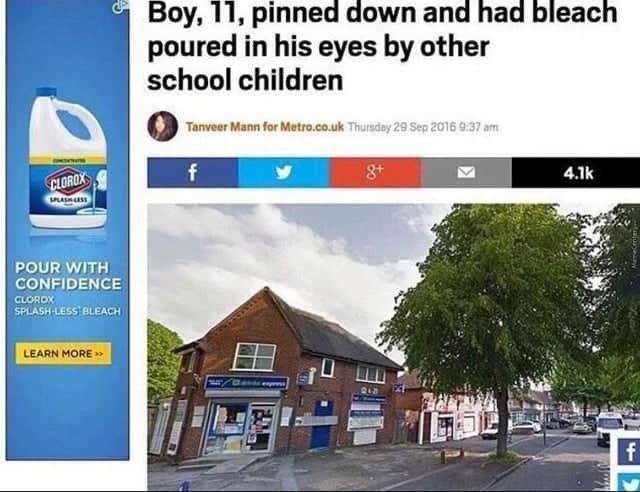
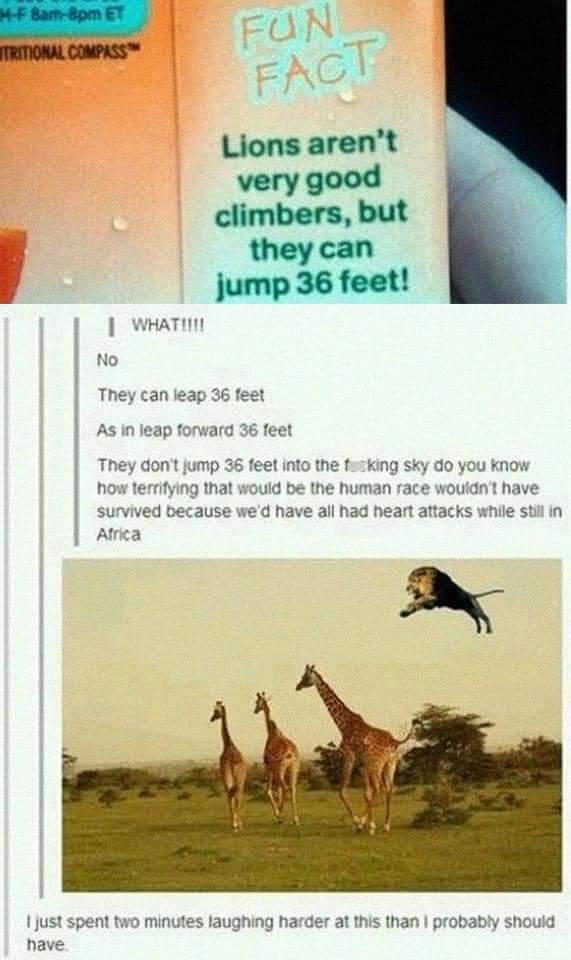
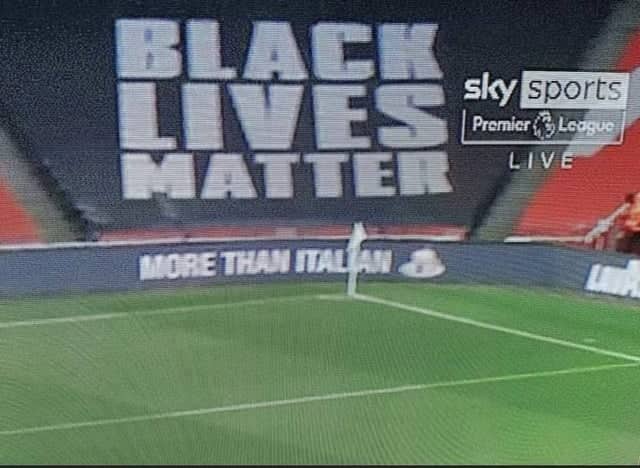
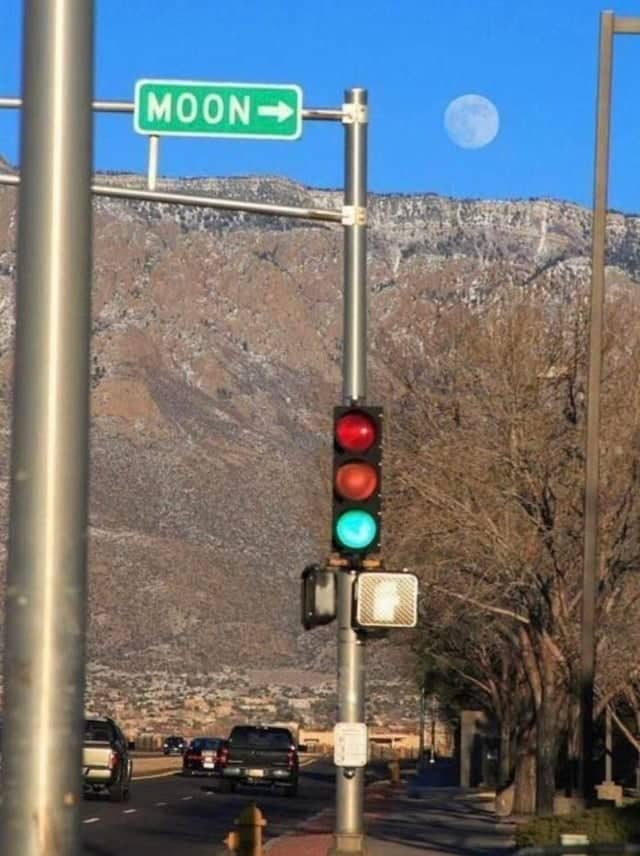

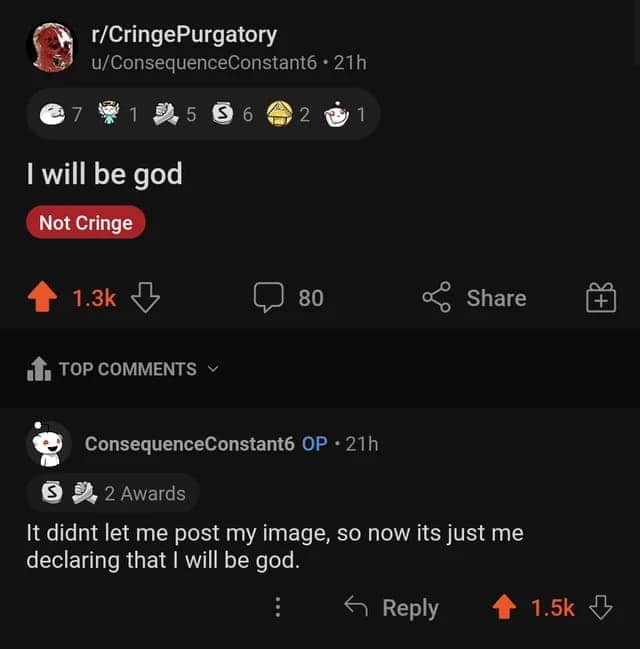
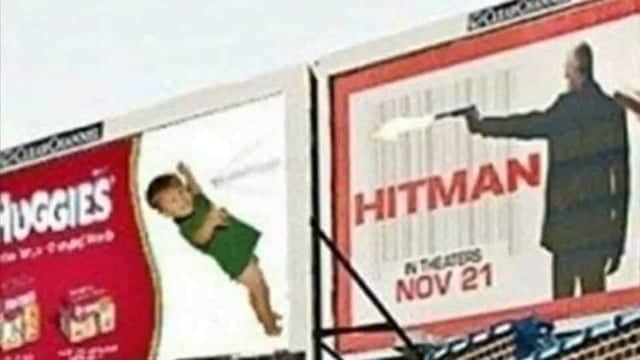
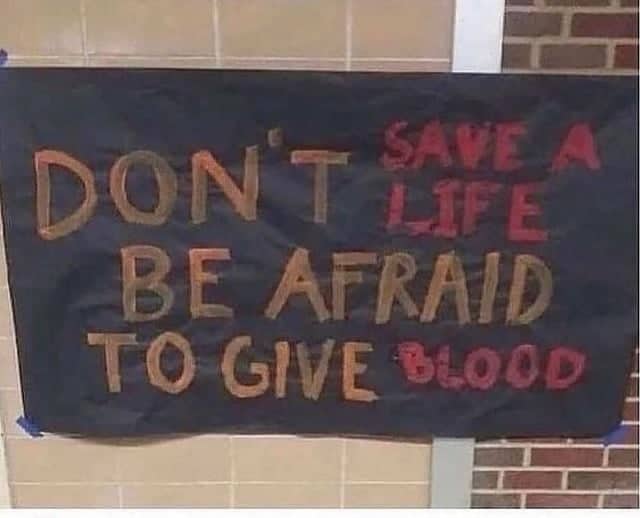
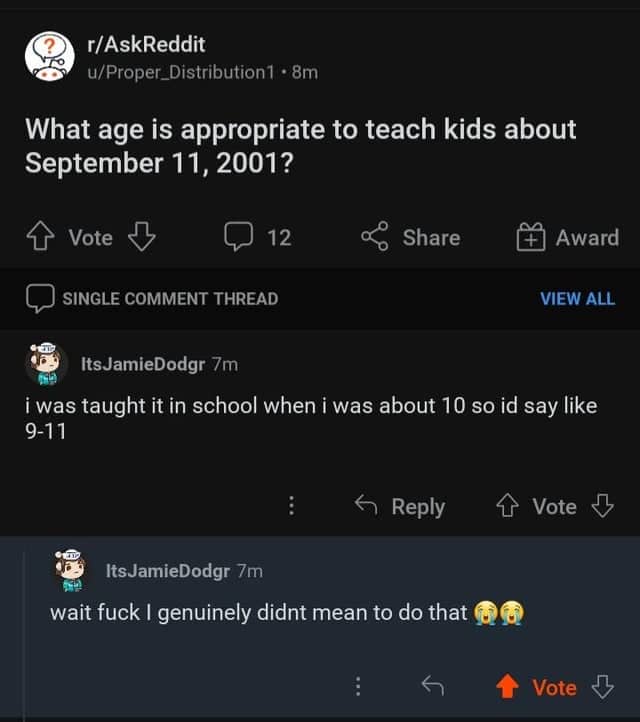
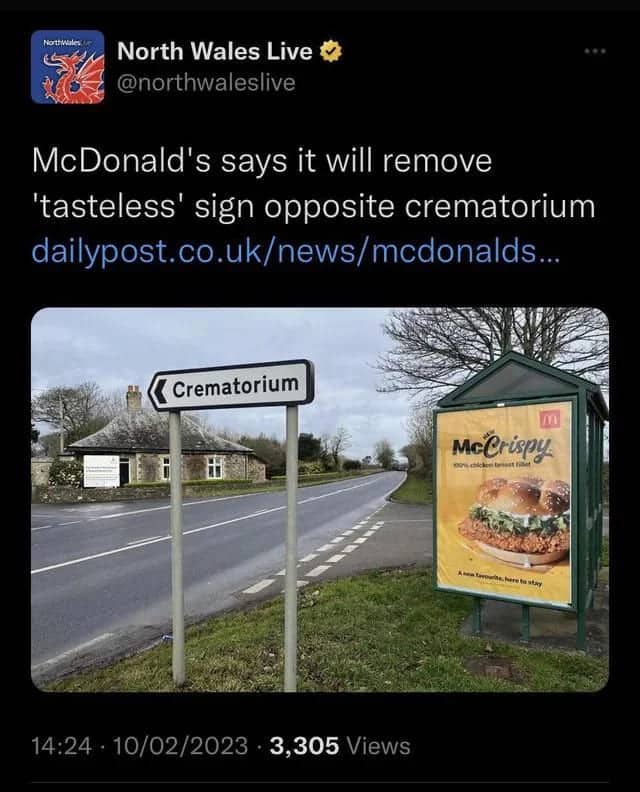


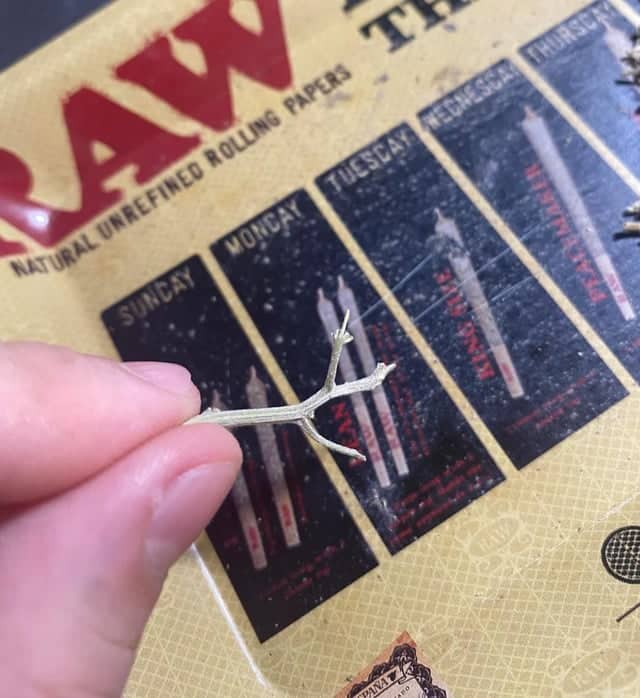



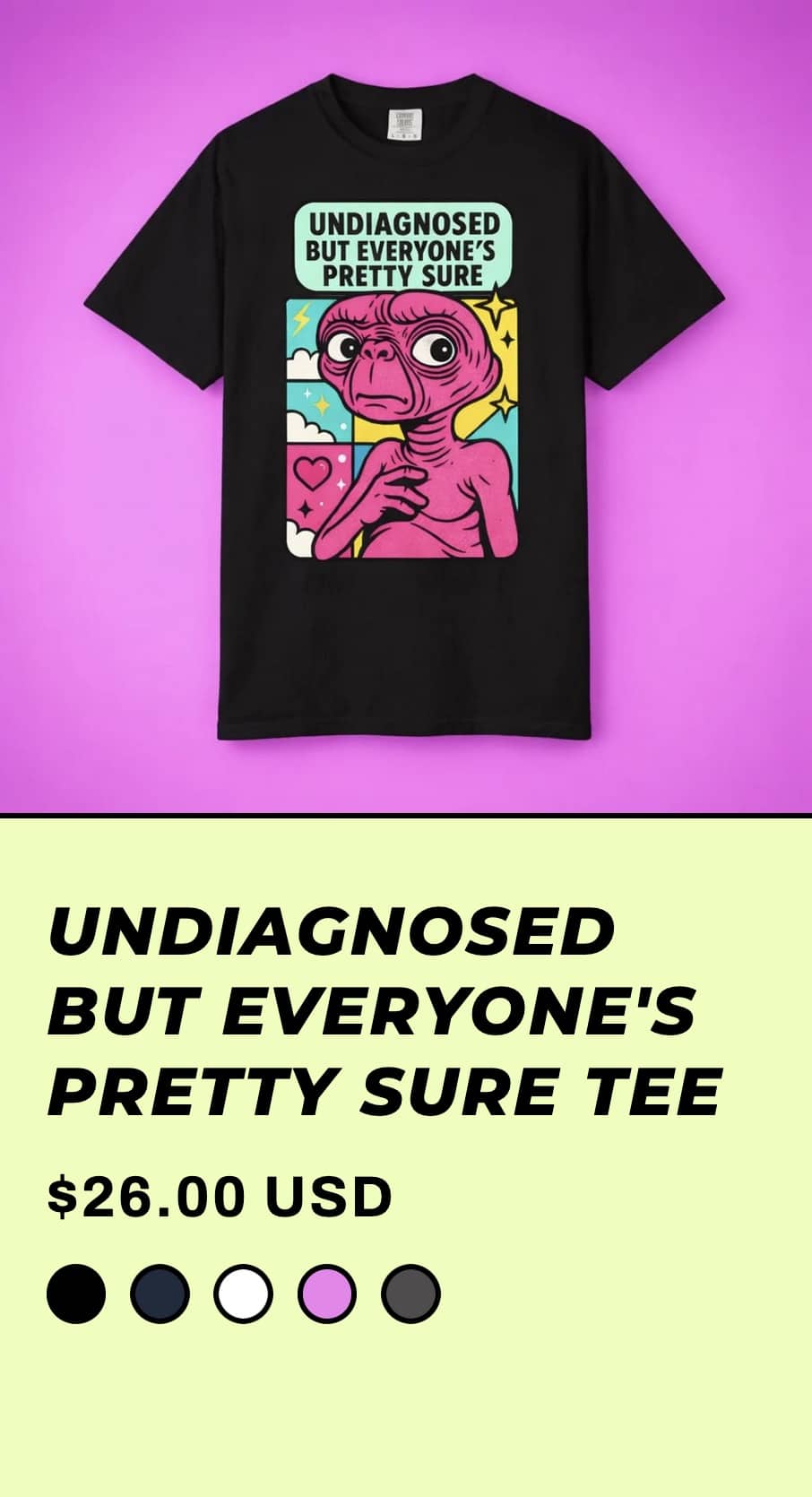

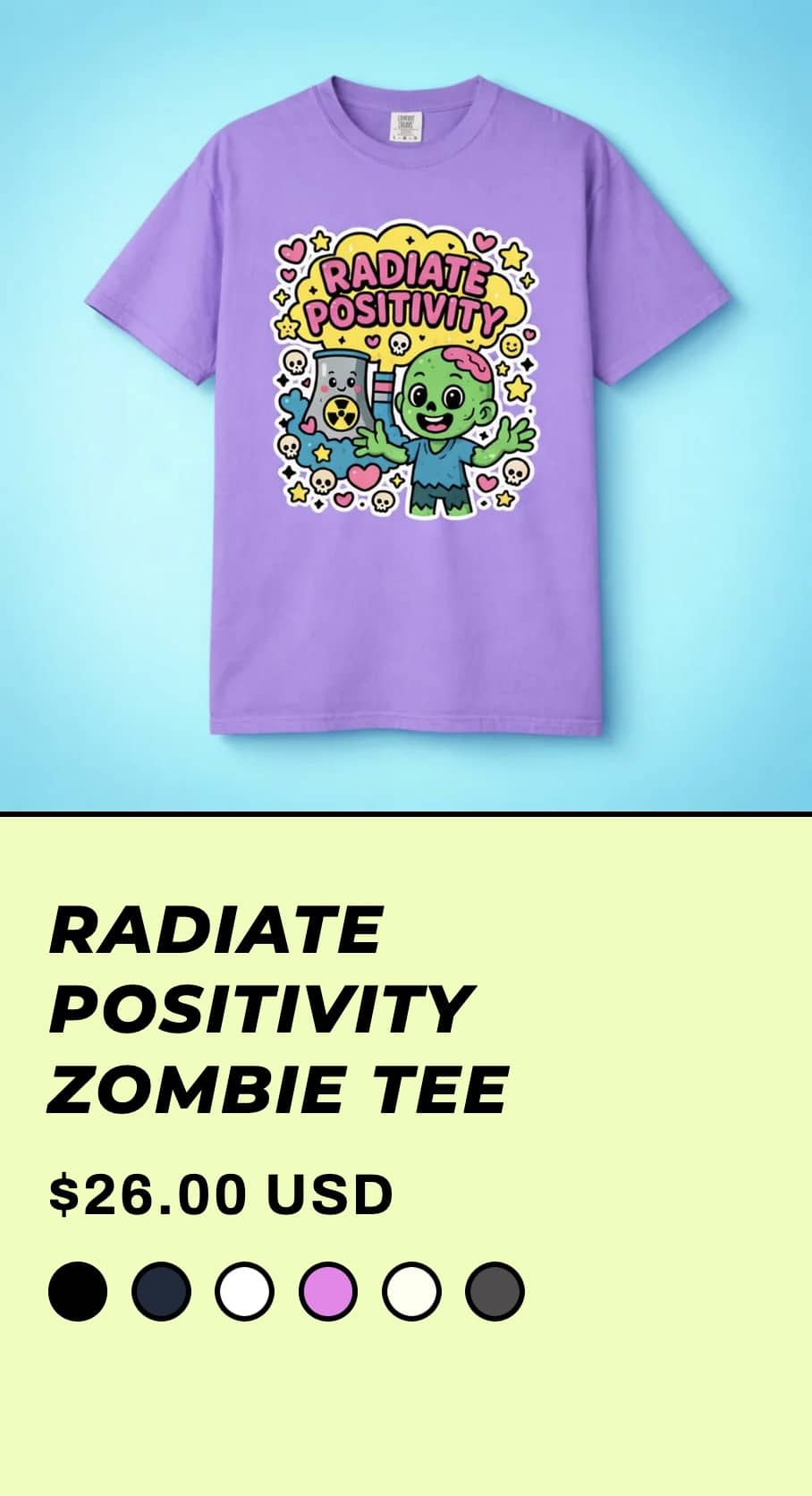
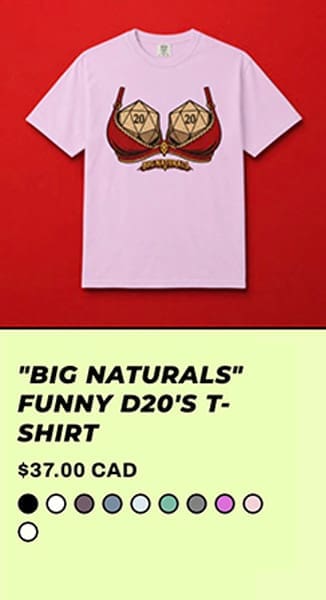
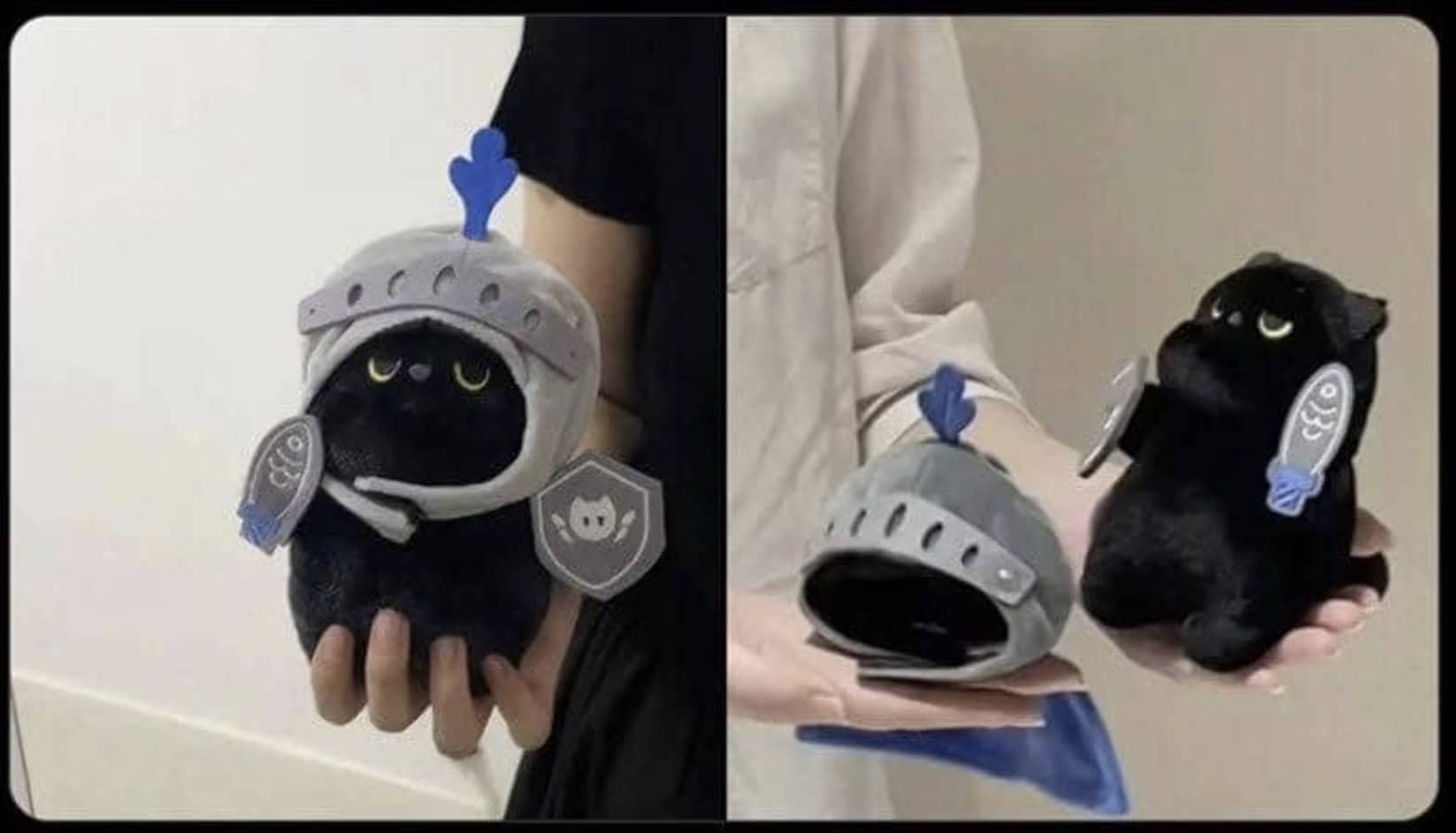
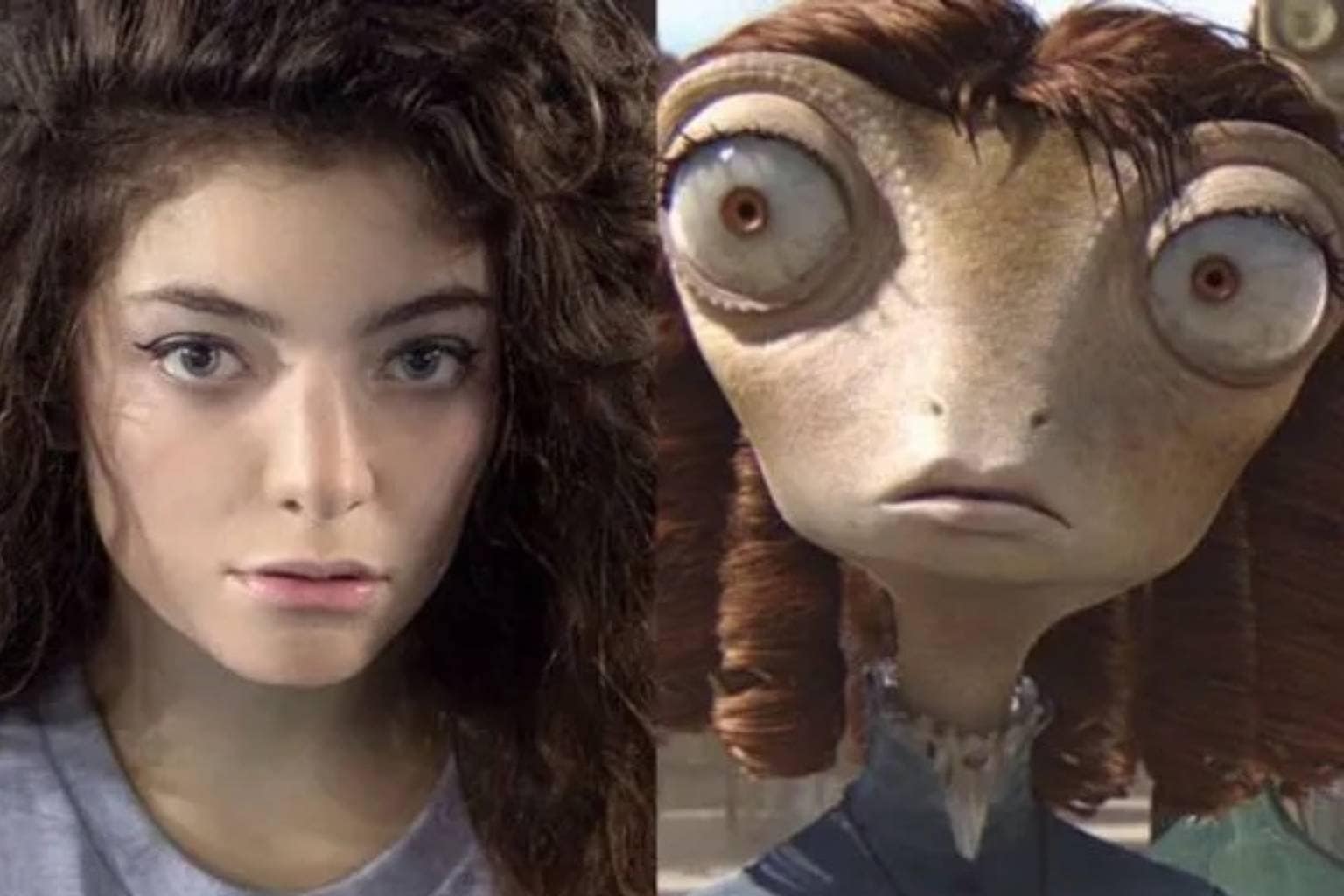
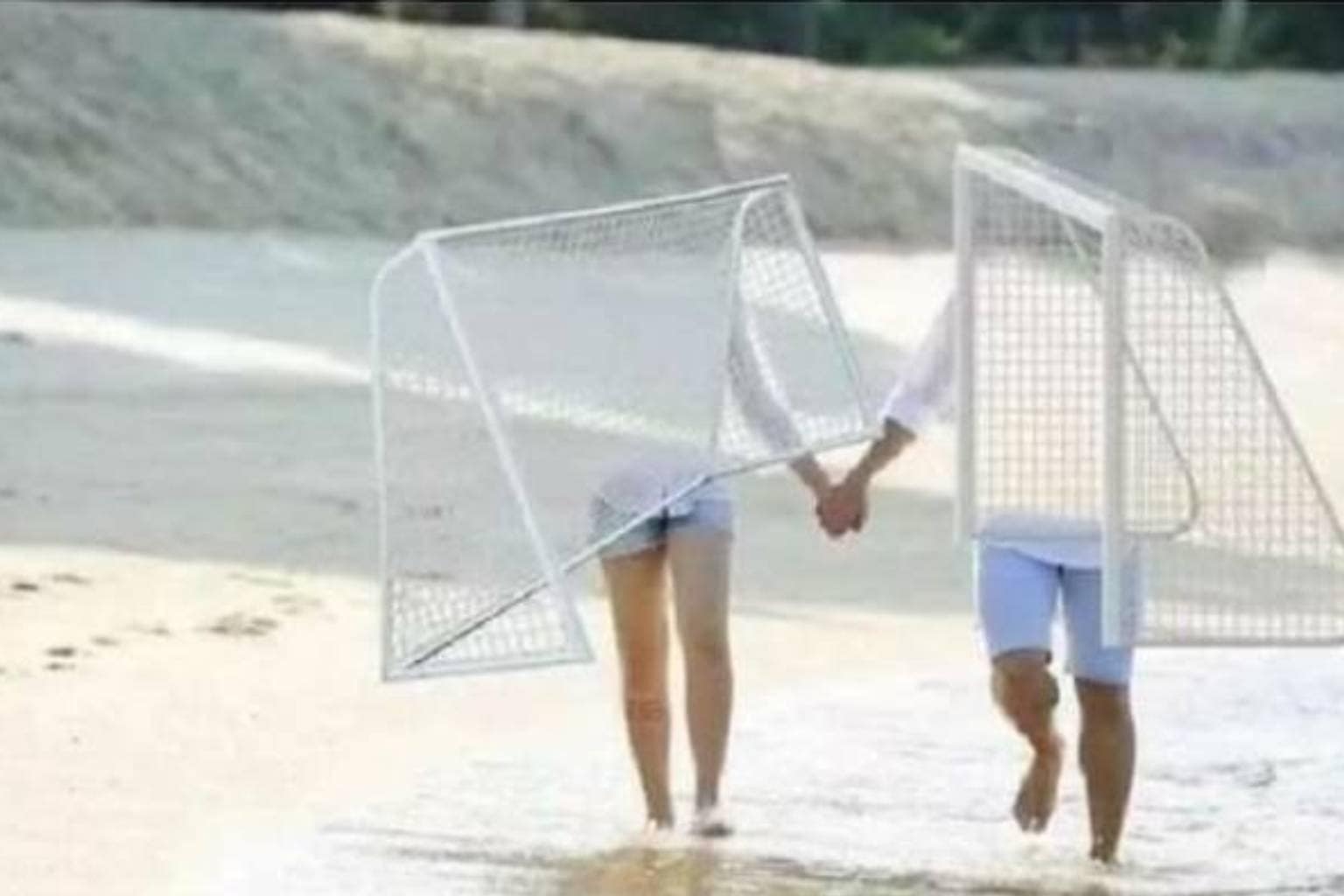
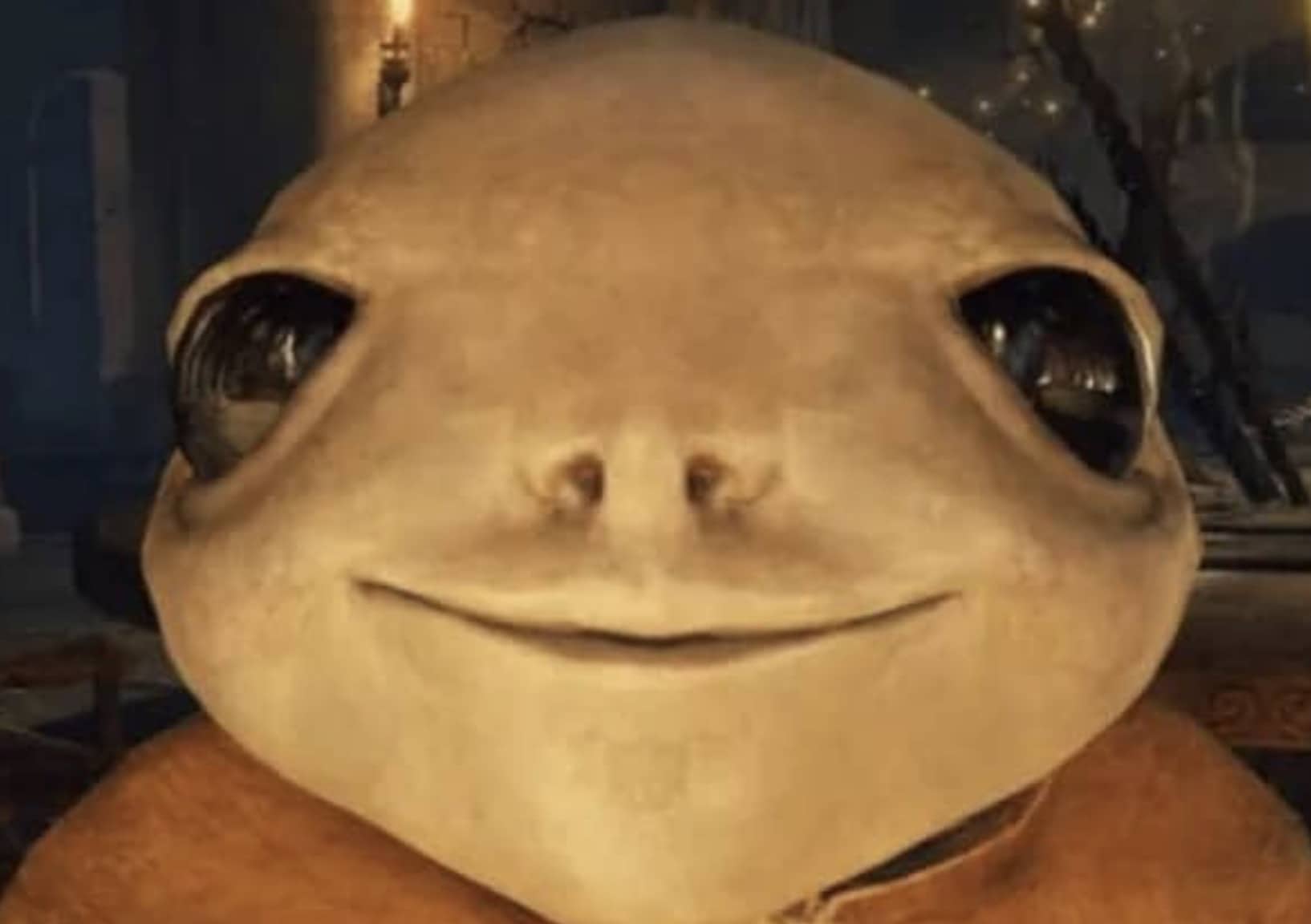
Accidentally funny photos
Read More
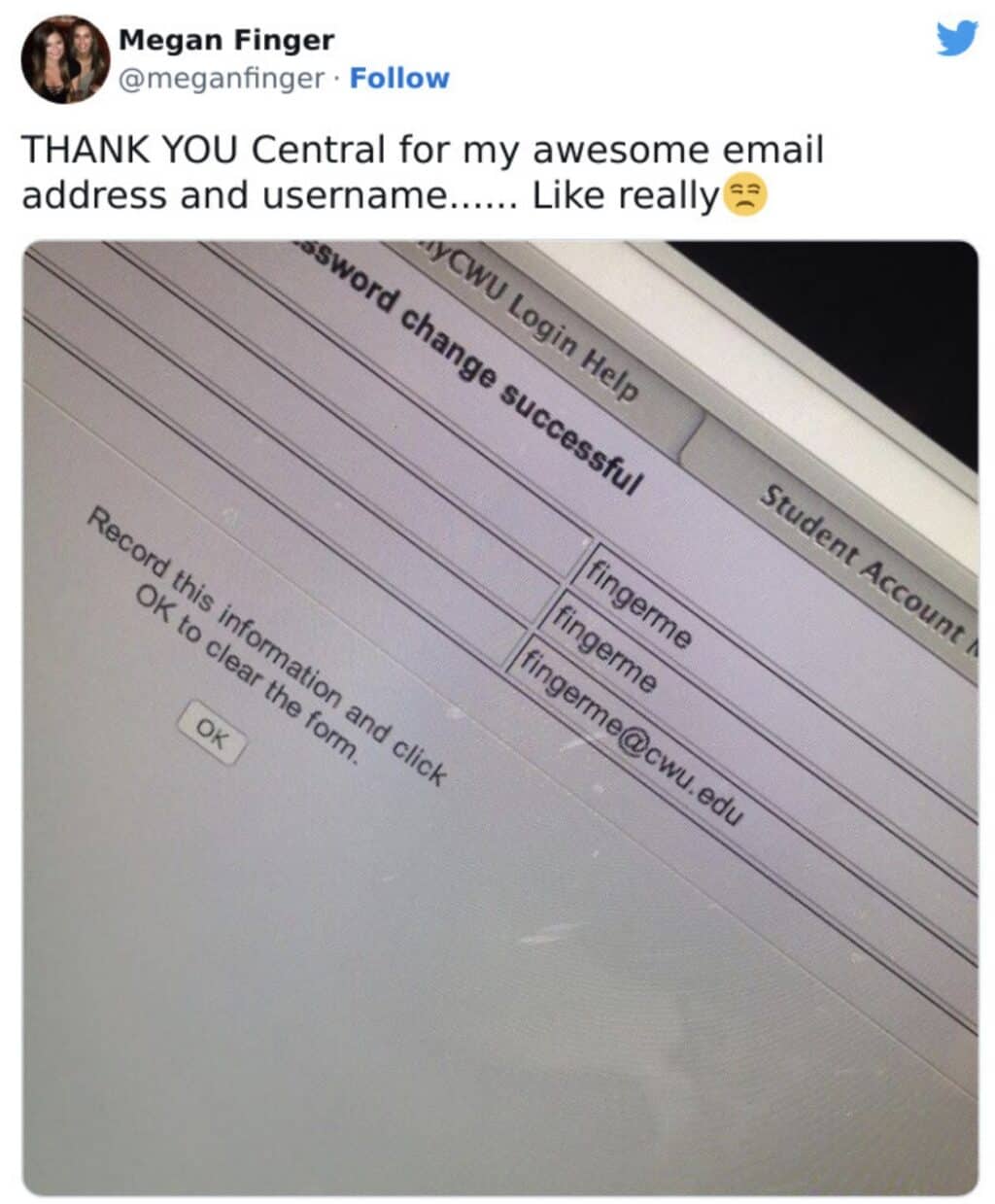
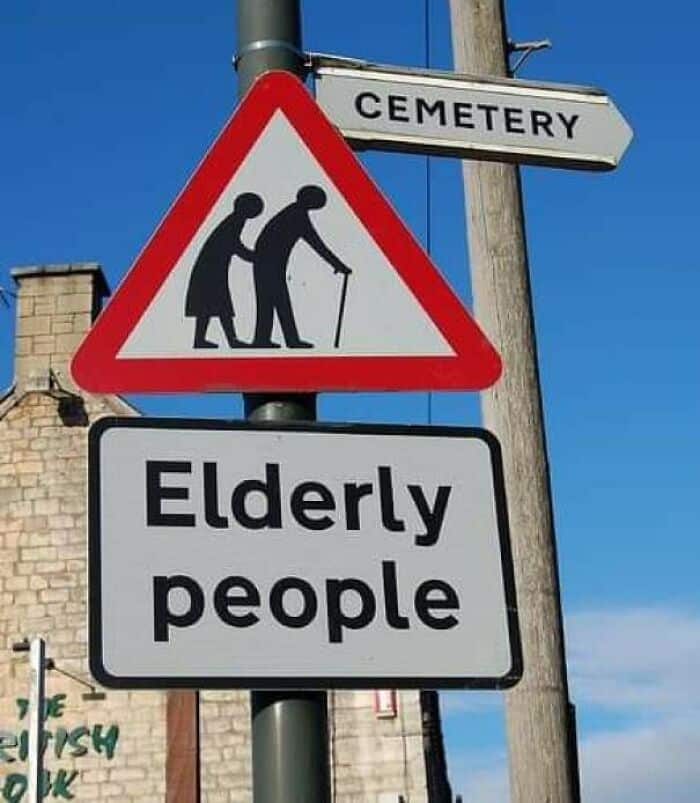
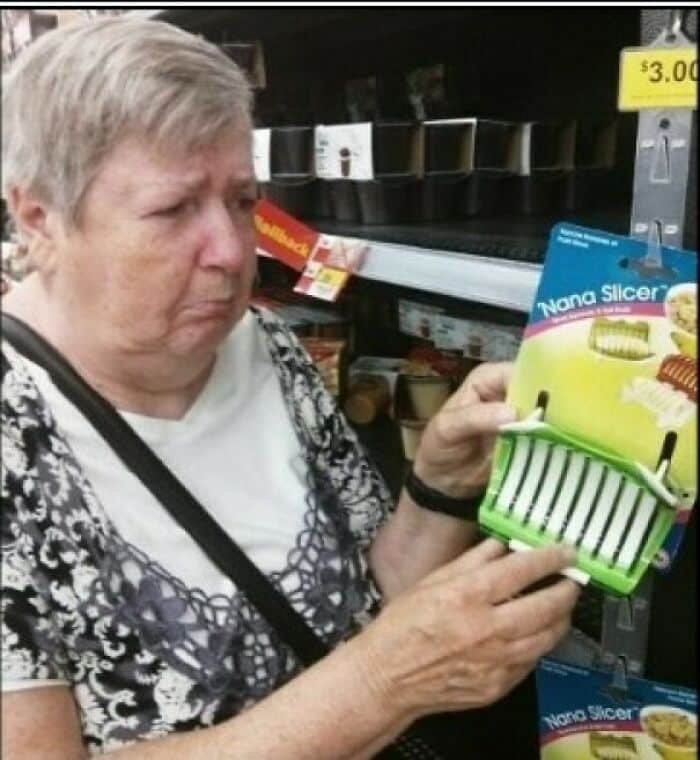
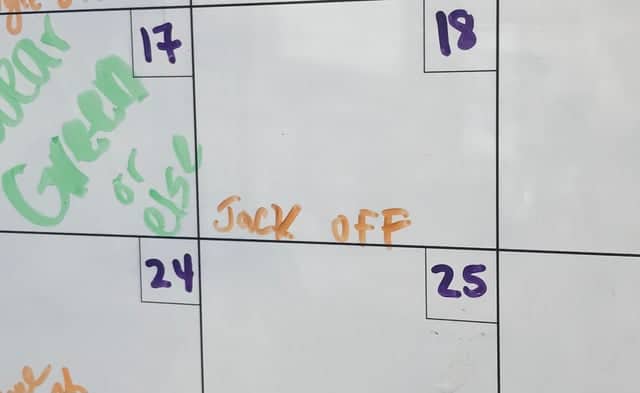
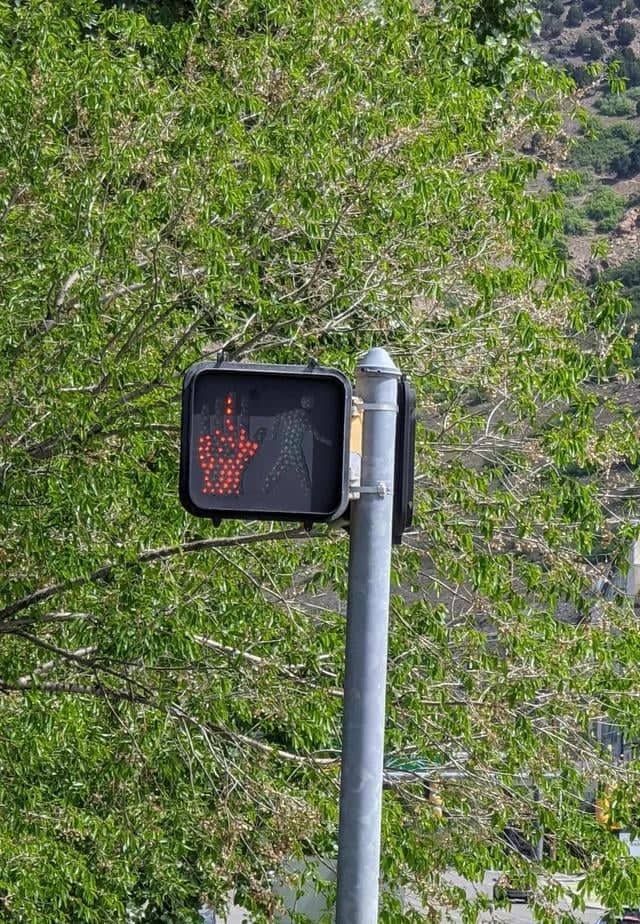
Funny coincidences in photography and design exist because systems were built by different people for different purposes and occasionally those purposes collide at the exact pixel. The ad layout software does not read the article. The algorithm does not assess context. The street sign was installed by a crew who measured the post height, not the skyline behind it. The university email system assigned the username in alphabetical order without any human reviewing the result before it arrived in Megan’s inbox. None of these systems were designed to be funny. They were designed to place things efficiently, and efficiency turned out to have a sense of humor that the systems themselves were not equipped to appreciate.
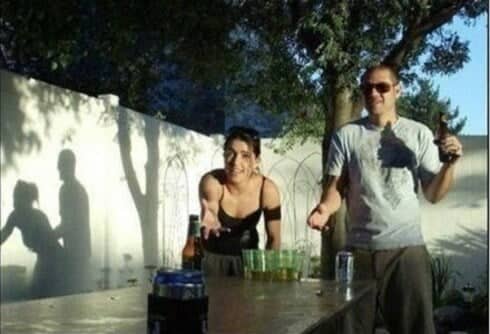
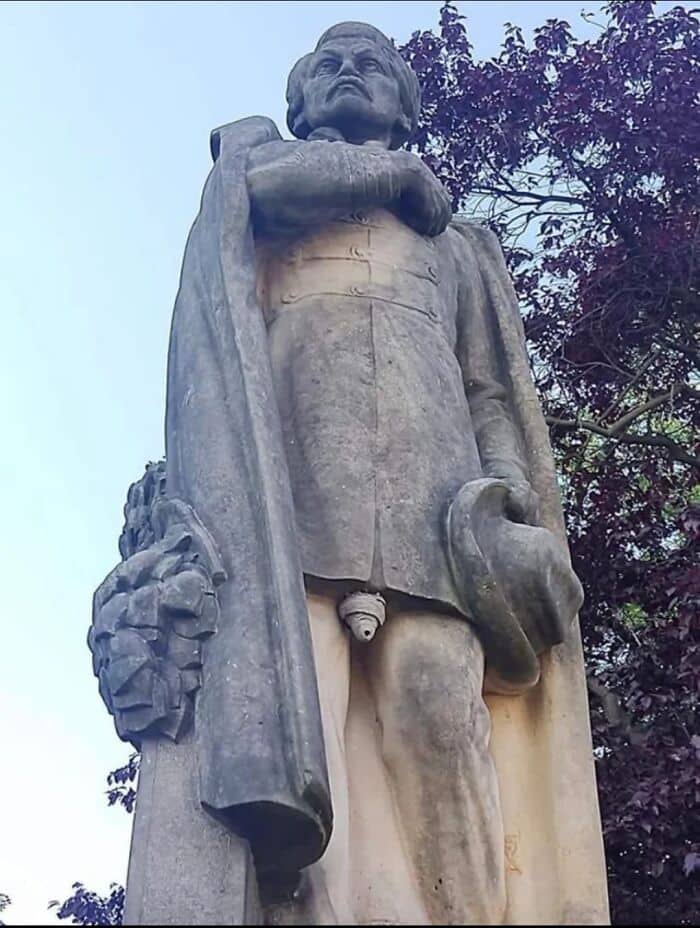
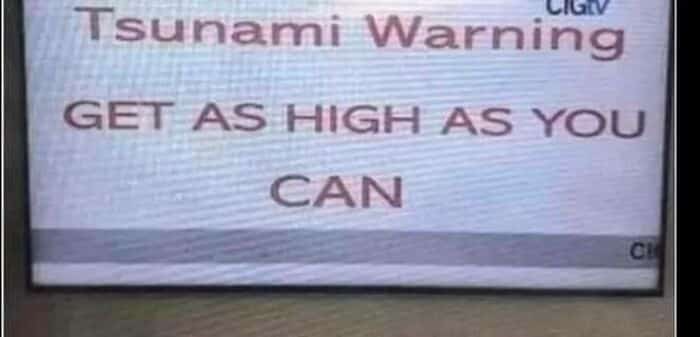
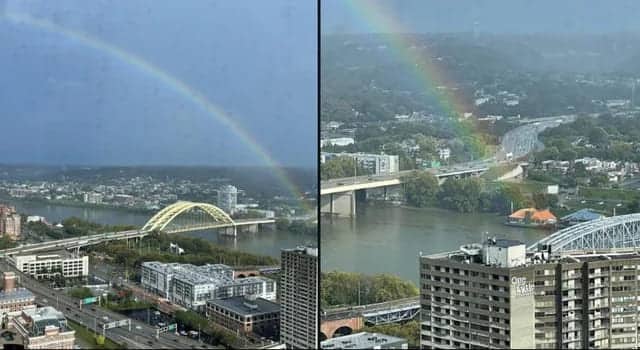
Accidental humor from real life has a quality that staged versions of the same jokes cannot replicate, which is plausibility. A deliberately constructed ironic ad placement looks like what it is: a constructed ironic ad placement. The real version looks like itself, which is two things that happened to be adjacent without anyone noticing until after the fact. The gap between “nobody noticed” and “everyone notices now” is where the comedy lives, and it is a gap that only exists when the accident is genuine. The shadow that creates an image that cannot be unseen. The emergency broadcast that phrases its instruction in the one way that invites a completely different reading. The statue that was positioned with complete artistic intent and was betrayed entirely by the beehive that arrived later and had no idea. These are not jokes. These are situations that became jokes by virtue of being seen correctly.
What the best accidentally funny photos share is the democratizing quality of the unintended: they are equally available to everyone who encounters them. The layout editor, the reader, the subject, the algorithm — nobody in the chain had more access to the joke than anyone else. It was distributed to all of them simultaneously at the moment of encounter, and the encounter is the whole of it. This is the purest form of comedy that exists, because it requires nothing of the audience except the willingness to look at two things at once and notice what they produce together. The universe did the setup. The camera did the framing. The screenshot did the archiving. The only skill required was being there.
If this gallery has made you look at every ad placement with fresh suspicion, ironic juxtaposition content is a rich companion category where the accidental and the intentional overlap enough to keep the category interesting indefinitely. Unfortunate timing and bad luck humor belongs right beside it for the wider range of situations that produced comedy without anyone’s permission. And for anyone drawn specifically to the algorithm failure category, tech fails and digital mishaps are a well-populated space where the username generator has made decisions of this quality on multiple occasions and the documentation is thorough.
Read Memes
Get Paid


Laura Bennett has spent eight years immersed in internet culture, specializing in deep dives into meme origins, evolving meme trends, and digital subcultures. As a contributor for several prominent online platforms, including BuzzFeed’s meme division and Know Your Meme, she’s written extensively about viral moments from Crying Jordan to Woman Yelling at a Cat. Laura believes memes aren't just internet jokes—they're modern-day folklore. She brings that passion to Thunder Dungeon by keeping readers connected to what's culturally significant, hilarious, and timelessly viral.

Regarding #12: Saying “They leap. As in they leap forwards.” is necessary, because a leap can still be vertical.