
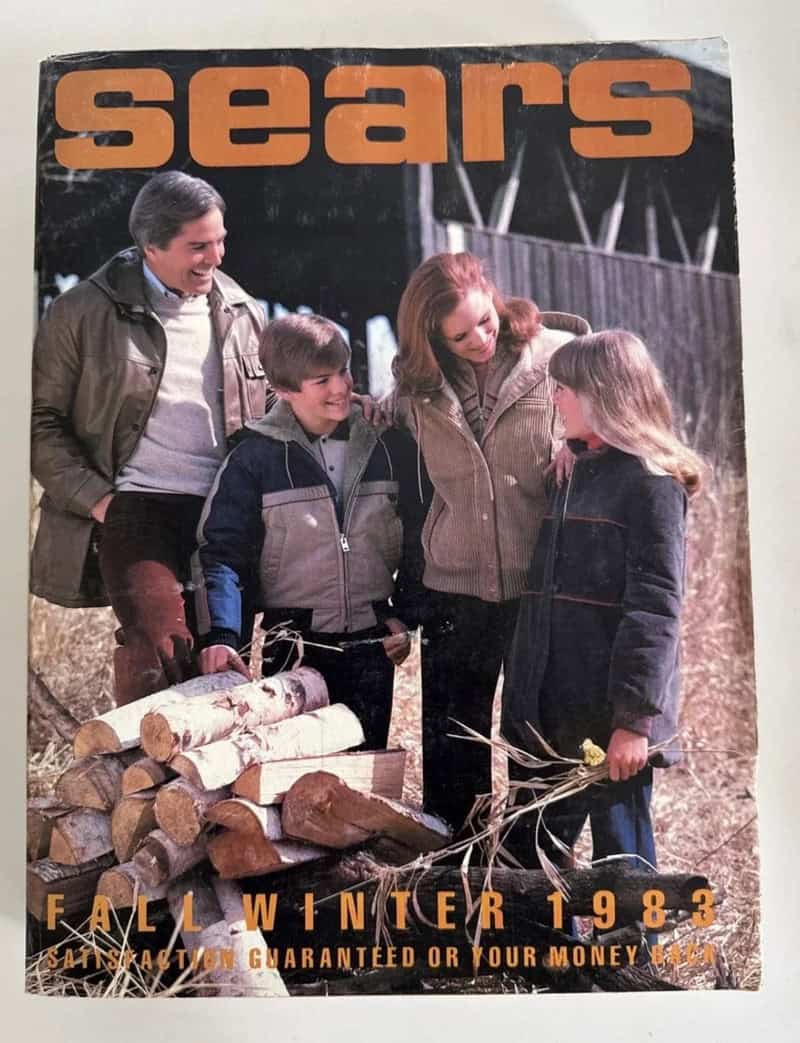
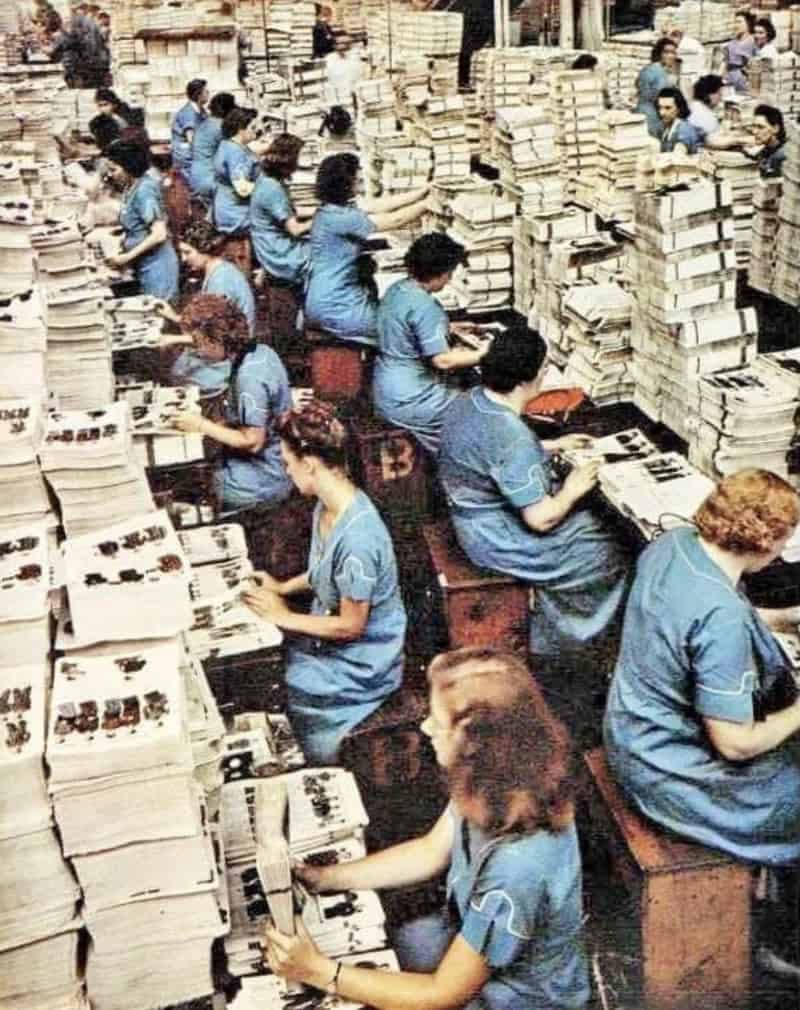
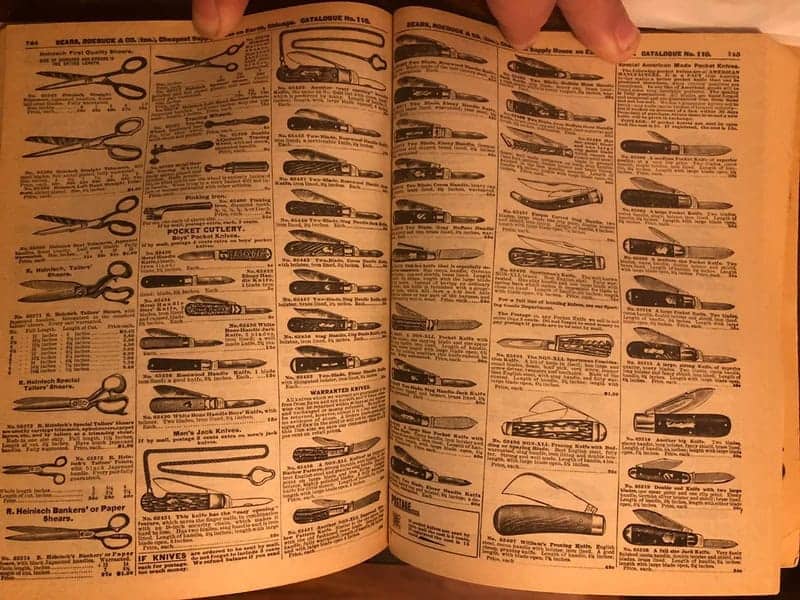
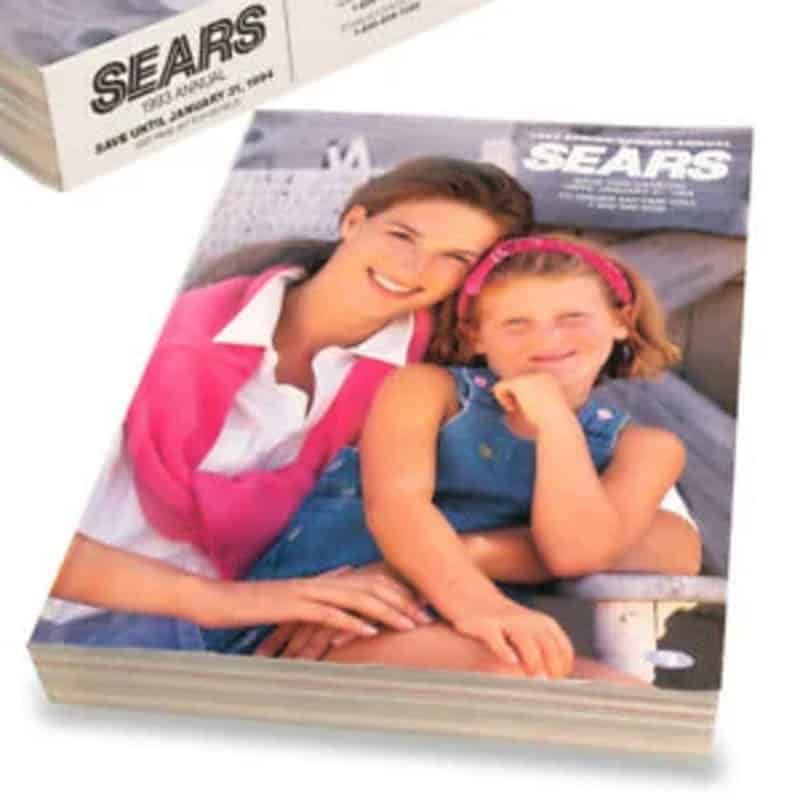
Before Amazon condensed the act of wanting things into a two-second tap, there was The Catalog. Not a website. Not a scroll. An actual physical object that arrived at the house and immediately became the most important thing in it — a thick, door-stopping anthology of consumer desire that children carried around with a pen, circling items with the focused intensity of adults doing their taxes. The Sears catalog was not just a shopping document. It was a window into what American life was supposed to look like, from the patio furniture arrangements to the coordinated swimsuit families to the console televisions the size and weight of a small sedan. Vintage Sears catalogs are funny now because we have the distance to read them correctly, which is as a very thorough and unintentional time capsule of a civilization in the middle of making several decisions it has since reconsidered.
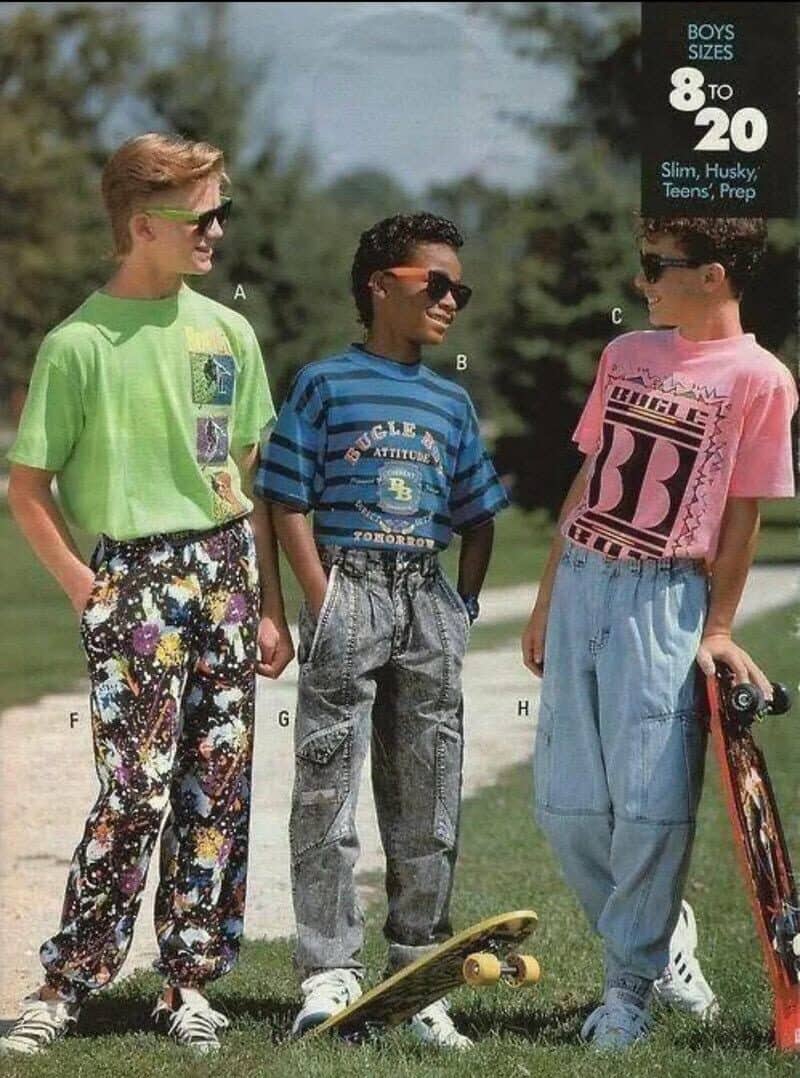
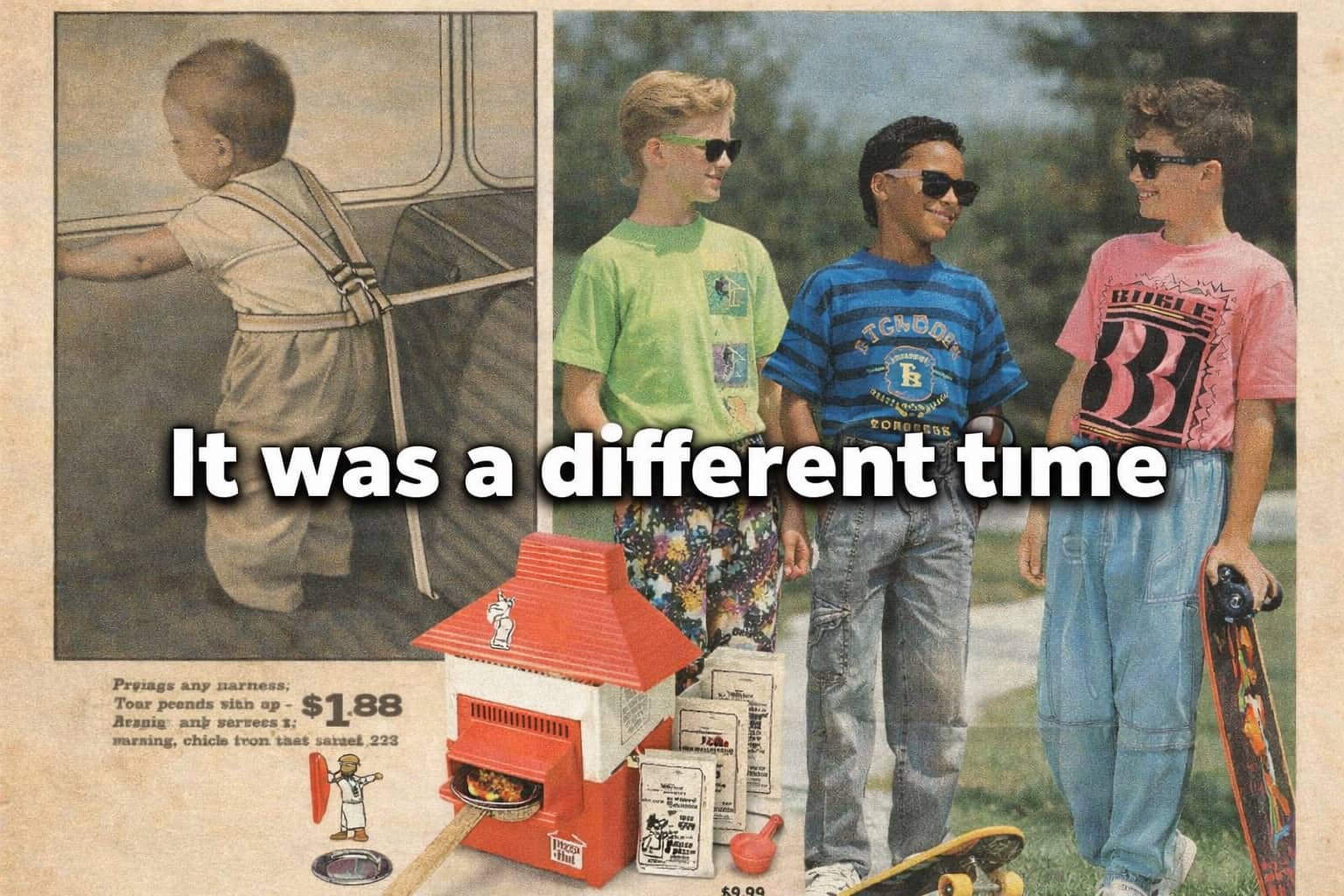
Three boys, three regrets, one catalog page.
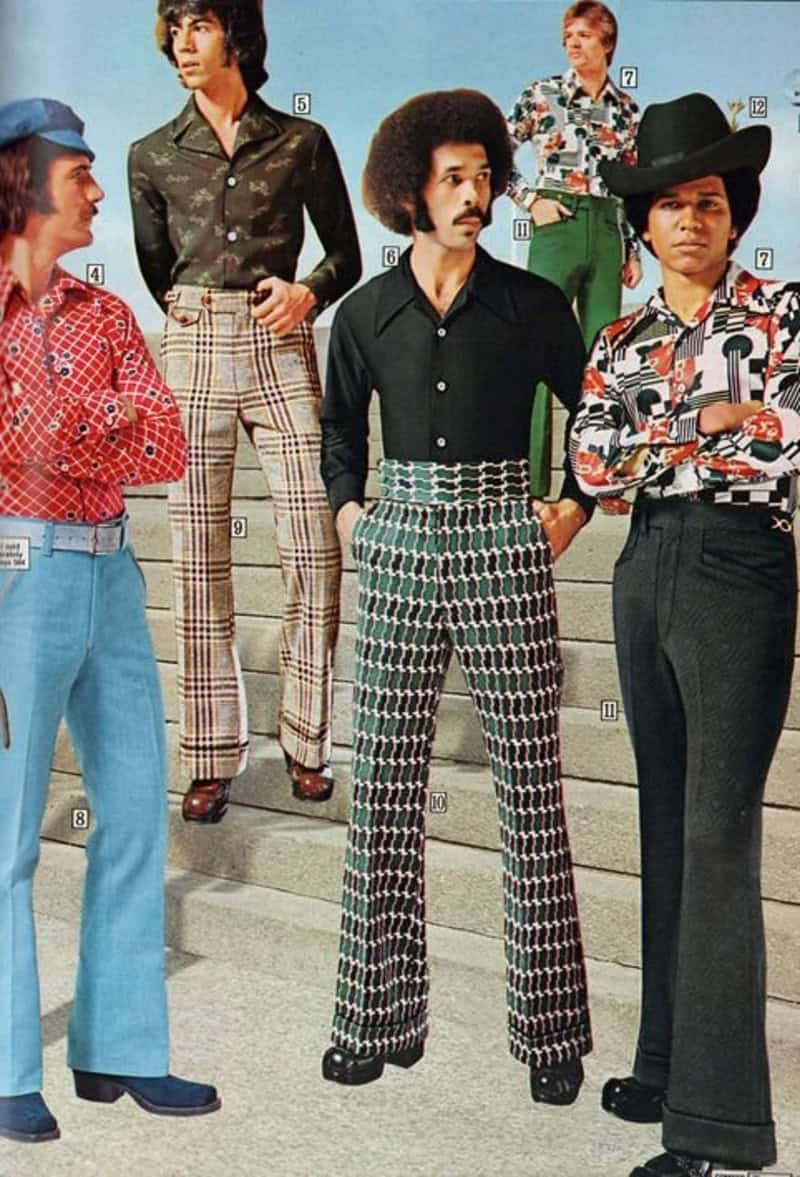
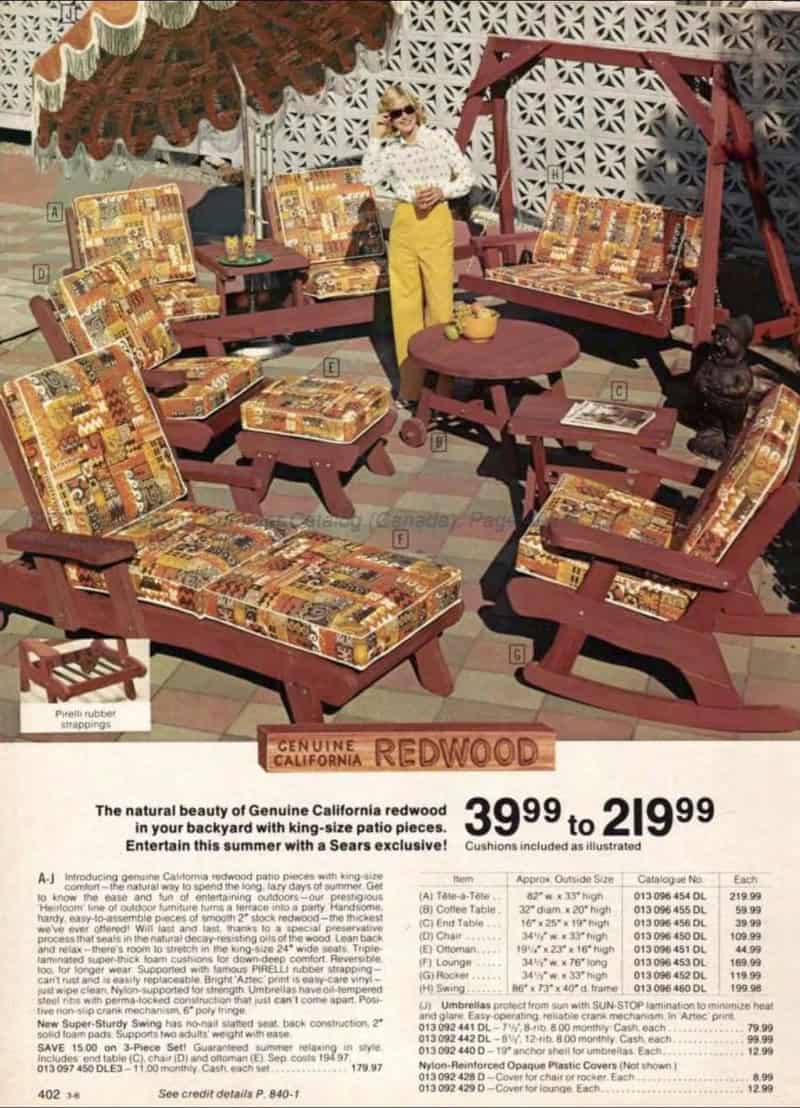
That cowboy hat is the most subtle thing on this entire page.
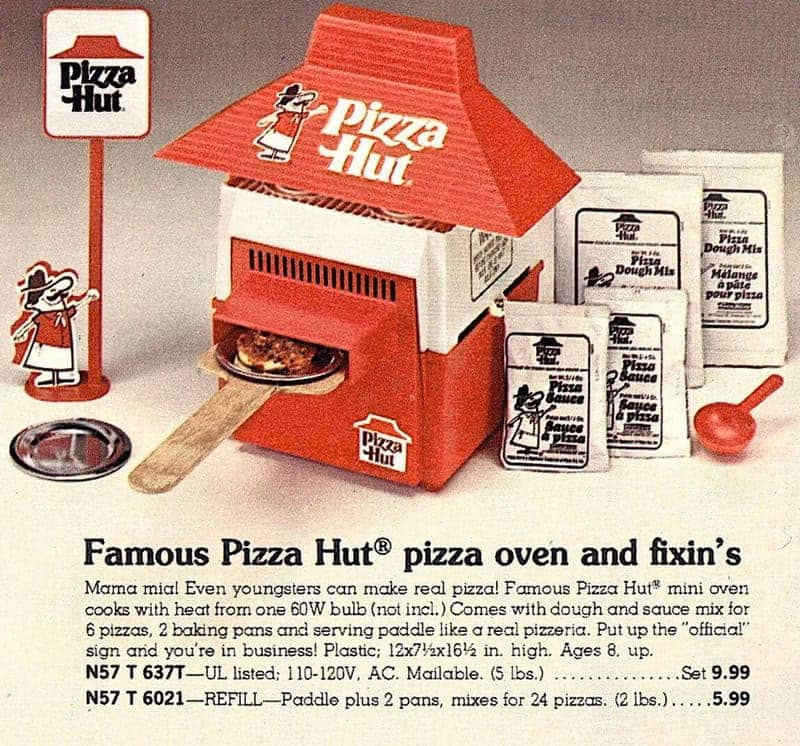
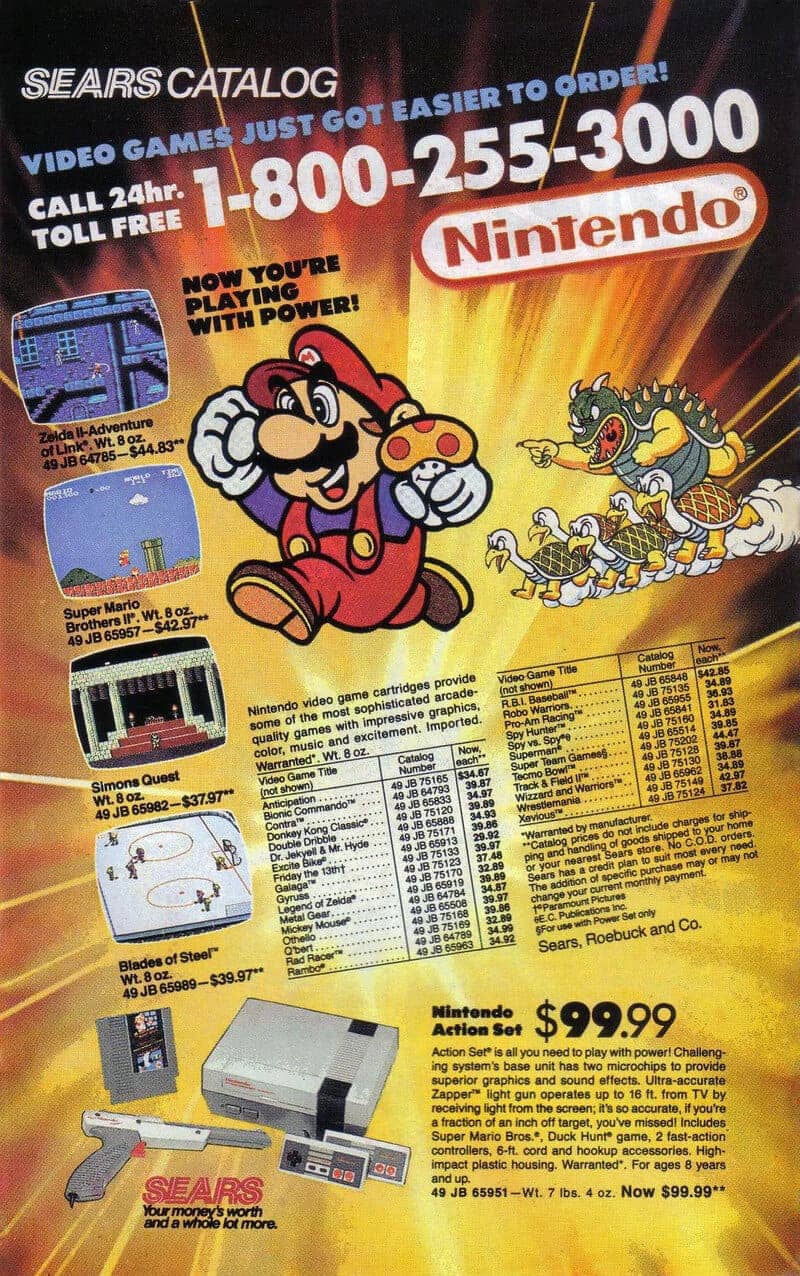
Cooking pizza with a 60-watt lightbulb. The 80s were unhinged.
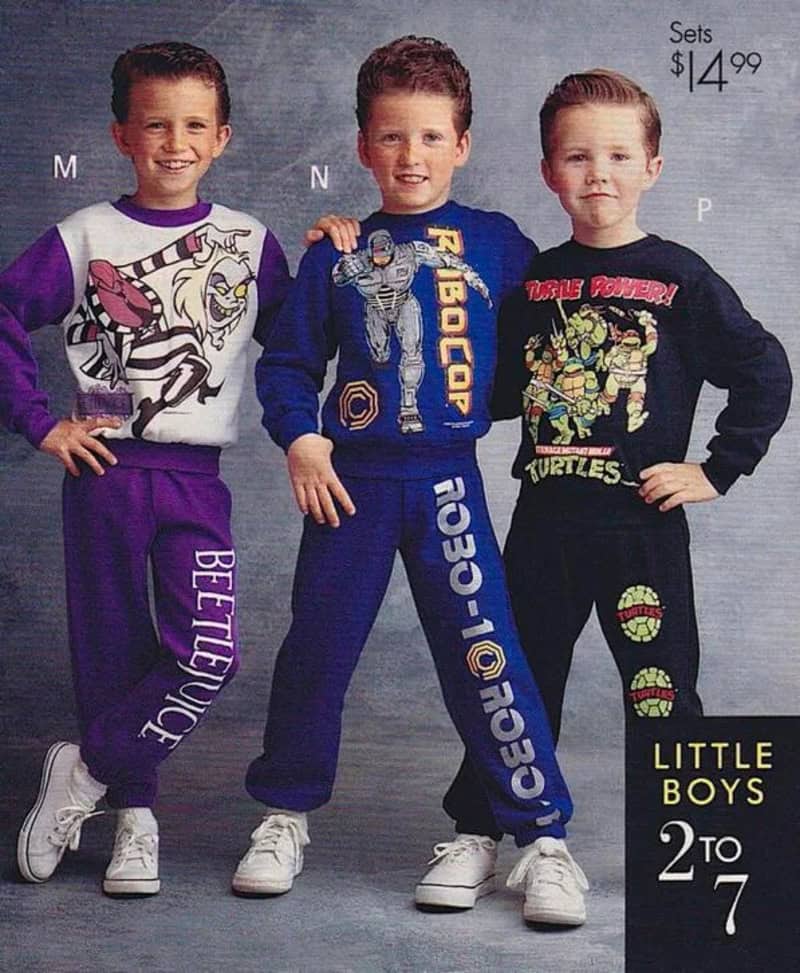
Imagine being seven years old and having "RoboCop pants" as a personality.
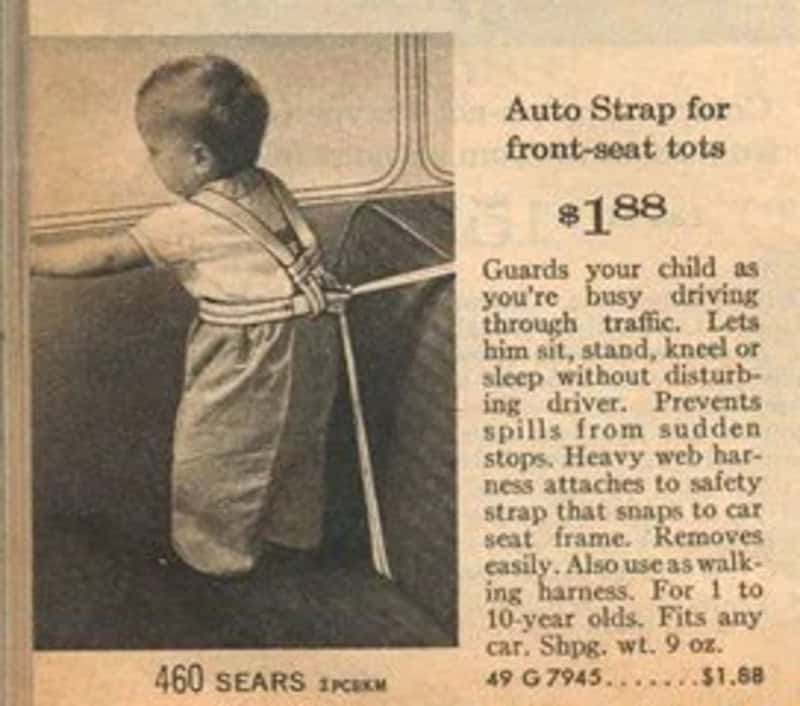
Car seats? In this economy?
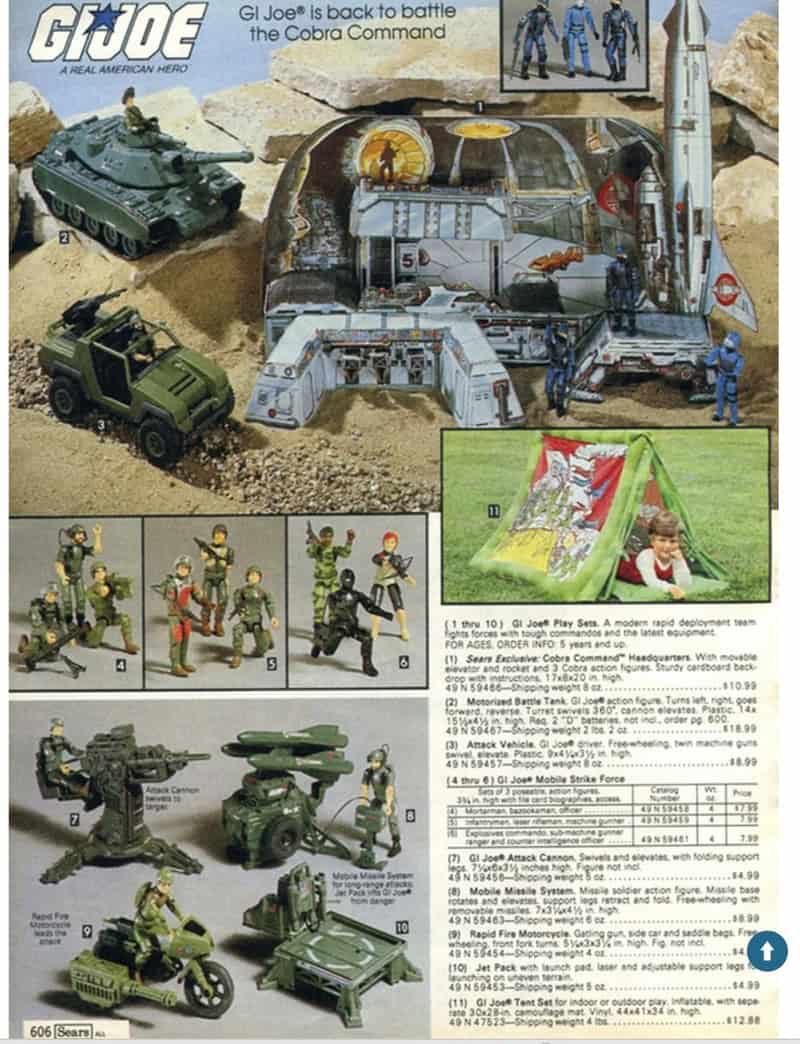
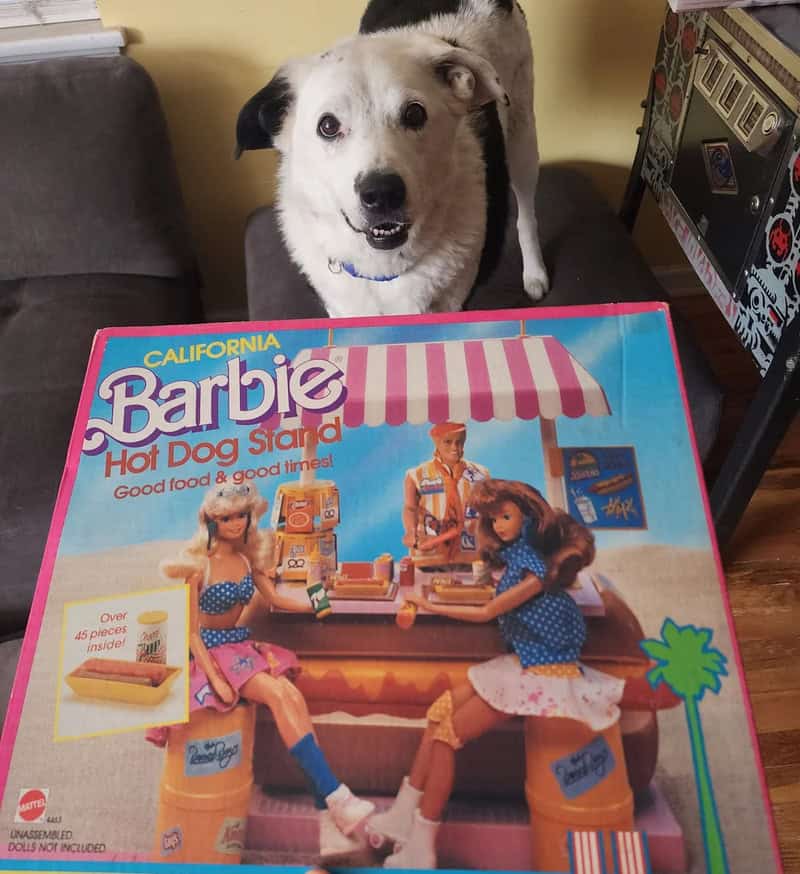
Every one of those tiny accessories ended up in the vacuum cleaner.
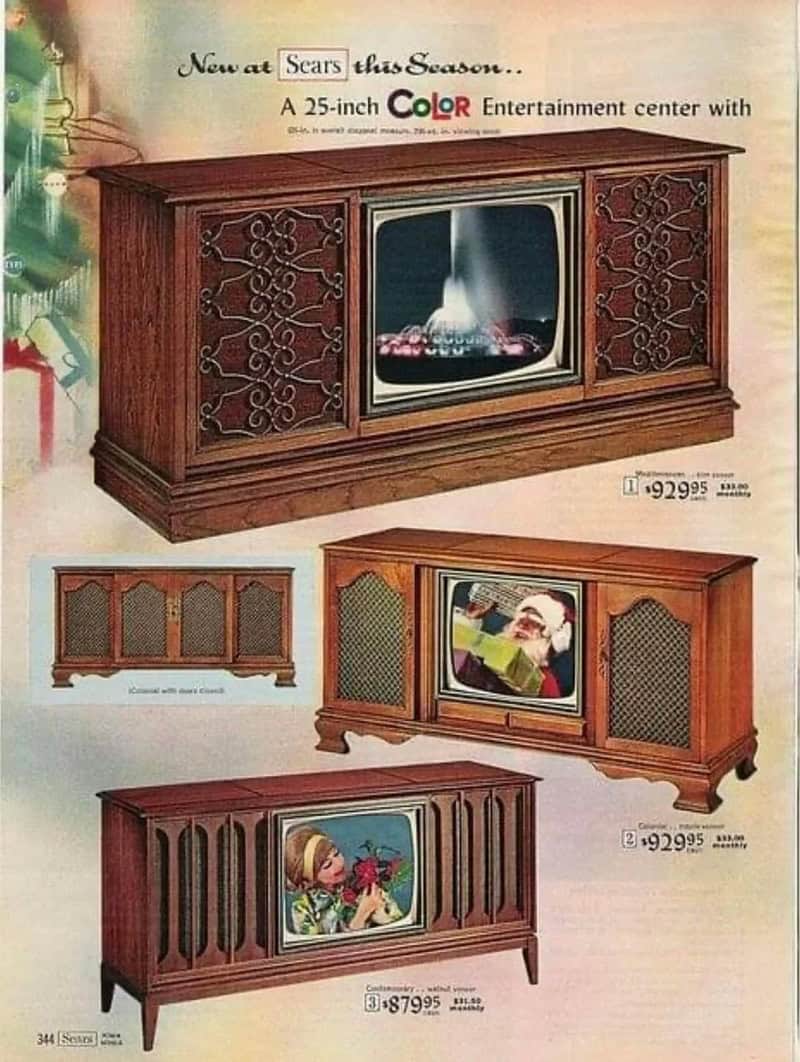

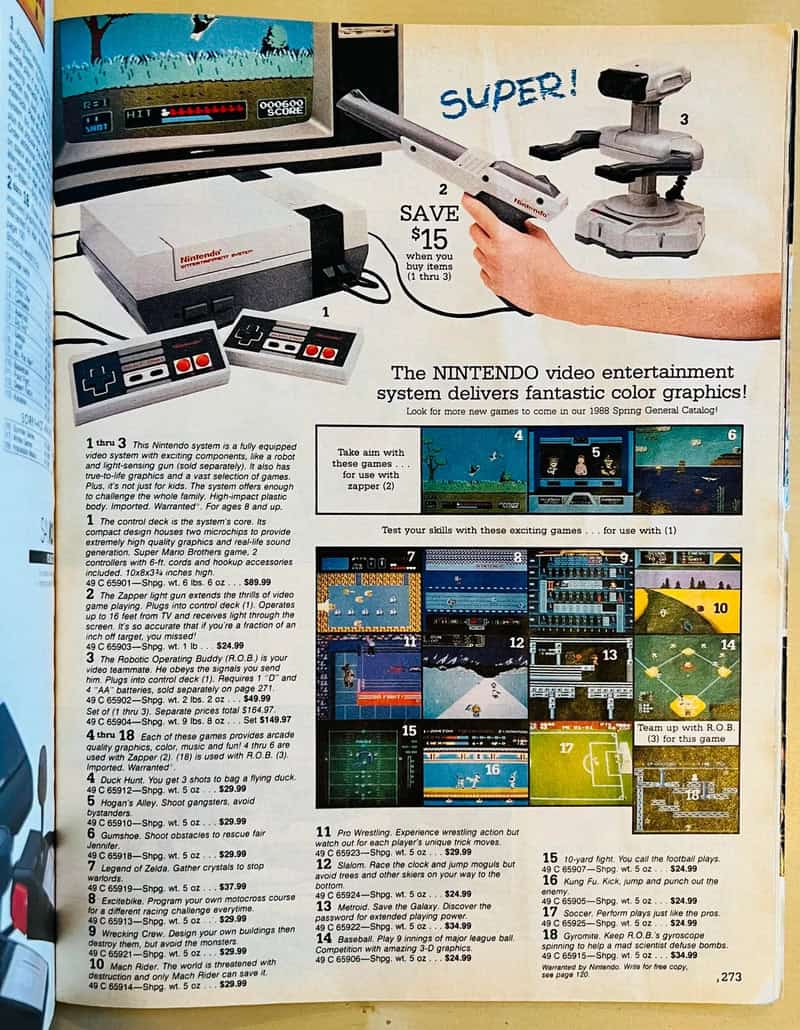
Wireless remote control listed as a luxury feature. We've truly come a long way.
Somewhere, a 50-year-old is still mad his mom threw out the box.
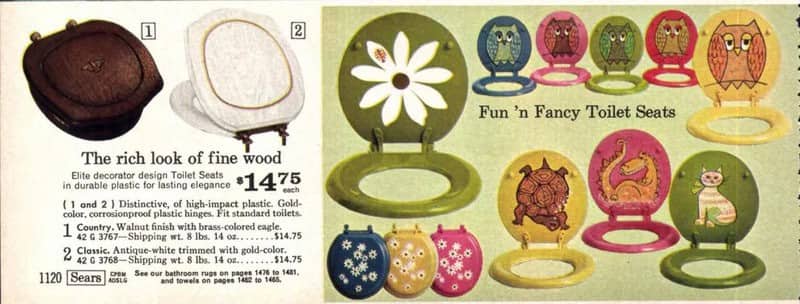
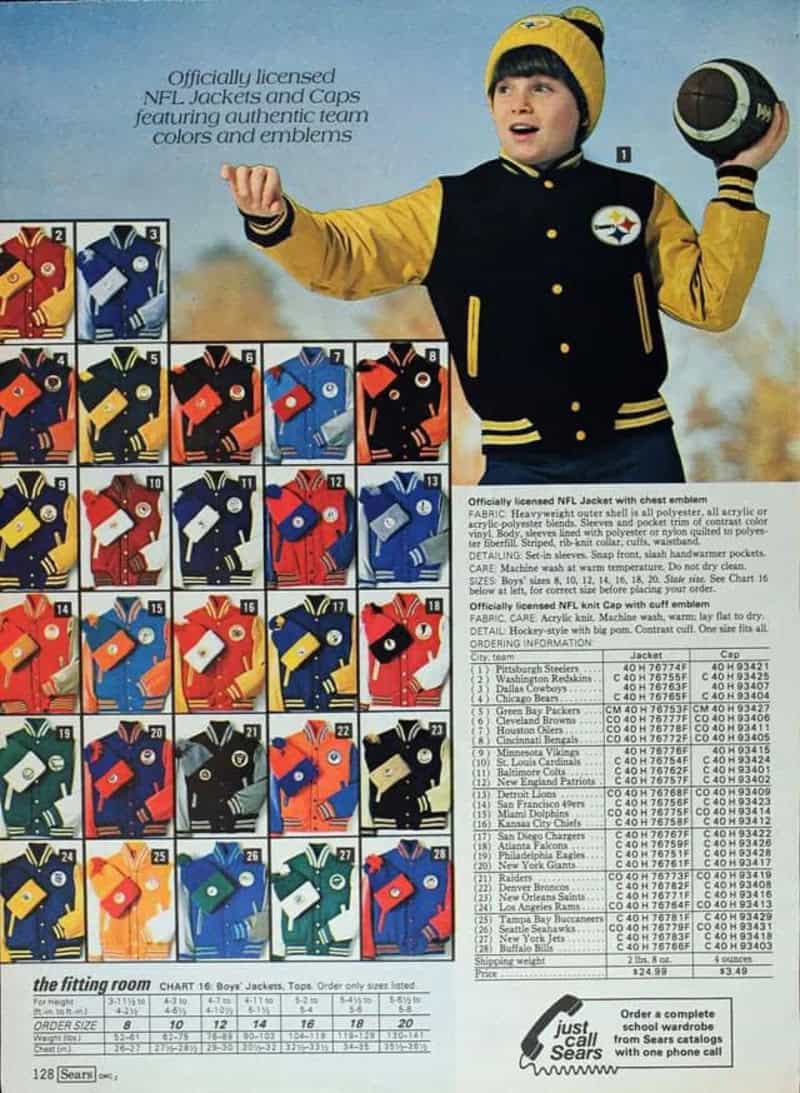
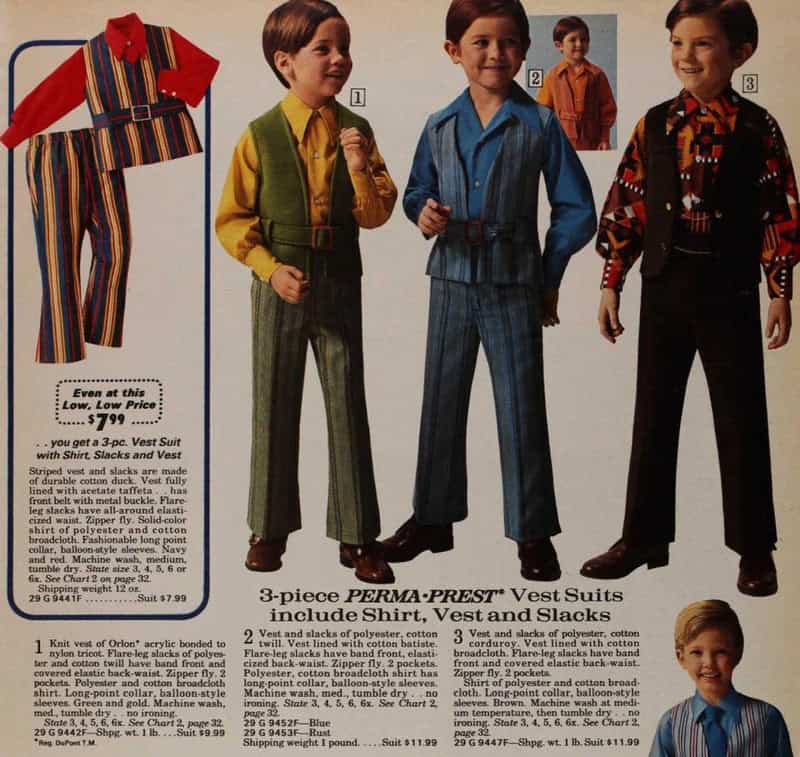
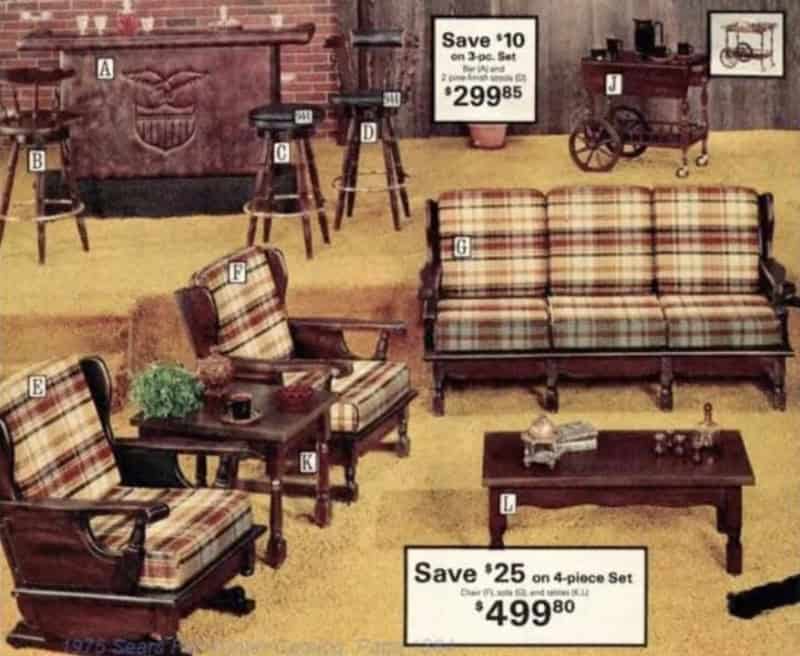
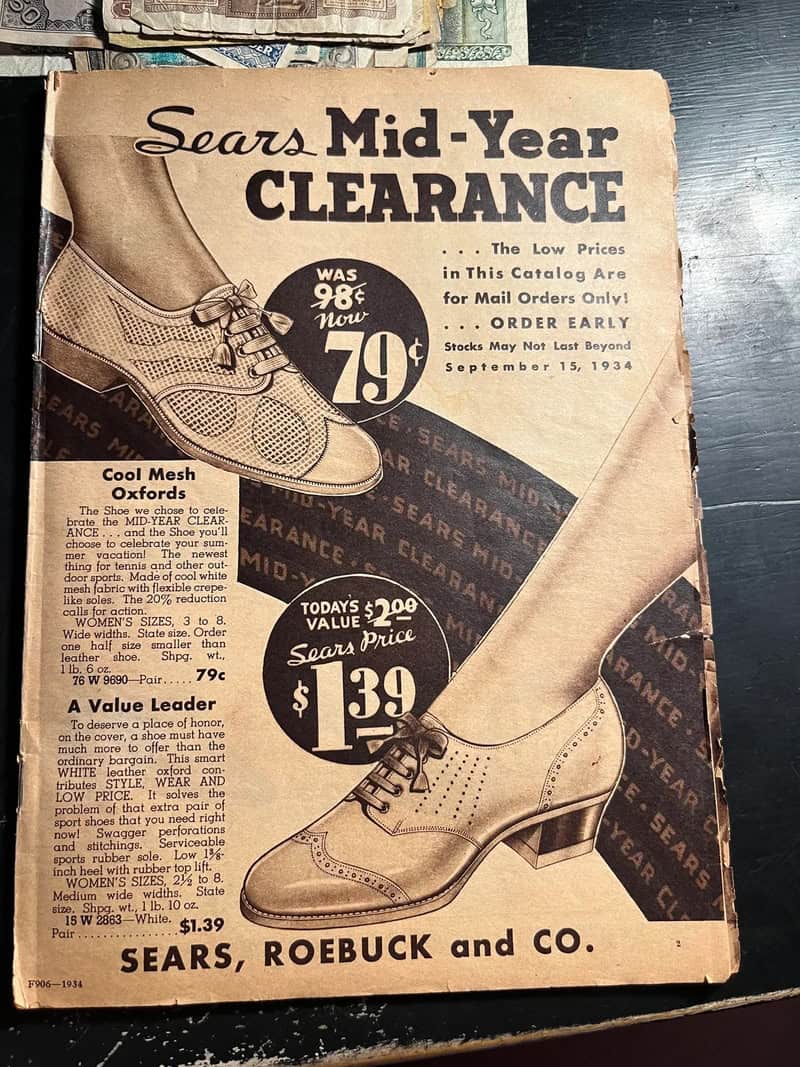
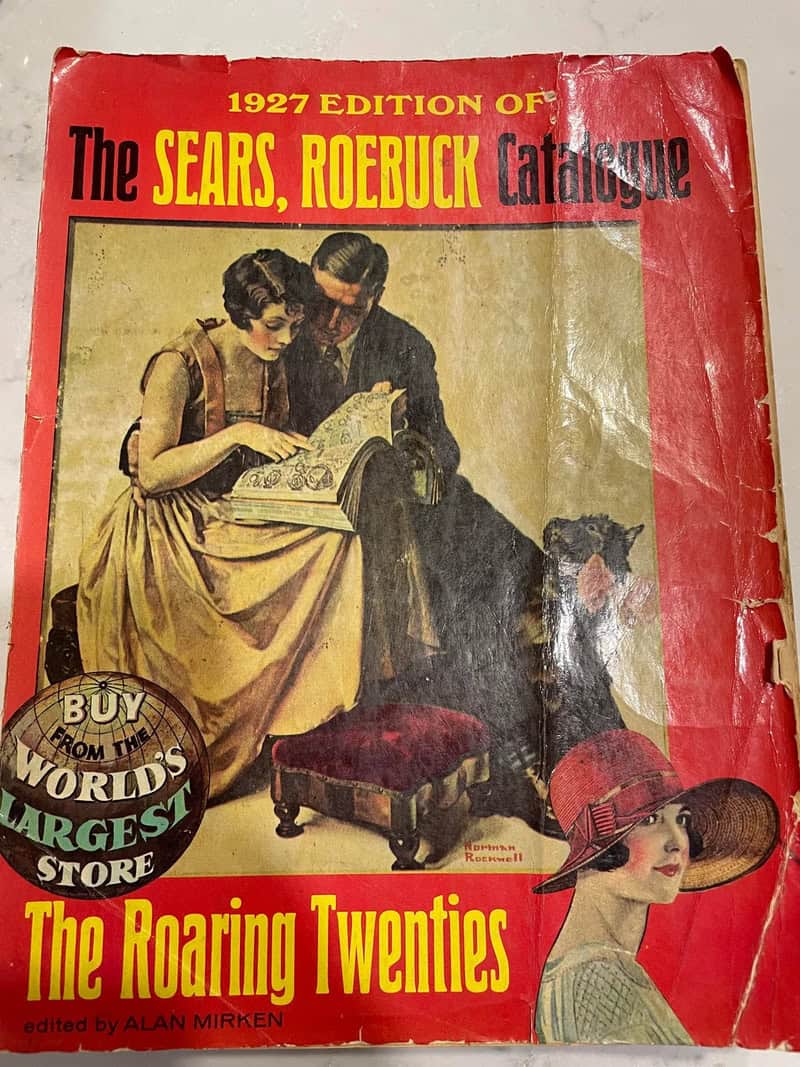
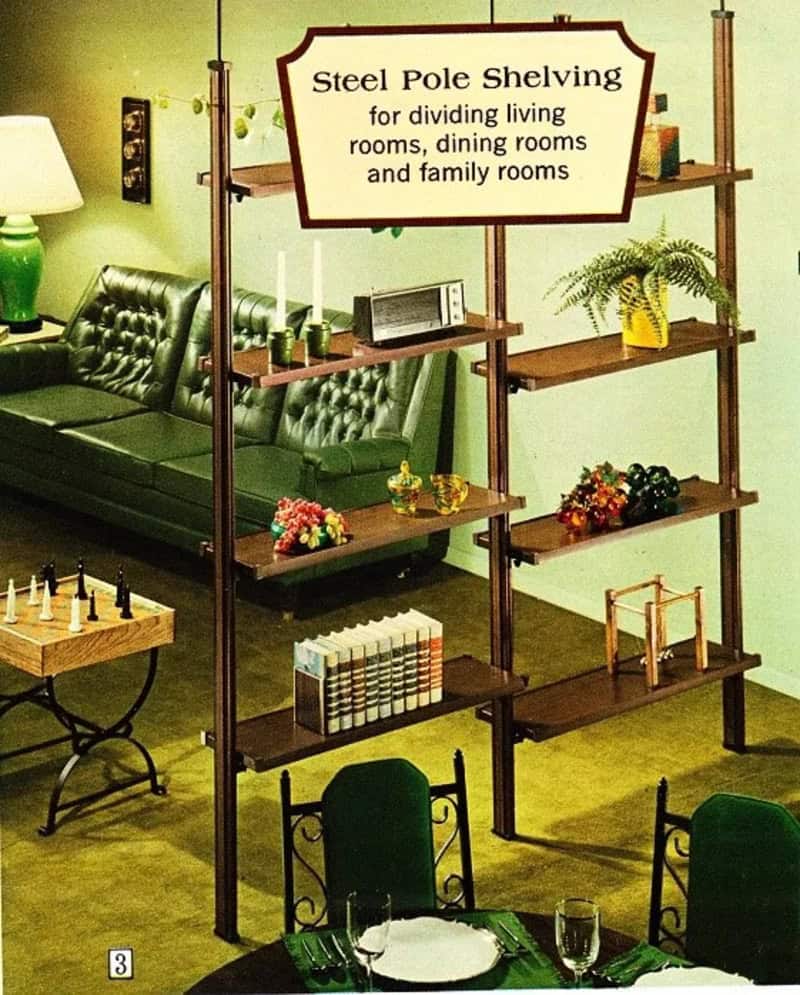
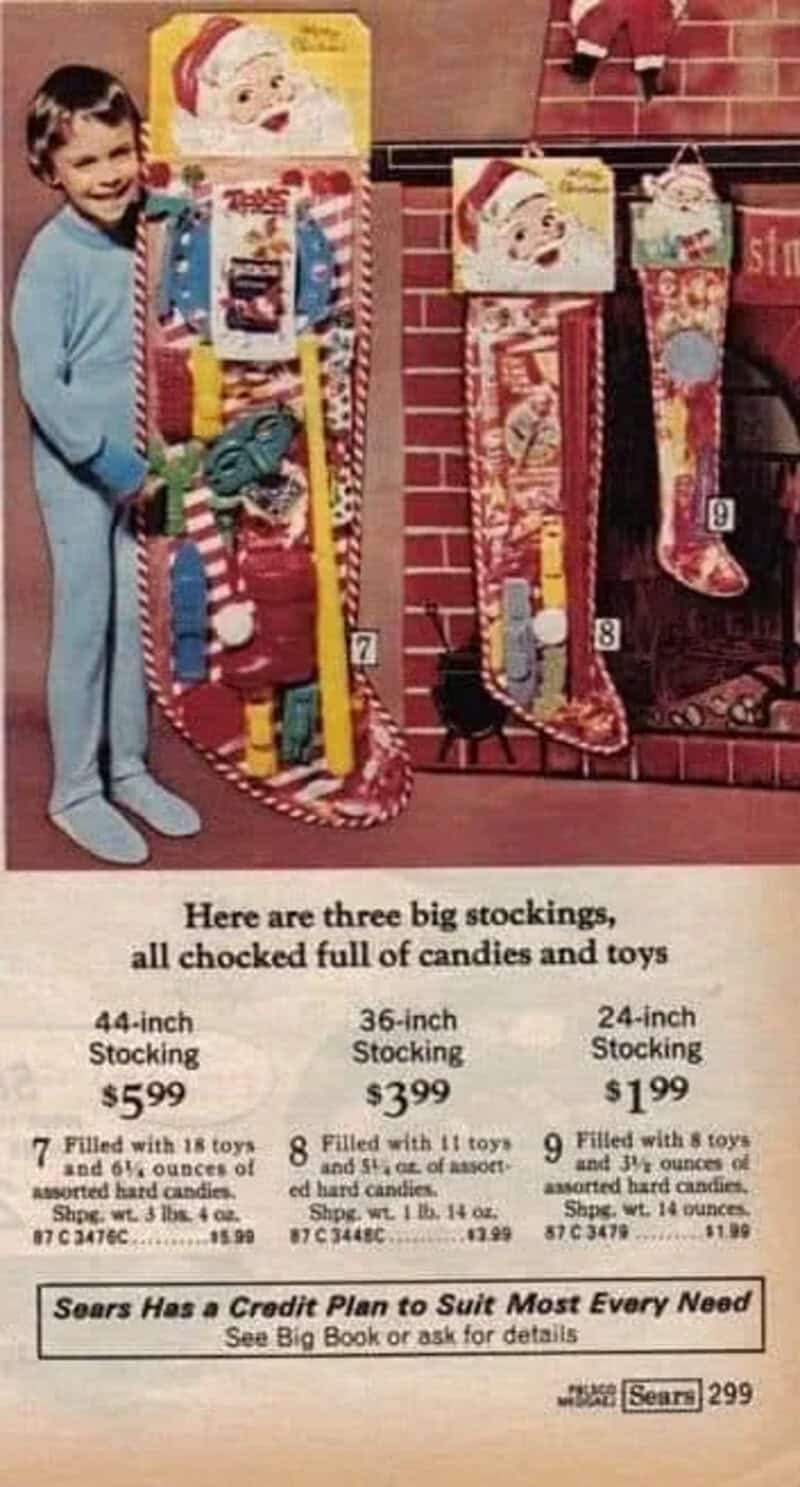
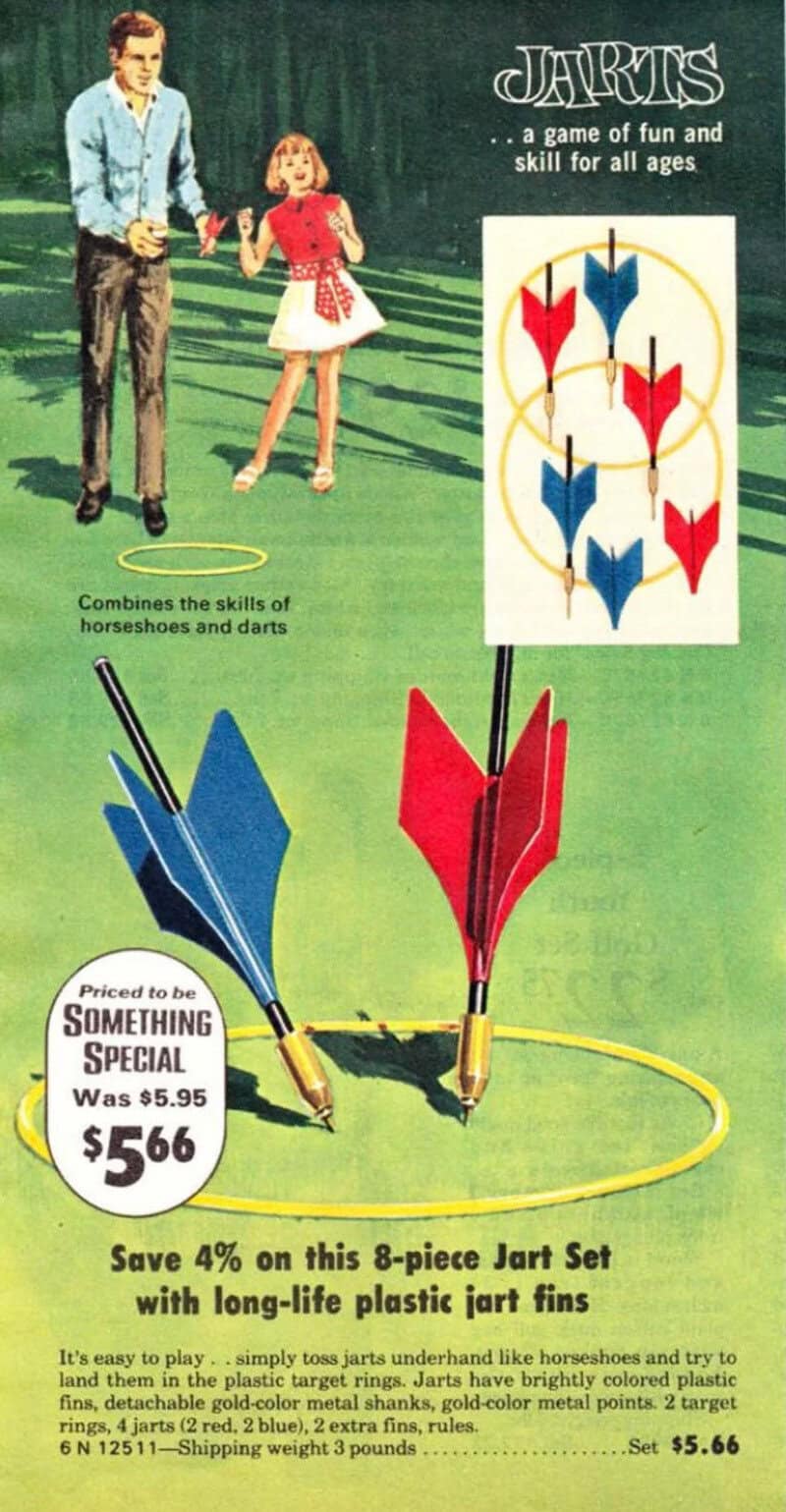

Vintage Sears catalogs
Read More
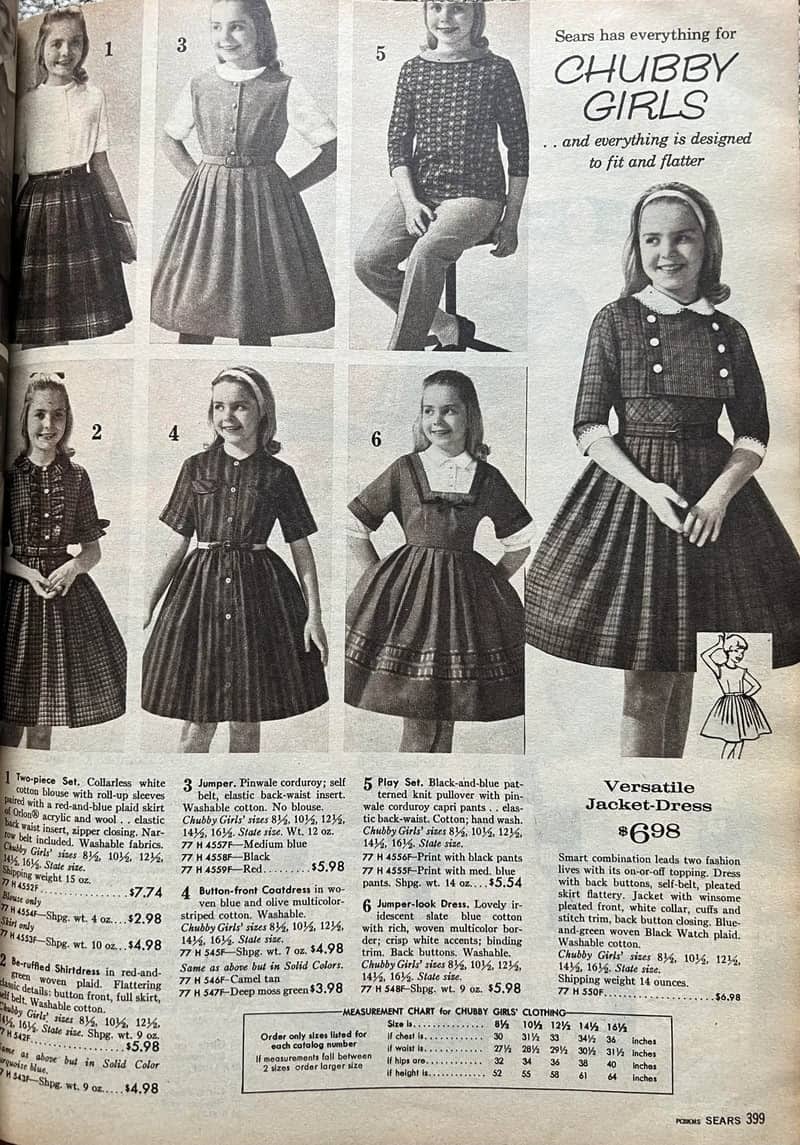
The fashion pages are the most reliable comedy in the catalog archive, and they are reliable specifically because fashion was doing something genuinely unhinged in the 1970s and 1980s and every person in those pages looks completely confident about it. The plaid bell-bottoms are not an accident. The neon splatter pants are not a mistake. These were chosen items, purchased with real money from a real catalog by real parents who looked at their children and thought: that is what my kid should be wearing. Retro fashion from Sears occupies a specific cultural register where the confidence of the era and the comedy of the retrospective create a gap that is permanently funny. The cowboy hat in the 1970s menswear spread is the most restrained element on the page, and that tells you everything.
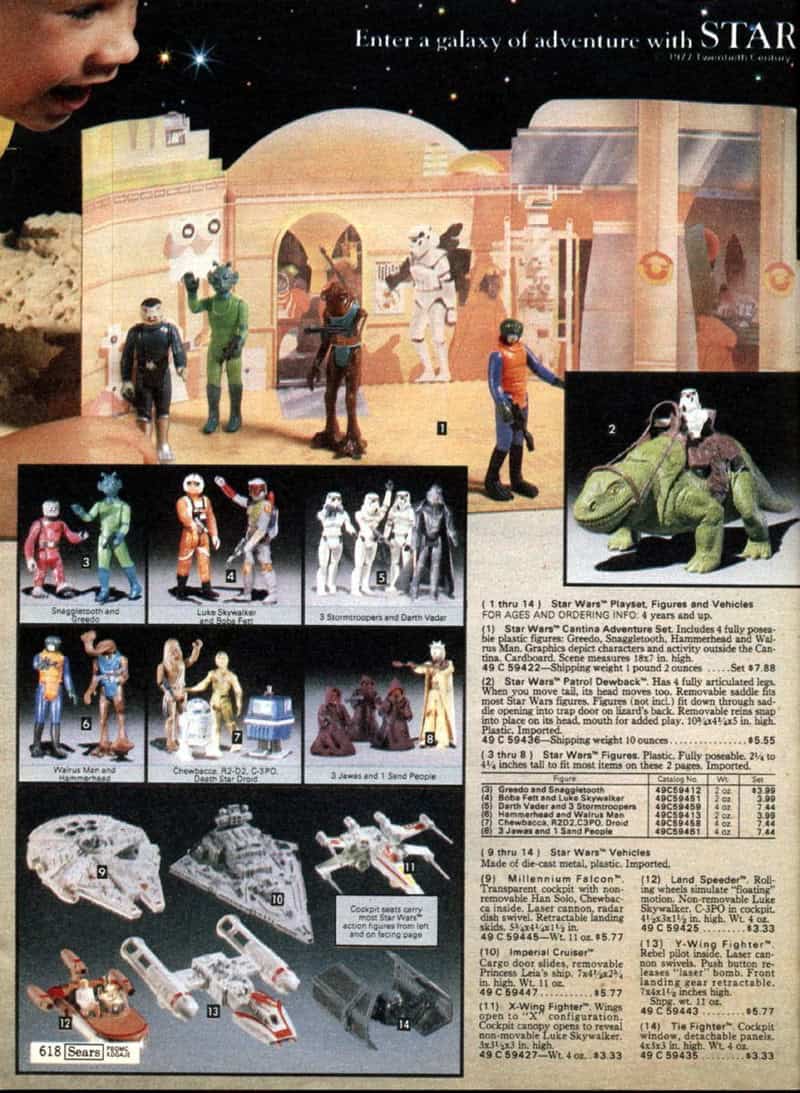
The toy pages are where the nostalgia starts to ache a little, which is the inevitable consequence of looking at vintage toy ads with adult eyes. The original Star Wars figures at $7.88. The NES at $89.99. A Pizza Hut toy oven that ran on an actual light bulb because the 1980s were operating under a significantly more permissive relationship with children and heat sources. Classic toys from Sears represent something specific about that era of childhood, which is that toys were physical, tactile, and required your full presence. You could not half-play with a GI Joe Cobra Command set. You were either in or you were staring at a pile of tiny accessories wondering how they all ended up inside the vacuum cleaner. Old Sears toy pages are also, at this point, retirement plans — the complete in-box sets that survived the era are worth enough now to make every parent who donated them in 1994 experience a very specific kind of grief.
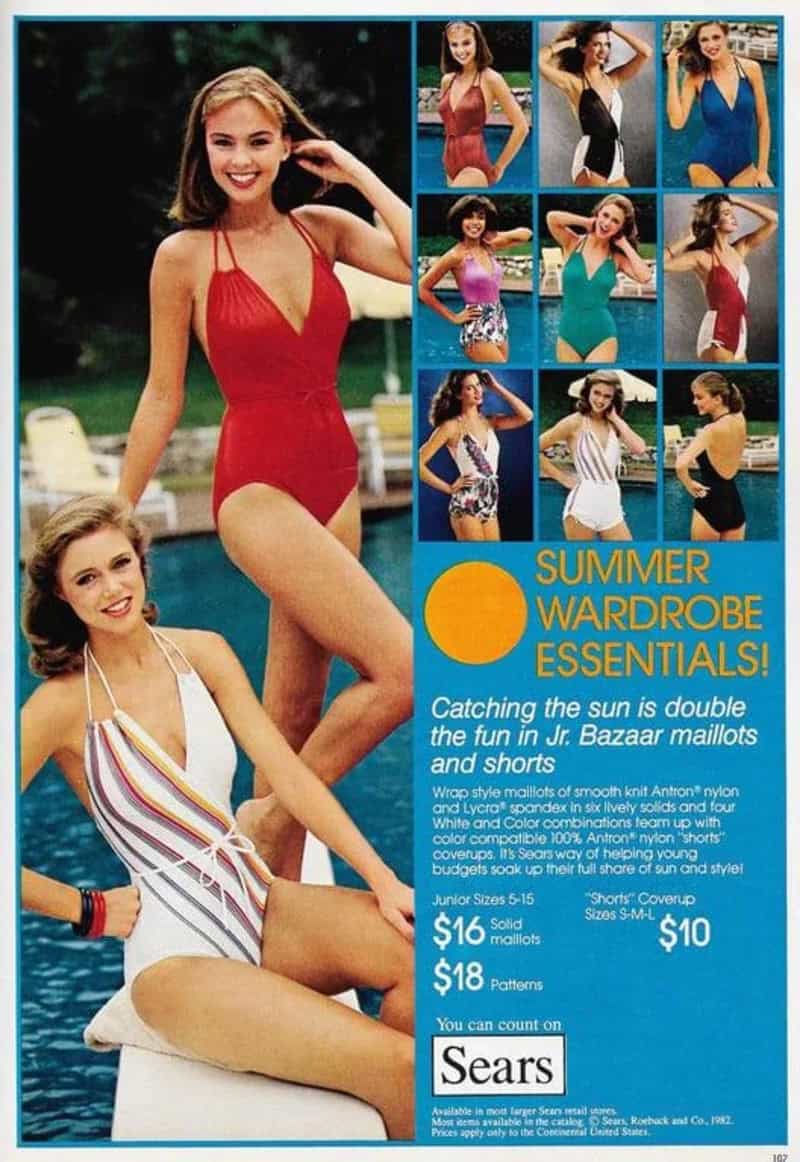
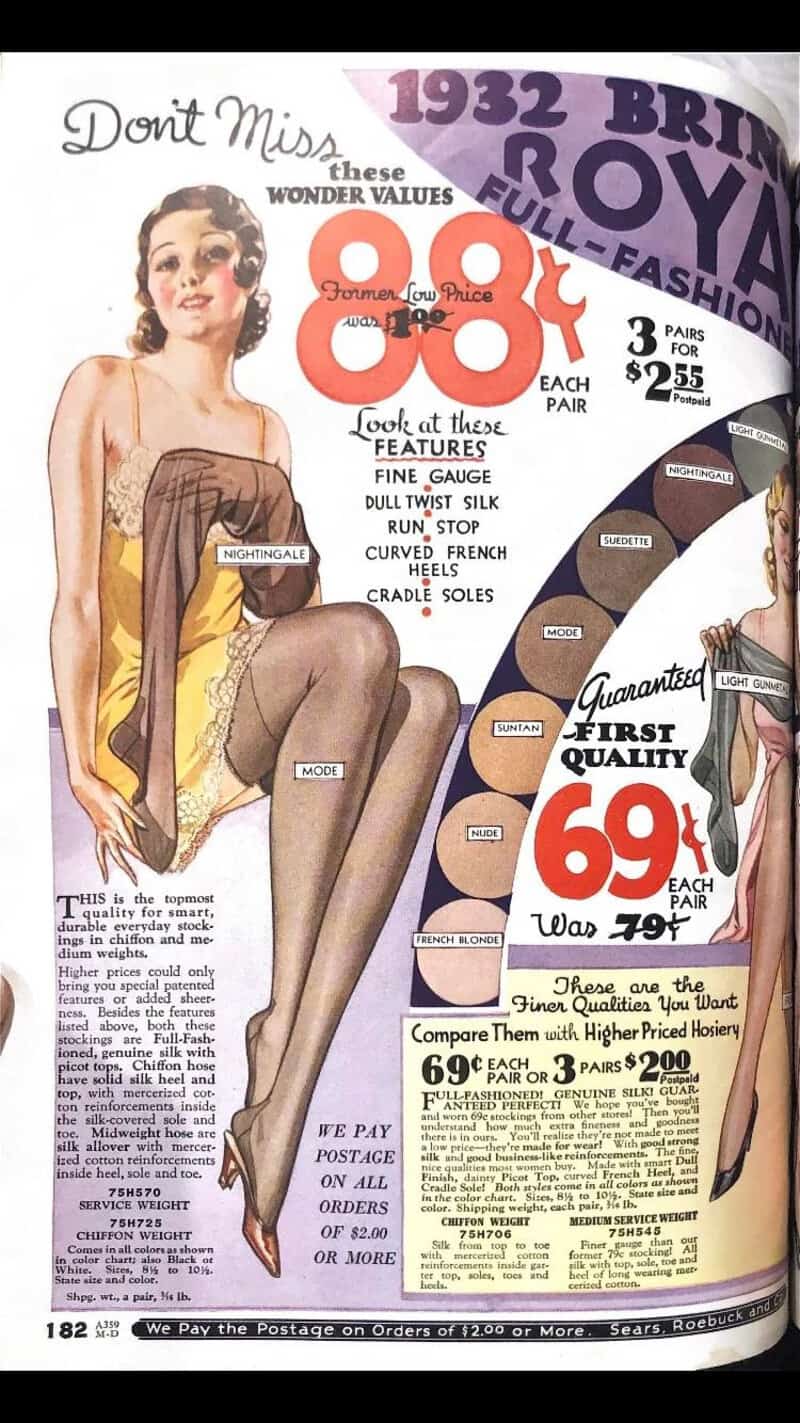
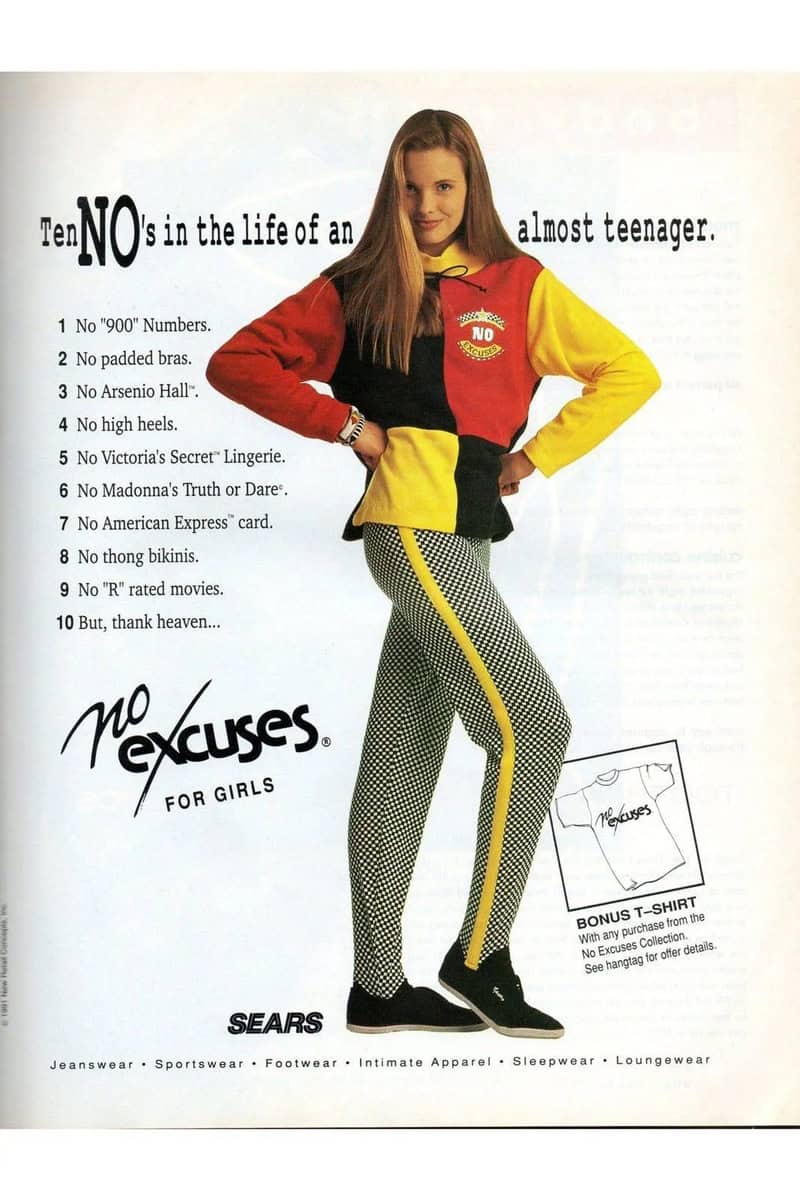
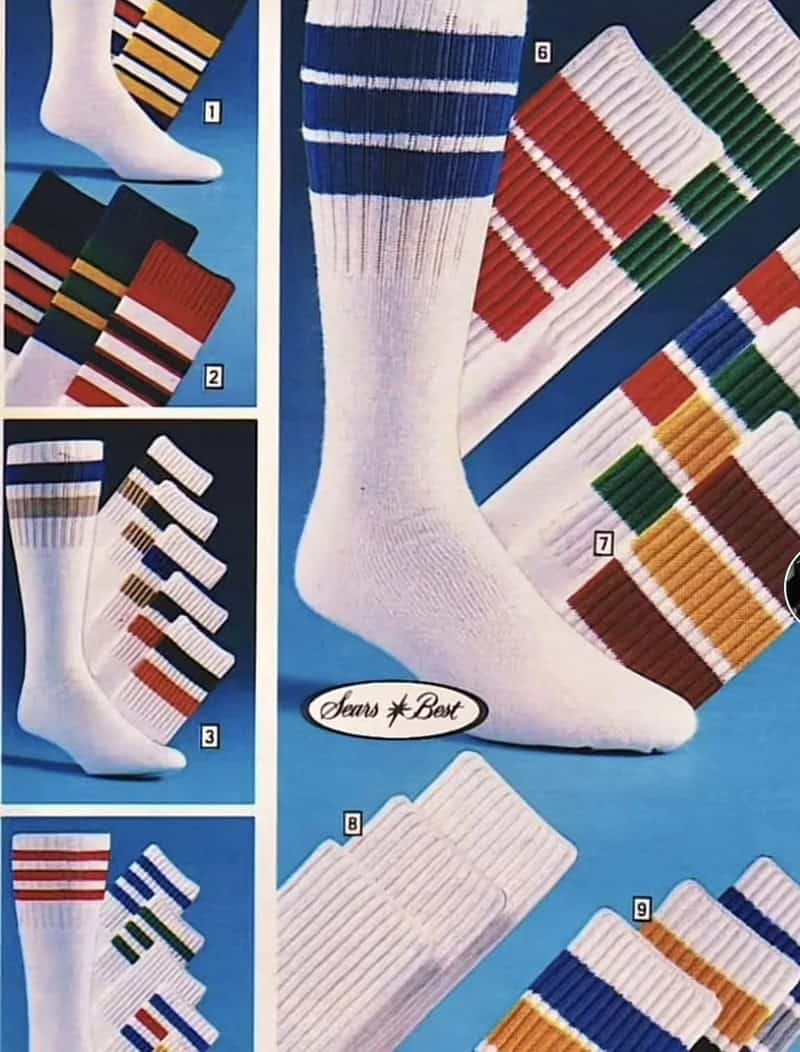
The genuinely concerning pages are the ones that require the most distance to find funny, and the distance, we think, is doing important work. The toddler auto-strap that “lets him sit, stand, kneel or sleep” in a moving vehicle is a product that passed every relevant standard of its era, was purchased in large numbers, and reflects a relationship with child car safety that the culture has substantially revised. The No Excuses ad listing ten things almost-teenagers were prohibited from doing is a document about a specific moment in parenting history that required “no 900 numbers” as a category. The swimsuit spread with prices we cannot psychologically process is a reminder that the same items, in the same physical category, now cost amounts that would have read as satire in 1982. The catalog did not know it was making a historical record. It was just trying to sell tube socks.
If this gallery has sent you looking for your parents’ old catalog stash, vintage catalog nostalgia is a rich and continuously growing category where the Sears archive is only one of several retail institutions whose past decisions have aged into comedy and occasionally into art. 80s and 90s childhood memories broadly belong right beside it. And for anyone who found the toy pages most affecting, vintage toy collecting content is a companion space where the Star Wars figure market is well-documented and the grief about the thrown-away boxes has its own dedicated community.
Read Memes
Get Paid


Jake Parker, known around the web as "Jay," is a digital writer with over 10 years of experience covering internet humor, meme trends, and viral content. Before joining Thunder Dungeon, Jay was the lead editor at MemeWire, where he helped curate memes that broke the internet, including coverage on trends like Distracted Boyfriend, Kombucha Girl, and Bernie Sanders’ Mittens. A self-proclaimed "professional procrastinator," Jay spends his downtime scrolling Reddit and Twitter to stay ahead of what's about to break the internet next.