

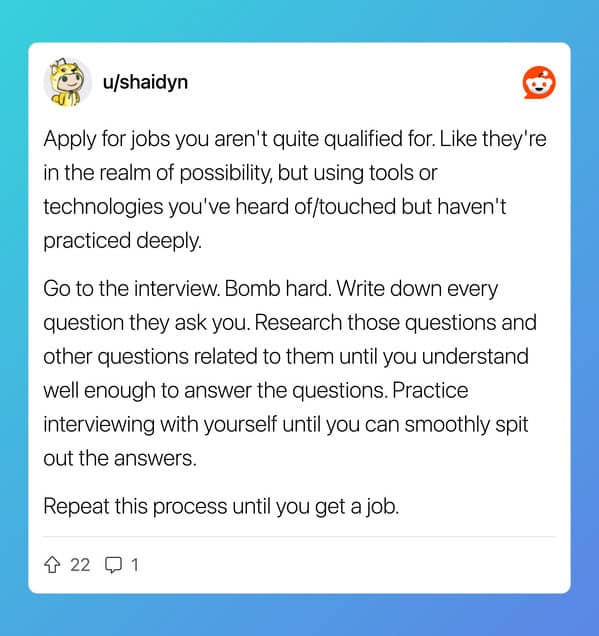
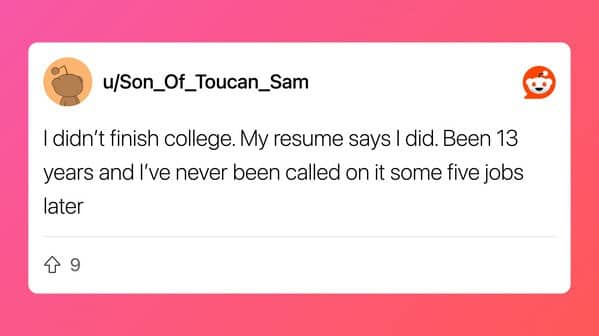
The conventional hiring advice has always been: tailor your resume, follow up politely, network authentically, present your best self. What that advice assumes is that the system receiving the resume is operating in good faith on the other side, which is a generous assumption for a process that regularly ghosts candidates after three interviews, runs applications through automated rejection software before a human reads them, and routinely lists entry-level positions requiring seven years of experience. The job application process asked people to play a very specific game and then quietly changed the rules, and the internet noticed. These unethical job hacks did not come from nowhere. They came from people who sent two hundred applications into the silence and decided that the silence was information.
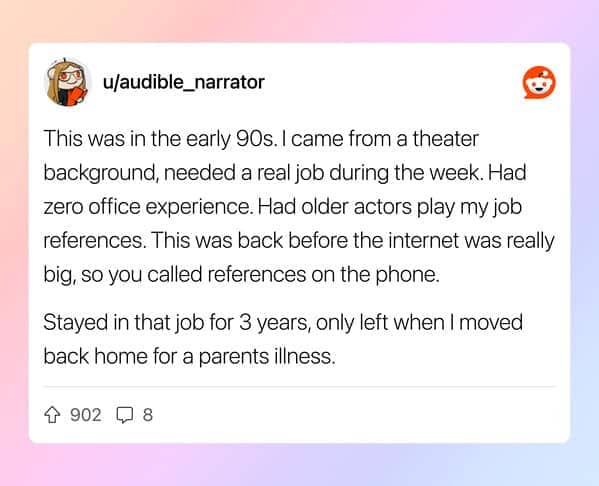
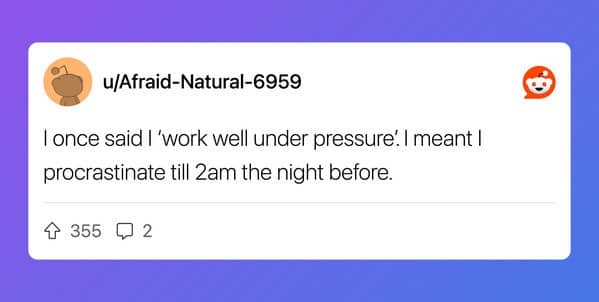
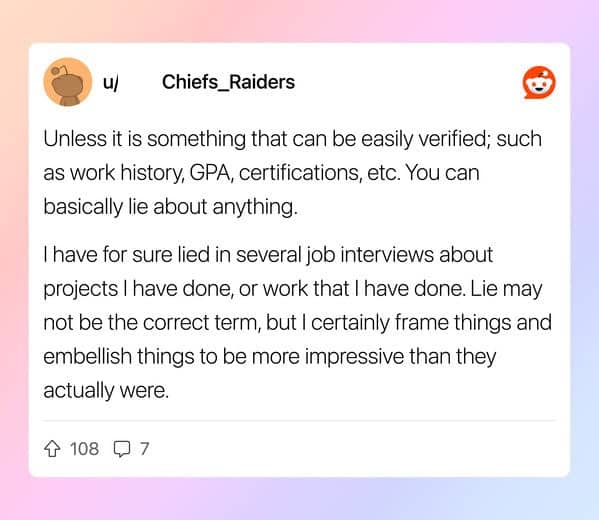
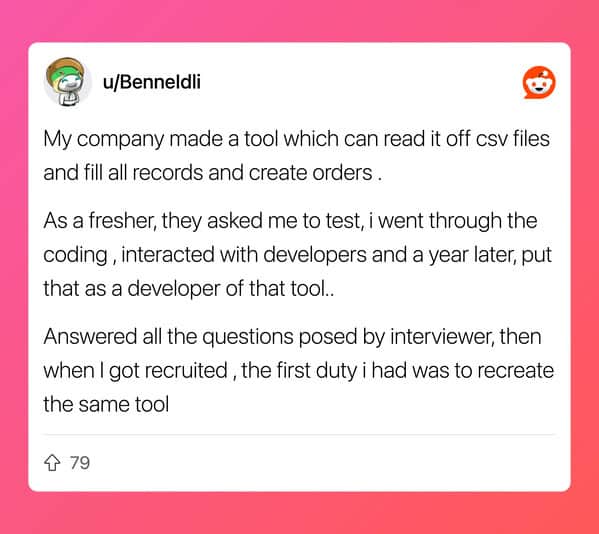
Every resume in history. Every single one.
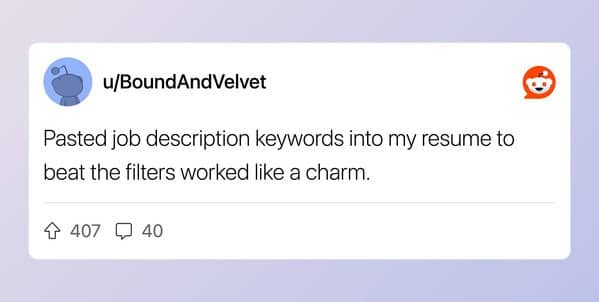
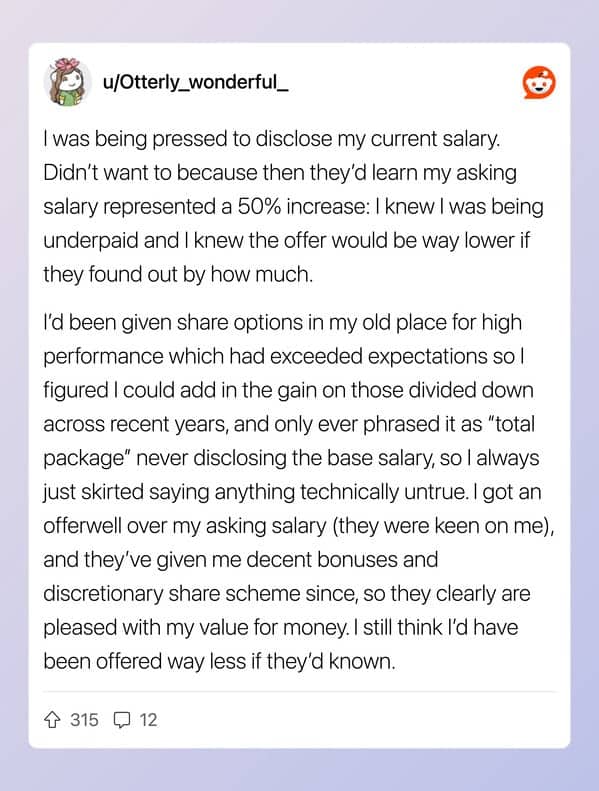
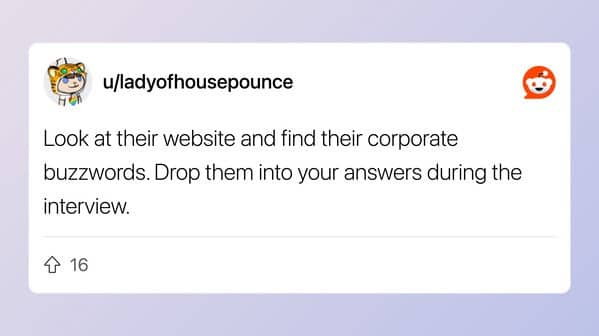
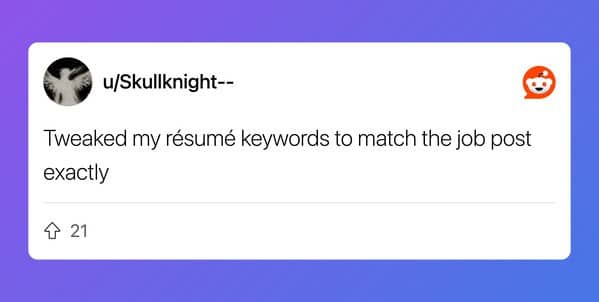
Fighting robots with copy and paste. Sun Tzu did not predict this chapter but he would have respected it.
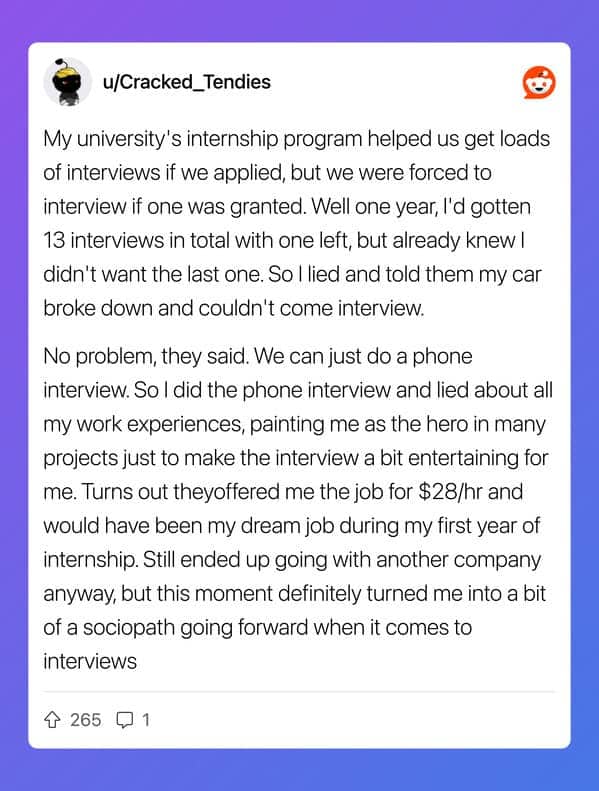
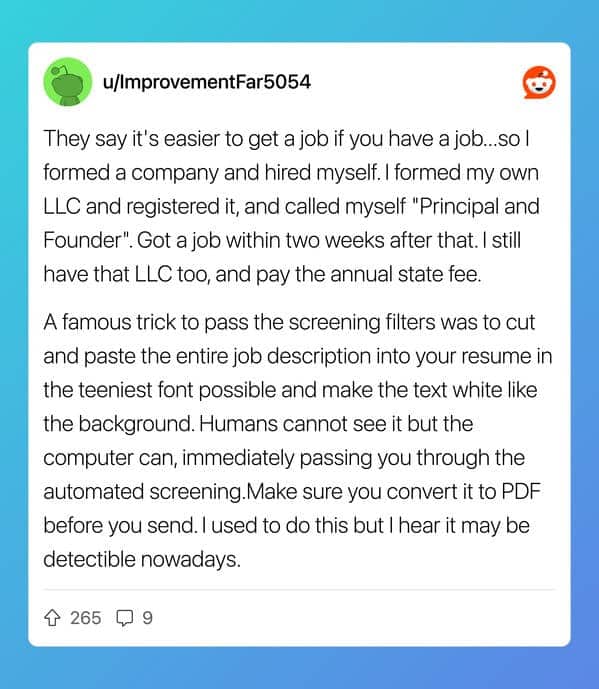
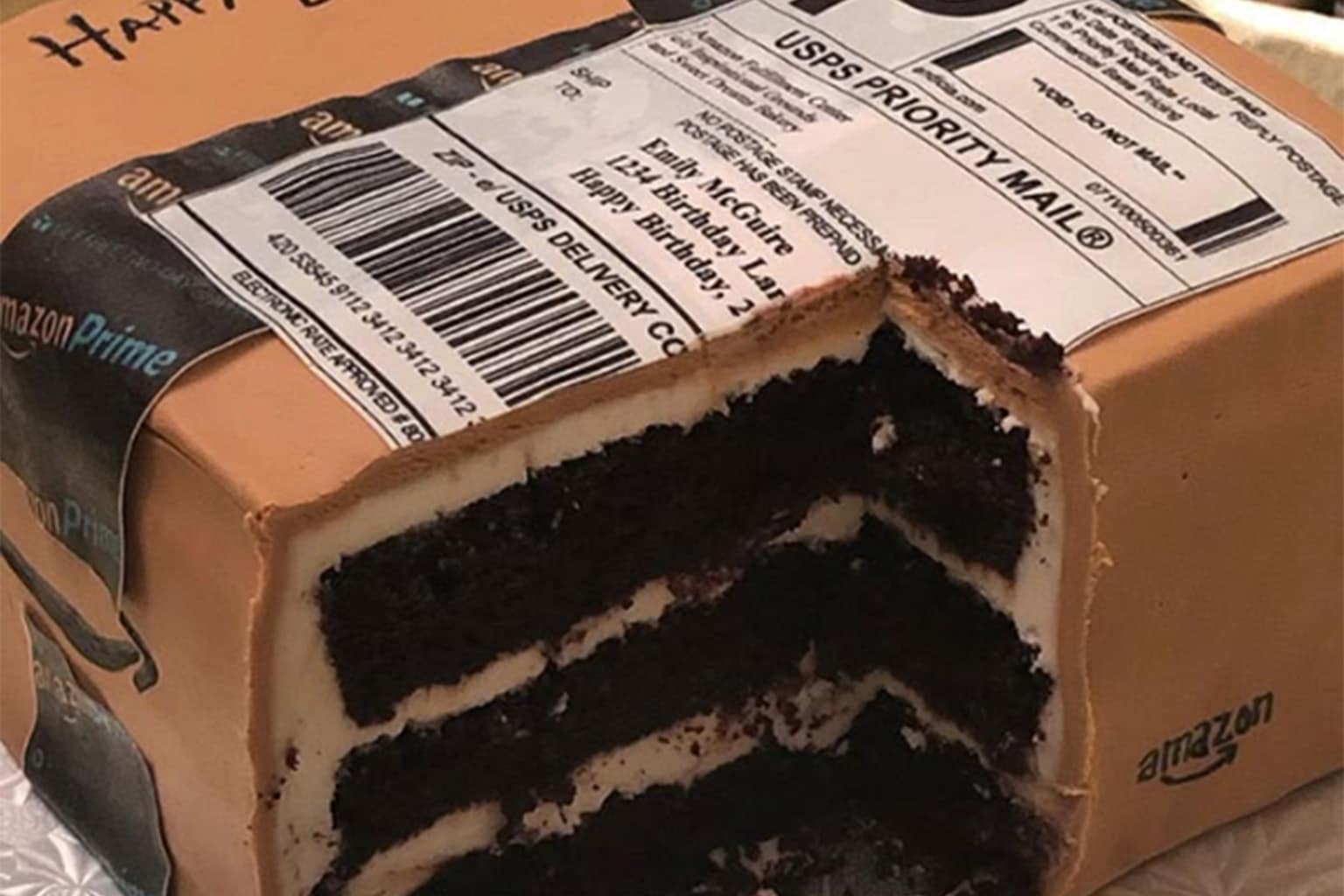
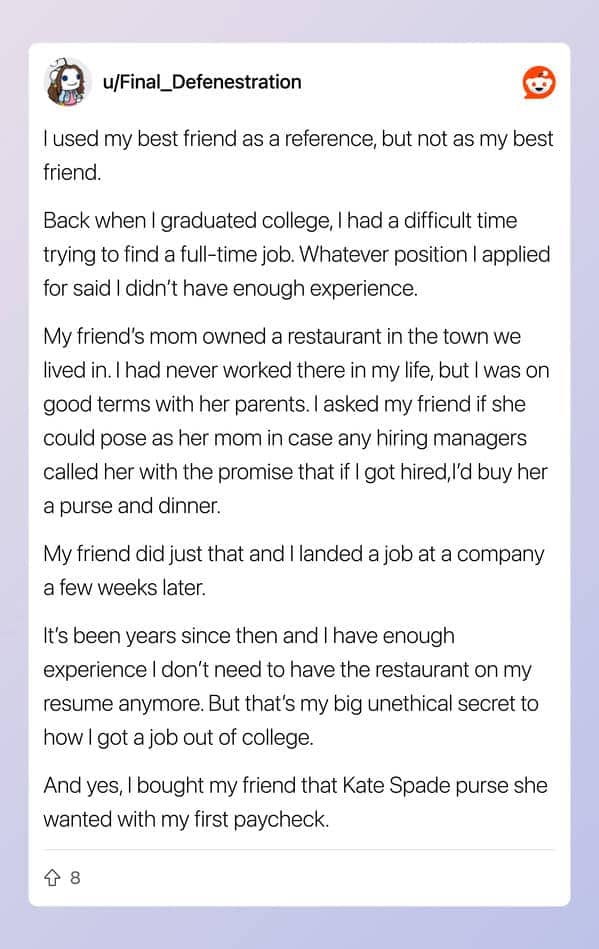
He technically did not lie. He was hired. He paid himself. In this economy, that is called vertical integration.
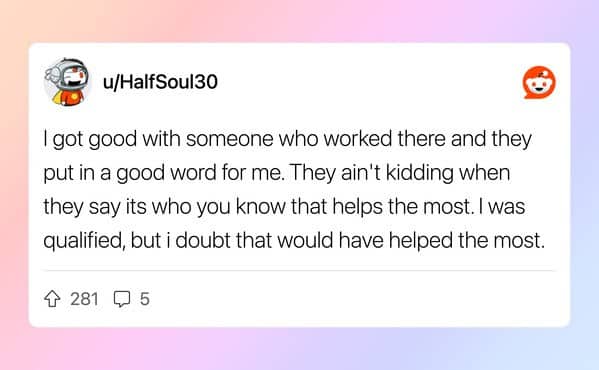
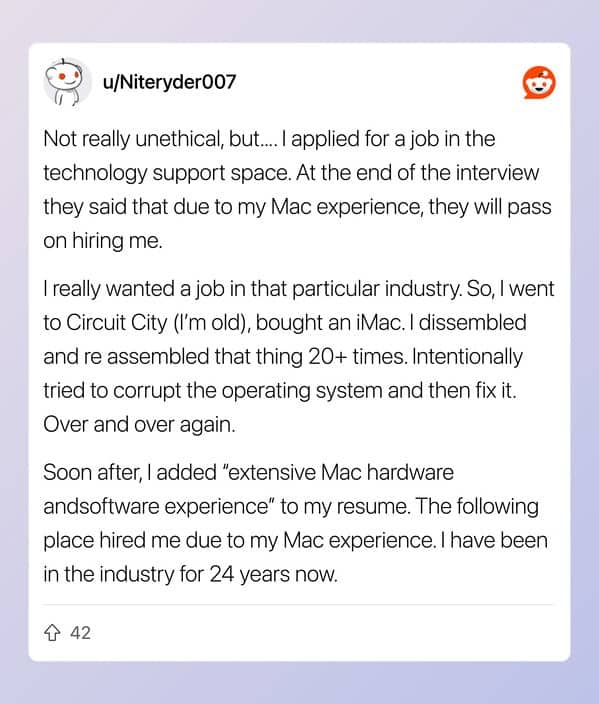
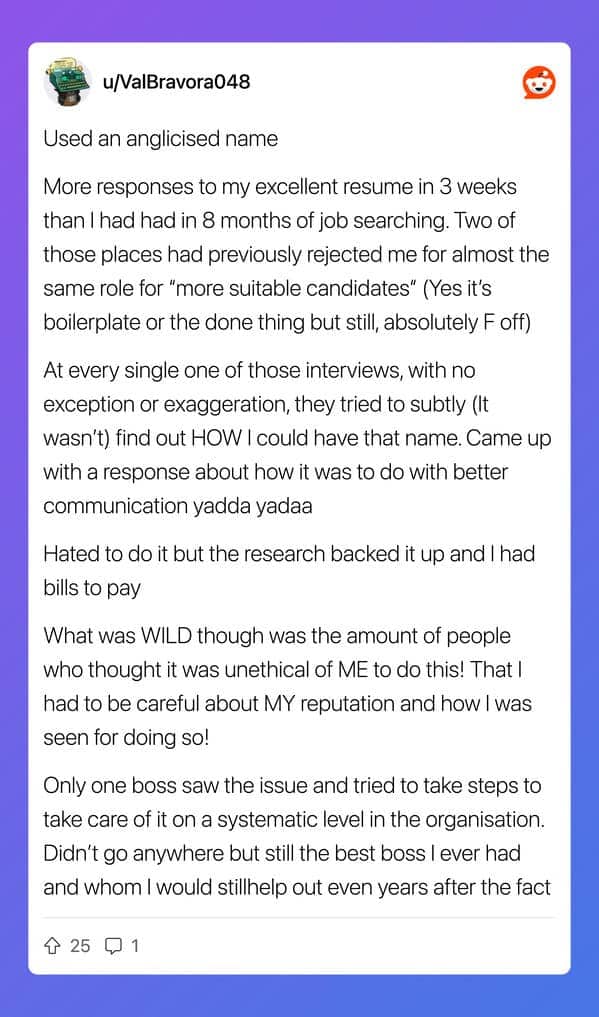
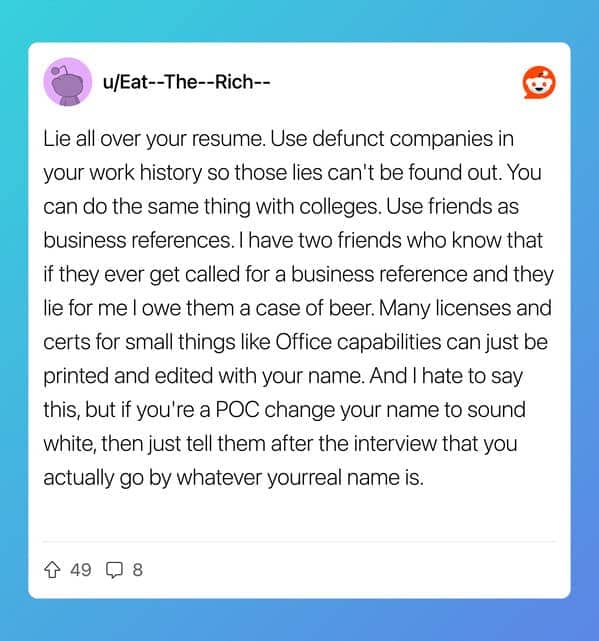


Unethical Job Hacks
Read More
Resume hacks and job interview tricks have existed as long as interviews have, because the interview is, at its core, a performance, and performances have always had techniques. What the internet did was democratize the techniques. The keyword-stuffing hack did not invent gaming the ATS. It named a practice and explained the mechanism and gave it to everyone who needed it, because the ATS was already there and already filtering, and knowing that it was filtering was not unfair advantage — it was basic information. The companies that implemented automated rejection systems did not announce them. They just deployed them. The people who figured out the workaround were doing what any reasonable person does when a wall is built without explanation: they found the door.
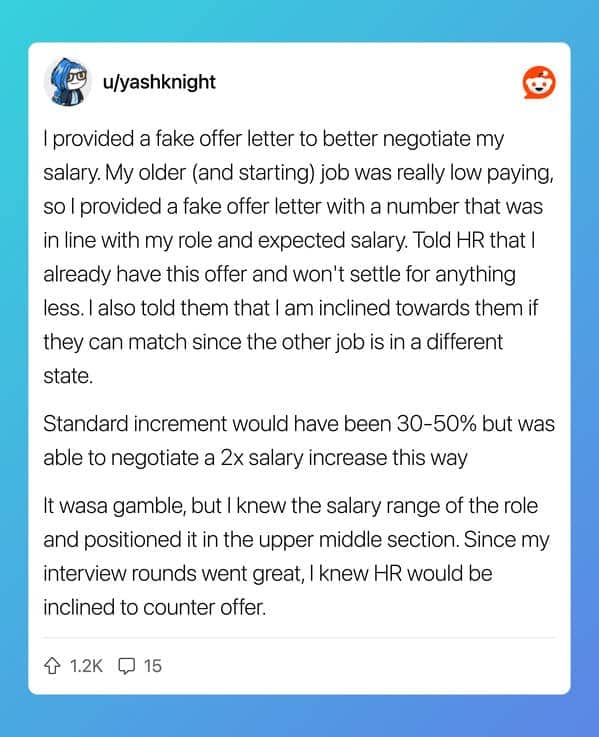
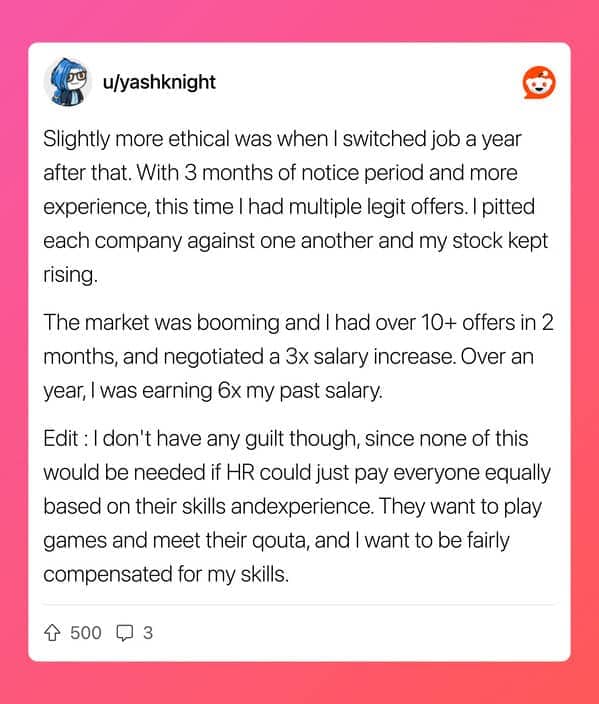
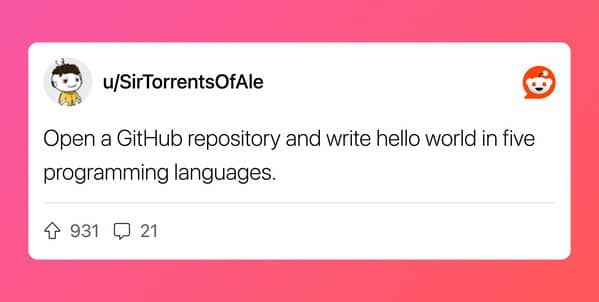
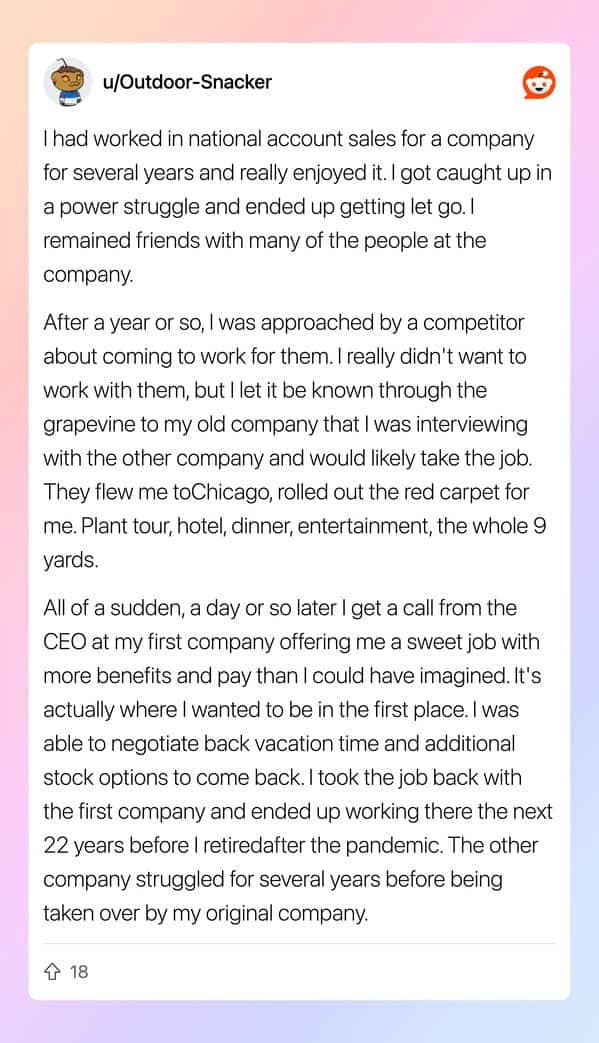
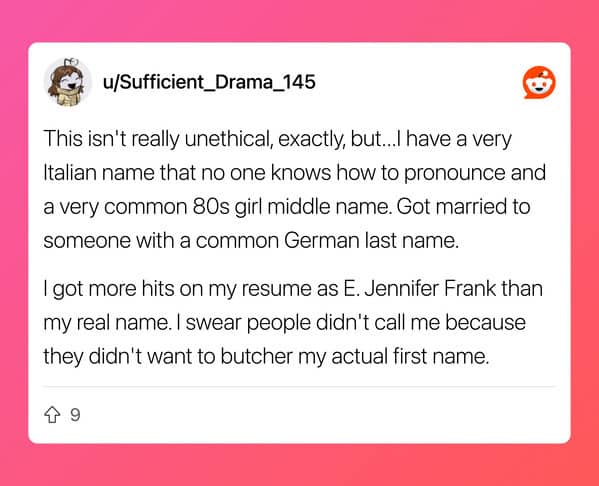
What separates the tactics in this thread from ordinary career advice is the escalation arc. Copying keywords is a workaround. Opening a GitHub repo with five hello-world files is a shortcut. A fake competing offer letter that produces a 2x salary negotiation result and then evolves, within a single year, into a ten-company bidding war delivering a 6x raise is something else entirely. That is a person who identified how the game works, played it with increasing precision, and documented the journey with enough transparency that 1,200 people upvoted it and called it wisdom. The edit in the original post, the part where he notes that companies play games too, is the line that makes the whole thing land differently. He did not write the rules. He just learned to read them.The anglicised name entry is the thread’s quiet gut-punch, and it sits in this gallery because the thread labeled it a hack and the comments debated whether she was the one being unethical. Same resume. Same qualifications. Same person. Three weeks of callbacks versus eight months of silence, depending on which name was at the top of the page. That is not a clever trick for getting ahead. That is evidence filed in plain sight, and the hiring system has not addressed it, and the person who submitted the evidence got the job, and both of those facts are true simultaneously and deserve to be held there without resolution. The rest of the thread is funny. That entry is something the reader gets to decide what to do with.
If this gallery has you reconsidering your resume with fresh eyes, job search tips and career advice are rich categories where the legitimate version of several of these strategies is well-documented and widely practiced. Salary negotiation tactics belong right beside them for anyone who found the offer letter arc most resonant. And for anyone who wants the full system-level view of what these hacks are responding to, hiring process critiques and workplace culture content are companion spaces where the ATS has been widely discussed and the broken game has a significant body of literature behind it.
Read Memes
Get Paid


Michael Hartley, or just "Mike," is an editor and seasoned meme historian whose articles have traced the evolution of meme humor from early Impact-font classics to today’s TikTok sensations. With nearly a decade spent as senior editor at ViralHype and as a regular contributor to Cheezburger, Mike has dissected the rise of meme legends such as Bad Luck Brian, Success Kid, and Doge. When he's not hunting down meme gold for Thunder Dungeon, Mike teaches workshops on meme marketing and the psychology behind shareable content.