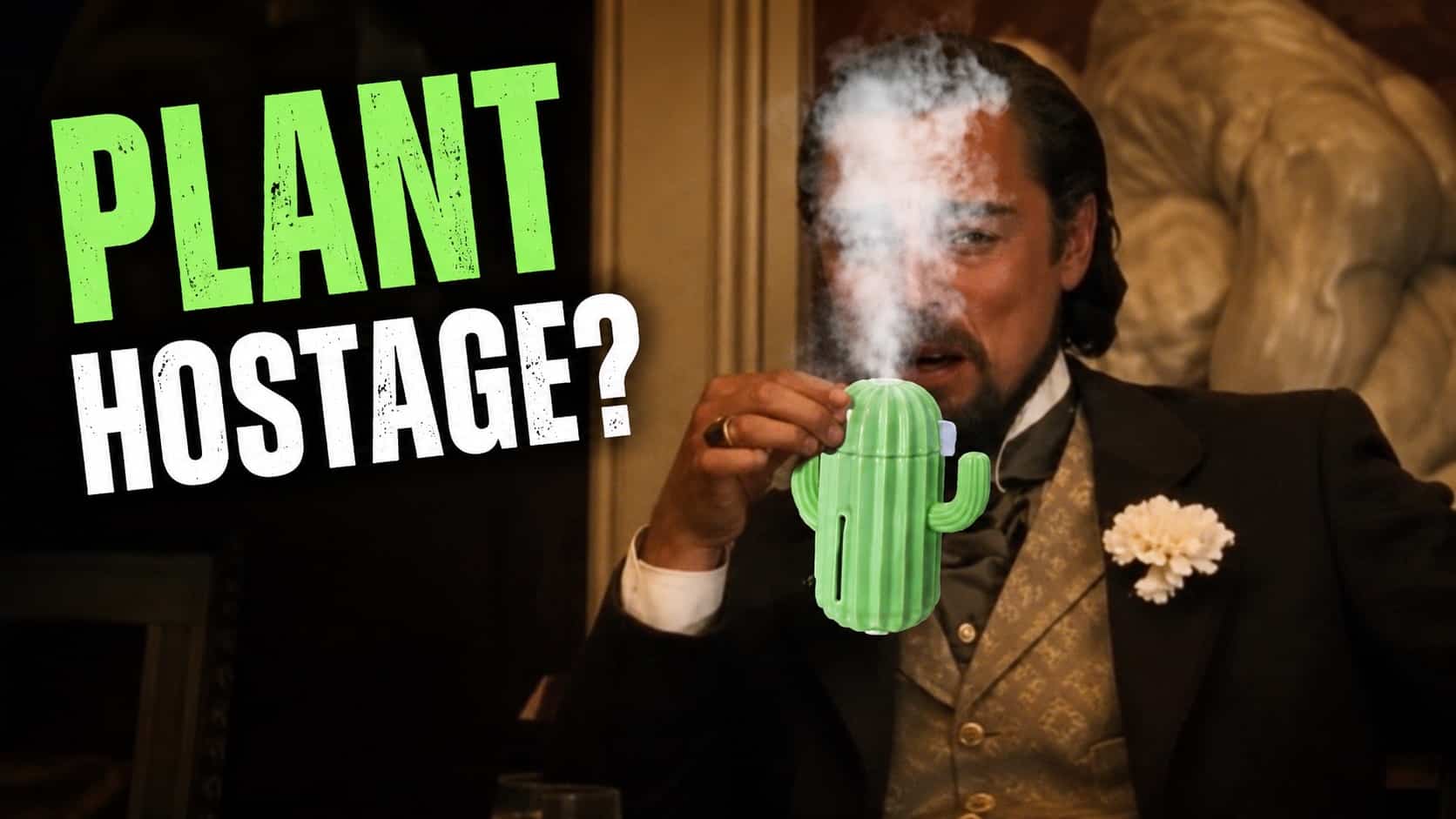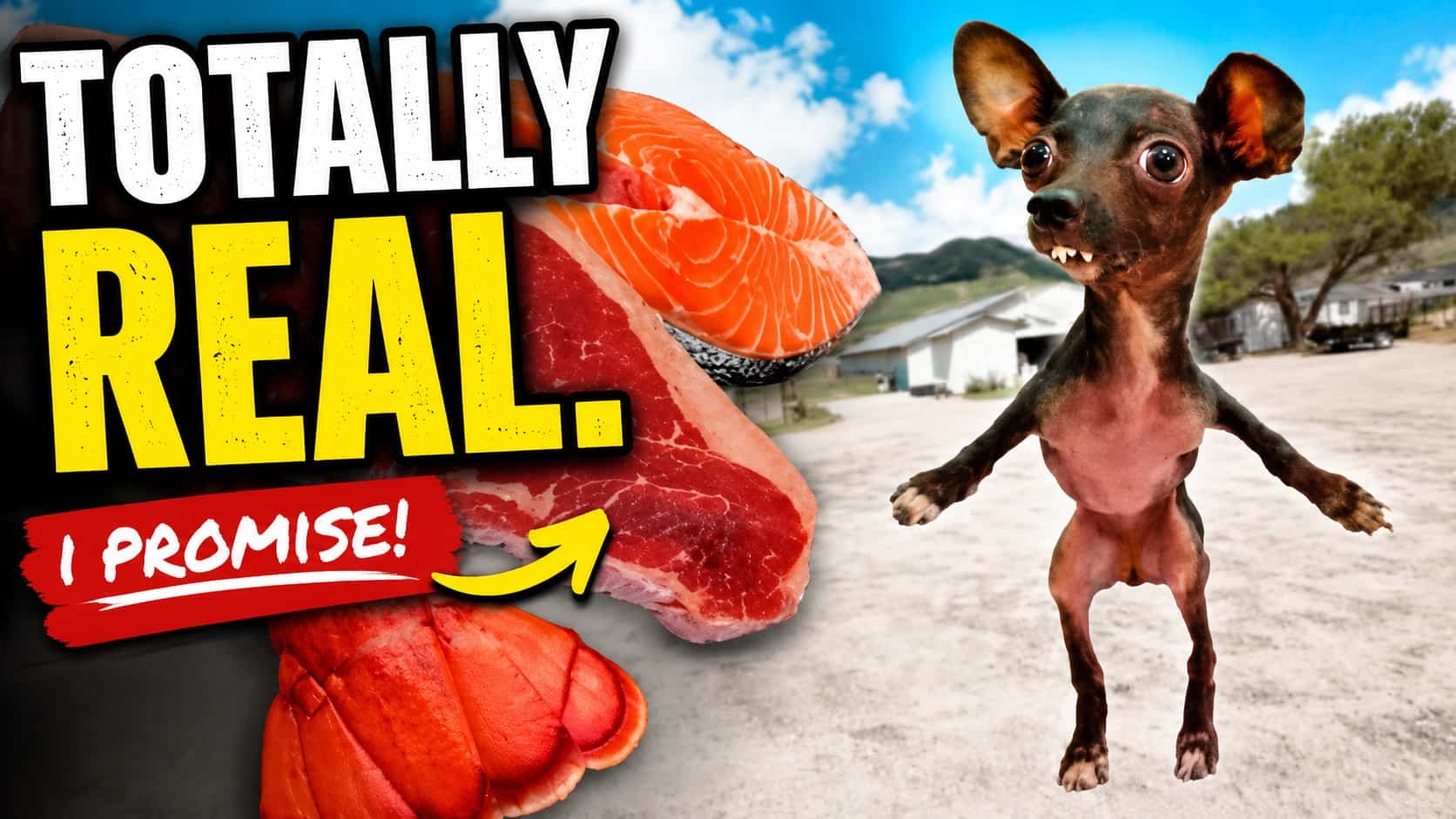

There is an entire visual art form whose only measure of success is whether a stranger’s thumb stops scrolling, and that art form has abandoned every rule of physics, anatomy, and honesty in pursuit of the pause. These funny YouTube thumbnails are the medium at its most shameless, the distorted bodies, the impossible stunts, the yellow circles pointing at things that were never there. The edit is terrible. The click-through is undefeated. Study the masters.



Funny YouTube thumbnails
Read More
The physics-optional genre is the foundation of thumbnail art, the images depicting a world where gravity and geometry are negotiable in service of intrigue. The sports venues tilted to alarming angles. The infrastructure diving vertically into oceans. The vehicles and stunts arranged in configurations no engineer has signed off on. These images pose a question the video will never answer, because the video was always about something else entirely, and the audience knows this, and clicks anyway. The lie is the contract. Everyone signed it. The bridge remains vertical.
Then there’s the anatomy-liquify wing, the human bodies edited past all biological precedent by a tool clearly working double shifts. The actors gifted physiques from a video game character creator. The proportions distorted until the helpful yellow circle becomes genuinely necessary, the only landmark in a landscape of warped pixels. There’s a purity to this category, because the editors know exactly how it looks and publish anyway, understanding that outrage and curiosity produce identical clicks. The muscles are impossible. The circle is doing its best. The numbers don’t lie, even though everything else does.
And the shocking-revelation genre completes the trilogy, the thumbnails promising discoveries that would rewrite history, biology, or both. The underwater skeletons in famous poses. The fish with disturbingly human eyes, staring out with the confidence of something that knows your browser history. These images are engineered for the exact half-second between seeing and thinking, that window where “wait, really?” fires before “obviously not” can respond. The window is small. The industry lives entirely inside it, comfortably, with merchandise.
What thumbnail culture actually demonstrates is that the attention economy found its purest expression, an art form with no purpose except capture, judged by no standard except capture, iterated toward maximum capture across millions of experiments. It’s evolution in fast-forward, and the surviving species are these, the tilted courts and impossible torsos. They look absurd because absurd won. Every restrained, honest thumbnail is extinct. We are looking at the fittest.
And the strange thing is the affection these disasters generate, because at some point the audience stopped being fooled and started being entertained by the attempt. Nobody believes the fish. The fish isn’t for believing anymore. The thumbnail became its own genre of comedy, separate from the videos entirely, collected and shared by people who will never watch a single second of the content. The bait became the catch. Somewhere, an editor with a liquify tool is being celebrated for all the wrong reasons, which are also the right ones.
The circle is yellow. The physics are gone. Click responsibly, or don’t.
If the clickbait artistry was your kind of fun, our internet culture content is right where you’d want to land next, and we’ve got plenty of thumbnail disaster archives, editing fail threads, and clickbait hall of fame compilations for anyone who has ever admired a lie for its craftsmanship alone. The fish is watching.
Read Memes
Get Paid


Laura Bennett has spent eight years immersed in internet culture, specializing in deep dives into meme origins, evolving meme trends, and digital subcultures. As a contributor for several prominent online platforms, including BuzzFeed’s meme division and Know Your Meme, she’s written extensively about viral moments from Crying Jordan to Woman Yelling at a Cat. Laura believes memes aren't just internet jokes—they're modern-day folklore. She brings that passion to Thunder Dungeon by keeping readers connected to what's culturally significant, hilarious, and timelessly viral.