
Every success story you’re supposed to admire involves preparation, credentials, and a plan, and then there’s the other category, the victories achieved through pure audacity and a complete refusal to consider consequences. These dumb ideas that worked are that category’s hall of fame, schemes that should have failed instantly and instead succeeded so thoroughly that they’ve become instructional. The logic was absent. The results were undeniable. Take notes, cautiously.
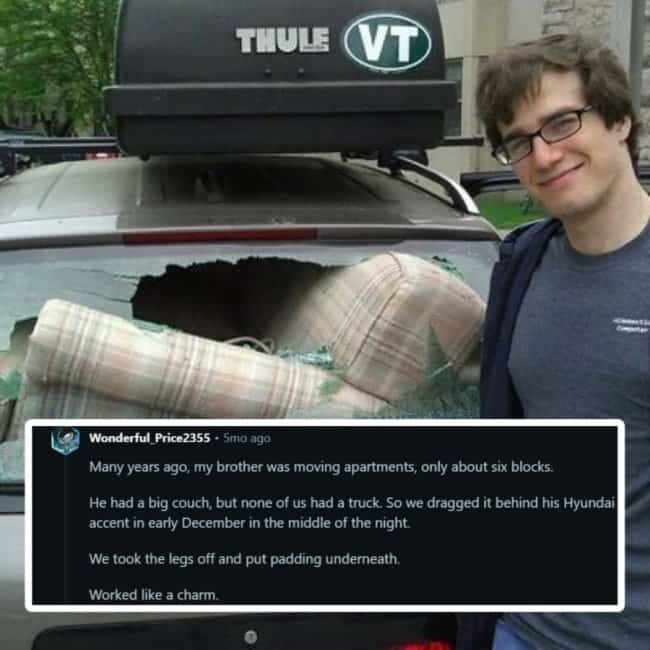
Glass repair bill sold separately.

Low maintenance, zero feeding required, 100% profit margin.
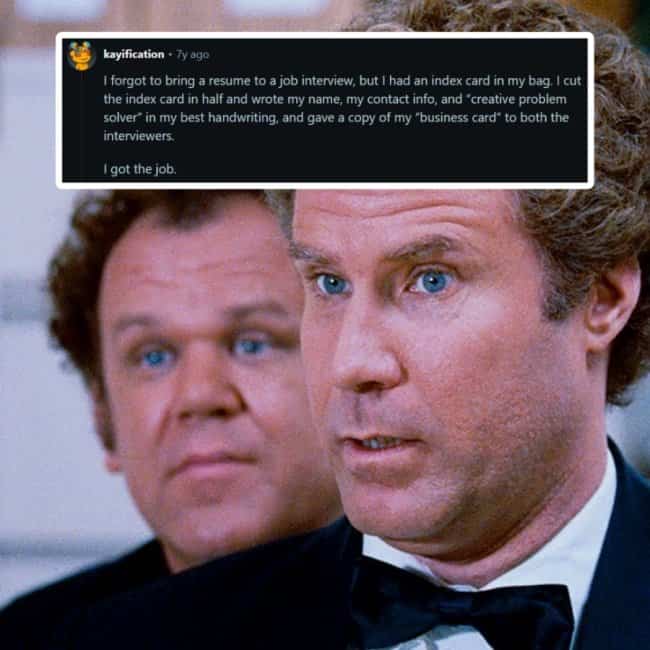
Who needs a polished two-page resume when you have index card confidence?






Dumb ideas that worked
Read More
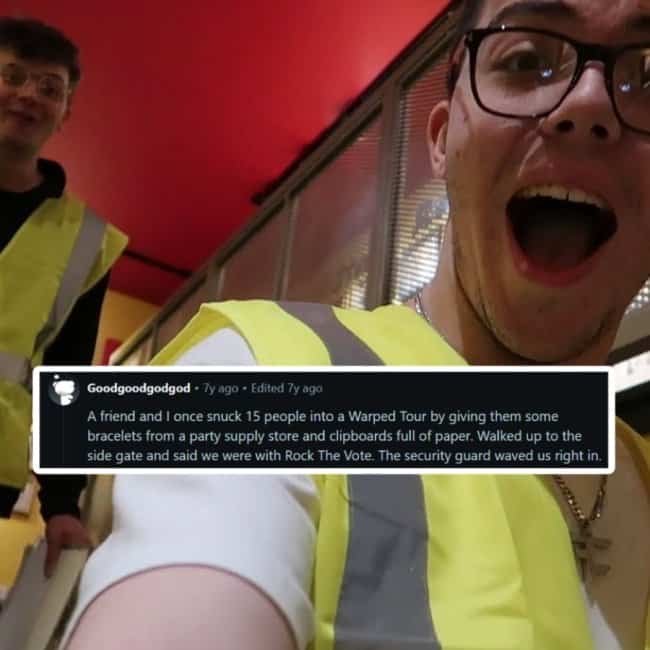
The social-engineering wing is the crown of this genre, the repeated discovery that confidence is the universal keycard. The high-visibility vest, the clipboard, the purposeful walk, an entire security apparatus defeated by props from a hardware store, because humans are wired to wave through anyone who looks mildly official and slightly busy. No system has patched this vulnerability. No system ever will. The vest works because questioning the vest feels rude, and civilization runs on not wanting to feel rude.
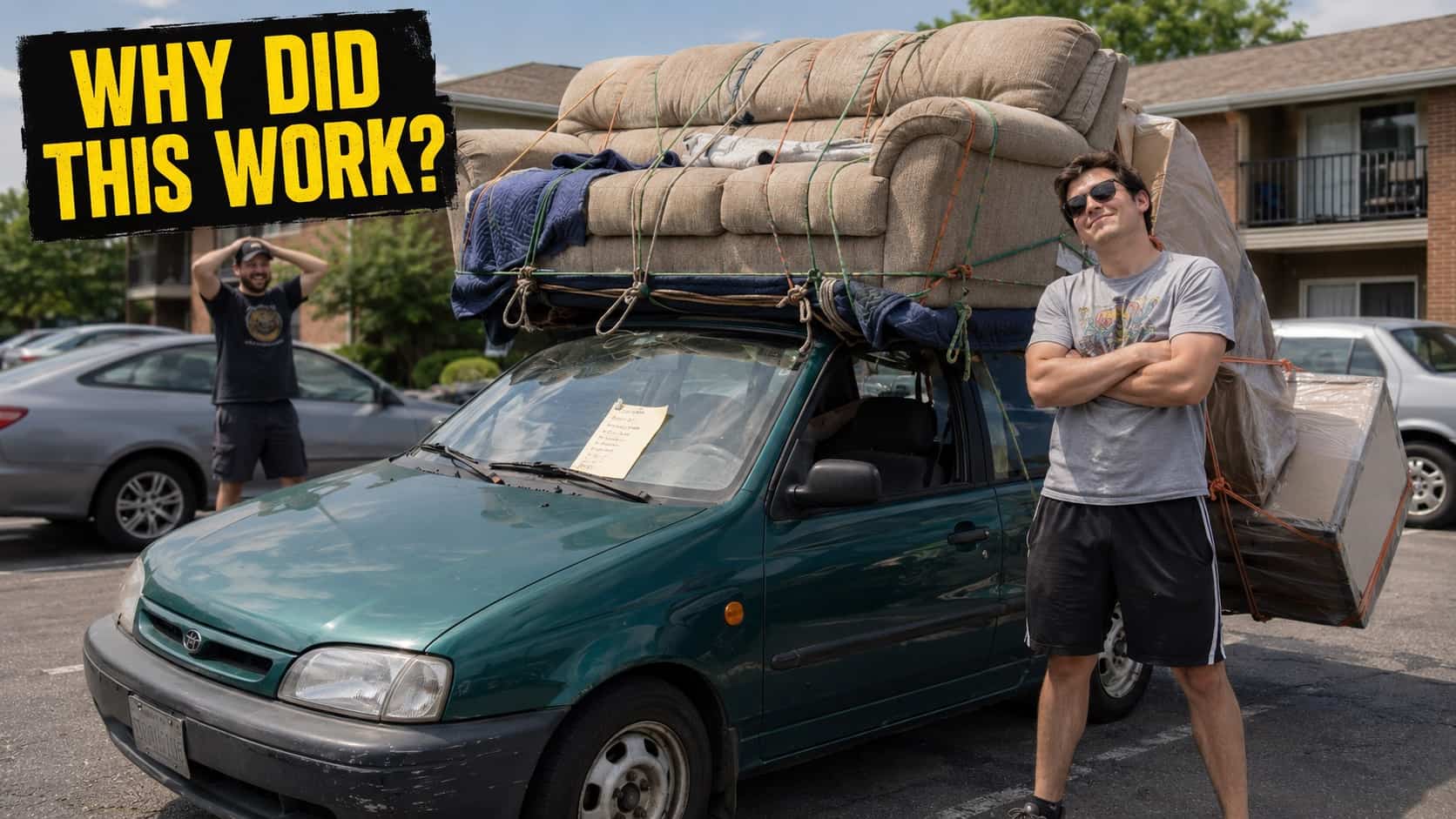
Then there’s the resourceful-transport-and-labor lane, the solutions that skip the correct service entirely in favor of whatever’s available. The delivery order placed exclusively for the ride attached to it. The furniture relocated by methods that violate both moving industry standards and several traffic laws. These aren’t hacks so much as negotiations with reality, offers reality had no procedure for refusing, and the fact that dinner sometimes comes included is just efficient bundling.
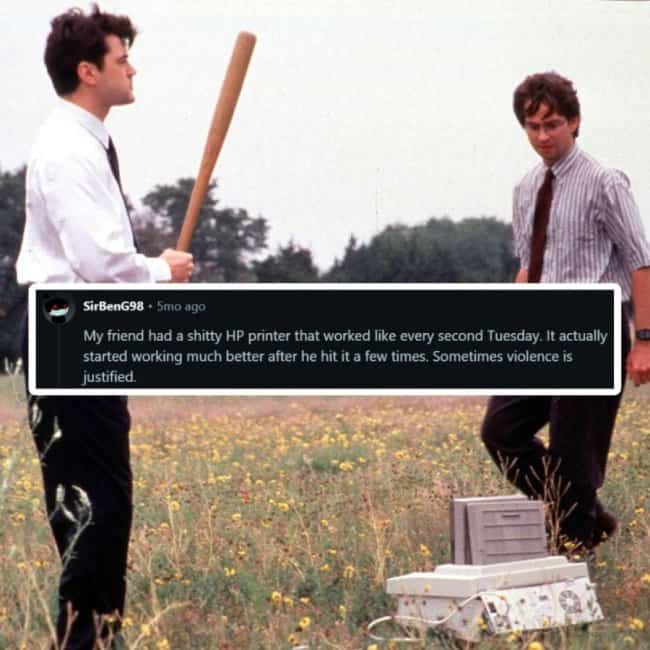
And the accidental-success category might be the purest of all, the wins nobody engineered. The wrong submission that scored anyway. The improvised credential that read as creativity. The percussive fix that engineers privately endorse and publicly disclaim. These stories suggest a truth the productivity industry cannot monetize, which is that outcomes are only loosely connected to process, and sometimes the universe rewards the person who simply committed hardest to the wrong thing. It shouldn’t work. It keeps working. The universe refuses to explain.
What these stories collectively prove is that the gap between a dumb idea and a genius one is decided entirely in the aftermath. Nobody involved knew which side they were on until it was over. The couch either arrives or it doesn’t. The clipboard either works or security walks over. All the audacity in these stories was identical before the outcome, which means genius, at least this variety, is just recklessness that got lucky and then got a good narrator.
And the narration matters, because these victories are only valuable told out loud. A sensible plan that works is invisible. A ridiculous plan that works becomes a story you’ll tell for decades, an inheritance, a small legend. That might be the real return on all this chaos. The money and the free festival entry fade. The right to say “and it WORKED” at every gathering forever, that’s the actual prize, and it appreciates annually.
The plans were bad. The outcomes were great. Tell the story forever.
If the reckless victories were your kind of fun, our chaos content is right where you’d want to land next, and we’ve got plenty of absurd success archives, questionable scheme threads, and audacity compilations for anyone whose best decisions have historically been their worst ones executed with total confidence. Commit fully.
Read Memes
Get Paid


Alex Thompson has been chronicling internet culture and meme phenomena for nearly seven years. Starting at CollegeHumor and later becoming lead meme editor at Mashable, Alex has covered everything from vintage internet memes like Rickrolling to recent viral events such as Corn Kid and Grimace Shake. With a keen eye for what connects and entertains digital audiences, Alex writes with humor, relatability, and deep knowledge of online culture. At Thunder Dungeon, Alex is the go-to source for meme analysis, viral breakdowns, and internet nostalgia.