
At some point, collectively and without a vote, we decided the built environment should consist of parking, more parking, and a grey interior renovation waiting at the end of it, and the internet has finally started processing this decision out loud. This urban hellscape content is the group therapy session, memes documenting the car-dependent, color-drained, pothole-riddled world we constructed on purpose. The asphalt is winning. The commentary is thriving. Merge carefully.
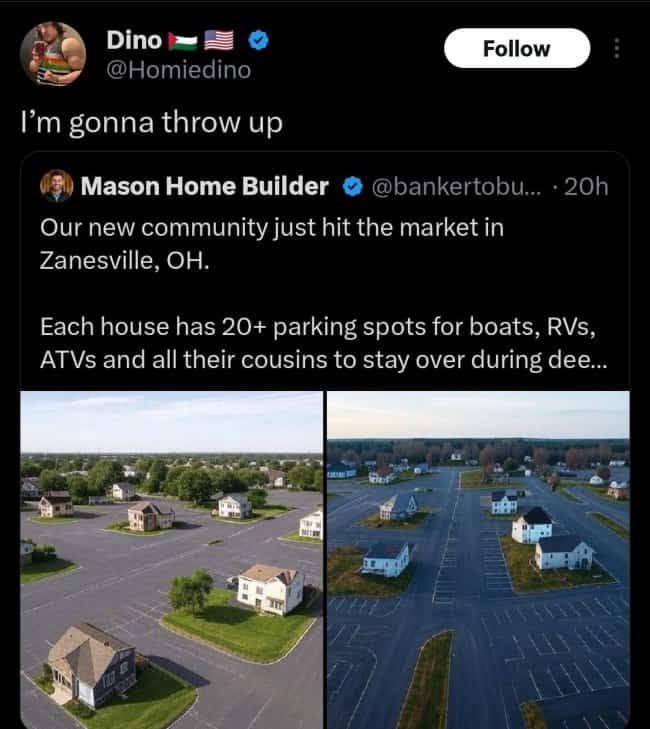
Paradise paved, put up a single-family home.
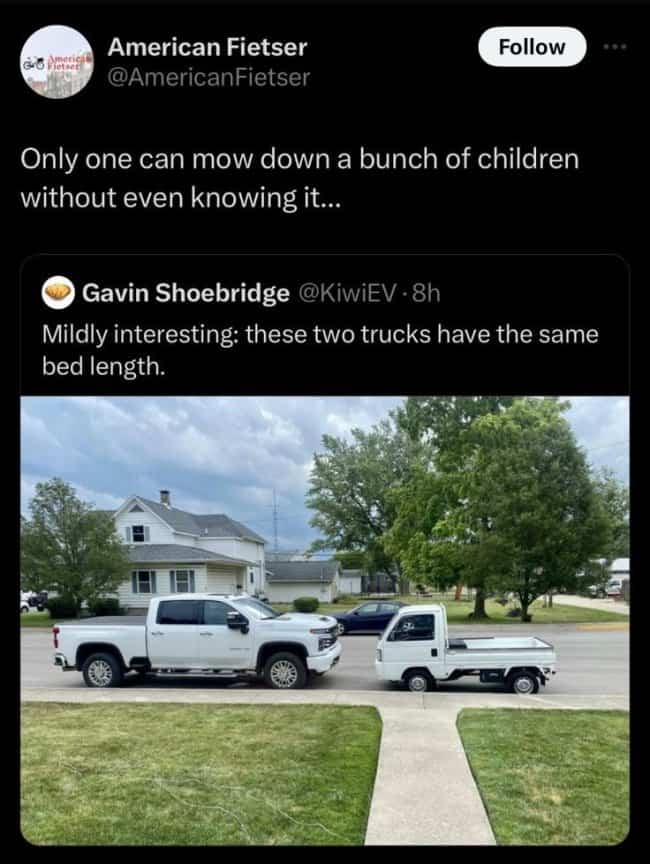
When your suburban monster truck has the exact work capacity of a glorified golf cart.
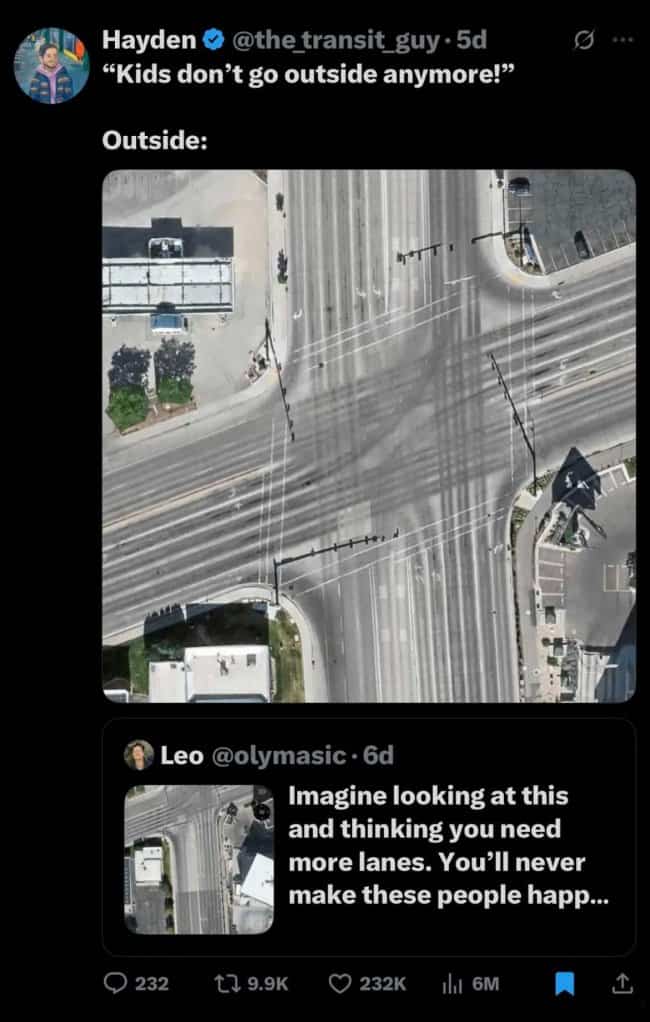
Asphalt ocean.
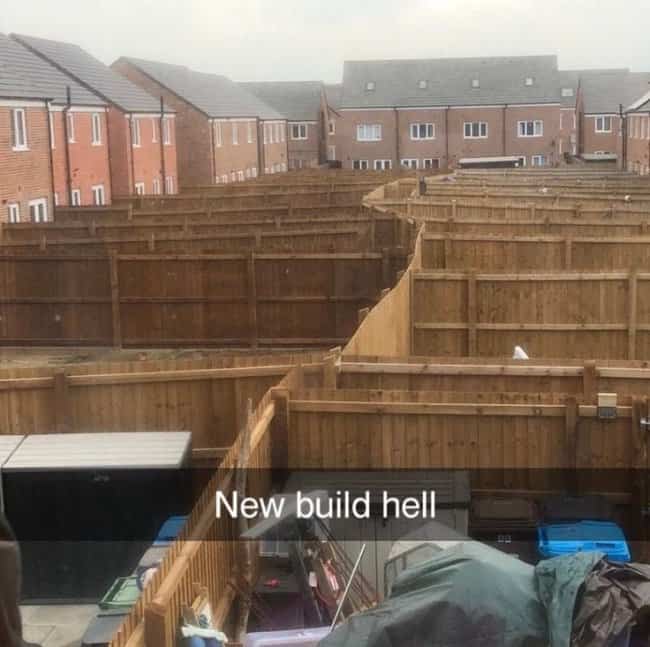

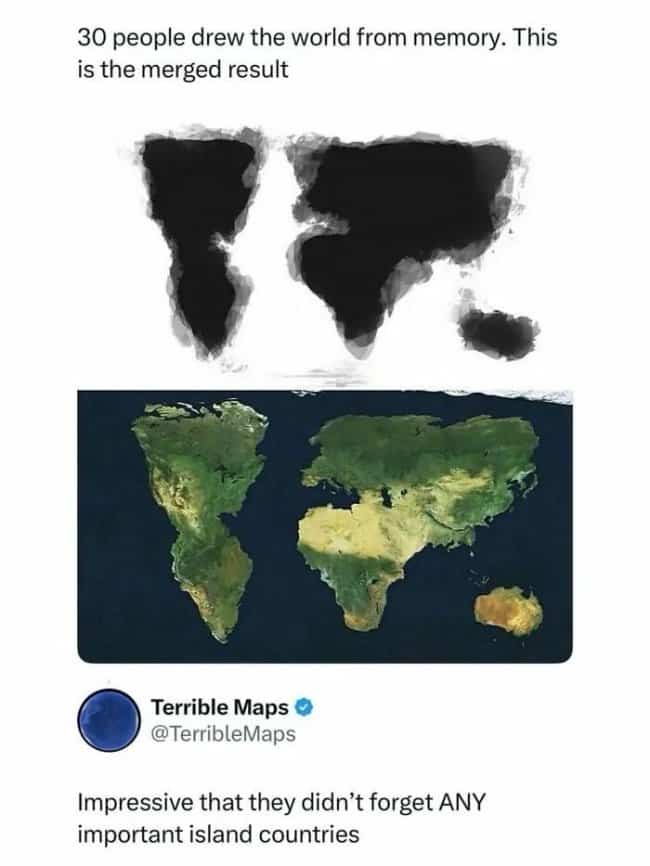
Geography majors, look away now.
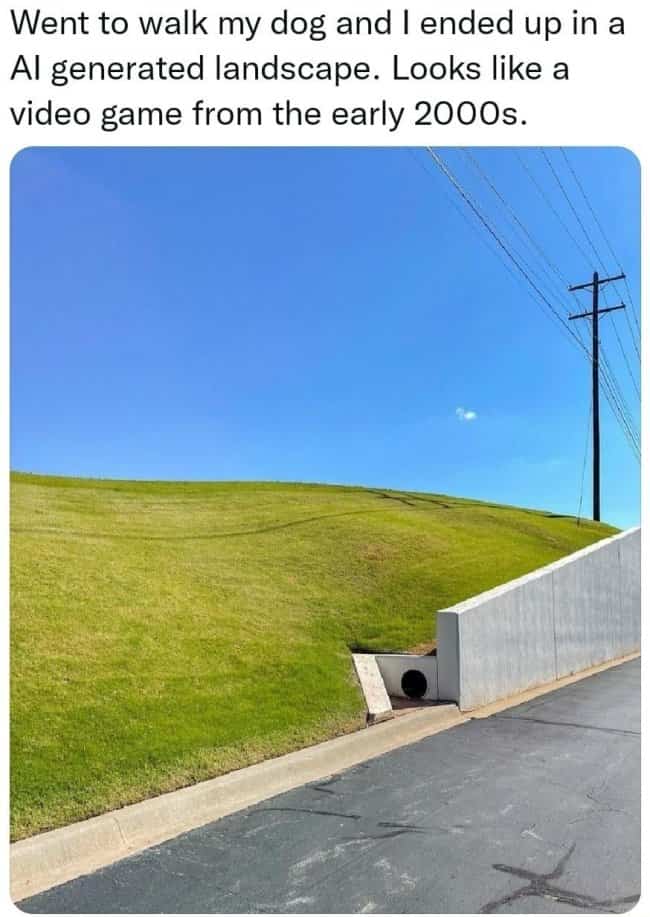
Windows XP wallpaper had a baby with an industrial drainage ditch.
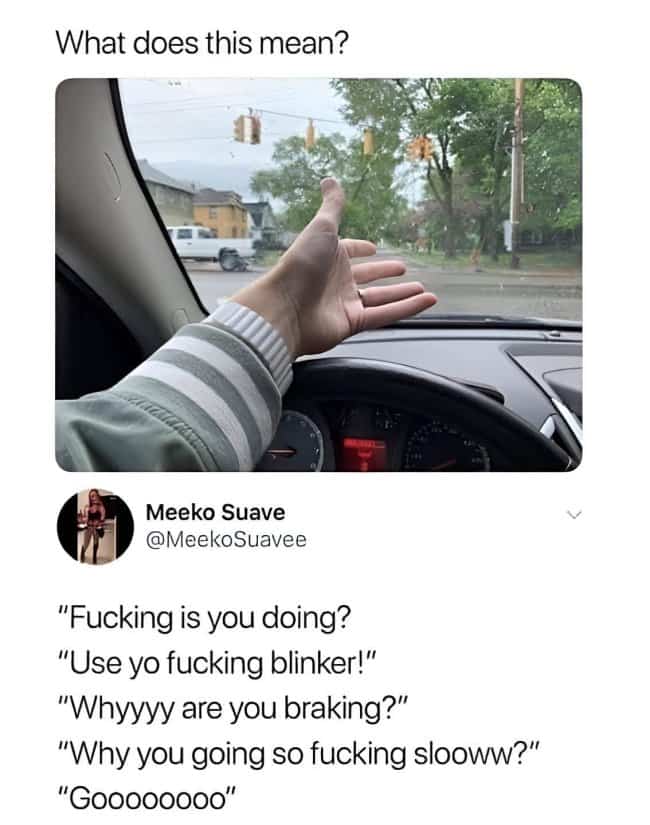

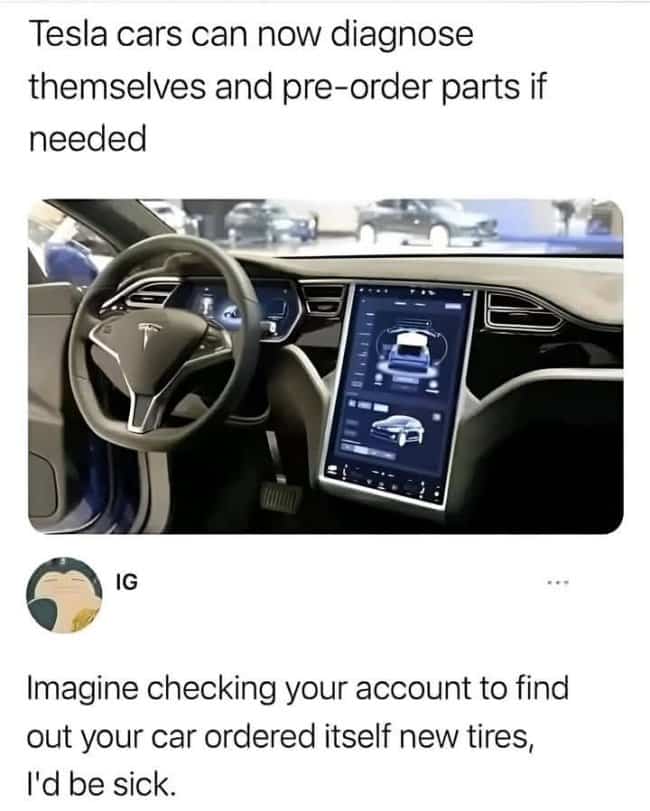
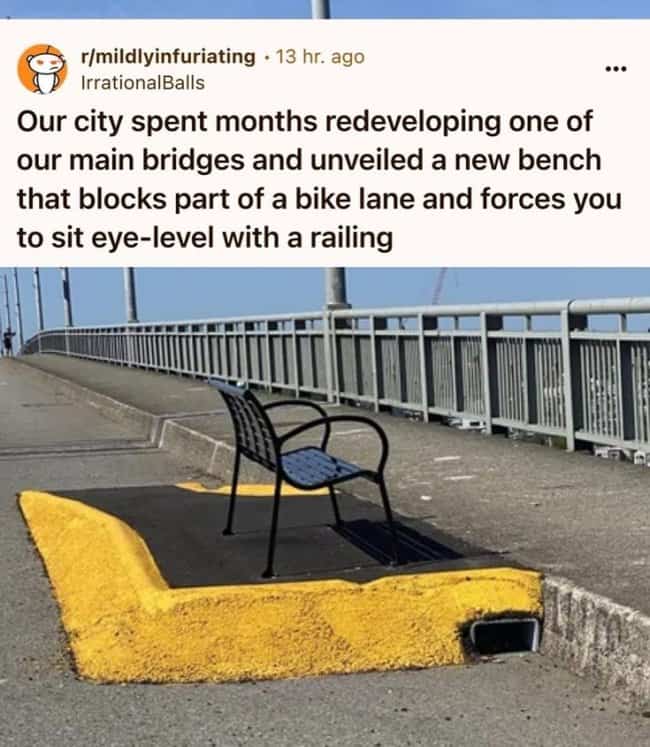
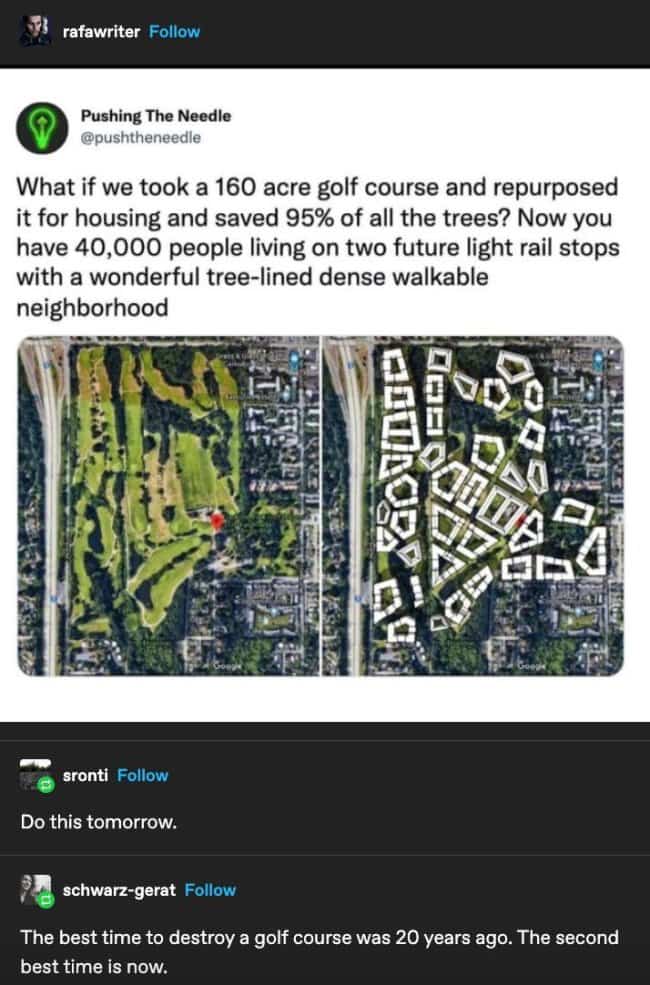
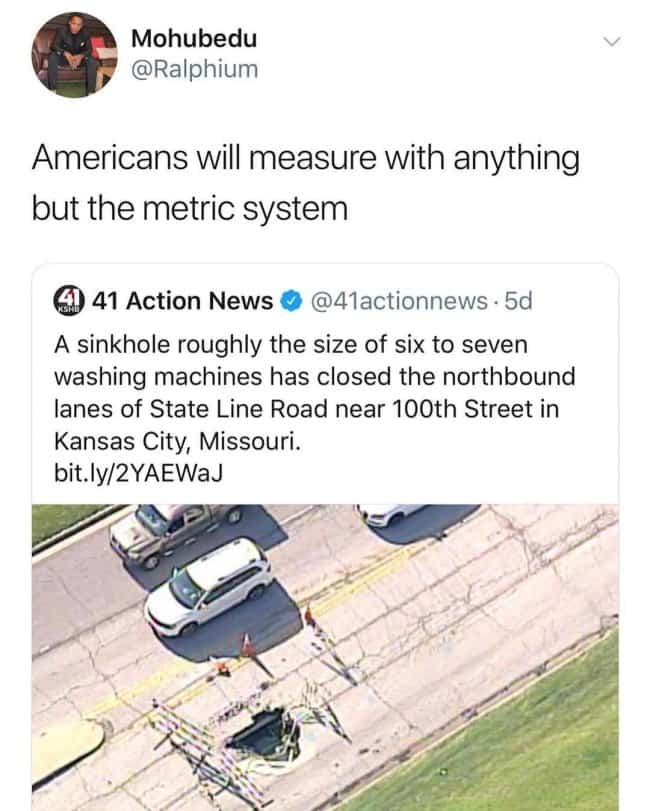
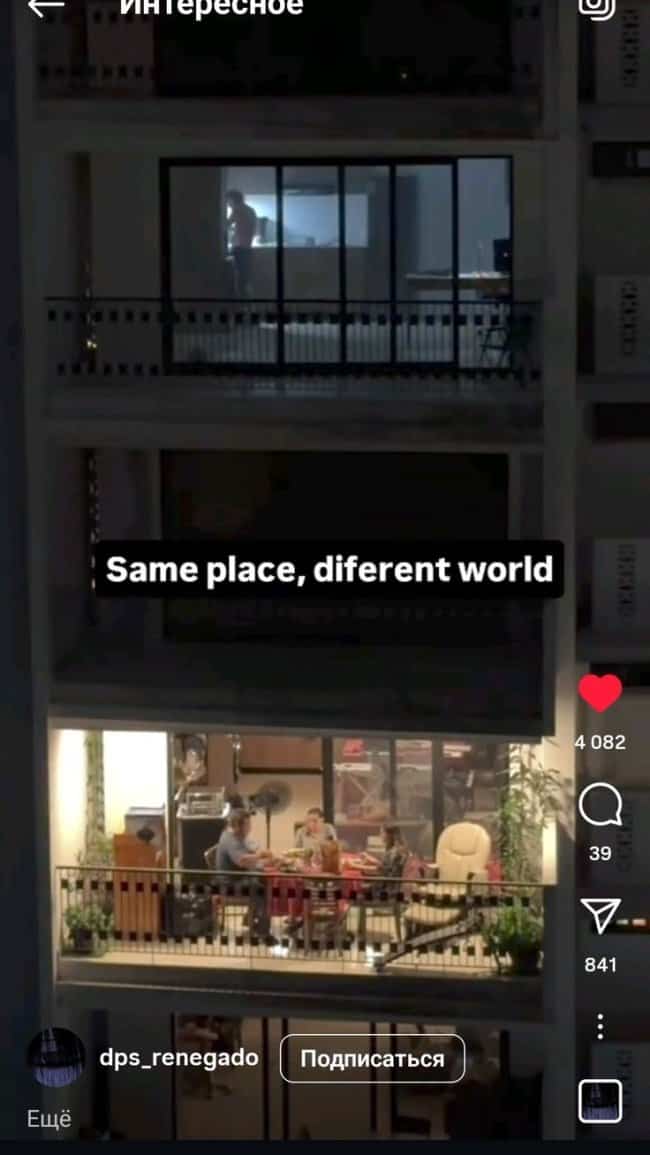
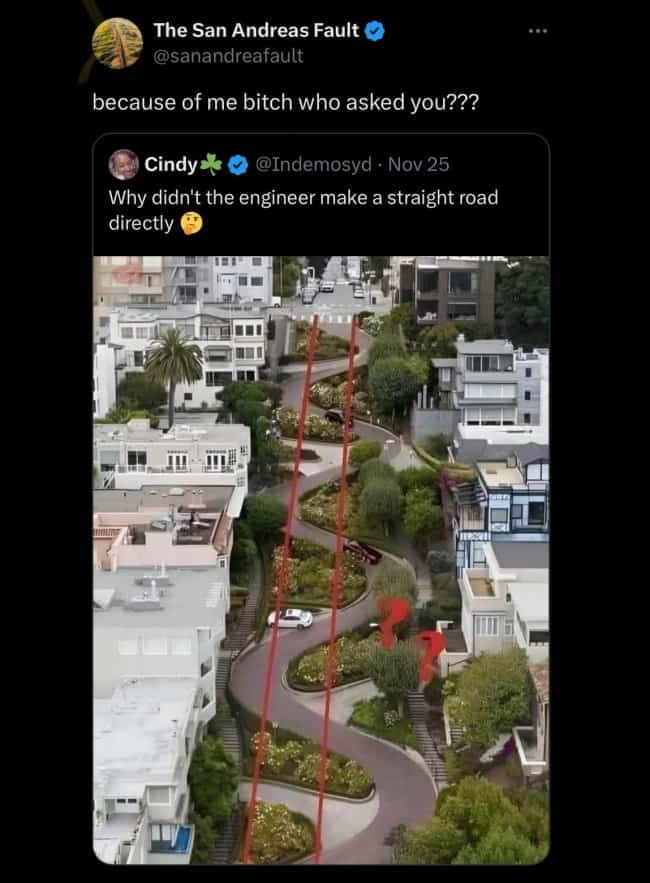

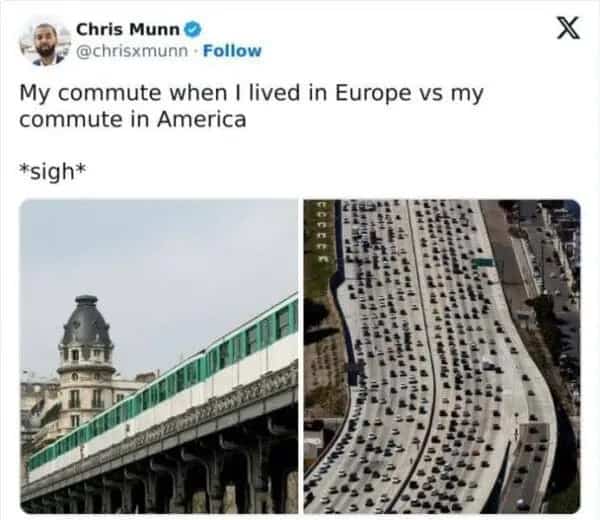

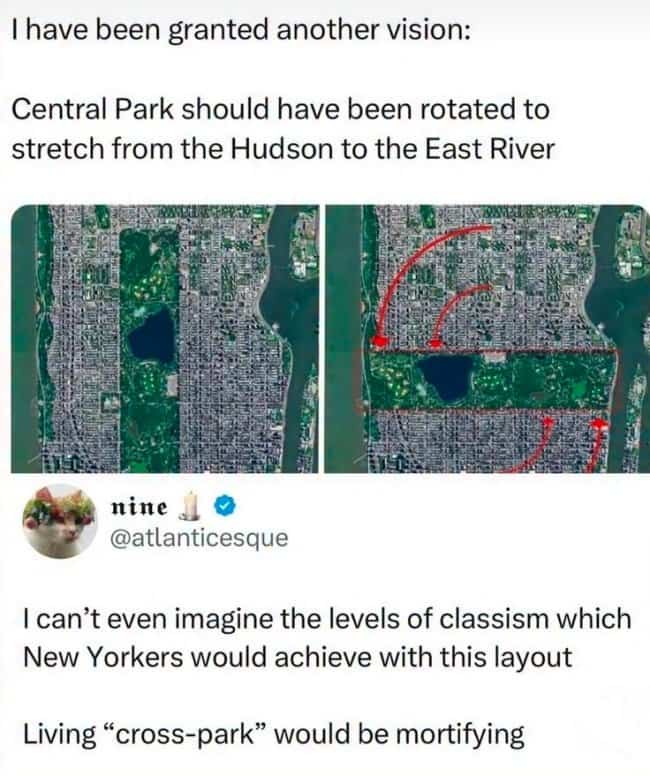
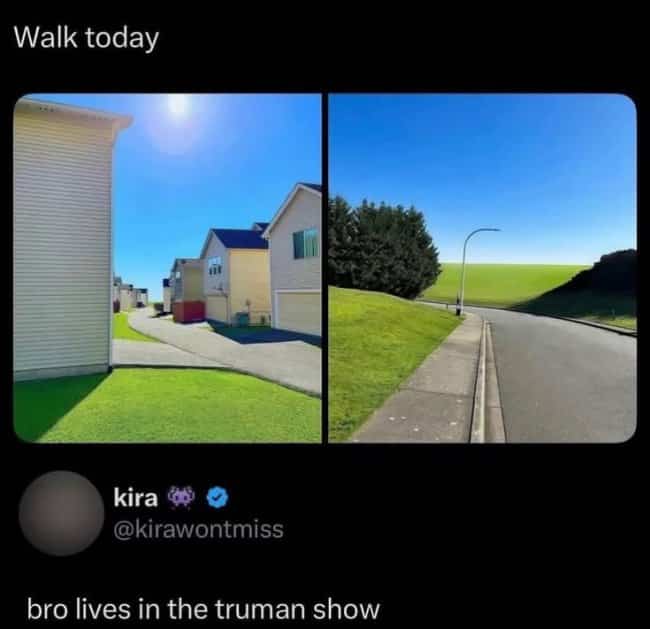
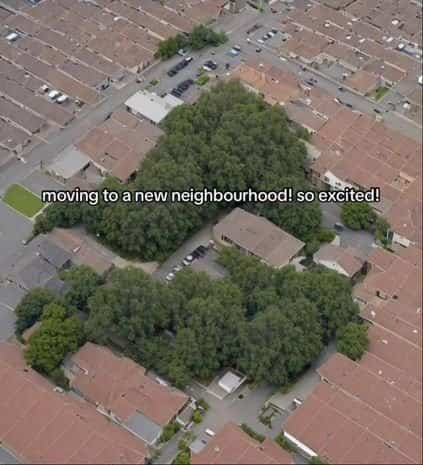
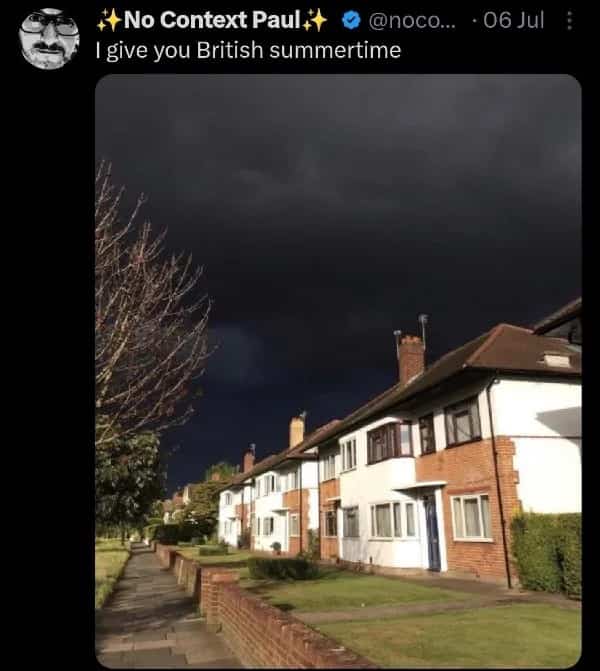






Urban hellscape
Read More
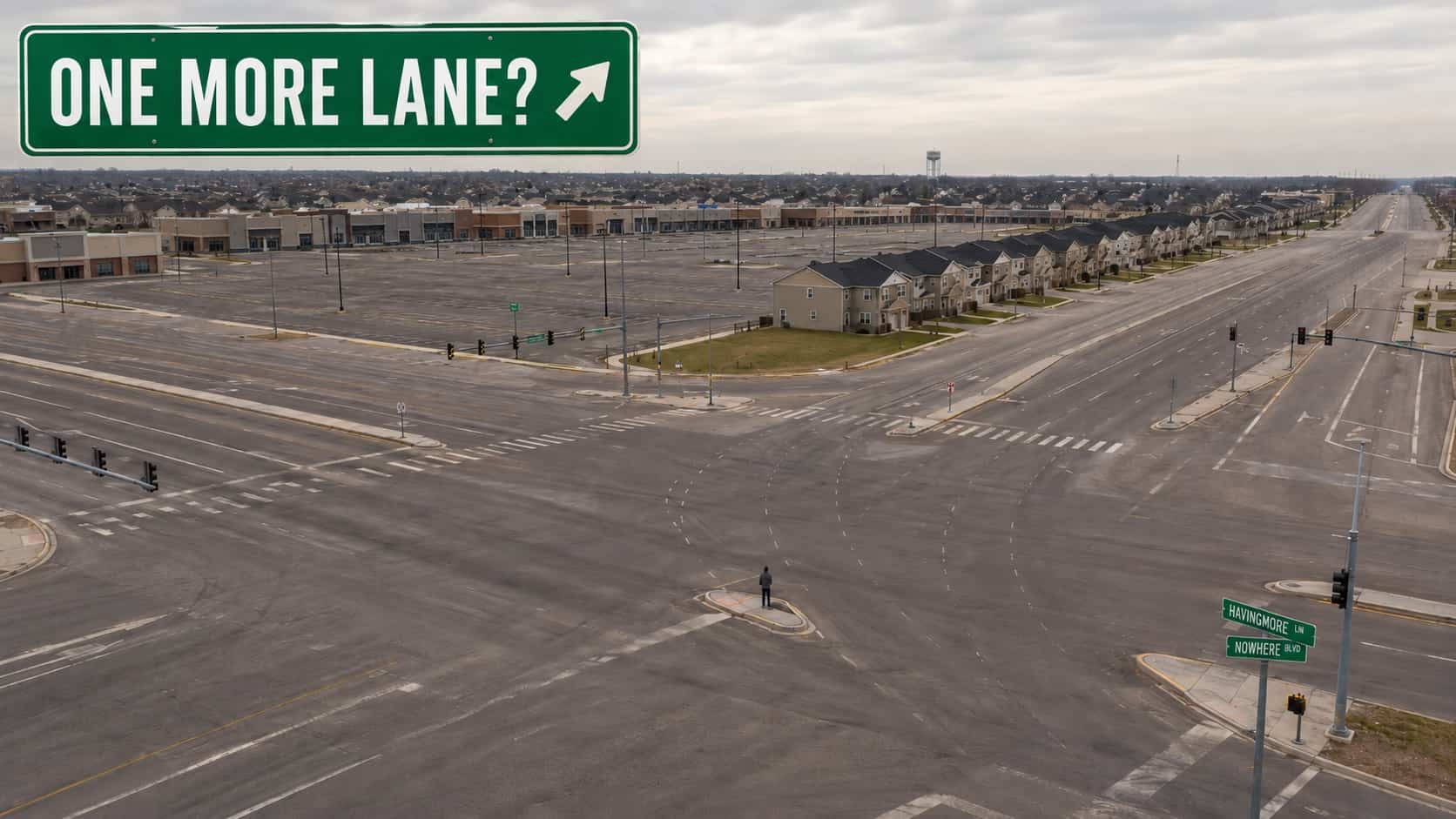
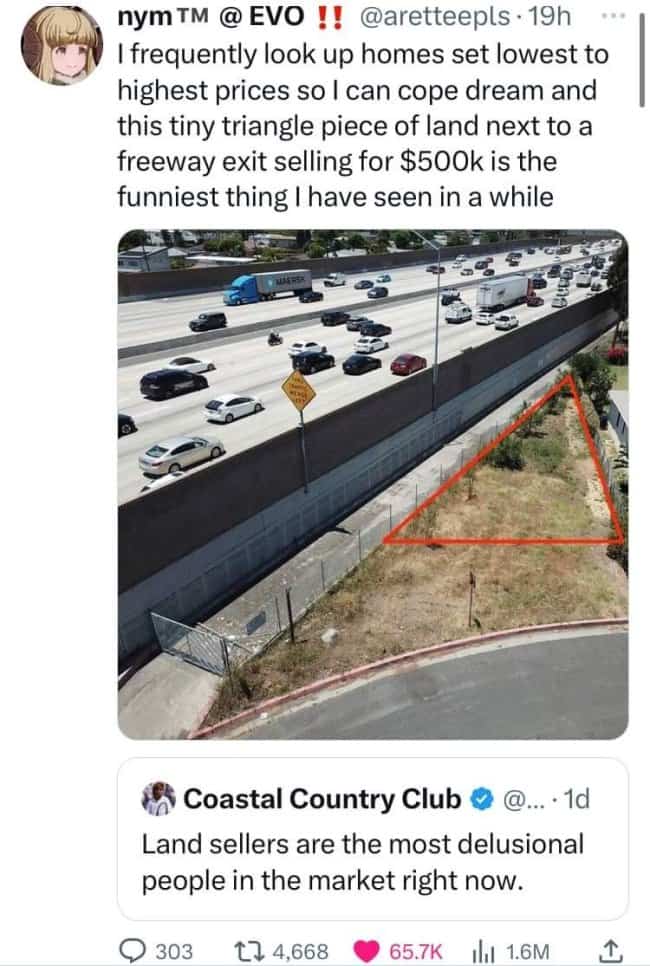
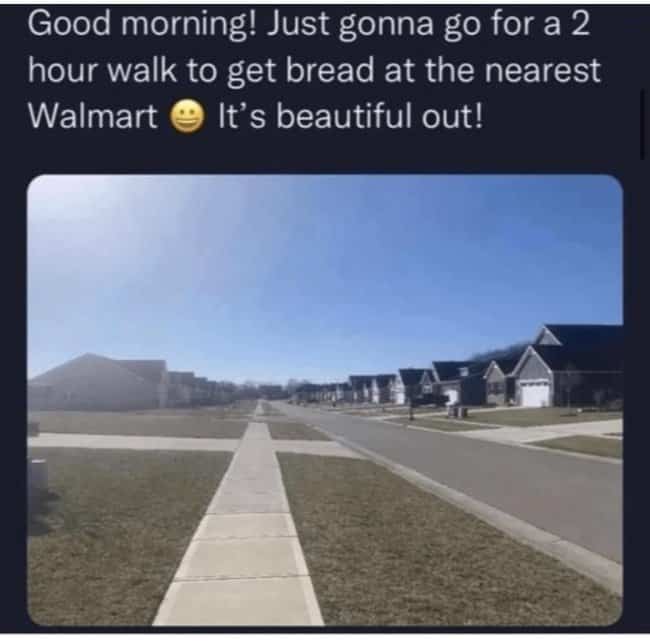
The car-centrism critique is the load-bearing wall of the genre, the running documentation of infrastructure scaled for vehicles first and humans as an afterthought. Highways widened on faith, intersections crossable only with provisions and a will, homes marooned in seas of parking like the asphalt arrived first and the houses were an apology. The memes frame it all with a simple recurring question, which is who this was for, and the answer, every time, is the cars. The cars are doing great.
Then there’s the vehicle-inflation subplot, the gentle roasting of consumer trucks that have swollen to monument scale while their actual working capacity quietly matches a vehicle a third the size. It’s a perfect symbol for the whole aesthetic, mass without function, presence without purpose, blind spots that constitute their own zoning issue. The tiny utility truck parked alongside is the punchline that requires no caption. It does the same job. It can also see pedestrians.
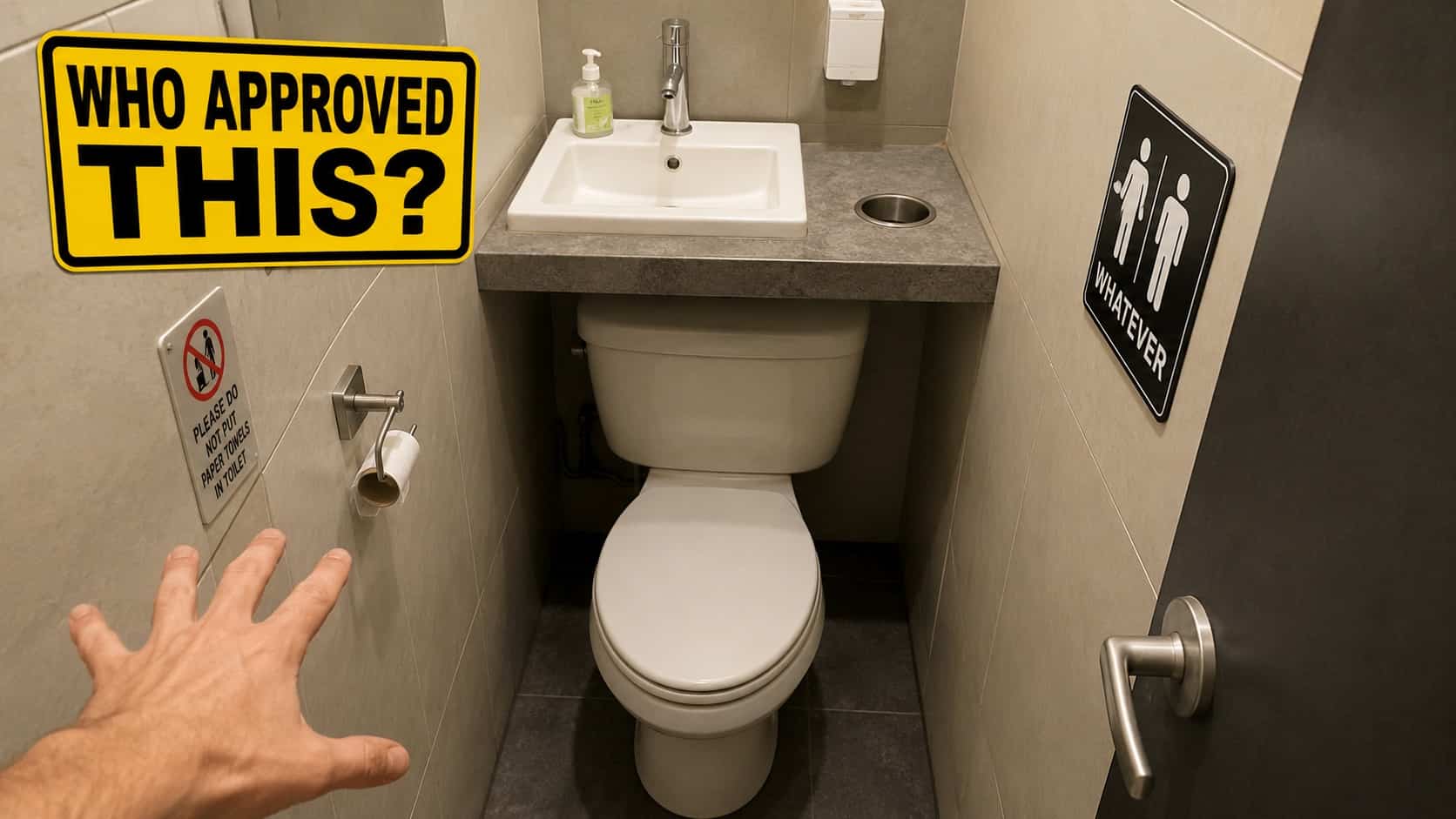
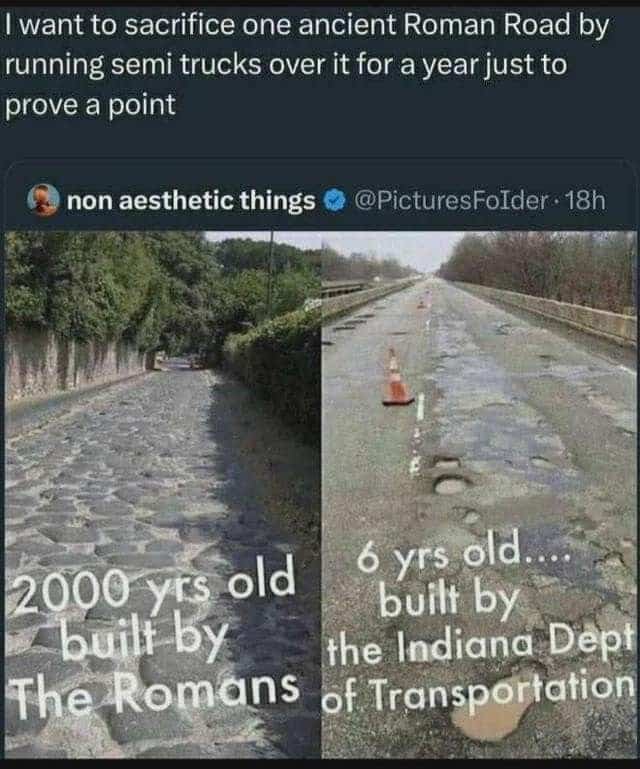
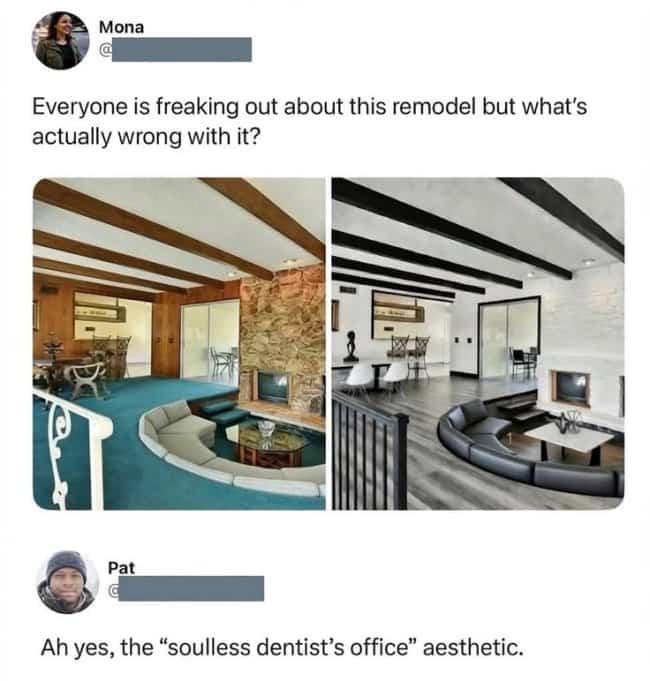
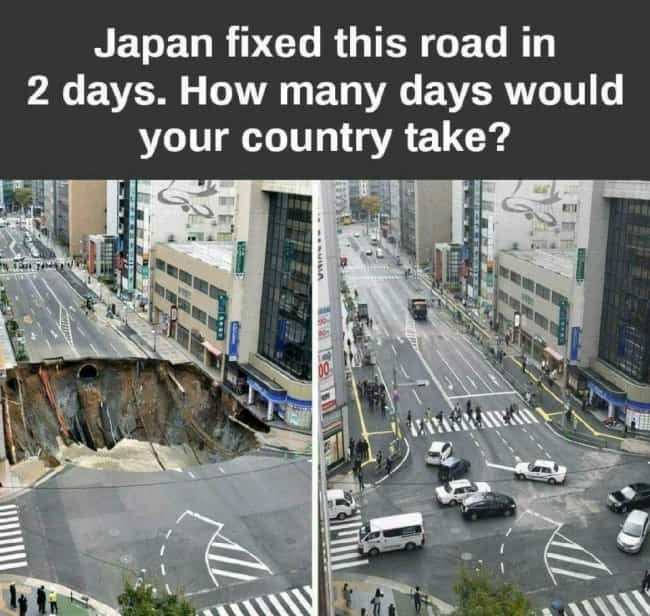
And the renovation-grief genre rounds out the hellscape, the mourning of warm interiors flipped into clinical grey nothingness, of durable old construction outperforming its modern replacements. There’s real feeling under these jokes, the sense that soul is being systematically traded for resale value, that ancient roads are outlasting last year’s asphalt out of what can only be spite. The Romans built for eternity. We build for the next budget cycle, and the potholes keep the receipts.
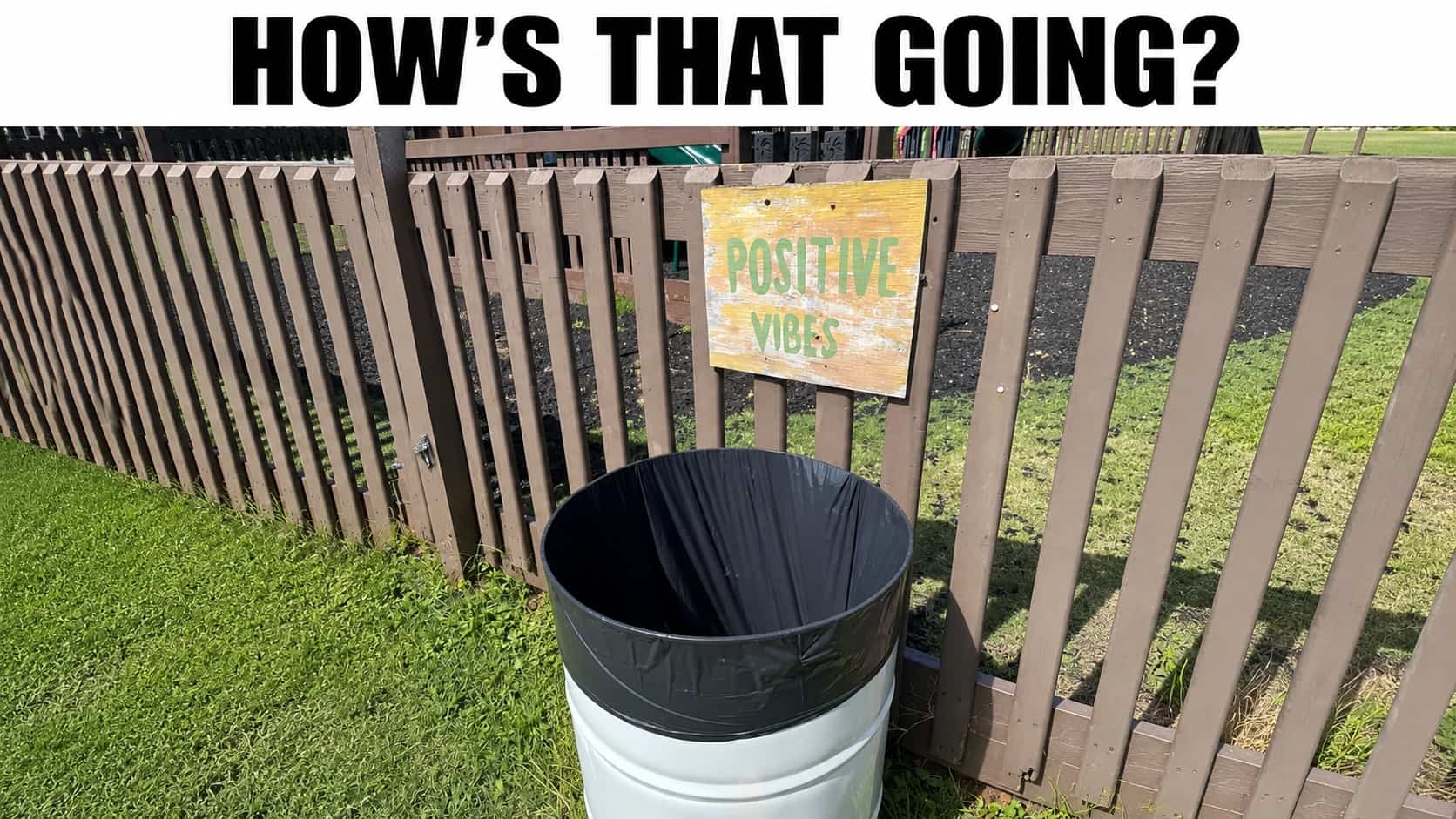
What this genre has actually accomplished is a mass perception shift, because once the memes teach you to see the hellscape, you cannot unsee it. The parking minimums, the fence labyrinths, the greyscale flips, all of it was invisible background until the internet started circling it in red. That’s the real function of the jokes. They’re not just complaints, they’re training data for your eyes, and your eyes are now permanently trained.
And weirdly, the mockery is a form of optimism. Nobody satirizes what they’ve given up on. Every meme about lane addiction and soulless renovation carries an implied belief that it could be otherwise, that streets could be crossable and rooms could have color and trucks could be truck-sized. The hellscape jokes are civic engagement wearing a clown nose, and civic engagement has honestly worn worse.
The asphalt spreads. The memes resist. Plant something somewhere.
If the infrastructure roasting was your kind of fun, our design critique content is right where you’d want to land next, and we’ve got plenty of city planning archives, suburban absurdity threads, and renovation crime compilations for anyone who now audits every parking lot they pass with fresh, radicalized eyes. Mind the stroad.
Read Memes
Get Paid


Priya Coleman is a viral content specialist and meme analyst with over six years in digital publishing. Her past roles include viral content editor for PopSugar's humor vertical and meme correspondent for HuffPost’s comedy section. Priya specializes in spotting trending meme moments just before they peak—like the chaotic delight of the Ever Given’s Suez Canal mishap or the existential comedy of This is Fine. She brings her sharp wit and instinctive knack for viral content to Thunder Dungeon, always keeping the community a step ahead of the latest meme craze.