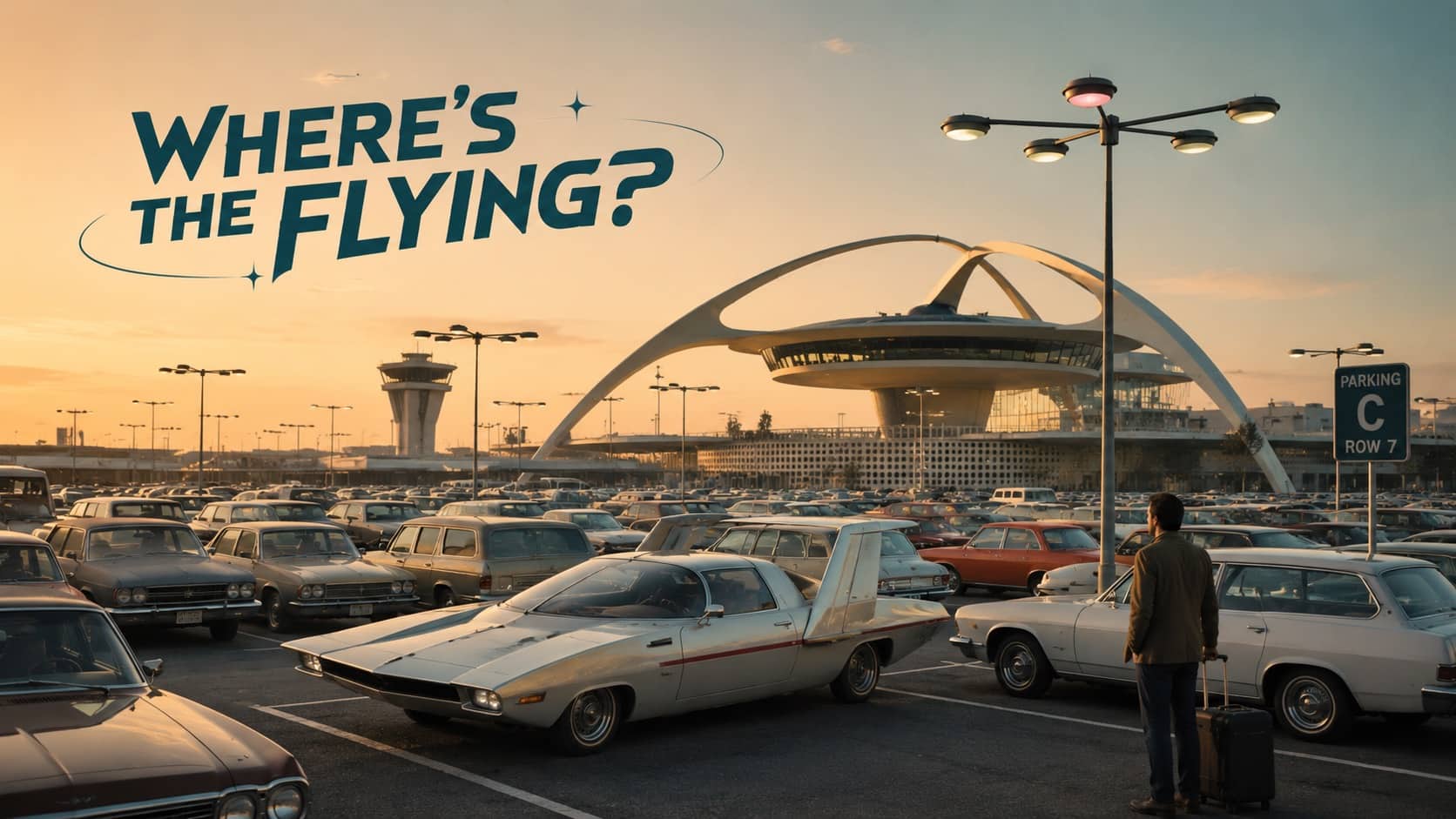

The past made us a lot of promises, and the funniest thing about history in memes is watching those promises collide with what we actually got. We were told flying cars and gleaming utopias. We received an enormous parking lot and a molded plastic train seat. These posts live in that exact gap between the retro-future we were sold and the concrete reality we’re standing in. Come be gently disappointed with me.
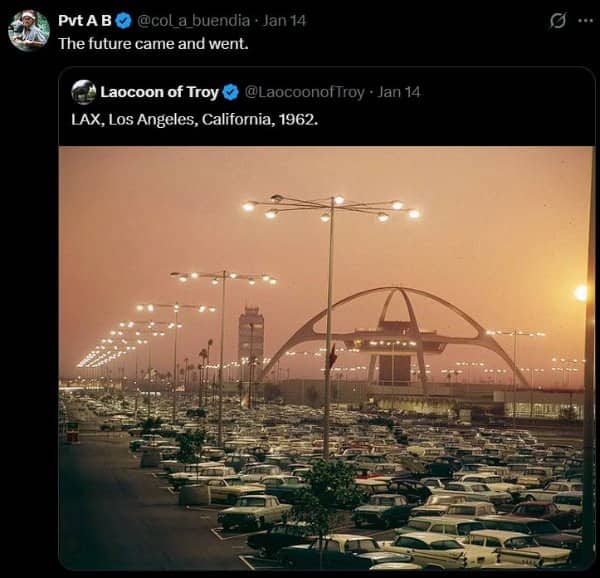
We wanted flying commuter pods but the past settled for station wagons as far as the eye can see.
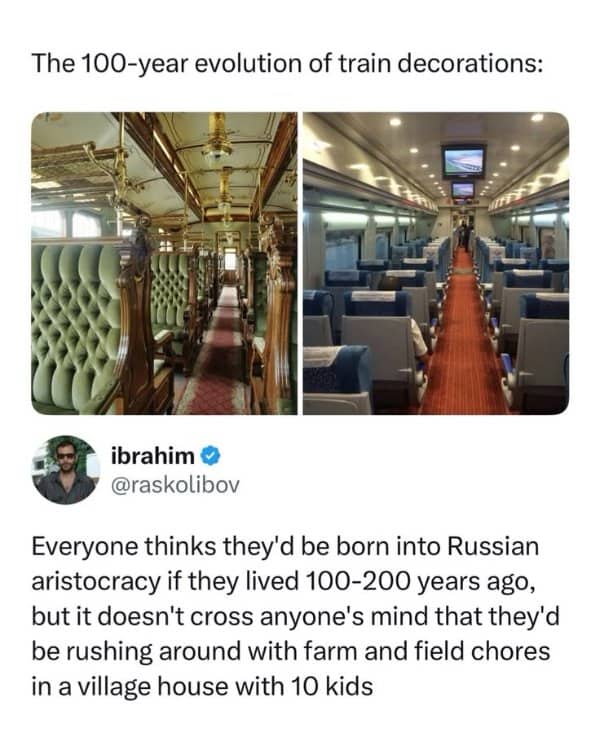
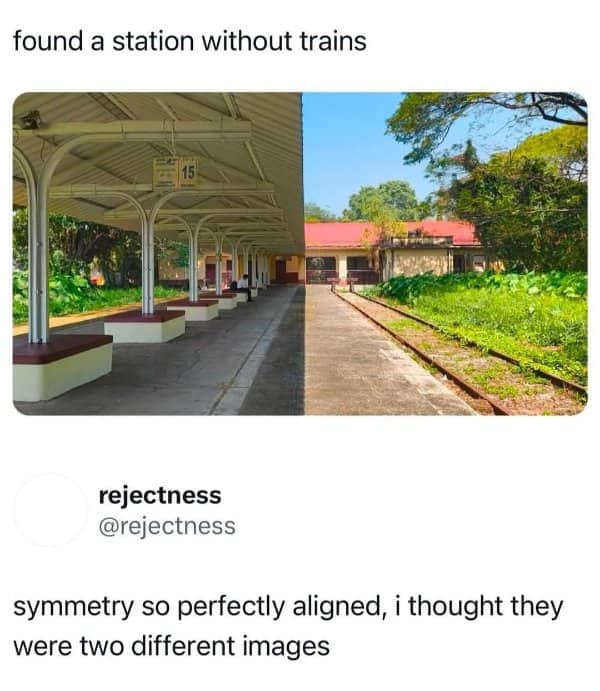
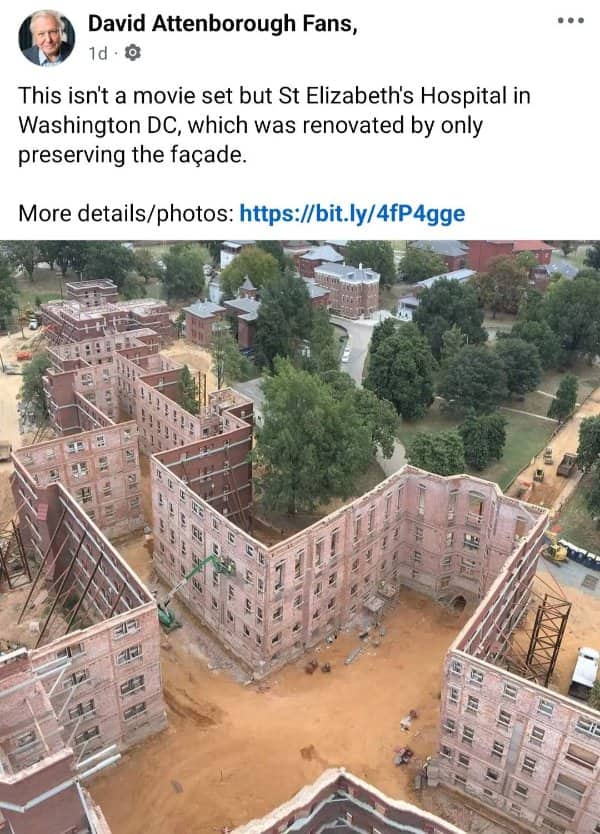
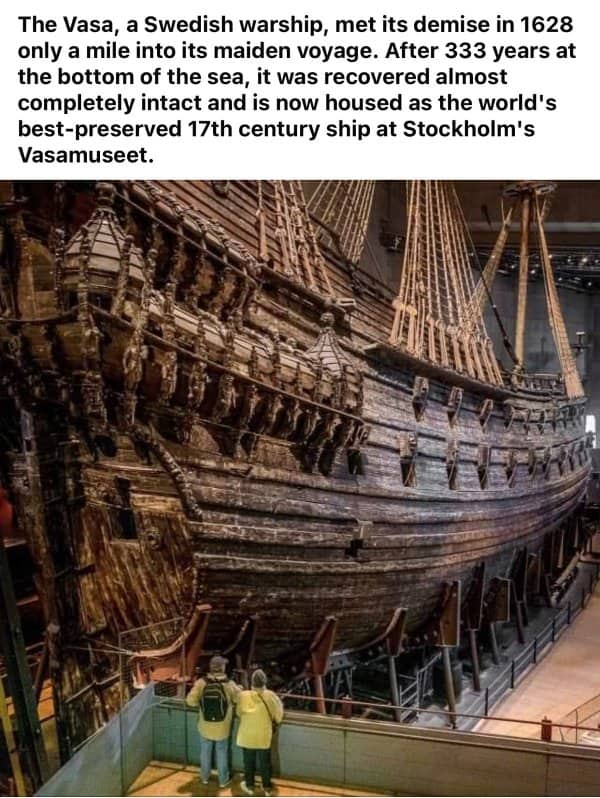
Romanticizing historical architecture is fun until you remember the crushing reality of feudal manual labor.
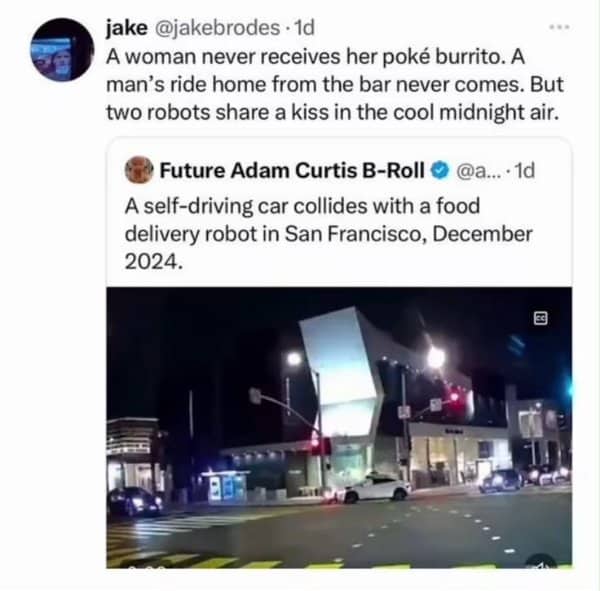
Somewhere, a cold poke burrito is waiting for a rescue team.
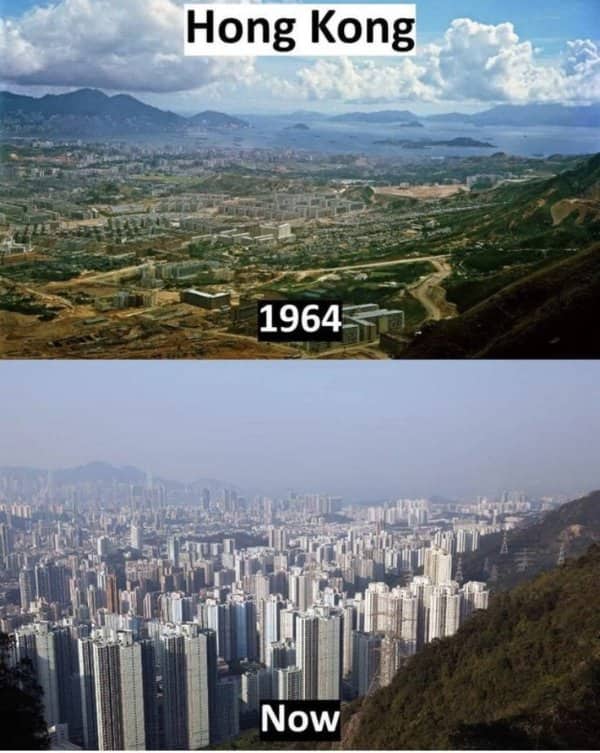
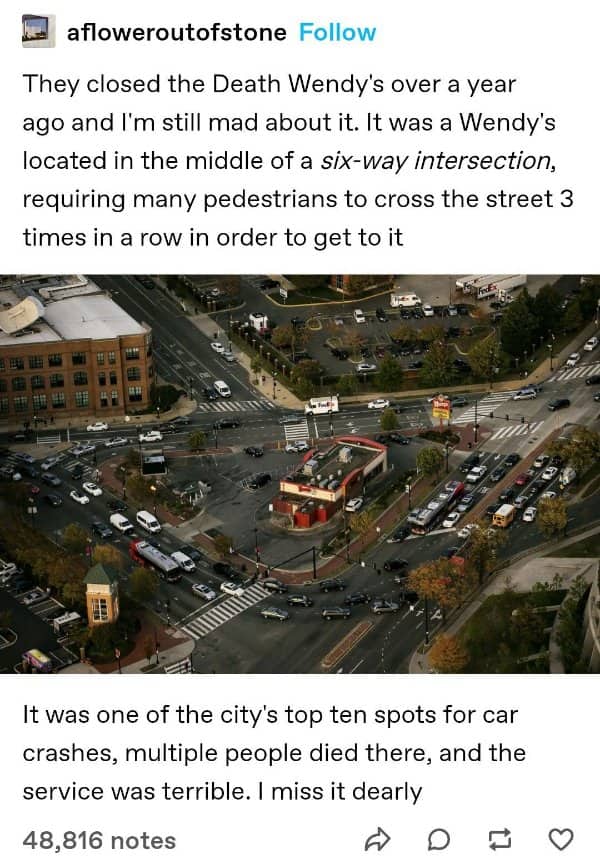
Urban growth on absolute overdrive.
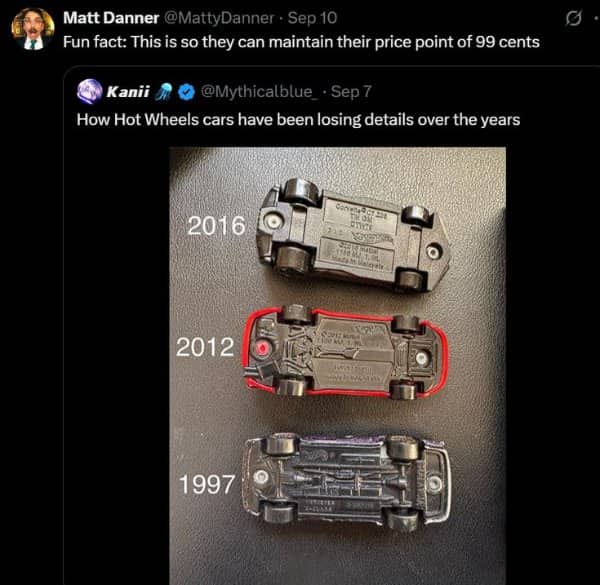
Shrinkflation striking directly at the completely hidden plastic undercarriage of a toy car.








History in memes
Read More
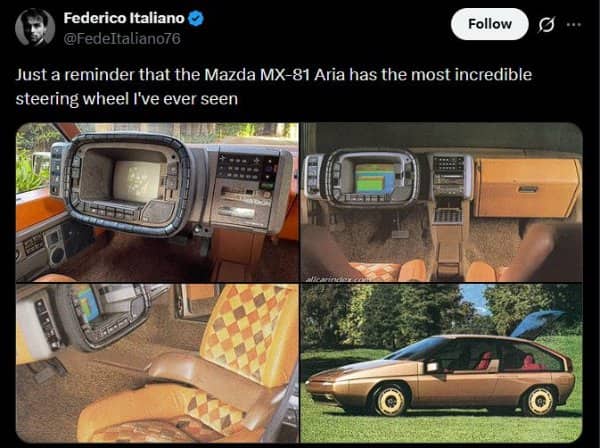
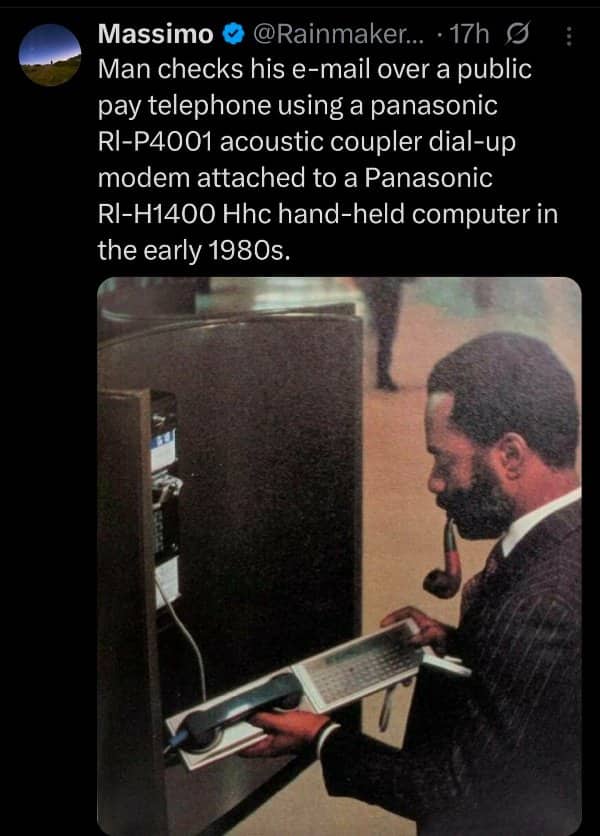
The thing that runs through all of this is the slow trade of soul for efficiency, and once you see it you can’t unsee it. Somewhere along the line, the beautiful custom stuff, the velvet train cars and the wildly over-designed concept dashboards, quietly got swapped for whatever was cheapest to mass-produce. The memes catch that exact swap, the moment aesthetic ambition lost to the spreadsheet, and it stings a little because they’re right.
Then there’s the cost-cutting-detail genre, which is oddly the most damning. There’s real evidence in the way even a toy car’s hidden undercarriage got flatter and cheaper over the decades, detail vanishing from a part nobody was ever supposed to see. That’s the purest form of it. When the corners get cut on the part that’s hidden, you know the whole philosophy changed, and a photo of three toy chassis lined up by year tells that story better than any essay could.
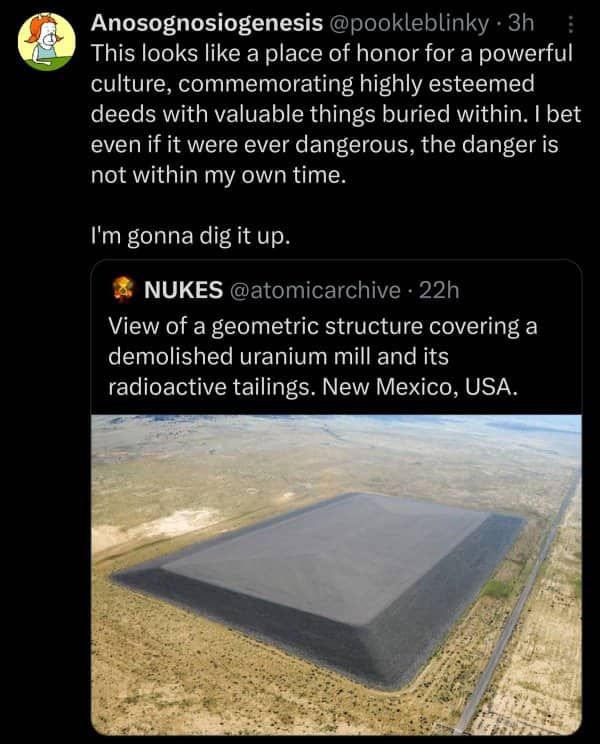
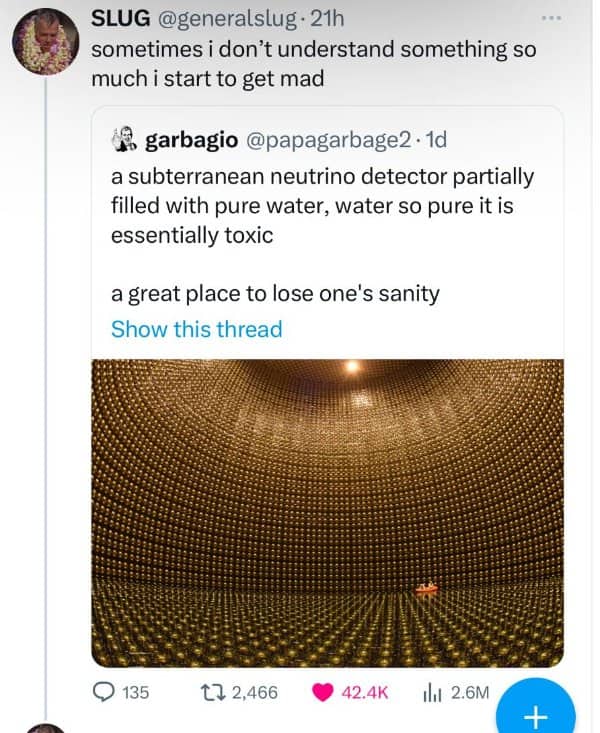
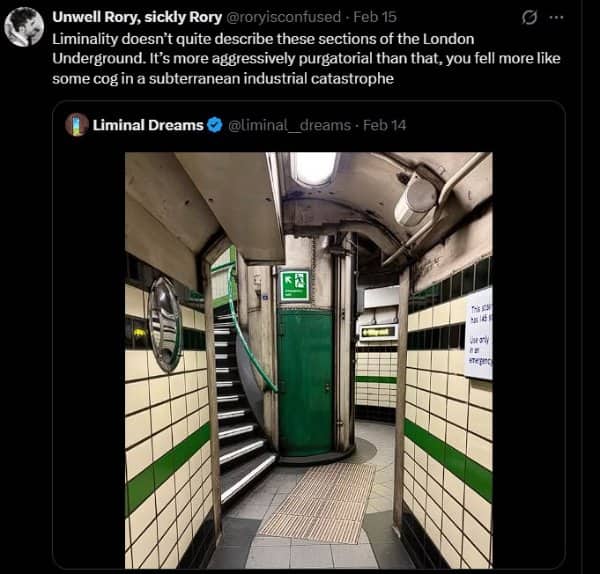
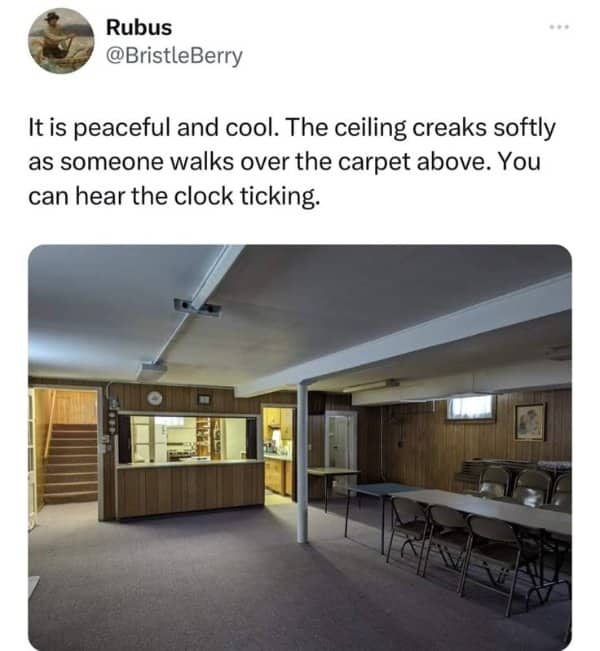
And then the accidental-dystopia lane, where infrastructure ends up looking like a video game level you’re not supposed to be in. Massive containment structures sealing away things we’d rather forget, subterranean corridors with liminal horror energy, real places that photograph like poorly rendered digital collages. The past built these dead serious, and the present looks at them and goes, that’s a supervillain hideout, and both readings are correct.
What I love about this genre is that it’s nostalgia with a sharp edge. It’s not just “old good, new bad,” it’s the funnier, truer observation that we genuinely traded a lot of beauty and detail for convenience and cost savings, and mostly didn’t notice we were doing it. The memes make you notice, which is uncomfortable and also kind of the point.
And the retro-future angle is the part that really lands, because the gap between the shiny world we were promised and the concrete grid we live in is enormous and hilarious. Nobody sketched a jetpack utopia imagining an infinite parking lot and a delivery robot getting into a fender bender. Reality took the wild vision and value-engineered it into something functional and gray, and all we can really do is laugh at the receipts.
The promises were shiny. The reality is concrete. At least the parking’s ample.
If the retro-future letdown was your kind of fun, our history content is right where you’d want to land next, and we’ve got plenty of vintage design archives, urban decay threads, and then-versus-now compilations for anyone who enjoys mourning the beautiful stuff we traded for cheaper plastic. Mind the gap.
Read Memes
Get Paid


Roy R., Chief Meme Curator
Roy founded Thunder Dungeon in 2012 and has since guided its growth into a 2.5 million‑strong community of meme enthusiasts. With over a decade of digital‑media experience and a nose for viral humor, Roy oversees content strategy, ensuring every post is both hilarious and high‑quality