
OK so somebody recently informed me that the entire universe could, in theory, be deleted at the speed of light by something called vacuum decay, with absolutely no warning, and I have been carrying that information around like a small unwanted pet ever since. These scary science facts are the small ongoing archive of true scientific information that does nothing for the audience except expose how genuinely fragile and strange our existence actually is. The facts are real. The implications are upsetting. The internet, somehow, cannot stop sharing them.
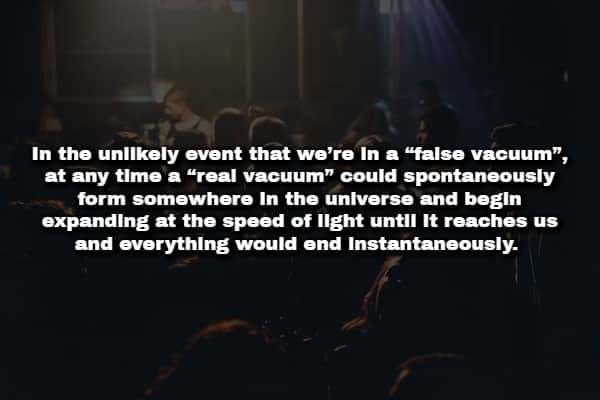
Great, another thing to stress about instead of sleeping.
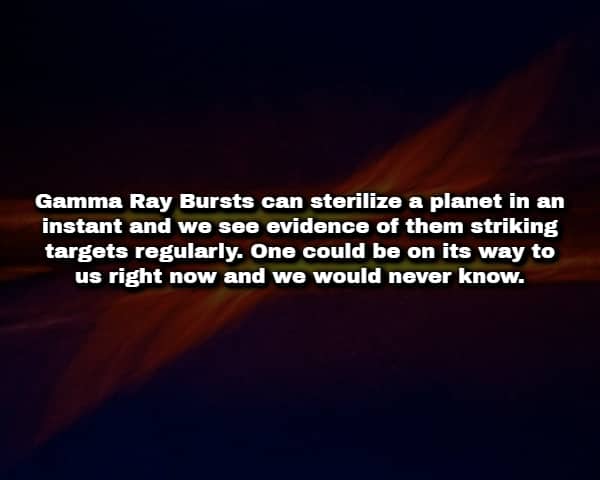
A literal death ray from the deep cosmos. Lovely.
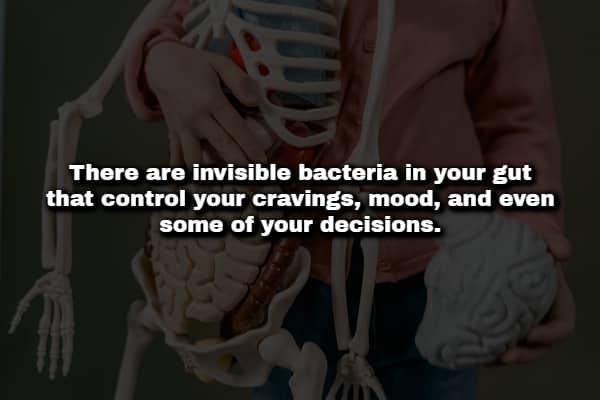
So when I eat an entire sleeve of cookies at midnight, it’s technically a group decision.

You are never truly alone. Like, ever.
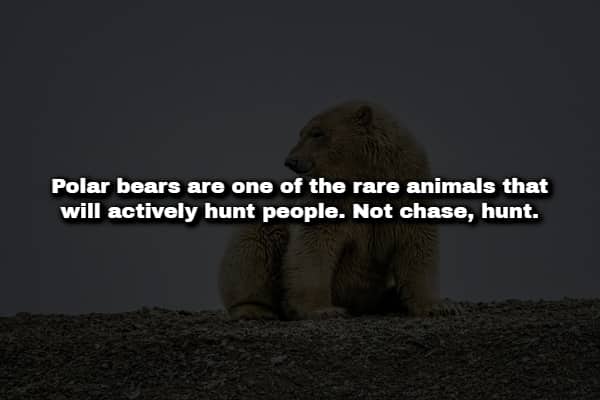
If it's black, fight back. If it's brown, lay down. If it's white, say goodnight.




Scary science facts
Read More
Look, the actual reason this lane of content works as well as it does is that the audience has, over time, developed a taste for the specific kind of true information that reveals how little control any of us actually have over the cosmic and biological forces governing our existence. The terrifying science facts circulating online are essentially the documented evidence of this exact appetite, where the audience seeks out the unsettling truths that polite educational sources tend to deliver with significantly more reassurance attached.
The cosmic content specifically is where this stuff gets genuinely unsettling. There is a particular flavor of science fact that involves the vast indifferent forces of the universe that could, at any moment, end everything without warning or reason, and the creepy science facts in this lane are essentially documenting the complete helplessness of humanity against physics. The gamma ray burst. The rogue planets outnumbering the stars. The cosmic delete button that nobody can see coming. The helplessness is total. The helplessness is, frankly, the entire appeal.
The biological content has its own particular flavor of body horror. The microscopic mites living on human eyelashes. The sneeze powerful enough to damage the spine. The gut bacteria quietly influencing human decisions. The disturbing science facts in this category are essentially documenting the unsettling truths happening inside our own bodies, and the truths are, frankly, more disturbing than anything happening in the distant cosmos, because they are happening on our actual faces right now.
The bigger thing happening across all this content is that the audience has, somehow, decided that they would rather know the genuinely frightening truths about reality than be protected from them, and the deciding has produced one of the most committed knowledge-sharing communities currently in operation. The scary science facts that travel the furthest are essentially the documented evidence of this exact preference, where the audience seeks out the information specifically because it is unsettling, not despite it.
The funny dark science content that endures tends to involve this exact quality of unsettled fascination. The audience is not, mostly, traumatized by this material. The audience is, in many cases, darkly delighted by the reminder that existence is far stranger and more precarious than daily life would suggest, and the delight is mixed with a small healthy dose of existential dread. The recognition is the medicine. The medicine works, mostly by making the audience feel briefly, productively small.
The universe is fragile. The body is stranger than expected. The internet has, finally, become the place where reality reveals just how much of a horror script it has always been.
If the existential dread was your kind of fun, our dark science content is right where you’d want to land next, and we’ve got plenty of cosmic horror archives, unsettling biology threads, and frightening fact compilations for anyone whose late night reading habits trend toward the genuinely alarming. Sleep well, if you can.
Read Memes
Get Paid


Michael Hartley, or just "Mike," is an editor and seasoned meme historian whose articles have traced the evolution of meme humor from early Impact-font classics to today’s TikTok sensations. With nearly a decade spent as senior editor at ViralHype and as a regular contributor to Cheezburger, Mike has dissected the rise of meme legends such as Bad Luck Brian, Success Kid, and Doge. When he's not hunting down meme gold for Thunder Dungeon, Mike teaches workshops on meme marketing and the psychology behind shareable content.