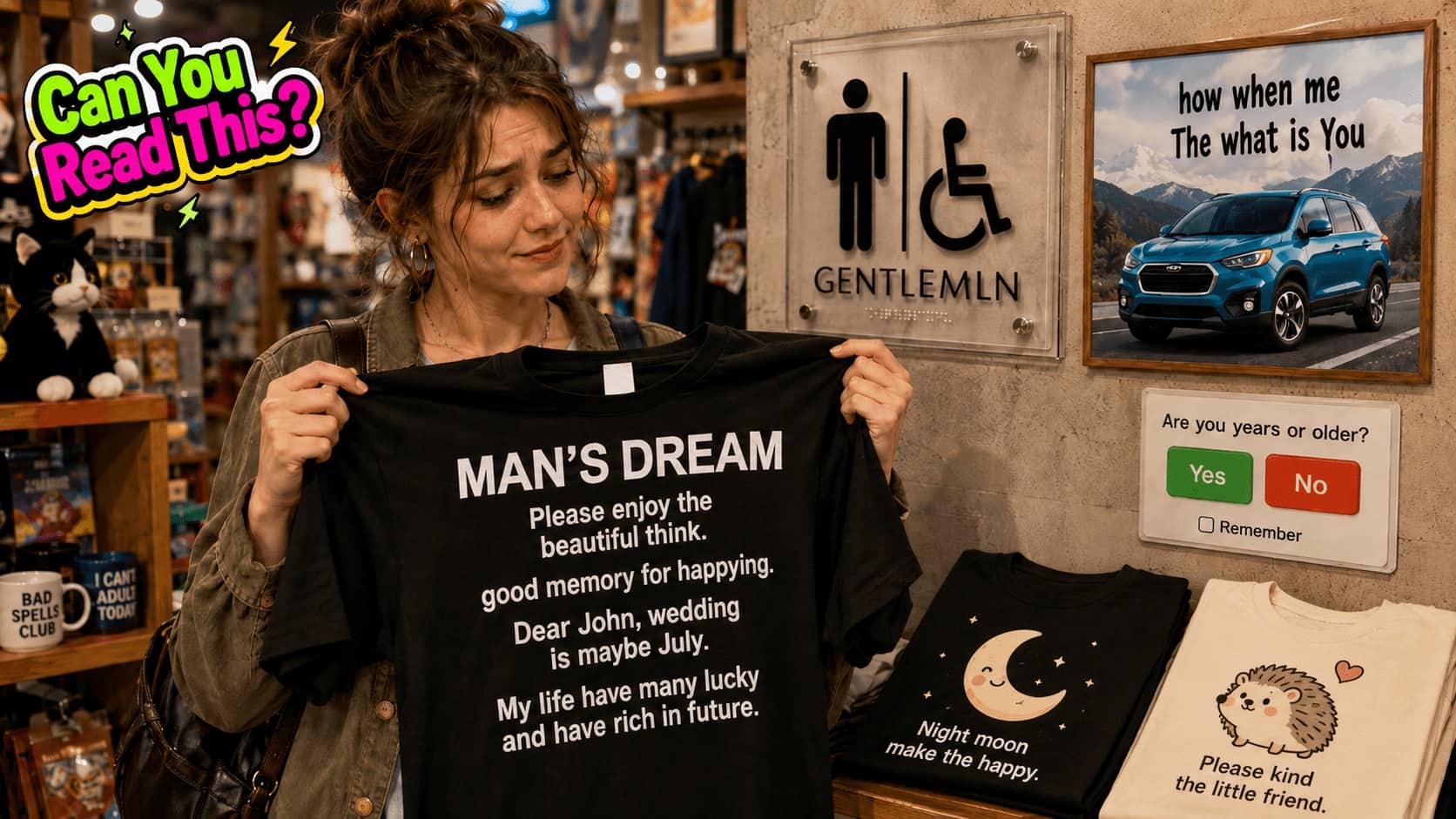

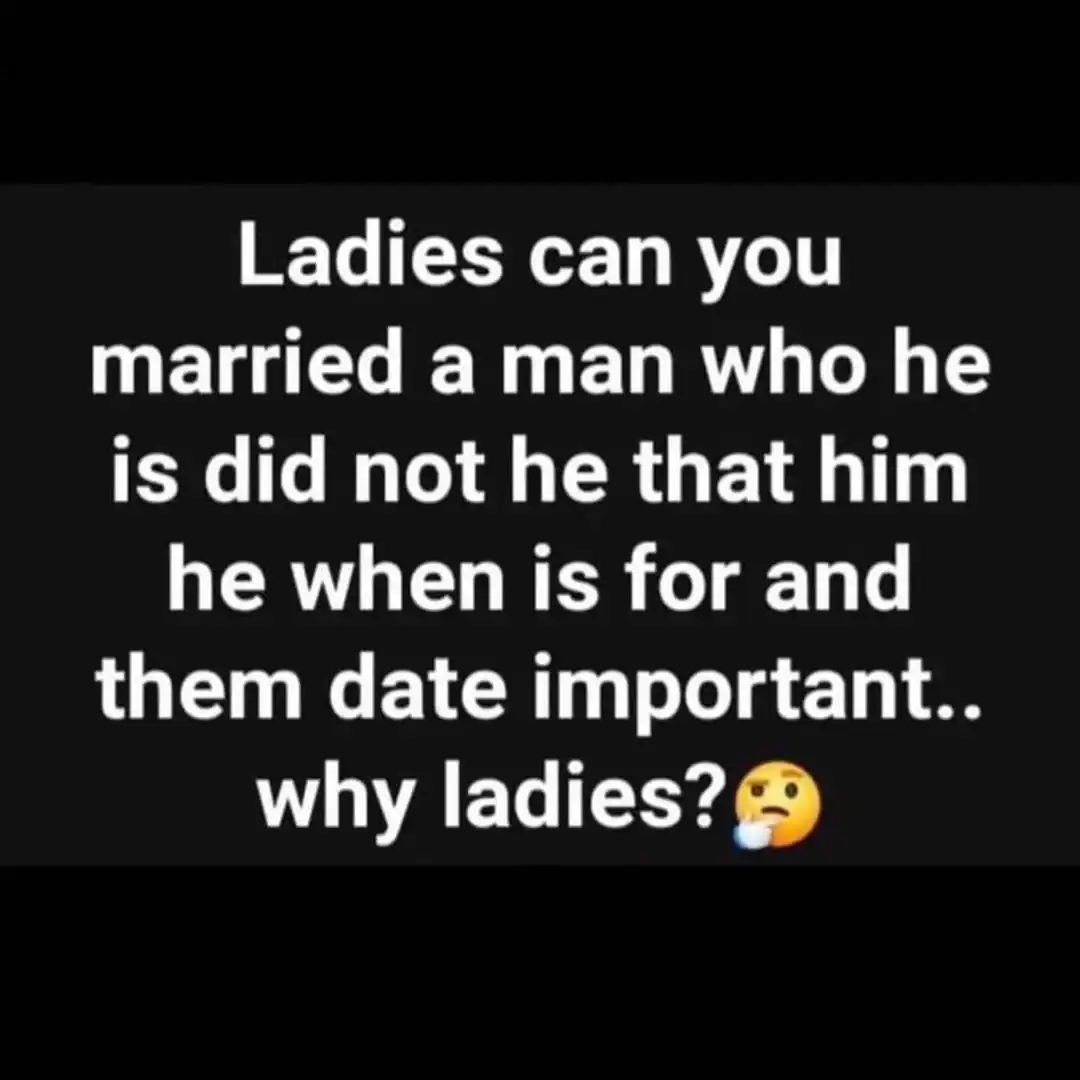
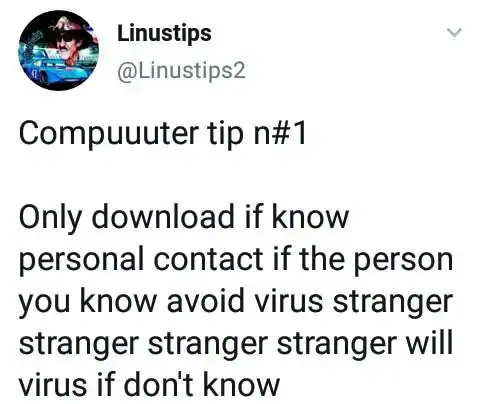
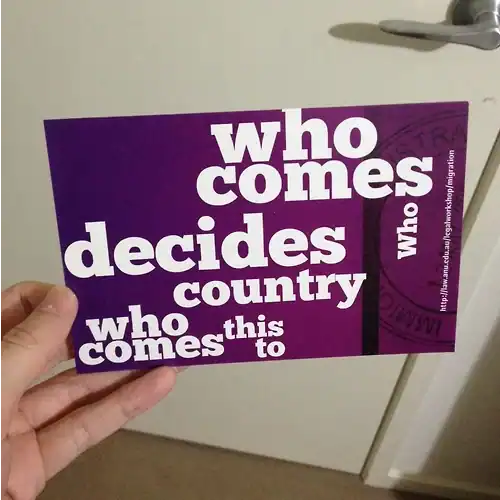
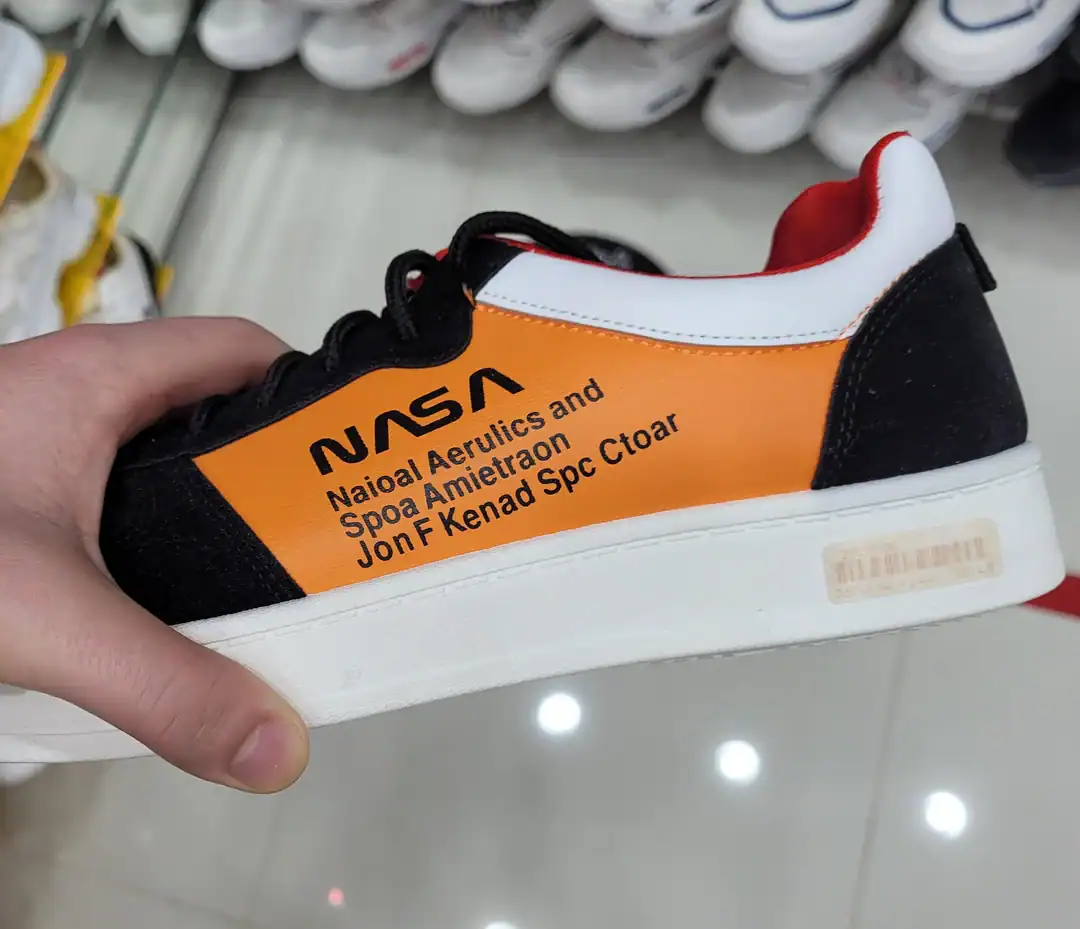
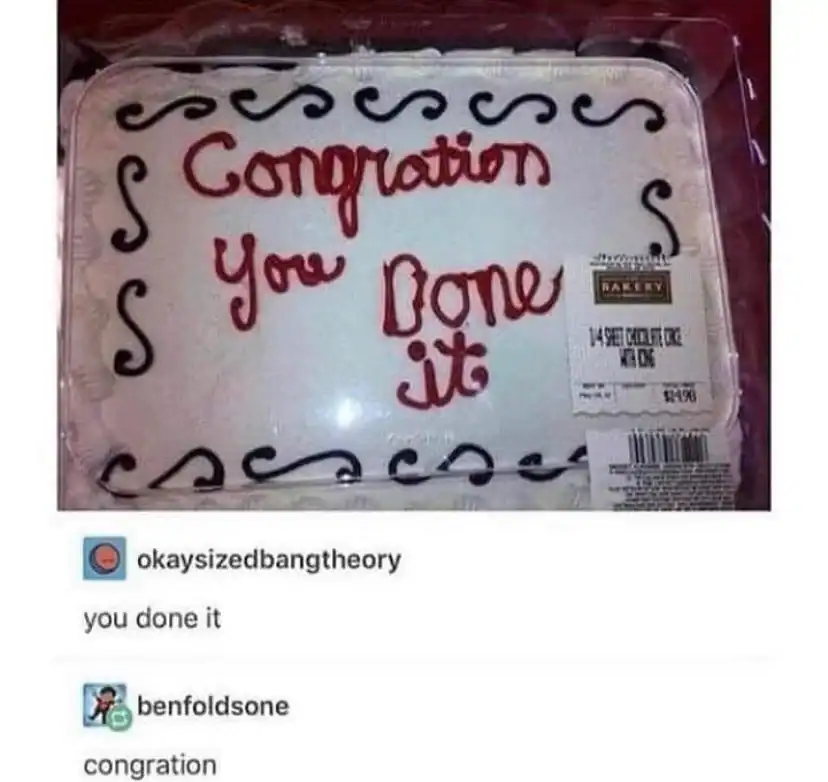
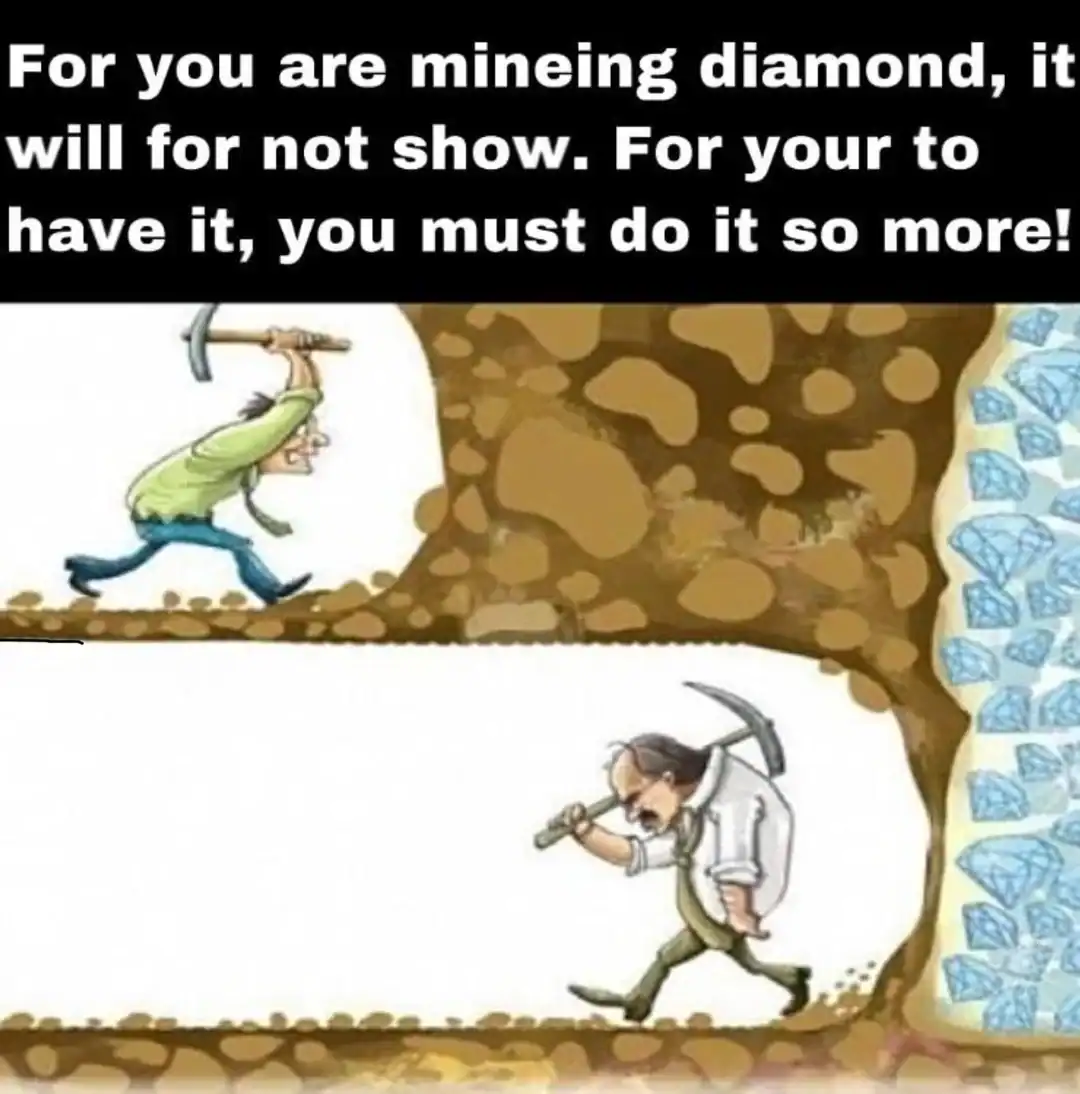
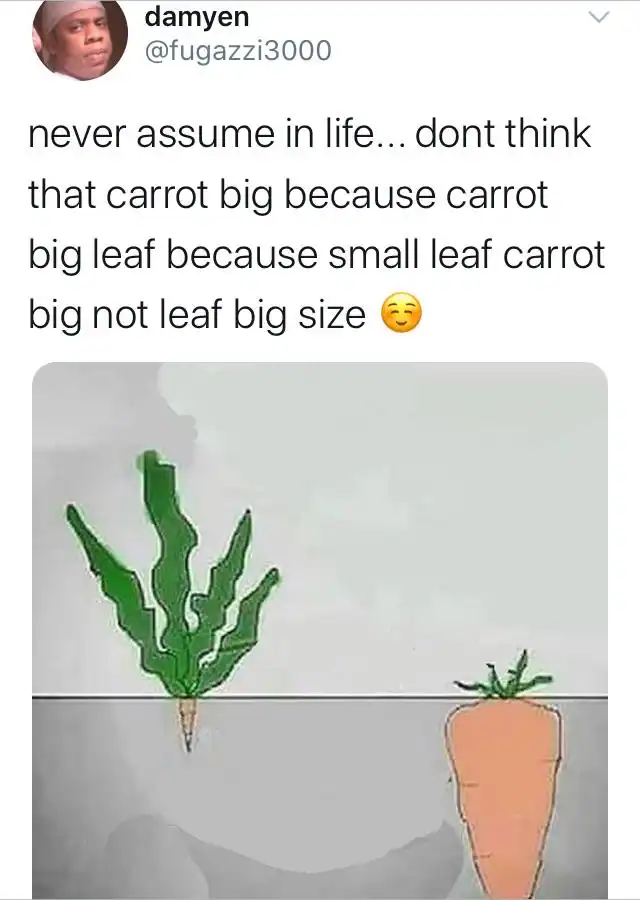
There is a public restroom sign somewhere in the world that identifies one of the two restroom options as “GENTI EMLN,” and I have been trying to recover ever since. These language fails are the small documented evidence that English, as a system, is barely holding together, and the failures are coming in faster than anybody can correct them. Knockoff t-shirts. Glitchy car bumper stickers. Comment-section sentences that have completely abandoned syntax. The language is collapsing in real time, and the collapsing is gorgeous.
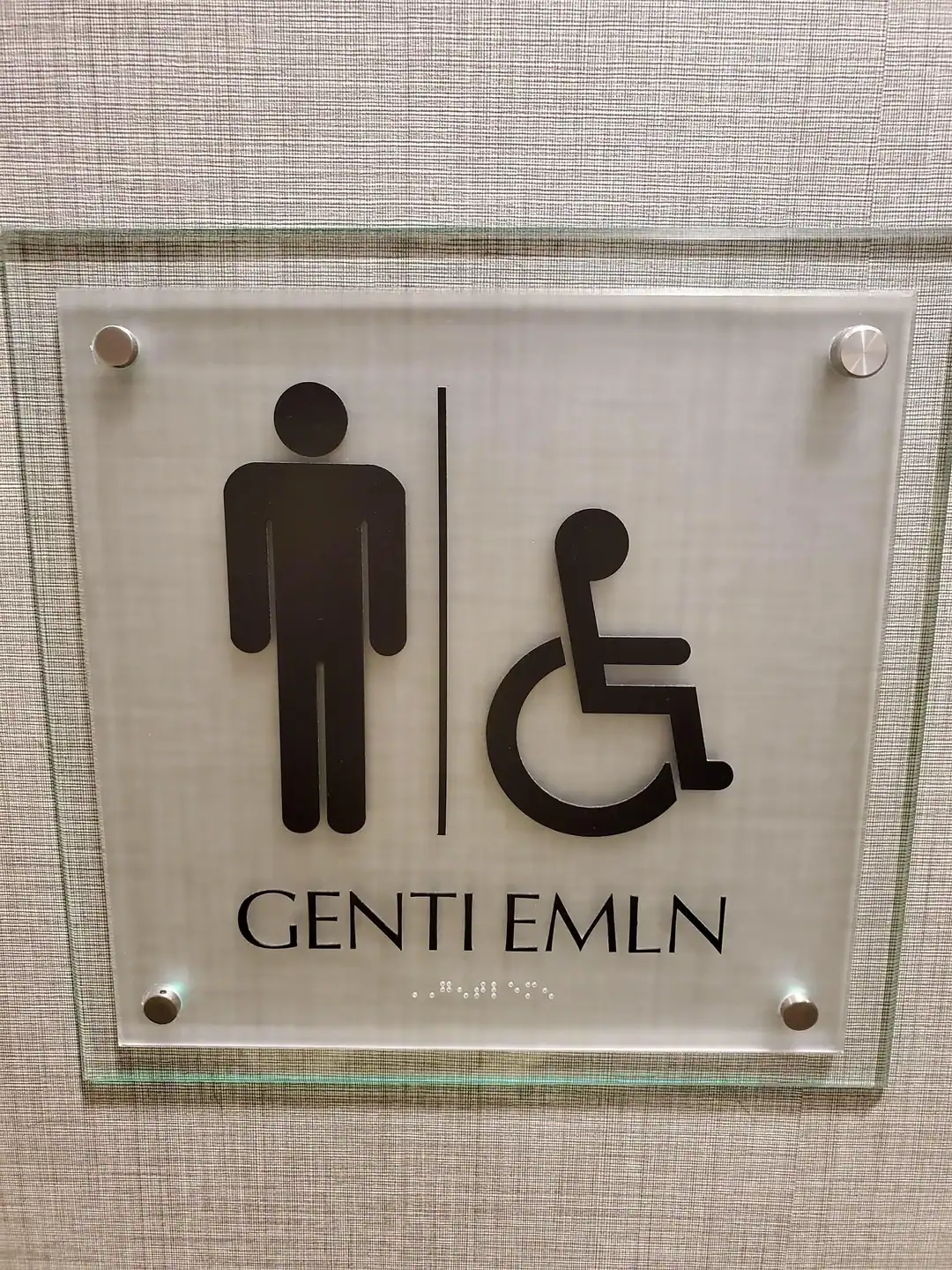
Ah yes, the two genders: Men and Genti Emln.
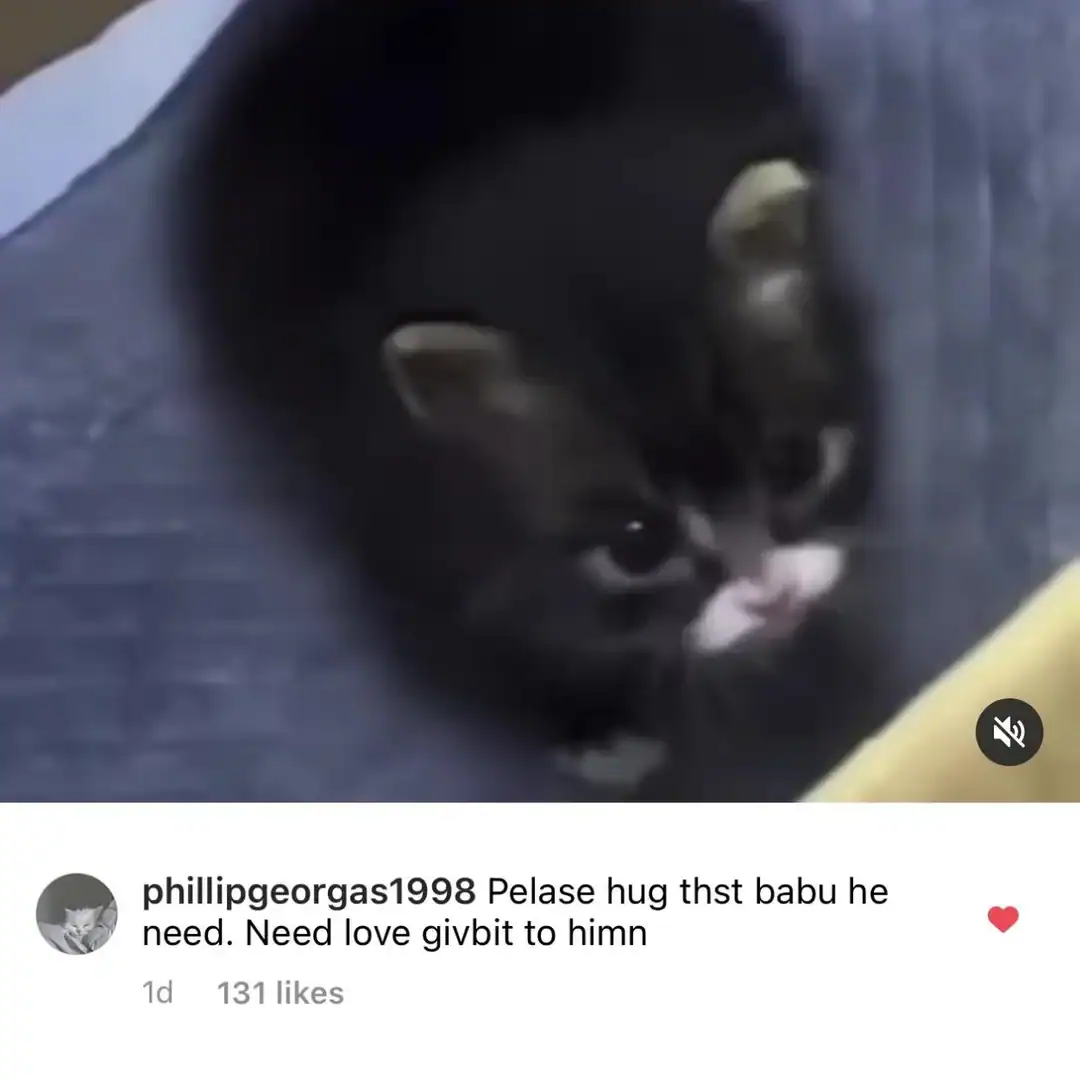
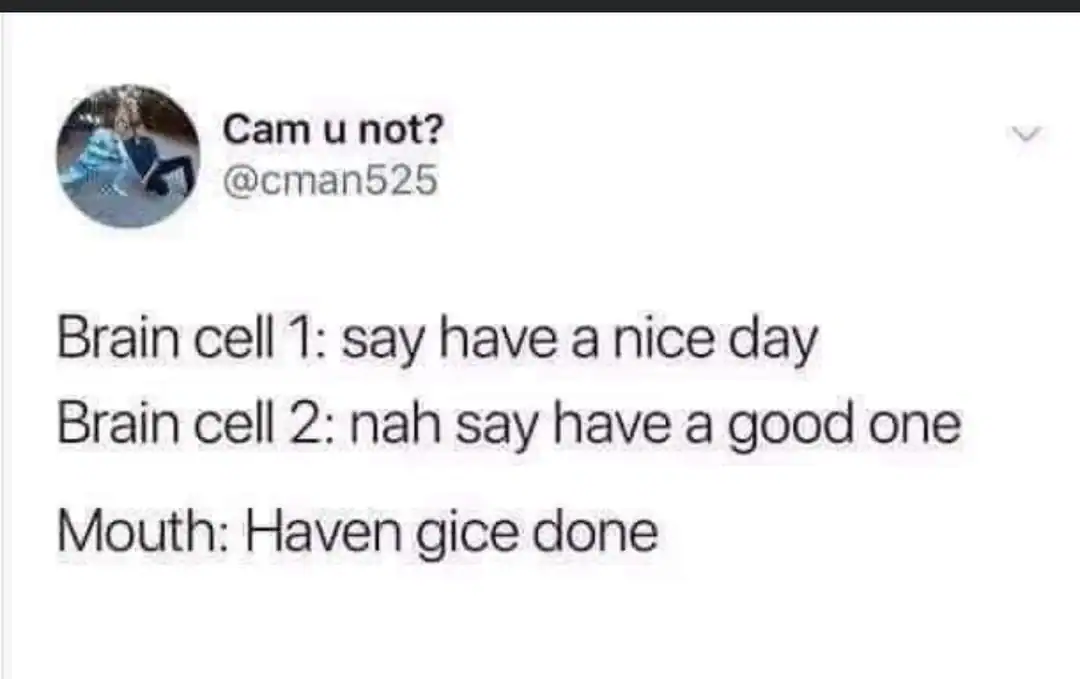
My brain cells trying to formulate a sentence on a Monday morning.
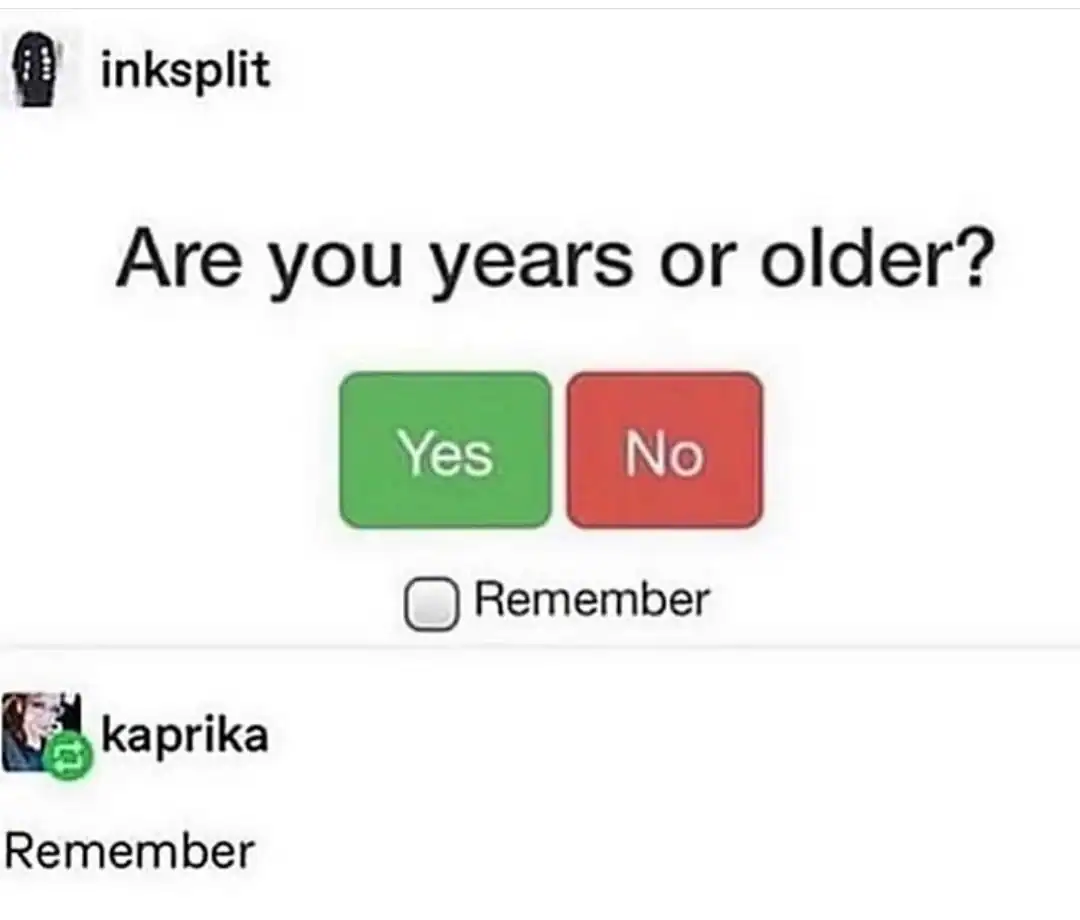
Yes, I can confirm that I am indeed years old.
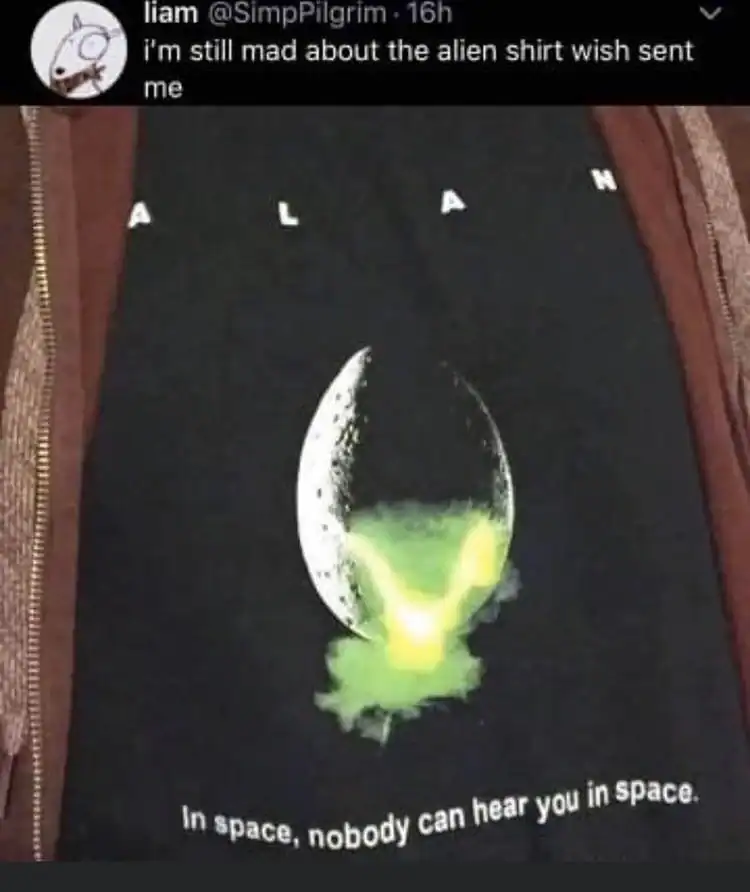
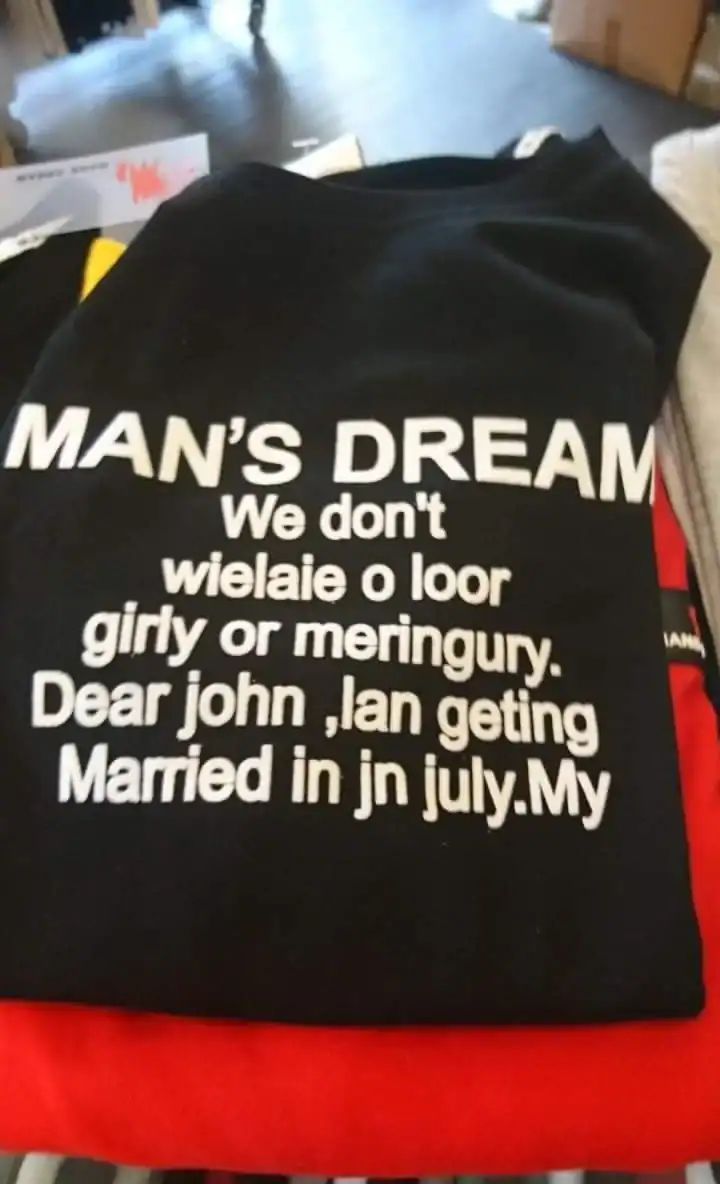
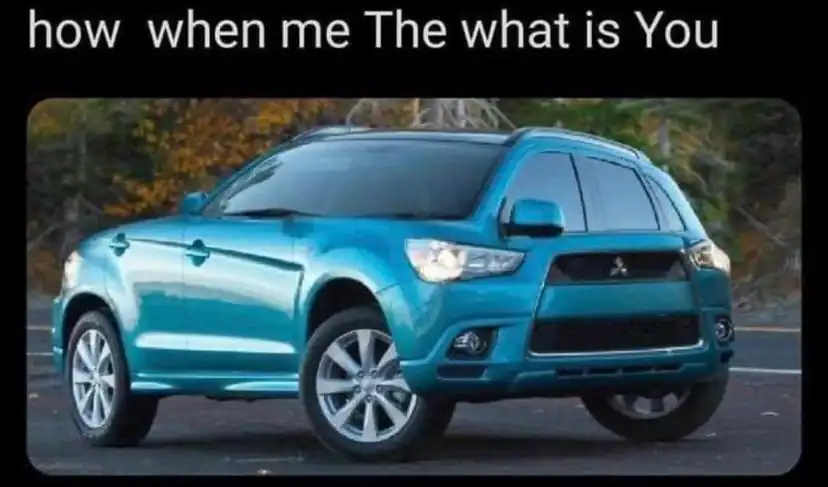
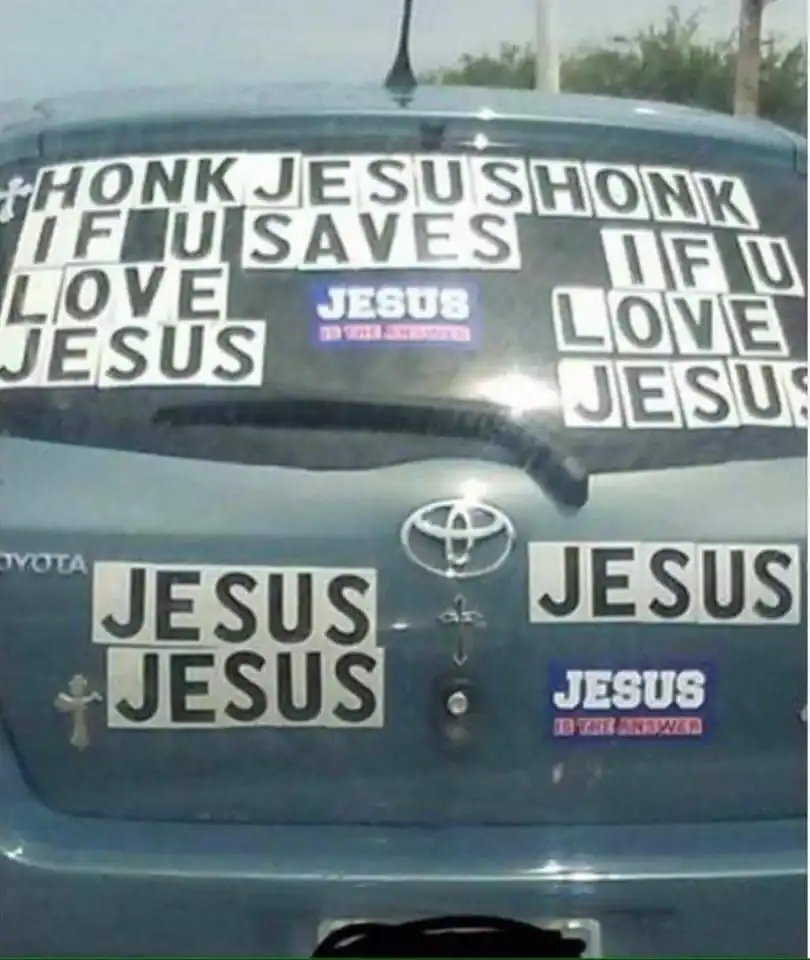
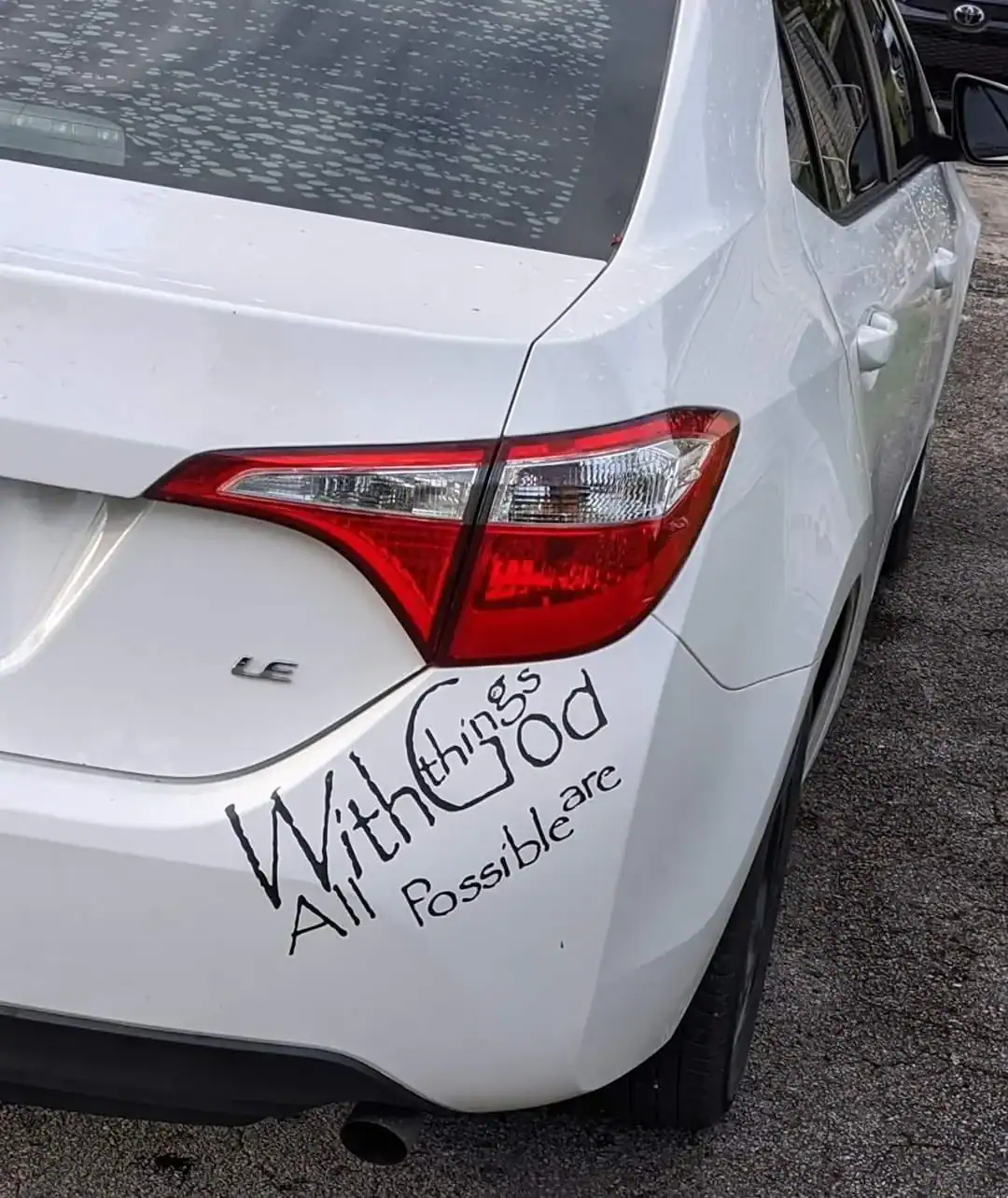
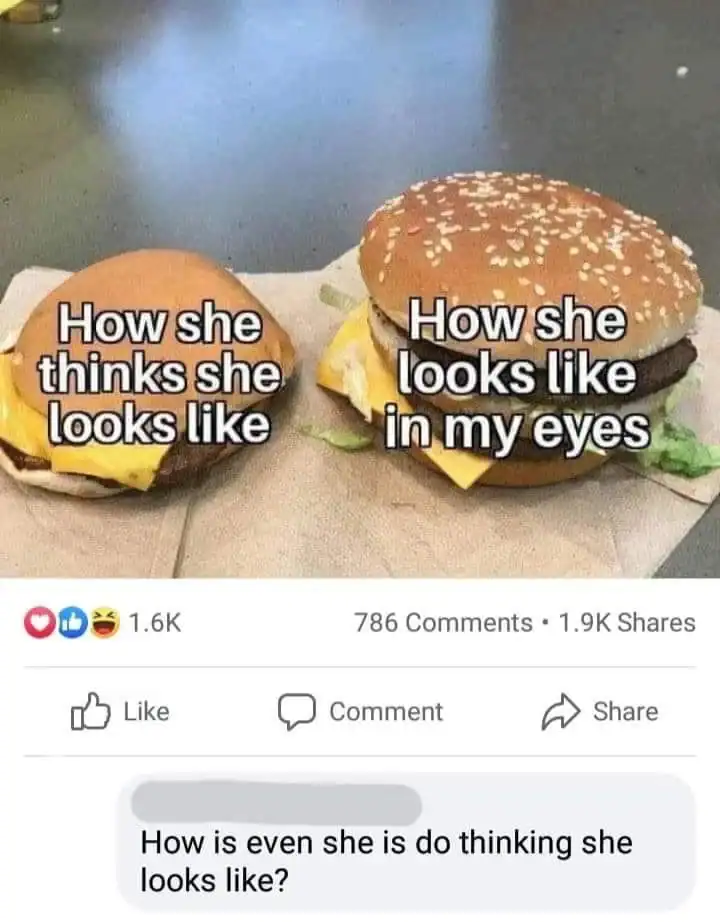
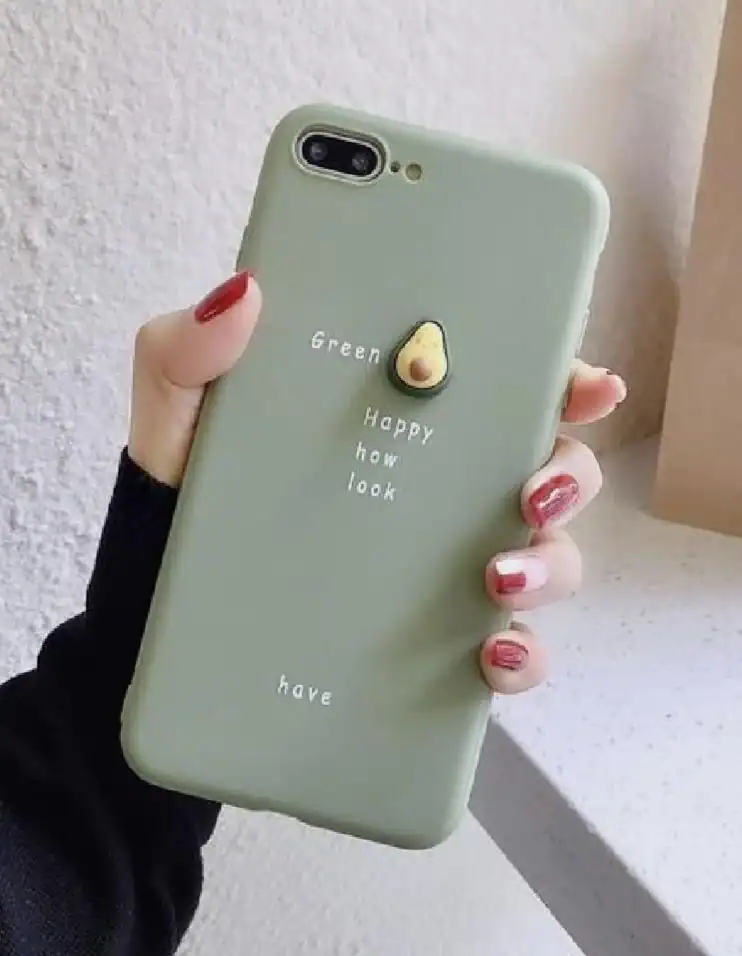
Green happy how look have. Spoken like a true poet.
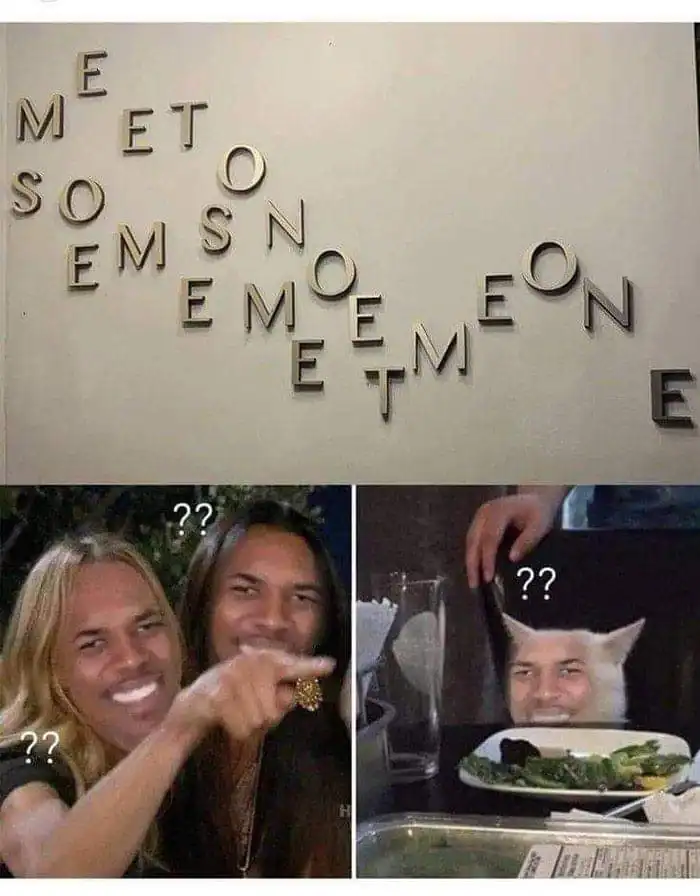
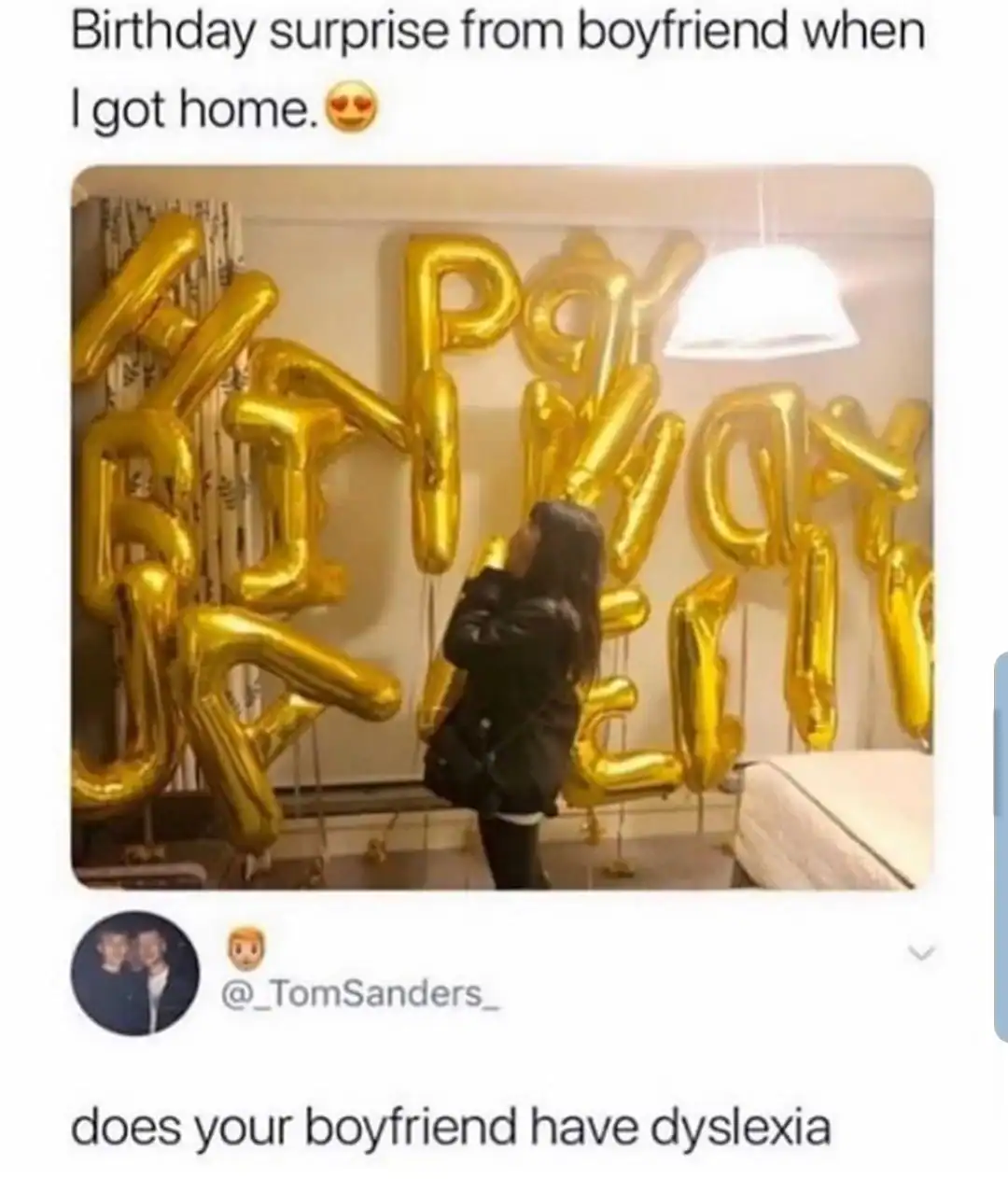
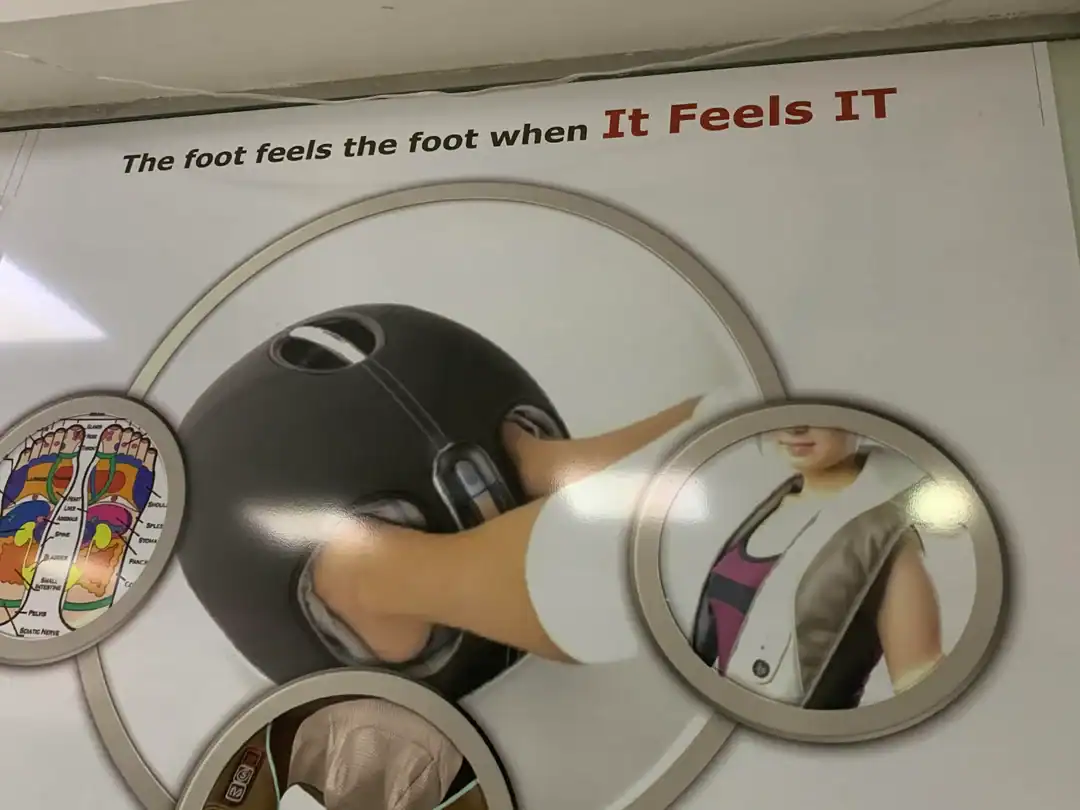

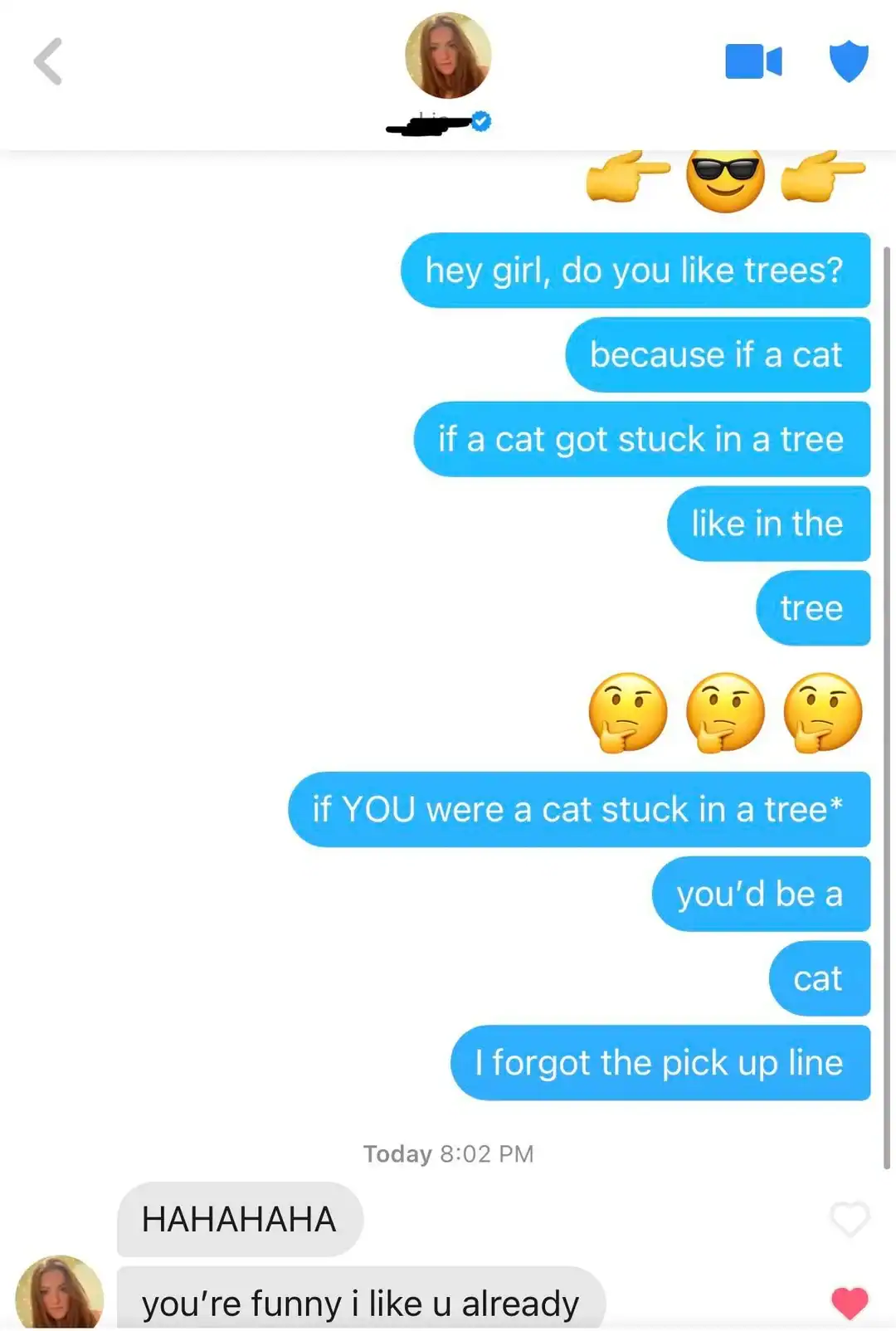
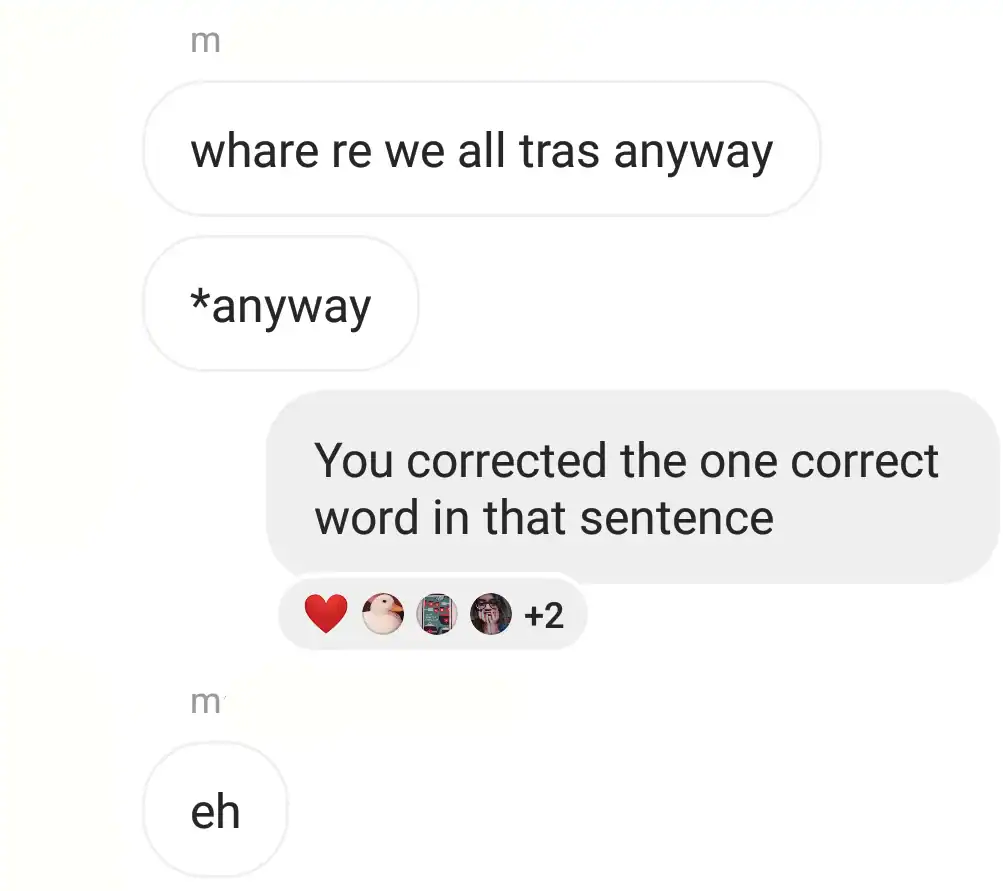
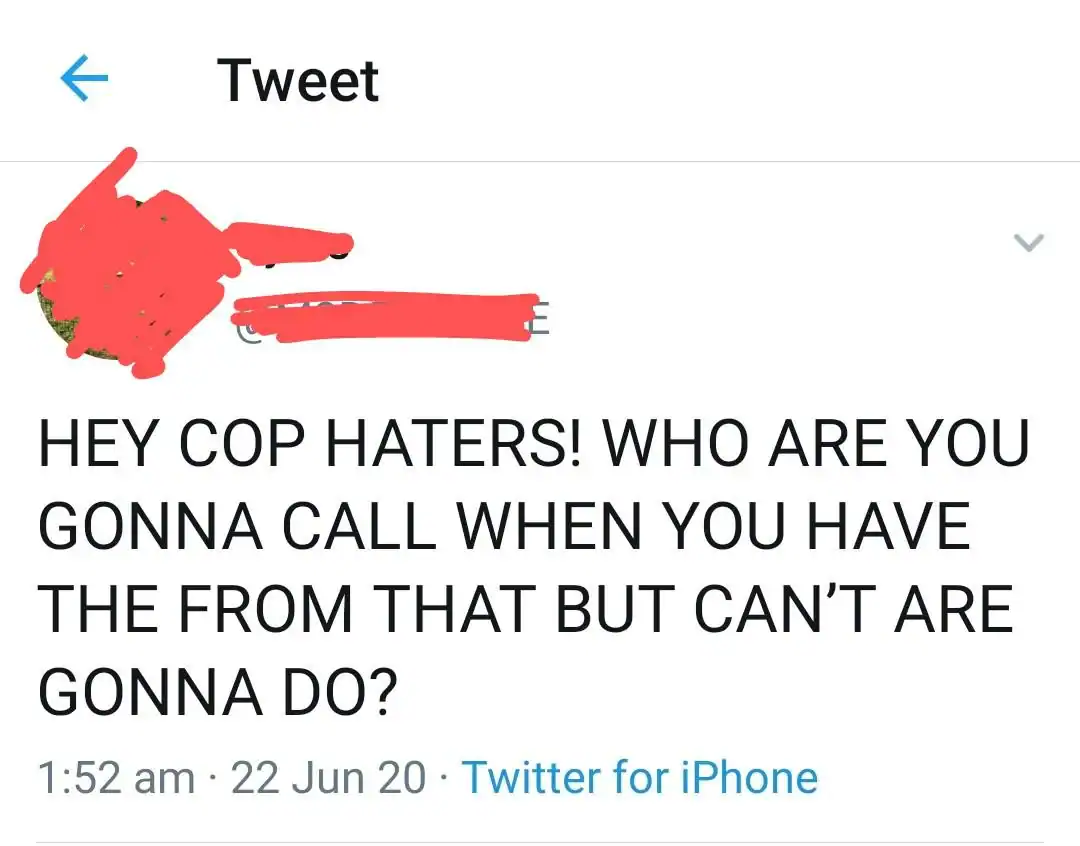
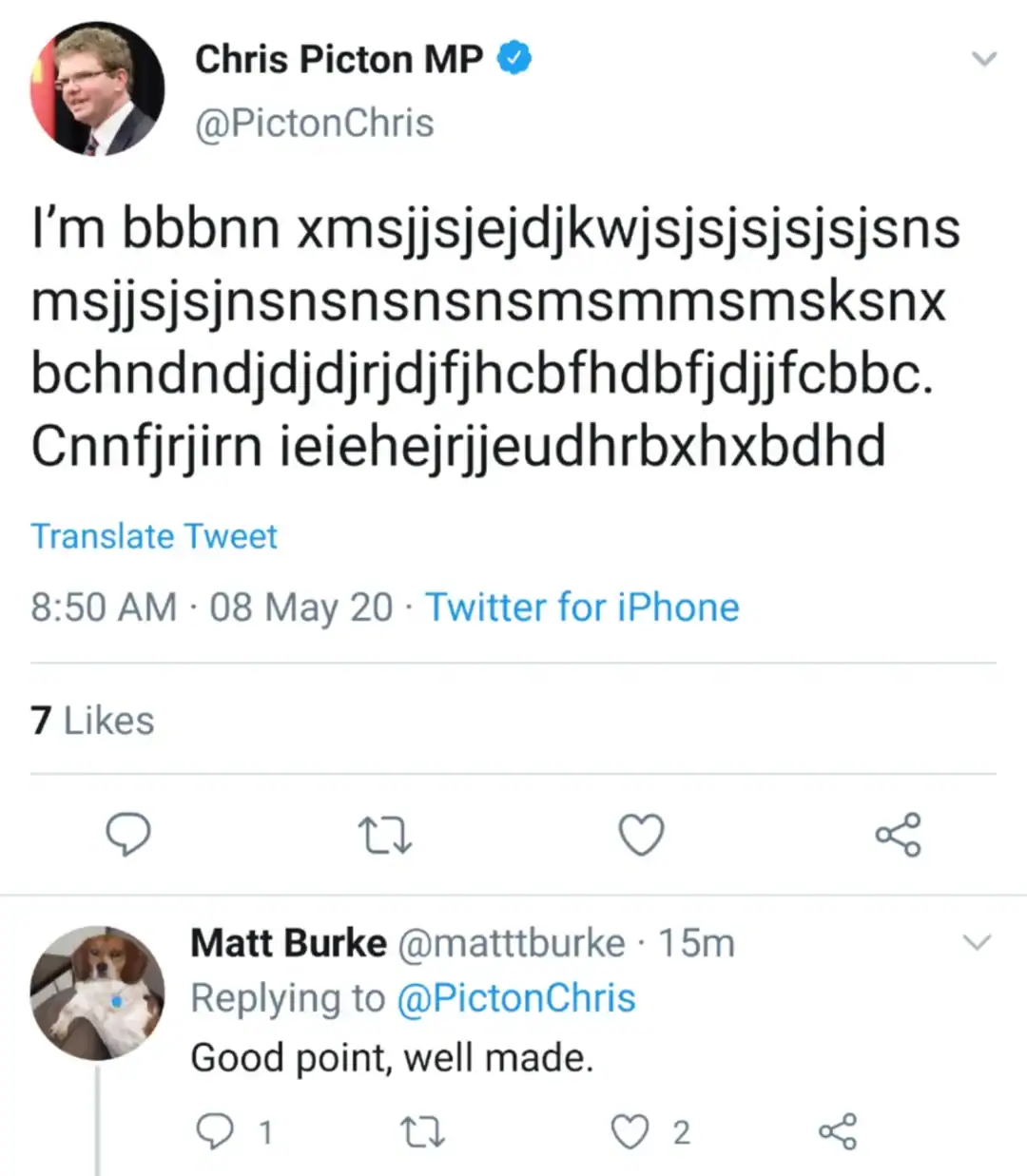
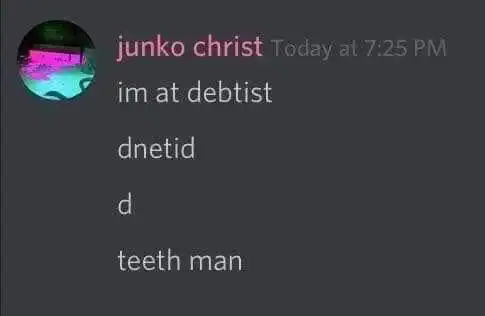
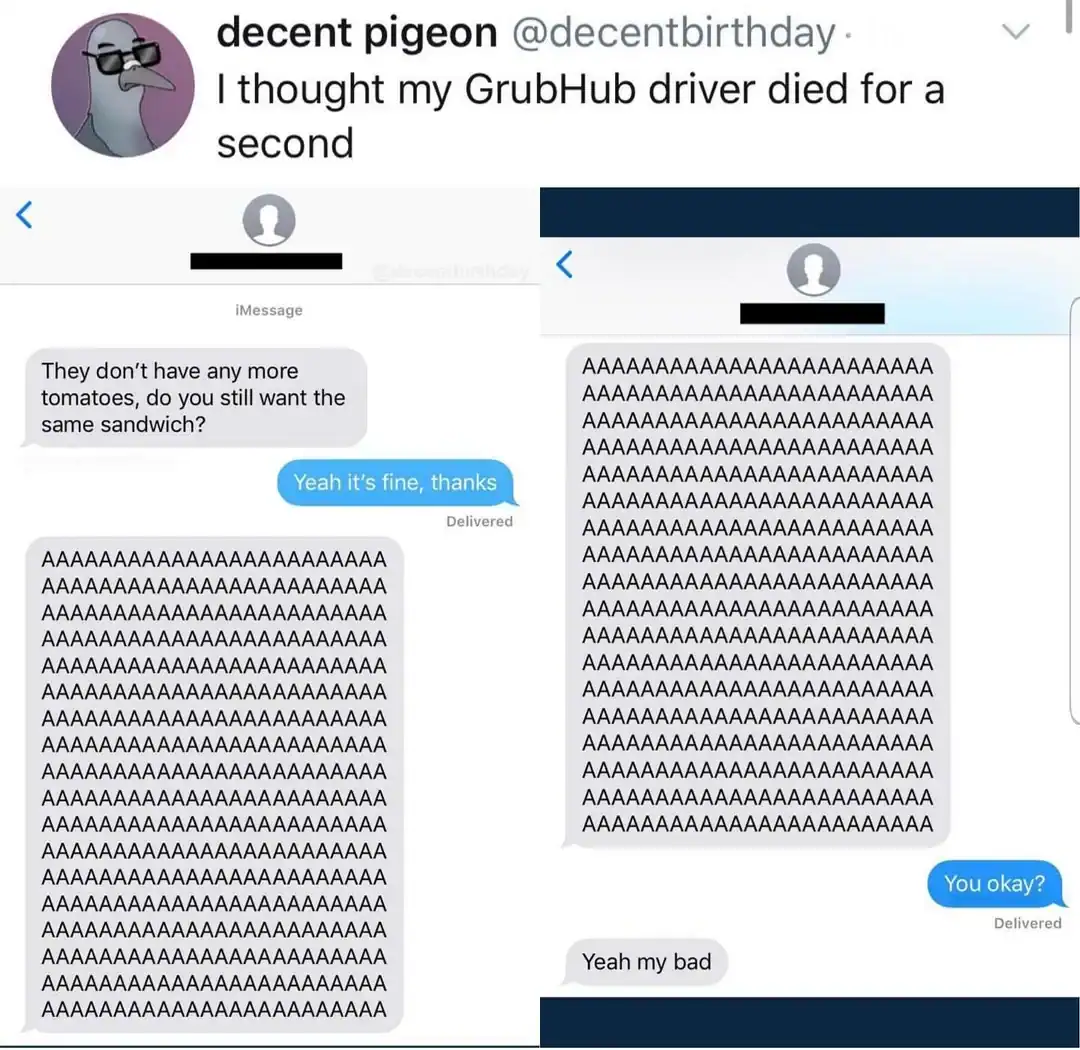
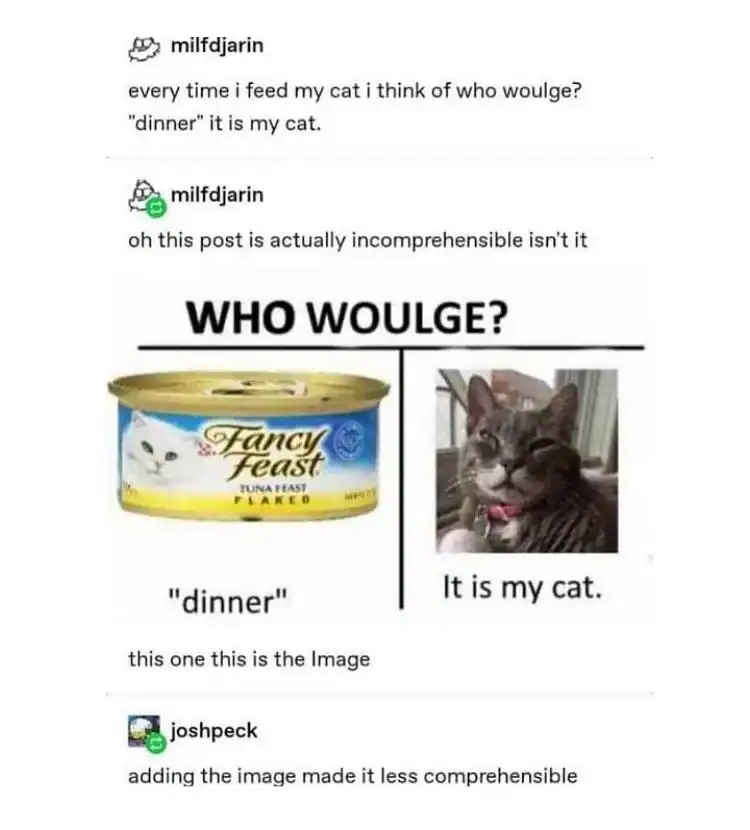
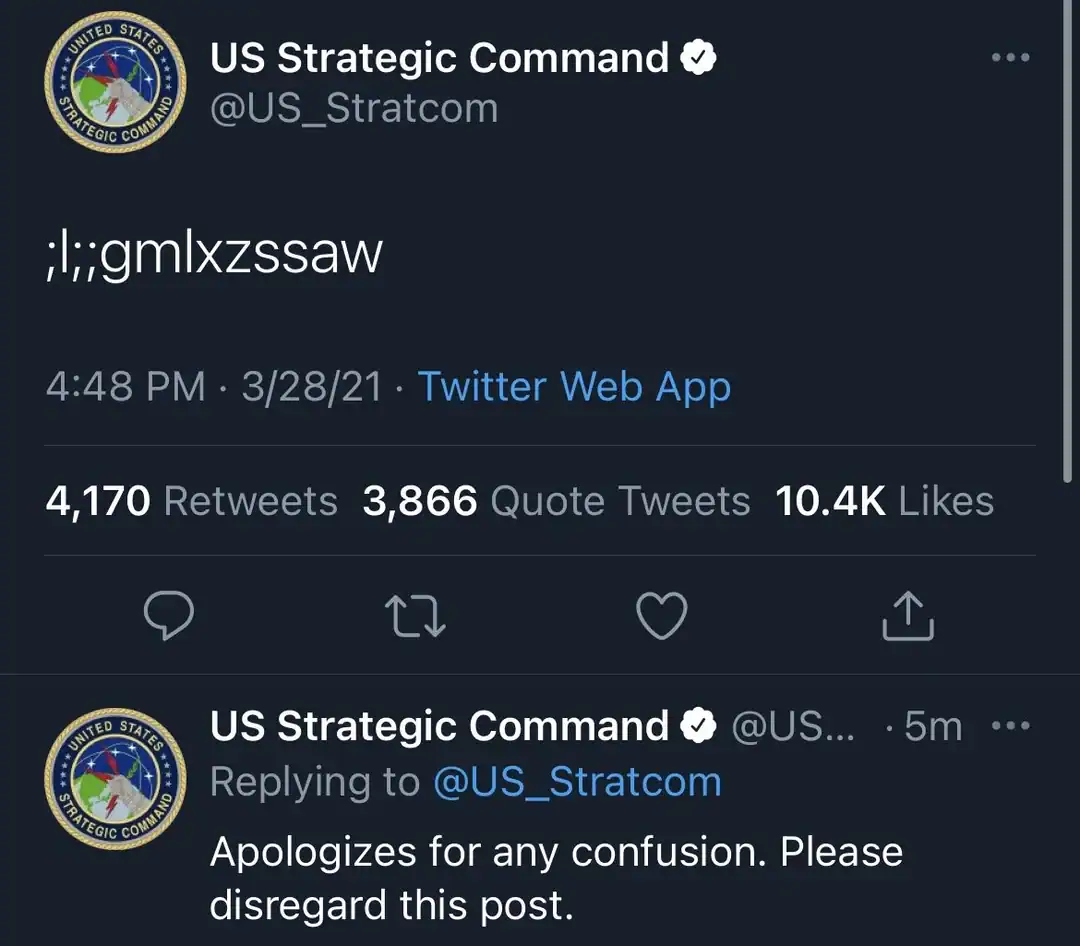
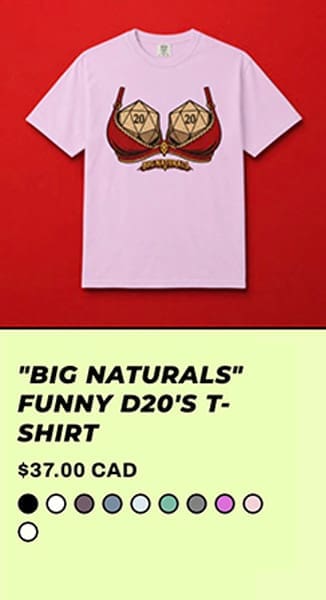
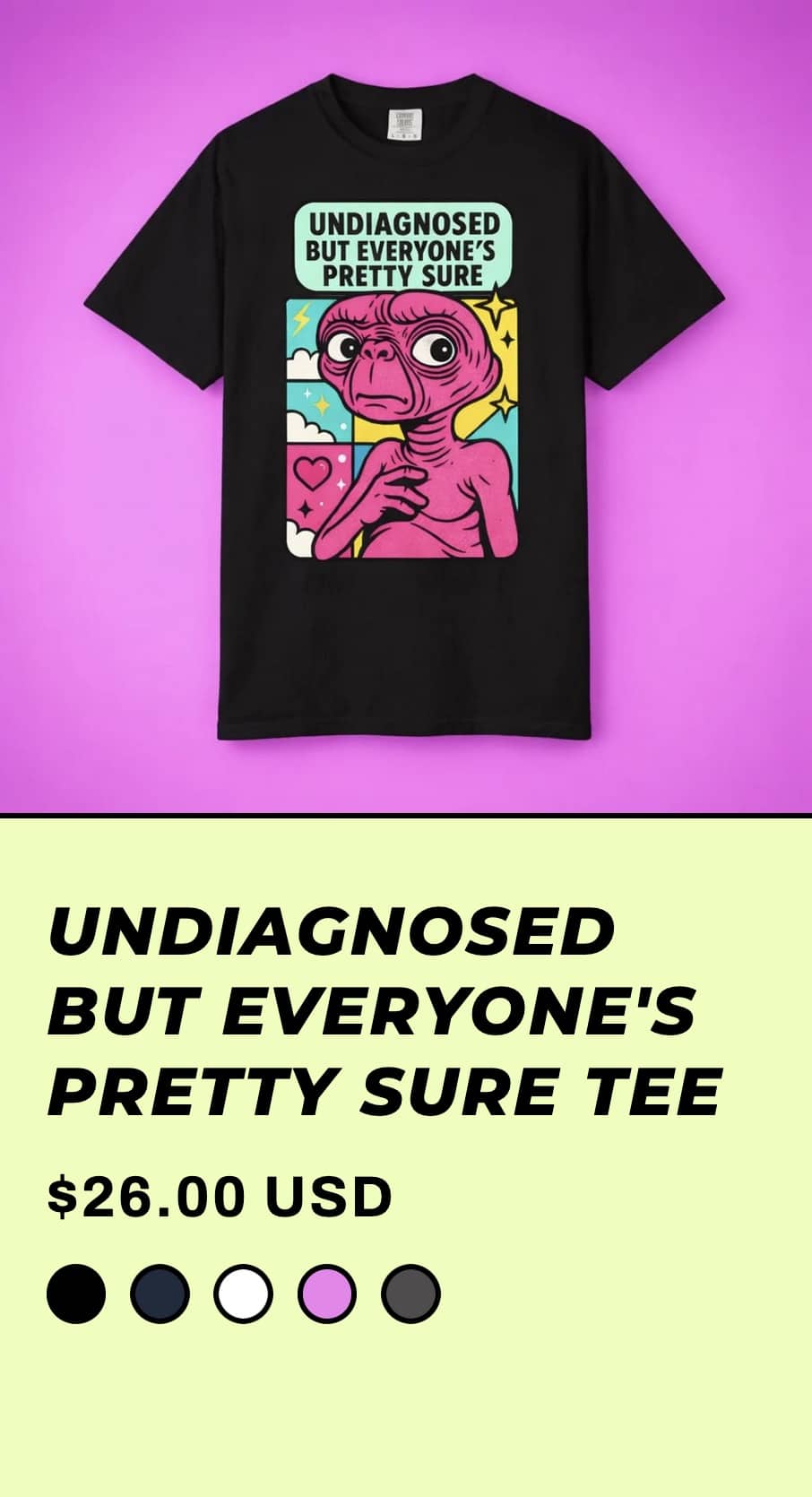
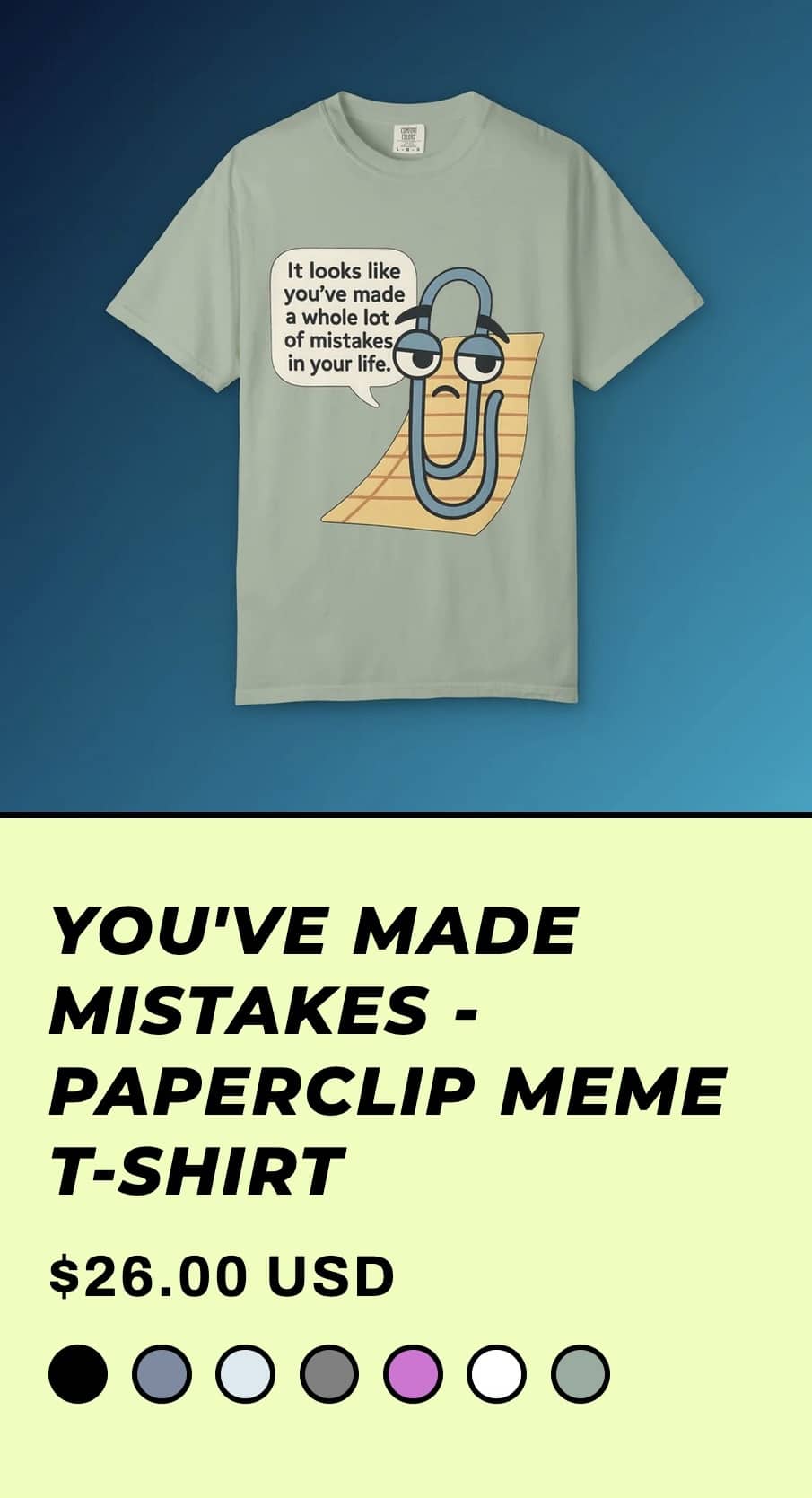
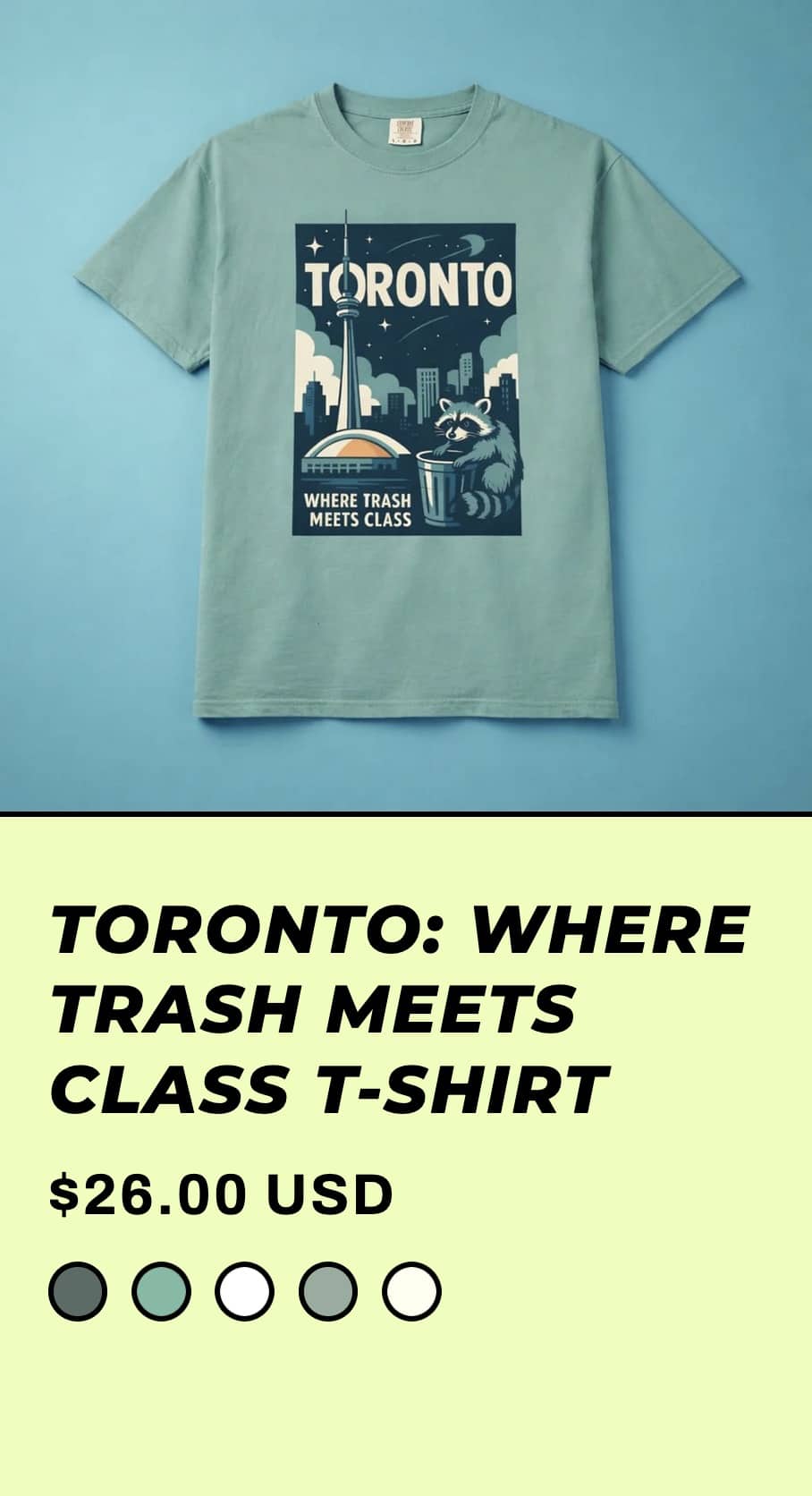
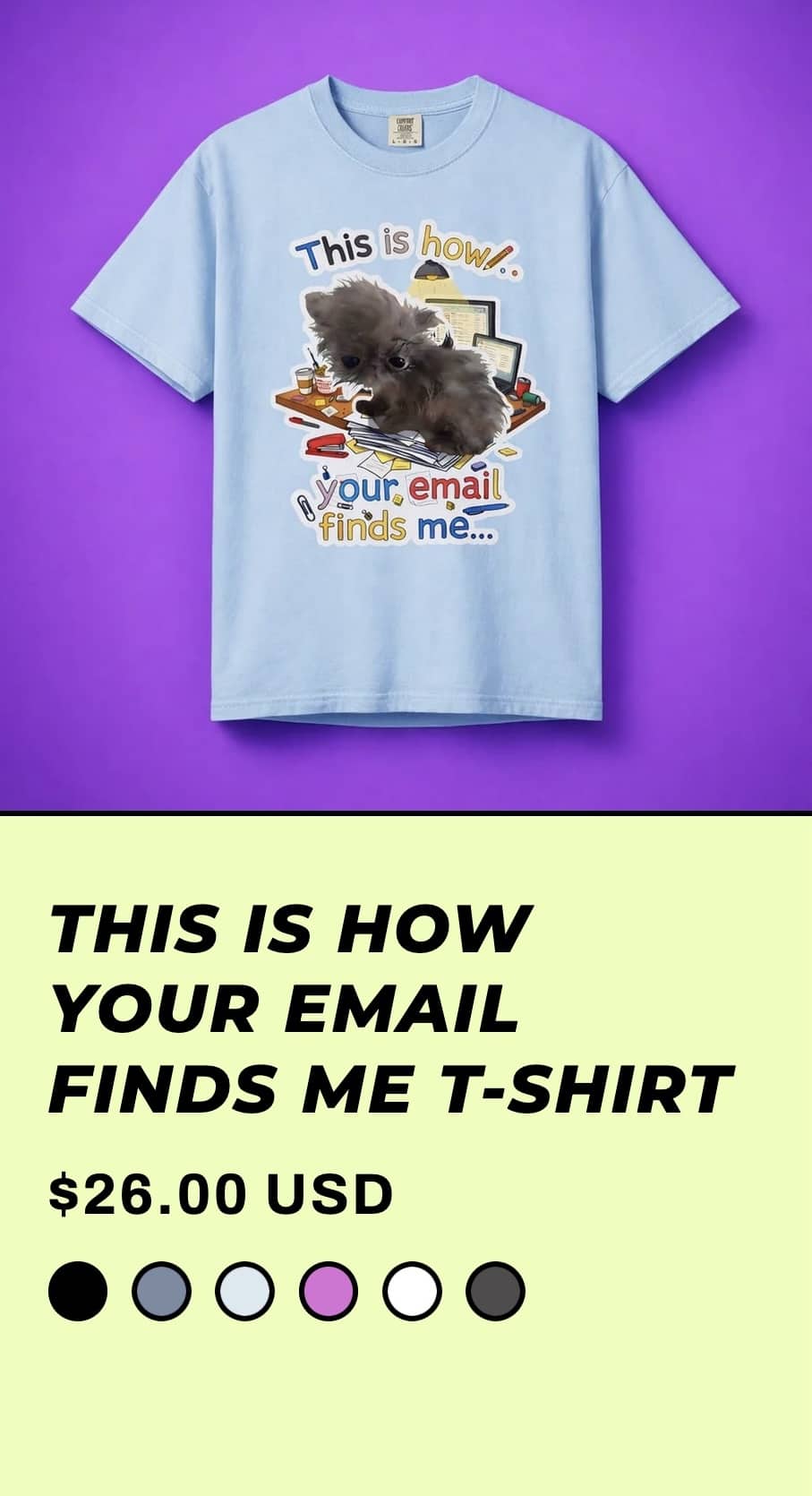
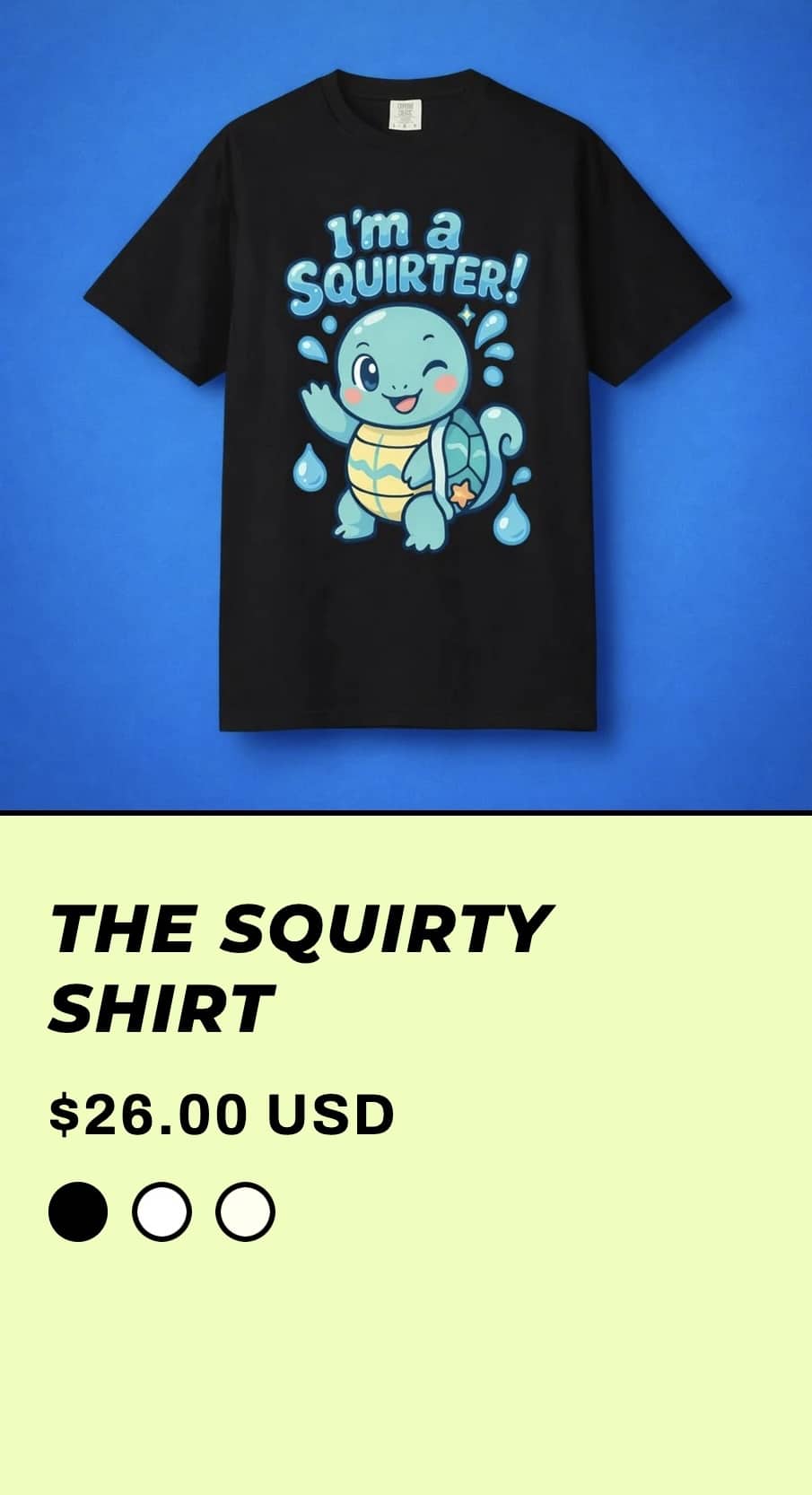
Language fails
Read More
The language fail genre is one of the more philosophically rich corners of the internet, because the failures fall into different categories, each with its own comedic mechanism. Knockoff merchandise from overseas factories attempting to print English without anyone on staff who reads it. Hand-drawn bumper stickers from sincere people who simply ran out of room. Comment sections where the writer’s vocabulary collapsed mid-sentence. The funny typos filling galleries like this are not all the same kind of failure, and the variety is what keeps the genre fresh.
What makes the form particularly satisfying is how often the failures produce accidentally poetic results. A t-shirt that reads “wielaie o loor” has, on close inspection, the cadence of an experimental modernist line. A phone case proclaiming “Green happy how look have” reads almost like a haiku written by somebody who once heard about English. The spelling fails in this gallery are the visual equivalent of a language-learning algorithm having a small breakdown, and the breakdowns are charming in a way the original sentences could never have been.There’s also a strong recurring subgenre of sincere local signage that was clearly produced by somebody trying very hard. The misspelled restroom doors. The hand-painted bumper messages. The funny spelling mistakes that emerge from these efforts are slightly different from the knockoff failures, because the people producing them are not factories faking English. They are real humans who got most of the way there and then, for reasons we will never know, just stopped.The broader thing this whole genre captures, beyond the easy laughs at each individual typo, is the way English has spread so far around the world that it now exists in many partial, broken, and improvised forms. The language is no longer the property of any one country. It belongs, increasingly, to factories in places where nobody on staff speaks it, to sign-makers translating from other languages without resources, to social media users typing in a third language under emotional duress. The failures in this gallery are essentially the byproducts of that global reach, and the byproducts are often more interesting than the original phrases would have been.There’s also a small affection worth naming in how the genre treats its subjects. Nobody is being cruelly mocked. The t-shirts are funny. The phone cases are funny. The point is not that the manufacturers are stupid. The point is that the resulting objects have, by accident, produced something nobody could have written intentionally, and the something is, occasionally, a small minor work of art.The grammar is gone. The vibes remain.
If the spelling chaos was your kind of fun, our knockoff merchandise photos are right where you’d want to land next, and we’ve got plenty of weird internet finds, bootleg product galleries, and absurd signage content for anyone who appreciates language at its lowest functioning level. Spell check optional.
Read Memes
Get Paid


Laura Bennett has spent eight years immersed in internet culture, specializing in deep dives into meme origins, evolving meme trends, and digital subcultures. As a contributor for several prominent online platforms, including BuzzFeed’s meme division and Know Your Meme, she’s written extensively about viral moments from Crying Jordan to Woman Yelling at a Cat. Laura believes memes aren't just internet jokes—they're modern-day folklore. She brings that passion to Thunder Dungeon by keeping readers connected to what's culturally significant, hilarious, and timelessly viral.