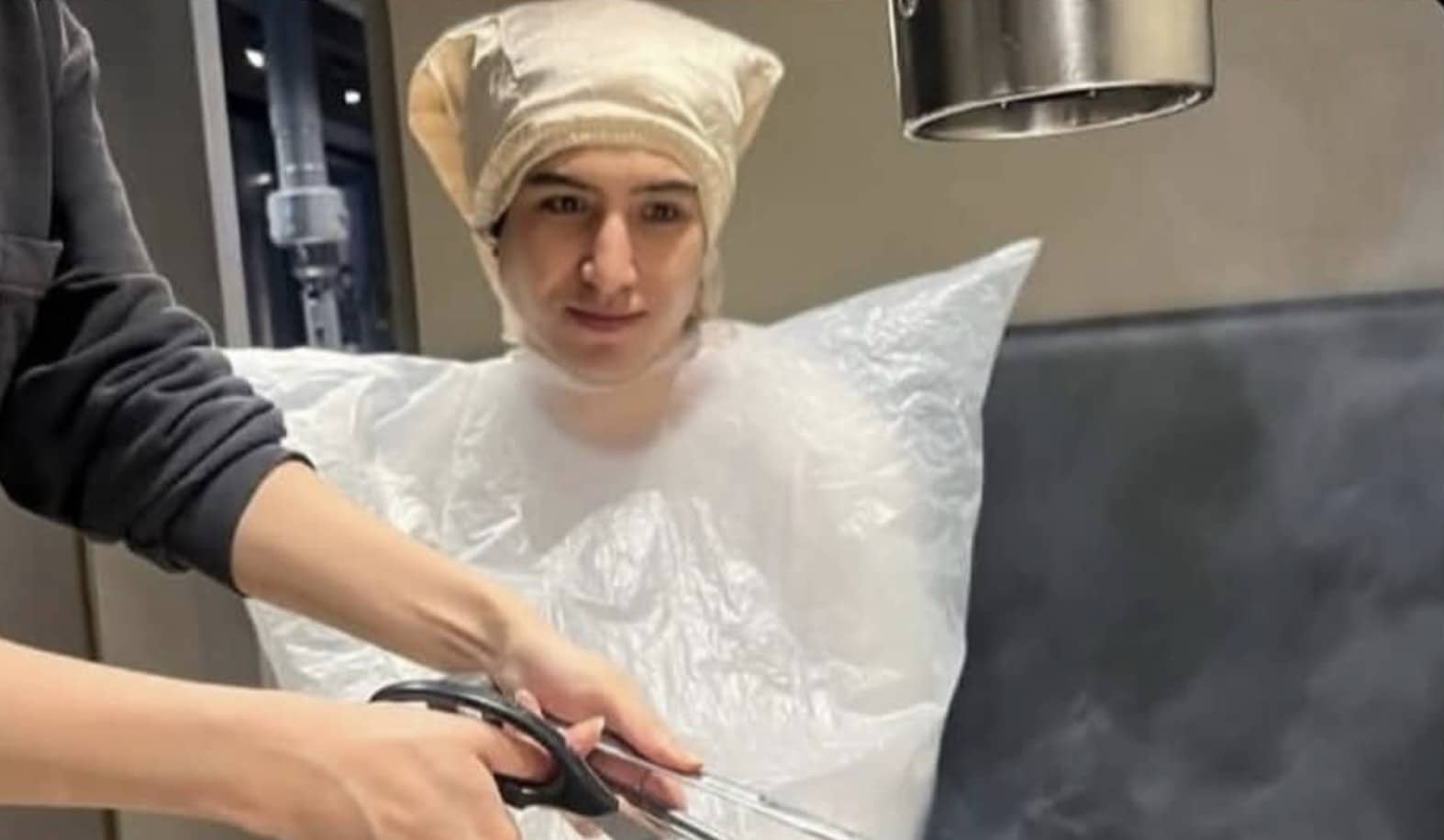
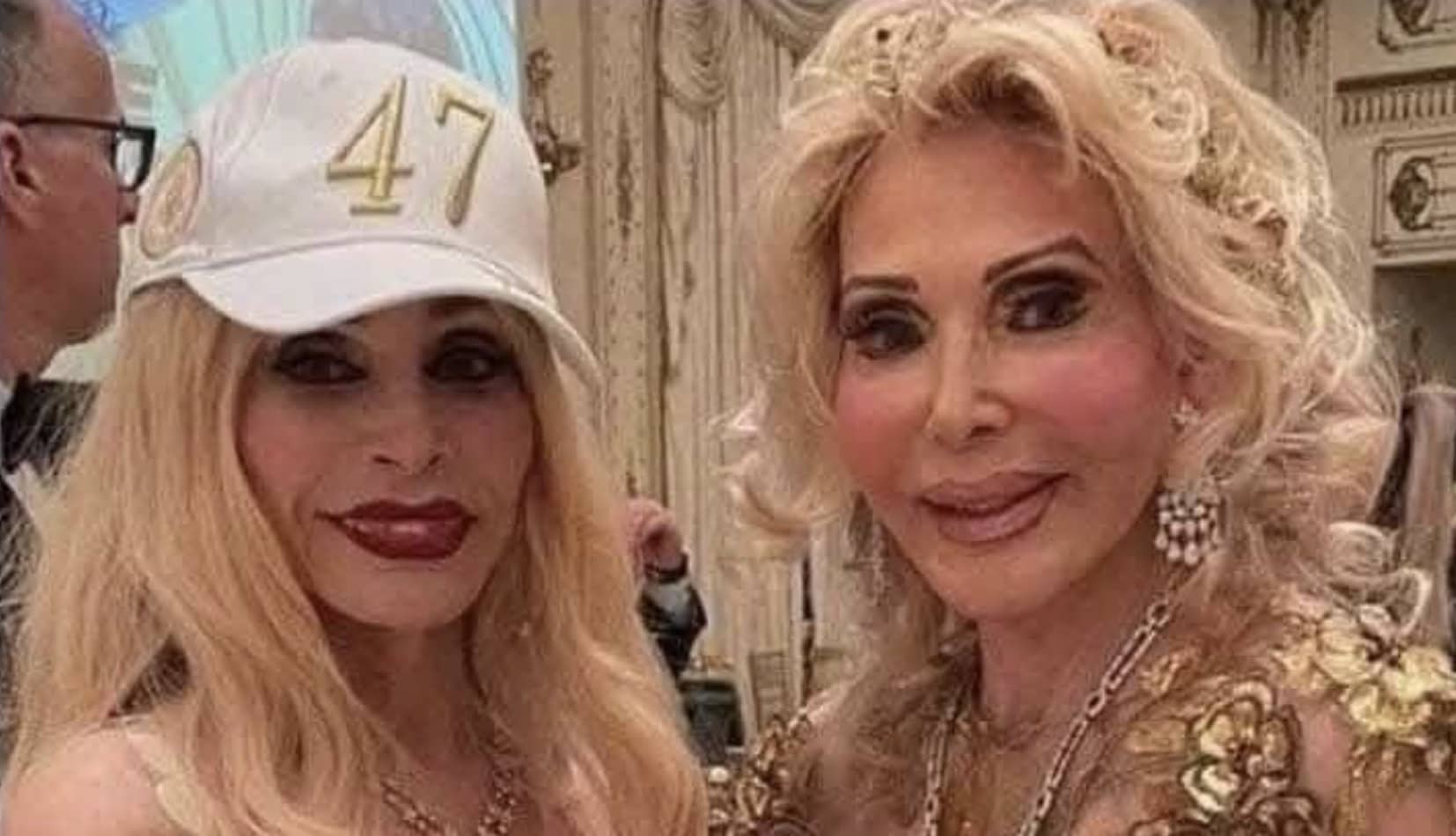
Trump gold phone memes have been stalking my feed because the Trump T1 “gold phone” finally started kinda-sorta shipping, and the internet instantly treated it like a nature documentary about how scams evolve. Not even in a purely political way, either. This is consumer-tech skepticism in its purest form: weird marketing, weird claims, weird delays, and a comment section full of people doing forensic analysis like they’re tracking a UFO.

The moment the first units and “real product” shots started popping up, Trump phone memes shifted from “lol concept render” to “wait, what did people actually pay for?” And once that question enters the chat, the memes basically write themselves.

The Pitch vs The Reality Became The Whole Joke
A huge chunk of the comedy is the gap between the golden, patriotic product fantasy and the far less glamorous reality of modern hardware manufacturing. Early promos leaned into luxury-nationalist aesthetics so hard it felt like the phone was going to come with its own theme music. Then the real-world rollout arrived with the usual shipping friction, labeling changes, and “fine print” energy that tech launches love to pretend doesn’t exist.

That’s why the jokes keep landing on the same theme: it’s not even about the phone being gold. It’s about the vibe of “premium device” meeting “this looks like a branded shell and a dream.”
The Specs Discourse Went Full Reddit Detective
Once people started circulating spec comparisons, the memes got sharper. Any time the internet suspects a rebrand, it becomes a sport: side-by-sides, alleged matchups, “this is just X in a gold trench coat” jokes. Whether or not every claim is perfectly accurate, the cultural impact is the same: the crowd decided the phone’s mystique is fragile, and now every detail is a punchline.

Tech launches don’t live or die on press releases anymore. They live or die on crowd-sourced scrutiny. When a product is positioned as premium, people will demand premium consistency, and meme culture is the fastest way to broadcast skepticism.
The Flag Problem Lit Up The Timeline
Then came the part that meme culture loves most: the visual tell. The promotional imagery getting picked apart for inconsistencies turned into its own mini-genre, with people zooming in like it’s the Zapruder film but for stripes and pixels.
It’s the perfect modern outrage loop: a patriotic-themed product can’t afford to look sloppy with patriotic imagery, because that’s literally the branding. So when people think they spot AI artifacts or design errors, the jokes hit harder.

The “Is This A Toy?” Comparisons Were Inevitable
At some point, every questionable luxury product gets reduced to the funniest possible object: a child’s toy version of itself. And yes, the Trump gold phone memes absolutely went there—because nothing deflates “exclusive premium device” like “this looks like something that came with a Happy Meal in 1998.”


The Influencer Reaction Cycle Made It Feel Real
The internet also loves a simple narrative arc: “I ordered it” → “it didn’t come” → “I made a video about it” → “now it’s content.” Watching creators react in real time turns a niche product story into something everyone can follow, even if they’d never touch the phone themselves.

The Deposits And The Fine Print Became The Punchline
Finally, the most brutal lane of Trump phone memes is the one that treats this like a preorder economics lesson. People posted about deposits, terms, and the scale of how many orders were placed, with the implication being: you didn’t buy a phone, you bought a hope.
That framing is why this story keeps trending. It’s not just about a celebrity gadget. It’s about the modern ecosystem of hype, deposits, delays, and disclaimers—and how quickly the internet turns that into comedy.

If you want more Thunder Dungeon chaos after this gold-plated rollout, enjoy iPhone 17 Memes That Aged In Real Time, Tech Memes Doing The Most, and Correspondents Dinner Memes For The Recently Burned.
Alex Thompson writes about internet culture like it’s a competitive sport, but turns into a consumer watchdog the second a product starts “kinda shipping.”
Read Memes
Get Paid


Alex Thompson has been chronicling internet culture and meme phenomena for nearly seven years. Starting at CollegeHumor and later becoming lead meme editor at Mashable, Alex has covered everything from vintage internet memes like Rickrolling to recent viral events such as Corn Kid and Grimace Shake. With a keen eye for what connects and entertains digital audiences, Alex writes with humor, relatability, and deep knowledge of online culture. At Thunder Dungeon, Alex is the go-to source for meme analysis, viral breakdowns, and internet nostalgia.