

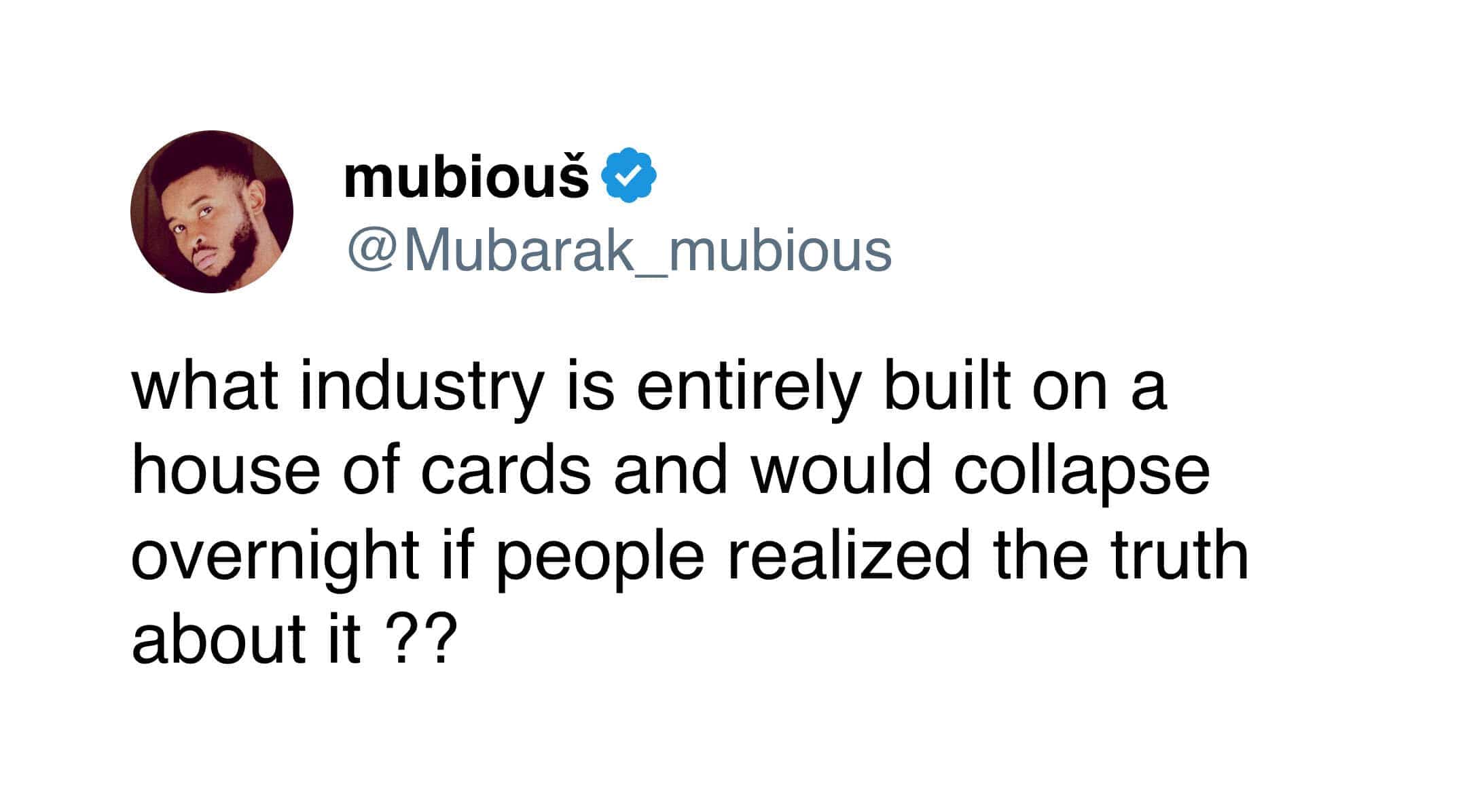
A real estate agent walks you through a house, opens four doors, sends an e-signature link, and charges you fifteen thousand dollars. That’s the deal. That’s the industry. These industries built on a house of cards posts are pulling at the threads of several major economic sectors in real time, and once the threads start pulling, the whole sweater is in trouble. Crypto is in here. Insurance is in here. The luxury fashion markup is being publicly audited. Step lightly.
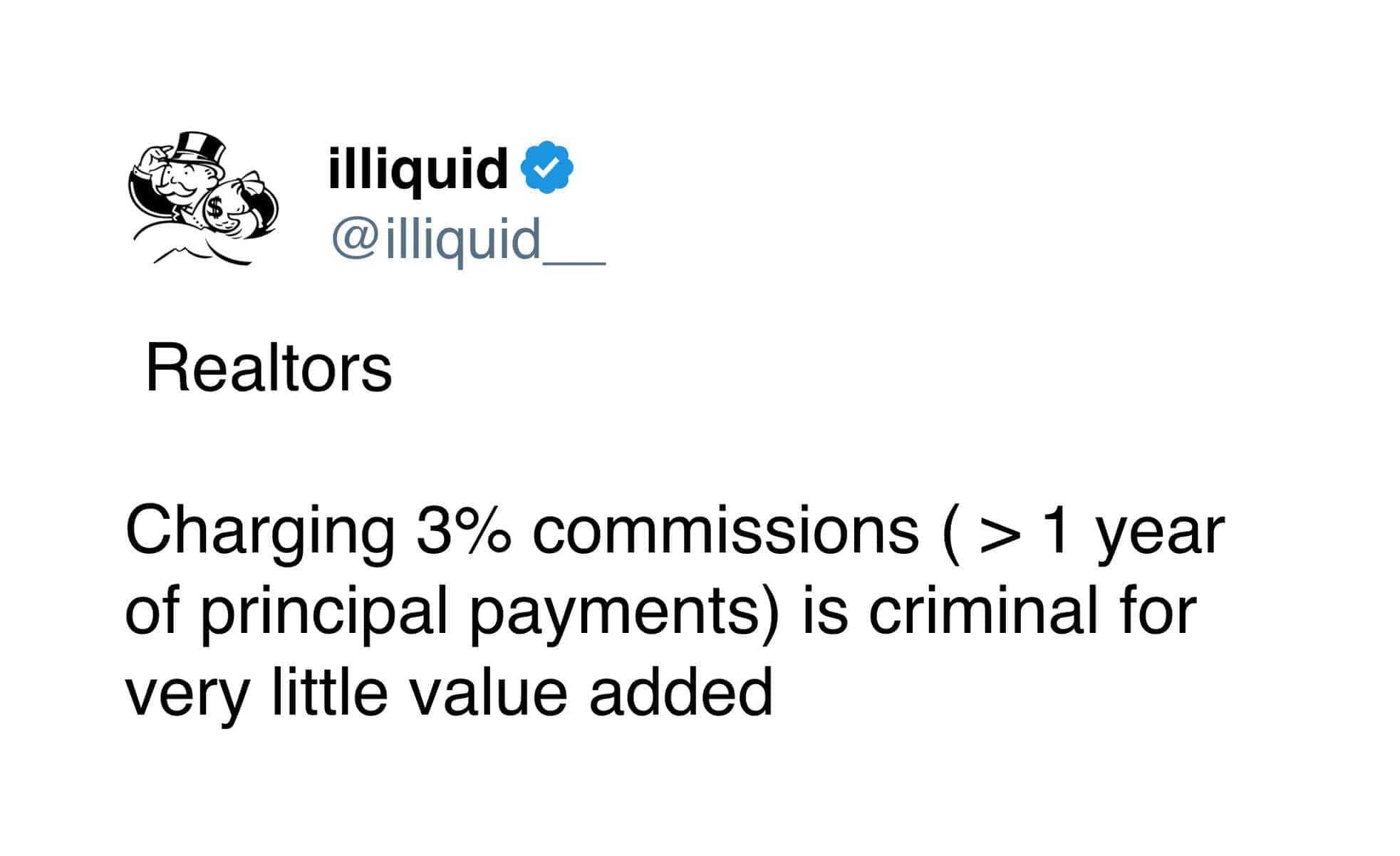
3% to open a door and send an e-signature link? That's a bold career choice.
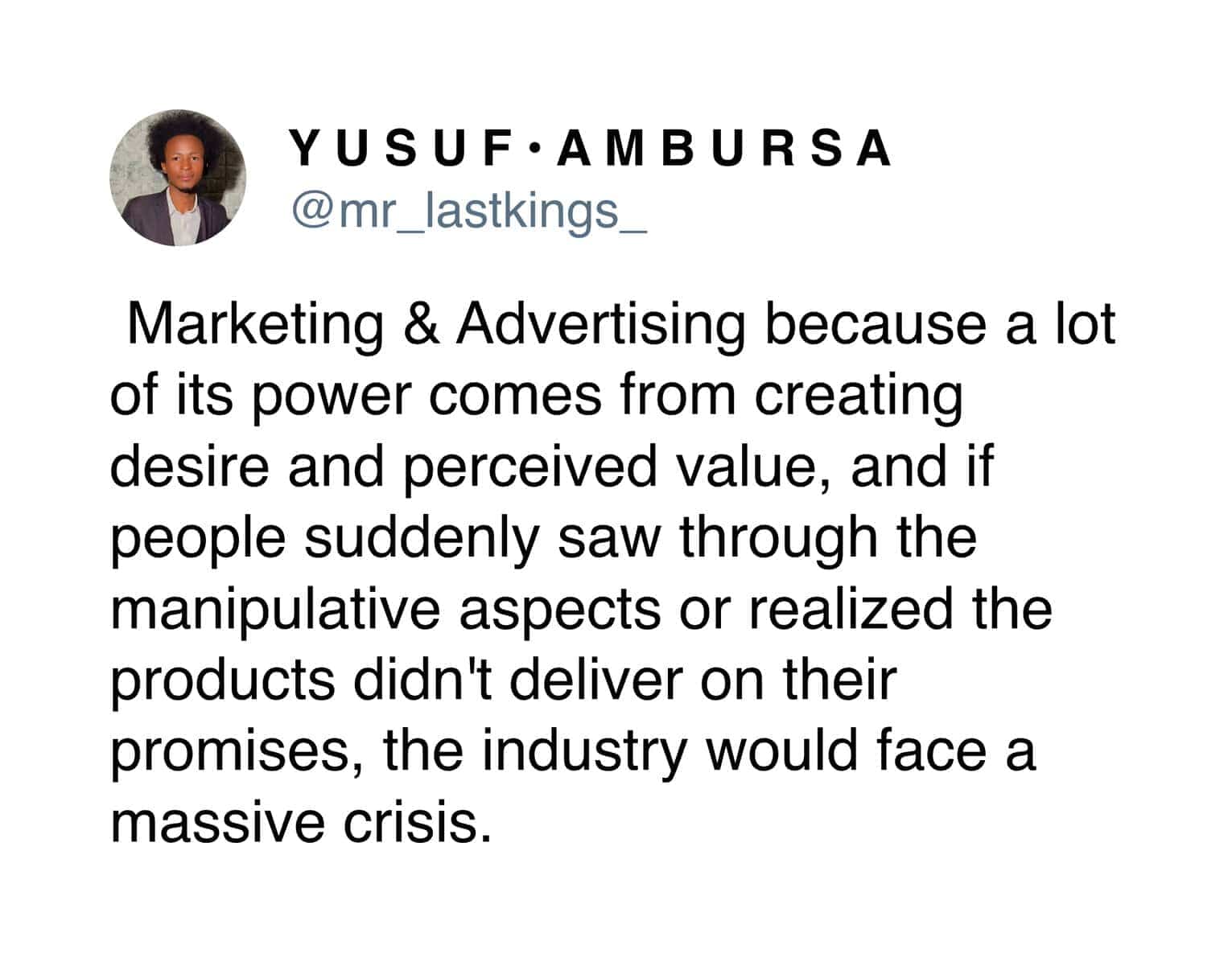
Marketing: The art of convincing you that you’re unhappy without a specific brand of socks.
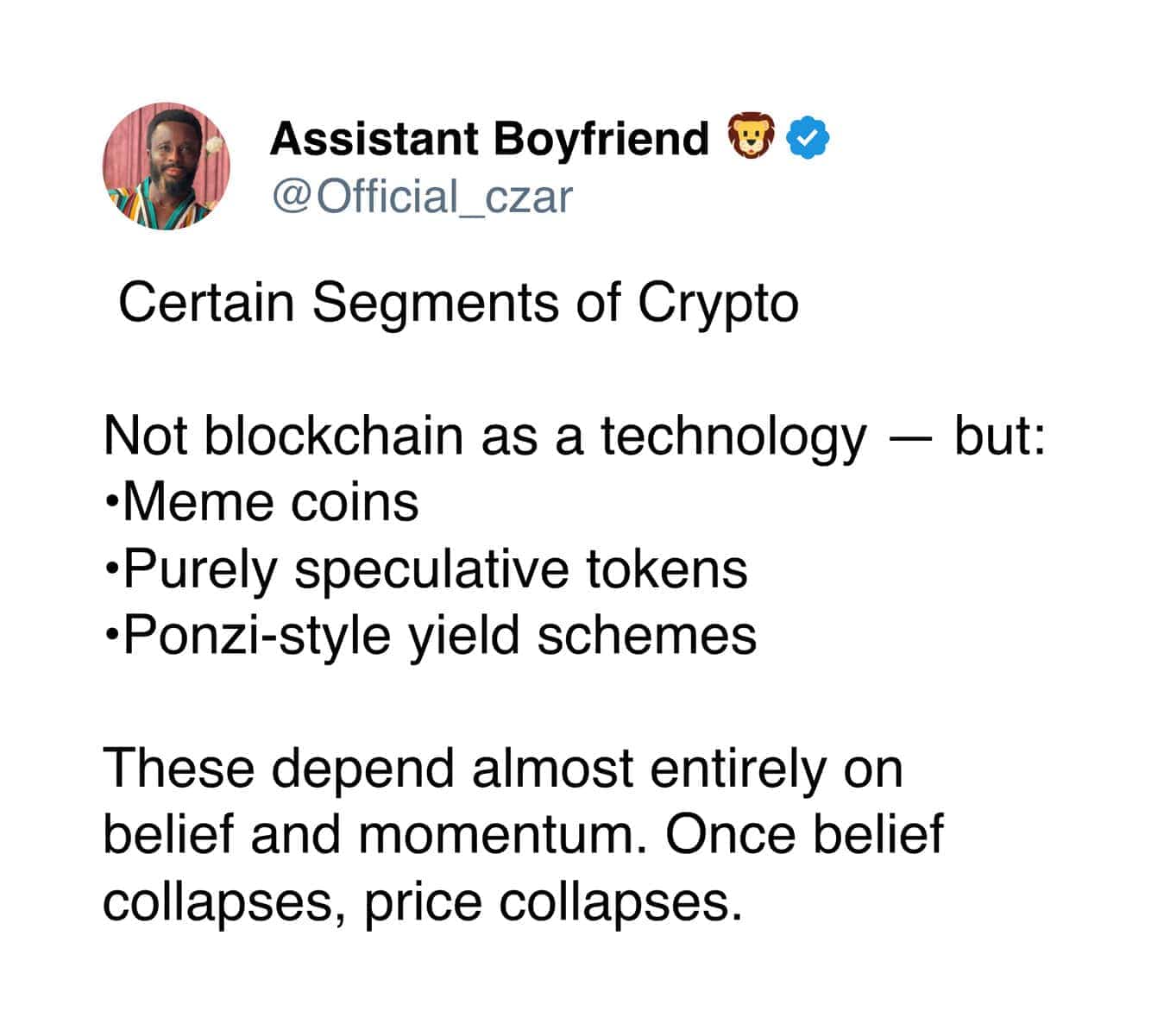
Crypto is basically just a group chat where everyone agrees a digital rock is worth a Ferrari.
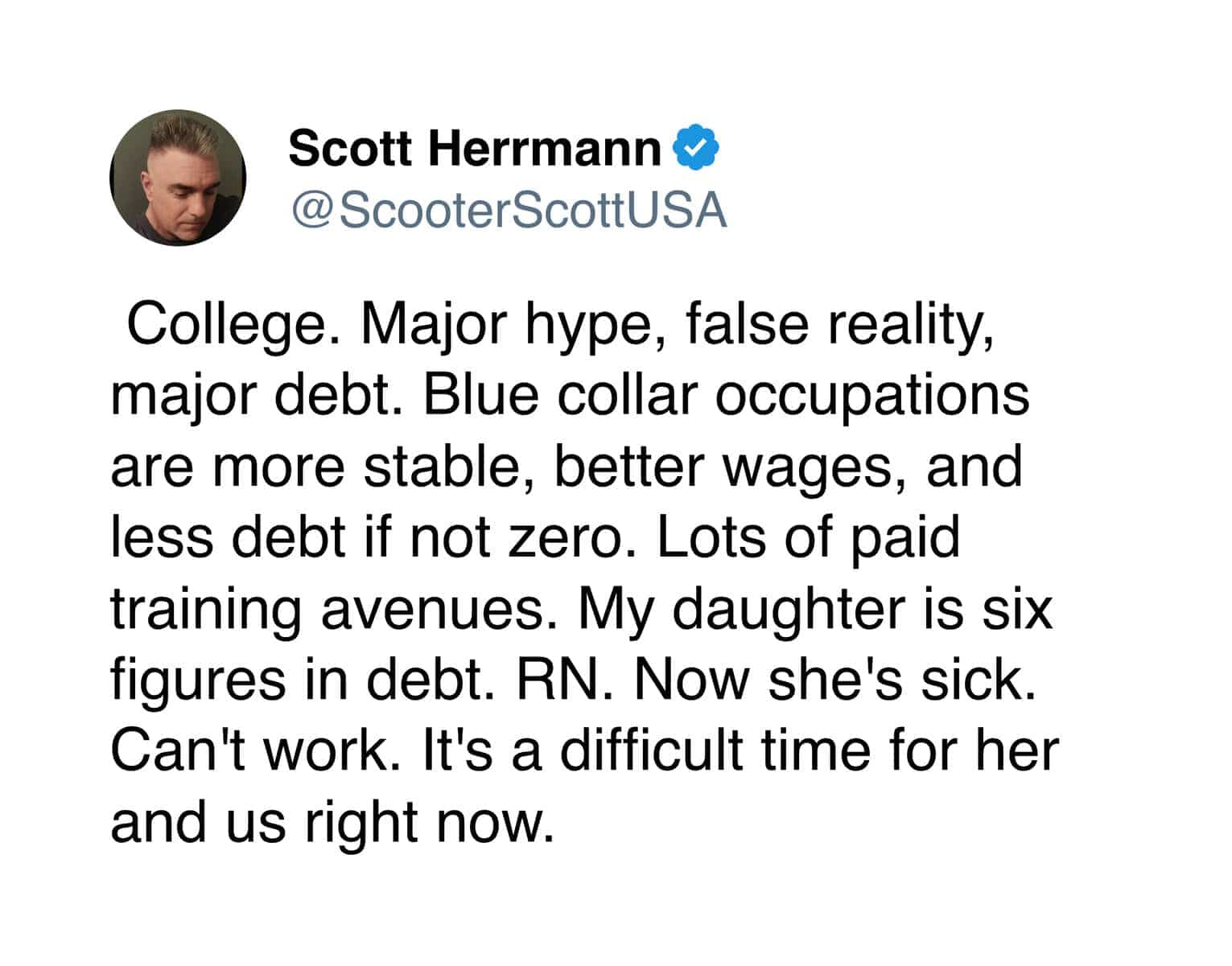
Turns out, knowing how to fix a pipe pays better than a degree in "Intro to Debt."

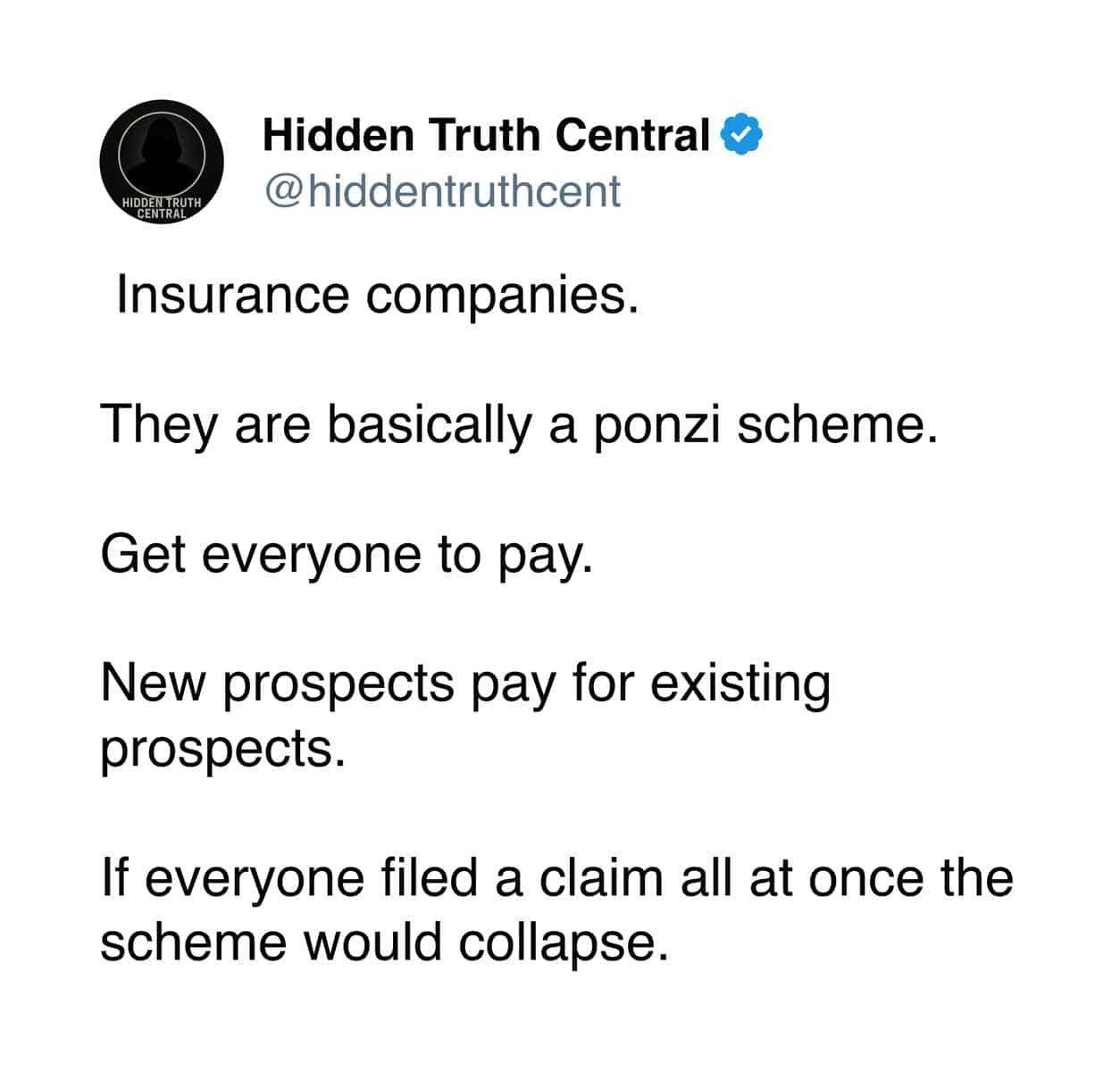
"If everyone filed a claim at once"—the ultimate "In Case of Emergency, Break Industry."
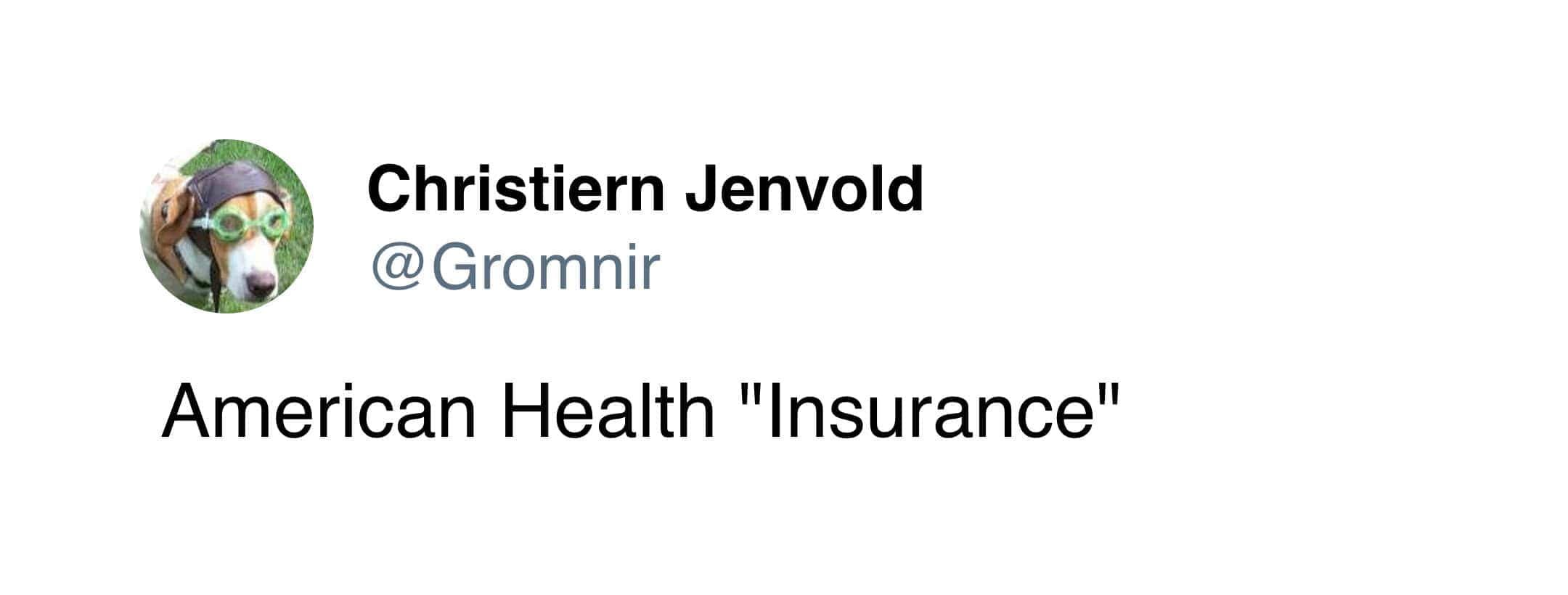
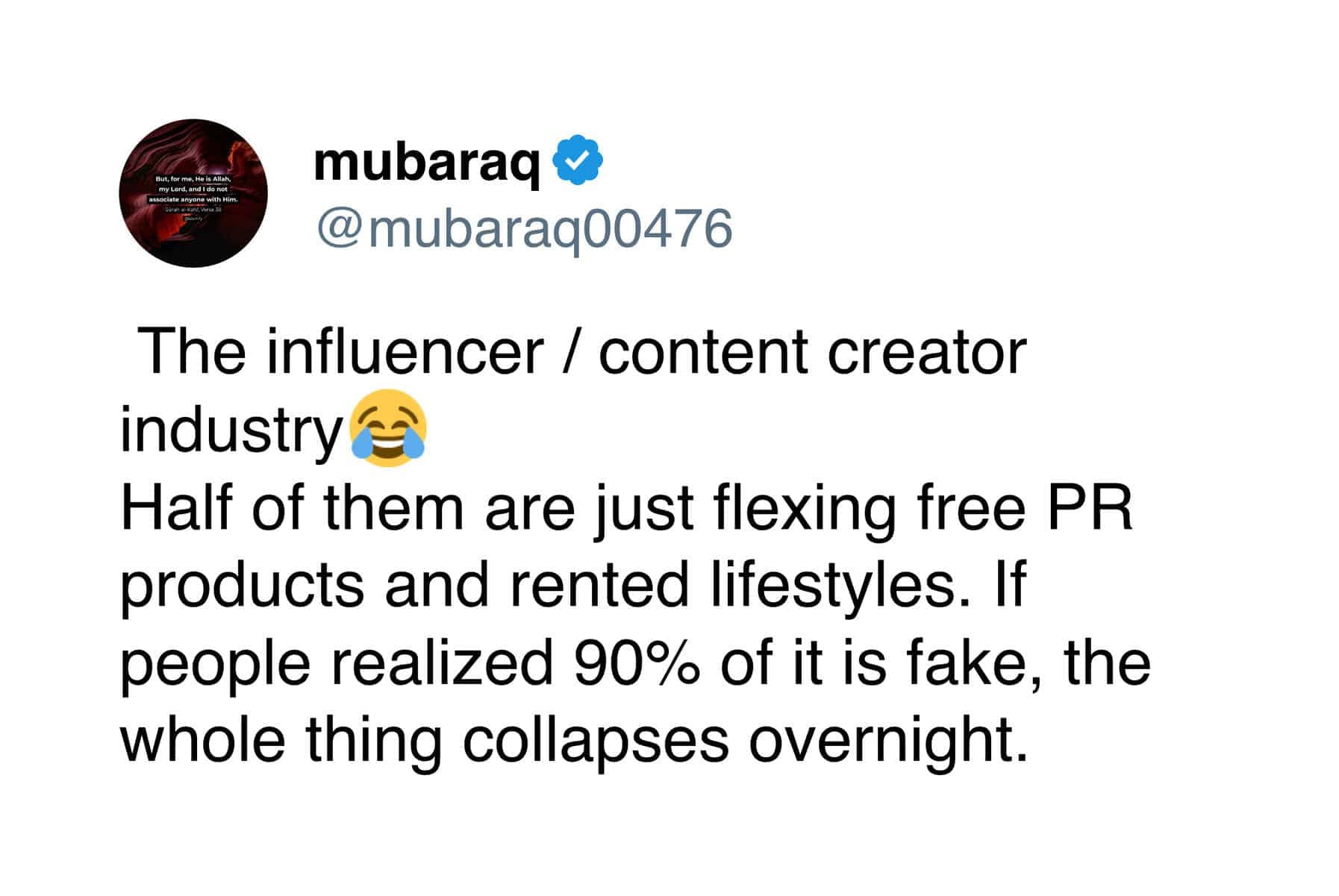
Industries built on a house of cards
Read More
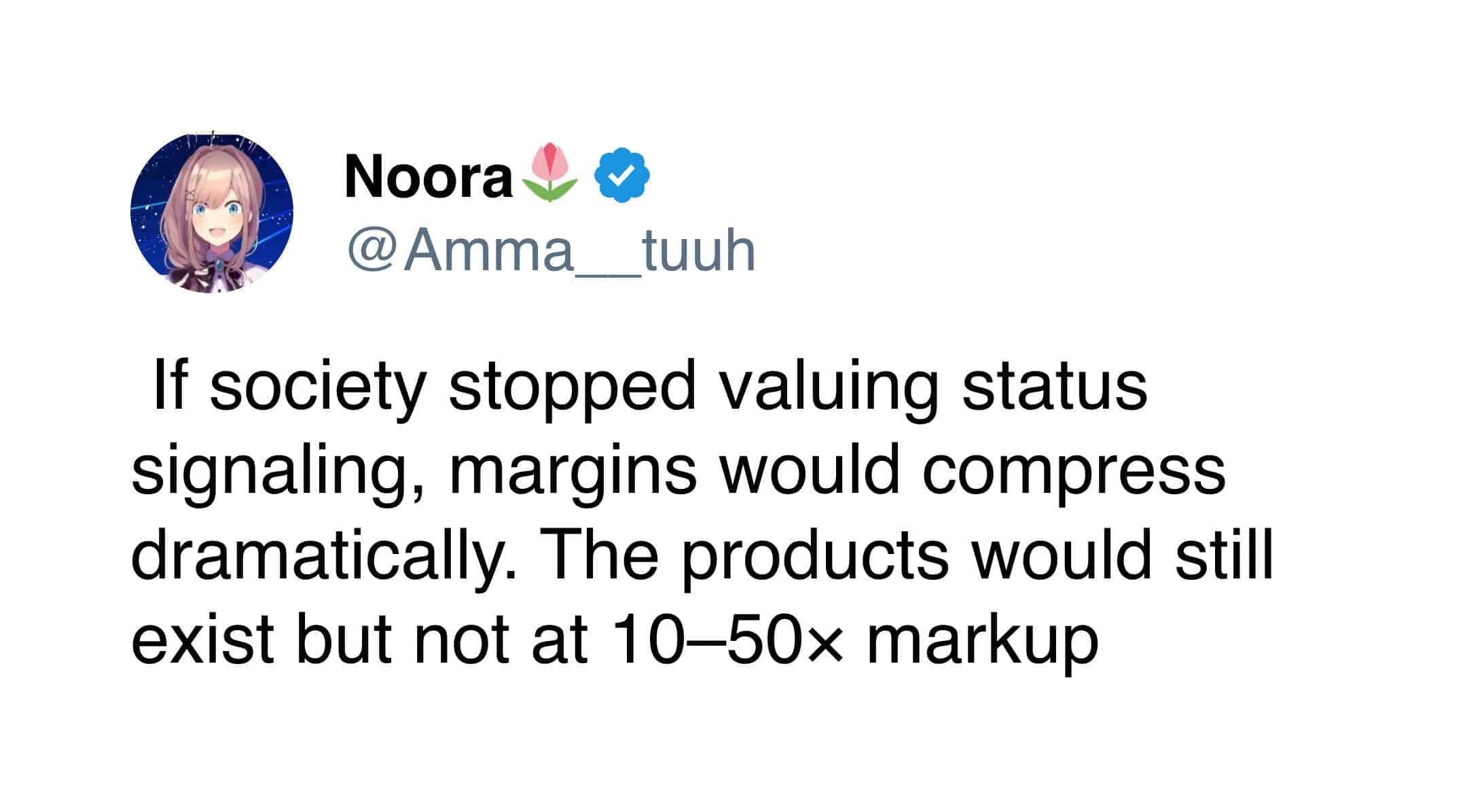
The luxury markup post deserves a serious moment. Somebody on Twitter pointed out that an $800 white t-shirt is structurally identical to a $20 white t-shirt, and the only meaningful difference is the logo, which is essentially a rented status symbol you’re paying a 50x markup to display. That’s a real argument. That’s a difficult argument to refute. These speculative industries and economic critiques are landing because they’re saying out loud what most of us have quietly suspected for a while, which is that we are paying a lot of money for the privilege of signaling to other people who also paid a lot of money.
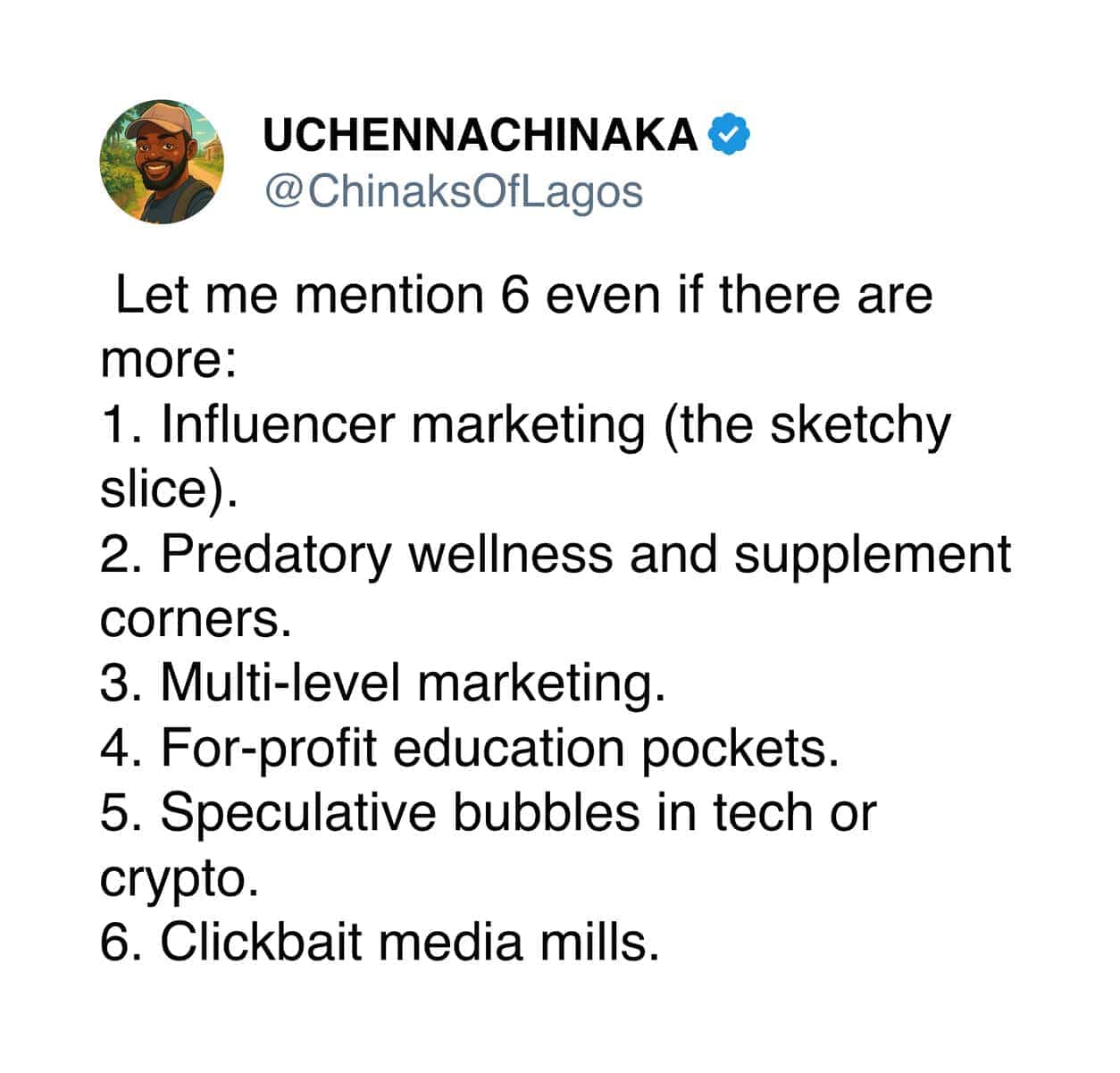
The crypto post is essentially the elevator pitch for the entire sector, delivered with no varnish. A speculative belief system, sustained by collective conviction, where the underlying value is the conviction itself. The fragile economies category has correctly identified that this is not unique to crypto, it’s just unusually visible there. Most of finance operates on the same principle, the difference is that traditional finance has a few centuries of institutional cosplay to make the speculation look legitimate. Crypto skipped the cosplay and went straight to the JPEG of a rock for a million dollars.
The insurance post is the one that should genuinely concern people. The argument is straightforward. You pay for years. You pay every month. The expectation is that, when something goes wrong, the policy pays out. The reality, as documented in the post, is that the insurance company is structurally incentivized to deny claims, delay claims, or offer settlements that don’t cover the actual cost. These house of cards systems and houses-of-cards-shaped industries operate on the principle that most people will not file claims, and the few who do will accept less than they’re owed. It’s a pyramid with a logo and a customer service line, and the customer service line is, intentionally, very long.
And the marketing-as-manipulation post. The industry’s entire job is to convince you that you’re unhappy without a specific product. That’s not a critique. That’s the official mission statement of every marketing department, and somebody finally said it without the usual euphemisms about “creating need” or “engaging audiences.”
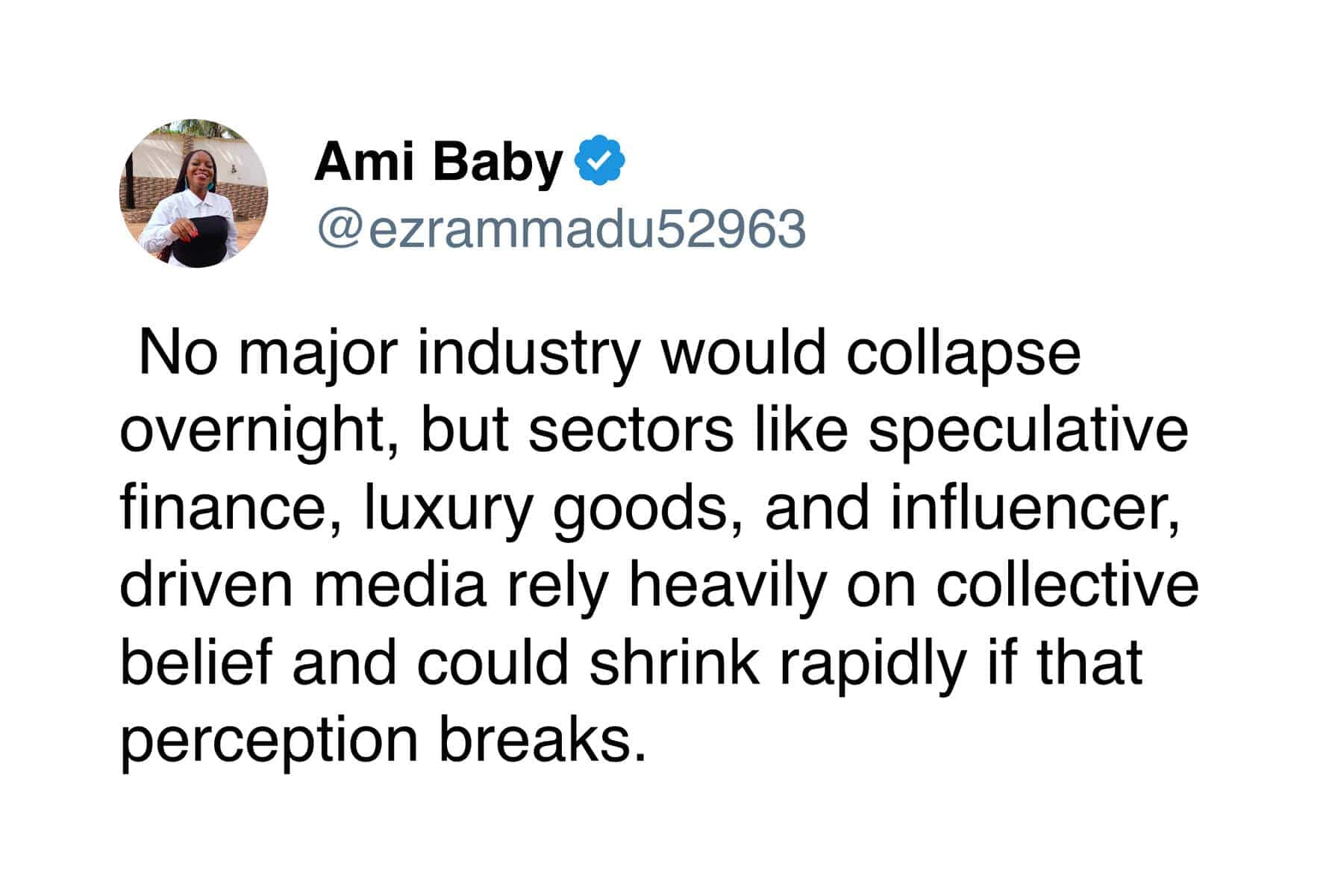
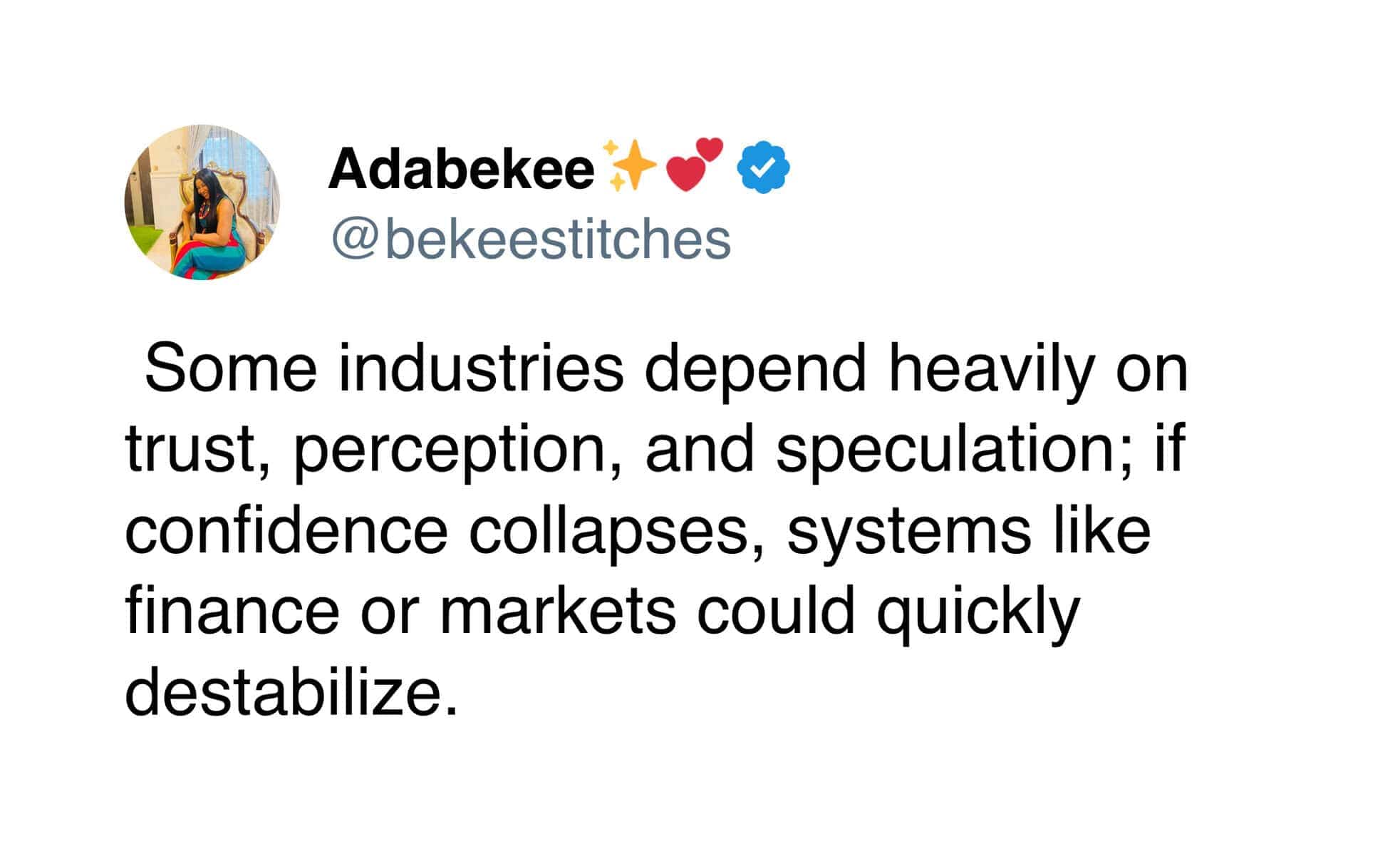
What this whole gallery is really doing, taken as a body of work, is asking us to look at how much of our economic life is sustained by collective belief versus actual underlying value. The honest answer is that it’s a lot. More than we’d usually like to admit. Most of what we pay for, in most of these industries, is some combination of trust, status, and the assumption that the system will keep operating the way it has been. None of those things are stable. All of them can shift quickly. The “house of cards” framing is dramatic, but it’s not wrong, and these posts are calling that out in real time.
There’s a tone to this kind of discourse that I want to be careful with, because it can tip into something cynical and unhelpful very quickly. The point of these posts is not “all systems are fake, give up, become a hermit.” The point is closer to “if you’re paying for something, you should know what you’re paying for, and a lot of what we’re paying for is less substantial than the marketing suggests.” That’s a useful awareness. It’s not a doomsday call. It’s just a request to look more carefully.
The other thing happening across this gallery is an emerging populism around skepticism that wasn’t really mainstream a decade ago. People are asking why their real estate agent earned $15,000 for a Tuesday afternoon. People are asking why a white t-shirt costs $800. People are asking why insurance companies feel adversarial when you actually need them. The questions are getting louder, the answers are getting harder to give without flinching, and the posts in this gallery are part of a larger reckoning that, in the long run, is probably a good thing. Even if it’s uncomfortable in the short run.
If the skeptical-economics energy was your kind of fun, broader financial commentary galleries are right in this lane, anti-consumerism content is doing similar work in a different register, and general systems-criticism threads are where this conversation keeps going. Bring questions. The answers are scarce.
Read Memes
Get Paid


Katie Rodriguez is a seasoned writer with eight years dedicated to meme commentary, viral internet events, and digital storytelling. Formerly a senior meme analyst at Bored Panda and an occasional guest contributor at Vice's Motherboard, Kat specializes in meme culture’s intersection with social media phenomena—covering trends like Milk Crate Challenge, Area 51 Raid, and Baby Yoda. She’s known for her witty writing style and deep understanding of why certain memes resonate across generations, making her a valuable voice on Thunder Dungeon.