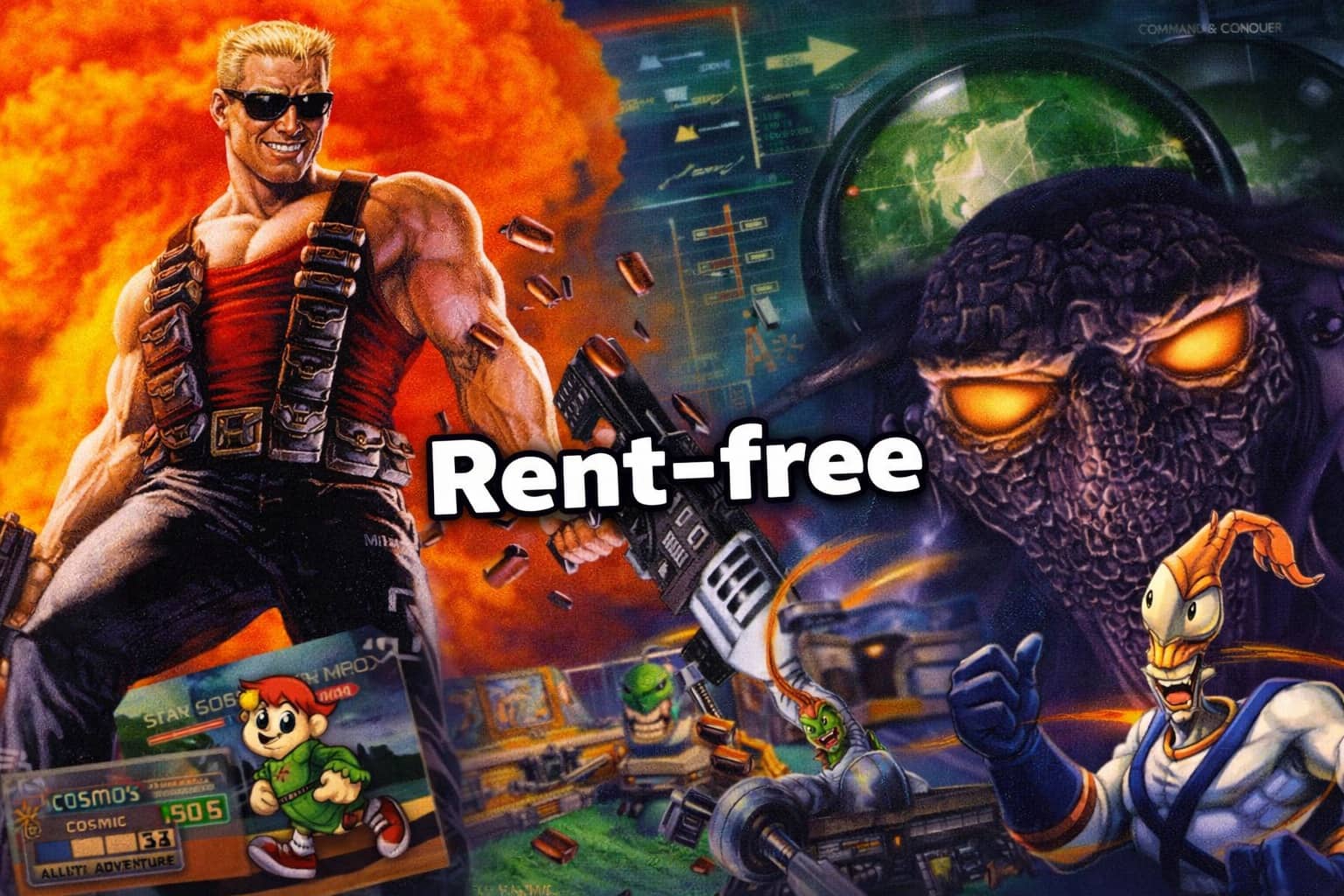

There is a very specific look that people get when you say “old PC games” in the right company. The eyes go slightly distant. The conversation slows. Someone says a game title and someone else immediately responds with a cheat code or an in-game quote from memory, because certain things from that era did not go into regular storage – they went somewhere deeper, somewhere the brain treats as load-bearing, somewhere that a single “Wololo” or “you must construct additional pylons” can access decades later without any warmup required. The best video games of the 90s did not just entertain a generation. They installed themselves.
Top Gun on NES
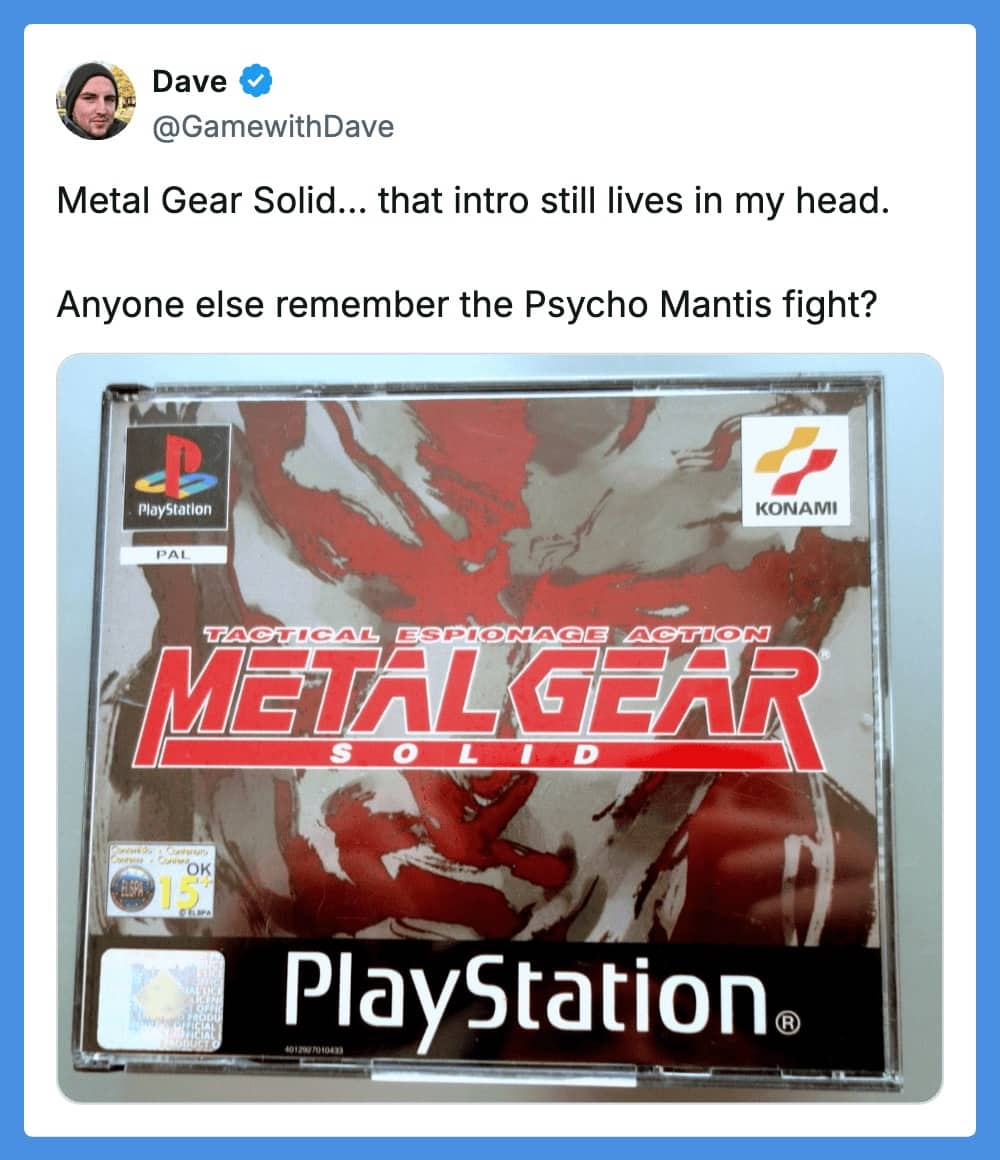
Snake. Snake?? SNAAAAAAKE.
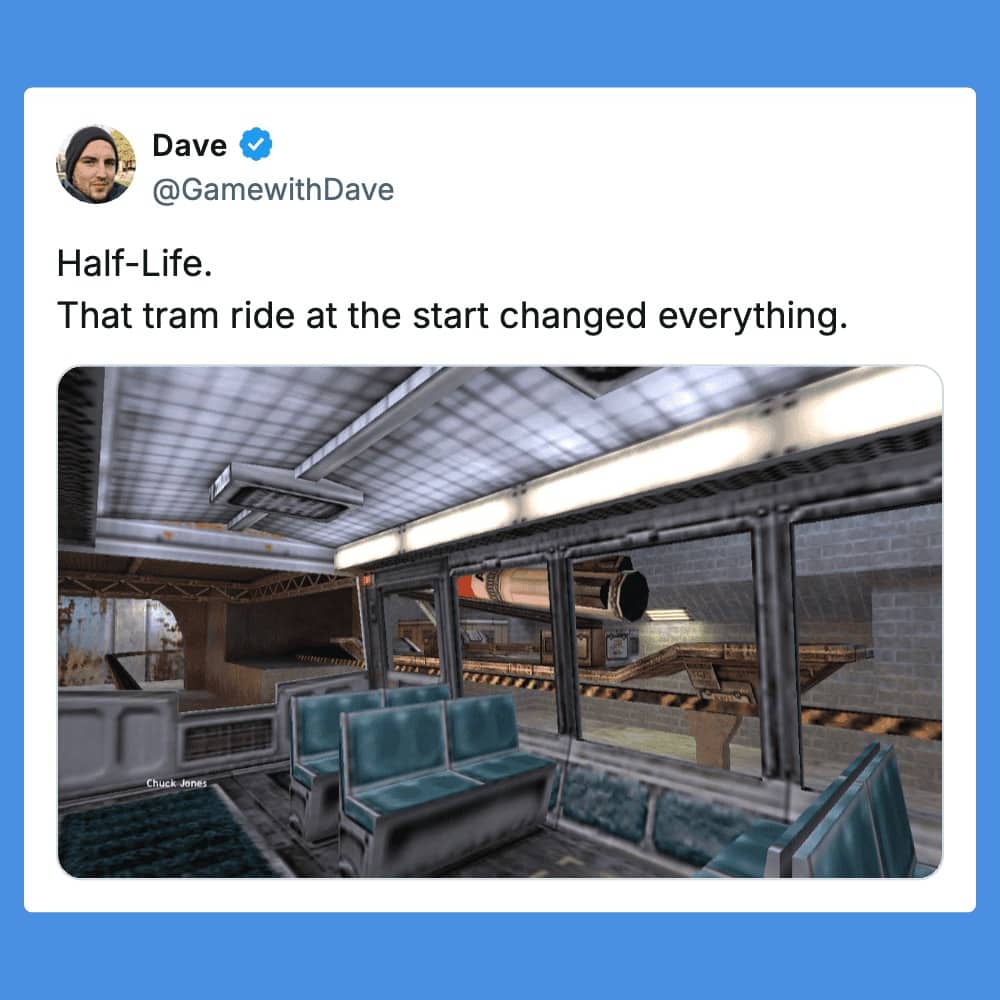
yes.
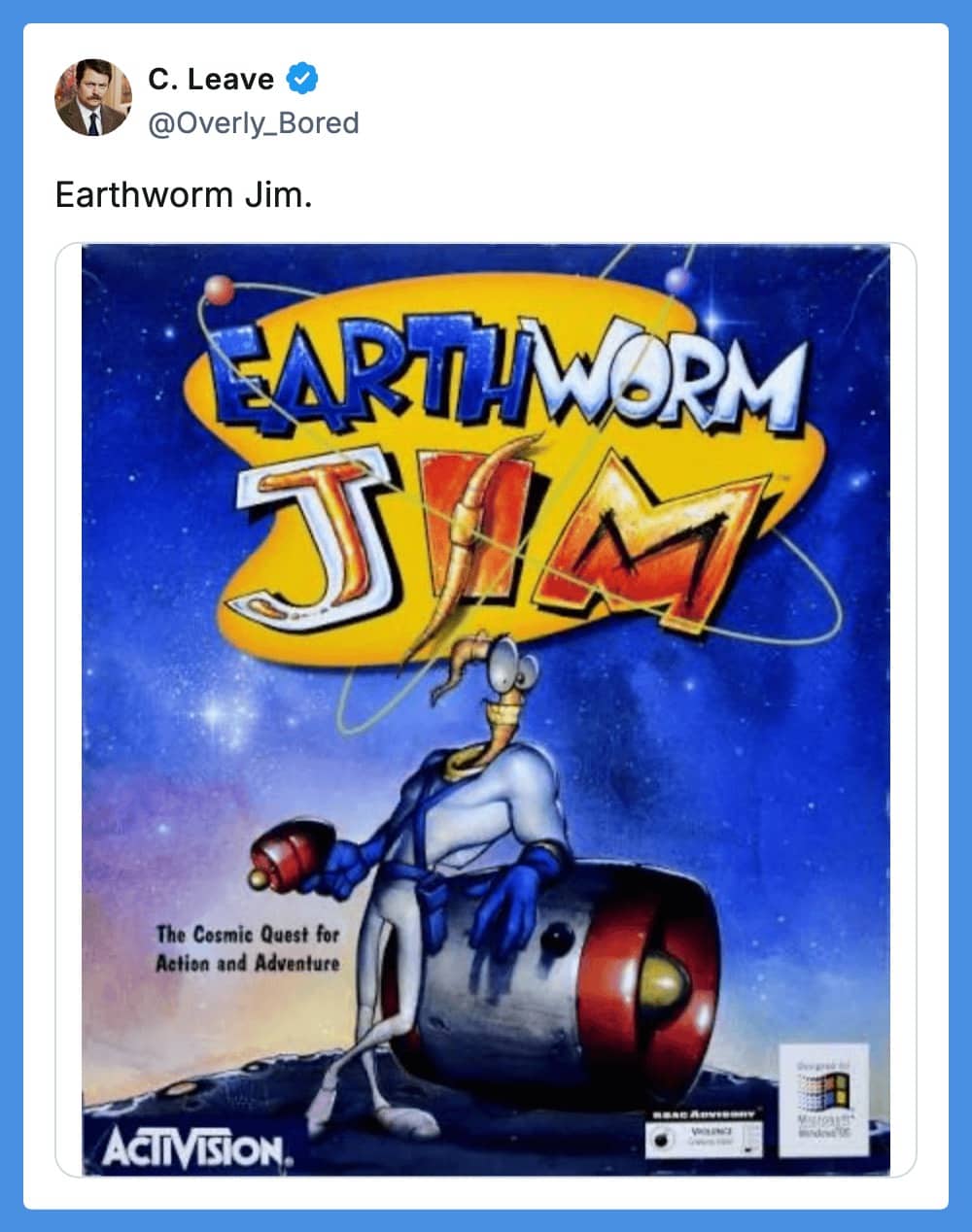
The 90s really said "what if a worm but cool" and gave us a franchise.
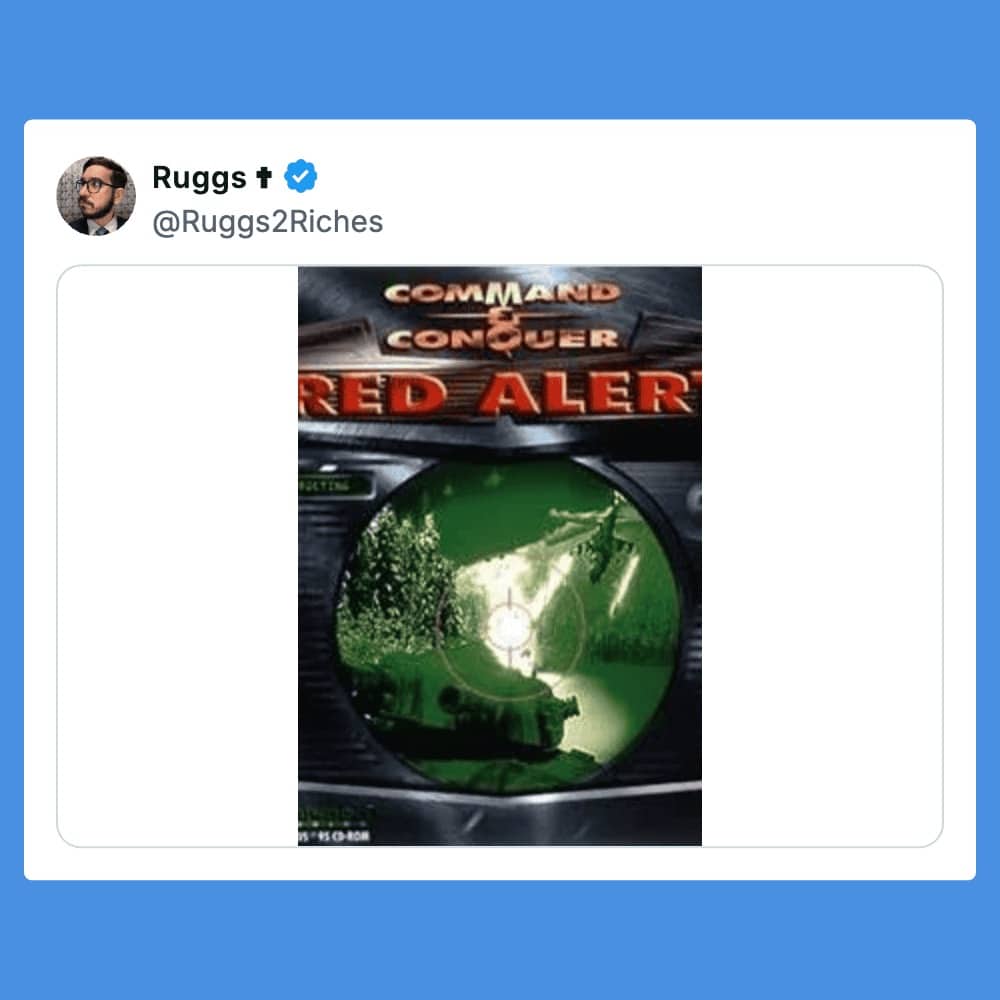
Half the people in this gallery still hear "construction complete" in their sleep.
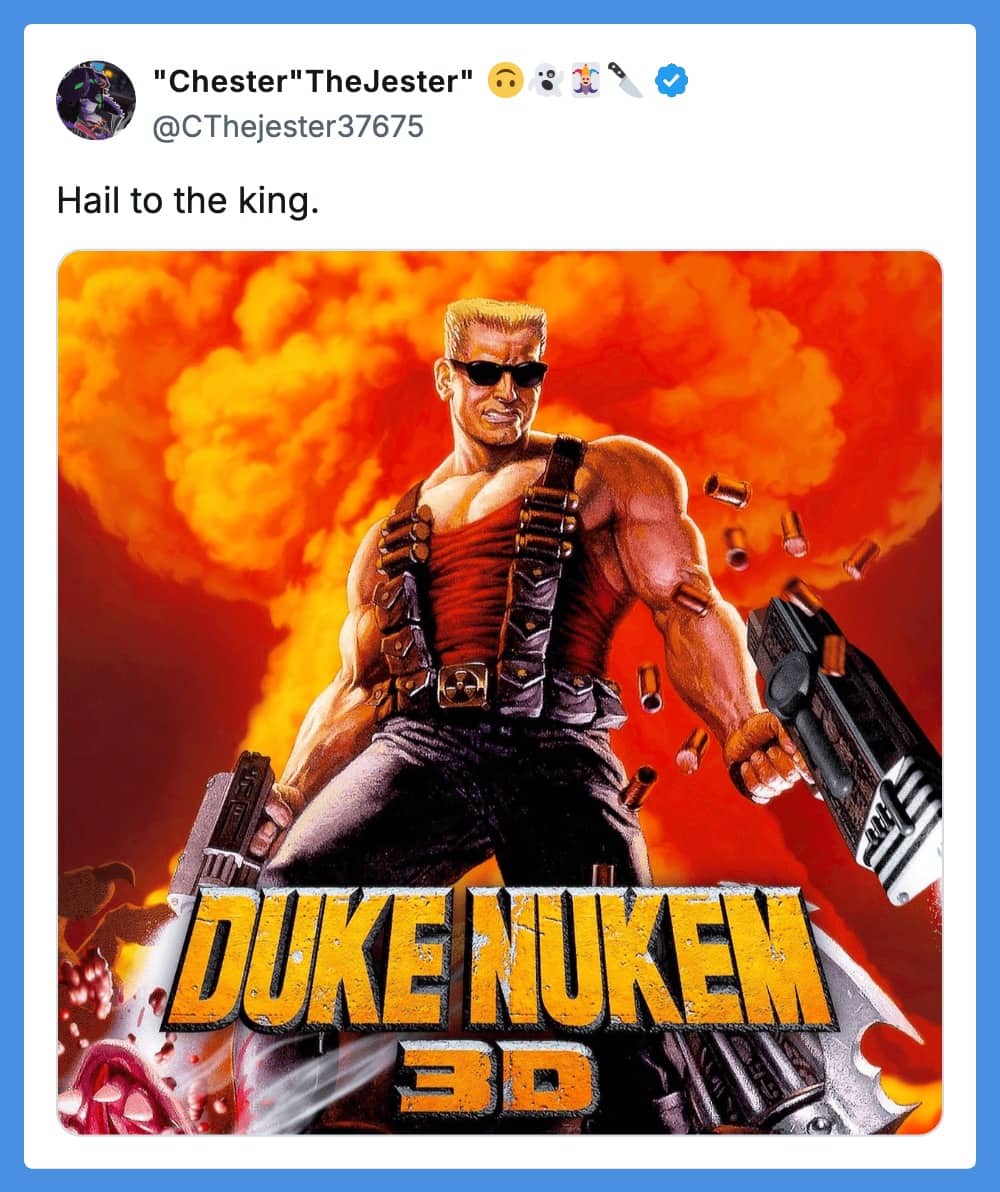
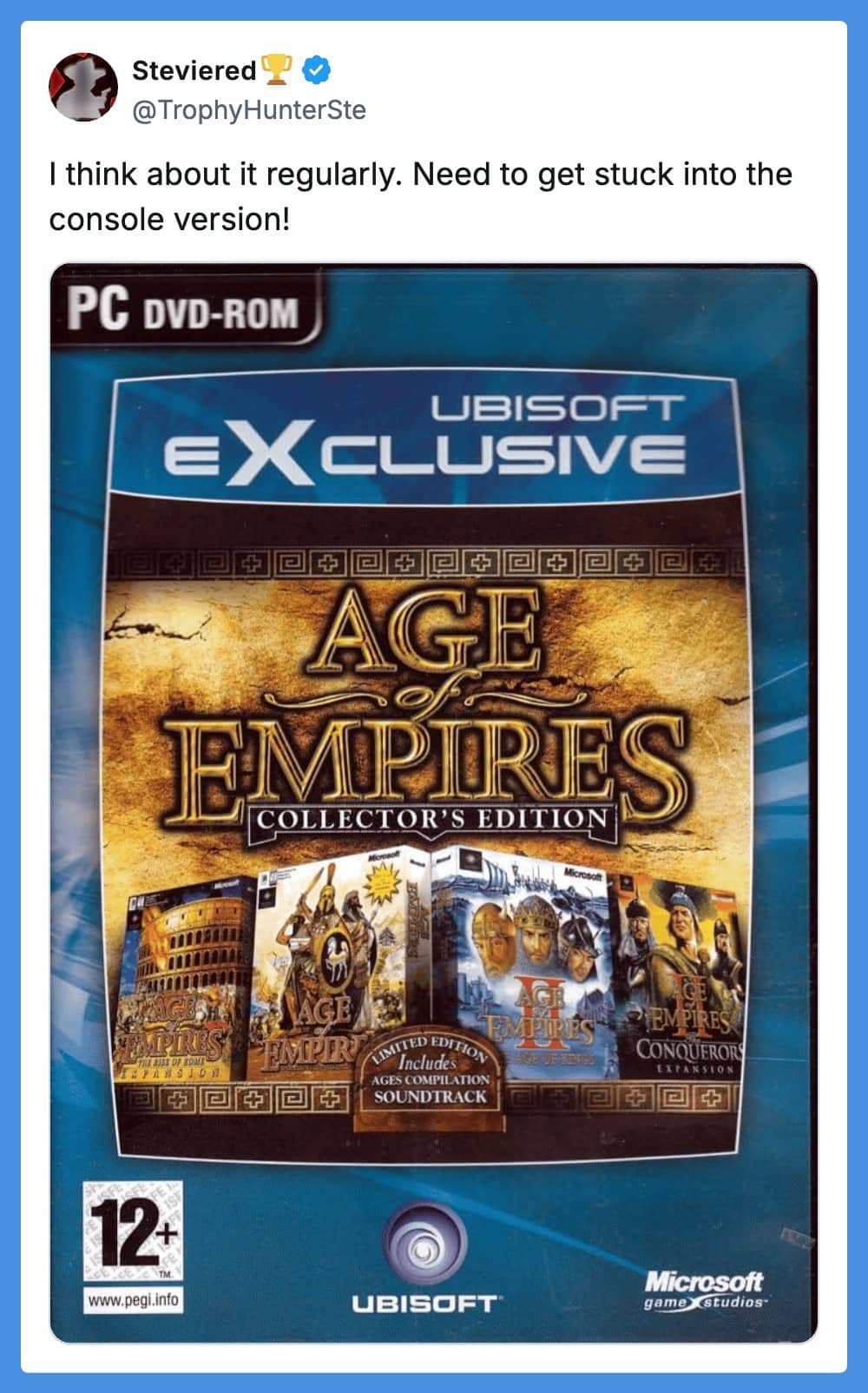
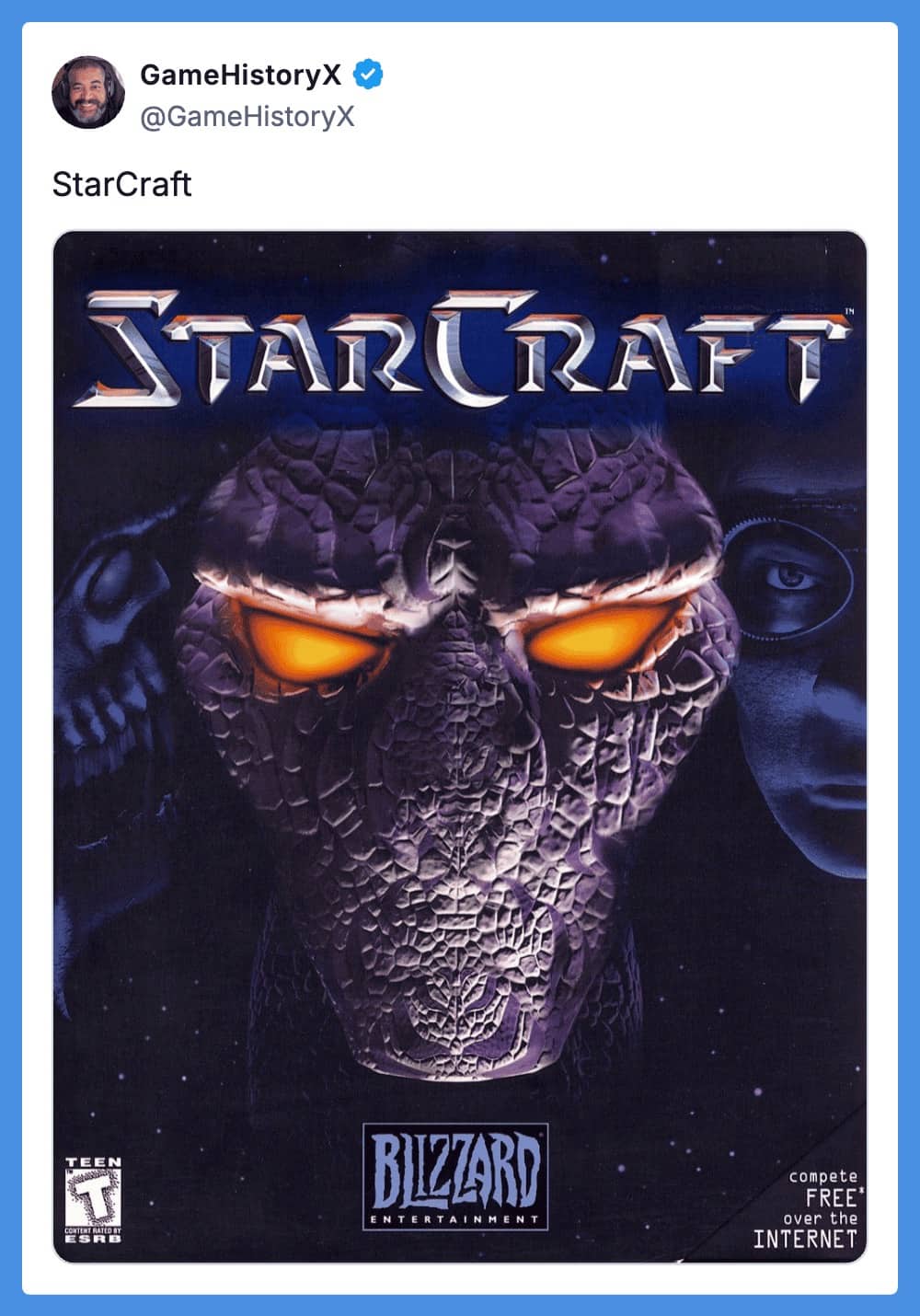
"You must construct additional pylons."
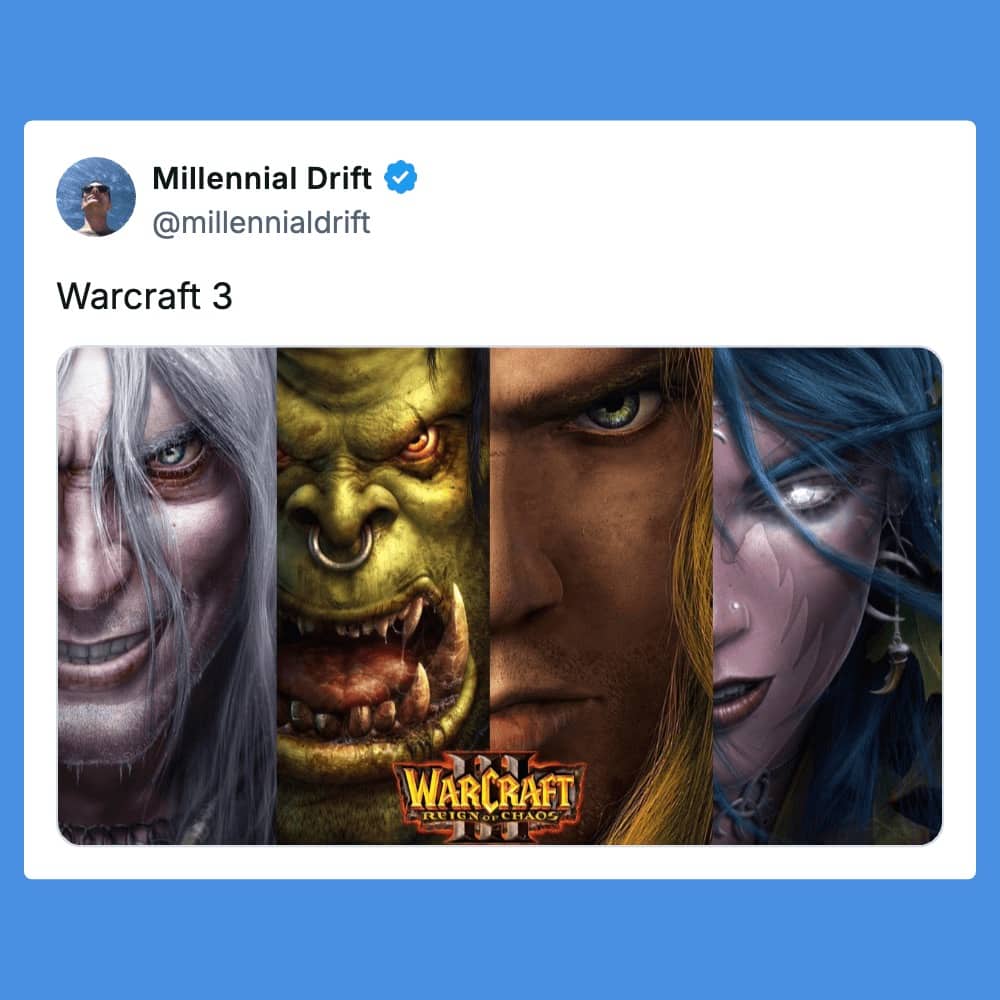
"Work, work." "Job's done." Imprinted on a generation.
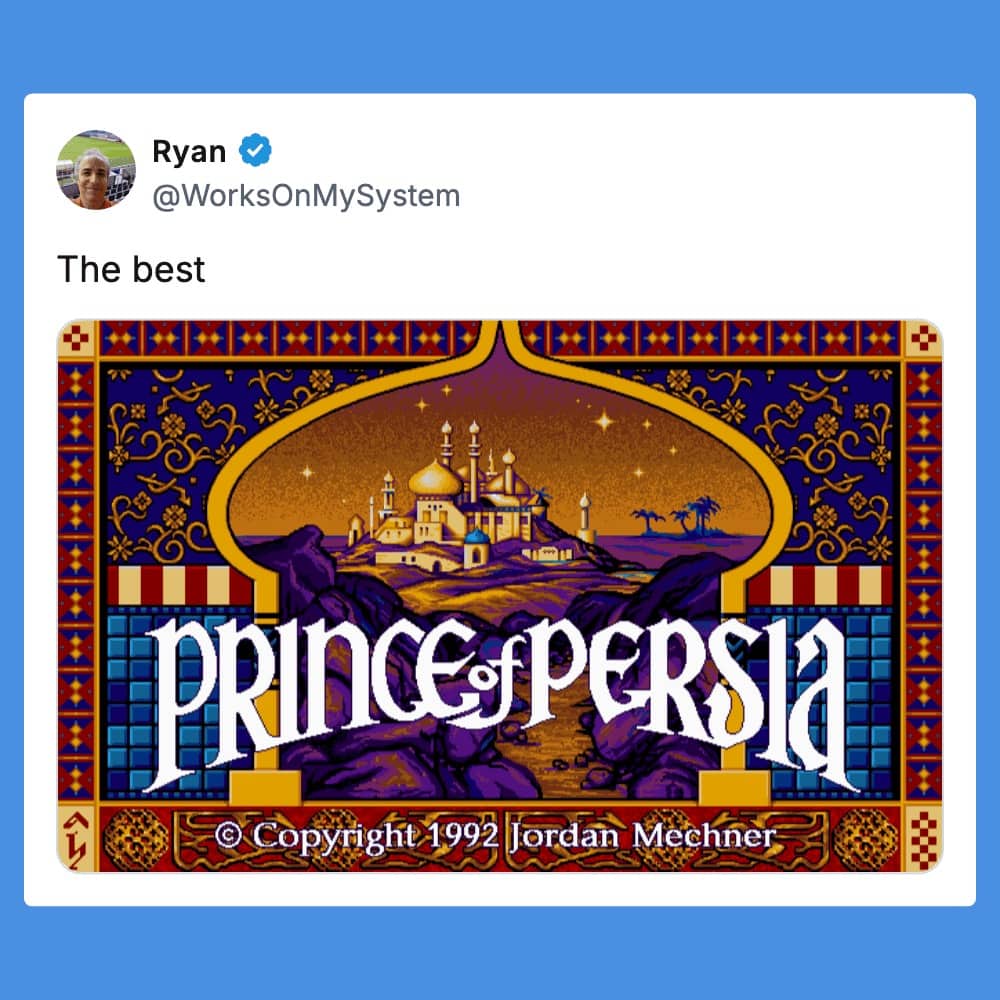
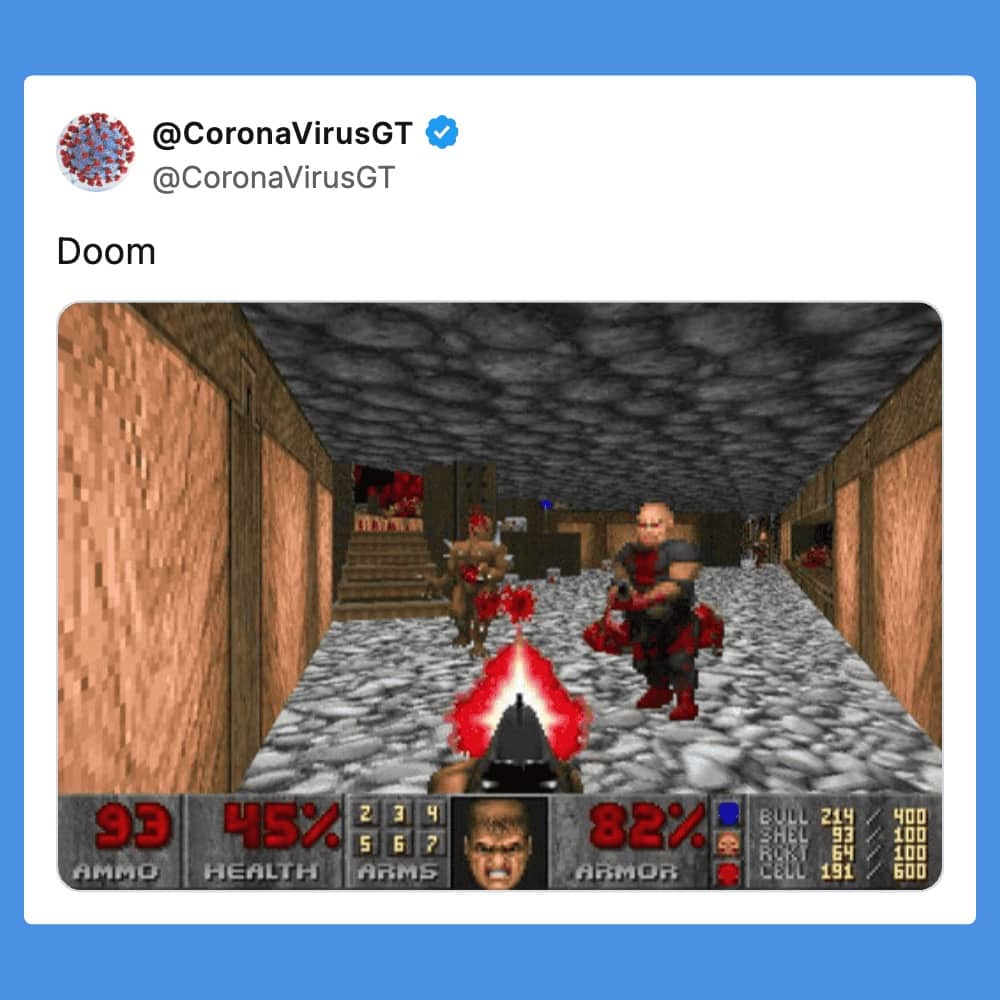
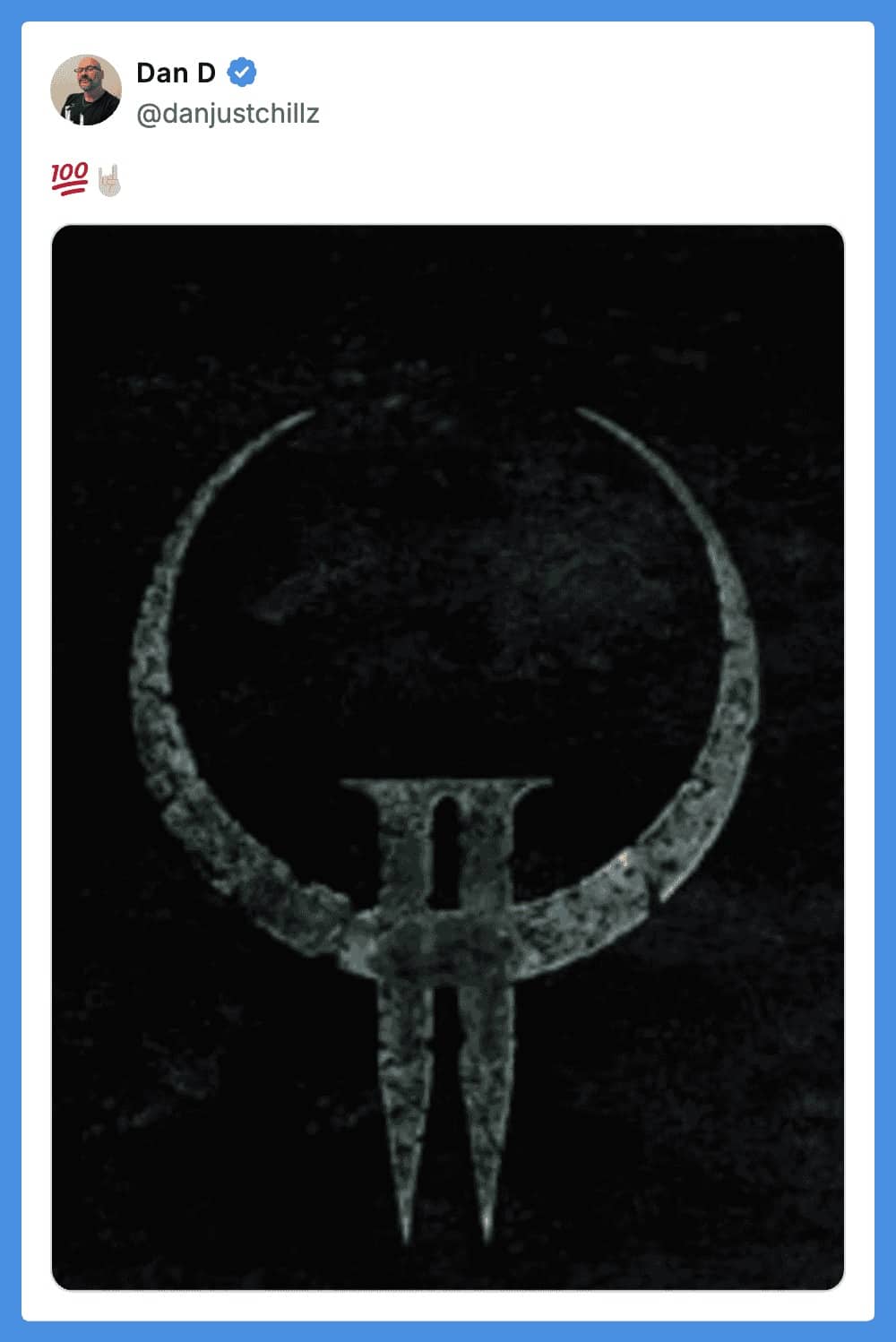
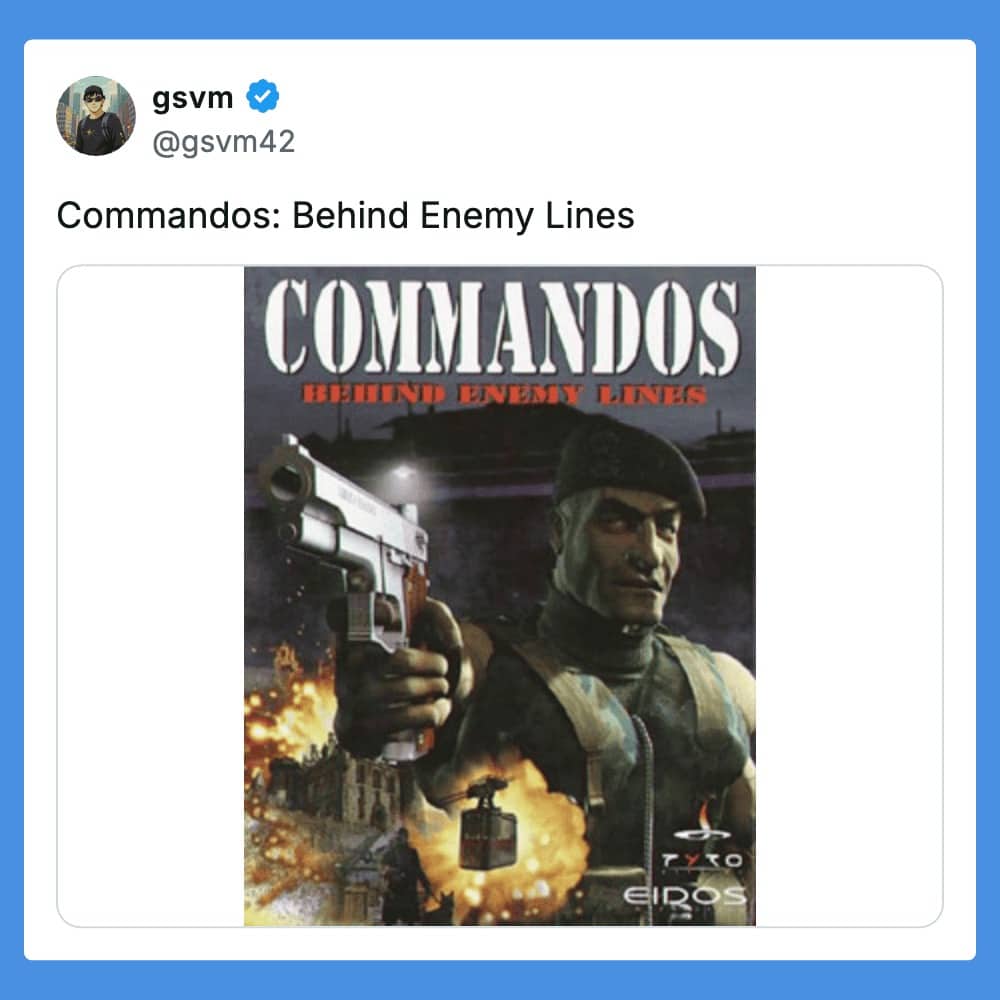
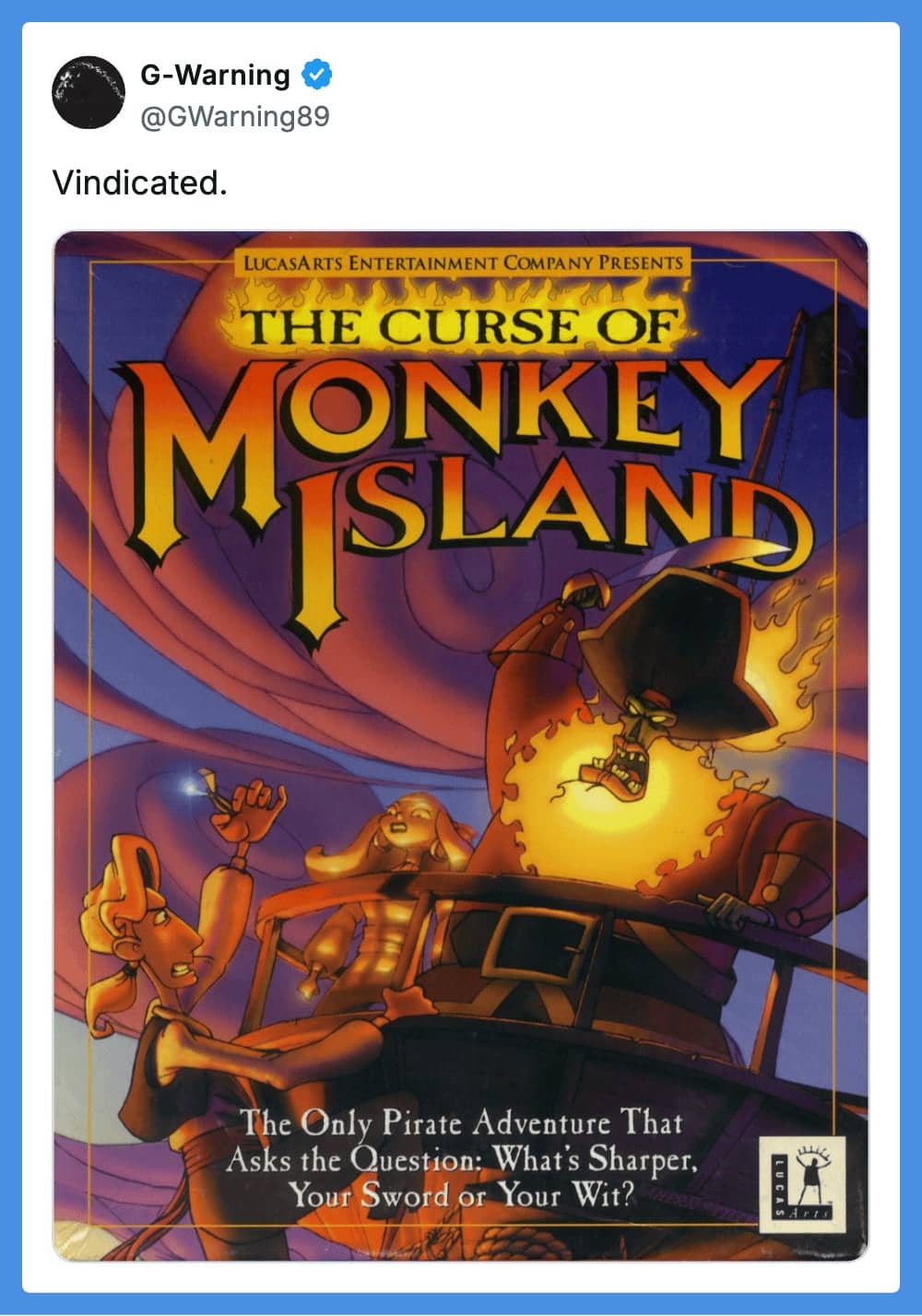
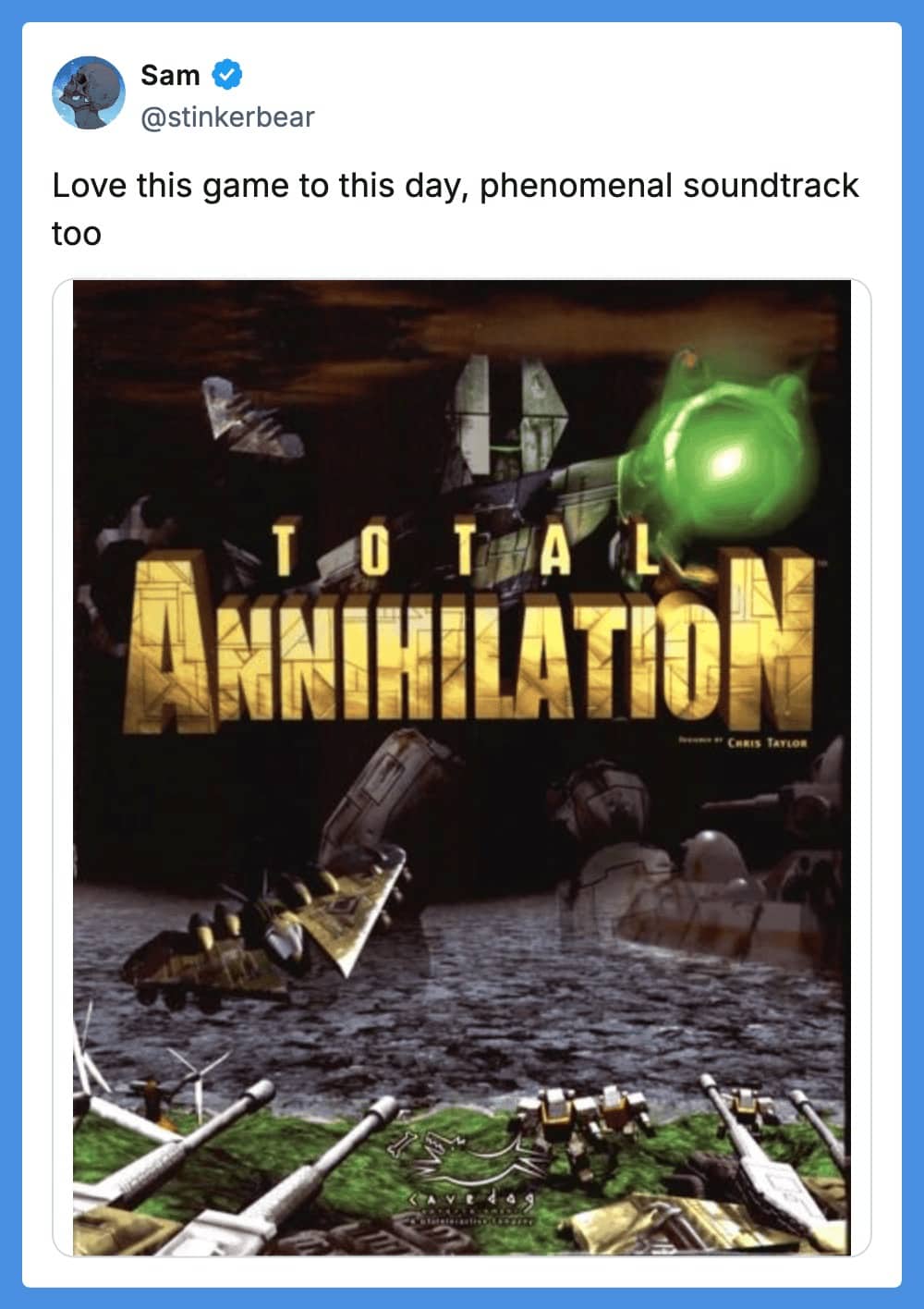
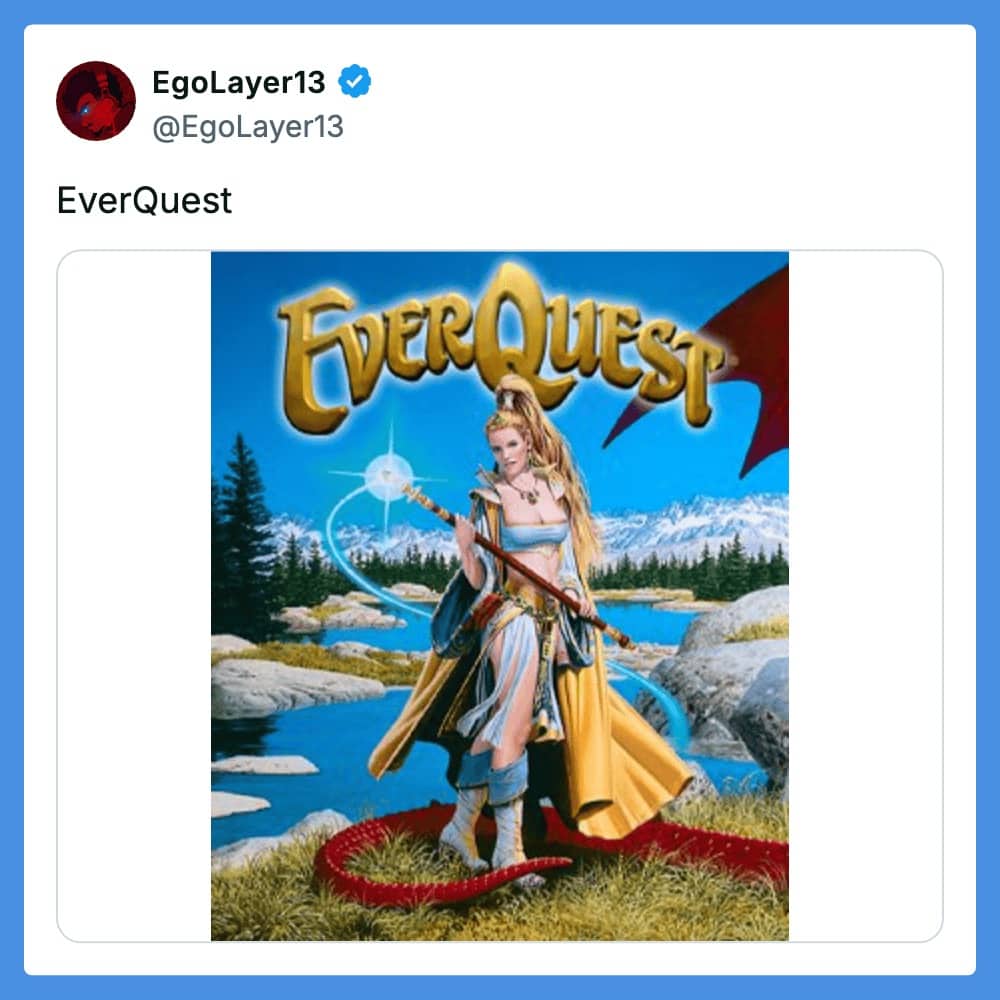
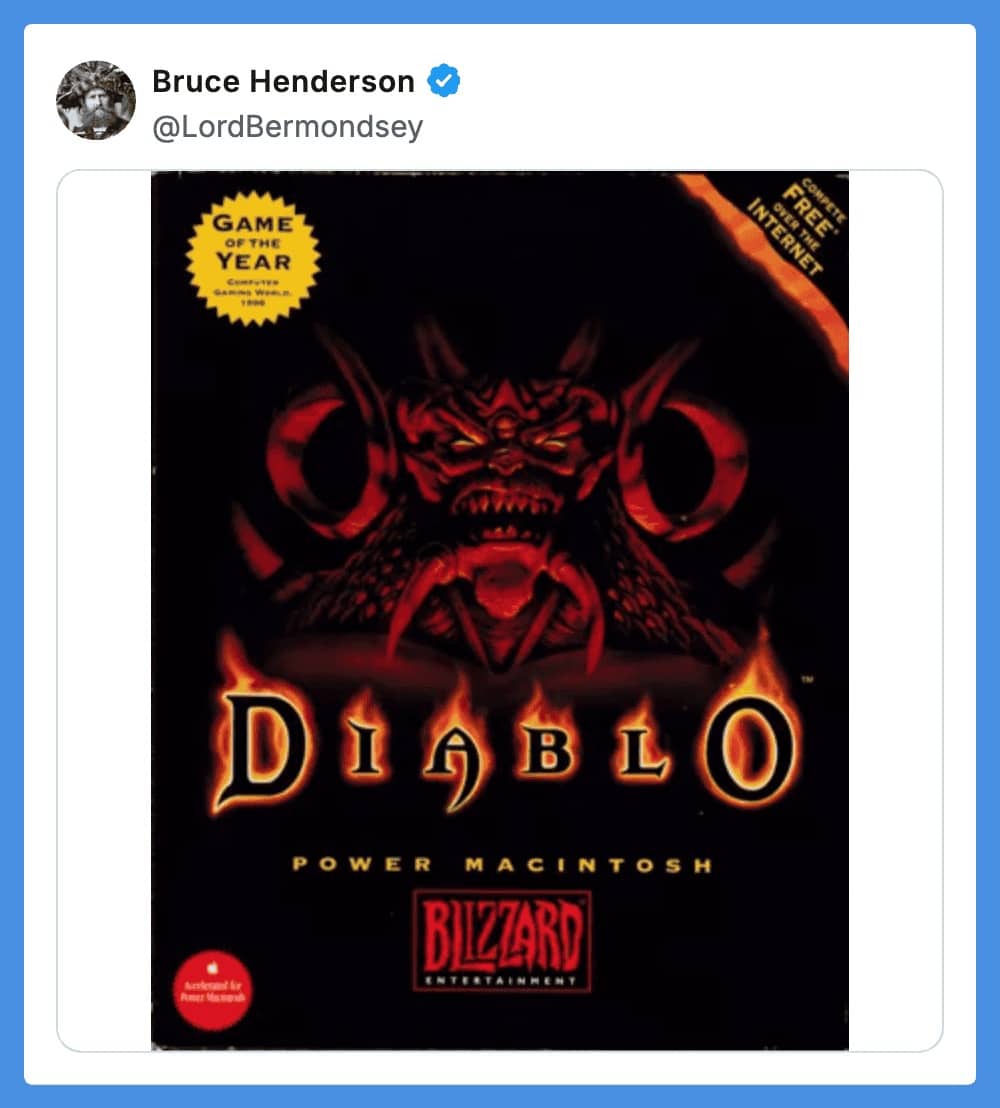
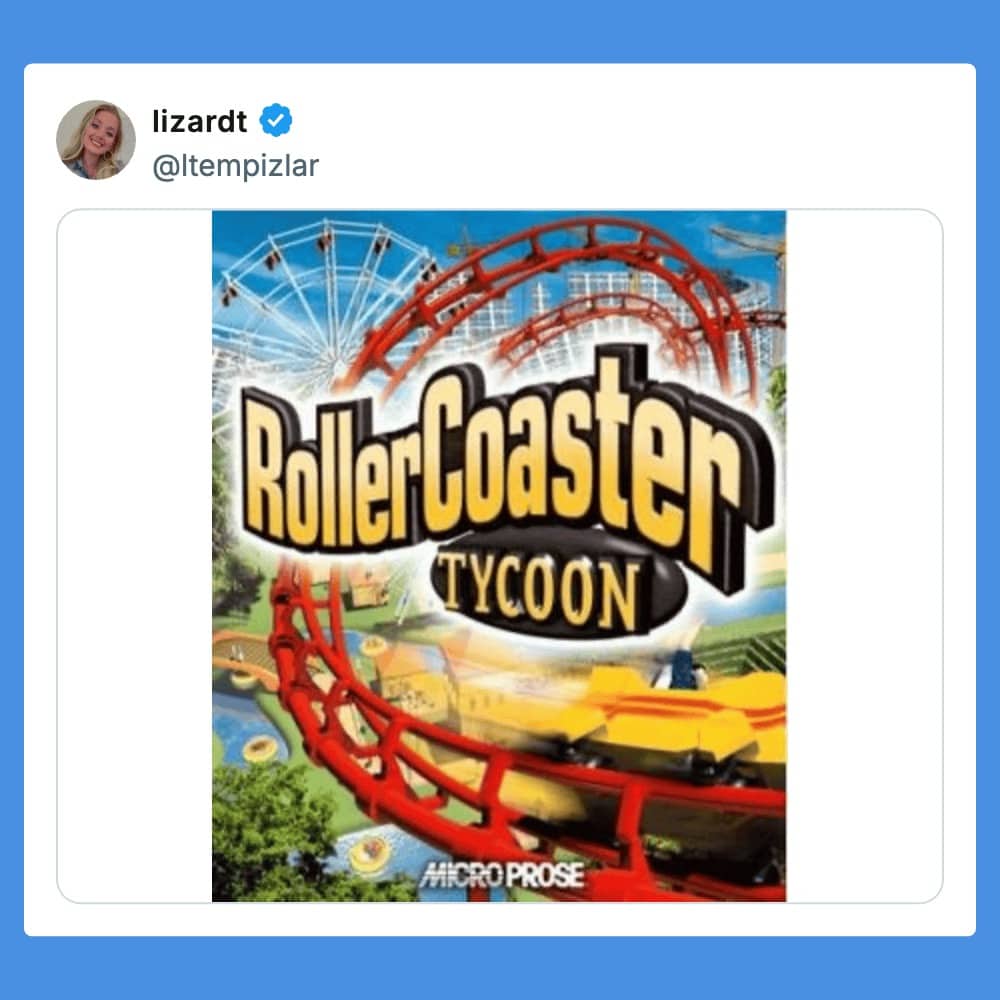
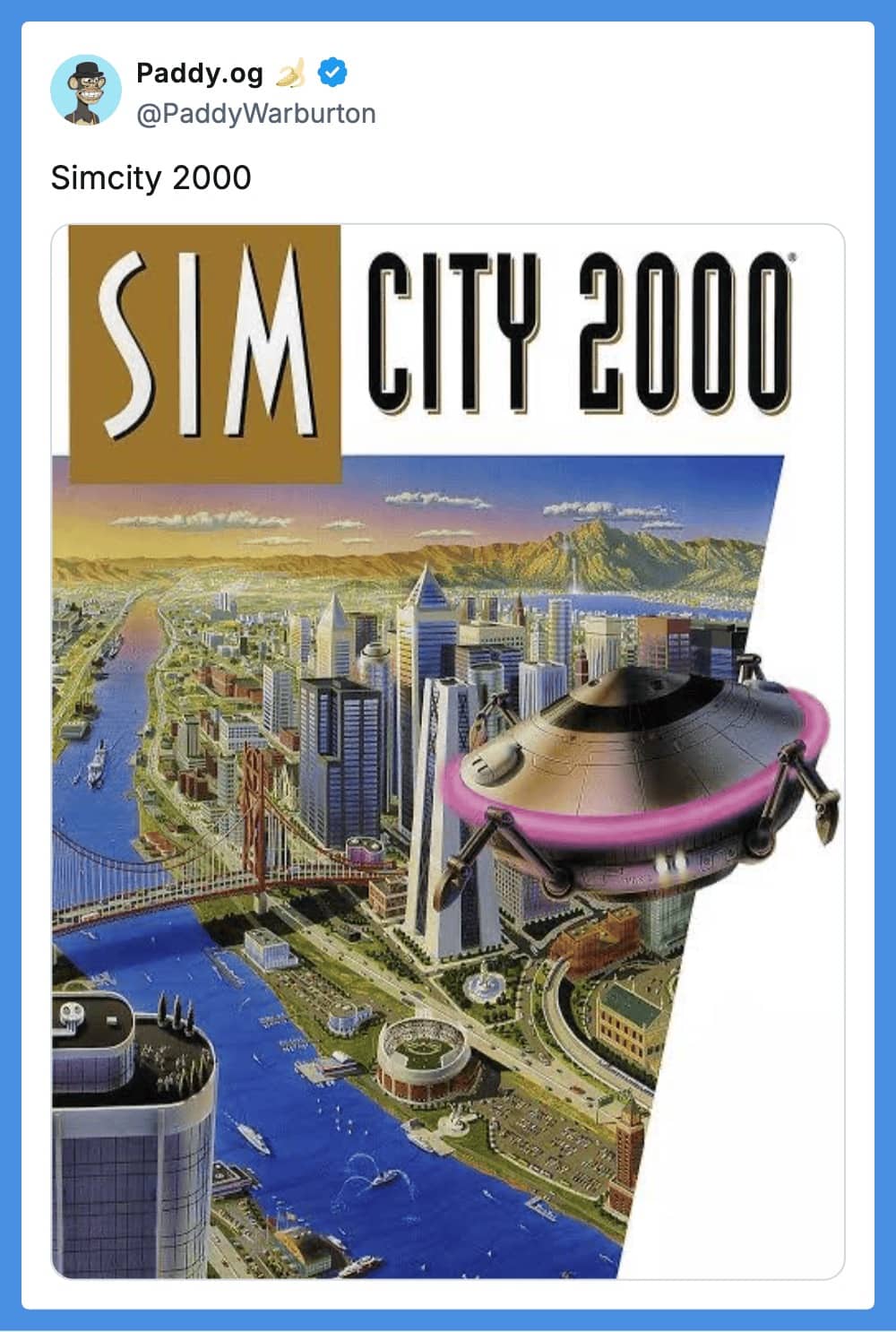
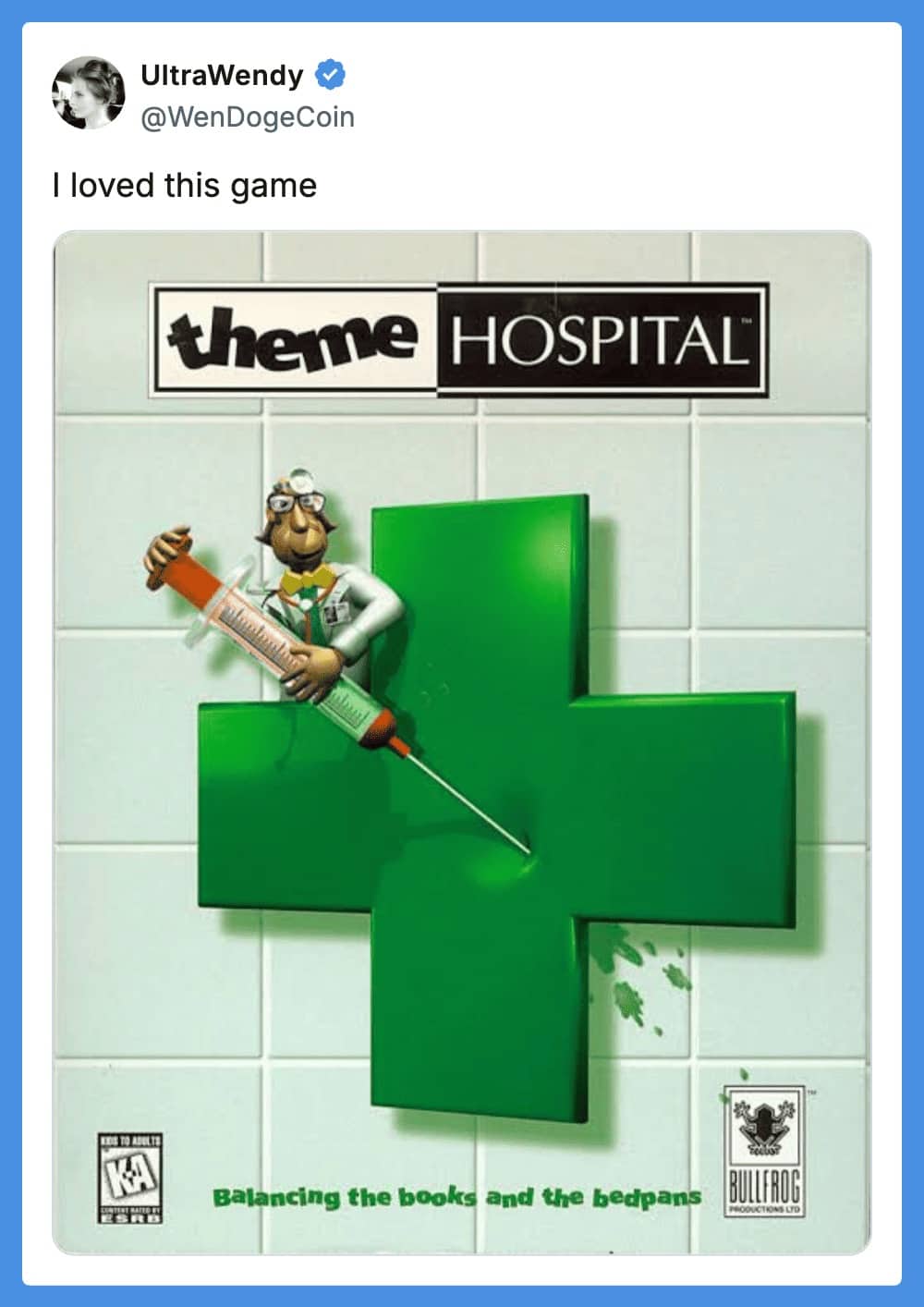
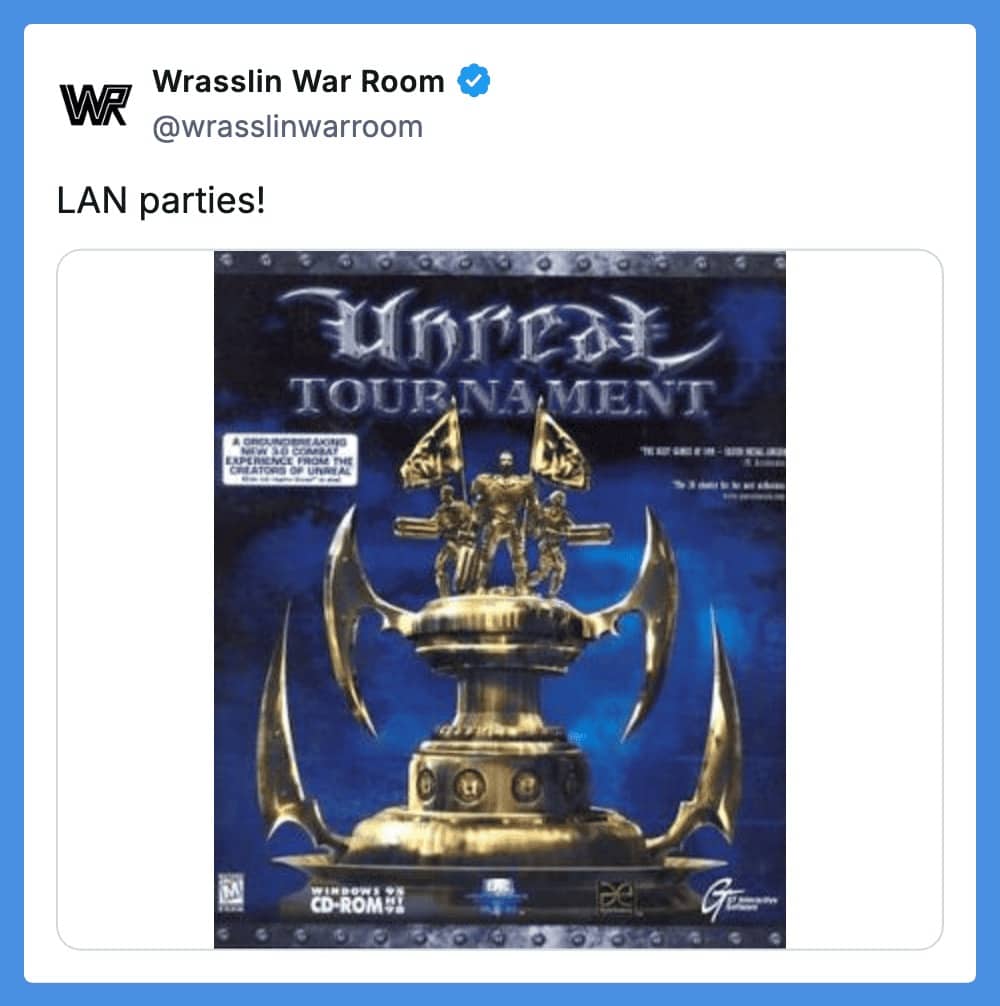
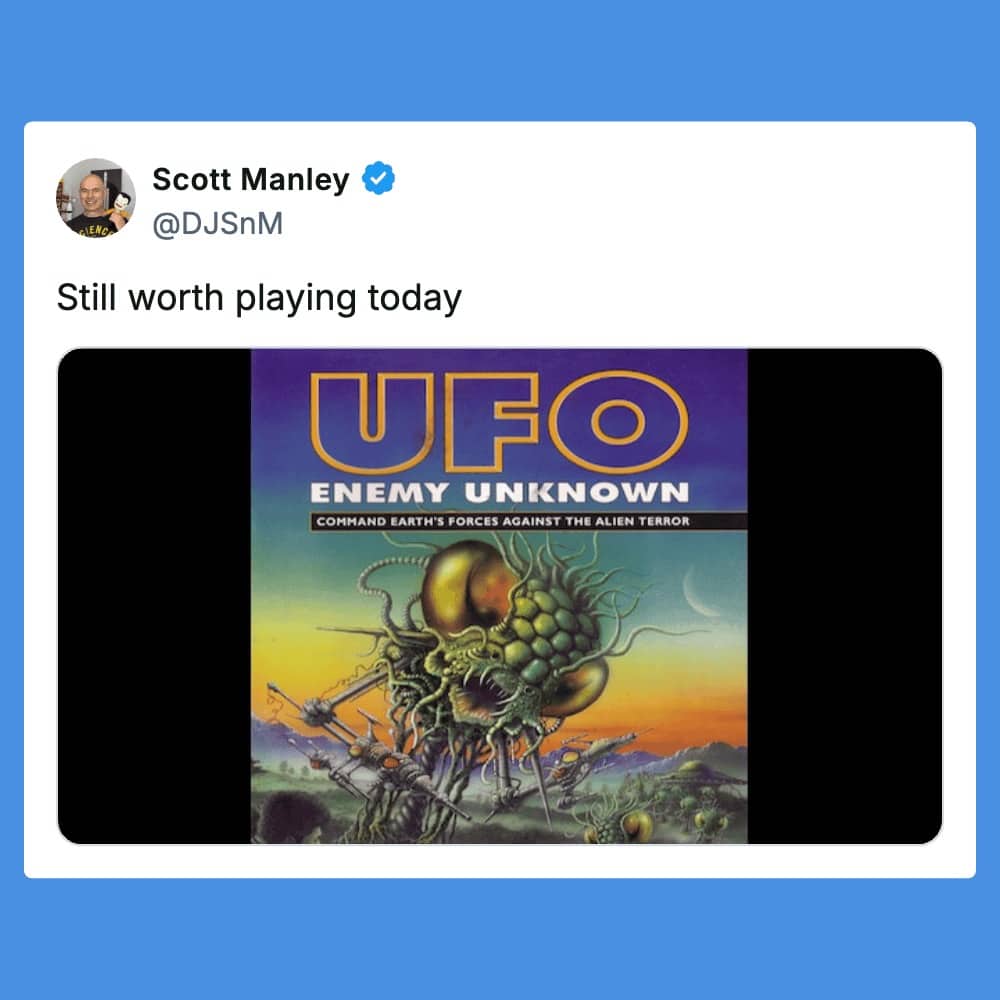
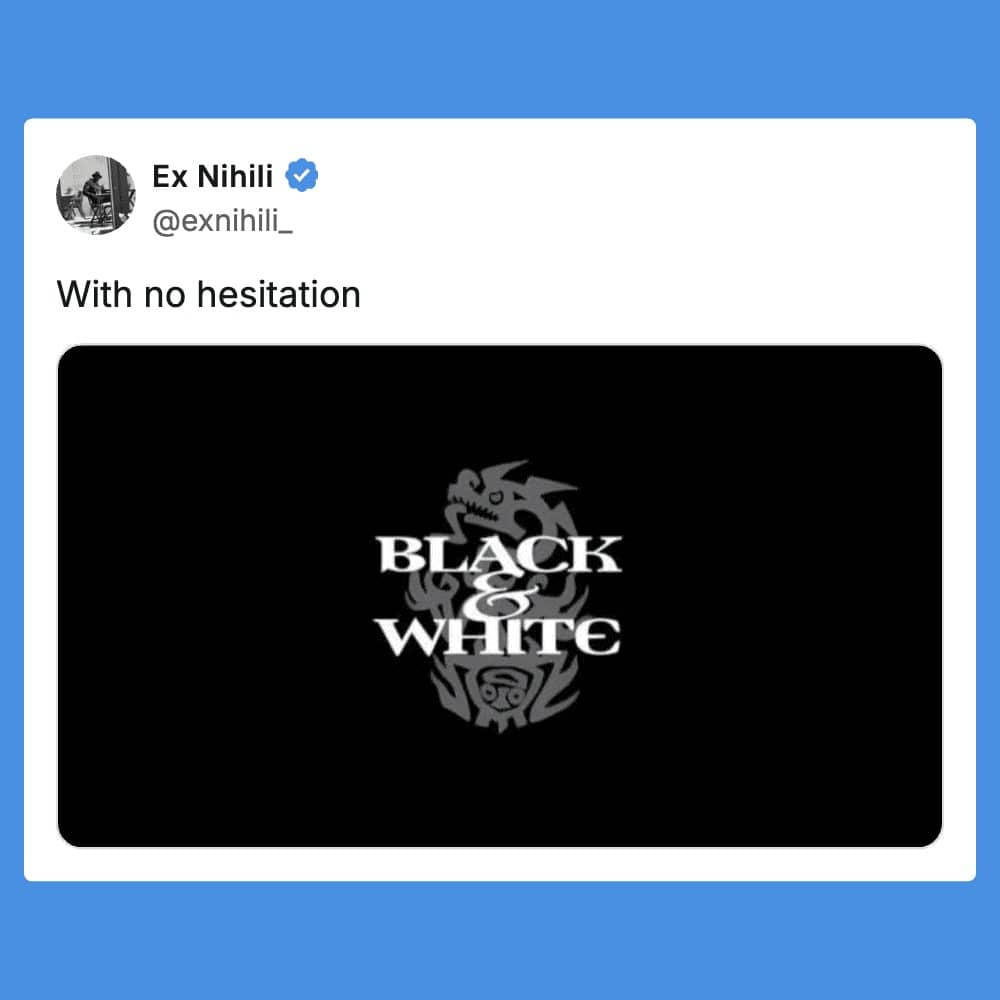
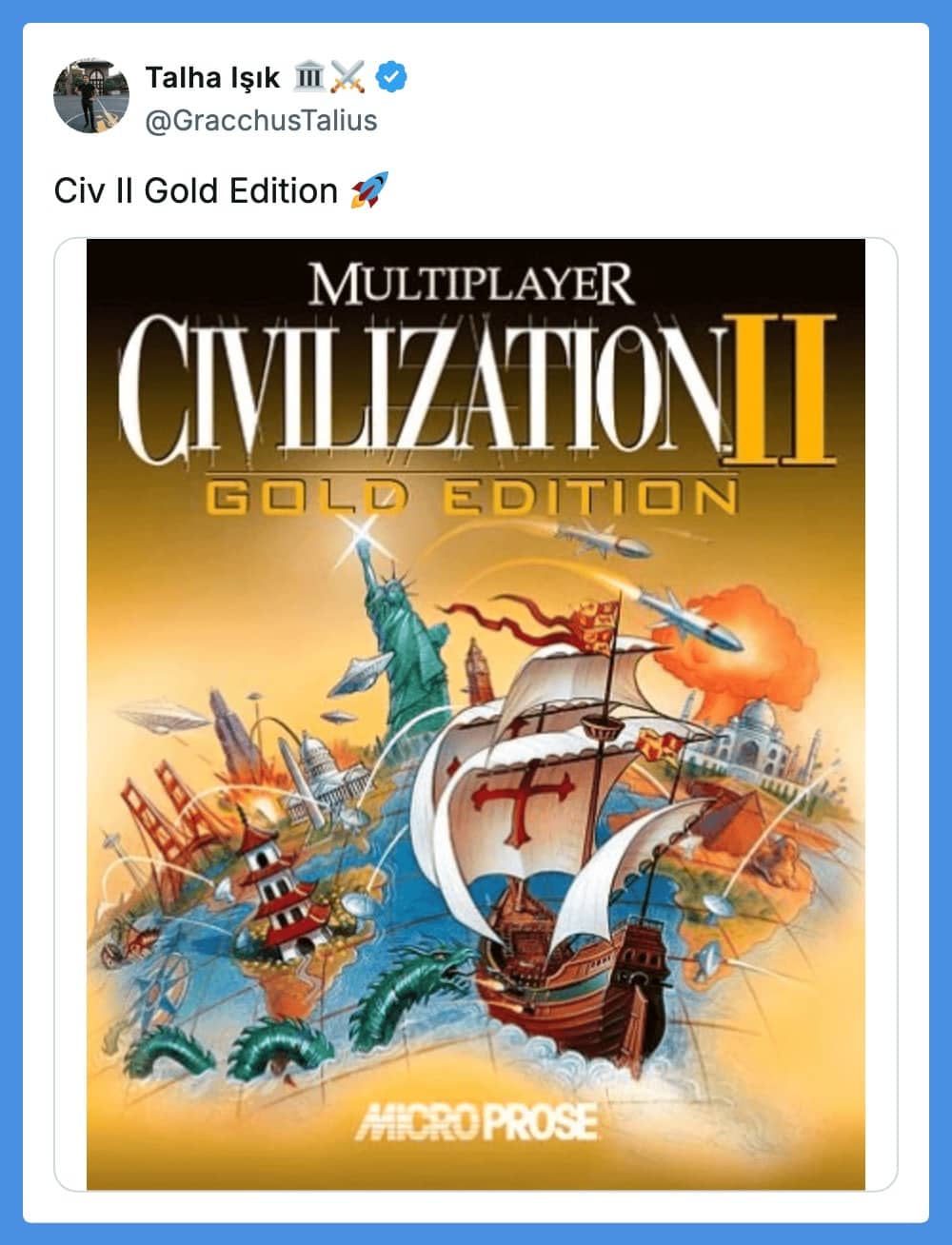
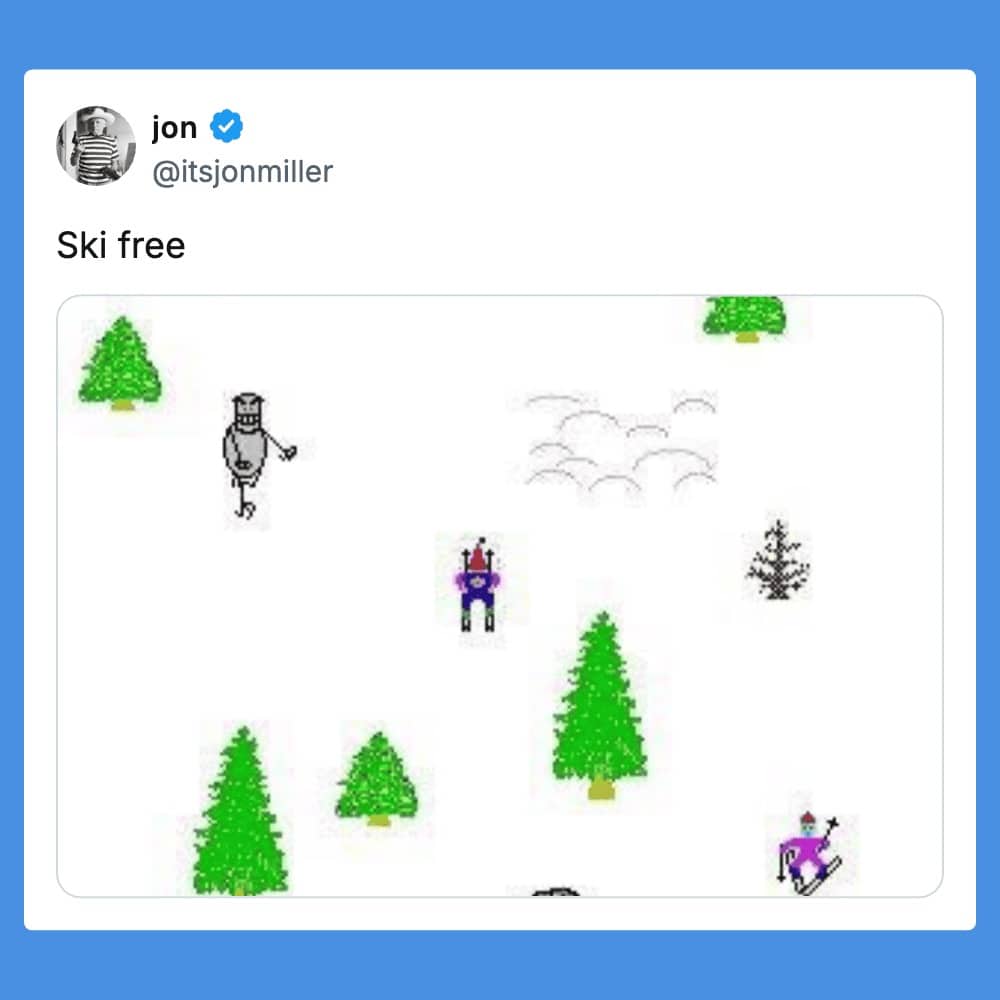
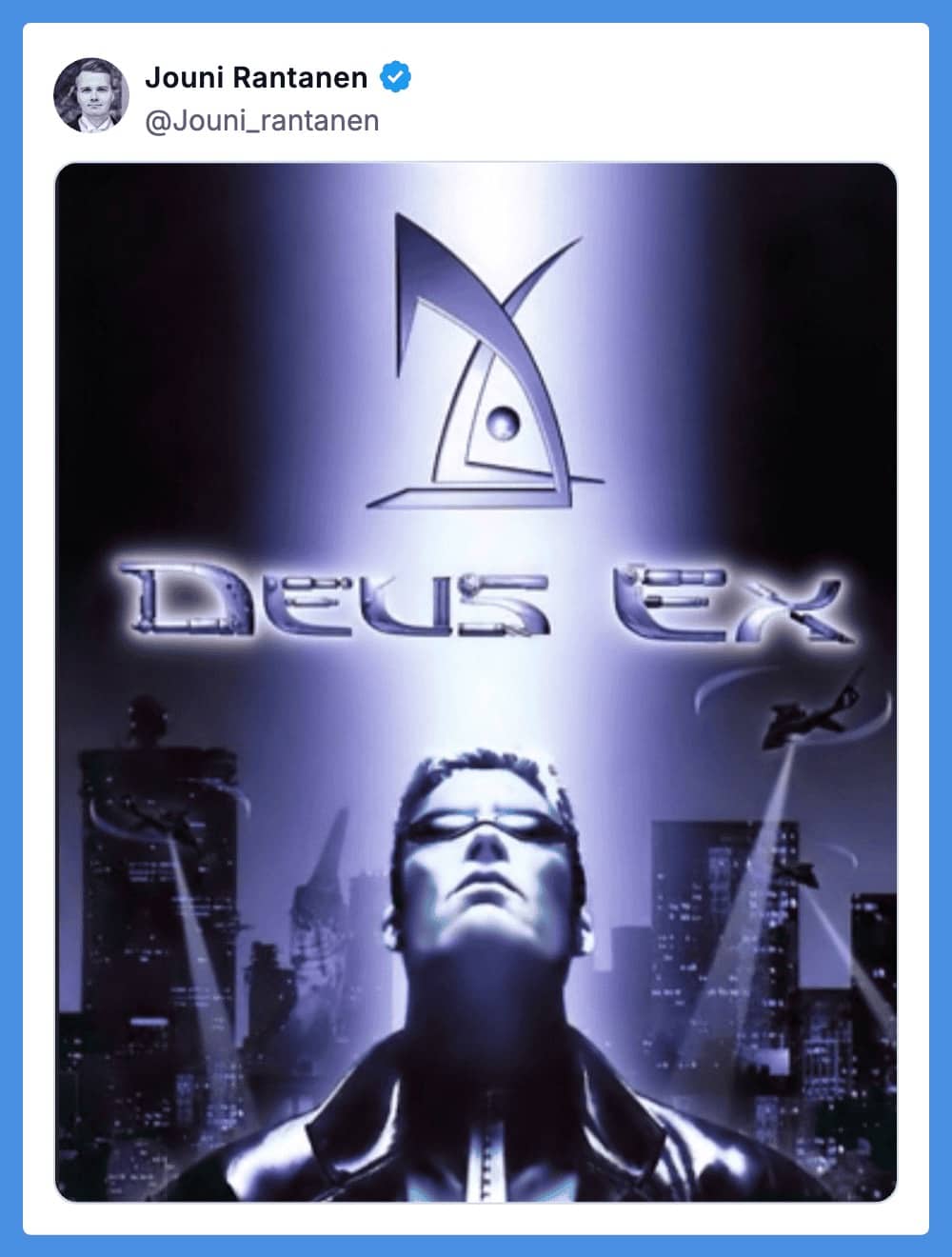
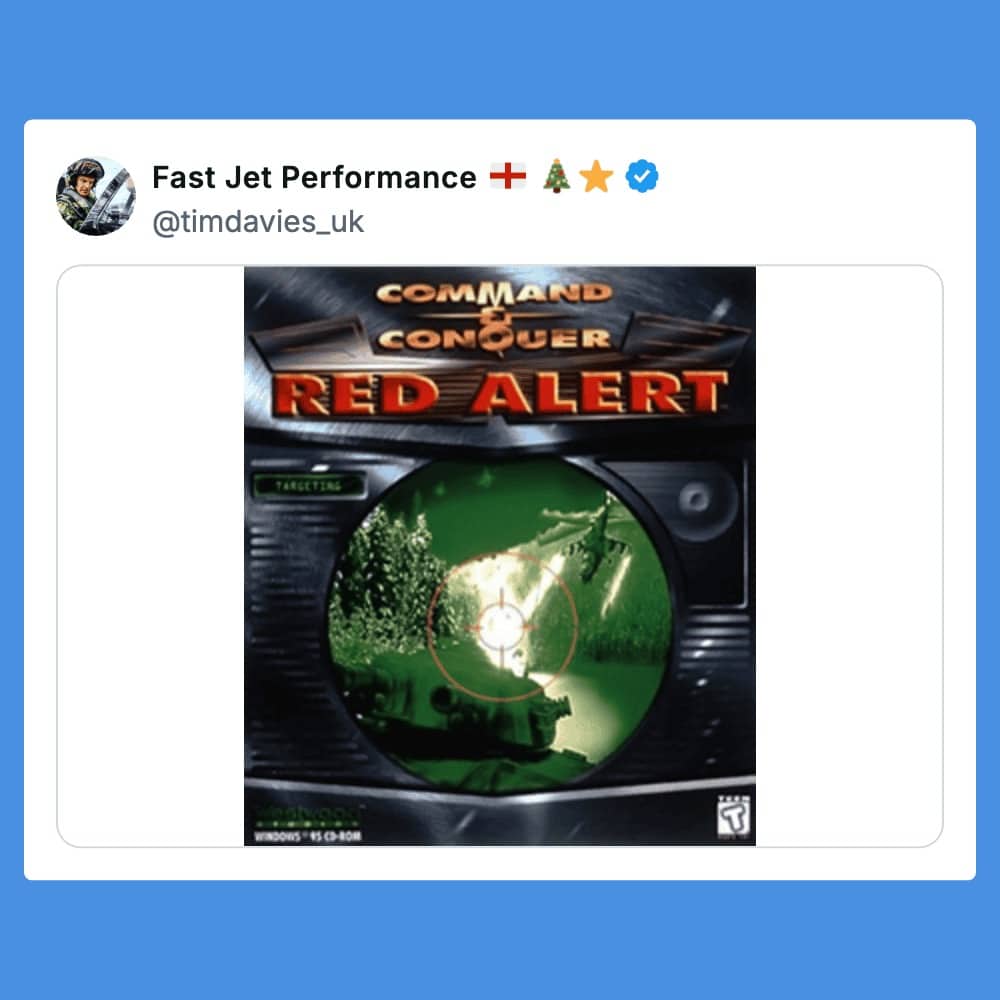
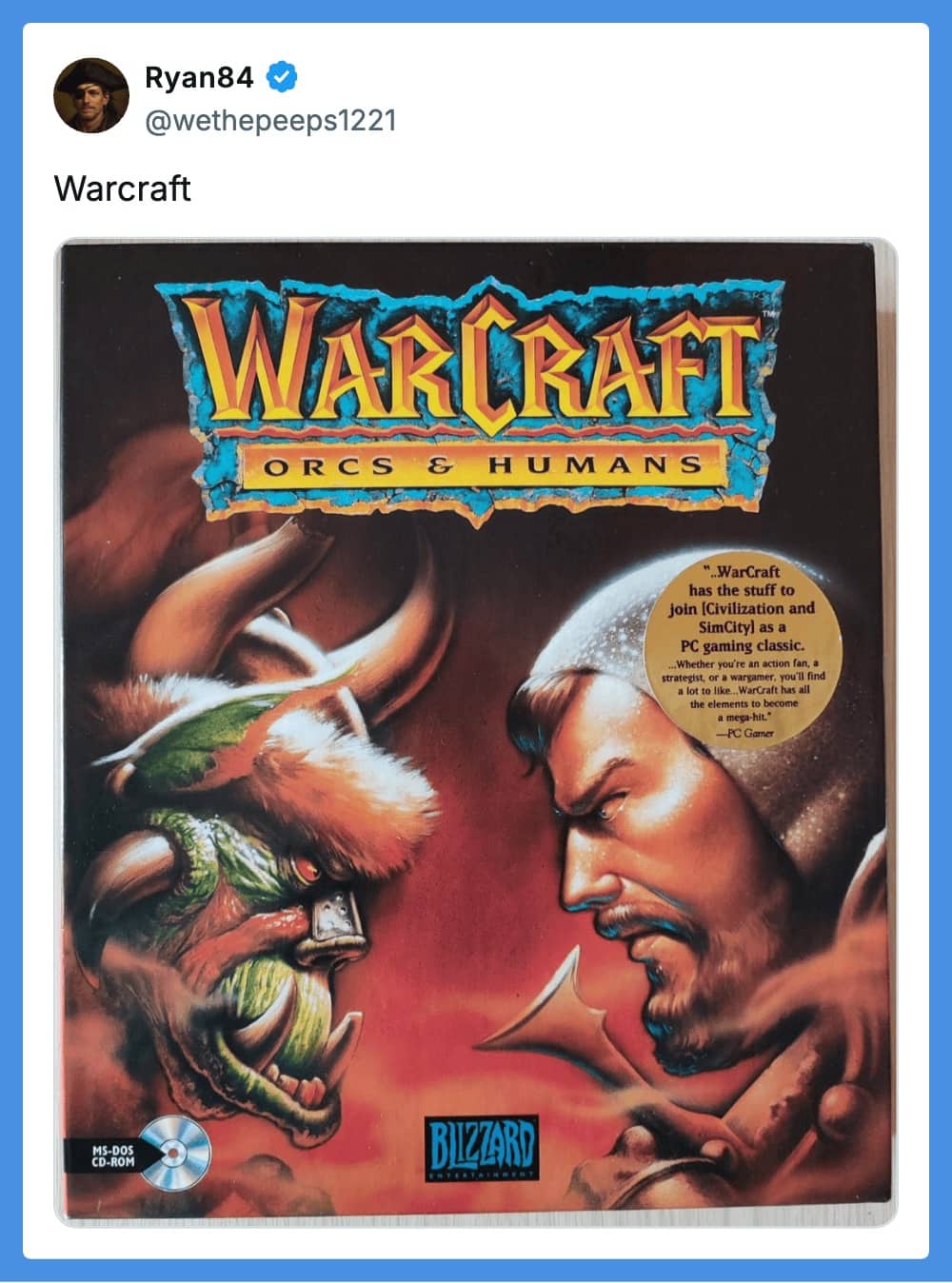
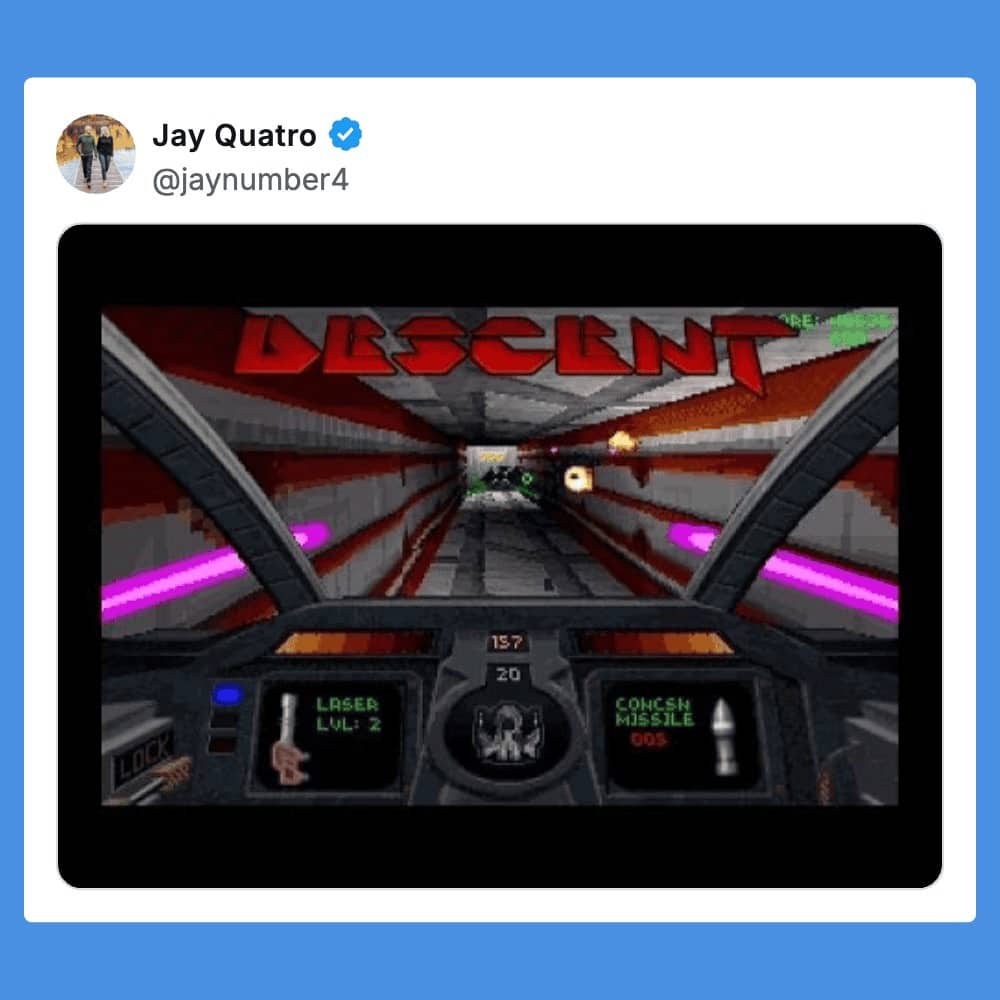
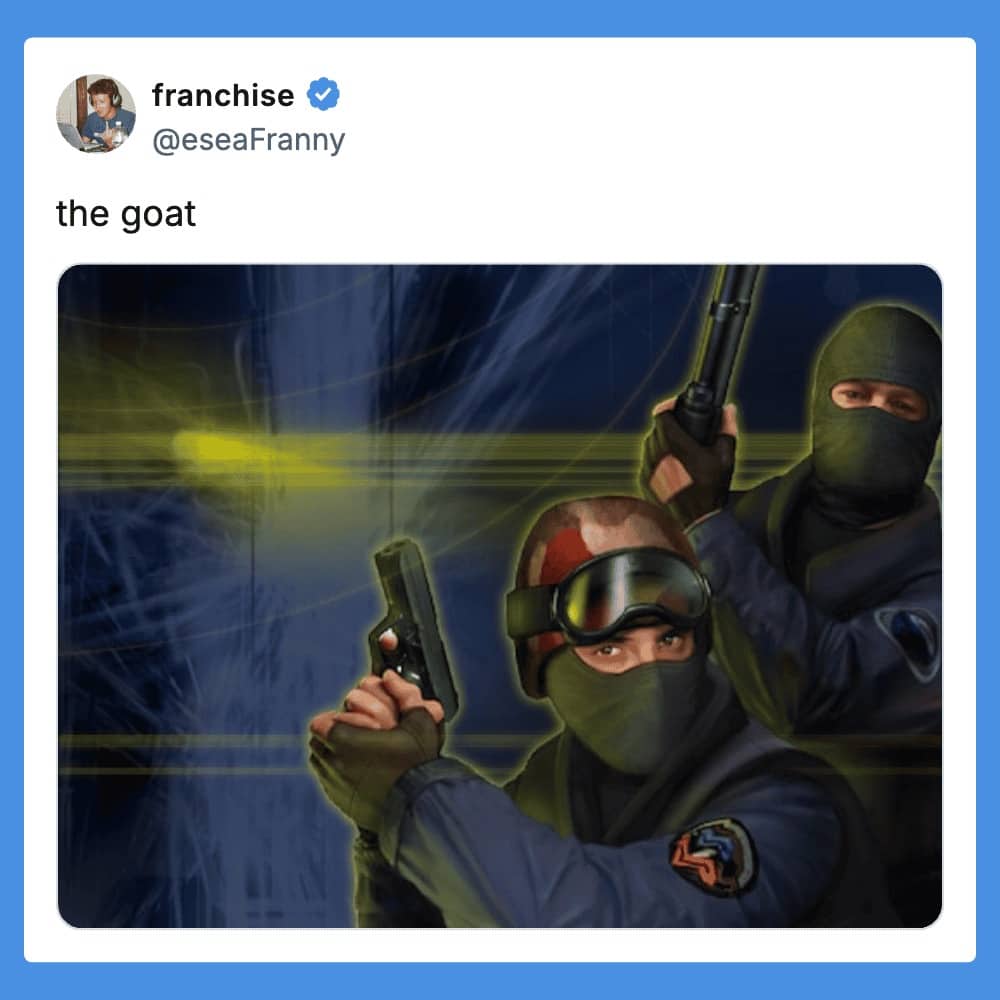
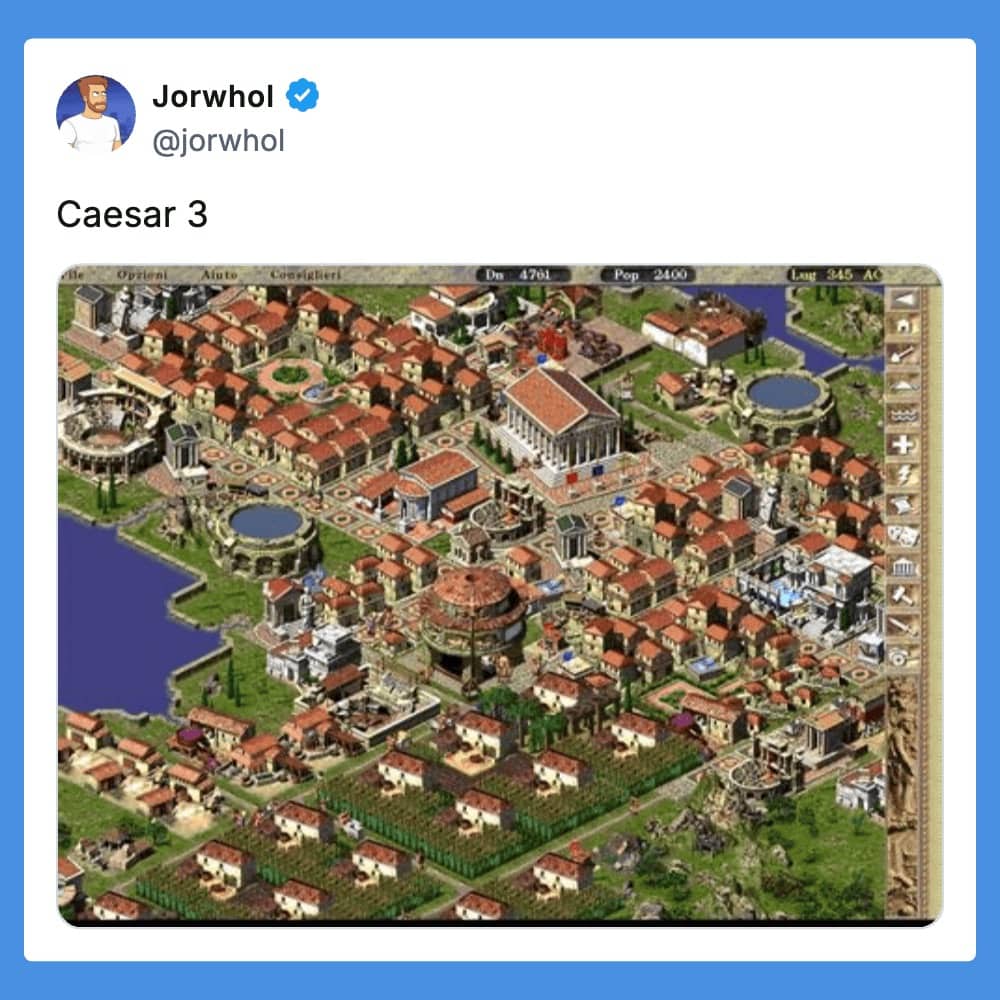
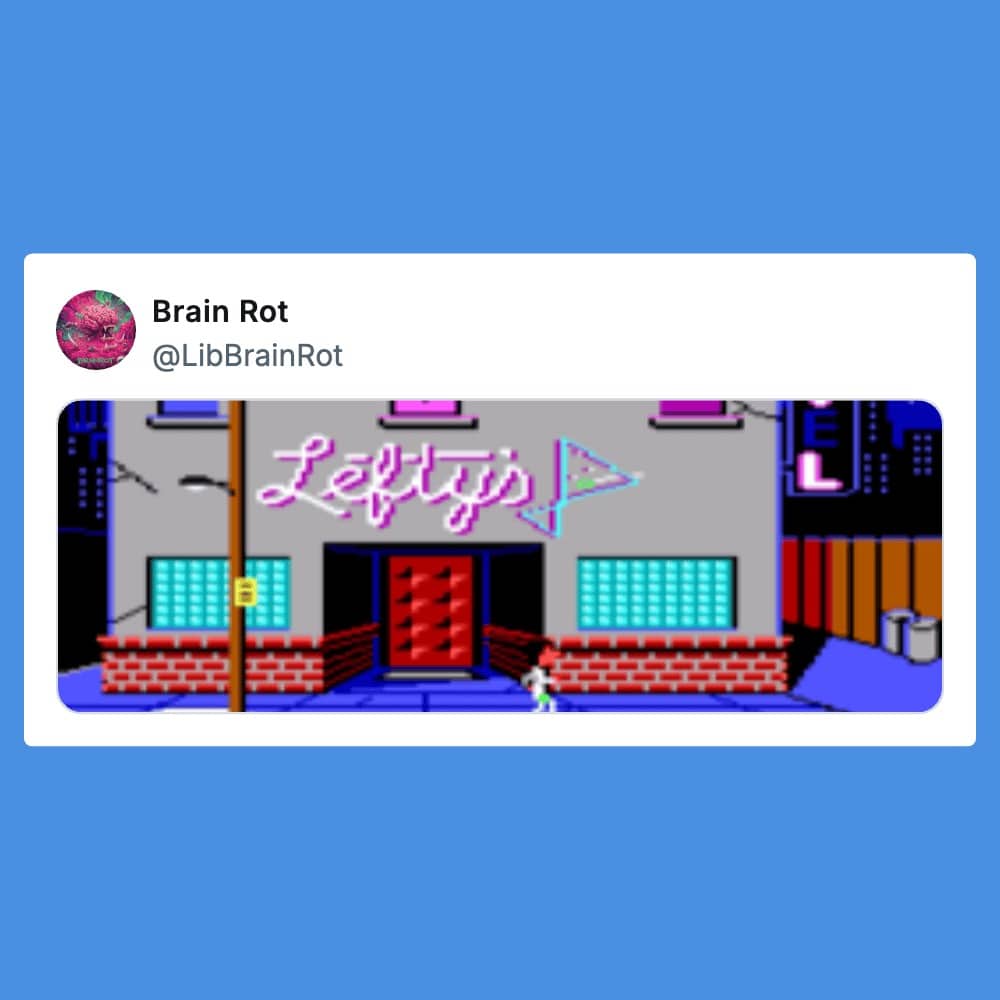
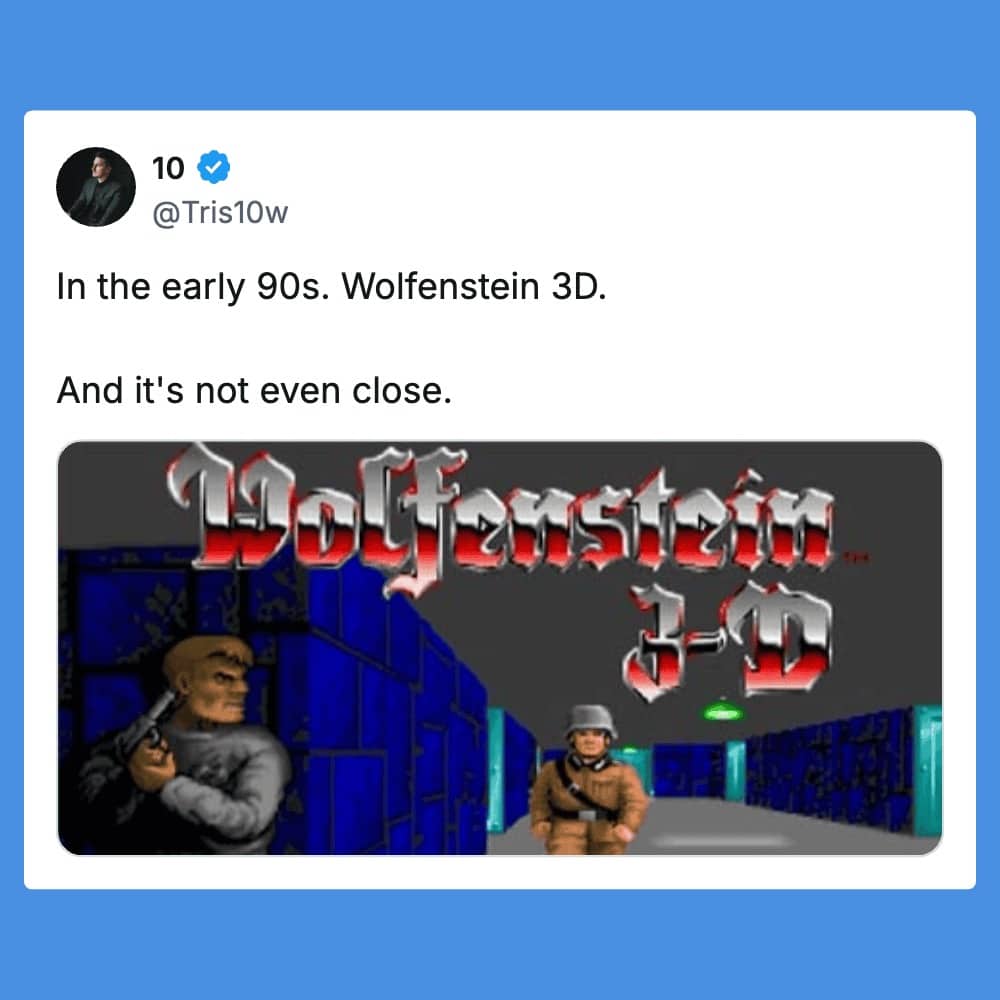
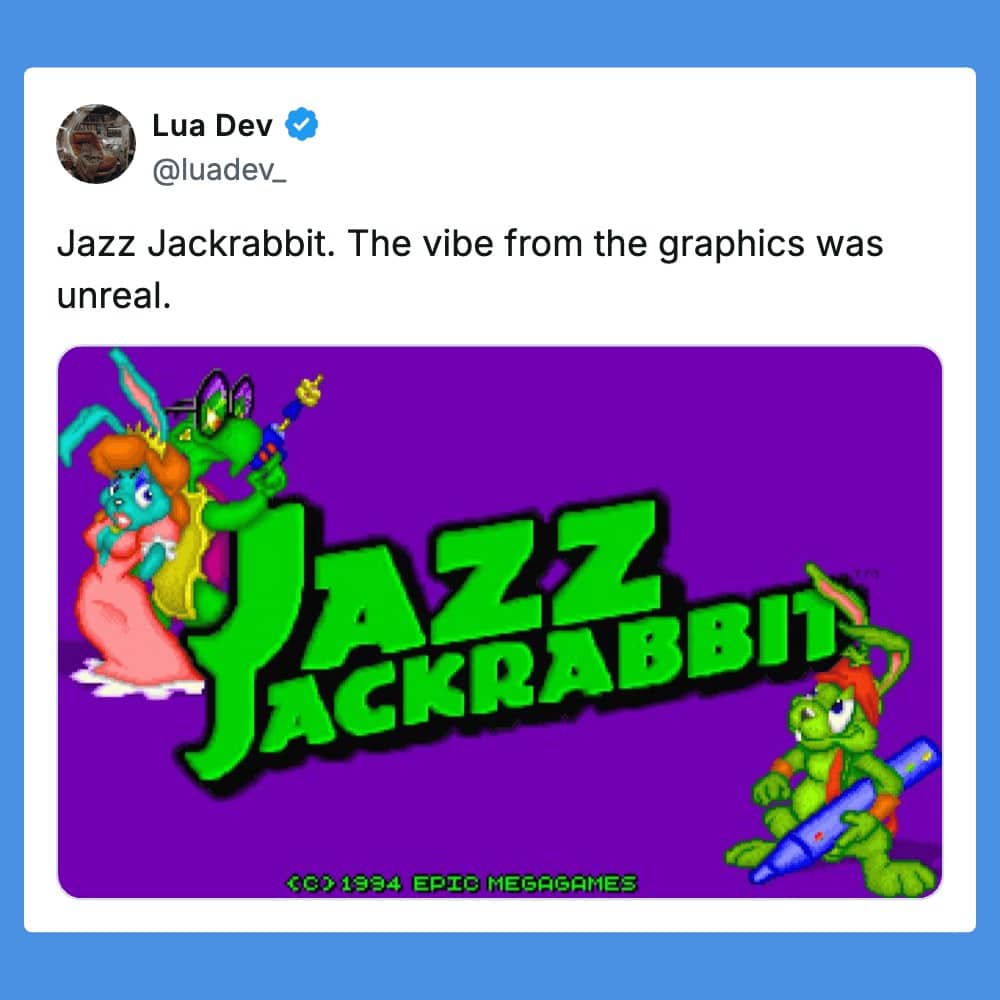




Best video games of the 90s
Read More
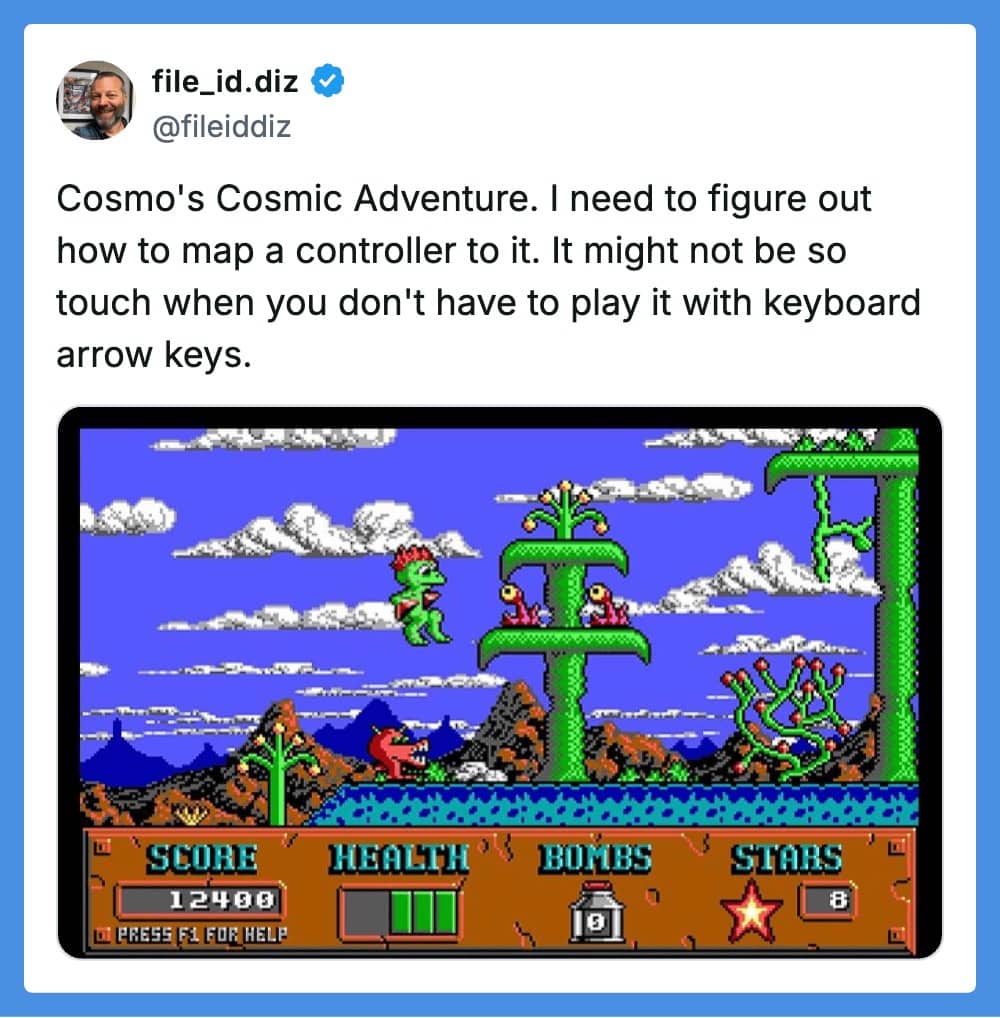
Classic PC games from this era had something that most modern titles don’t, which is friction – the productive kind. You couldn’t look up a walkthrough mid-level without leaving the computer. You couldn’t patch a frustrating mechanic after launch. You couldn’t restart from an autosave thirty seconds back; you restarted from the beginning of the level, or from the save file you made before the decision that cost you everything, and you learned the game the hard way because the hard way was the only way. Commandos: Behind Enemy Lines was patience training disguised as entertainment. Command and Conquer built base-management instincts that transfer more cleanly to project management than anything a business school course has attempted. The friction was the education, and we absorbed it willingly because the alternative was staring at a wall, and the shareware demo of Cosmo’s Cosmic Adventure was right there on the floppy disk.
90s PC gaming nostalgia tends to concentrate around two categories of experience that were specific to the era and have not been fully replicated since. The first is the shareware model – the partial game, distributed on a floppy disk or a CD bundled with a magazine or a computer itself, that gave you the first episode for free and then stopped at exactly the moment the game had successfully colonized your entire free time. Cosmo’s Cosmic Adventure level one was played by a generation of children four hundred times because nobody could get past that moment without the full game, and the full game cost actual money, and the actual money required a parent who had been convinced over an extended campaign. The second is the boxed CD-ROM – the physical object with the cardboard the size of an encyclopedia, the manual that was itself a small book, the installation process that took forty-five minutes and required six disc swaps. These were not inconveniences. They were rituals, and they gave the games a weight that digital downloads have never quite achieved.
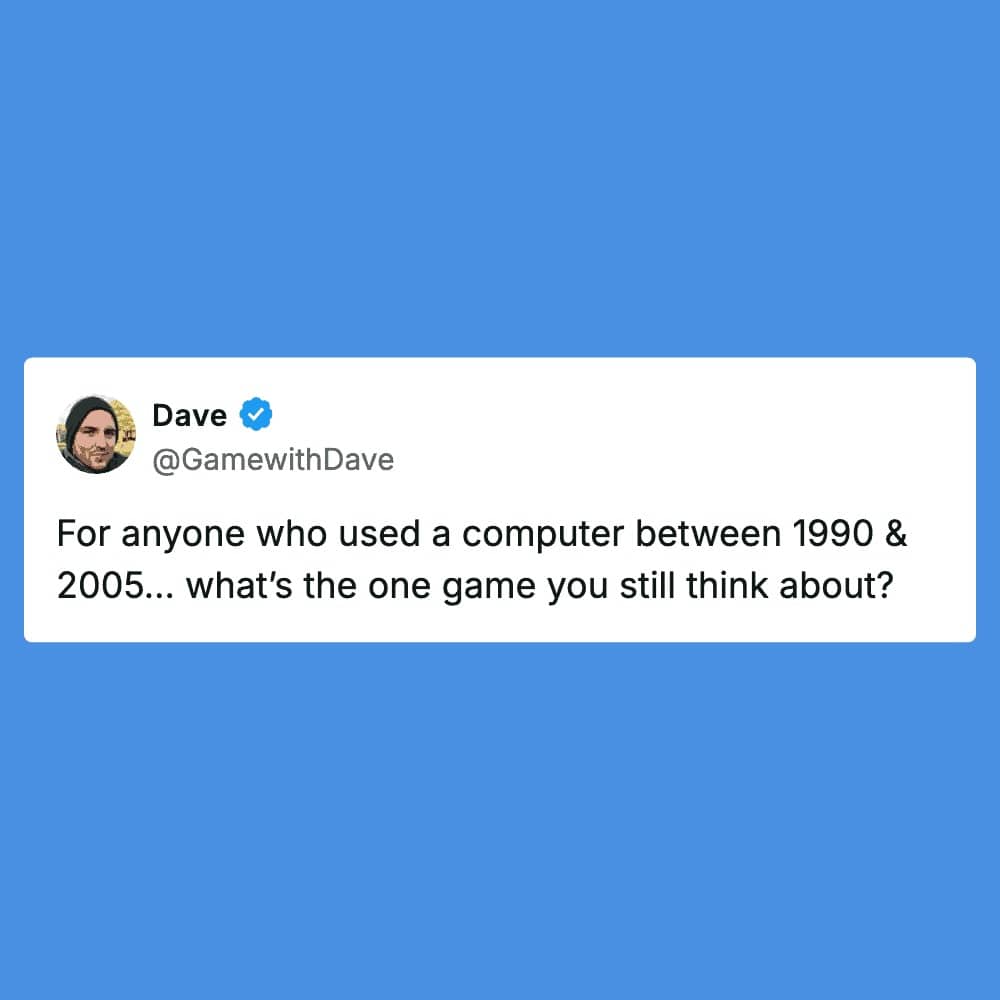
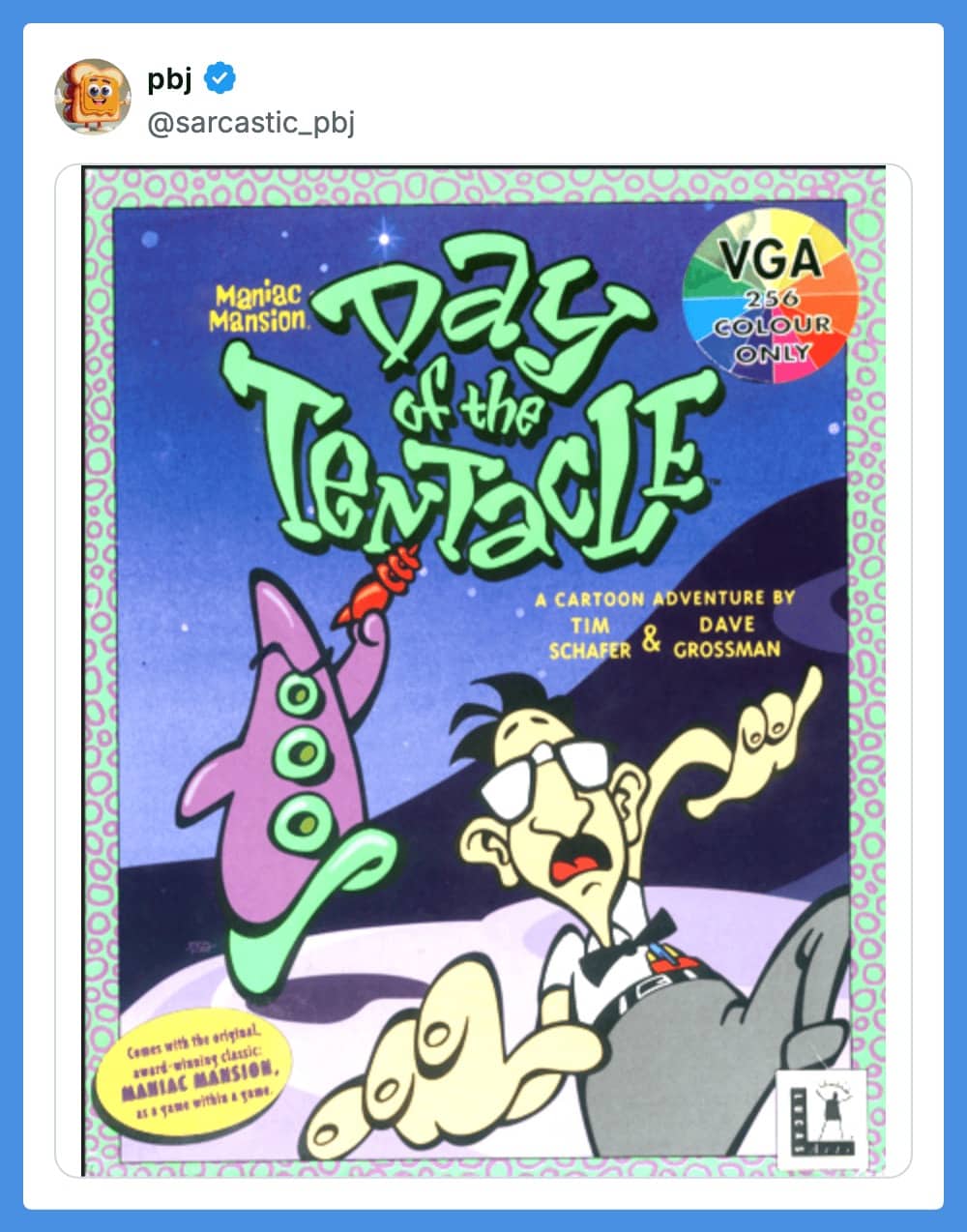
Retro video game memories from this era are also, quietly, a record of what the medium was willing to attempt before the market was large enough to demand safety. Earthworm Jim is a worm in a supersuit, and someone pitched that, and someone funded it, and it became a franchise, and if you pitched that today the meeting would end differently. Day of the Tentacle is a time-travel puzzle game where a sentient purple tentacle wants to conquer the world and Trent Reznor did the Quake II soundtrack and those two facts exist in the same decade and that decade was simply doing something different. The 90s gaming era was weird in a way that produced memorable art, and the thread that this gallery documents – the replies from people who still think about these games, decades later, unprompted — is the evidence that the weirdness landed and stayed.
If this gallery has sent you looking for an emulator or a Steam sale, 90s game nostalgia is a well-documented and continuously growing category where the “games that built a personality” thesis has been argued extensively and the evidence keeps accumulating. Retro gaming content broadly belongs right beside it for the full archive of everything the era produced that holds up and the few things that don’t. And for anyone whose internal response to “you must construct additional pylons” was a full-body Pavlovian reaction, RTS game nostalgia is a companion space where the StarCraft and Age of Empires communities are still active, still arguing, and still occasionally losing to a 12-year-old somewhere on the internet.
Read Memes
Get Paid


Michael Hartley, or just "Mike," is an editor and seasoned meme historian whose articles have traced the evolution of meme humor from early Impact-font classics to today’s TikTok sensations. With nearly a decade spent as senior editor at ViralHype and as a regular contributor to Cheezburger, Mike has dissected the rise of meme legends such as Bad Luck Brian, Success Kid, and Doge. When he's not hunting down meme gold for Thunder Dungeon, Mike teaches workshops on meme marketing and the psychology behind shareable content.