
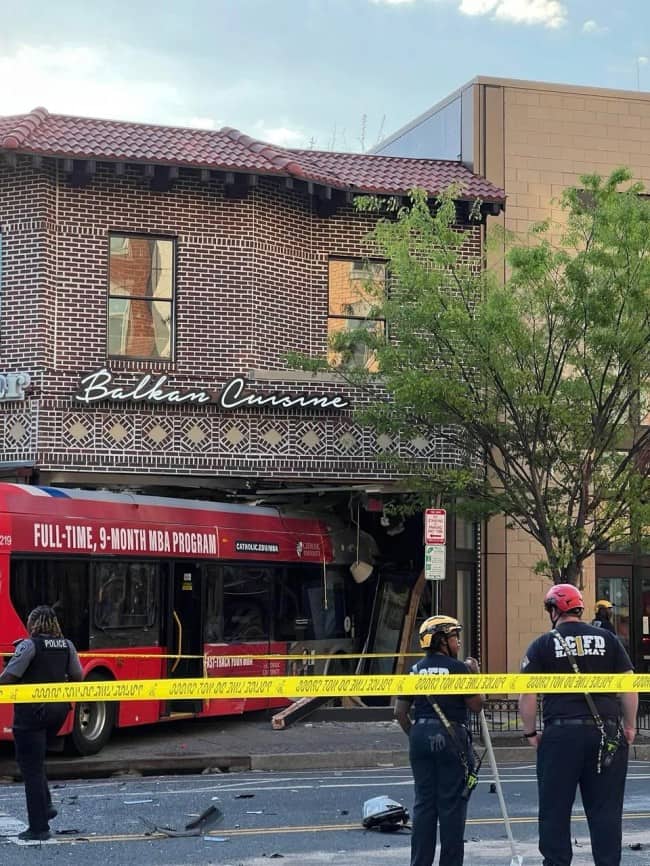
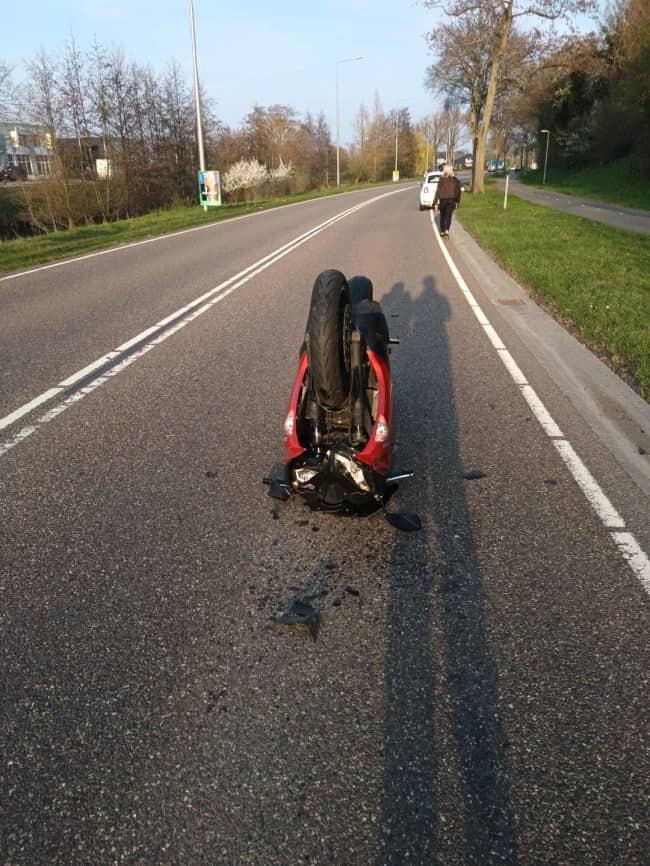
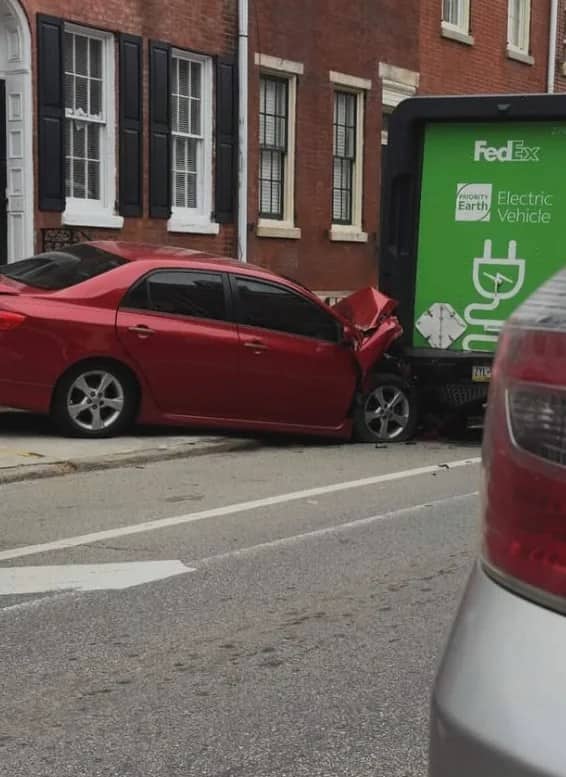
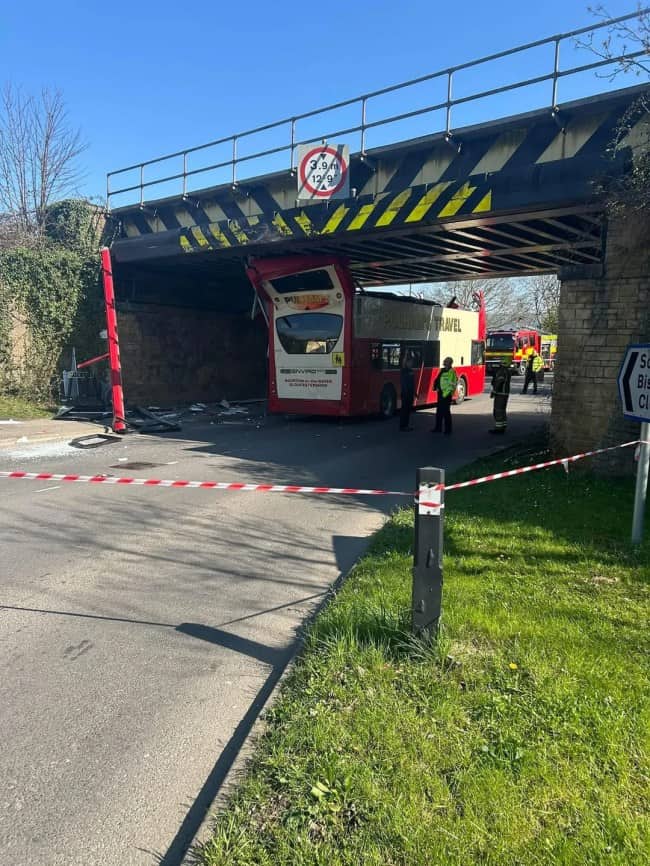
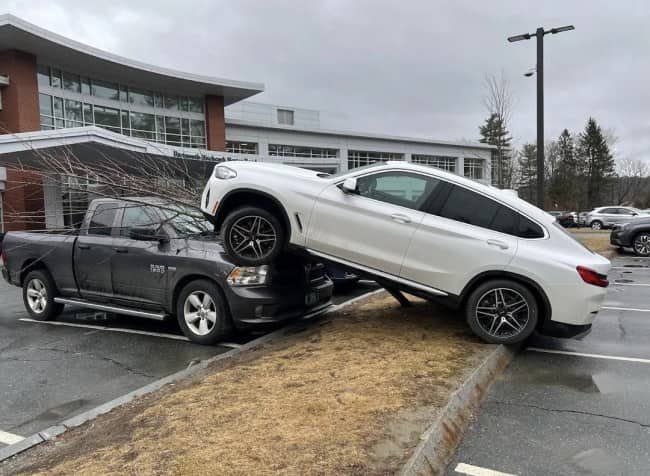
Physics is not negotiable. The road does not care about confidence, about running slightly late, or about the internal reasoning that led someone to believe that an indoor staircase was a plausible route to street level. What physics offers is a consistent, impartial application of consequence, and what this gallery documents is twenty-four instances of that consequence being delivered in a variety of creative locations — including a Chevron forecourt, a Balkan restaurant, a Dutch canal system, and a lamp post that now has a car on top of it at an orientation the manufacturer did not design for. These are not fender-benders. These are events with their own internal logic, and that logic, in every case, ends with someone calling a tow truck from a place a tow truck has not previously been called from.
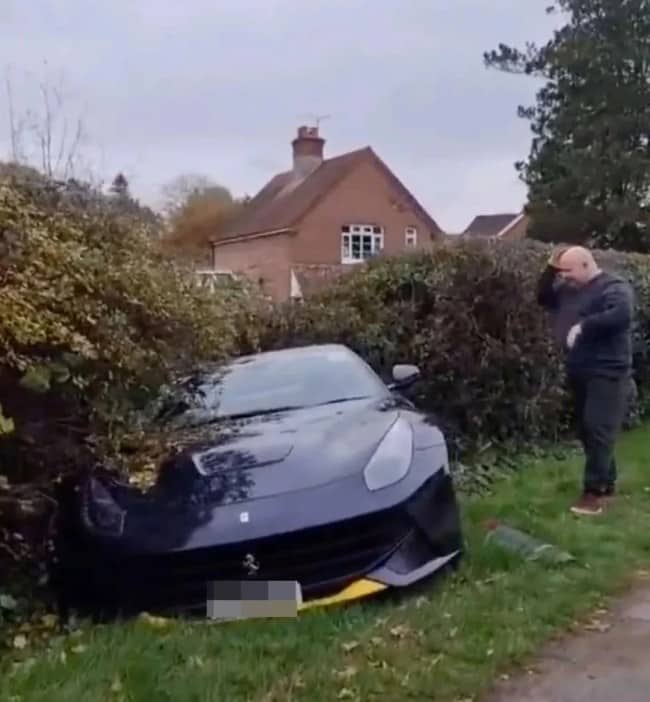
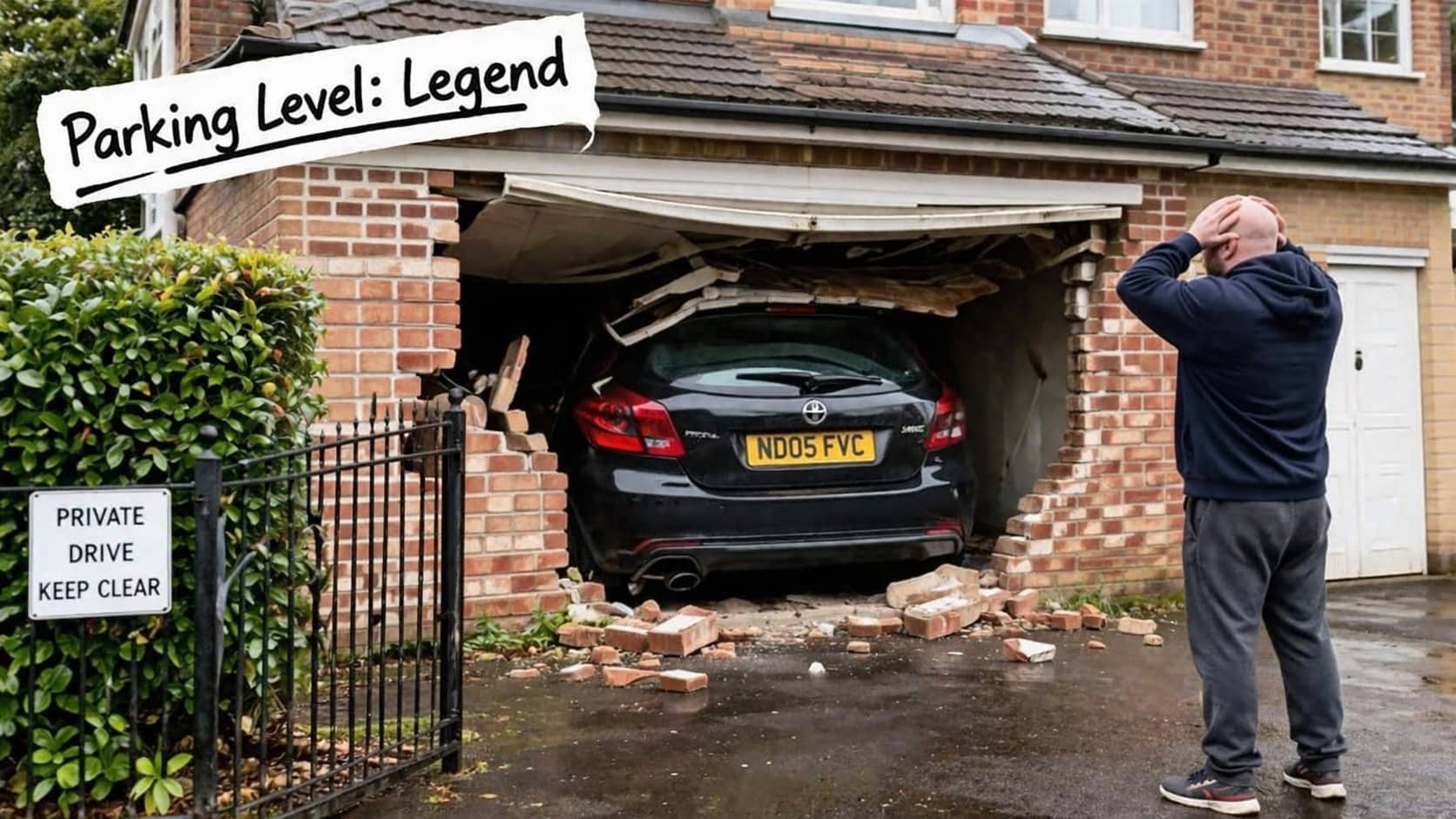
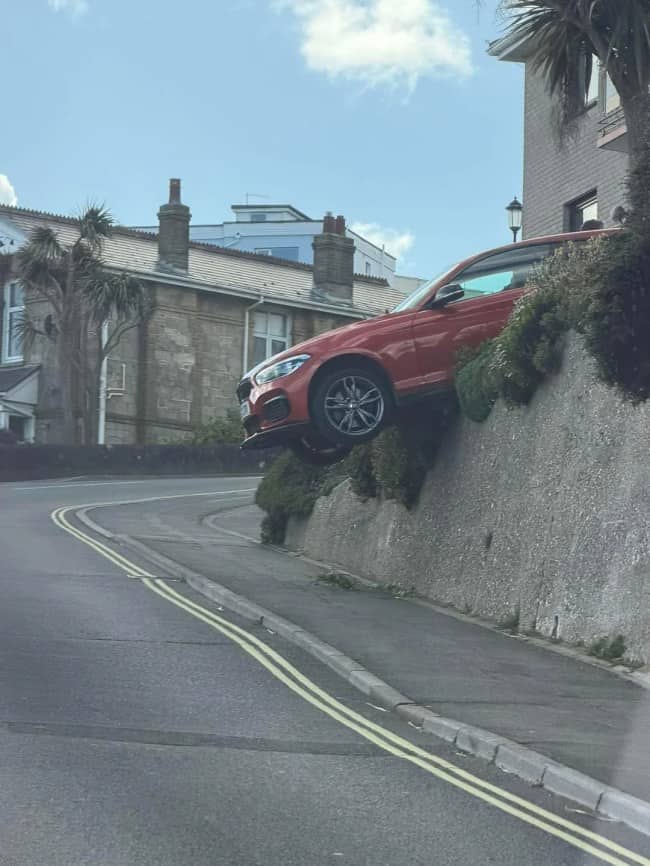
The hedge won. The hedge always wins.
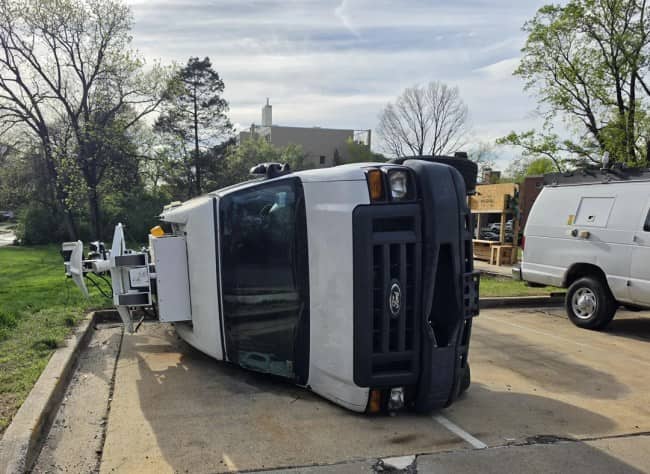
Technically still parked within the lines.
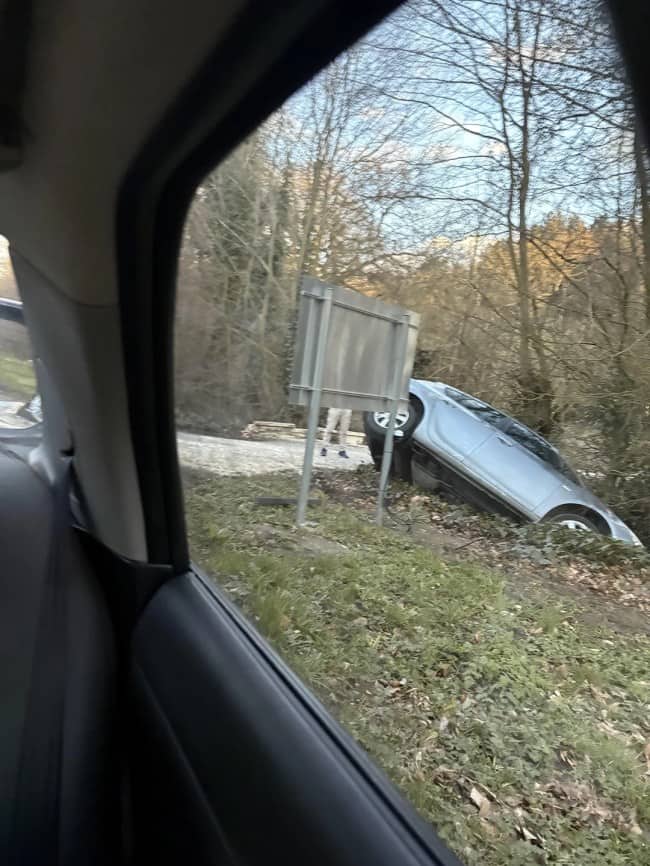
The sign was right there. Presumably indicating something relevant.
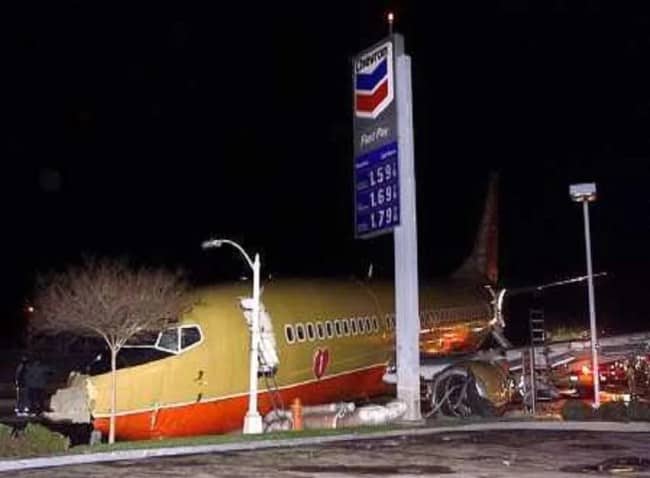
She needed gas. She overshot the pump a little.
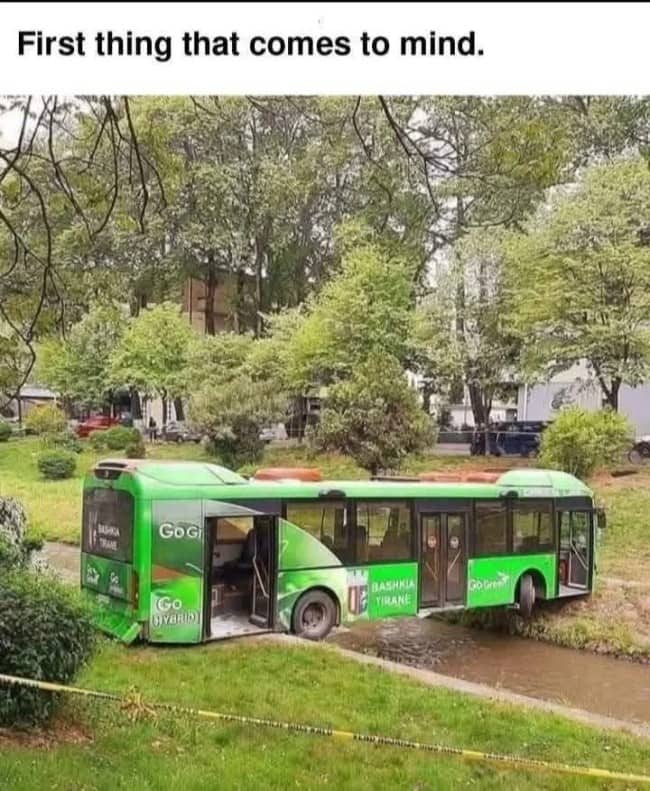
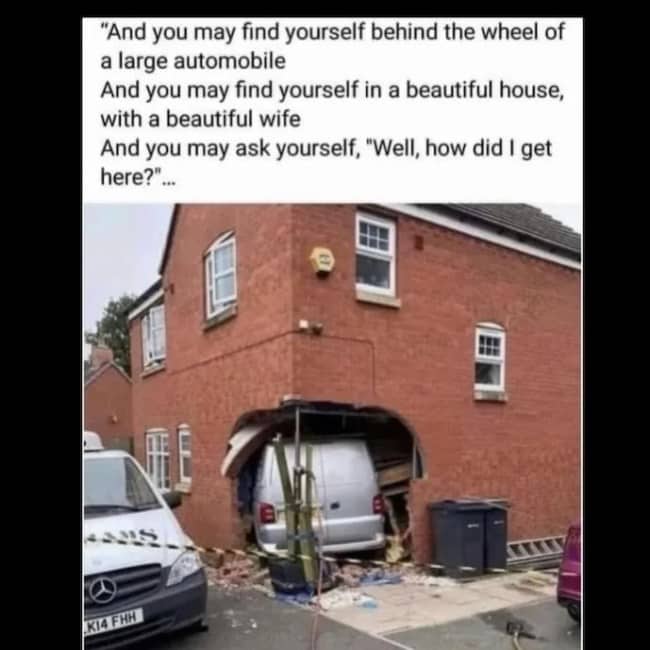
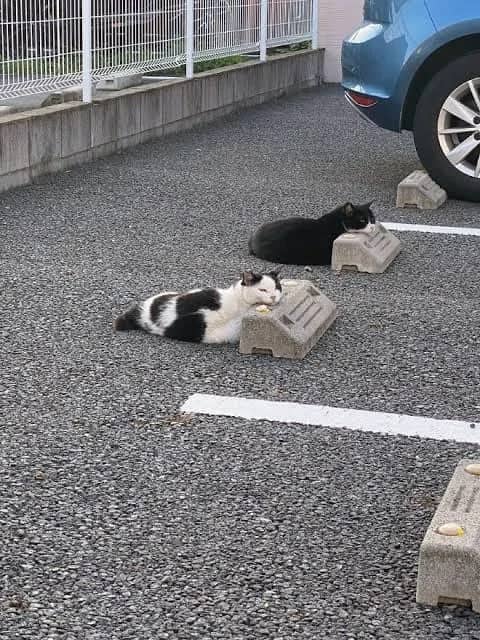
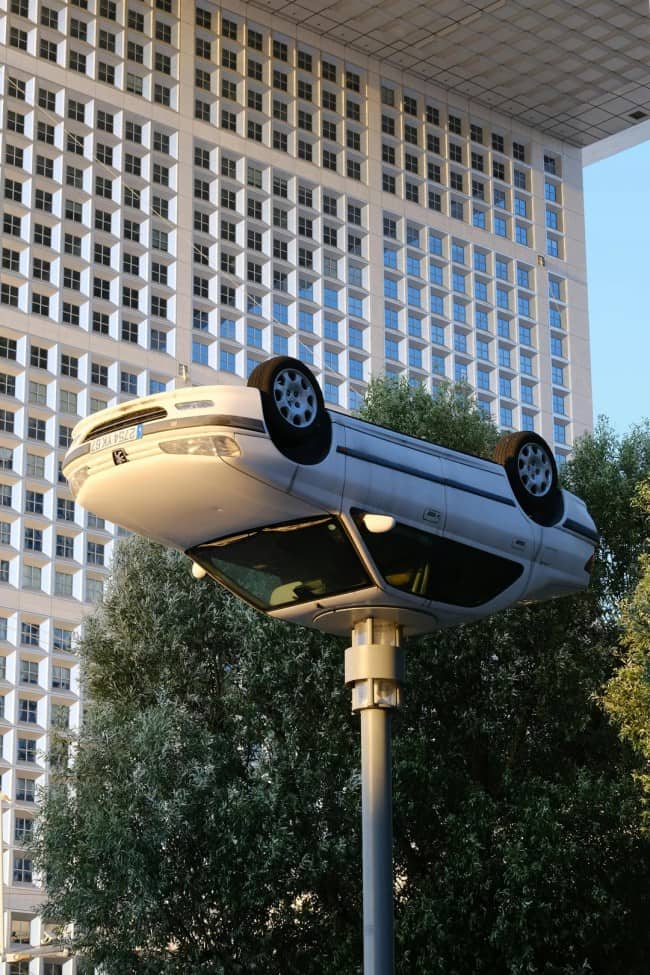
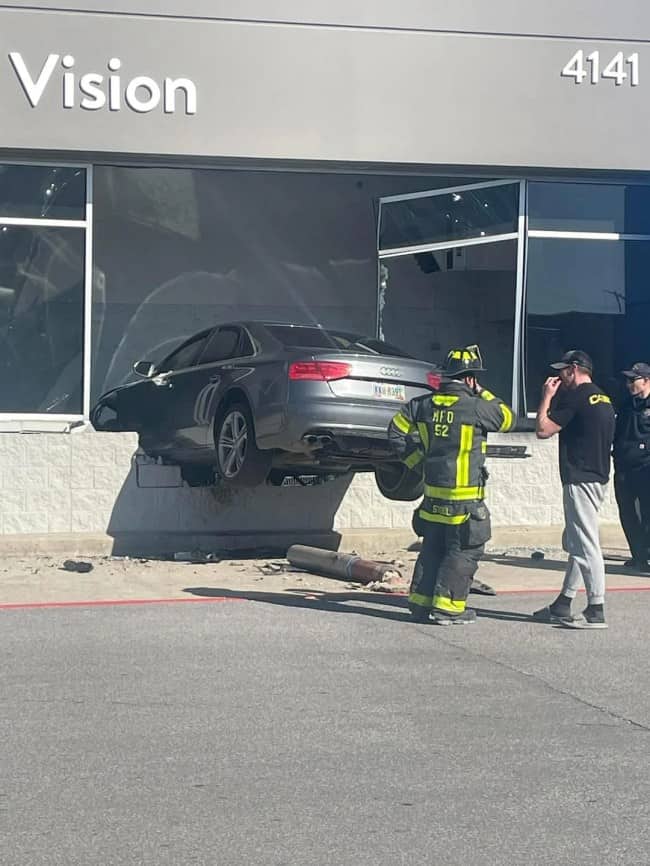
The building is called Vision. The driver did not have it.
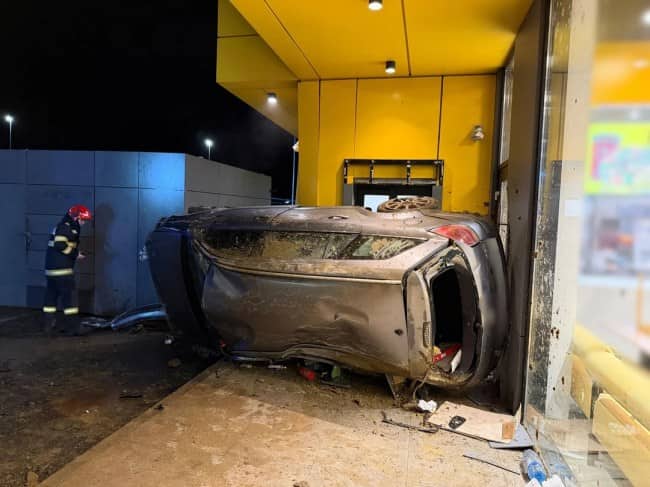
Wanted drive-through. Got drive-in. Important distinction.
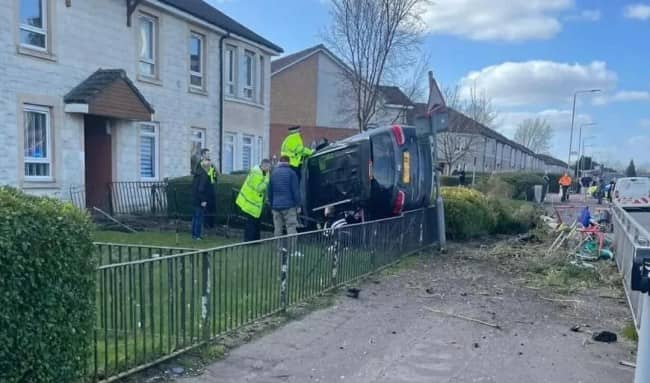
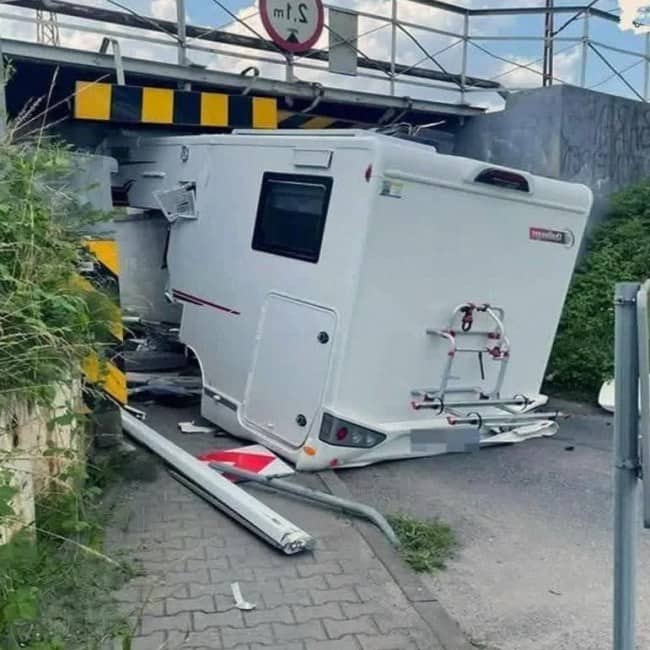
The sign was right there. Presumably indicating something relevant.
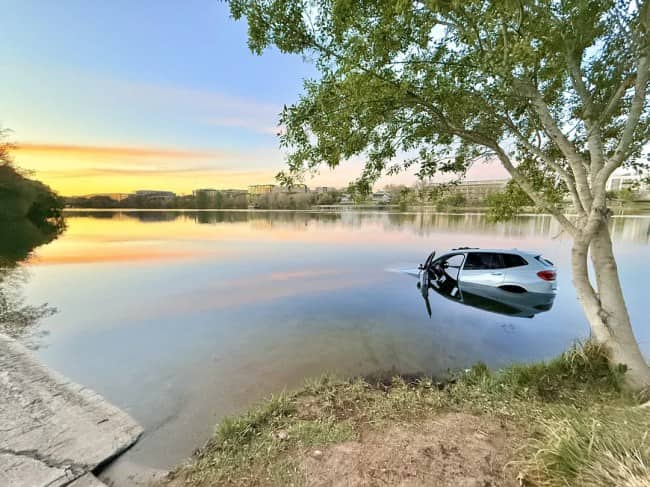
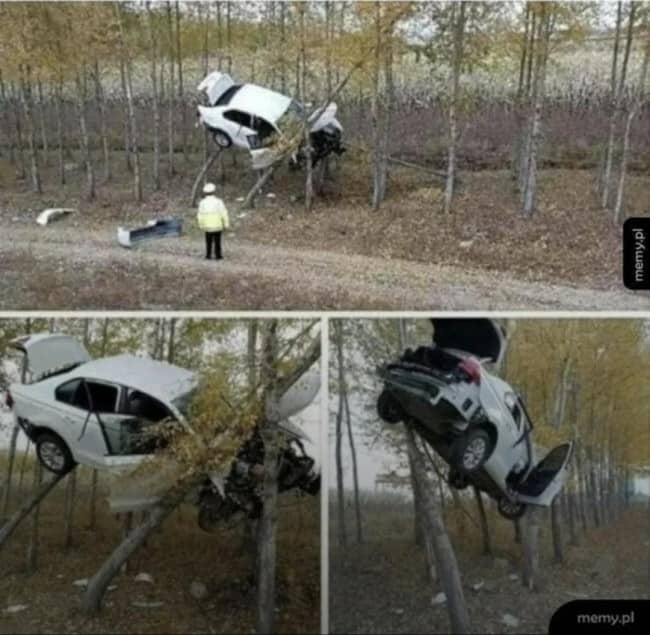

Funny car accidents
Read More
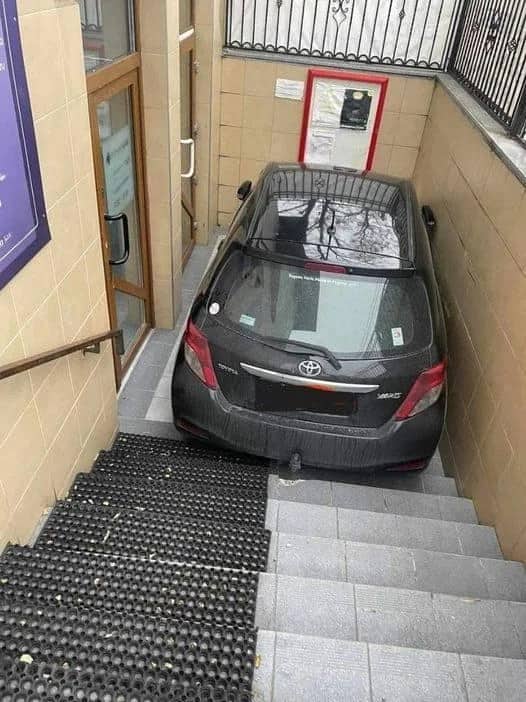
Spectacular parking fails occupy a specific cultural space that road accident humor more broadly does not, because parking is the one vehicular activity that occurs at low speed with full deliberateness. The person who drove a Yaris down an indoor staircase did not do so suddenly or without a decision point. There was a turn. There was a decision. The staircase was chosen. The spectacular car crash is, in many cases, an act of committed momentum: at some point in the sequence, the outcome was still avoidable, and the vehicle continued anyway. This is the detail that distinguishes the cars in this gallery from ordinary automotive misfortune. They went somewhere. They committed to it.
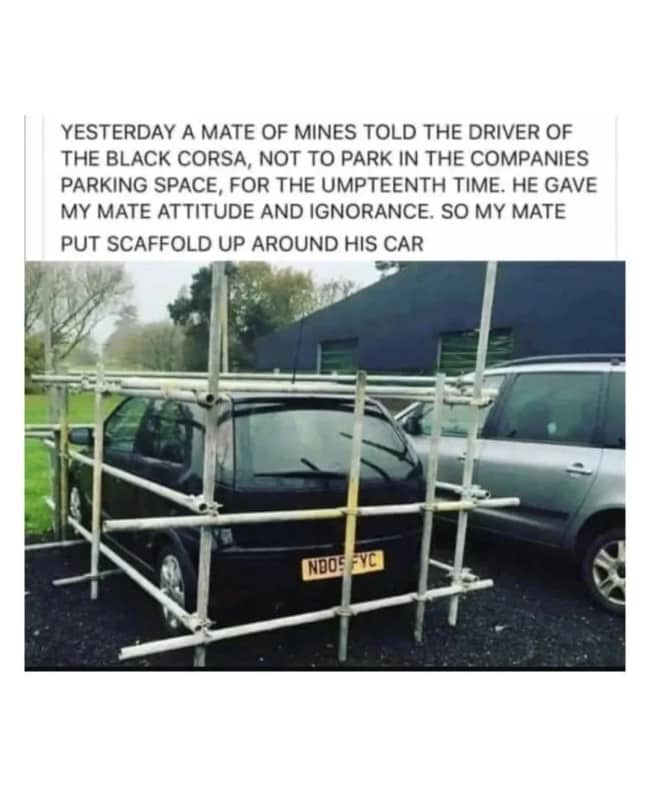
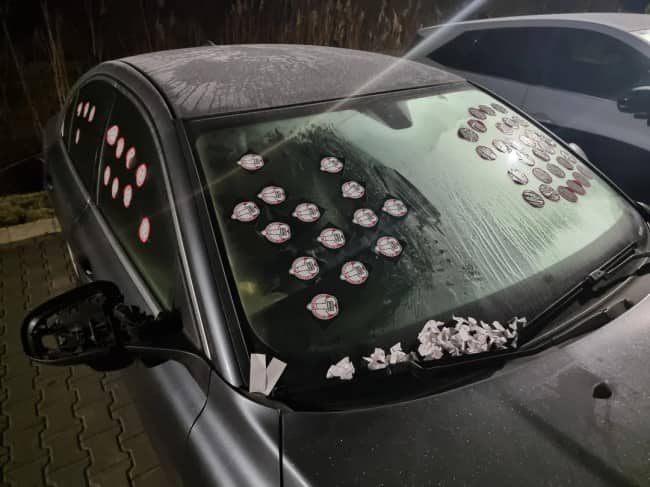
What the parking revenge category in this gallery reveals is that the social contract around parking is real, is deeply felt, and has a threshold beyond which people will build scaffolding. The Corsa owner had been warned. The warning was not heeded. The scaffolding arrived. This is, structurally, how most significant human interventions operate: a period of tolerance, a stated preference, a disregard of the preference, and then something permanent and load-bearing around the perimeter of the original offense. The pizza sticker car represents the same energy applied with a different material budget. Thirty stickers. Someone had thirty stickers and a plan and enough time to execute the plan completely. The parking job that prompted this response was probably a thirty-second offense. The response will be there when the car comes back.
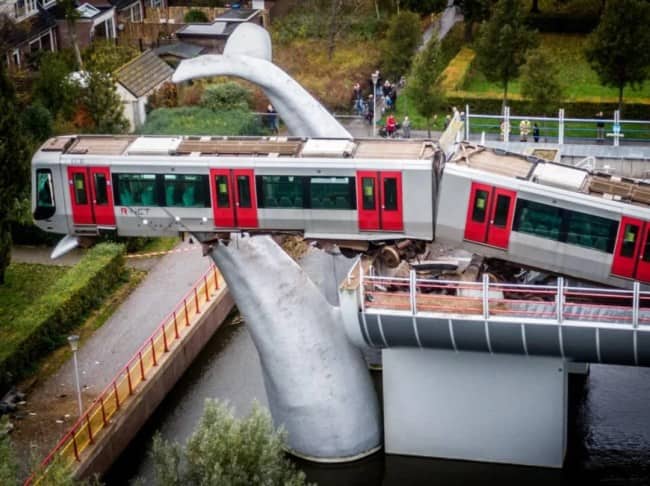
The whale tail is the gallery’s defining image because it represents a collision between infrastructure that was designed to be decorative and a situation that required it to be structural, and the whale tail rose to the occasion without being asked. The Dutch metro train departed its track at the end of an elevated line and was caught by a sculpture installed below it. Nobody designed the whale tail to be a train stop. The whale tail simply was there, at the right height, at the right moment, and the physics of the situation distributed its consequences accordingly. That is not luck. That is geometry. That is also the most elegant ending a metro malfunction has ever had, and the city of Spijkenisse should send the sculptor a note.
If this gallery has recalibrated your relationship with parking decisions, car fail content is a well-populated and continuously updated category where the consequences range from mild to architectural. Road fail videos and photos belong right beside it for the full spectrum of vehicular decision-making as it plays out in real time. And for anyone who found the scaffolding most satisfying, parking revenge content is a companion space where the proportionality of the response varies considerably and the documentation is always thorough.
Read Memes
Get Paid


Jake Parker, known around the web as "Jay," is a digital writer with over 10 years of experience covering internet humor, meme trends, and viral content. Before joining Thunder Dungeon, Jay was the lead editor at MemeWire, where he helped curate memes that broke the internet, including coverage on trends like Distracted Boyfriend, Kombucha Girl, and Bernie Sanders’ Mittens. A self-proclaimed "professional procrastinator," Jay spends his downtime scrolling Reddit and Twitter to stay ahead of what's about to break the internet next.