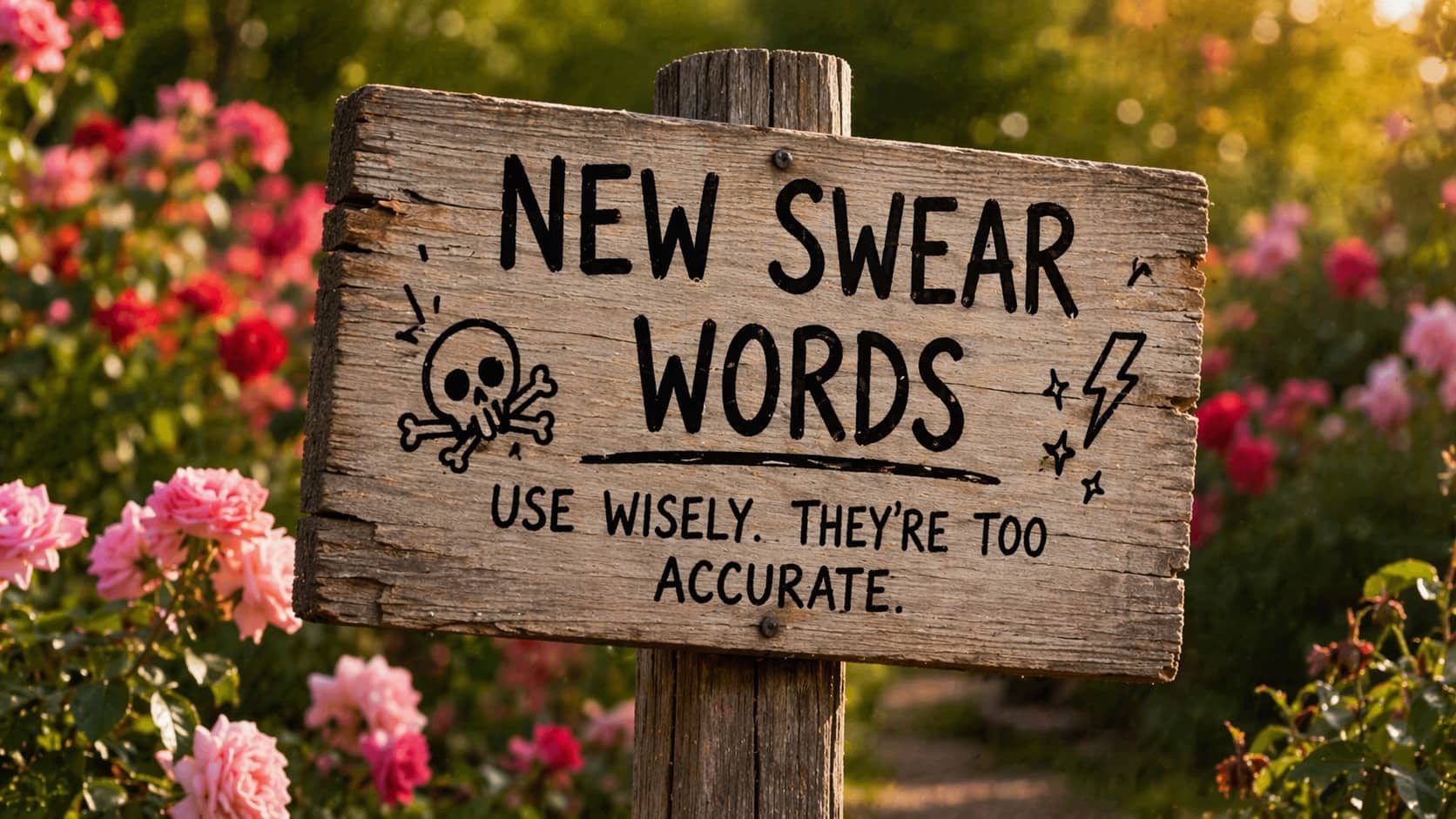

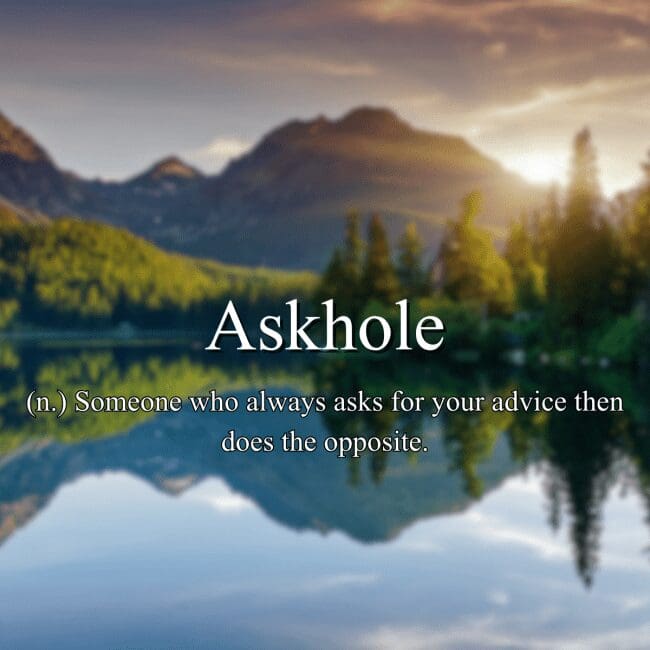
The English language has a long tradition of creative profanity. What it has historically lacked is precision. Standard swear words communicate intensity without specificity, which is fine for general use but insufficient for the situations that most require naming. A person who asks for advice, receives it, and then proceeds to do exactly what they were advised against is not simply annoying. They are an Askhole. The condition is documented. The definition is clear. The mountain lake in the background is doing everything it can to provide calm. It is not succeeding.
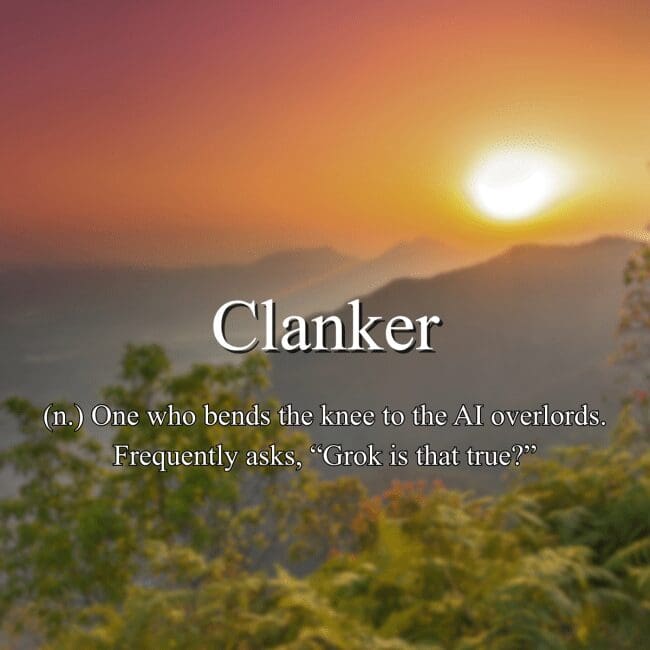
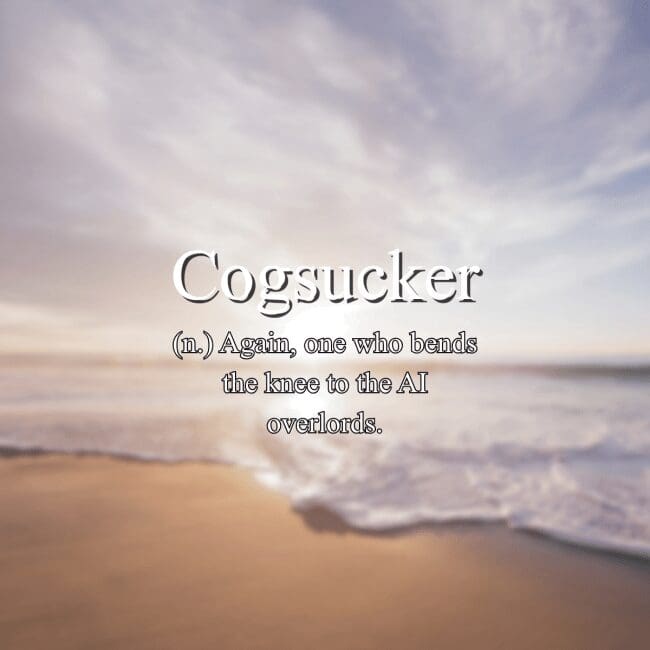
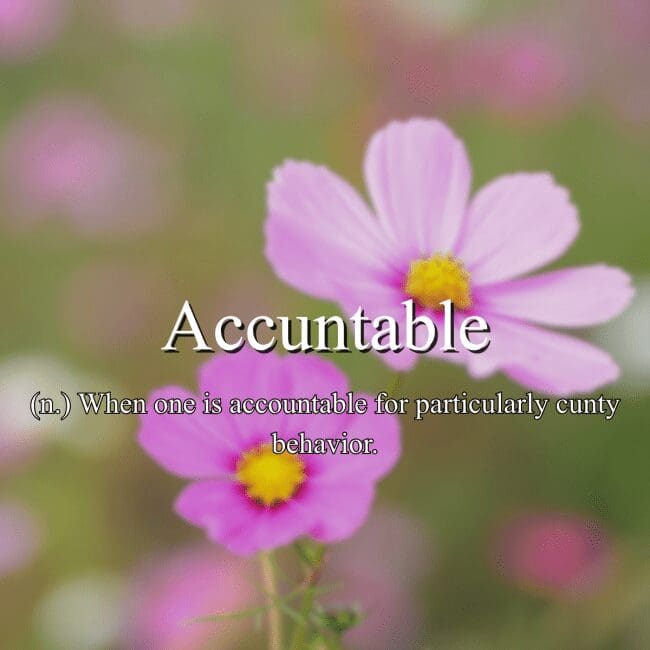
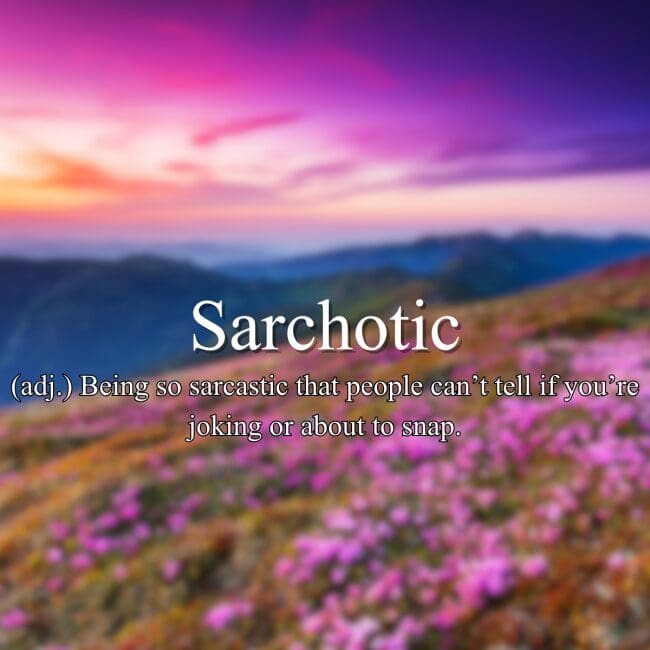
ou've met this person. You ARE this person
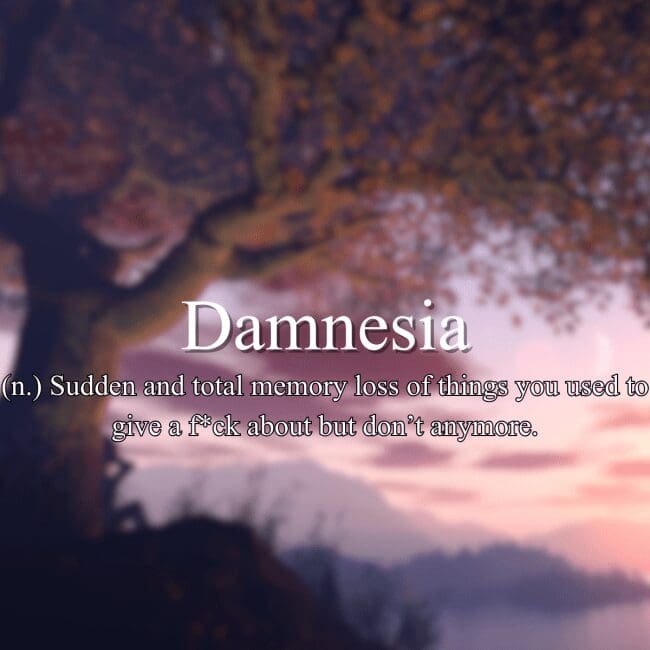
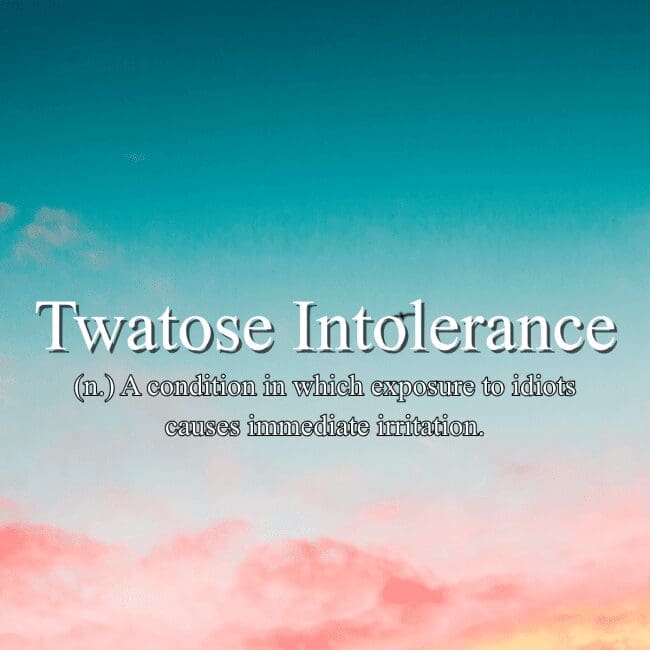
Finally. A diagnosis. A condition name. Something to put on the medical form when the doctor asks why your blood pressure is up.
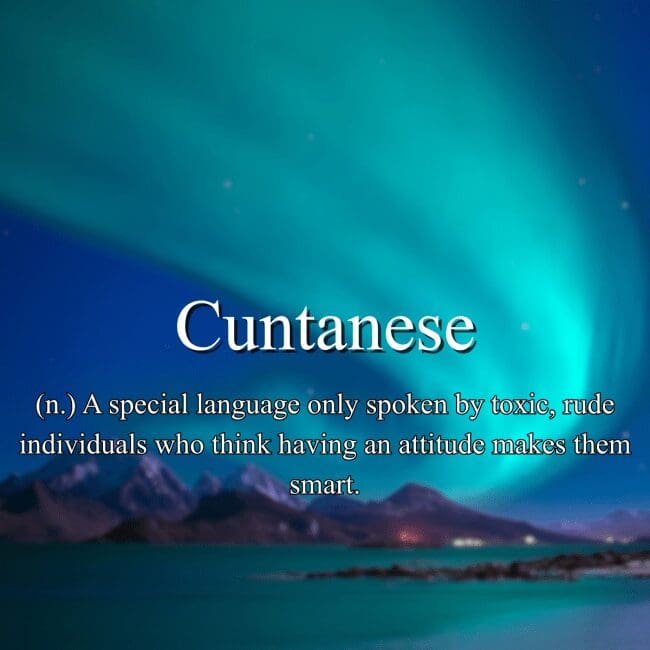
New swear words
Read More
Language has always evolved to fill the gaps that experience creates, and the gap between “there is a word for this feeling” and “there isn’t” is one of the most quietly maddening places a person can stand. The Romans had vocabulary for civic shame. The Germans have a word for the pride you feel in someone else’s achievement. English, a language that has absorbed approximately half the words that have ever existed, still does not have an official term for the person who solicits your input, nods thoughtfully, and then does the exact opposite of what you said. Funny made-up words are the informal repair operation running on the side of the dictionary, patching the gaps with the urgency of someone who needed the word yesterday.
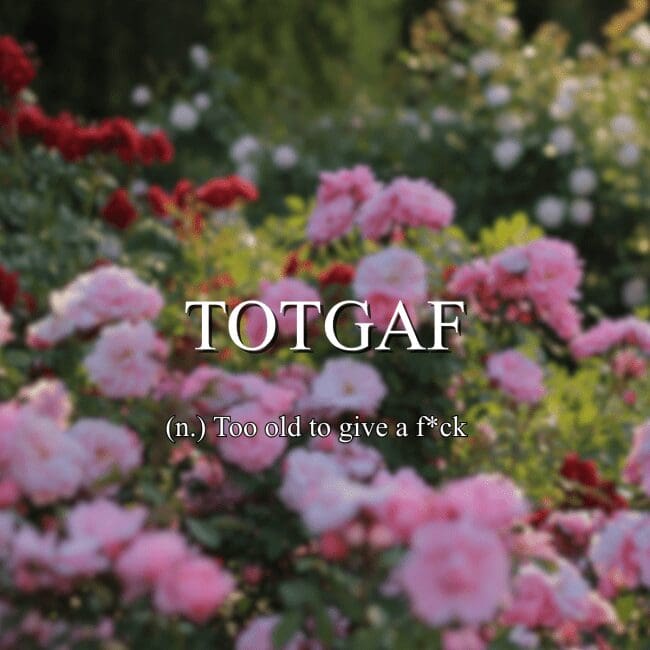
What distinguishes the best fake dictionary definitions from ordinary insults is the format. The format implies authority. It implies research, etymology, a citation date. It presents the word as though it were discovered rather than invented, and that presentation is the engine of the joke, because the experiences being named feel exactly like that: like something that has always existed and simply lacked documentation until now. Creative insults in this register are not designed to wound. They are designed to name, and naming is the thing that people who have been living with an unnamed experience find most immediately satisfying. TOTGAF is not an insult. It is an aspiration. It is the word for a state that people spend decades trying to achieve and very rarely succeed at describing. The rose garden was always the right backdrop. The rose garden always knew.
If this gallery has provided at least one word you intend to use immediately, funny word inventions and creative vocabulary are a rich companion category where the portmanteau has many colleagues and the fake medical condition has a thriving community of self-diagnosers. Dry humor and sarcasm memes belong right beside them for the broader category of humor that achieves its effect through precision rather than volume. And for anyone who found TOTGAF most resonant, wisdom humor and aging gracefully content is a well-populated space where the rose garden is a recurring image and the diagnosis is always the same.
Read Memes
Get Paid


Katie Rodriguez is a seasoned writer with eight years dedicated to meme commentary, viral internet events, and digital storytelling. Formerly a senior meme analyst at Bored Panda and an occasional guest contributor at Vice's Motherboard, Kat specializes in meme culture’s intersection with social media phenomena—covering trends like Milk Crate Challenge, Area 51 Raid, and Baby Yoda. She’s known for her witty writing style and deep understanding of why certain memes resonate across generations, making her a valuable voice on Thunder Dungeon.