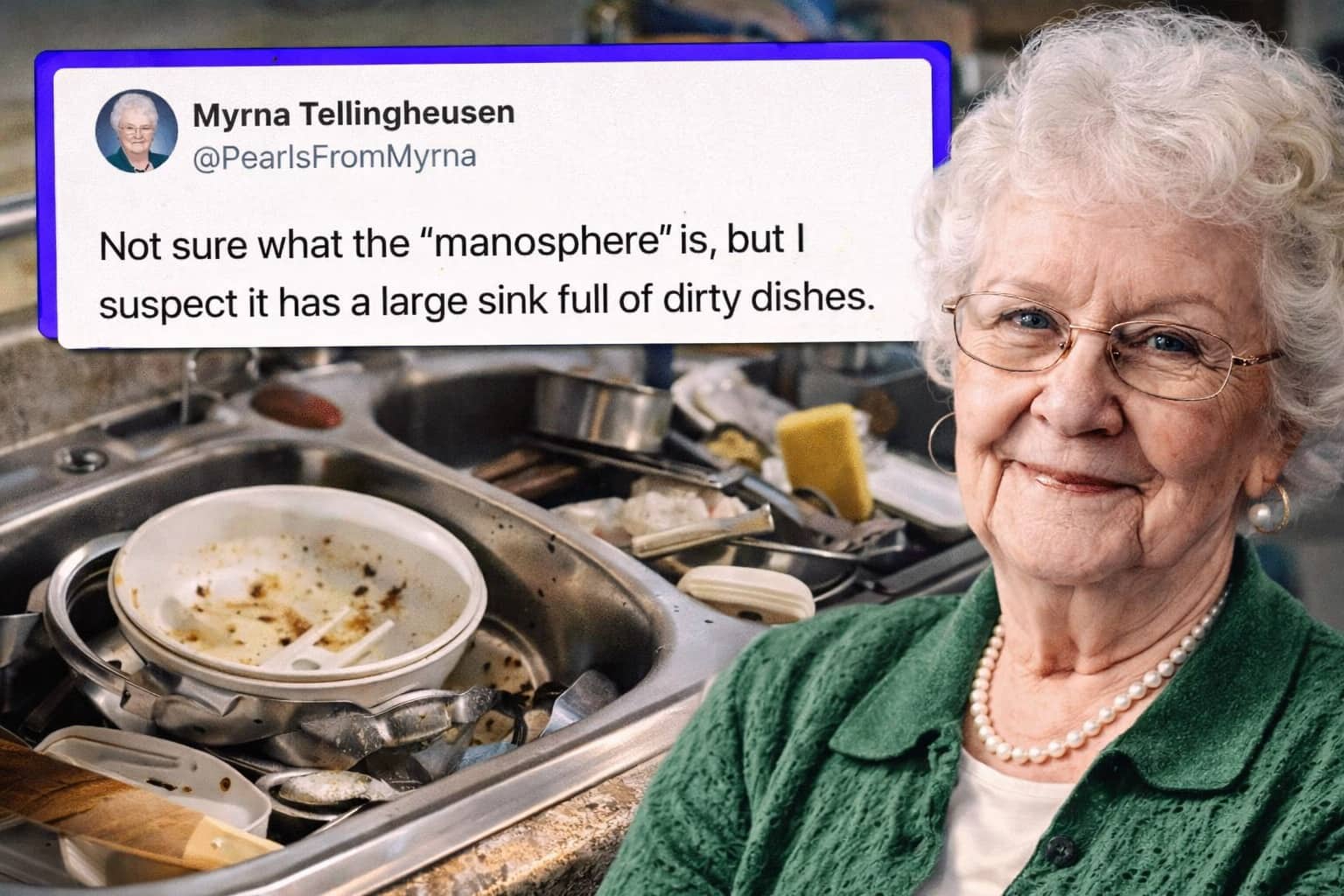

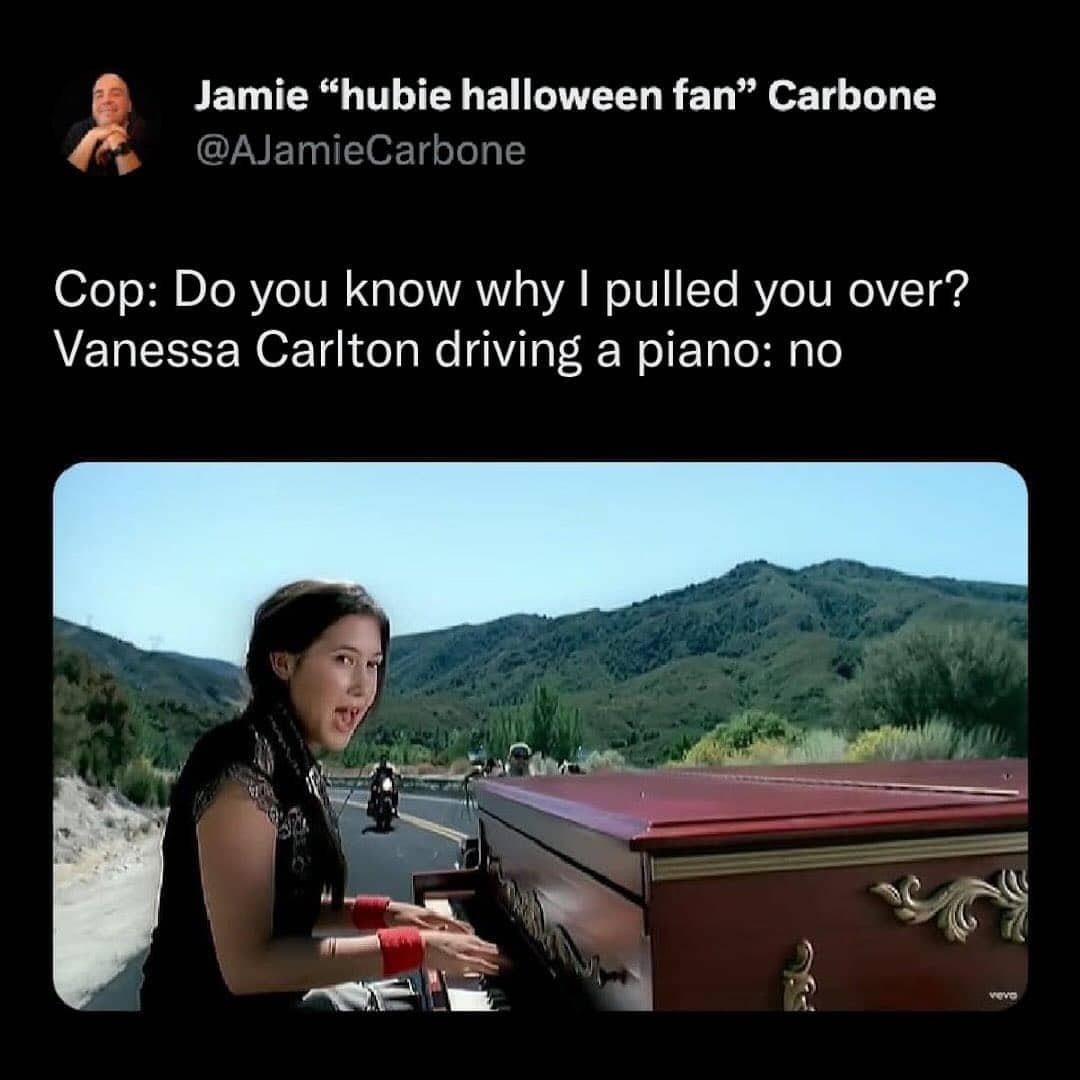
There is a type of person who listens to a song they have heard four hundred times and, on the four hundred and first listen, stops. Something has landed differently. A lyric has revealed itself. A physics question about a music video has surfaced that was always there but has chosen now to become urgent. These people go online. They type the observation. They post it without overthinking the framing, because the framing would only slow down the delivery, and the delivery is the whole thing. Music tweets are the product of this exact process, and the ten images in this gallery represent its finest outputs. From Vanessa Carlton’s driving situation to the genuine welfare concern for Shawty, these are the observations that cannot be unseen and cannot stop being shared.






Music tweets
Read More
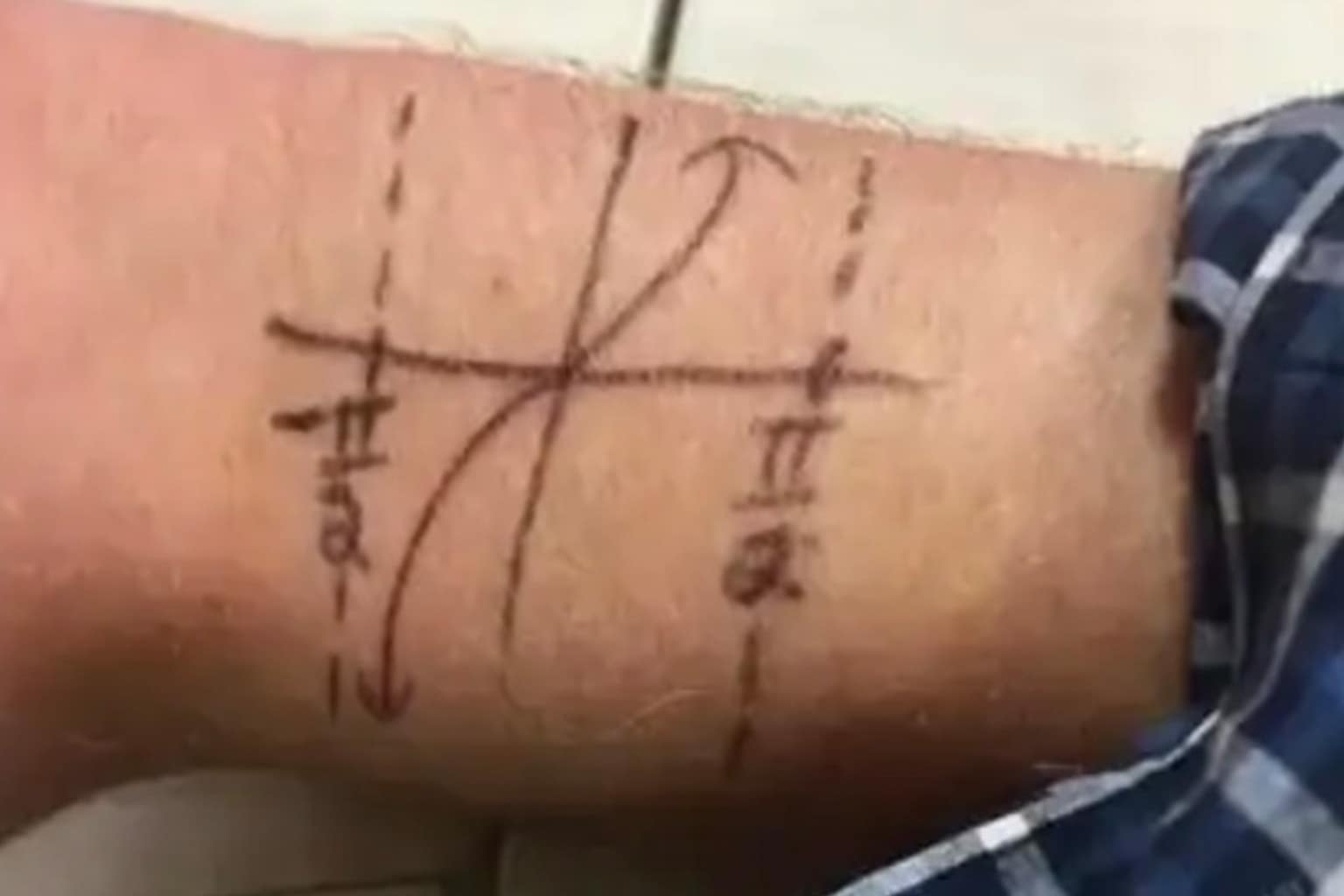
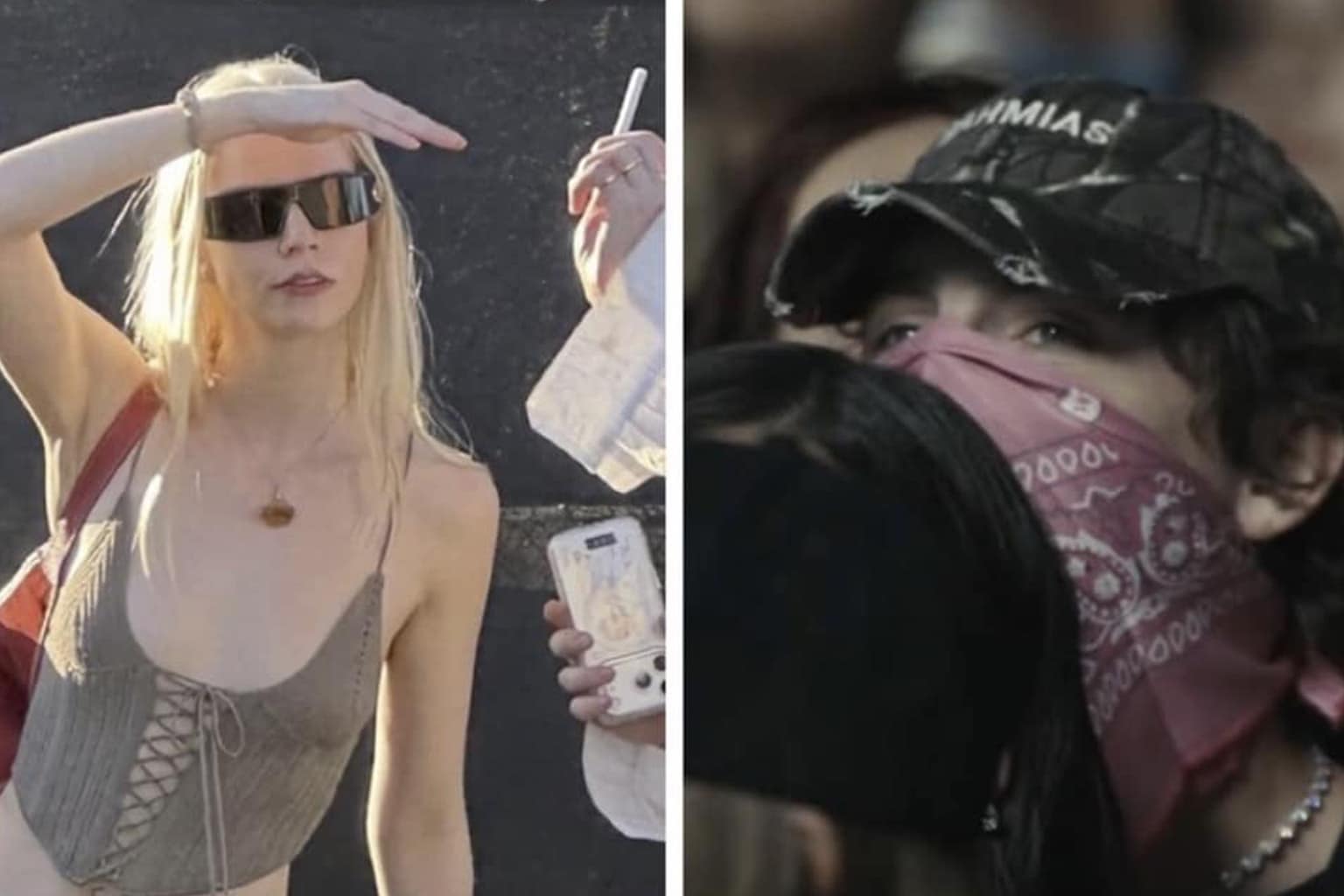
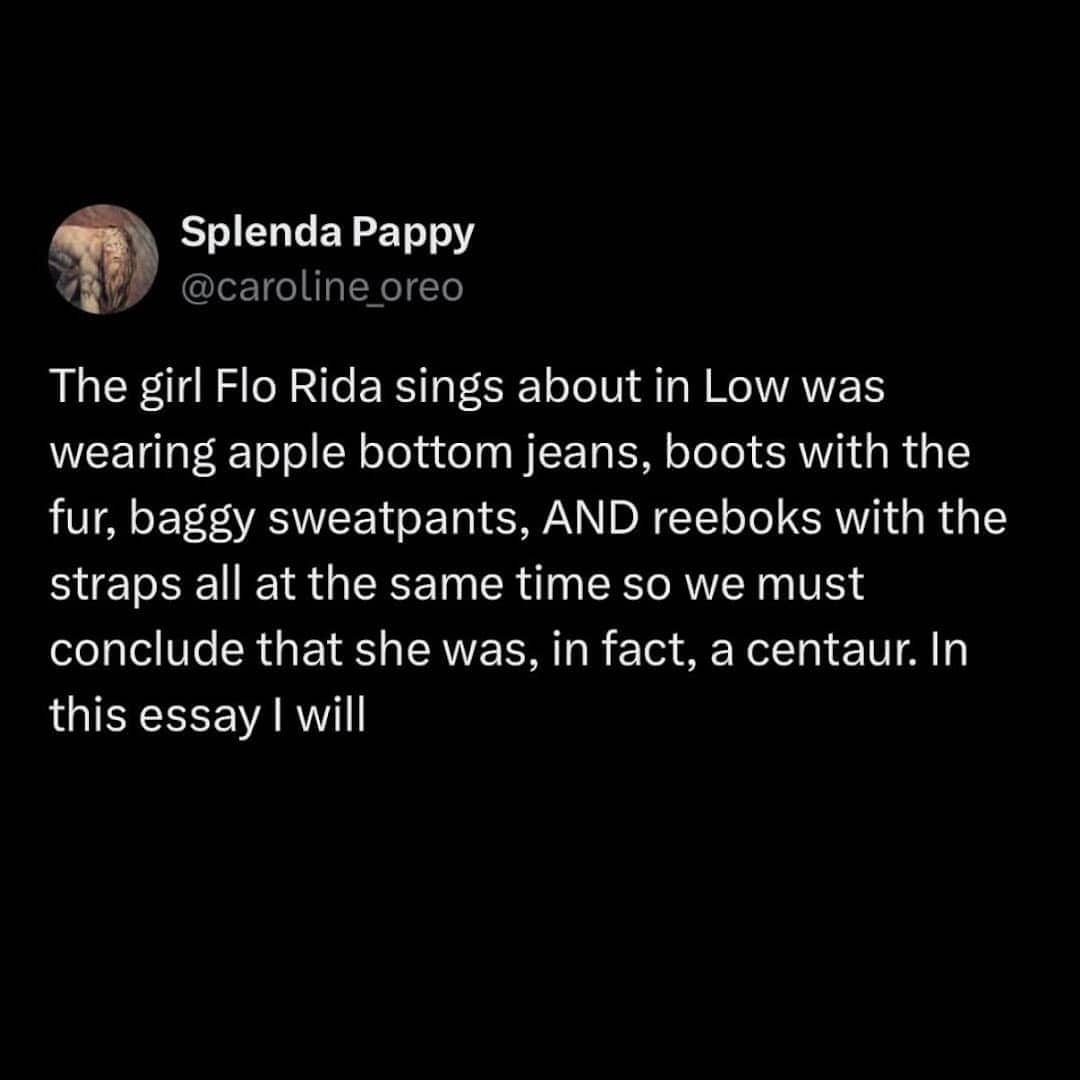
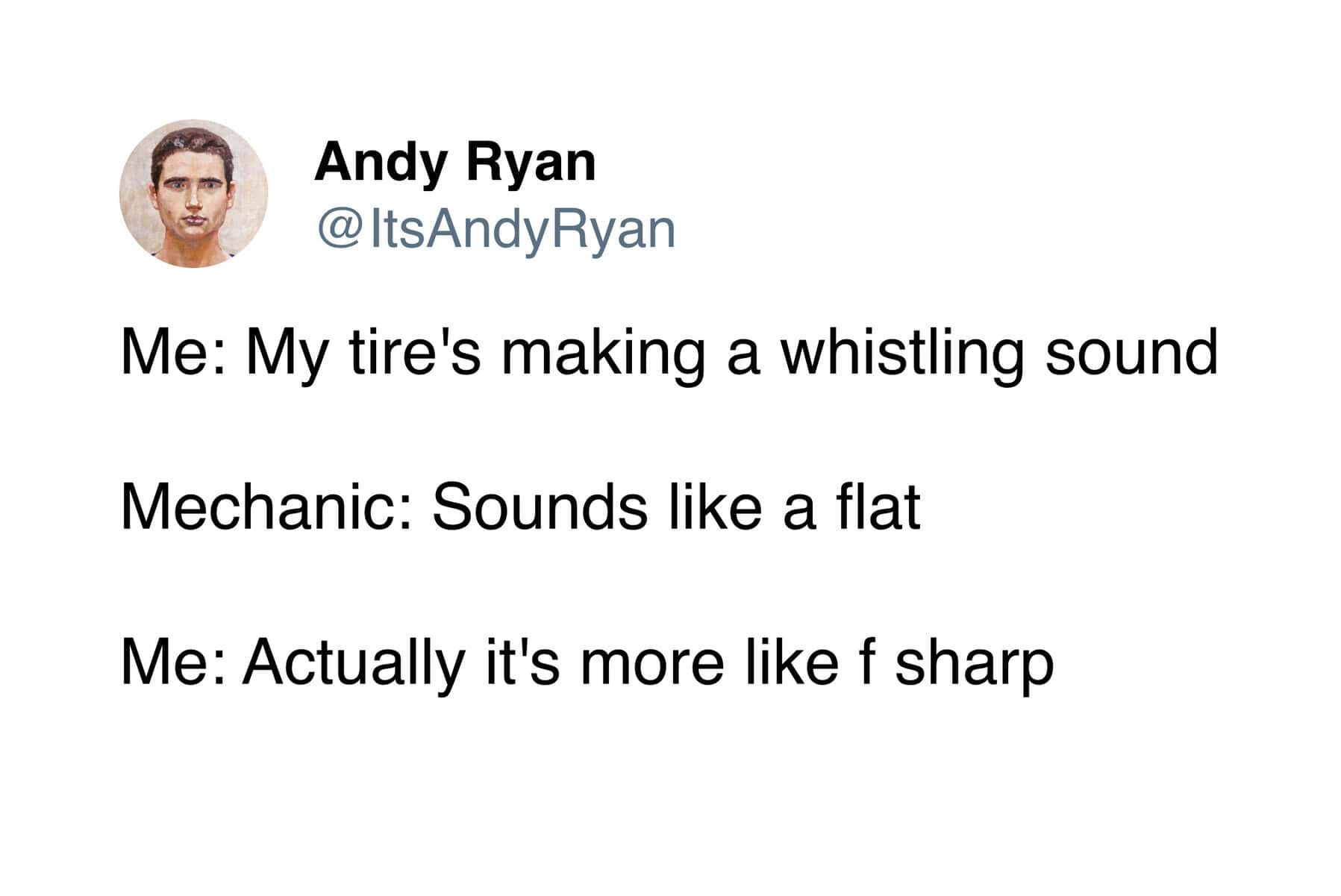
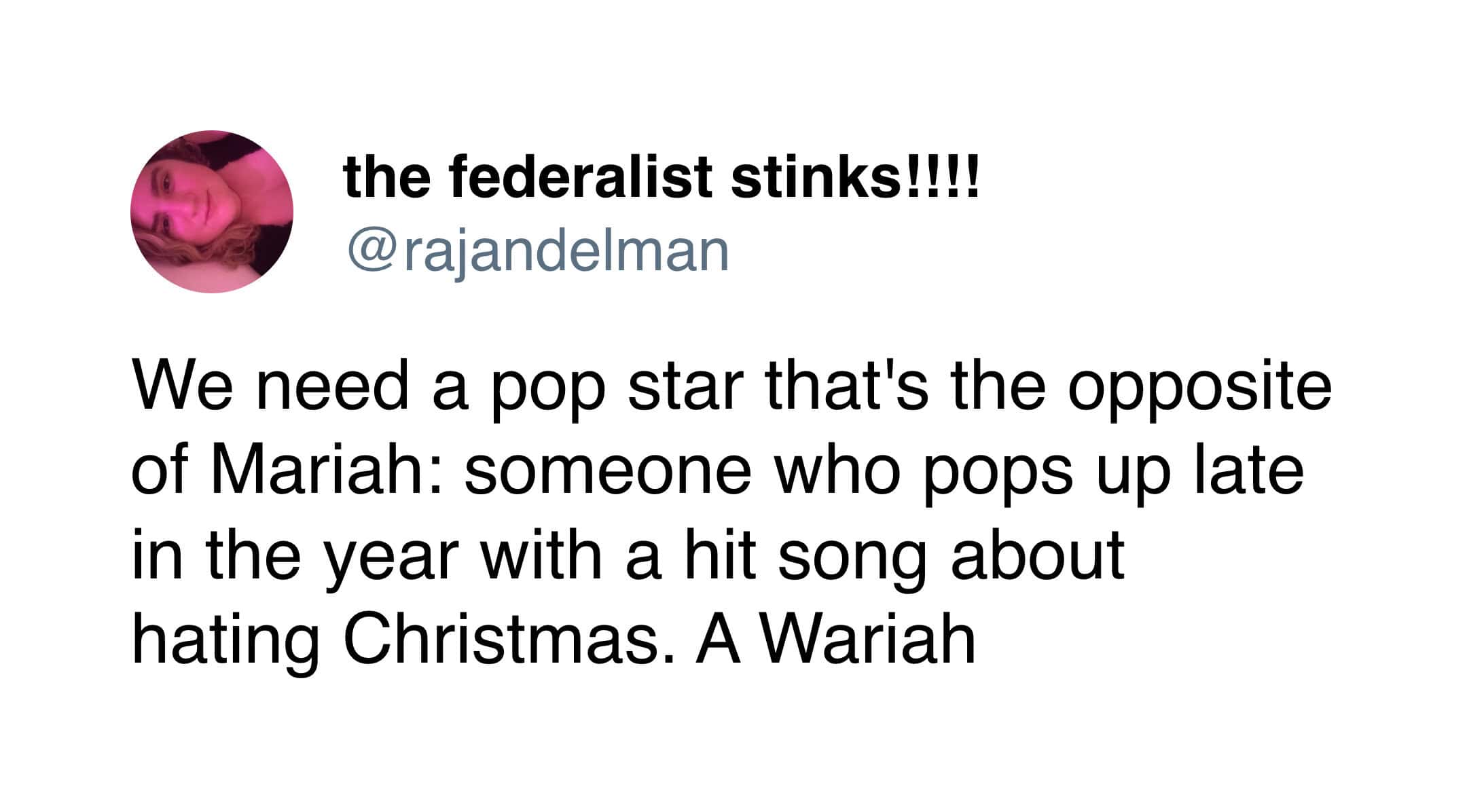
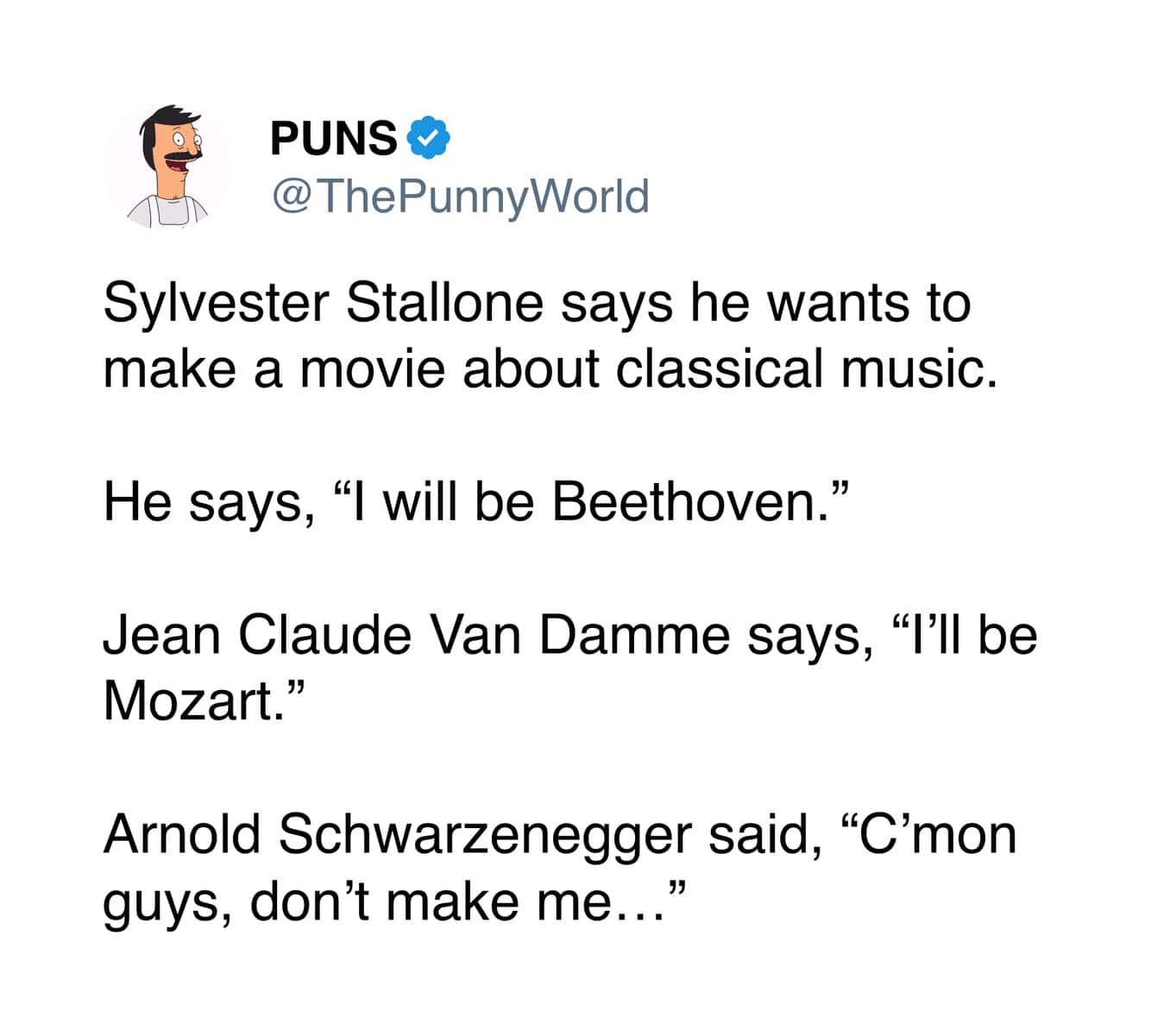
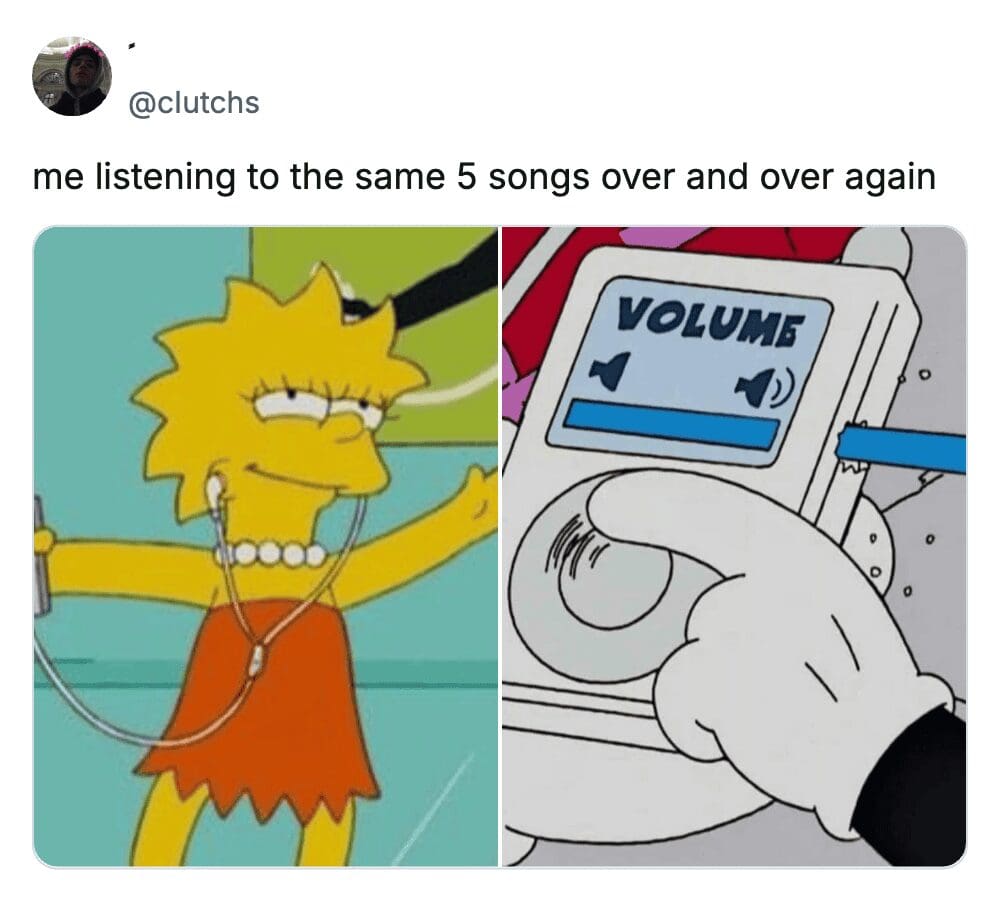
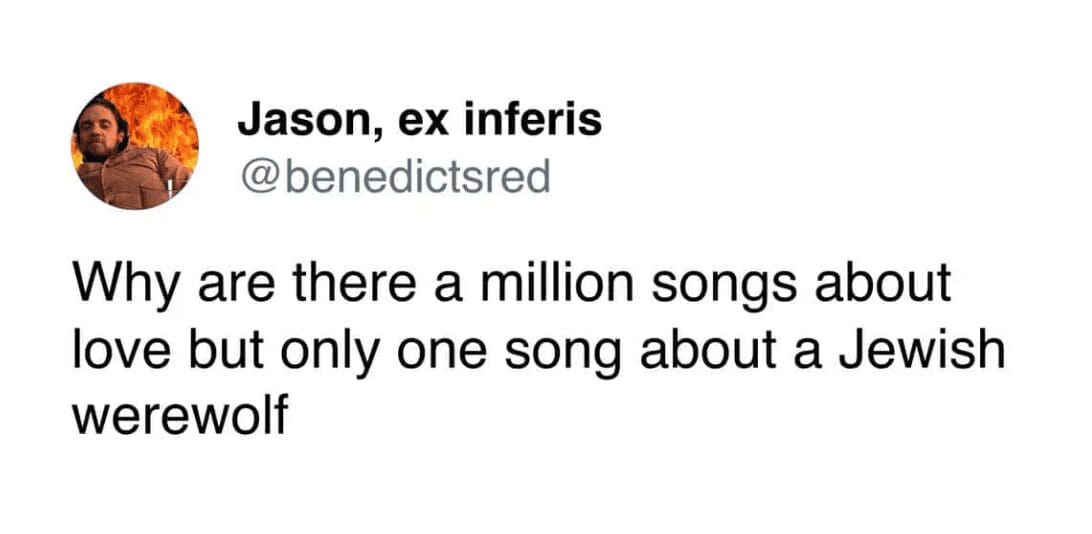
Funny song lyrics analysis earns its category status because the material it works with is both beloved and, under specific scrutiny, completely indefensible on logical grounds. The Flo Rida centaur theory is the gallery’s centerpiece and deserves the treatment it has received, which is thorough and correct. The girl in the Low video changes outfits with a frequency and variety that the visual runtime of a single music video cannot account for through conventional means. The argument that she must possess more than two legs in order to sustain the footwear volume implied by the lyrics is not airtight, but it is more airtight than it has any right to be, and anyone who has heard the centaur reading will now hear it in the song forever. That is the mark of a successful music tweet. It modifies the original.
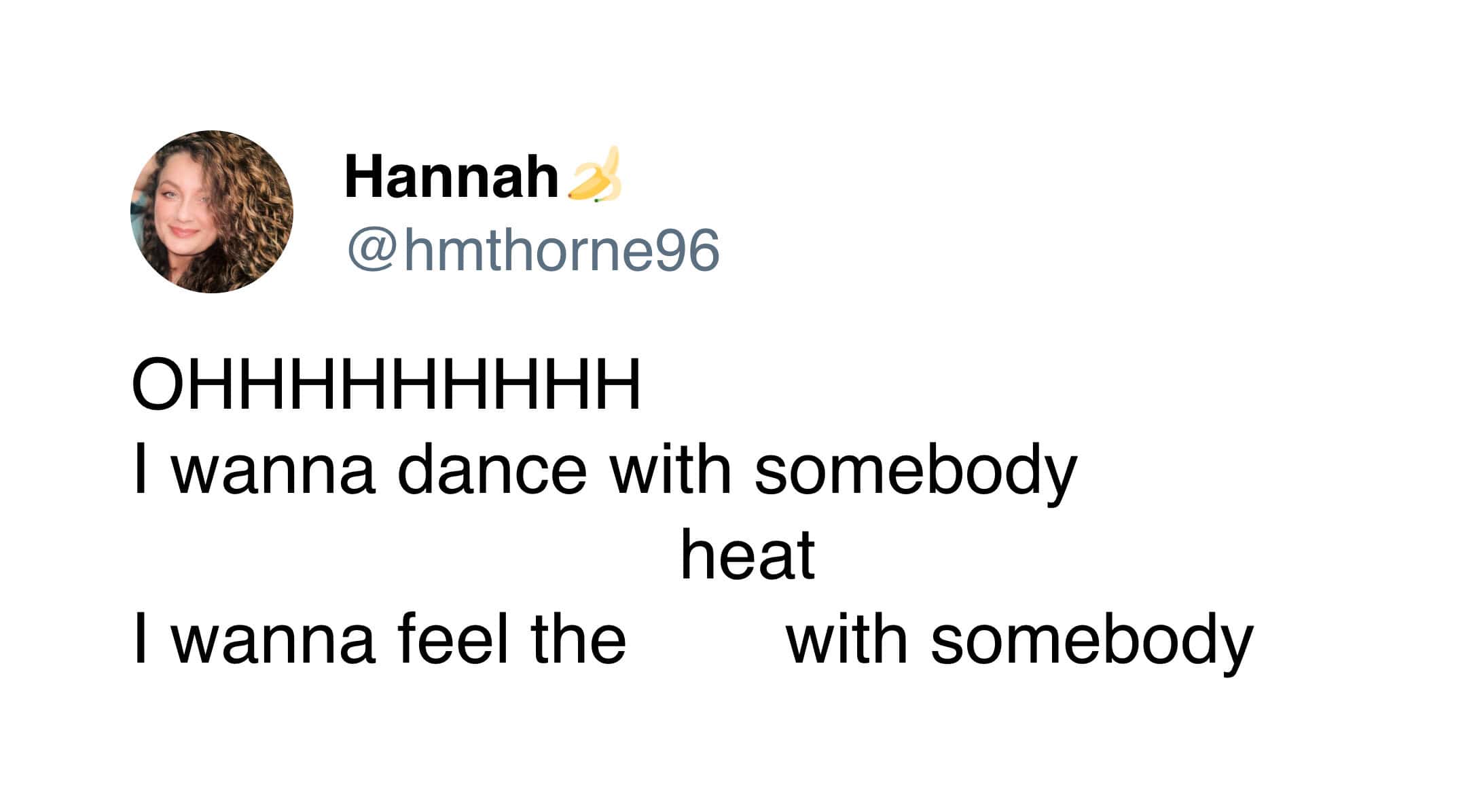
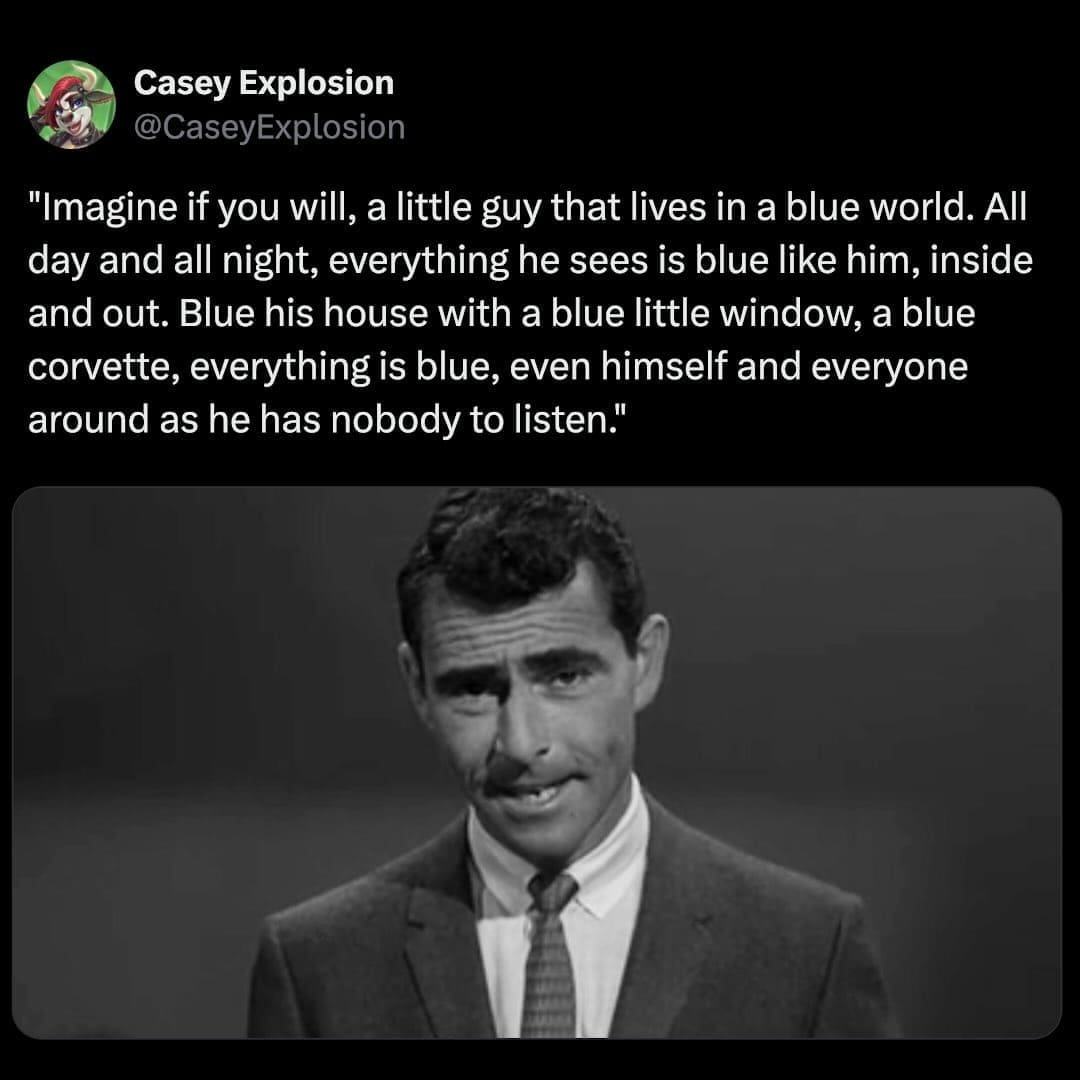
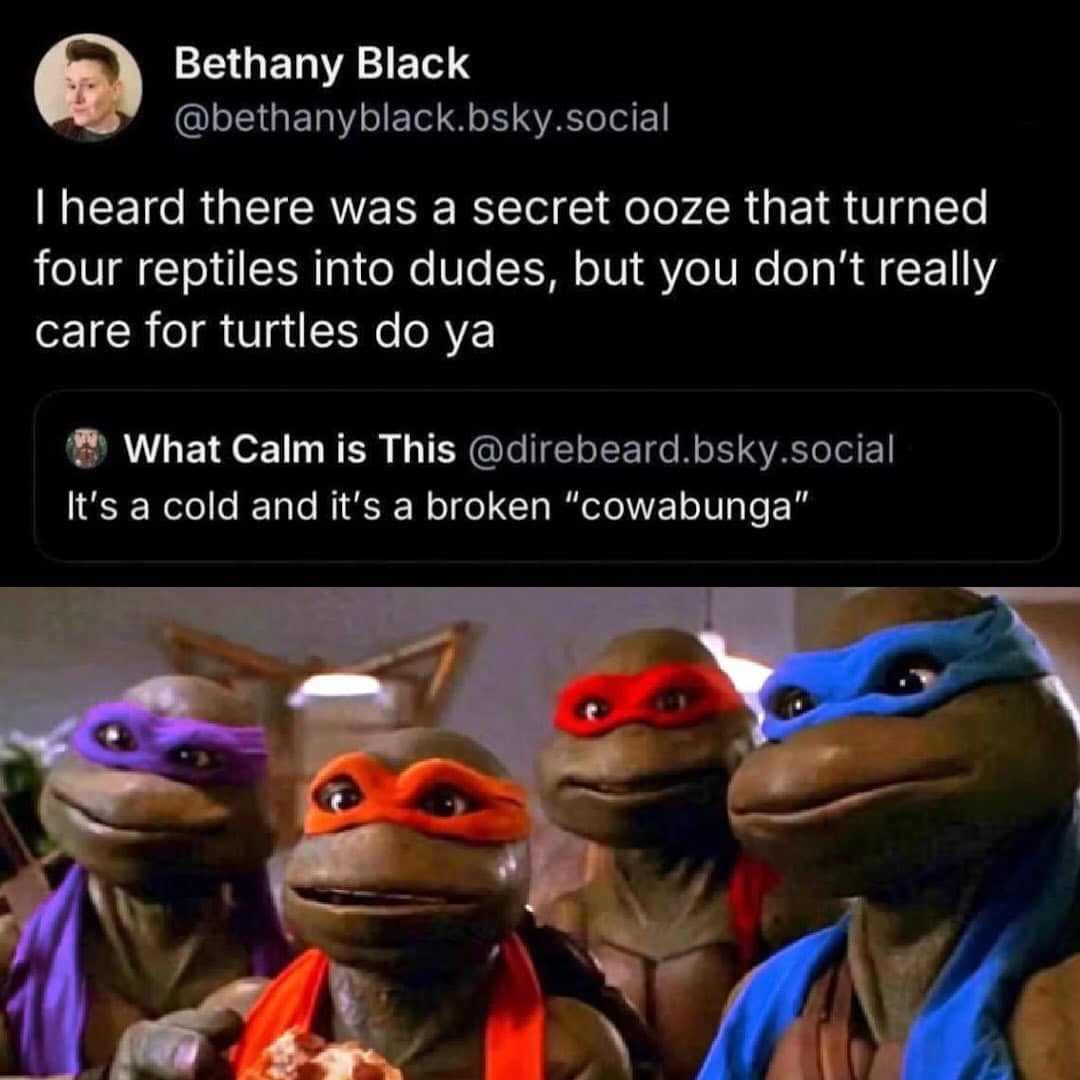
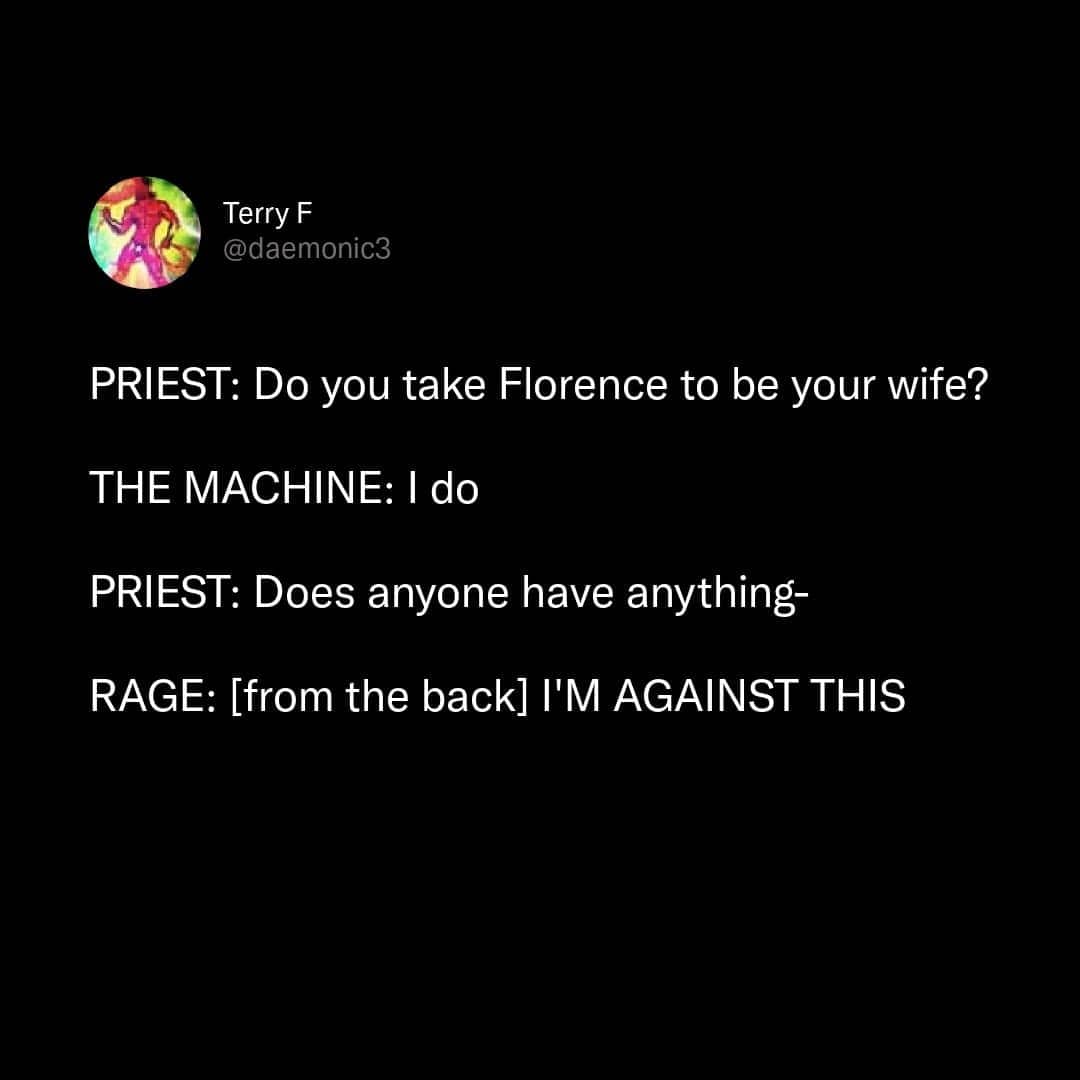
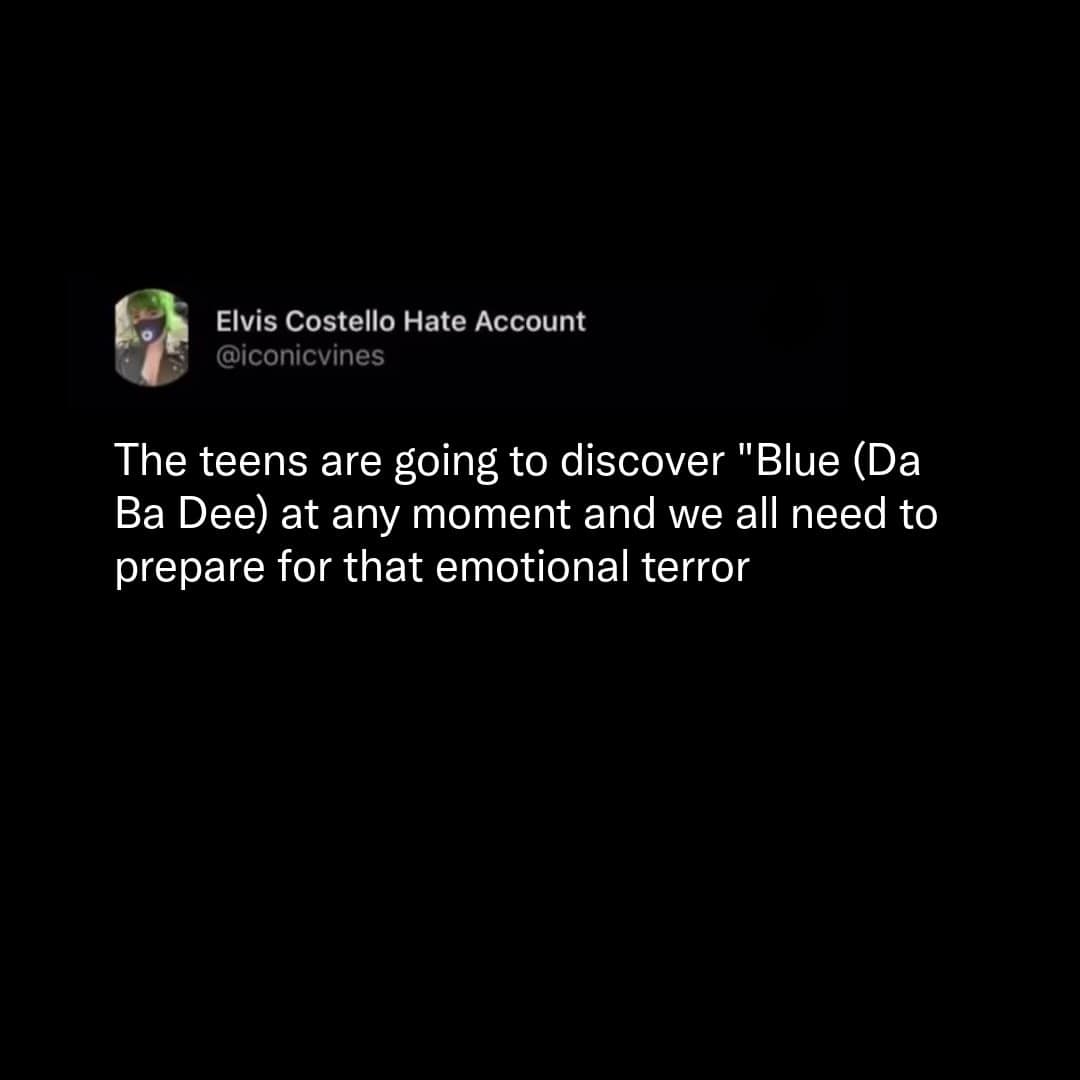
Pop music overanalysis is most satisfying when it applies a register the song did not earn and makes the song better for it. The Twilight Zone narrator framing applied to Eiffel 65’s “Blue” treats a song about a fictional blue person’s very blue existence as if it were a carefully constructed episode of speculative television, with a cold open, a tonal arc, and unresolved questions about the nature of the blueness. This is not how the song was made. It is, however, how the tweet reads it, and the upgrade is real and immediate. “I Wanna Dance With Somebody” reread through the lens of a floating weather report is the same operation applied to Whitney Houston, which is a bolder move, and it lands because the tweet is clearly made from a place of genuine affection for the original.
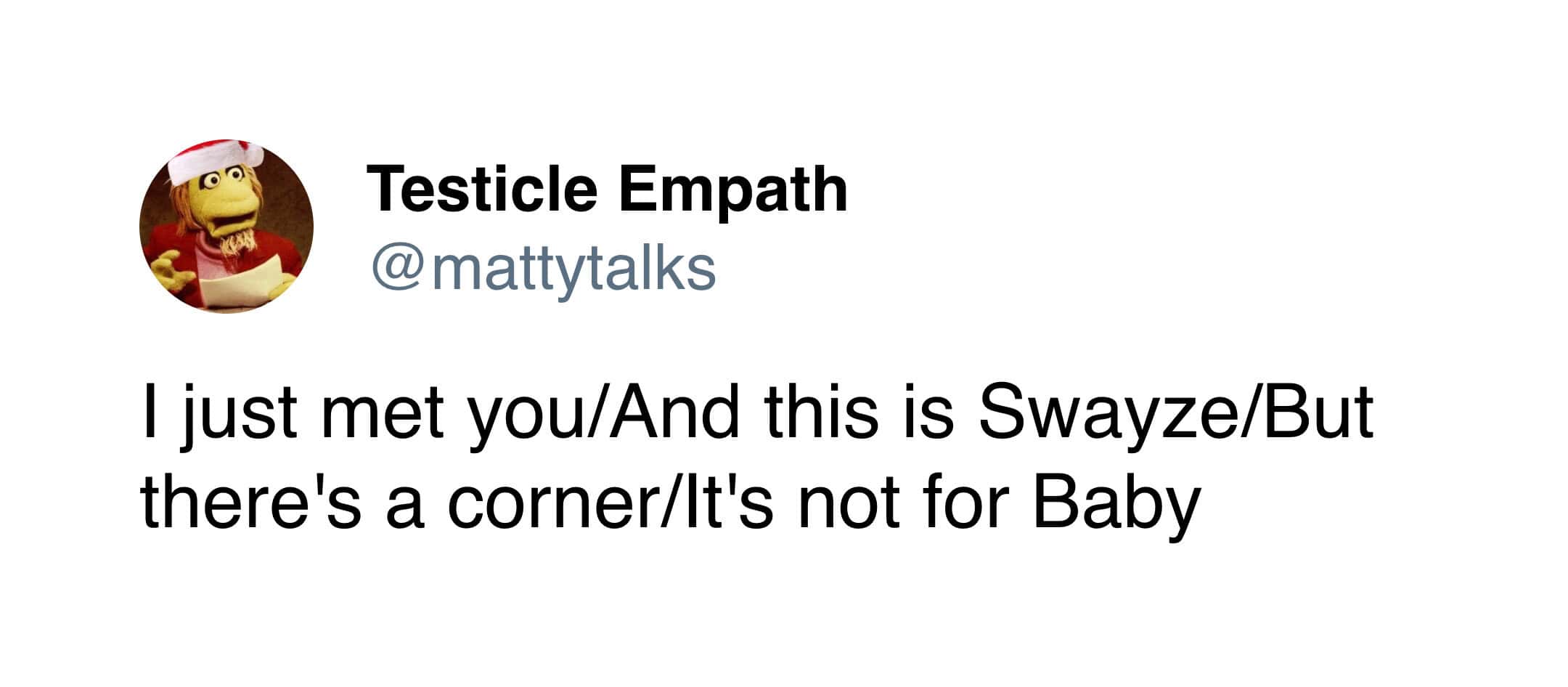
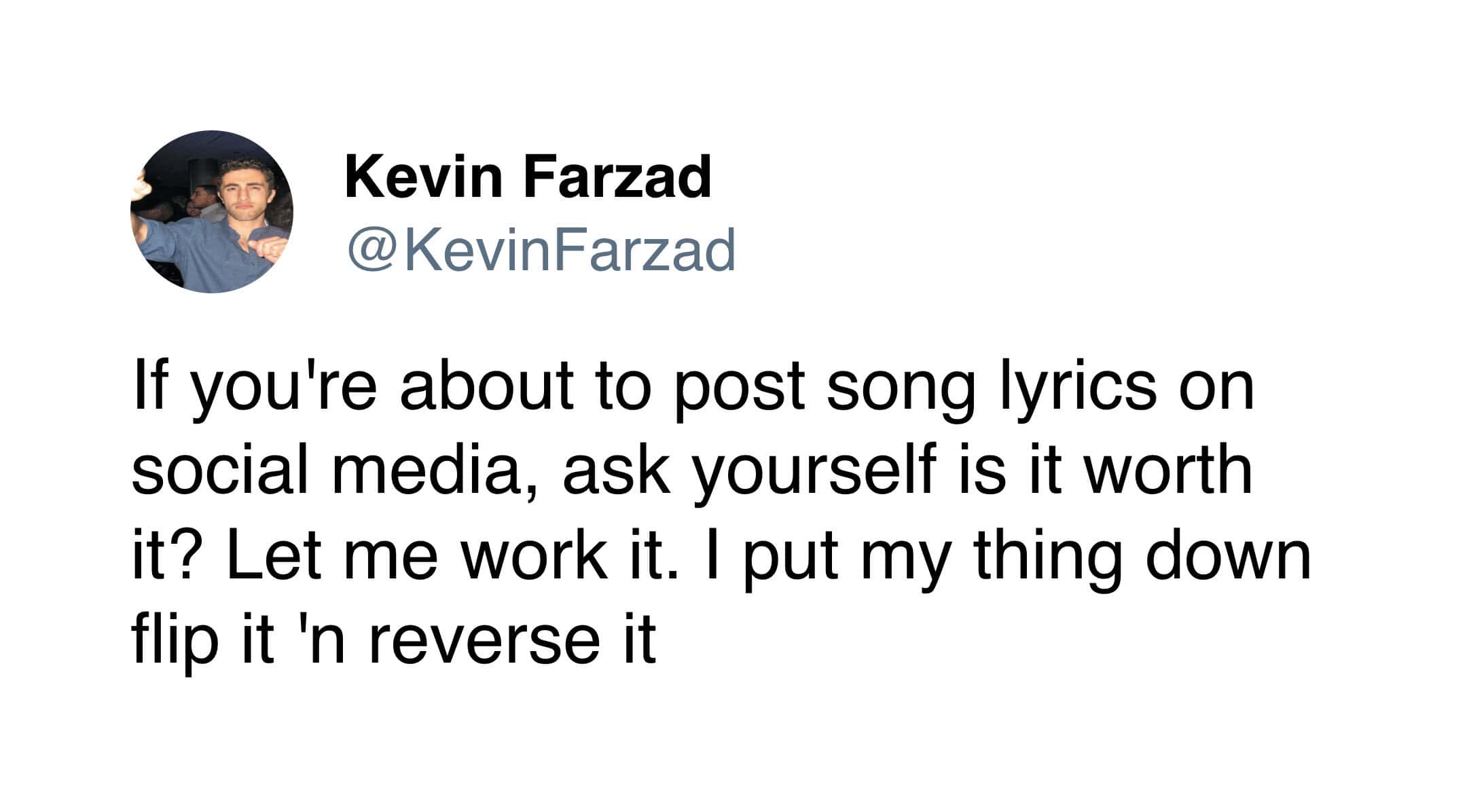
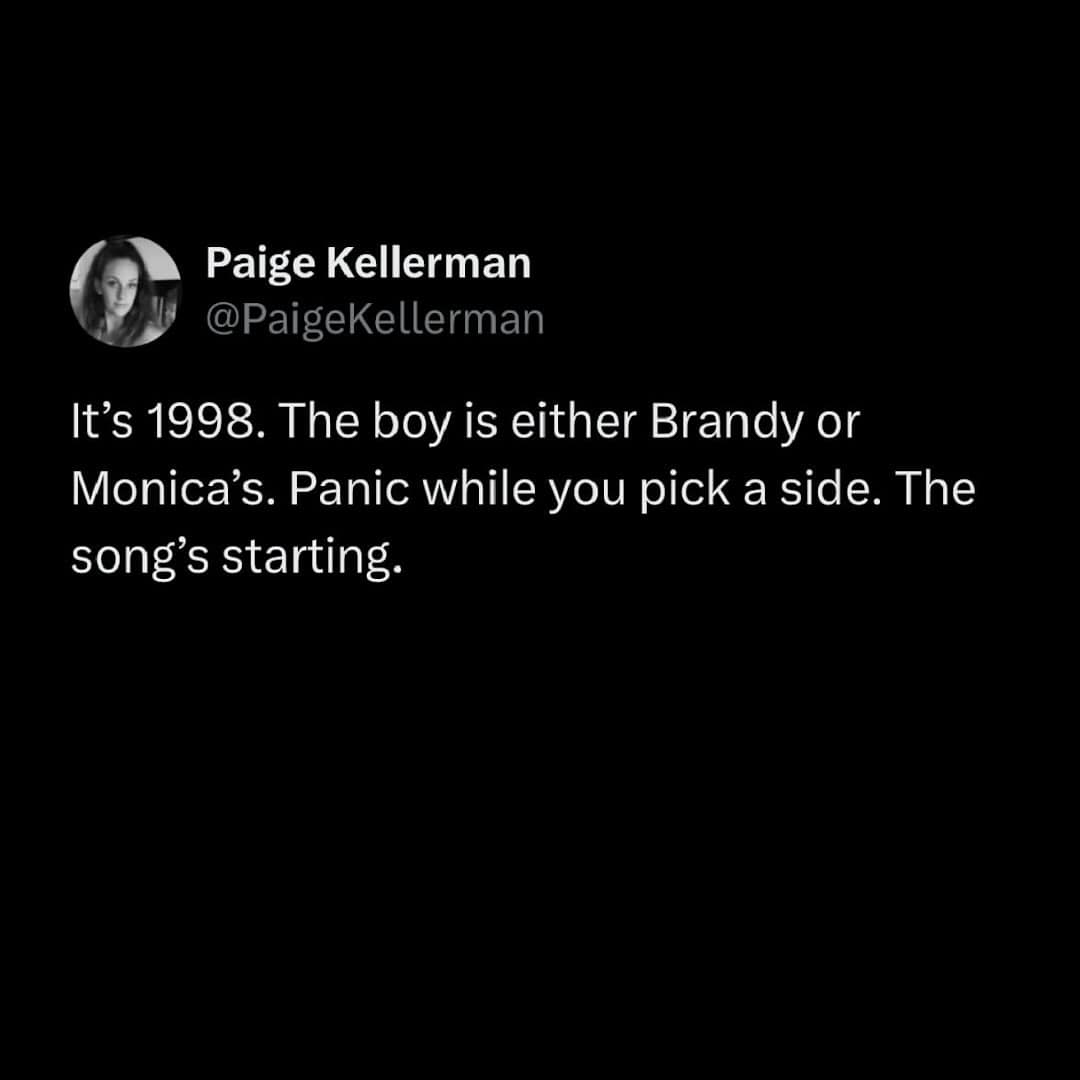
The Call Me Maybe and Dirty Dancing mashup is the gallery’s most technically accomplished entry because it completes the lyrical overlap without commentary, allowing the reader to complete the observation independently, at their own pace, and then experience the specific combination of delight and disturbance that comes with realizing they cannot unhear it. That is the highest achievement available in the music tweet format. The tweet that makes the listener do the work is always better than the tweet that explains the joke.
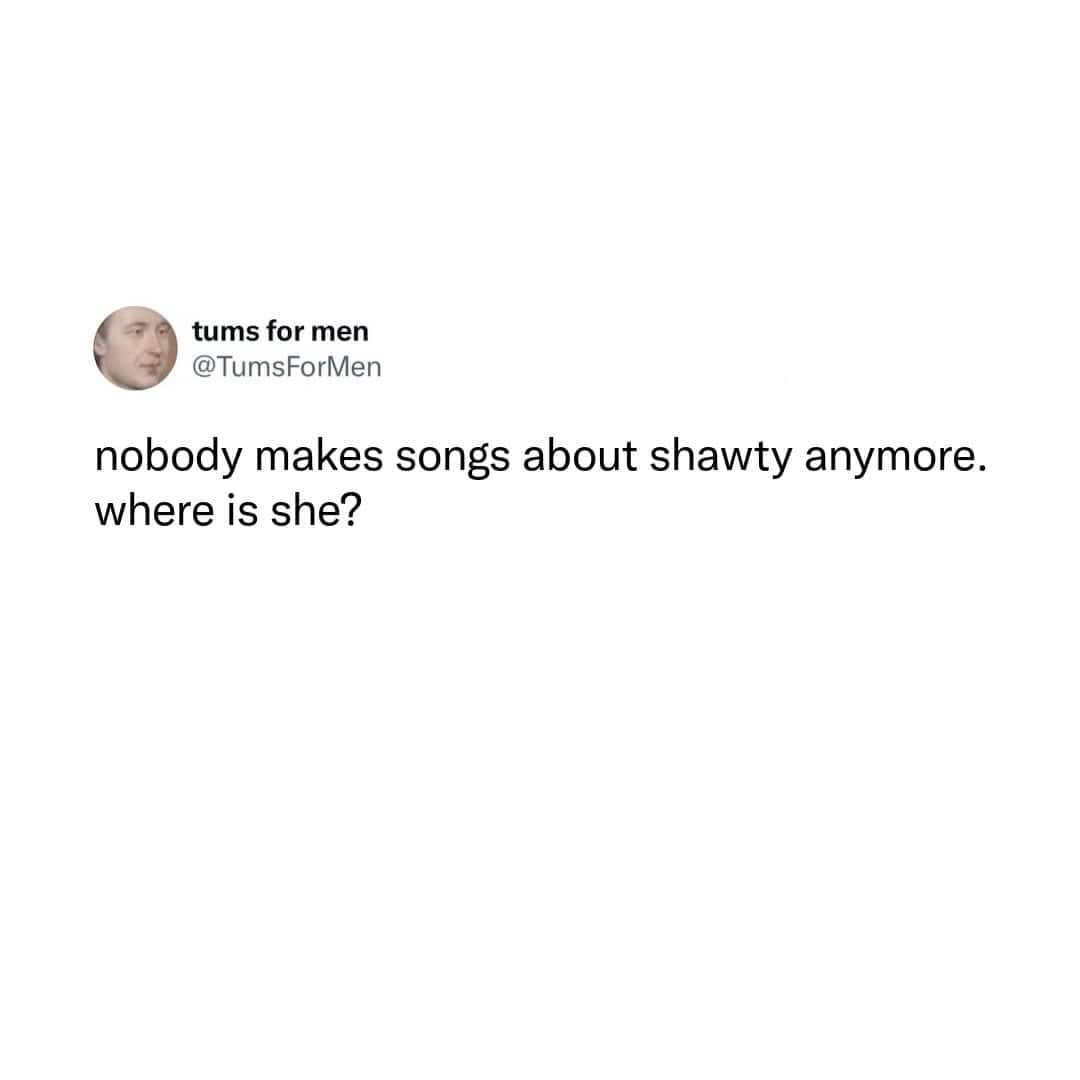
The missing persons section of this gallery, covering Shawty and the broader absence of people who got slizard and flew like a G6, is operating as something between cultural criticism and a genuine eulogy for an era of songwriting that made specific promises about who was in attendance and what they were doing that contemporary music has not followed up on. Shawty was everywhere. Shawty is now, apparently, nowhere. The tweet asking about her welfare is not a joke. It is a question posed in the format of a joke, by a person who has noticed a real absence and chosen this as the correct venue for raising it.
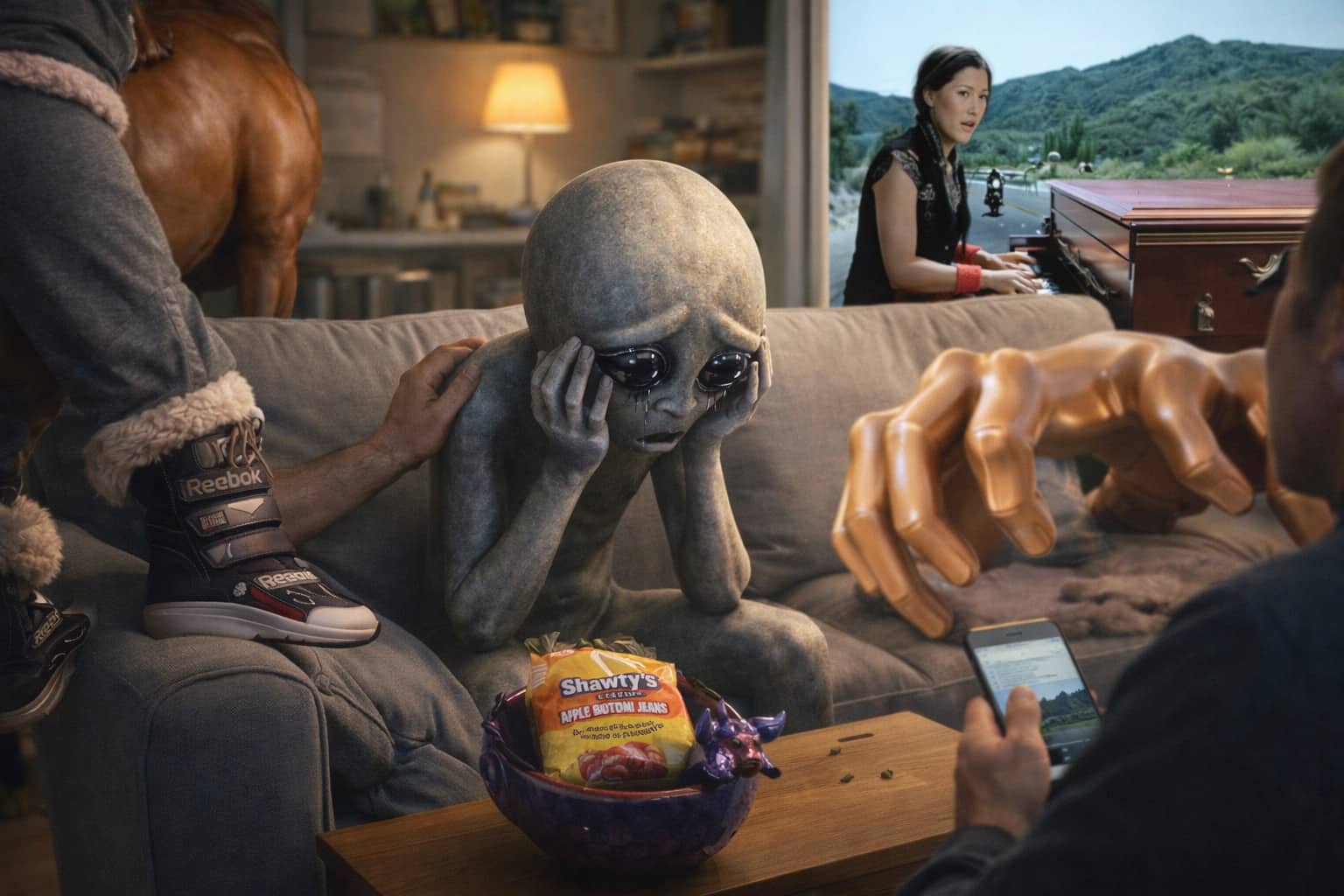
The Creed alien tweet is the gallery’s quiet devastation entry: a being from another world, encountering “With Arms Wide Open” for the first time, weeping. The tweet does not explain why. It does not need to. Anyone who has heard the song knows exactly which moment the alien encountered, and the image of an extraterrestrial being emotionally unprepared for that specific sonic event is one that will outlast most of the cultural conversation happening around it right now.
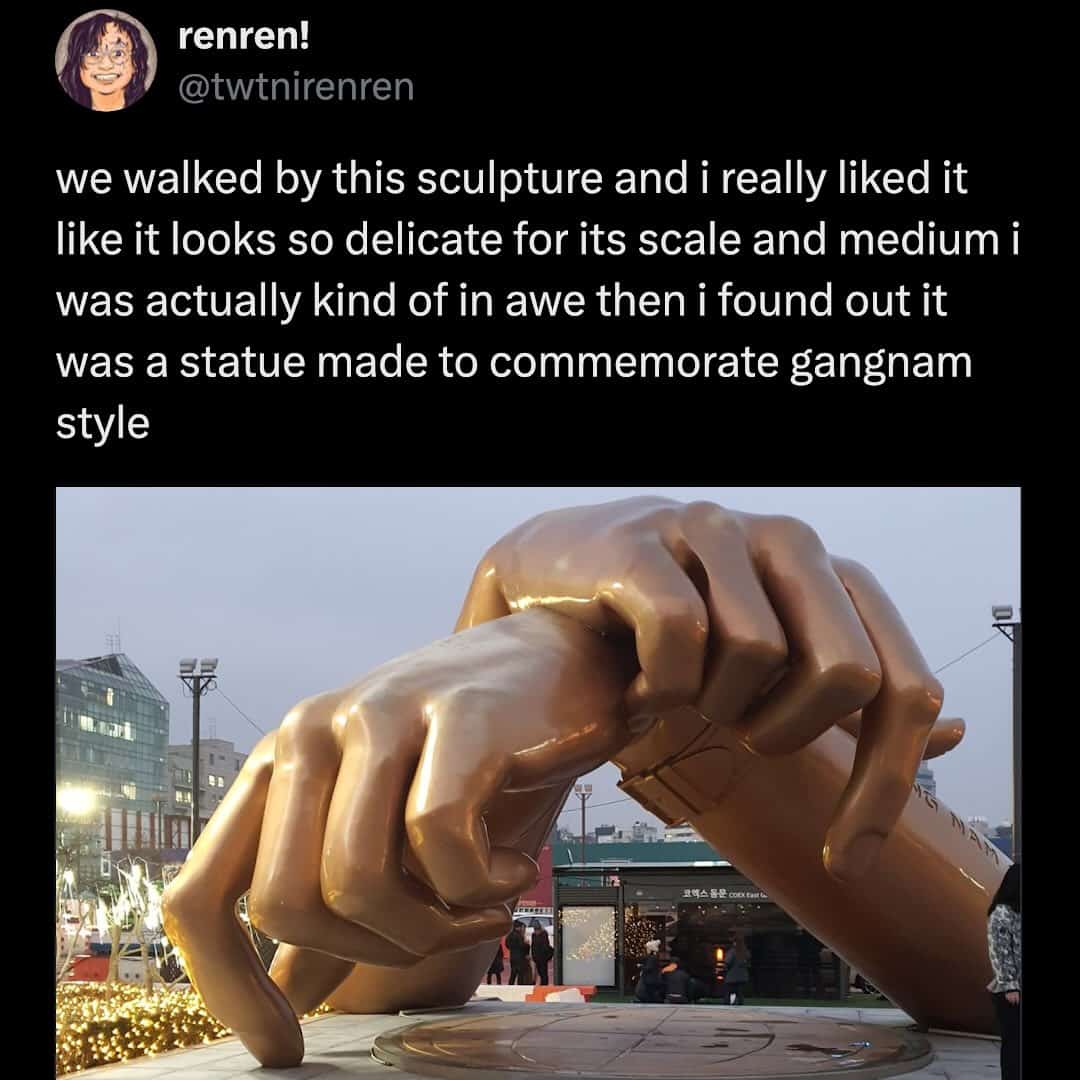
The Gangnam Style statue being genuinely beautiful architecture is the entry that asks the most of the reader, because it requires holding two things simultaneously: the fact of Psy, and the fact that Seoul commissioned serious public art connected to that legacy, and that the art is legitimately good. Both things are true. Neither diminishes the other. K-pop awareness tweets land differently when the subject matter turns out to deserve the seriousness being applied to it.
If this gallery has reopened your early 2000s playlist with a set of questions you cannot close, nostalgic music memes are the natural next destination, covering the full catalog of songs that have been revisited, overanalyzed, and improved by internet observation. Pop culture tweets belong right beside them for the broader category of online commentary that takes entertainment seriously and produces something more interesting than the original. And for anyone who needs the deep dive specifically into the lyrical logic of the era when Shawty was omnipresent and the G6 was a reasonable travel metaphor, Y2K nostalgia content is an extremely well-documented space with no shortage of material.
Read Memes
Get Paid


Priya Coleman is a viral content specialist and meme analyst with over six years in digital publishing. Her past roles include viral content editor for PopSugar's humor vertical and meme correspondent for HuffPost’s comedy section. Priya specializes in spotting trending meme moments just before they peak—like the chaotic delight of the Ever Given’s Suez Canal mishap or the existential comedy of This is Fine. She brings her sharp wit and instinctive knack for viral content to Thunder Dungeon, always keeping the community a step ahead of the latest meme craze.