

Some classic memes feel like they were carved into the internet’s bedrock. Not because they’re “important,” but because they keep describing the exact same human problems, year after year, with zero mercy. This dump of vintage memes and viral tweets is basically a guided tour of modern brain noise: financial flashbacks, email dread, social guilt, and that specific late-night spiral where your body is in bed but your mind is pacing the hallway. It’s old memes energy, but with the kind of sharpness you only get from a thousand repeated mistakes and a decent Wi-Fi signal.
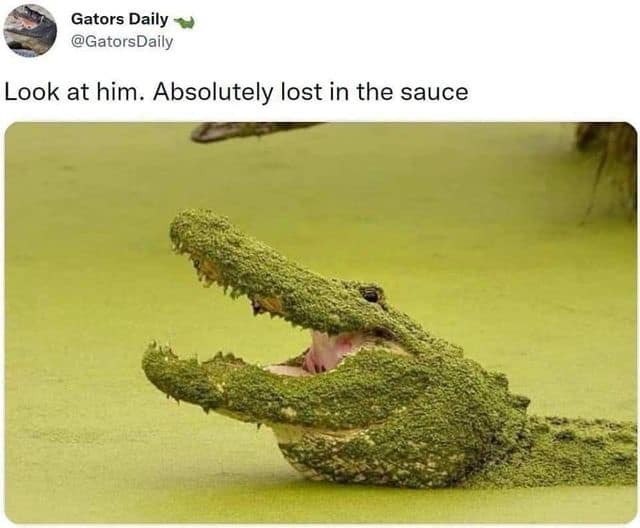
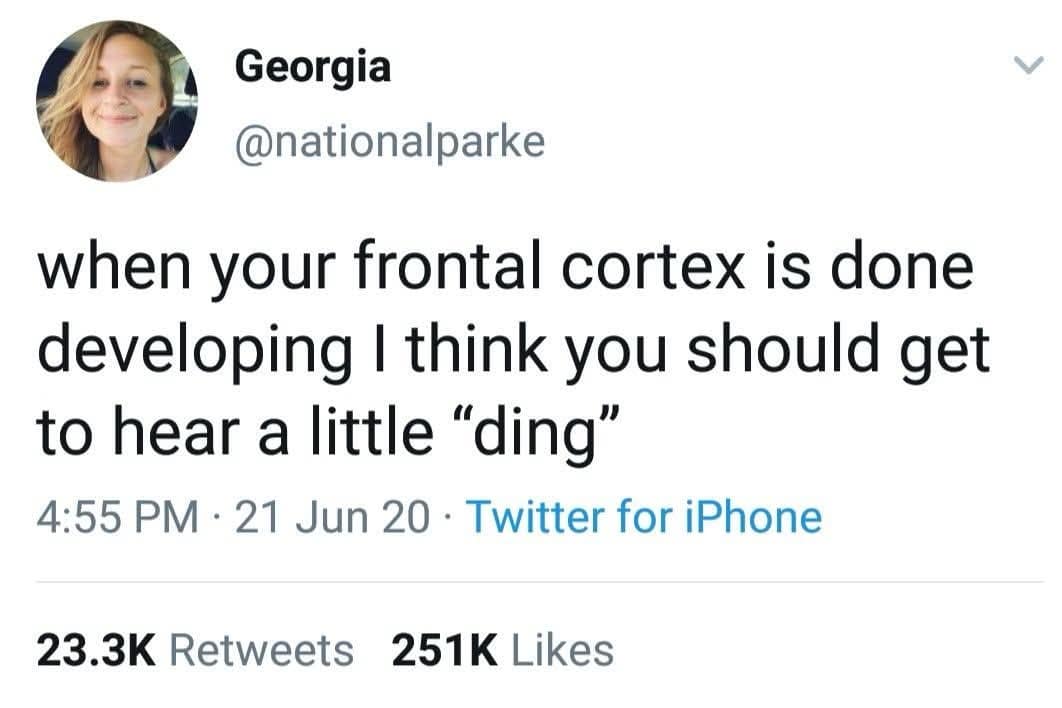

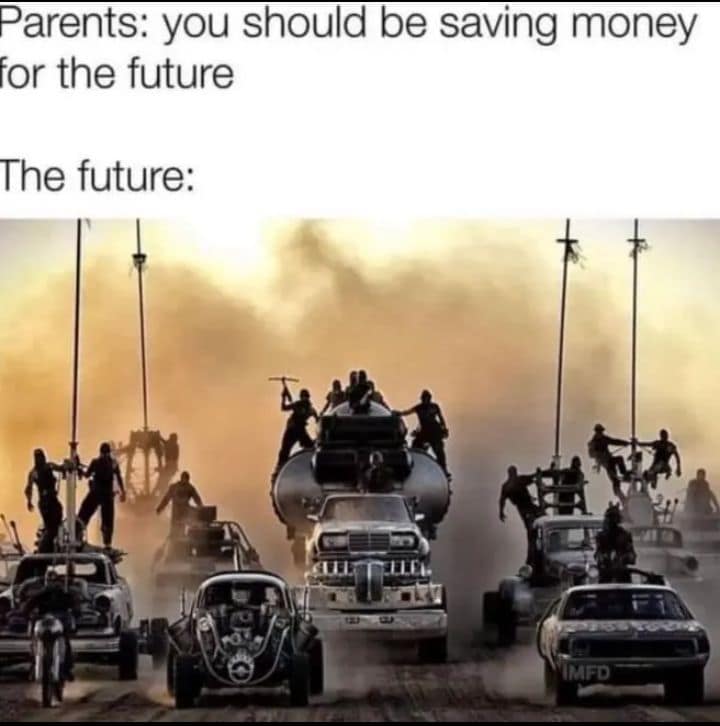

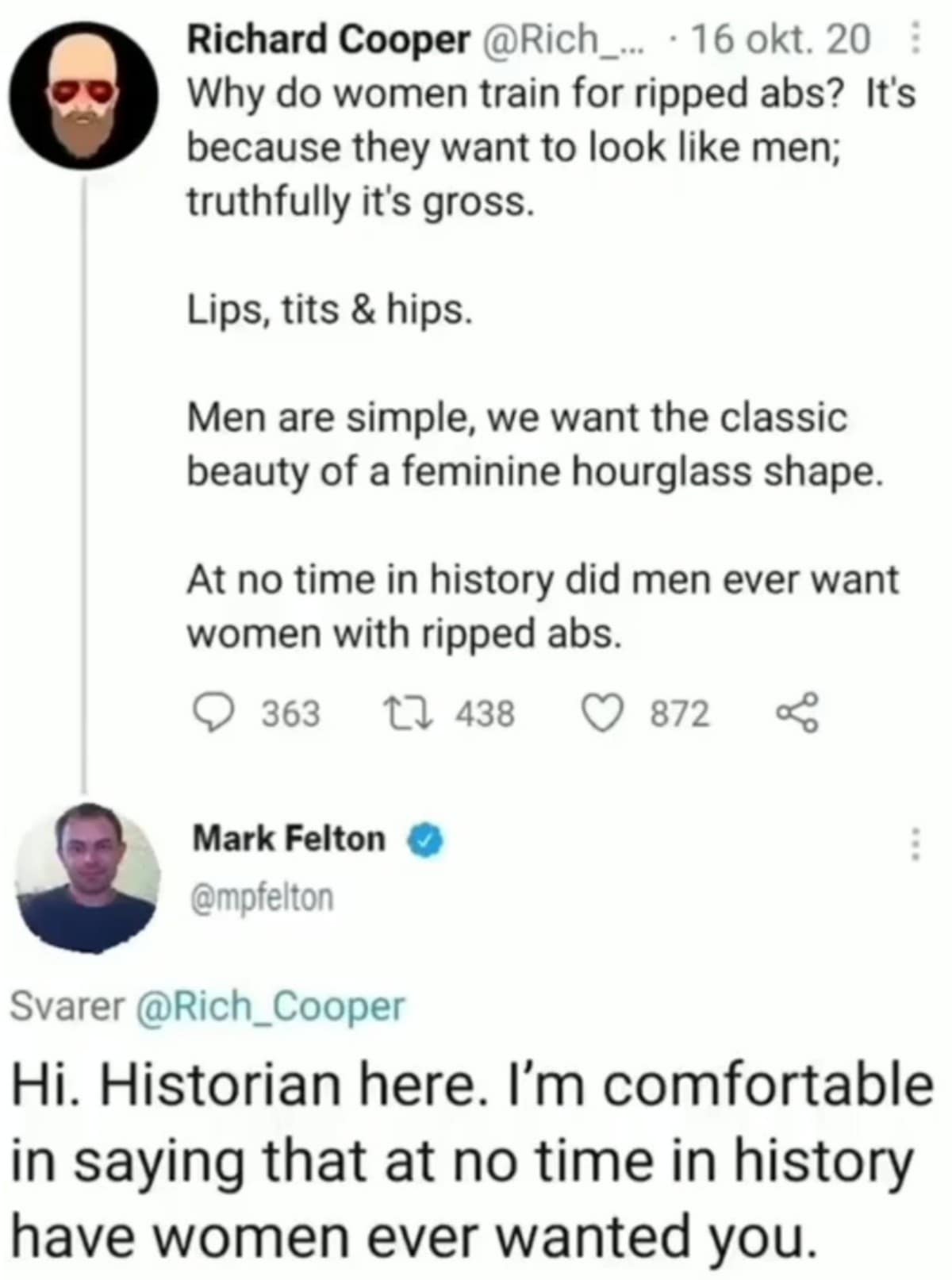
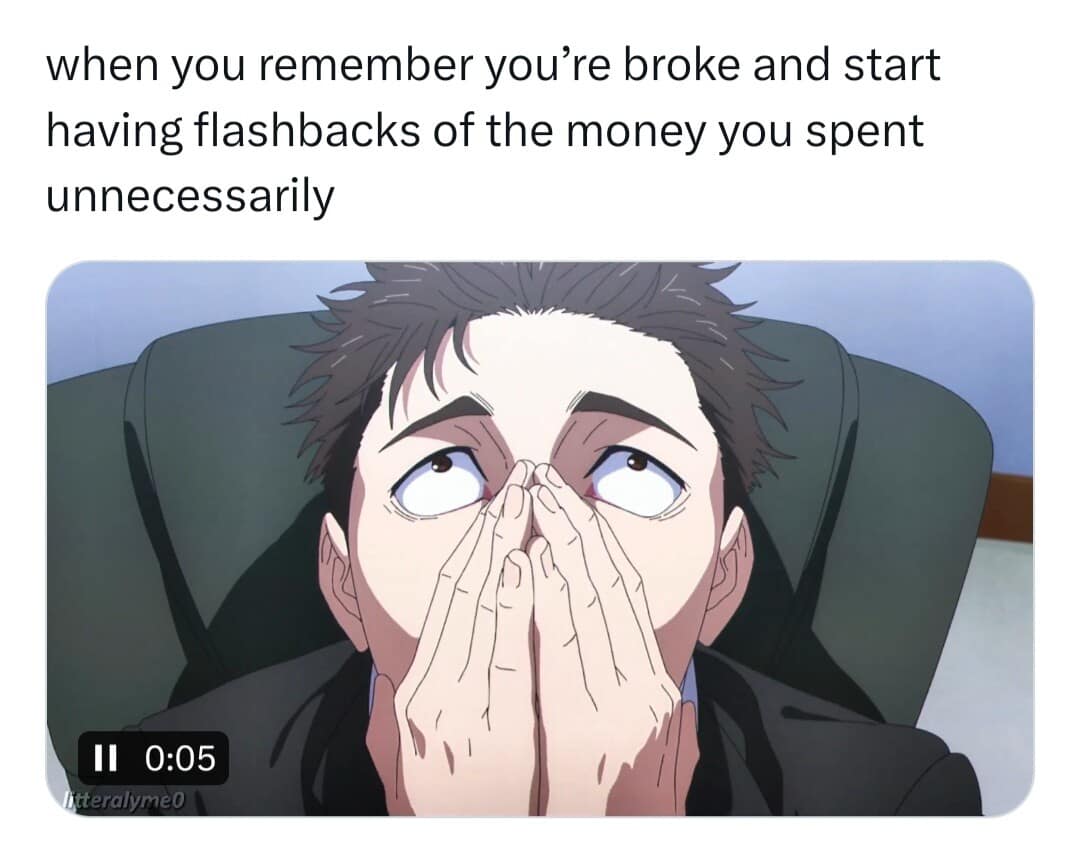

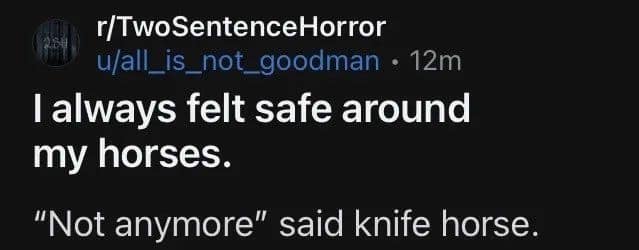
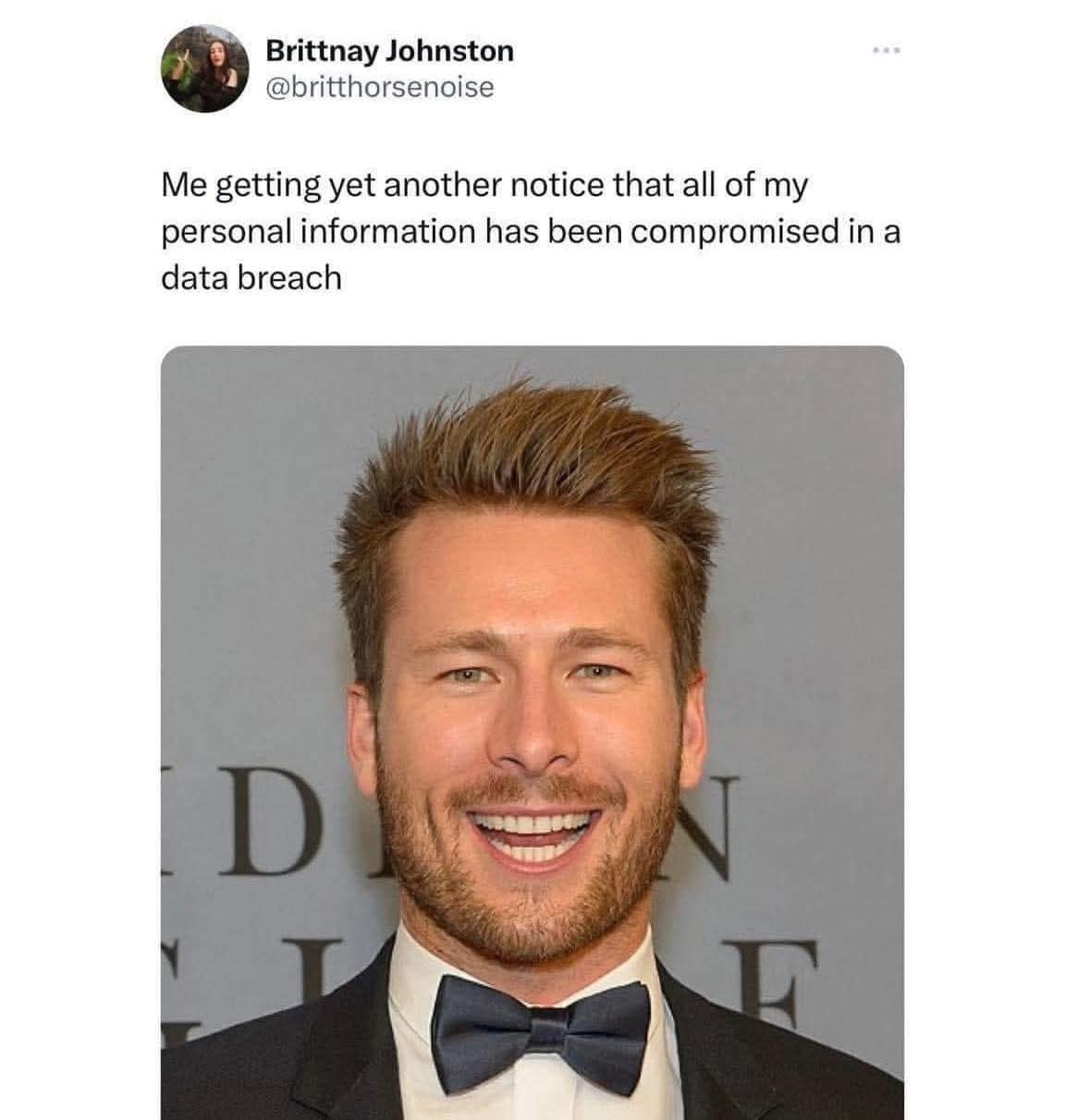
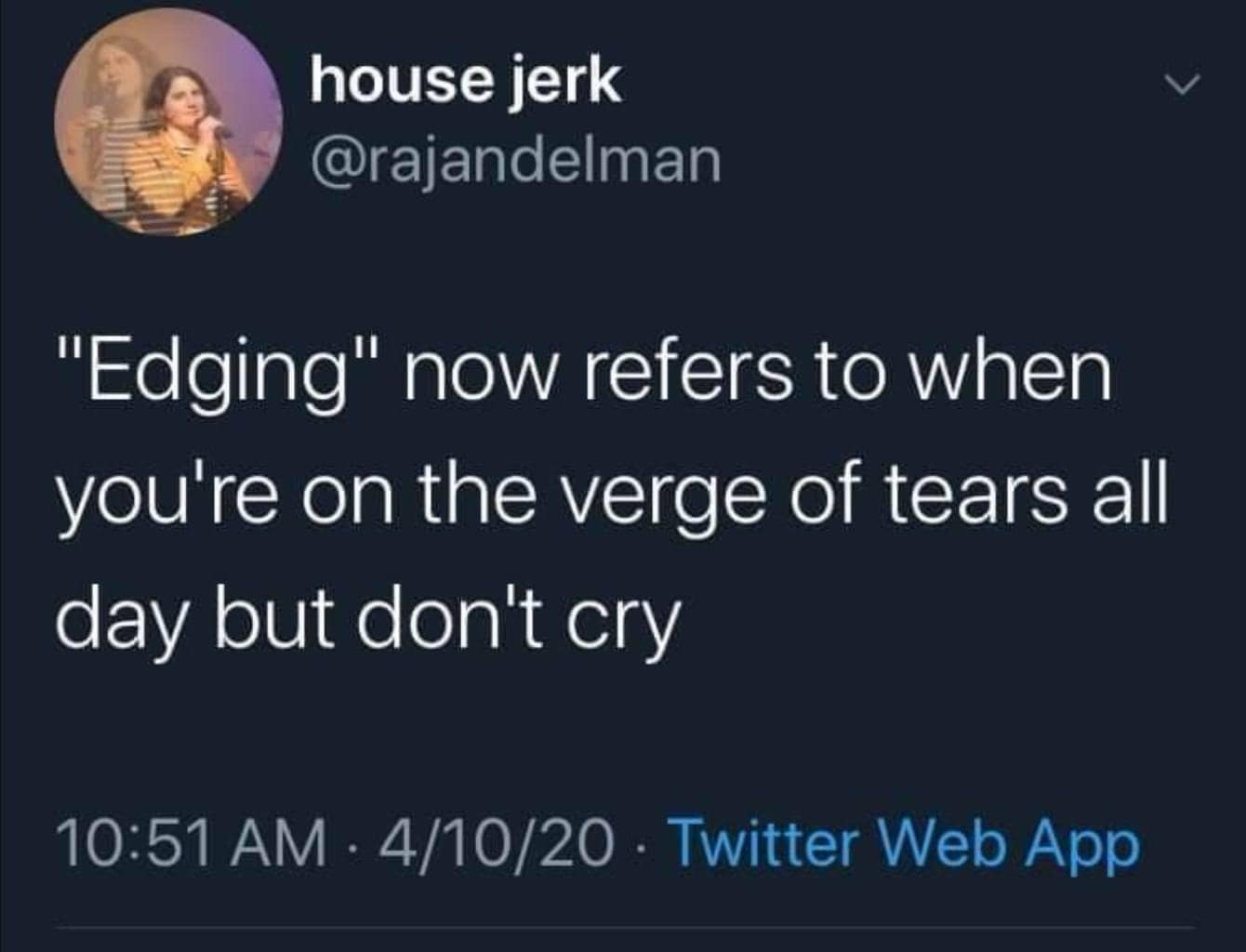
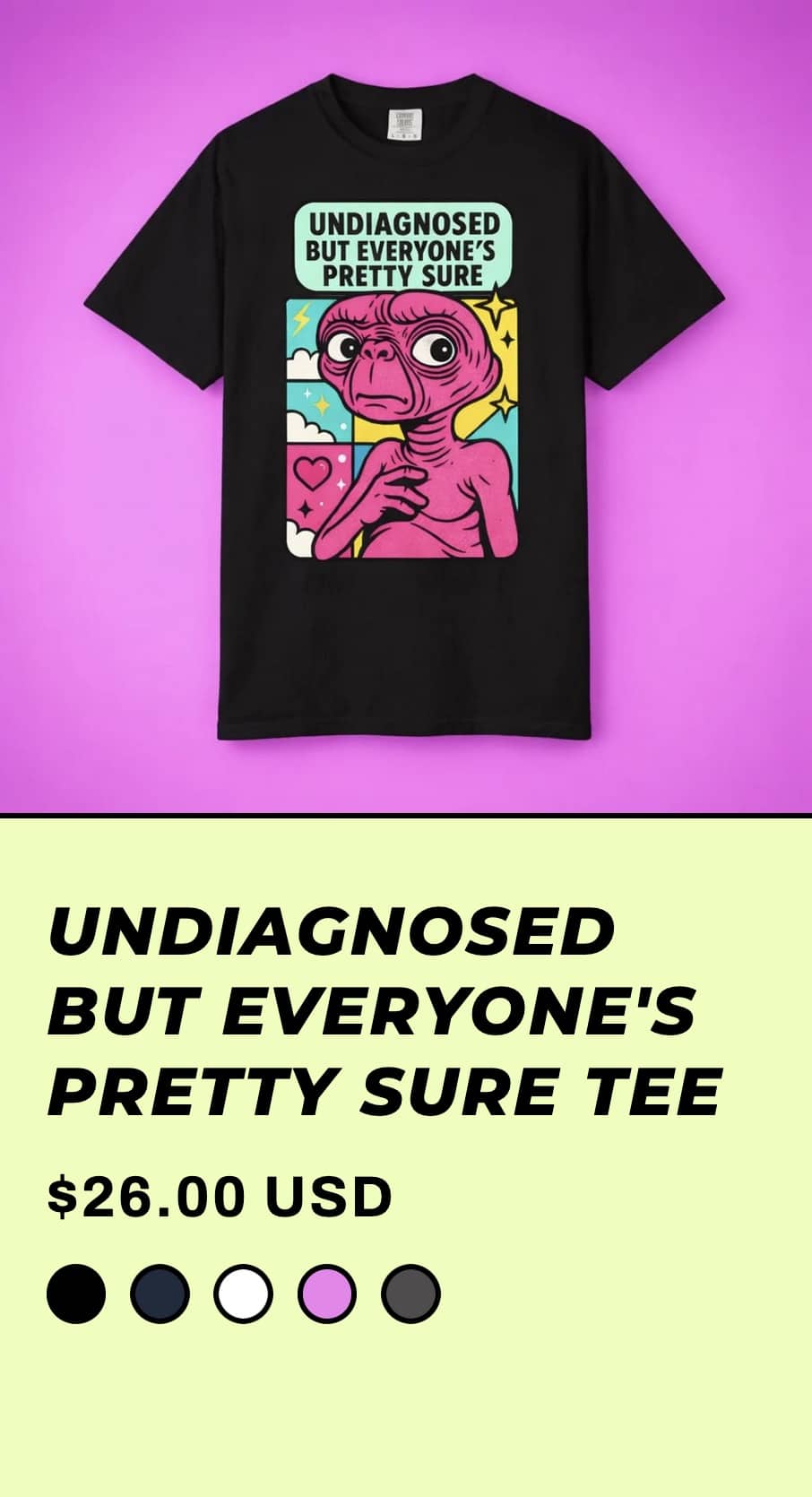
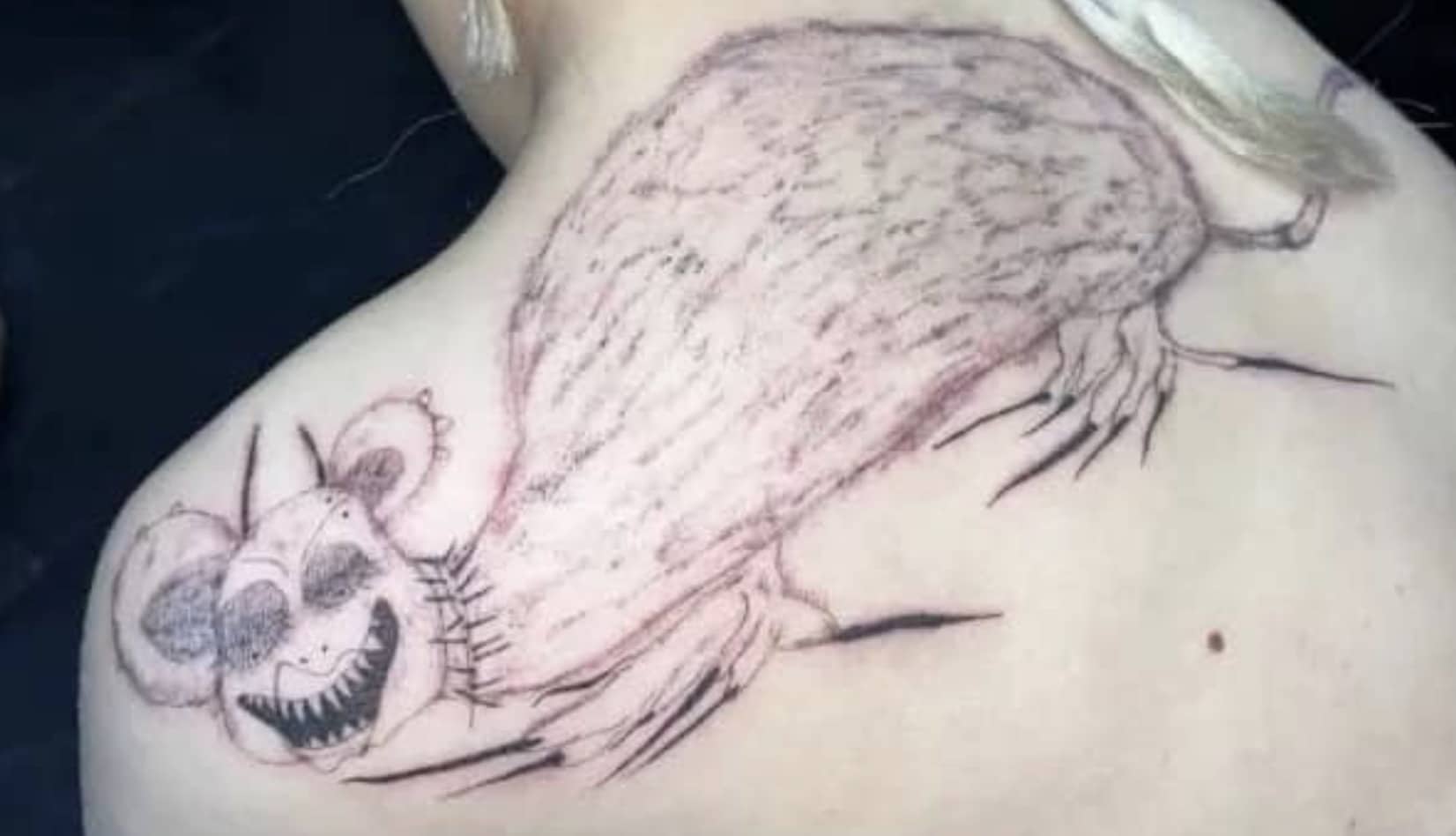
Right out of the gate, you’ve got the “lost in the sauce” swamp gator, which is the perfect opener because it’s pure classic memes nonsense that still somehow feels like a mood tracker. Then we pivot into the more surgical stuff: the frontal-cortex “ding” tweet, the freezer-vegetable guilt, and the broke-anime stare that hits like an overdue bill you forgot existed. These are the classic memes that don’t just make you laugh, they make you flinch because they’re right.
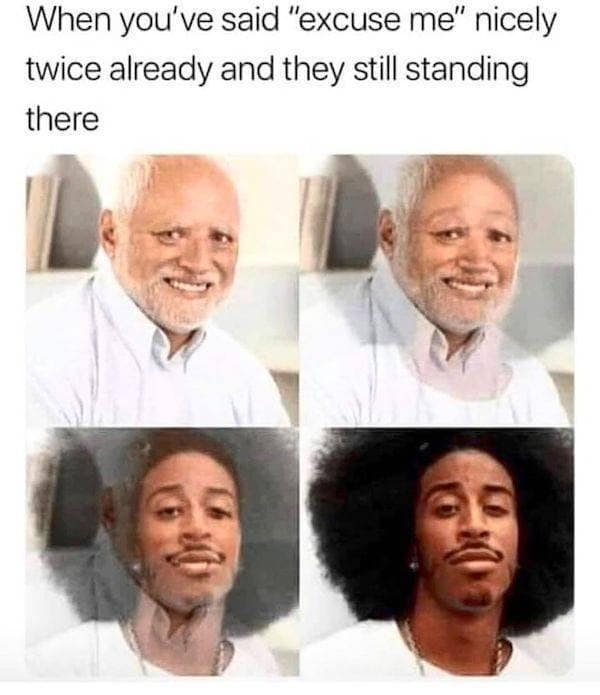
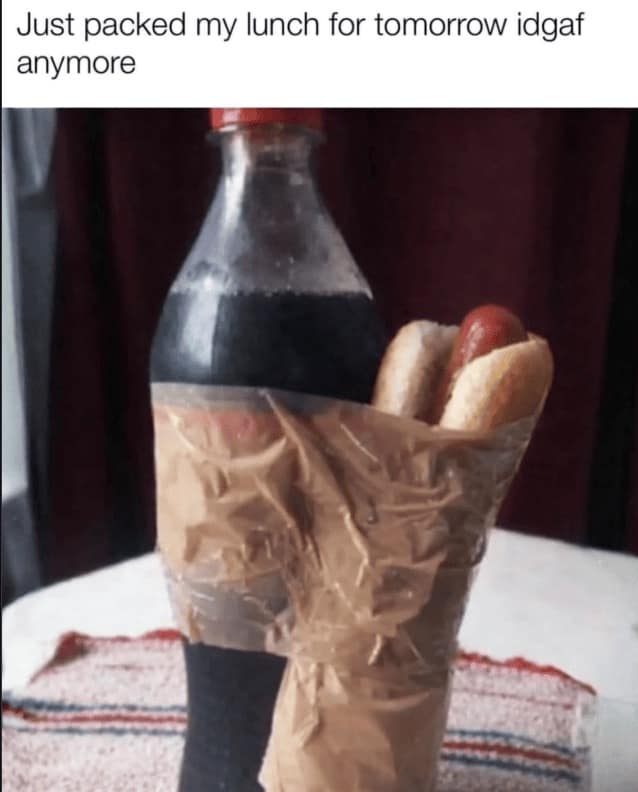
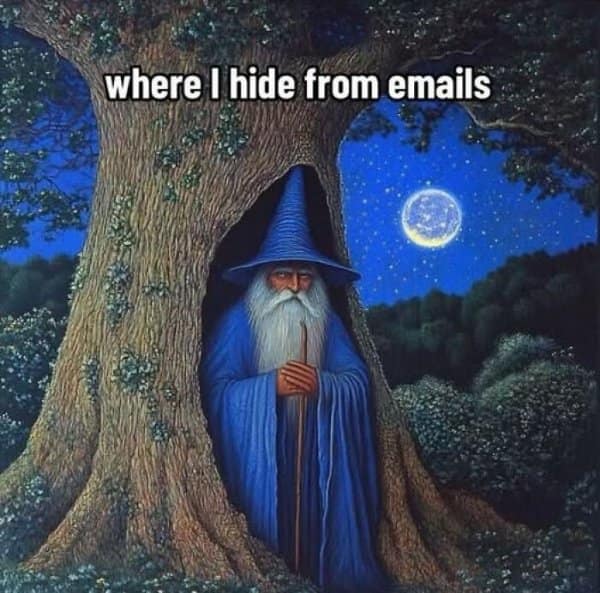
A big chunk of these vintage memes lives in the workplace-industrial-complex corner of old memes. The hot dog taped to a two-liter is not a joke, it’s a resignation letter. The wizard hiding from emails is basically every adult’s five-year plan. And the “excuse me” twice face shift? That’s a universal warning label for public spaces.
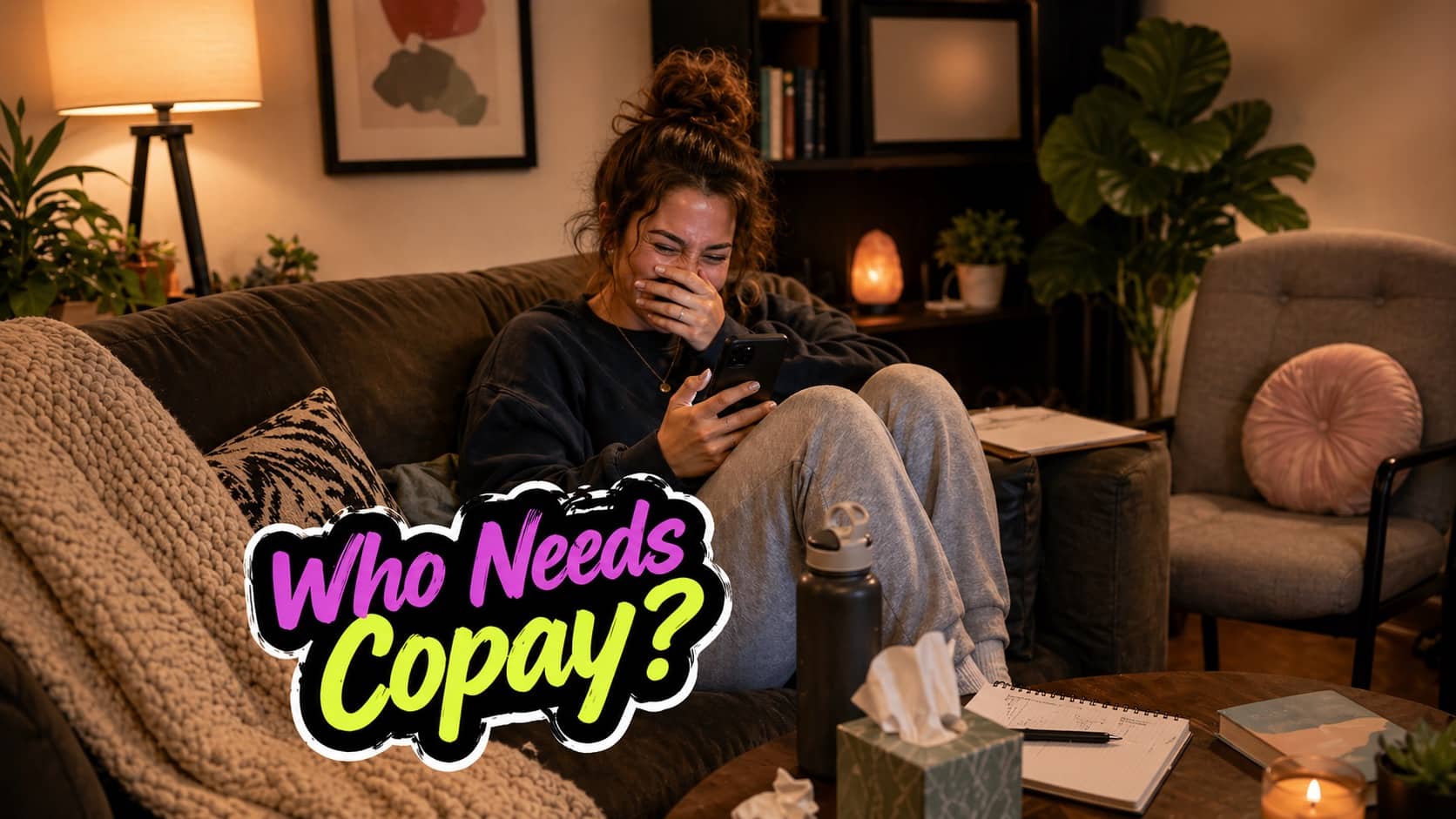
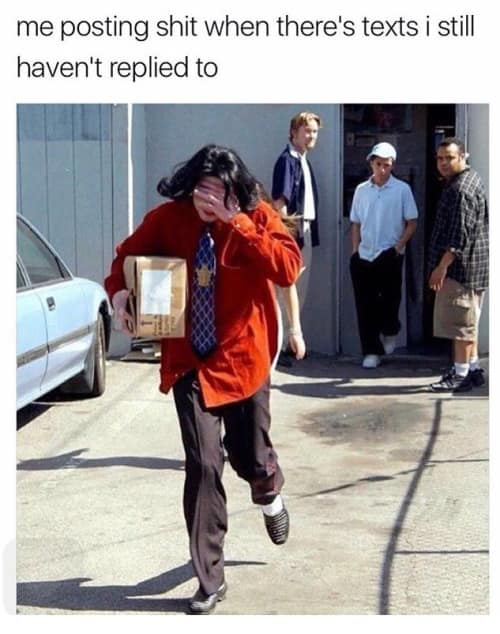
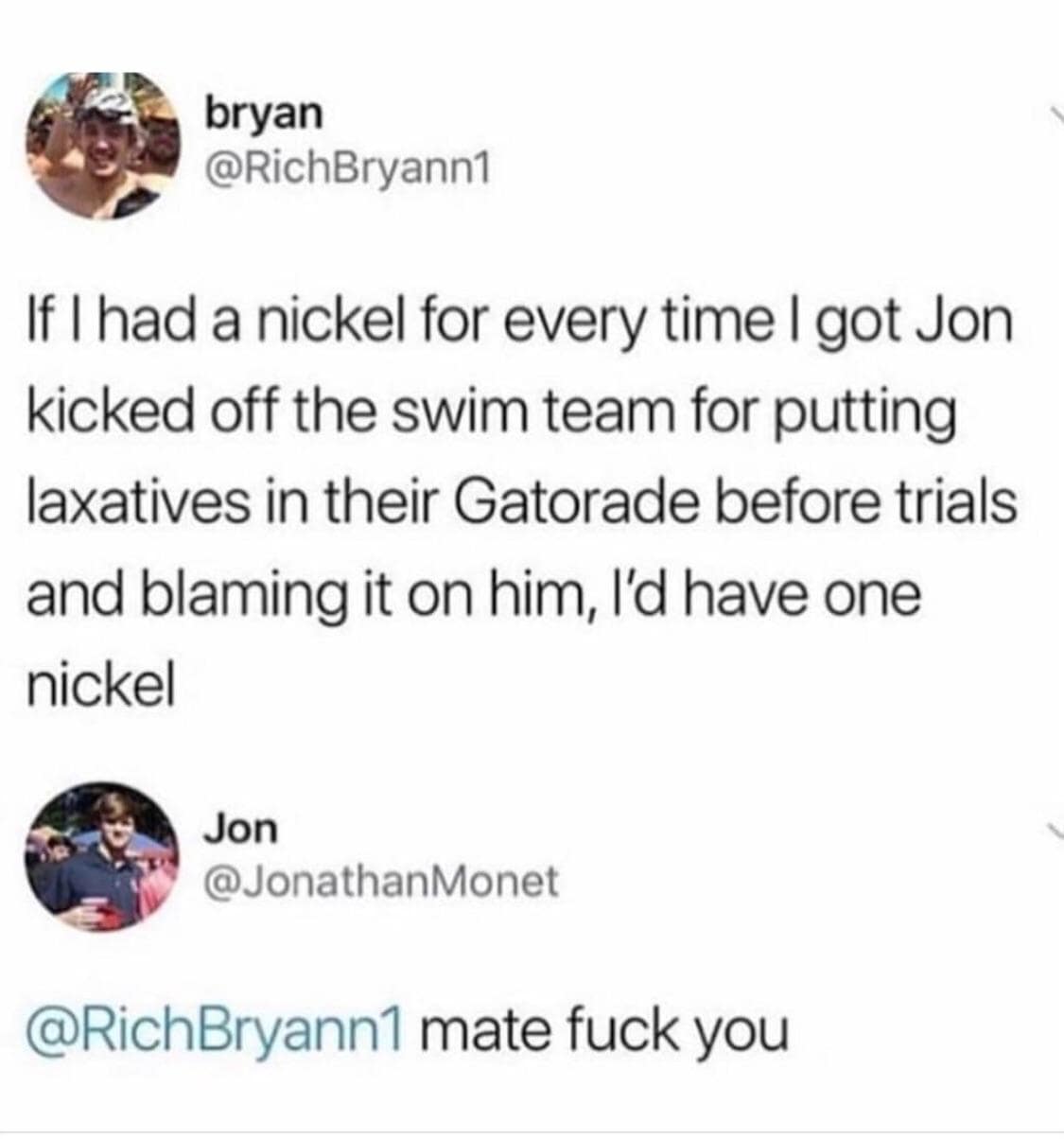
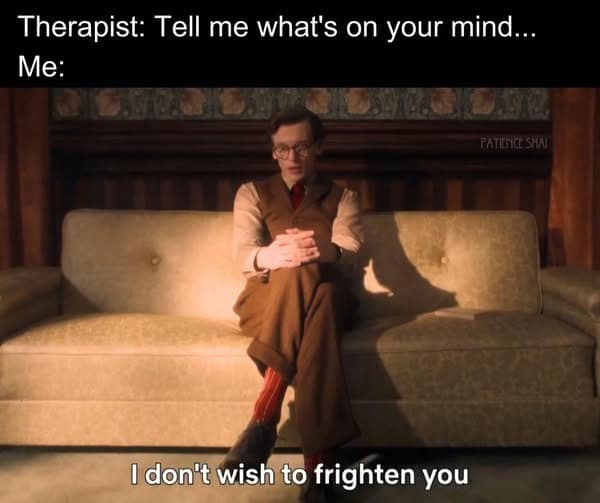
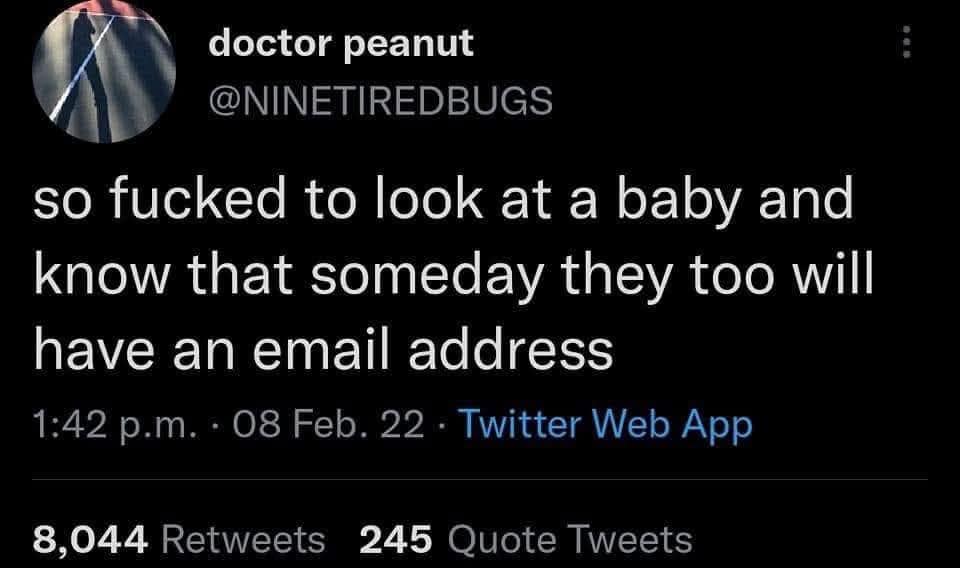
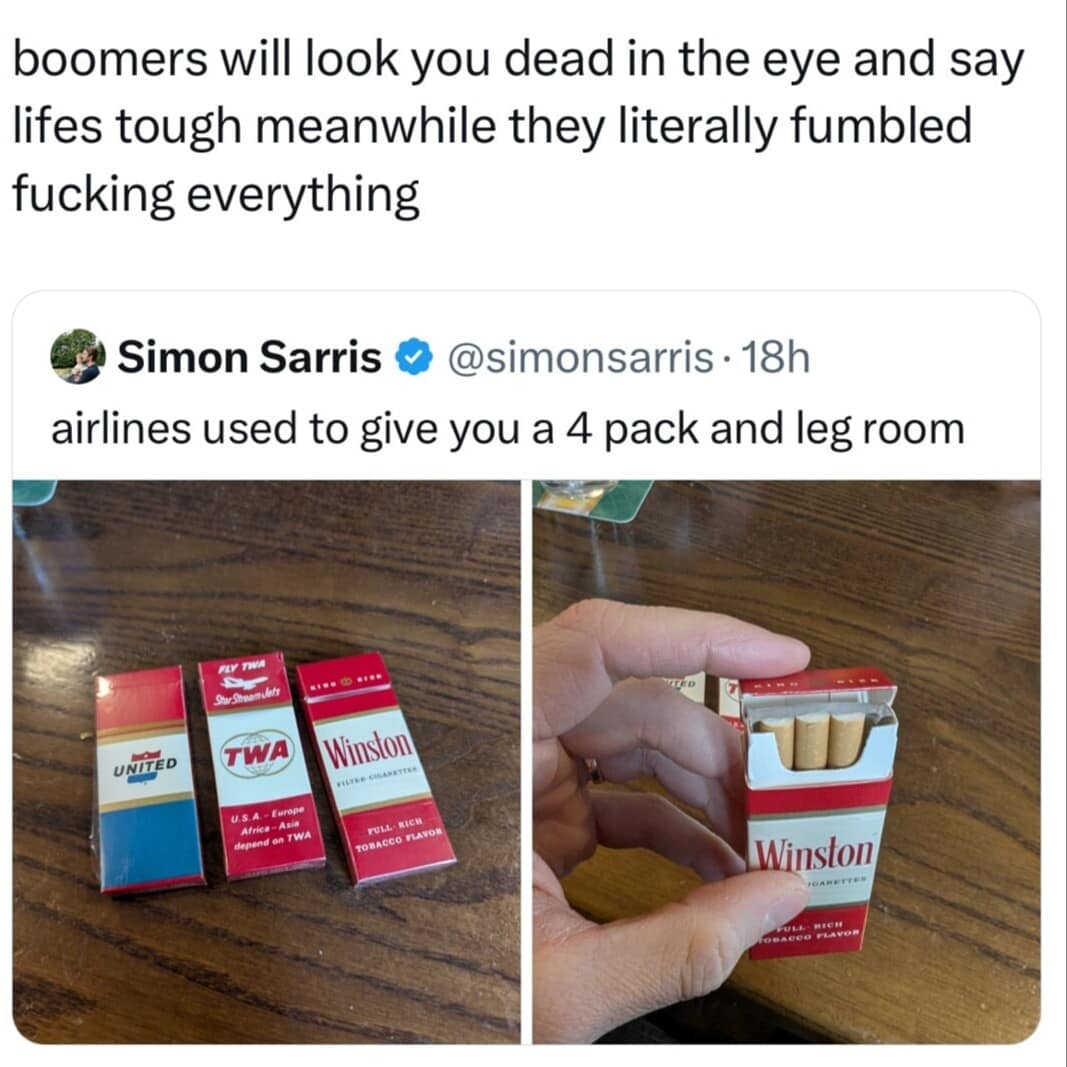
The viral tweets here also nail the social side of the internet: posting while ignoring texts, the chaotic “I framed Jon” confession, and the therapist-couch line that sounds like a movie villain trying to be polite. Then it closes with the puppies playing poker (bless them) and the existential baby-email realization, which is hilarious until you remember Outlook exists. The vintage airline cigarette pack is the cherry on top: a tiny artifact from a time when the rules were fake and everyone just raw-dogged reality.
If you want more in this lane, we’ve got a classic memes post that’s strictly “work and email horror,” another that’s “money anxiety and consumer guilt,” and one that’s all about social anxiety built around viral tweets that still hit on the first read.
Read Memes
Get Paid


Phil M., Co‑Founder & Content Strategist
Phil is one of Thunder Dungeon’s co‑founders, doubling as our resident meme analyst and dark‑room brainstormer. He specializes in trend‑spotting across social platforms and shapes the editorial calendar to keep our galleries fresh, topical, and worthy of your valuable procrastination.