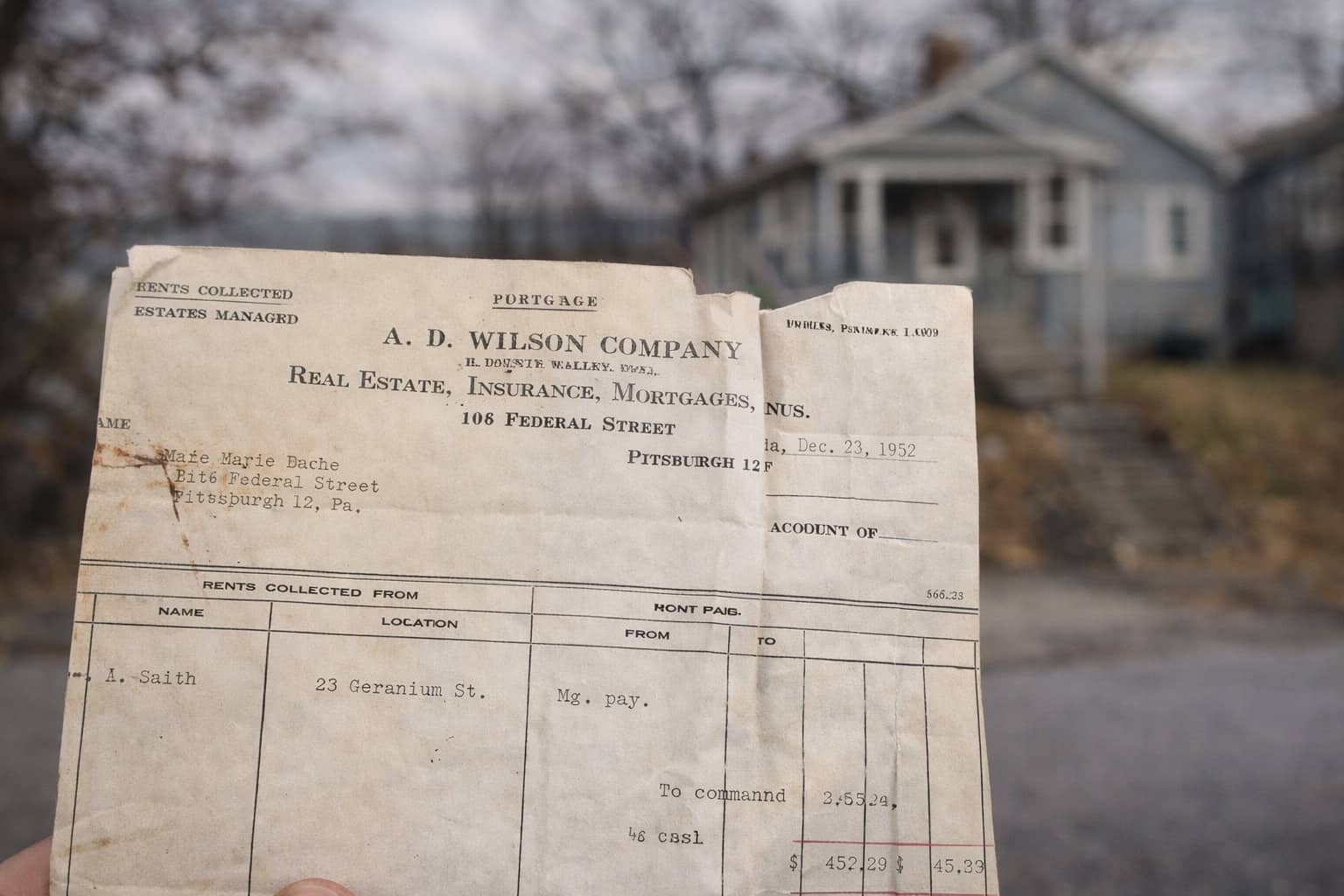

If you want to feel a sudden, sharp pain in your bank account, looking at a 1950s mortgage statement is the fastest way to do it. This collection of vintage receipts and modern inflation math proves our grandparents weren’t just better with money; they were living in a different economic simulation. We are looking at a viral debate sparked by a forty-five dollar monthly payment that covered a whole house. It is enough to make any millennial cry into their avocado toast.








1950s mortgage
The math of despair is real when you realize a forty-five dollar payment in the fifties barely buys a decent dinner for two today. We see financial breakdowns showing that a total mortgage balance adjusted for inflation equals about eight thousand dollars. I have spent more than that on a used car that smells like old French fries. There is a generational shift in perspective when you hear a mother complaining that sixteen years was a long time to pay off a house. Nowadays, we are looking at thirty-year commitments that feel like a life sentence. The housing market is a completely different beast, and seeing median annual incomes from 1952 that wouldn’t cover a modern car down payment is jarring. We have poignant observations about the impossibility of finding a new three-bedroom house for a hundred thousand dollars today. Even the lifestyle gaps are huge; imagine what three dollars an hour used to buy versus the survival mode it represents now. It is a dark satire of our current economic reality. We look at the Geranium Street mystery where a once-affordable family home is now just a vacant lot that costs fifty thousand dollars. It is a reminder that the cost of living has outpaced our sanity and our savings accounts.
These 1950s mortgage facts are a bitter pill to swallow, but they help explain why everyone is so stressed about money. Our grandparents were living in a world where you could pay off a house on a single income without a college degree. Now, we have paperless billing discounts and high-tech banking, but we can’t afford a studio apartment. It is a mix of genuine economic awe and dark humor as we process the fact that a house used to cost less than a mid-range SUV.
If you are currently looking at your bank account with regret, you should check out some inflation calculator fun, real estate fail videos, or millennial struggle memes. There is plenty of company in the “how did it get this expensive” club. Just try to focus on the things you can control, like which brand of knock-off cereal you are buying this week.
Read Memes
Get Paid


Michael Hartley, or just "Mike," is an editor and seasoned meme historian whose articles have traced the evolution of meme humor from early Impact-font classics to today’s TikTok sensations. With nearly a decade spent as senior editor at ViralHype and as a regular contributor to Cheezburger, Mike has dissected the rise of meme legends such as Bad Luck Brian, Success Kid, and Doge. When he's not hunting down meme gold for Thunder Dungeon, Mike teaches workshops on meme marketing and the psychology behind shareable content.