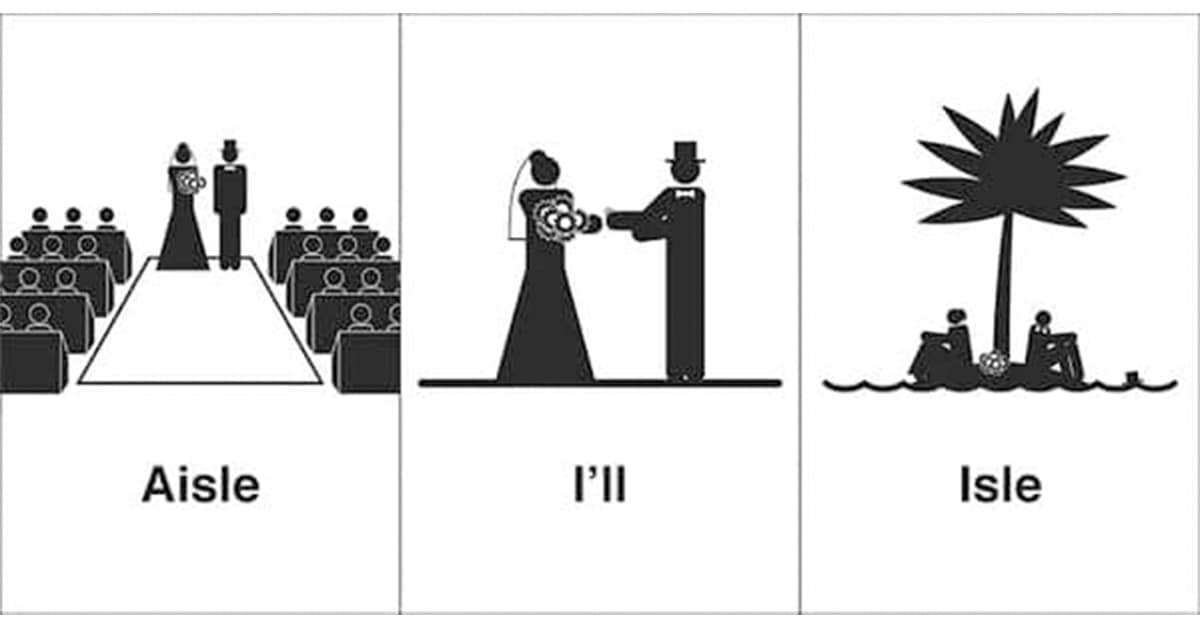

Funny Homophone Comics That Make Your Brain Double-Take
Updated on December 1, 2025
I sat down to “quickly” label storage bins and instead fell into funny homophone comics by the talented Bruce Worden, tea cooling while my inner copy editor did cartwheels. Early-December light hit the desk just right, and suddenly I was timing panels like drum fills.
Bruce Worden’s knack for visual puns is a small miracle: clean compositions, precise lettering, and jokes that land in one glance but reward a second. The humor sits in the gap between sound and sense, turning language into a playground you can skim at arm’s length. Expect comic strip images with crisp whitespace, webcomic pictures tuned for phone screens, and wordplay cartoons that function like bite-size brain teasers.
35 Funny Homophone Comics For Quick Brain Tingles
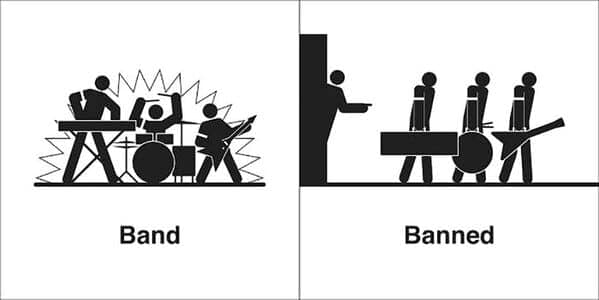
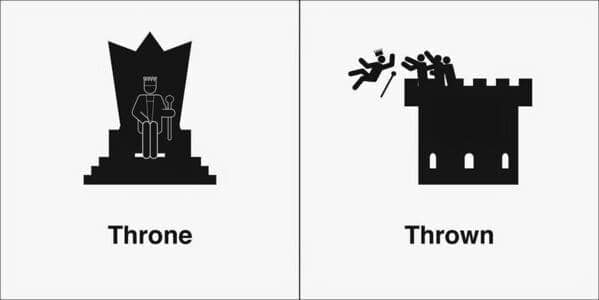
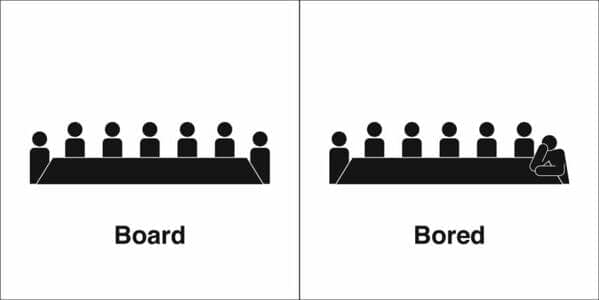
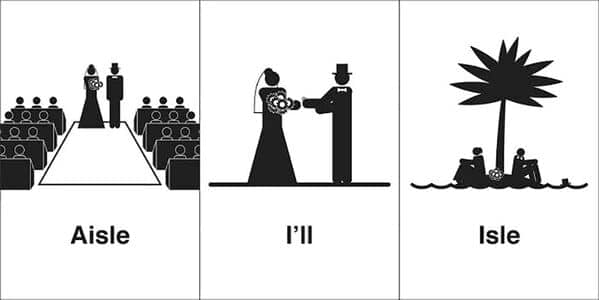
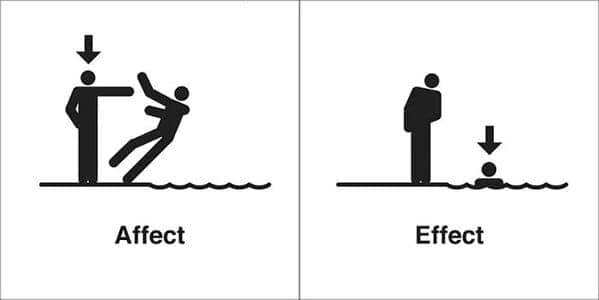
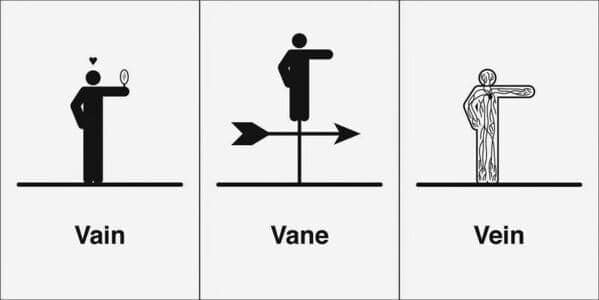
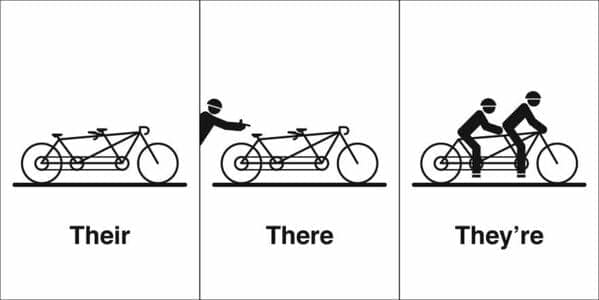
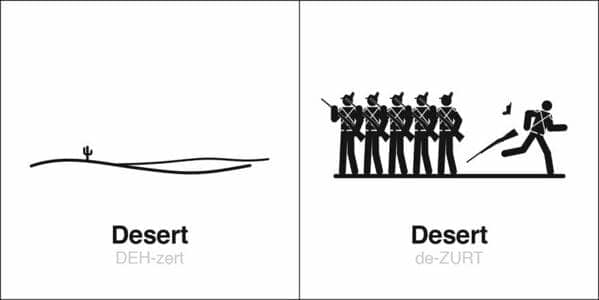
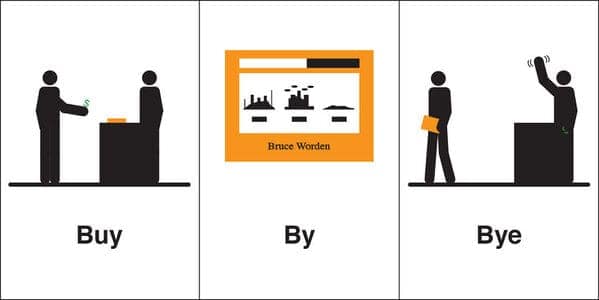
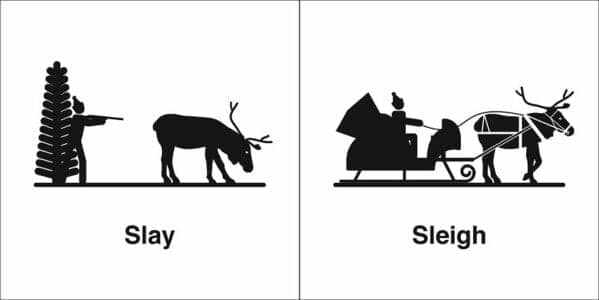
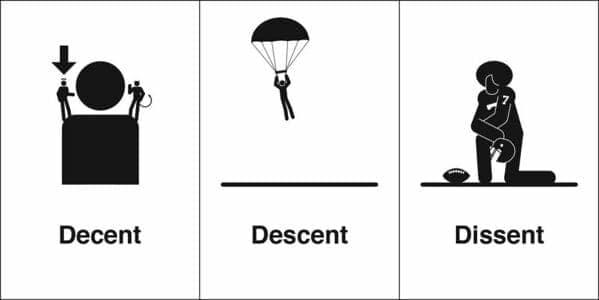

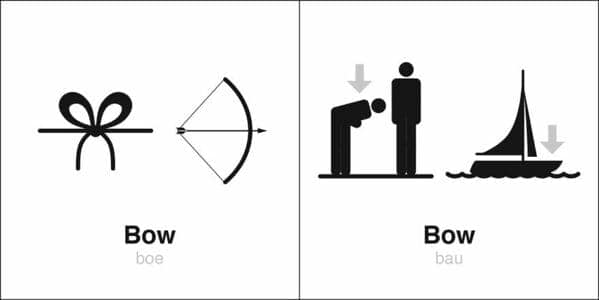
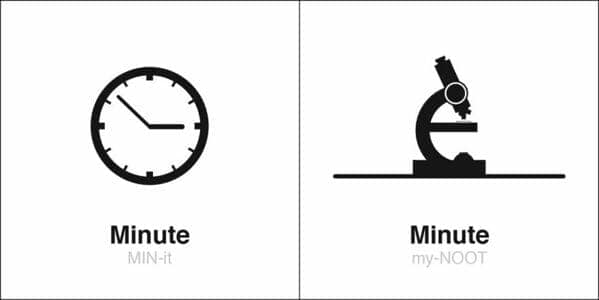
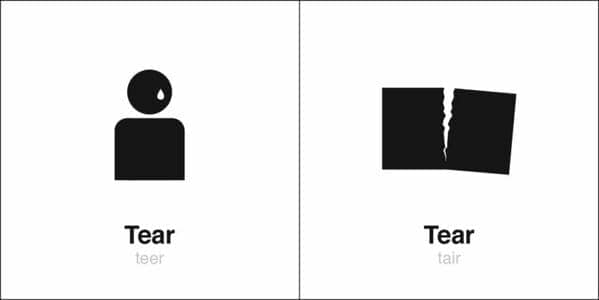
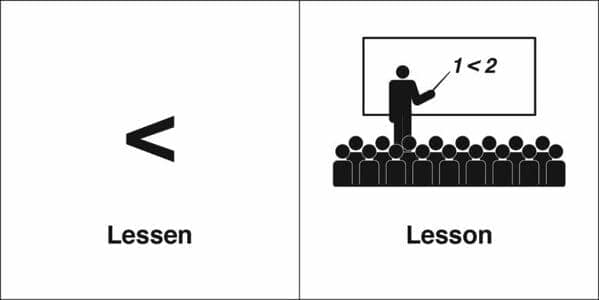

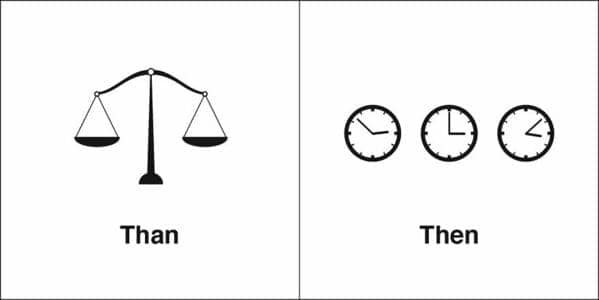

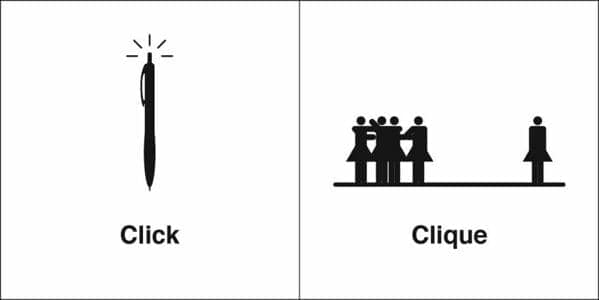
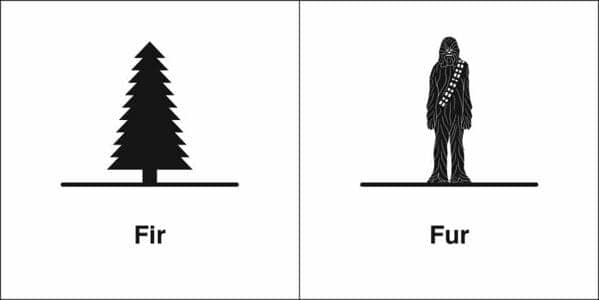
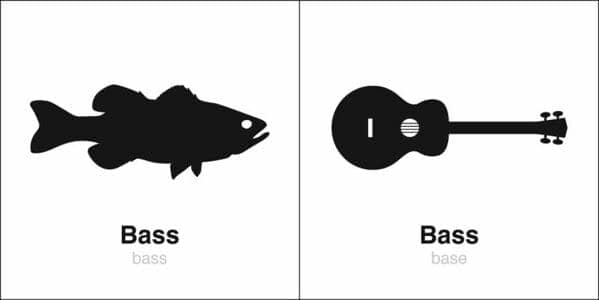
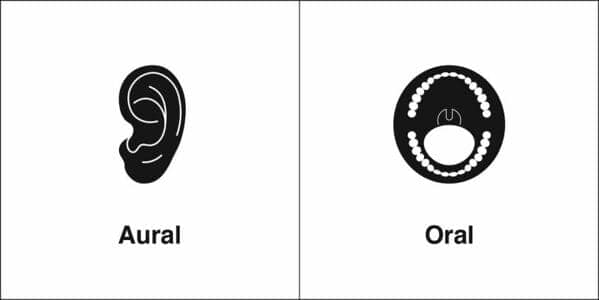
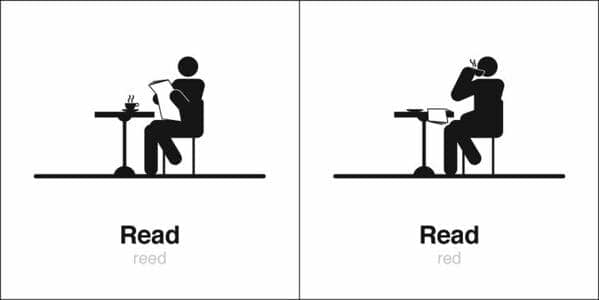
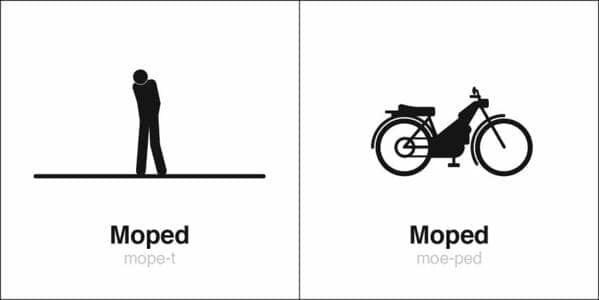

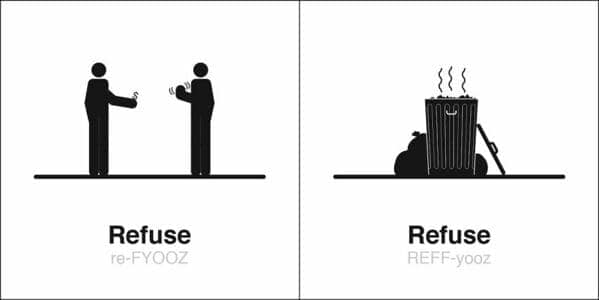
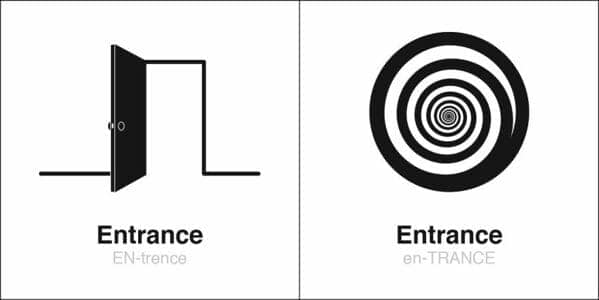
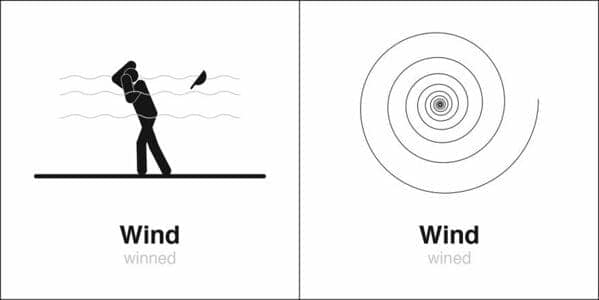
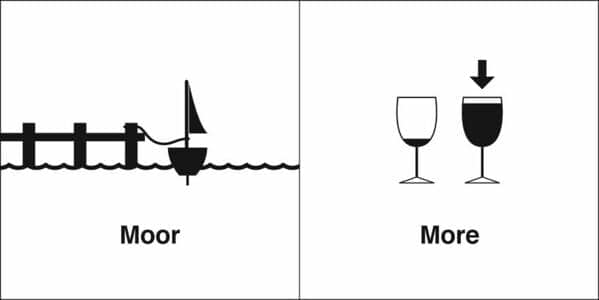
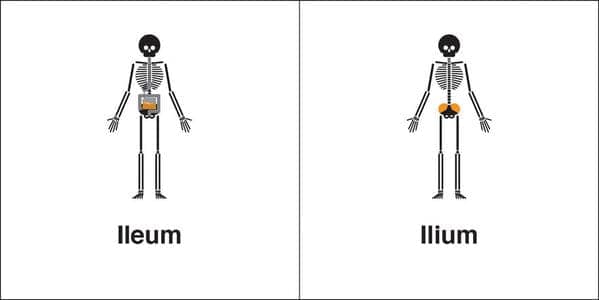
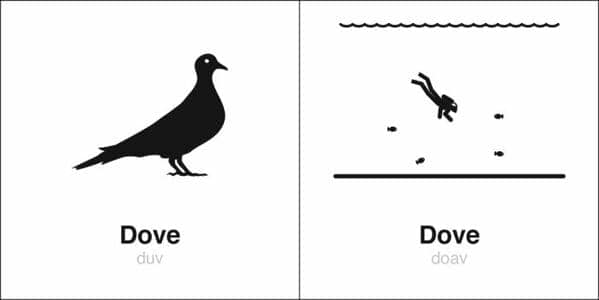
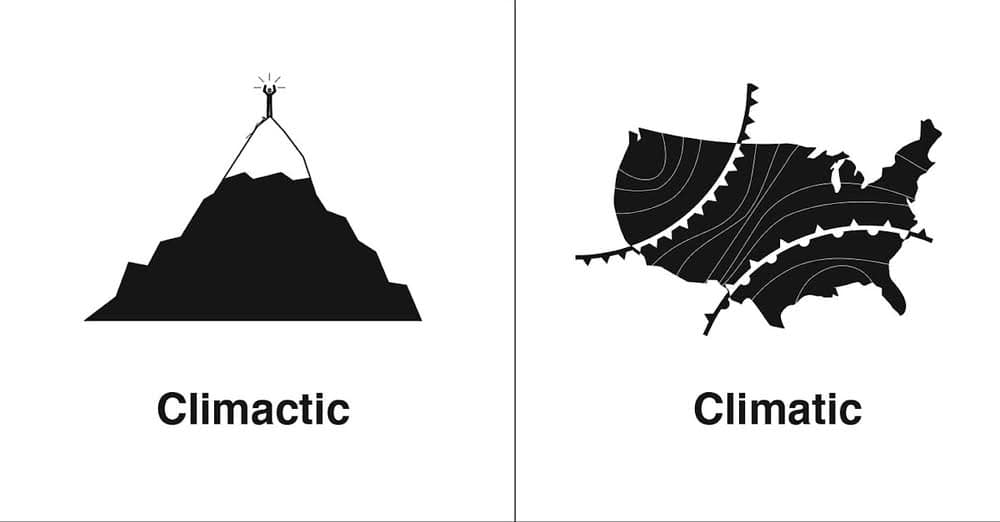
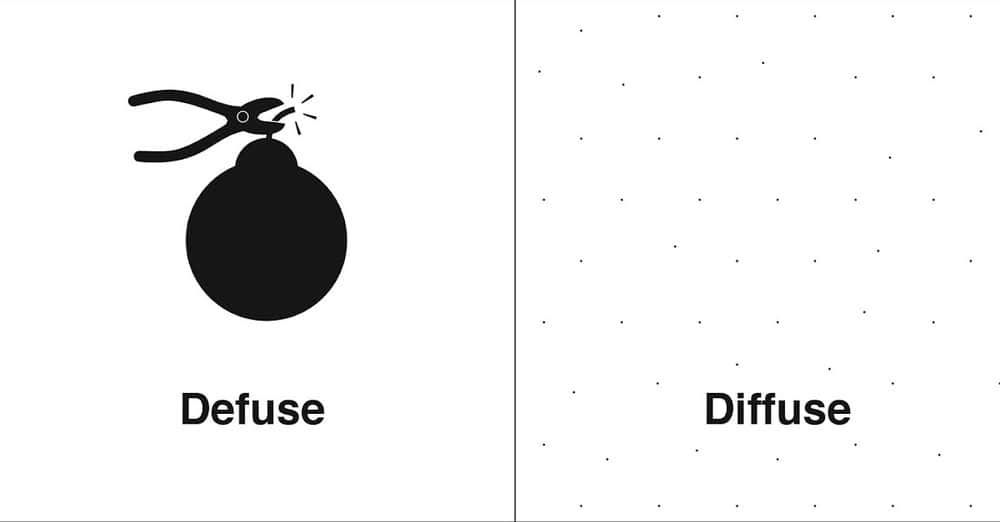
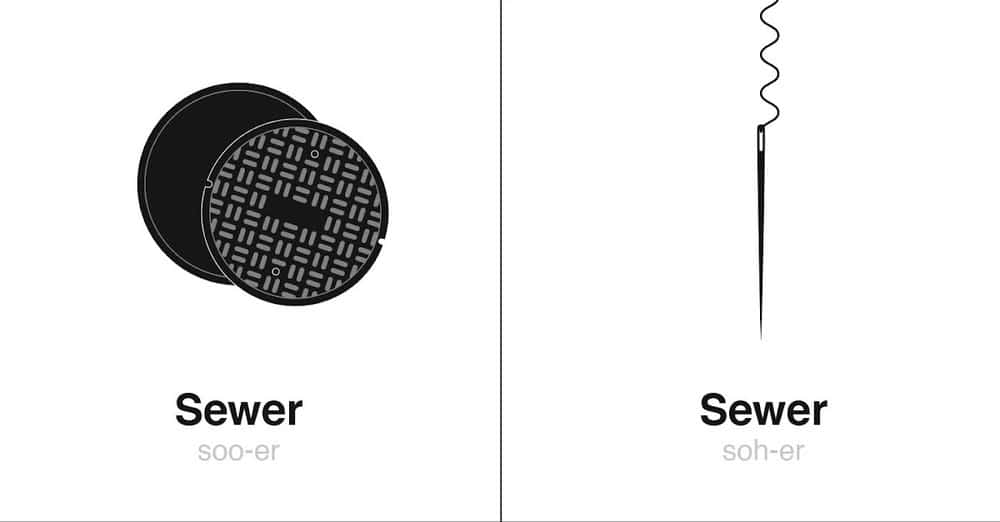
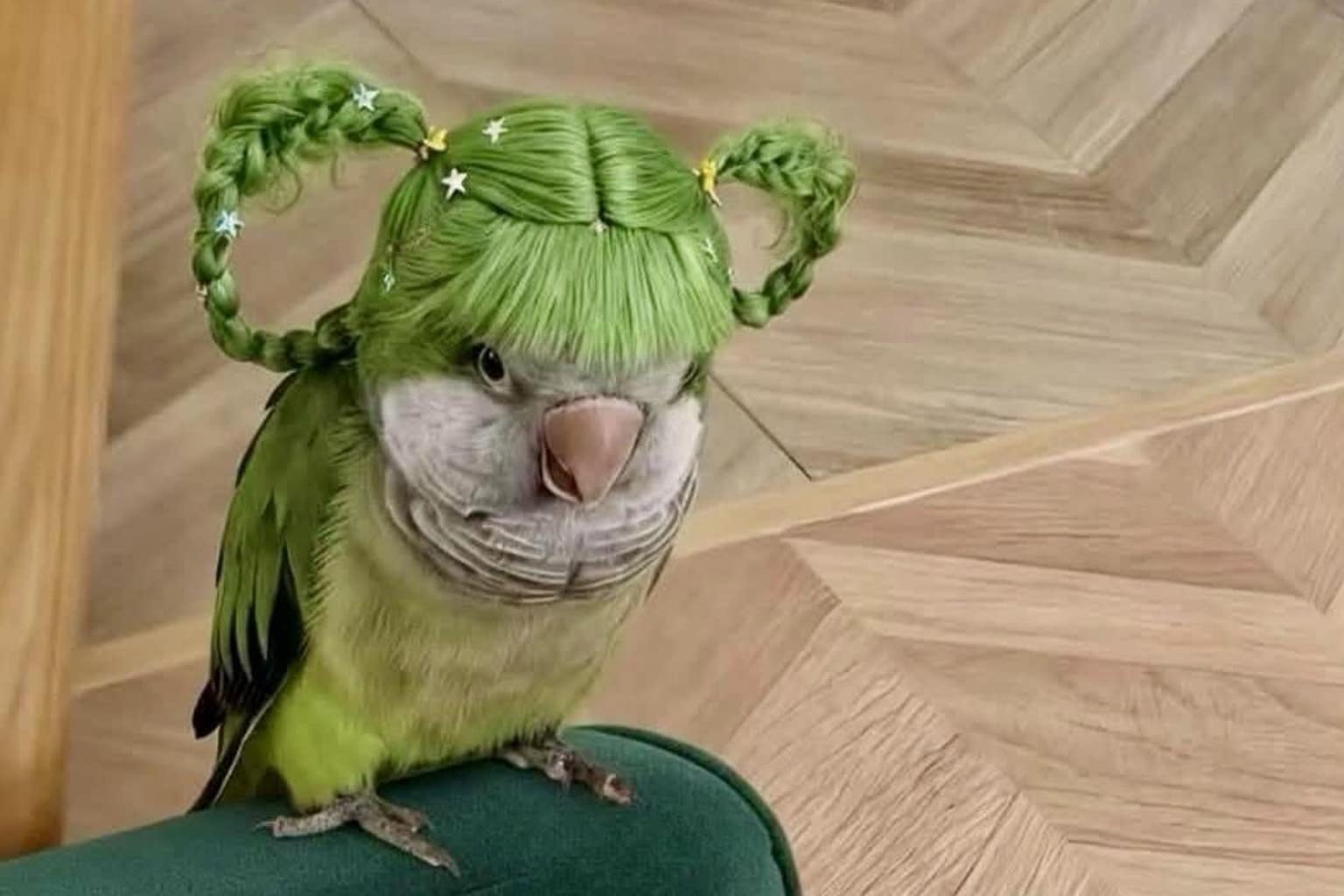
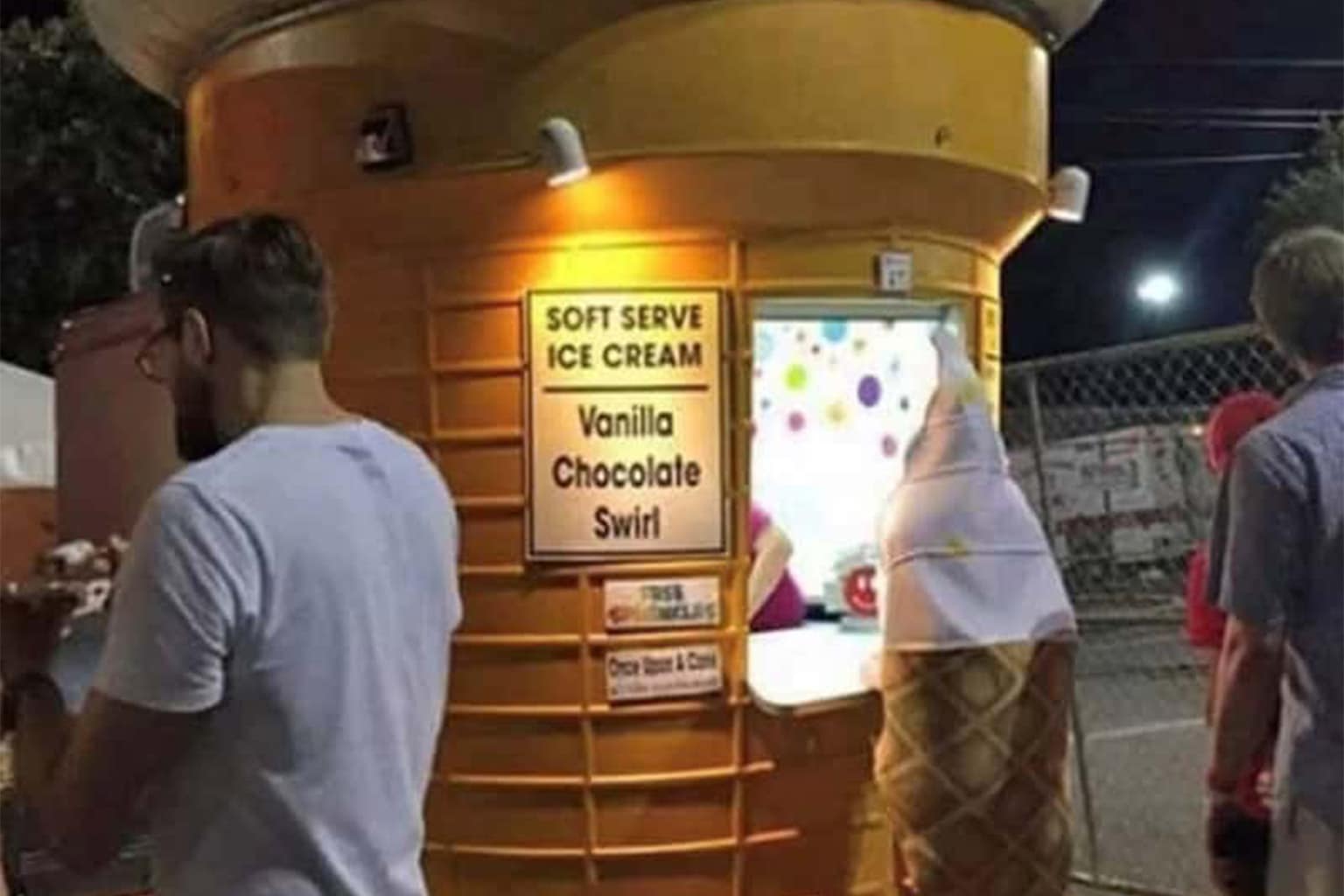
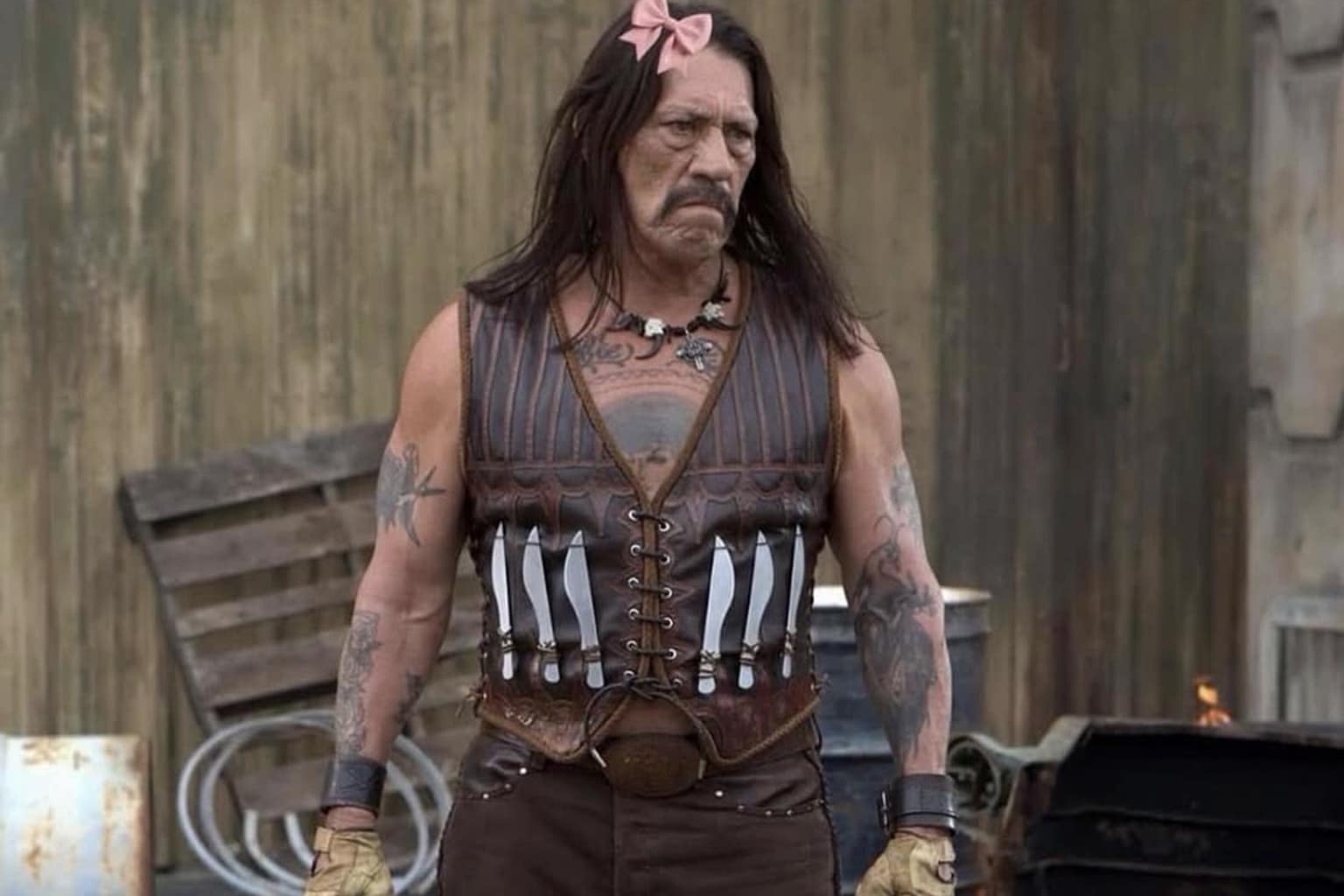
See how the shapes do the heavy lifting? One panel turns a near-homophone into a visual fork in the road; your eyes pick a path and the grin arrives before your tea gets chilly. The best funny homophone comics never shout—one idea, one reveal, and a graceful exit.
Mid-gallery, the rhythm settles: set-up on the left, twist on the right, and typography that nudges the ear as much as the eye. That’s where comic strip images shine; the spacings are deliberate, so your brain hears the joke without a caption telling it what to do.
A few entries tilt delightfully nerdy—dictionary vibes, classroom chalkboard energy, and signage that moonlights as a comedian. The webcomic pictures here keep everything legible at thumbnail size, which is the difference between clever and saved-to-camera-roll.
Season sneaks in without stealing the stage. A scarf becomes punctuation, frost rounds the corners of a caption, and a streetlight turns into a spotlight for a punchline. Wordplay cartoons handle this quietly; the world frames the joke and you do the rest.
Near the end, the cadence tightens: sound-alikes you’ve said a thousand times suddenly wear new faces. That spark—that tiny click in the head—is why language humor travels. Clean art, clean reveal, and you’re sending it to a friend who texts back “ouch (in a good way).”
Pocket three takeaways for your own captioning: keep the silhouette obvious, let the type carry tone, and stop one beat after the laugh. The panel stays tidy, the joke reruns well, and your thumbs feel like magicians.
Jake Parker measures twice, files the edges smooth, and treats a good pun like shop-grade hardware.
Read Memes
Get Paid


Jake Parker, known around the web as "Jay," is a digital writer with over 10 years of experience covering internet humor, meme trends, and viral content. Before joining Thunder Dungeon, Jay was the lead editor at MemeWire, where he helped curate memes that broke the internet, including coverage on trends like Distracted Boyfriend, Kombucha Girl, and Bernie Sanders’ Mittens. A self-proclaimed "professional procrastinator," Jay spends his downtime scrolling Reddit and Twitter to stay ahead of what's about to break the internet next.