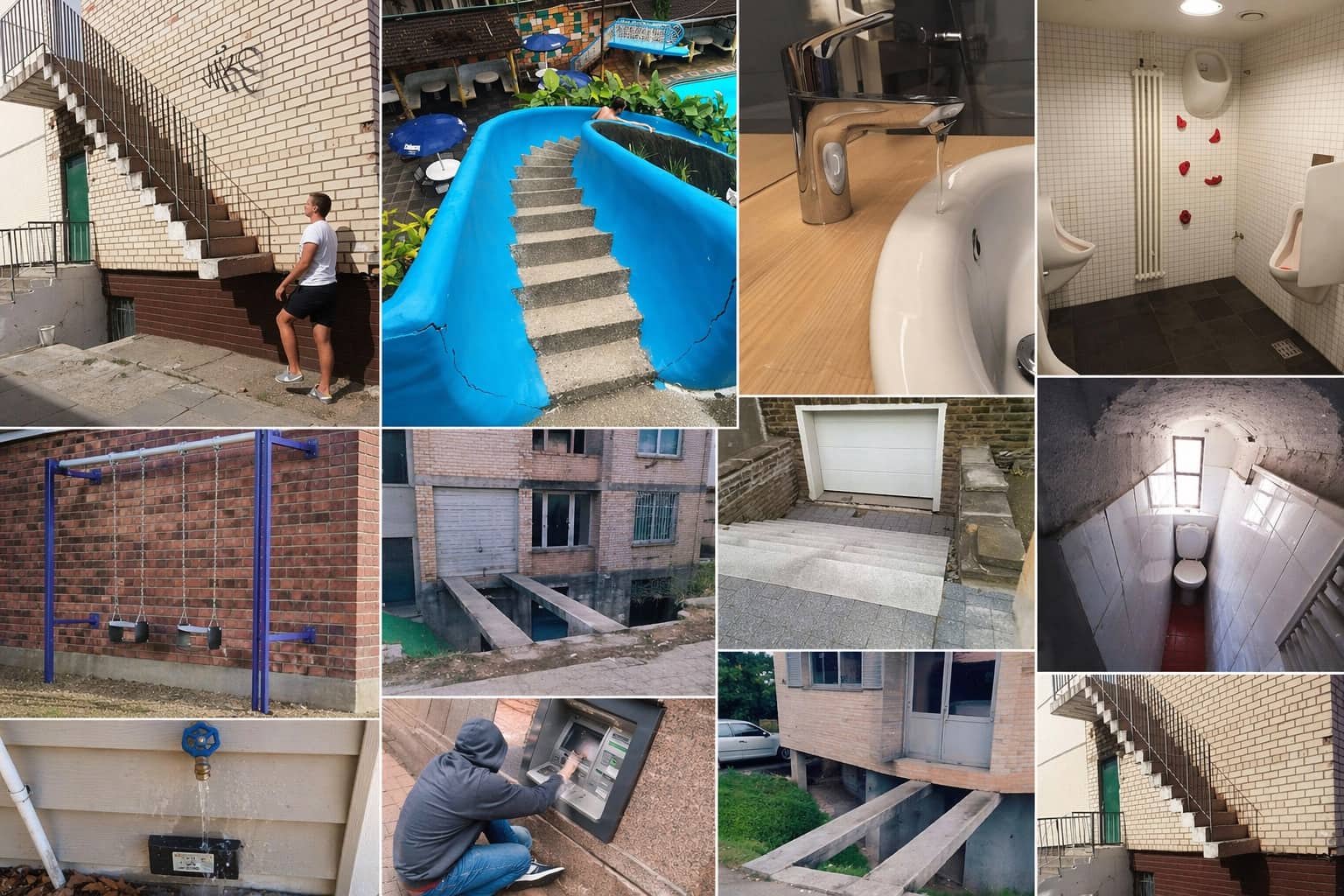

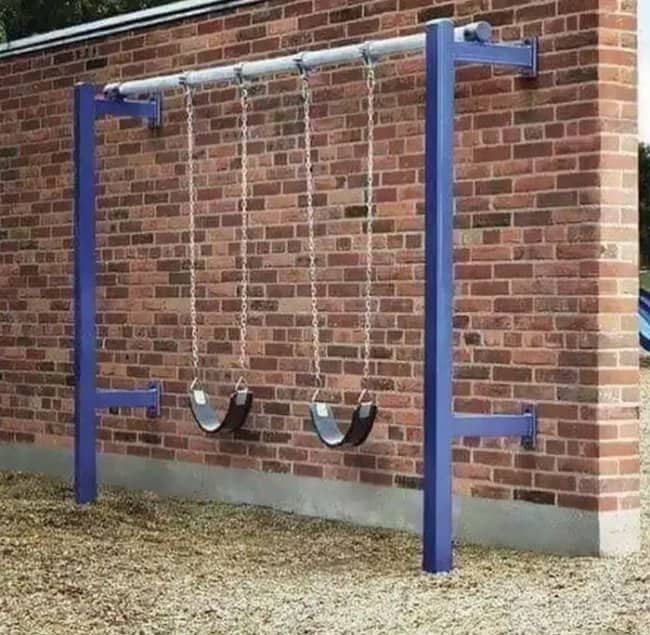
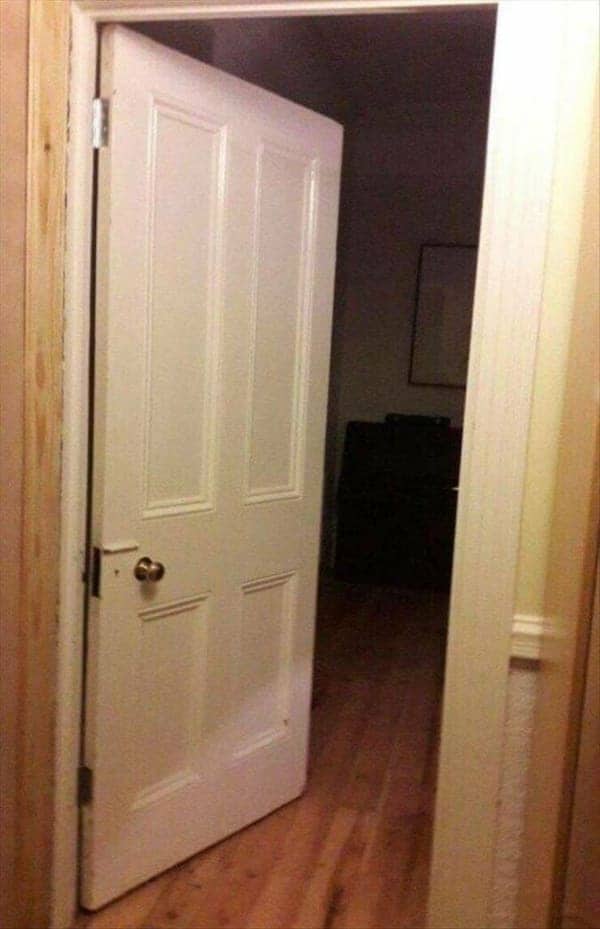
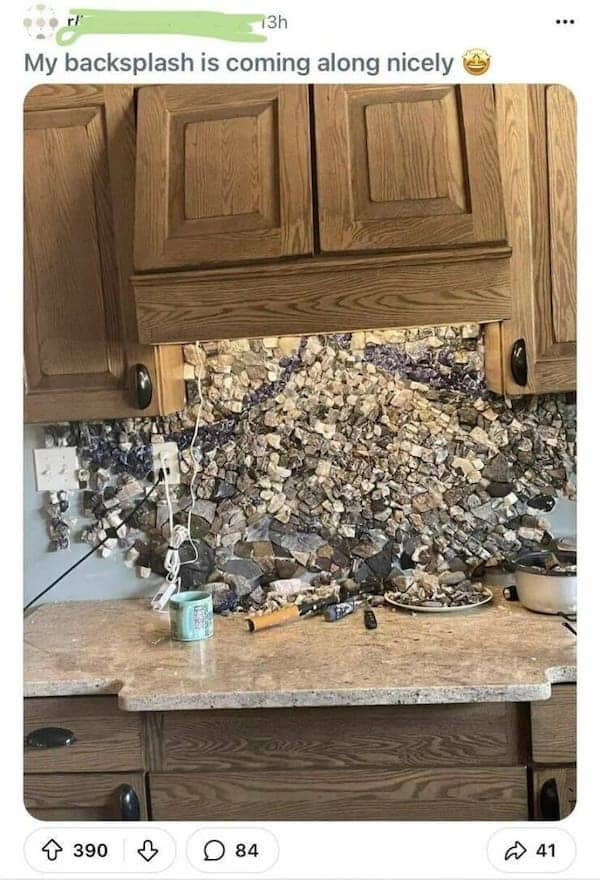
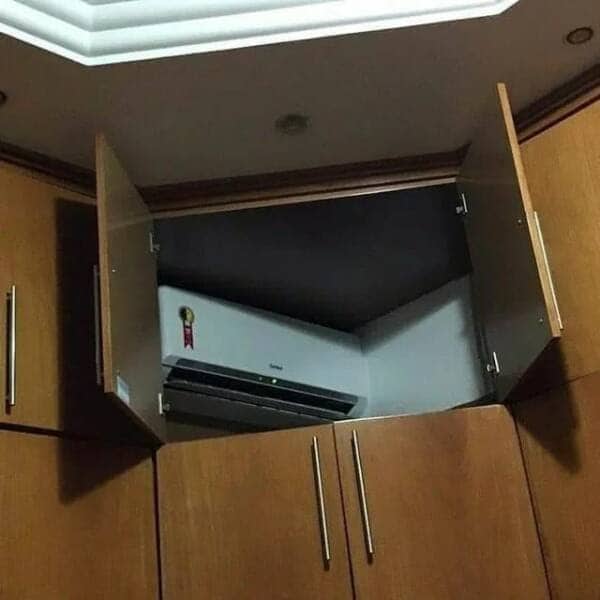
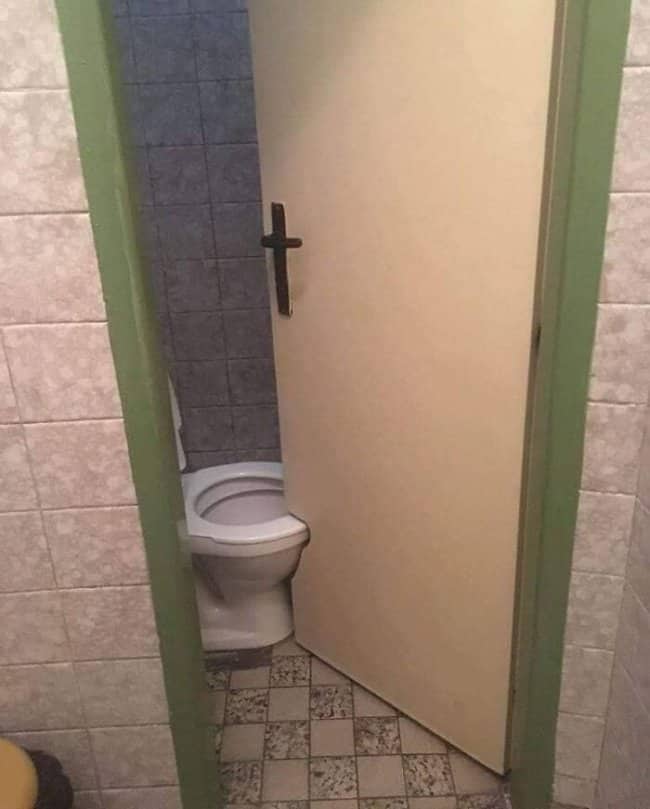
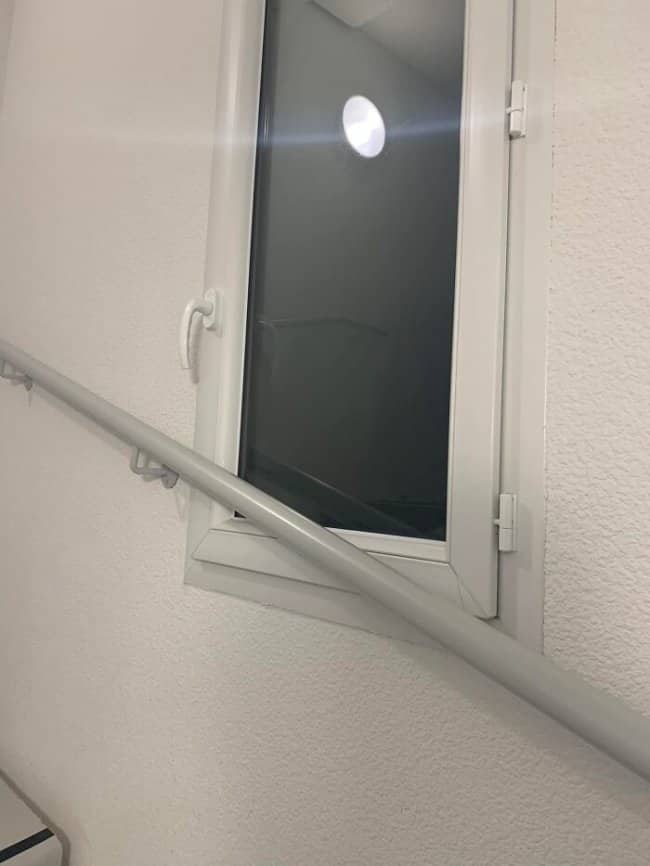
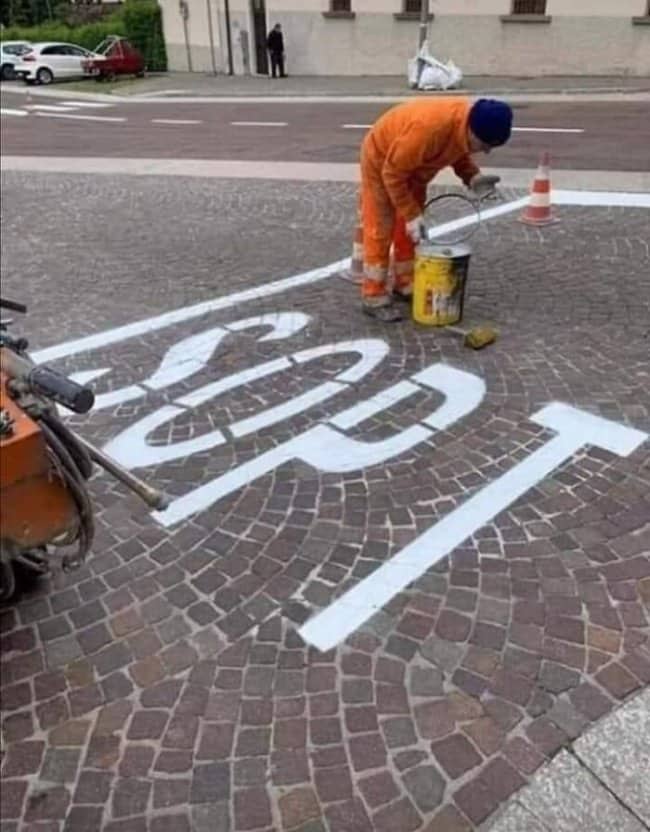
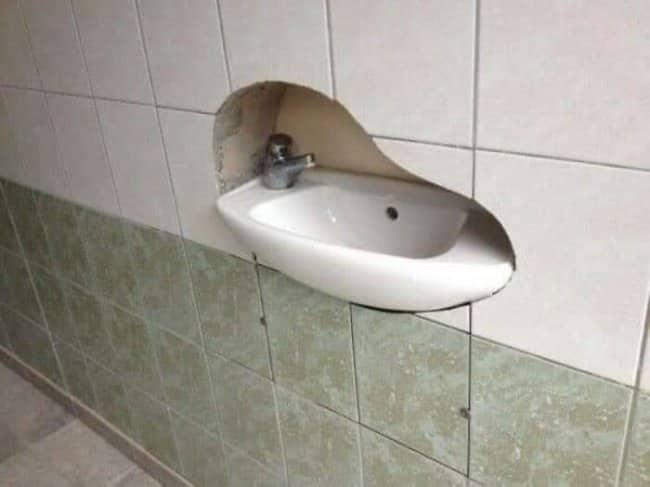
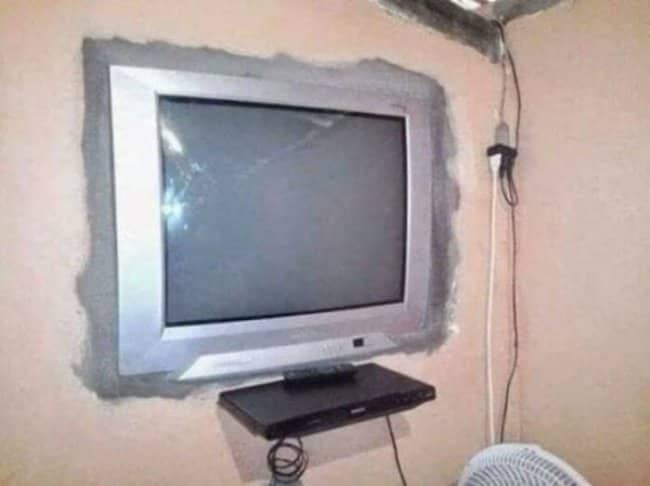
The building was completed. The permits were filed. The construction crew showed up, did the work, collected payment, and departed, and at no point in that sequence did anyone pause to ask whether a person could physically use the thing that was being built. Construction fails of this category are not the result of carelessness. They are the result of a very specific kind of confidence: the confidence of a person who is executing a plan without asking whether the plan, when executed, will produce a usable outcome. These thirty images are the outcomes. The stairs are inaccessible. The garage opens over a pit. The urinal requires a rope wall. We are going to go through all of it.
Construction fails
Read More
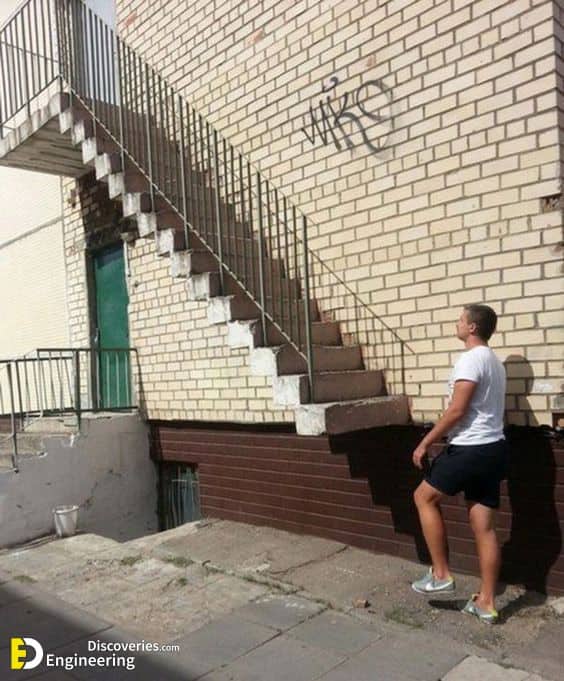
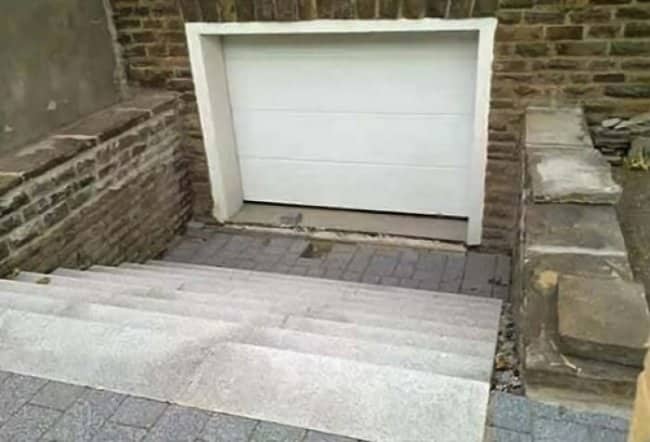
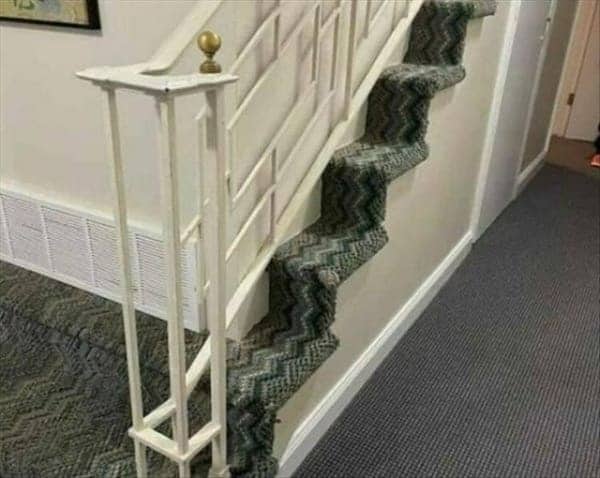
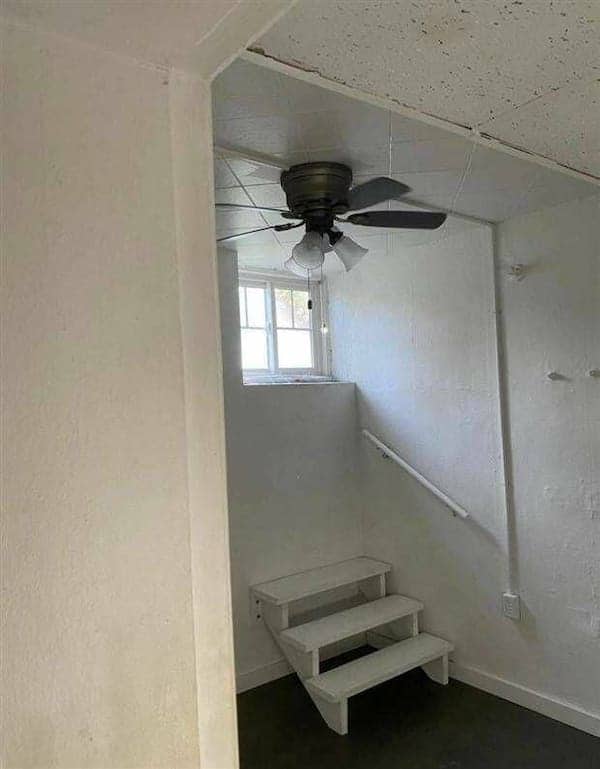
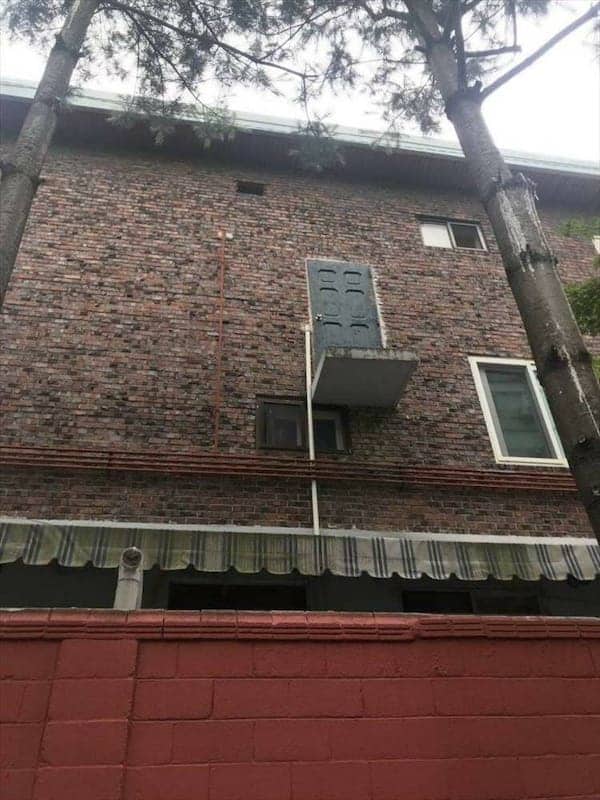
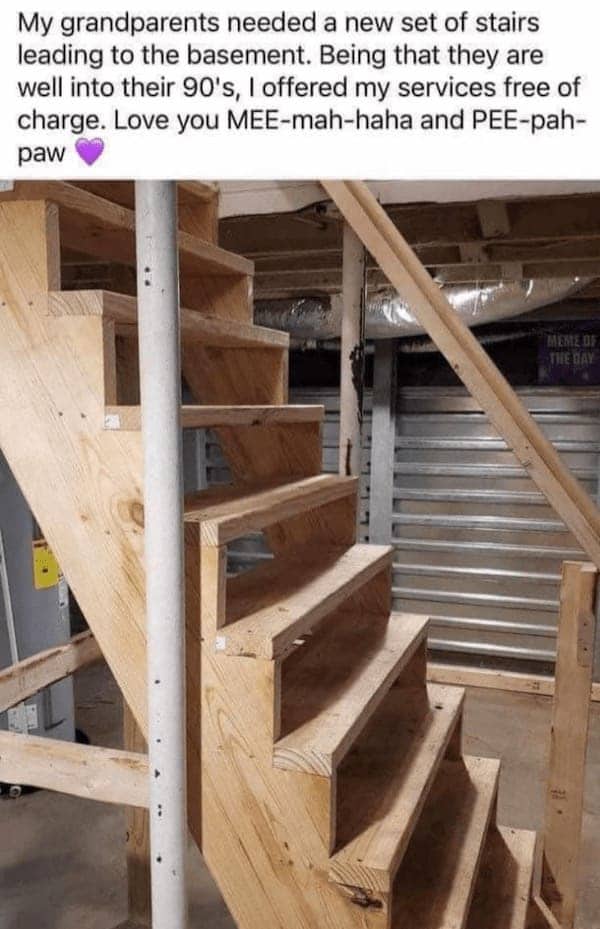
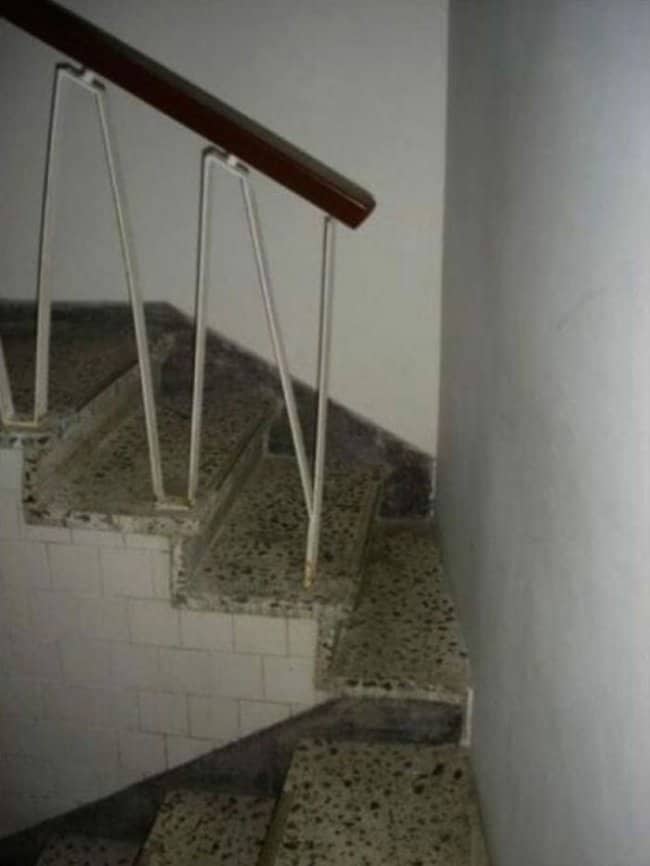
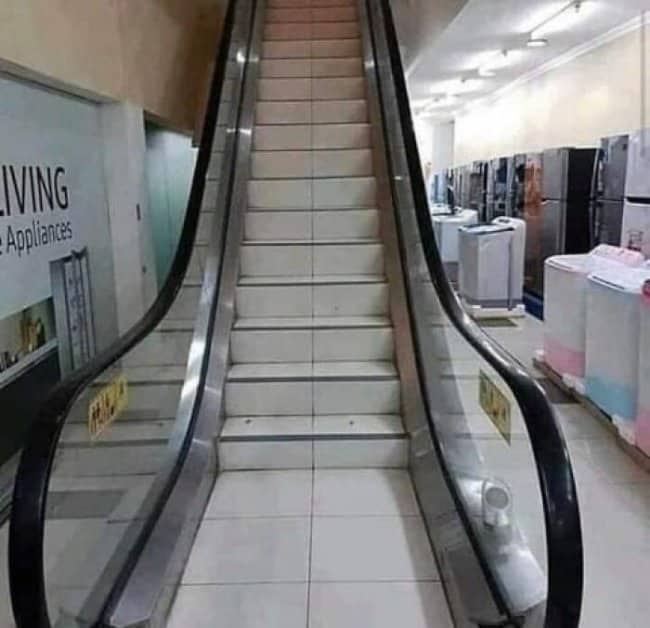
Funny building mistakes earn their documentation status through a quality that distinguishes them from other types of failure, which is that they were completed. An abandoned project is a failed project. A completed project that does not function is something else: it is a statement, confident and permanent, that the gap between “finished” and “works” was not considered a requirement. The staircase that begins four feet off the ground is a staircase in the technical sense. It has steps. The steps are correctly proportioned. The staircase leads to something. The approach to the staircase has been left as an exercise for the user, who is welcome to figure it out.
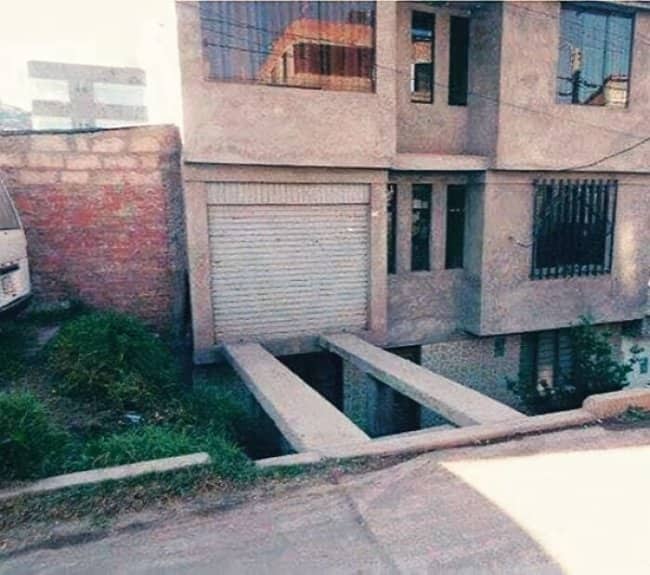
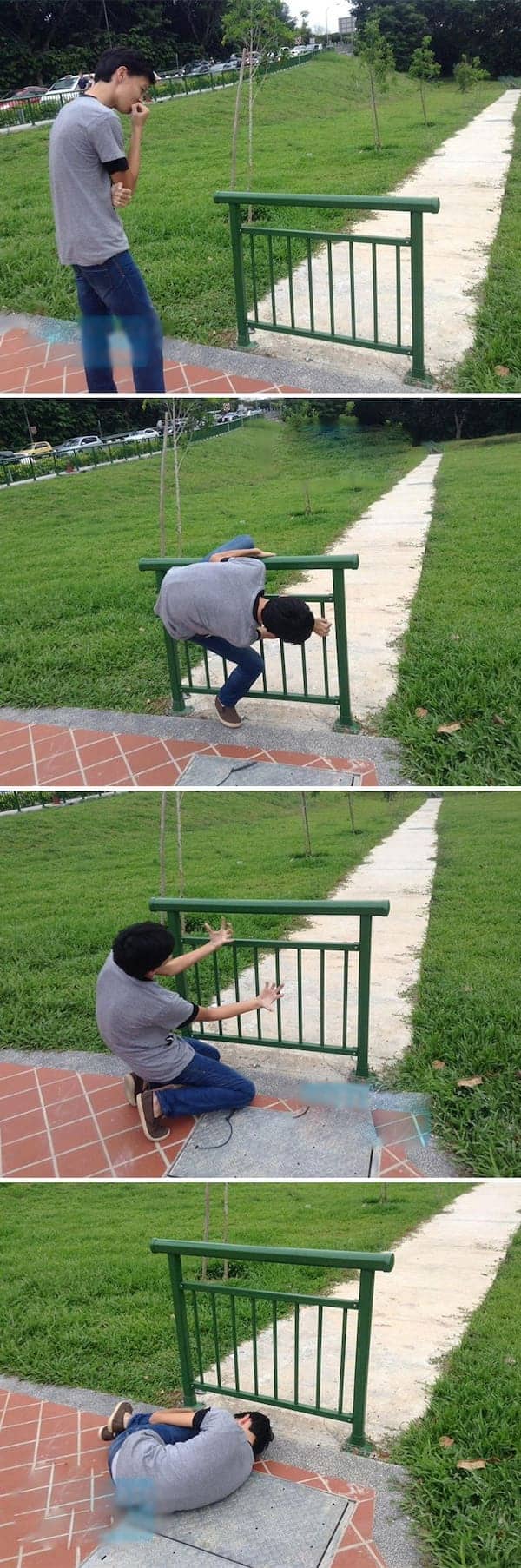
Architecture fails in the access category are the gallery’s most consistently baffling entries because they represent failures at the most fundamental level of what a building element is for. A staircase is for getting from one level to another. A garage door is for driving a car through. A driveway is for the car to drive on before it drives through the door. These are not advanced requirements. They are the only requirements. The pit garage and the staircase garage have each managed to satisfy one of these requirements while entirely omitting the others, which is a specific kind of achievement that the building industry does not currently have a category for but should.
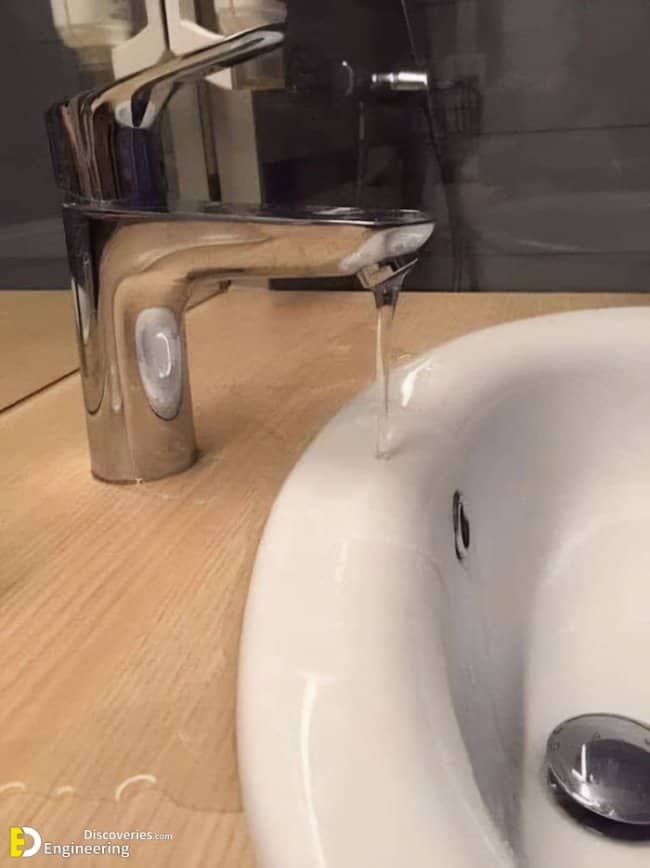
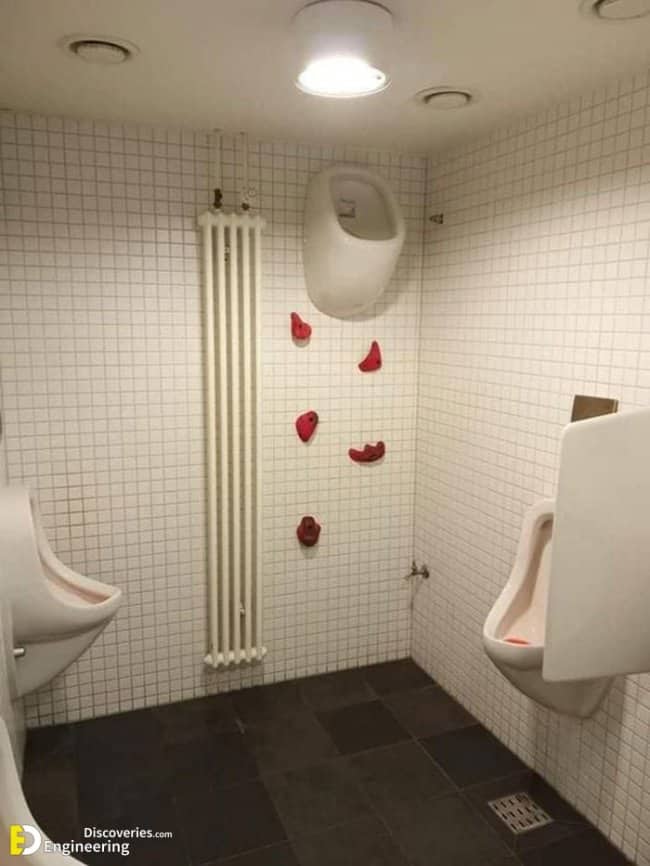
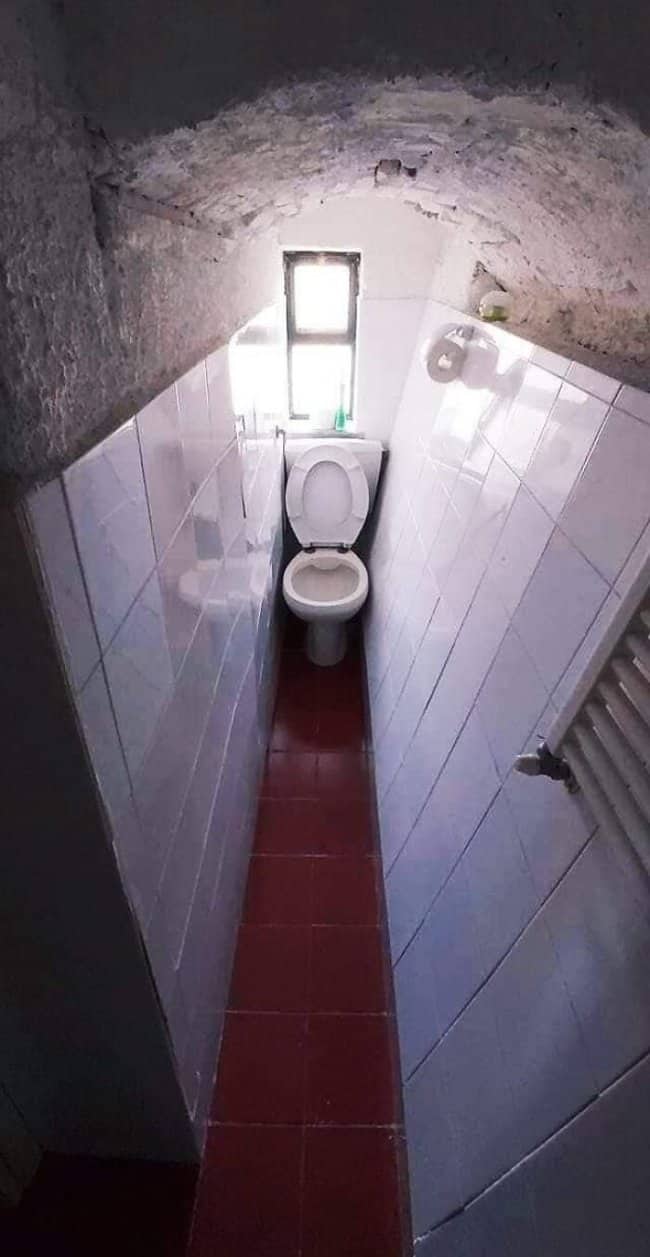
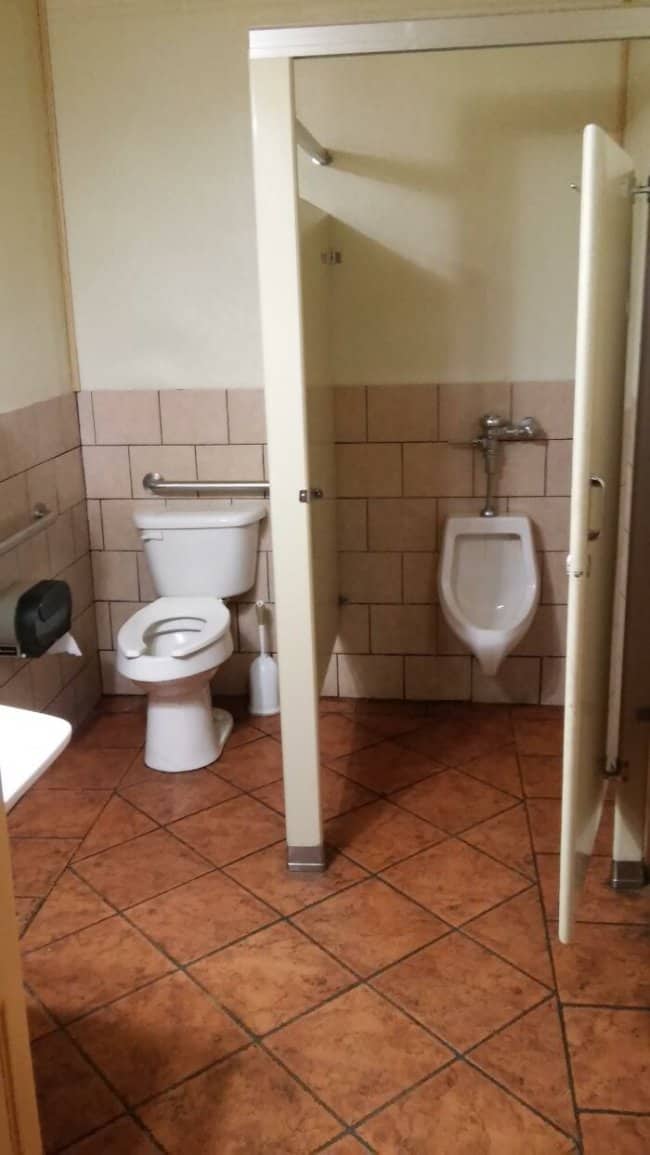
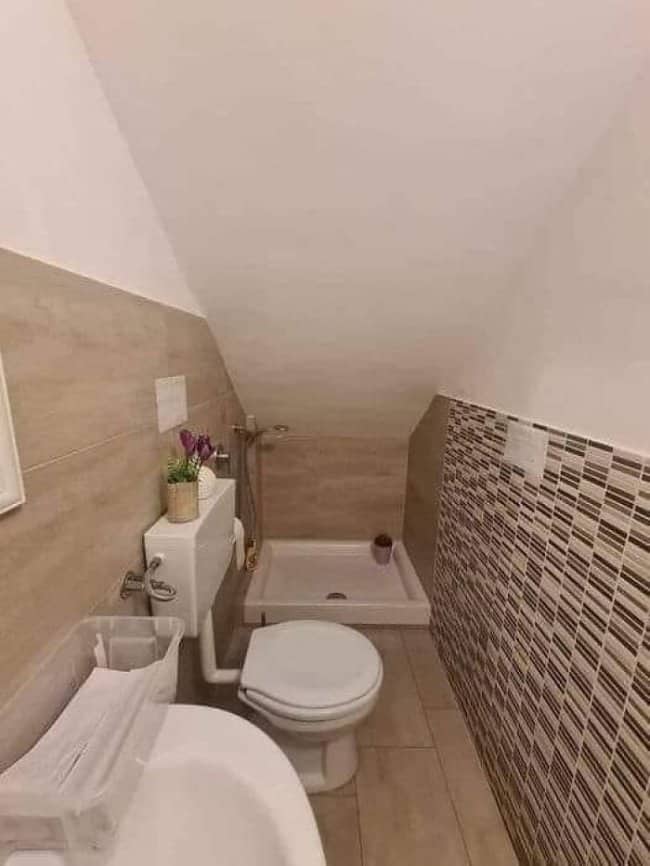
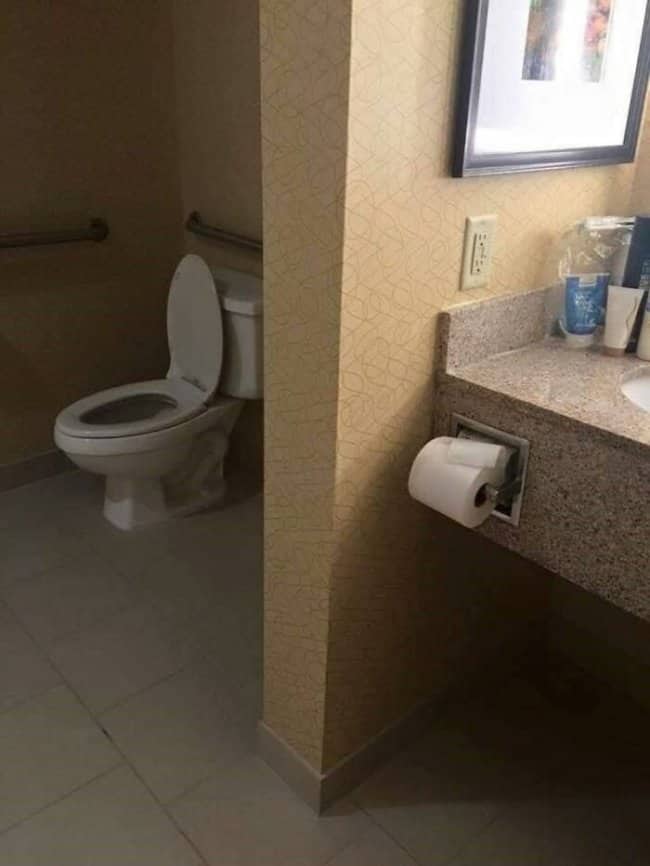
The bathroom trilogy in this gallery represents the three available dimensions of plumbing and spatial failure. The faucet that delivers water directly onto the wooden counter rather than into the sink has identified the location of the sink, installed the faucet in the vicinity of the sink, and declined to ensure that the water produced by the faucet reaches the sink, which is the one thing the faucet was for. The urinal at ceiling height has been installed with complete technical correctness in every respect except elevation, which is the most consequential respect. The corridor bathroom so narrow that the toilet is accessible only to adults willing to approach it sideways is a space that was built in a building that also contains a hallway, and the hallway and the bathroom have exchanged several of their characteristics, and neither is better for it.
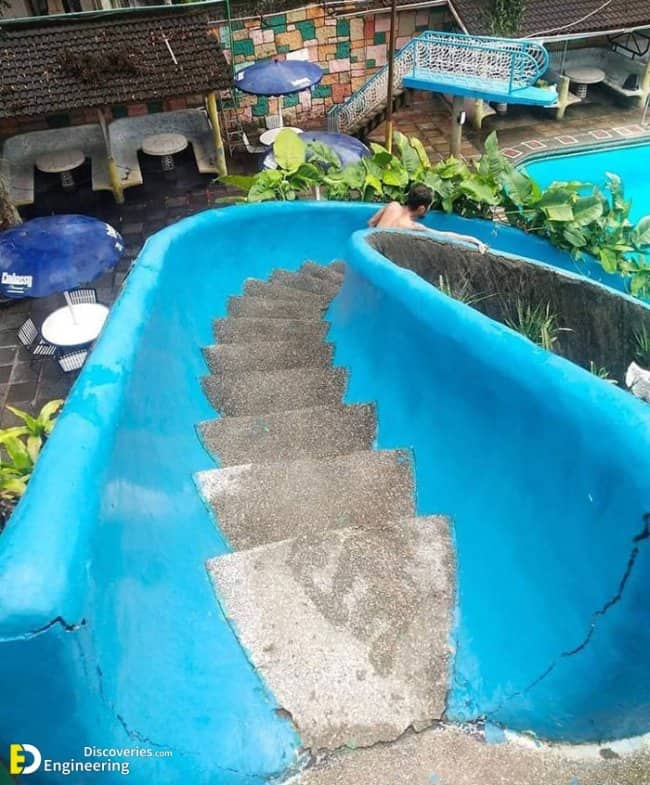
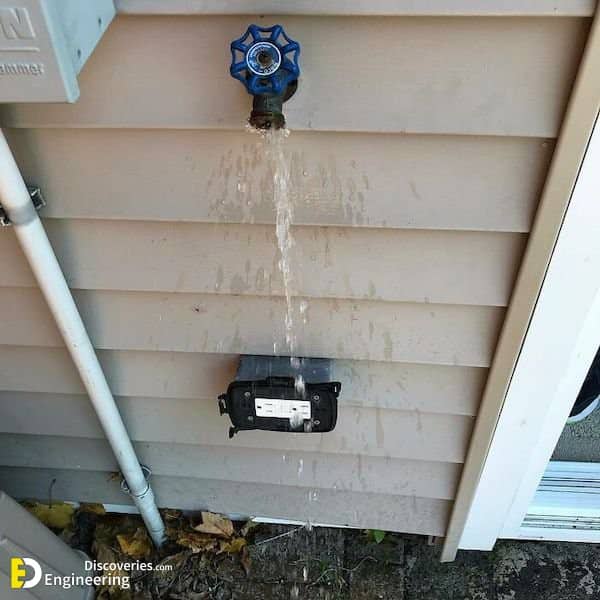
Bad construction photos in the outdoor amenity category deserve their own moment of extended consideration, because the water spigot installed directly above the exterior electrical outlet is not simply a construction fail. It is a configuration that combines two utilities whose primary requirement is to be separated from each other, in a single location, in what appears to be a residential setting. The water slide with concrete steps built down the center is a product that has located the correct site, installed the correct material, and then added a feature that makes the product’s primary function impossible, which is structurally similar to installing a pool and then filling it with gravel.
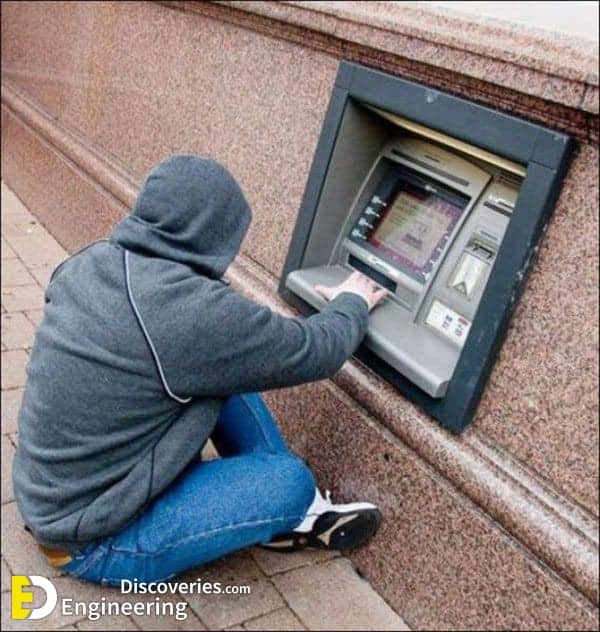
The ATM at shin height is the gallery’s quietest entry and its most dignified, because the person using it has adapted to the infrastructure without complaint, is kneeling on a public sidewalk with the composure of someone completing a transaction, and will presumably stand up, complete their day, and never discuss this with anyone.
If this gallery has made you look at the nearest staircase with renewed appreciation for its accessibility, engineering fails broadly are a rich companion category documenting the full range of outcomes when planning and execution are not introduced to each other. Home renovation disasters belong right beside them for the residential version of this confidence. And for anyone drawn specifically to the access failure category, design fails and usability disasters are a well-populated space where the urinal has colleagues at multiple elevations and the staircase has arrived at several unconventional conclusions.
Read Memes
Get Paid


Michael Hartley, or just "Mike," is an editor and seasoned meme historian whose articles have traced the evolution of meme humor from early Impact-font classics to today’s TikTok sensations. With nearly a decade spent as senior editor at ViralHype and as a regular contributor to Cheezburger, Mike has dissected the rise of meme legends such as Bad Luck Brian, Success Kid, and Doge. When he's not hunting down meme gold for Thunder Dungeon, Mike teaches workshops on meme marketing and the psychology behind shareable content.