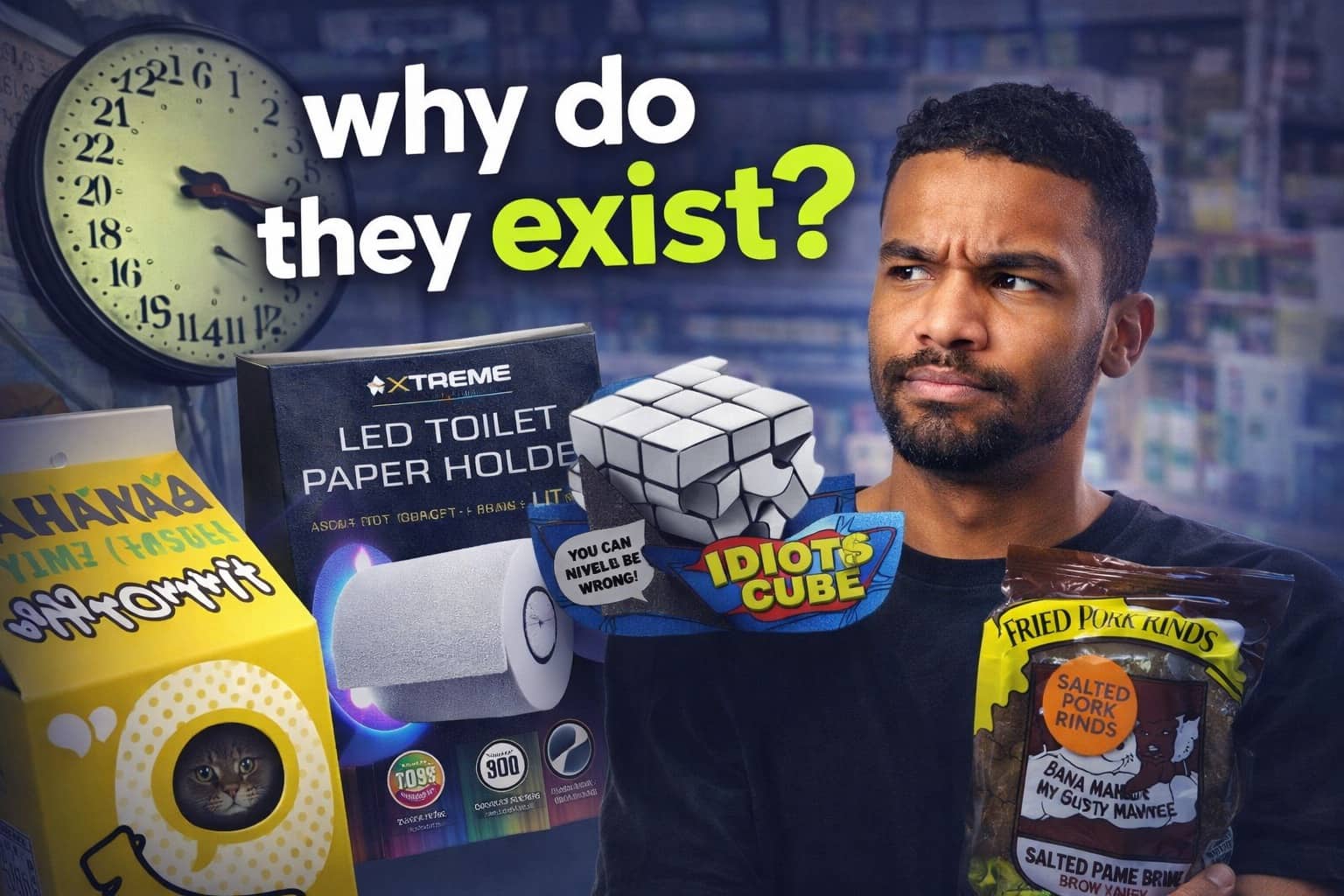

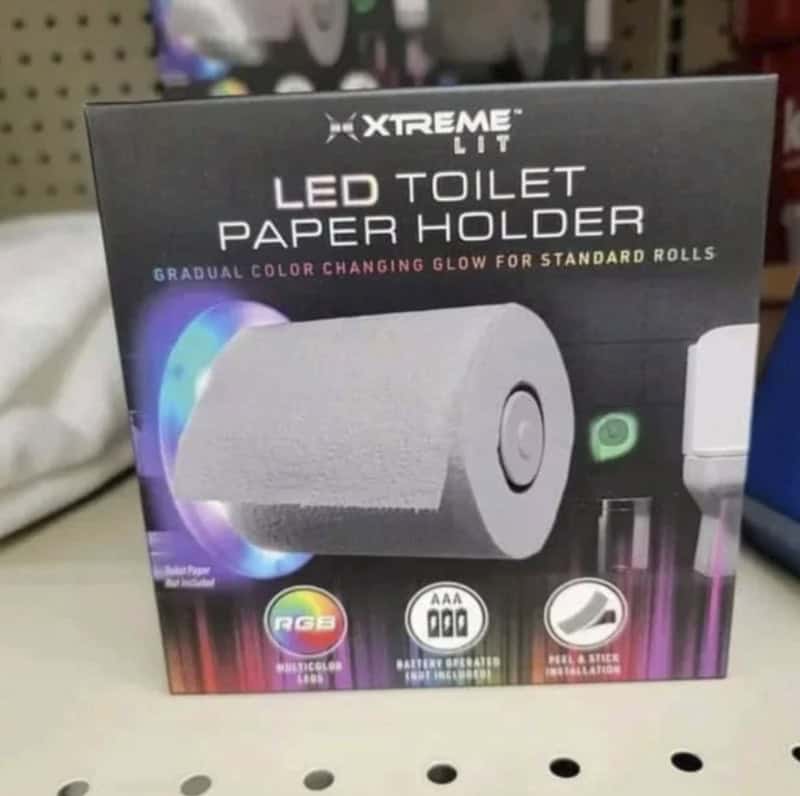
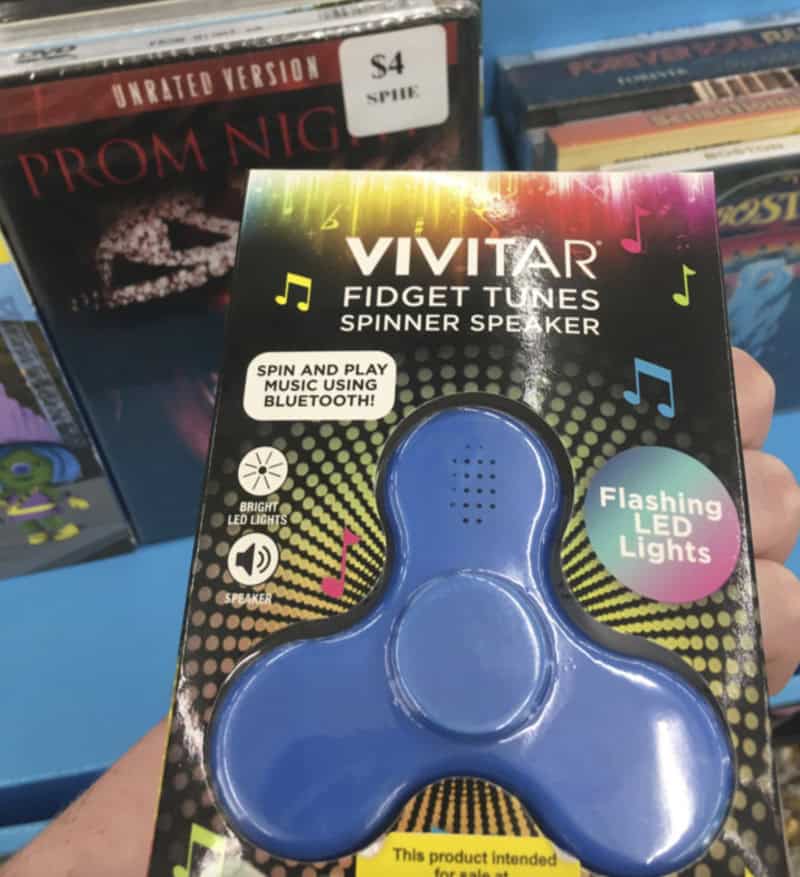
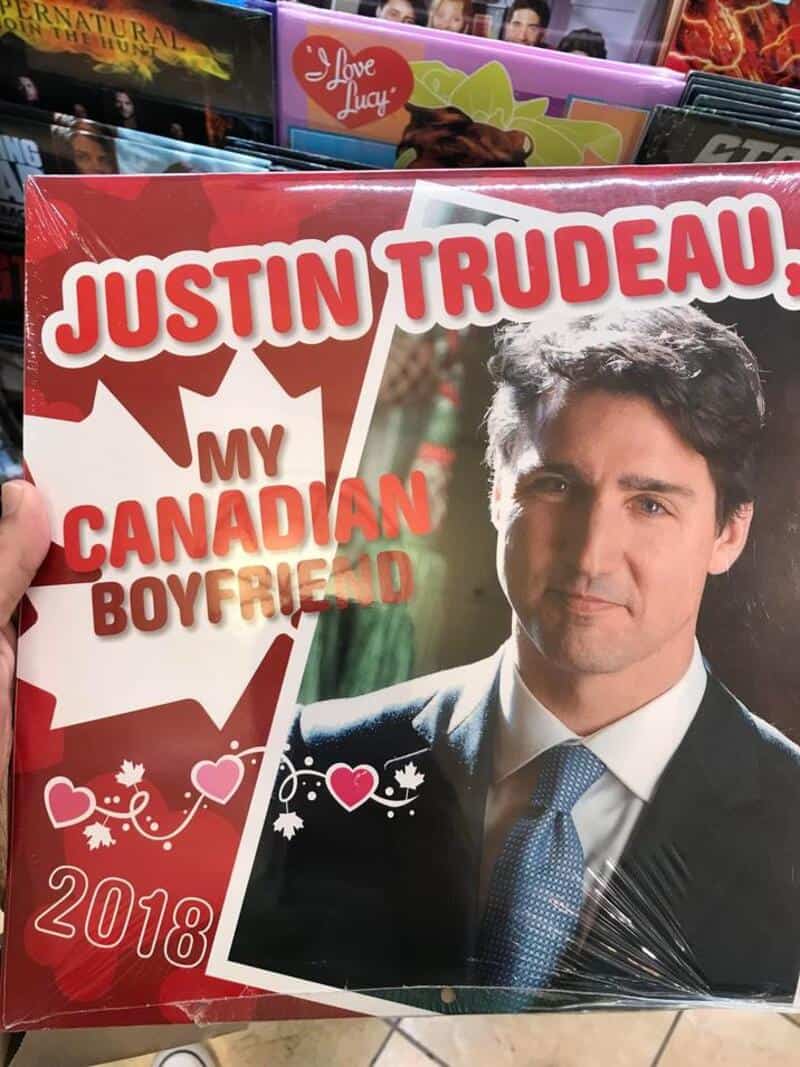
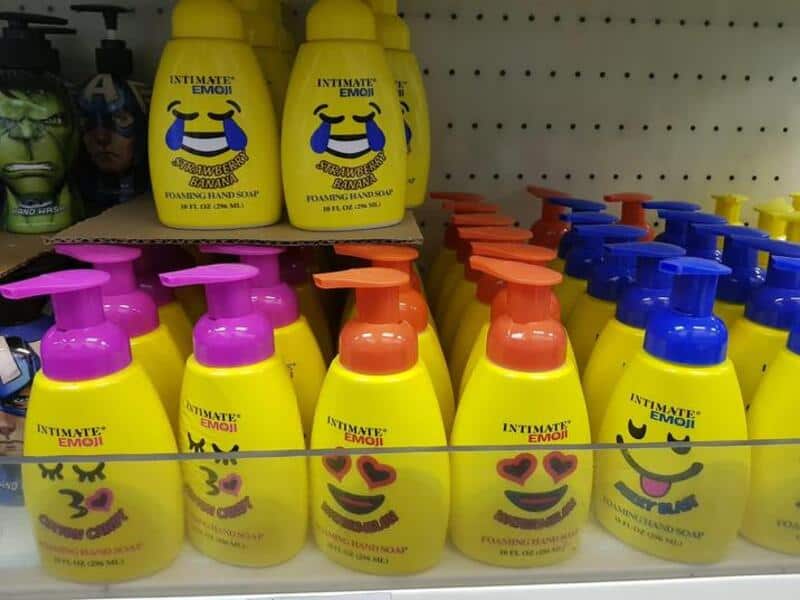
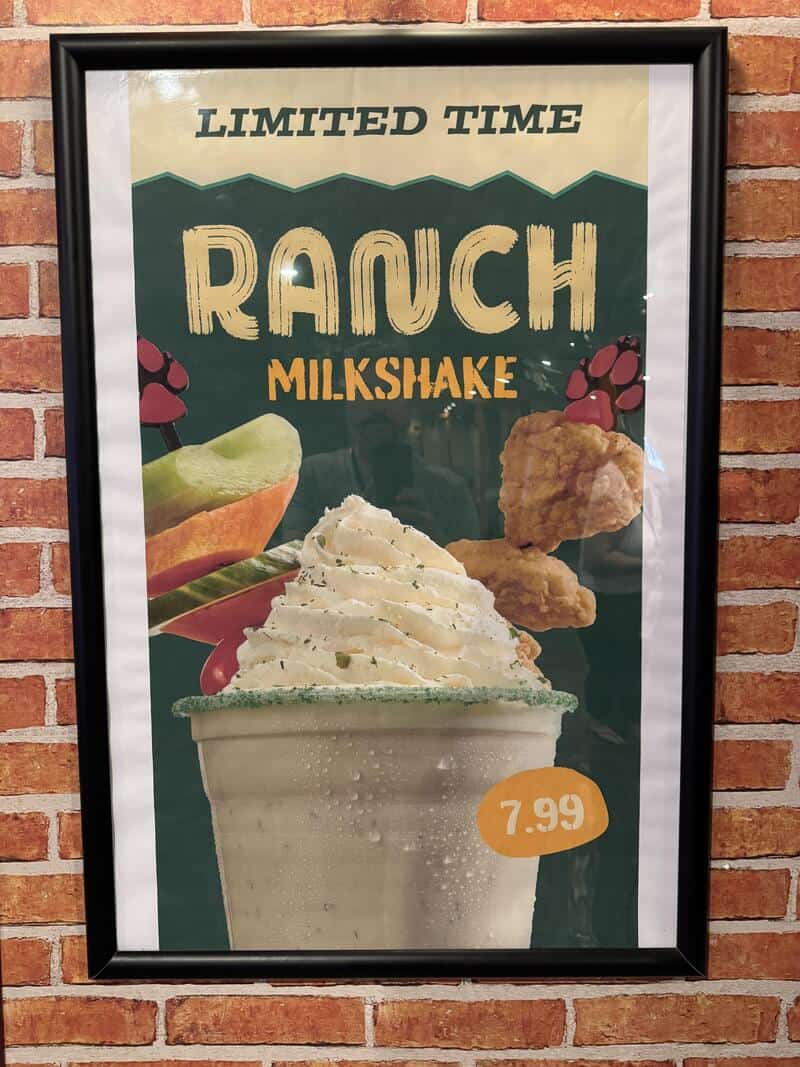
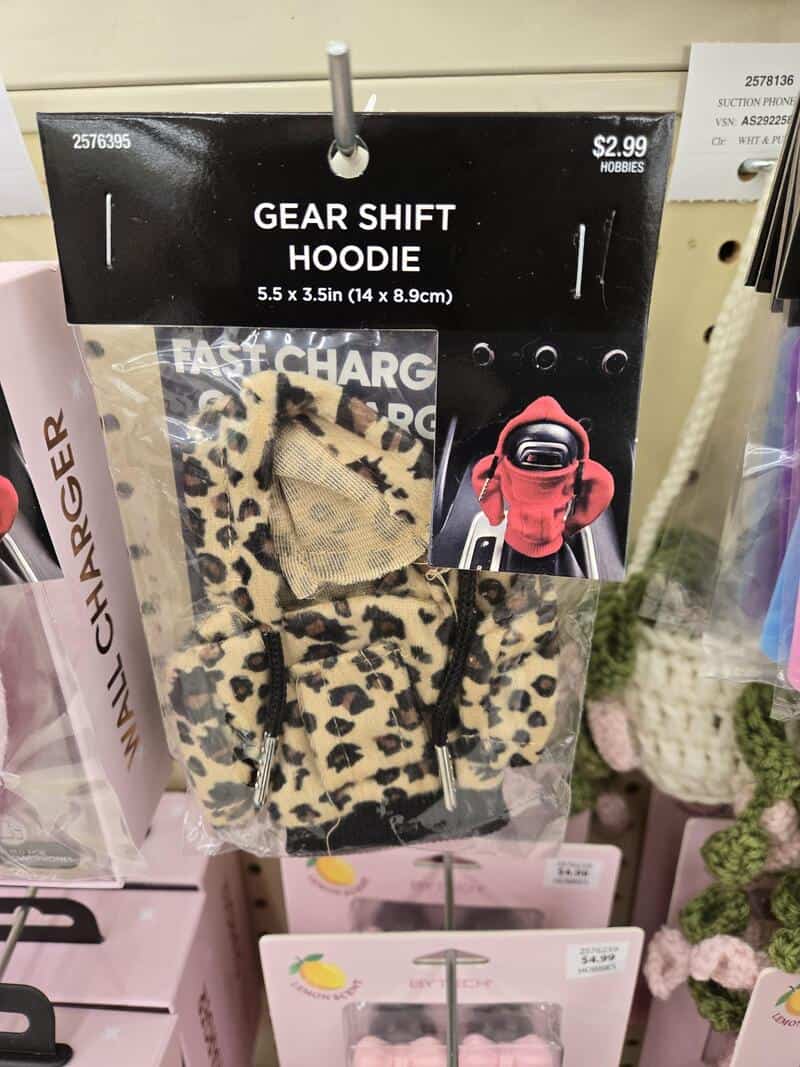
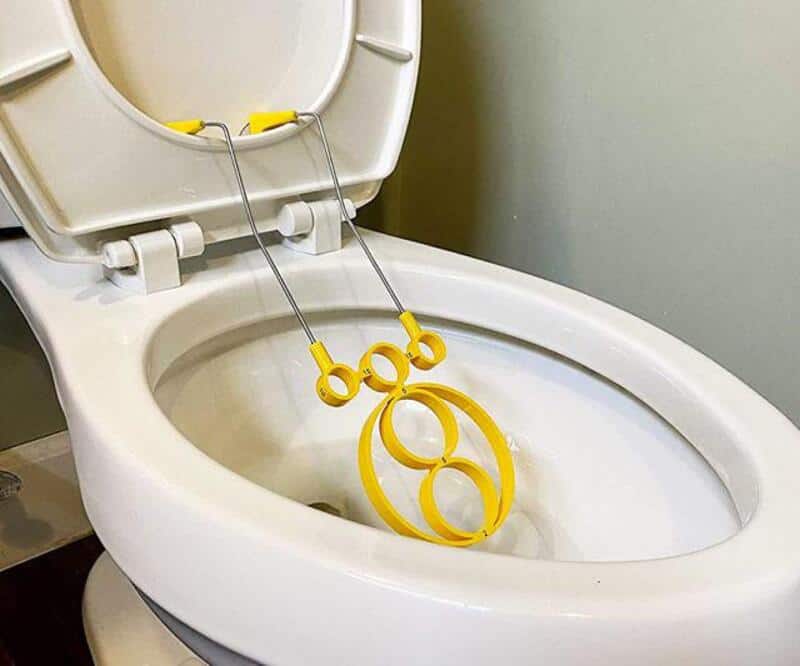
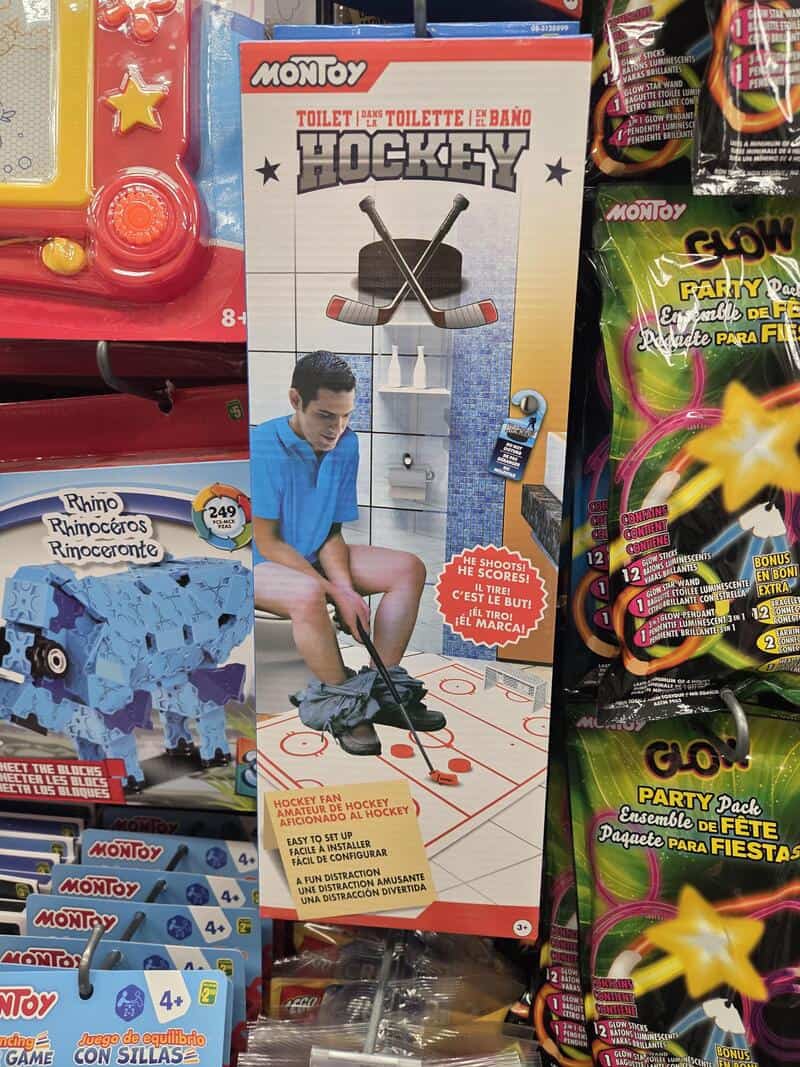
I want to begin by saying that I have held the RGB toilet paper holder in my hands. Not literally, but spiritually. I understood, when I saw it on a shelf under a sign that said “Xtreme Lit,” that we had arrived somewhere as a civilization, and that the journey back was going to be complicated. Stupid products that actually exist are not the result of failure. They are the result of a very specific kind of success, which is the success of a person who had an idea, found funding, located a manufacturer, navigated distribution, and placed their object into a retail environment before anyone with authority could ask a single clarifying question. These 40 items are that process at full capacity.



Stupid products that actually exist
Read More
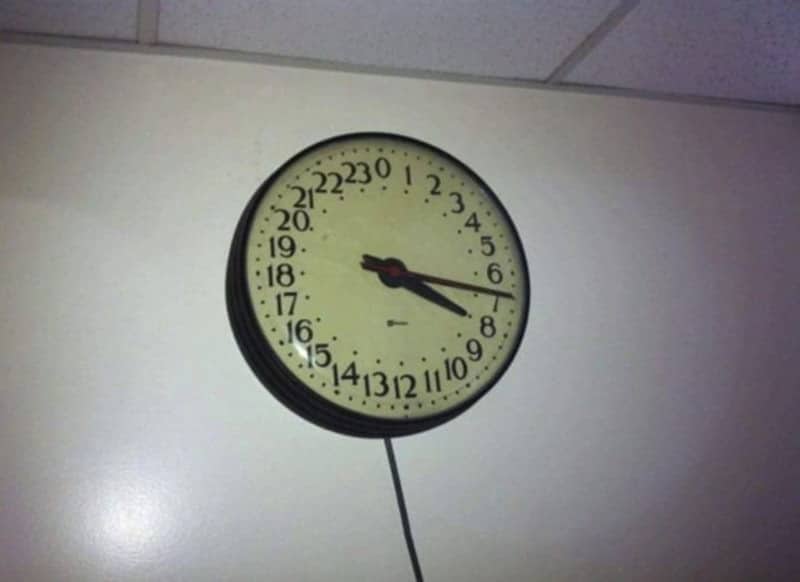
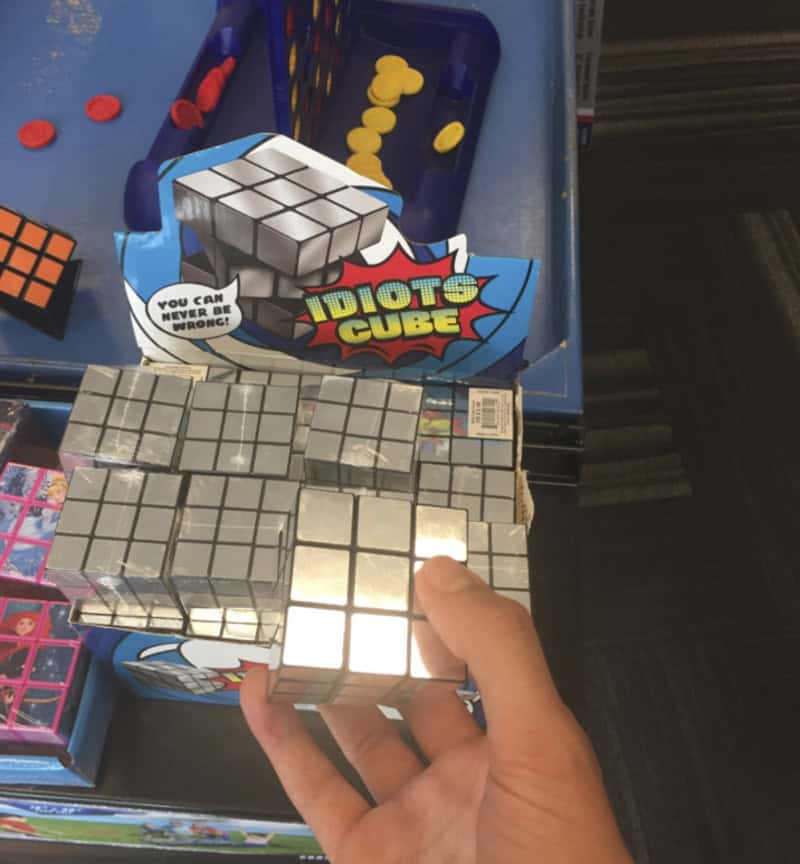
Funny useless products have a particular power over the human attention span, because they generate a question that is almost impossible to stop asking, which is: who is this for. The 24-hour clock numbered zero to twenty-three is not for a person who finds timekeeping too easy. It is, the manufacturer would presumably argue, for a person who requires a different relationship with the hours of the day. Whether that person exists in sufficient quantity to justify production costs is a separate question and one that nobody appears to have asked before the tooling was ordered. The all-silver Idiot’s Cube removes the only feature that makes a Rubik’s Cube a Rubik’s Cube, which is that it can be wrong. This cube cannot be wrong. You are always finished. Every configuration is the solution. This is either a profoundly liberating product or a deeply nihilistic one, and the price point suggests the manufacturer has not decided which.
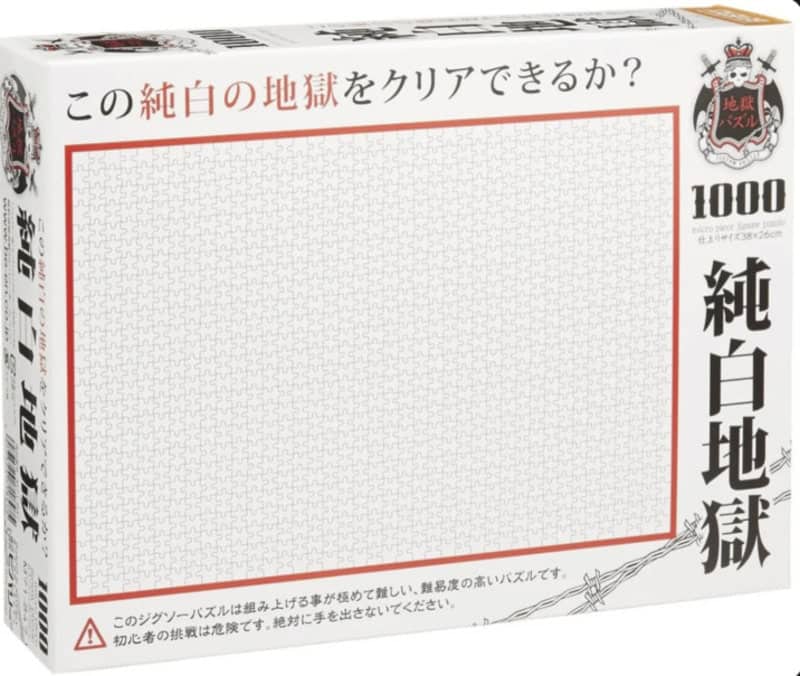
Weird products found in stores generate a specific variety of bewilderment that is distinct from ordinary confusion, because they have cleared every practical hurdle. They are not concepts. They are not prototypes behind glass at a trade show being described to investors in optimistic language. They are on a shelf. They have a barcode. They have been priced. The Pure White Hell jigsaw puzzle, one thousand pieces, all white, zero distinguishing features, is a product that looked at the relaxing hobby of puzzle assembly and decided the problem was insufficient suffering. The box art alone, which is simply the words “Pure White Hell” on a white background, represents a marketing team that has accepted its situation and committed to the bit entirely.
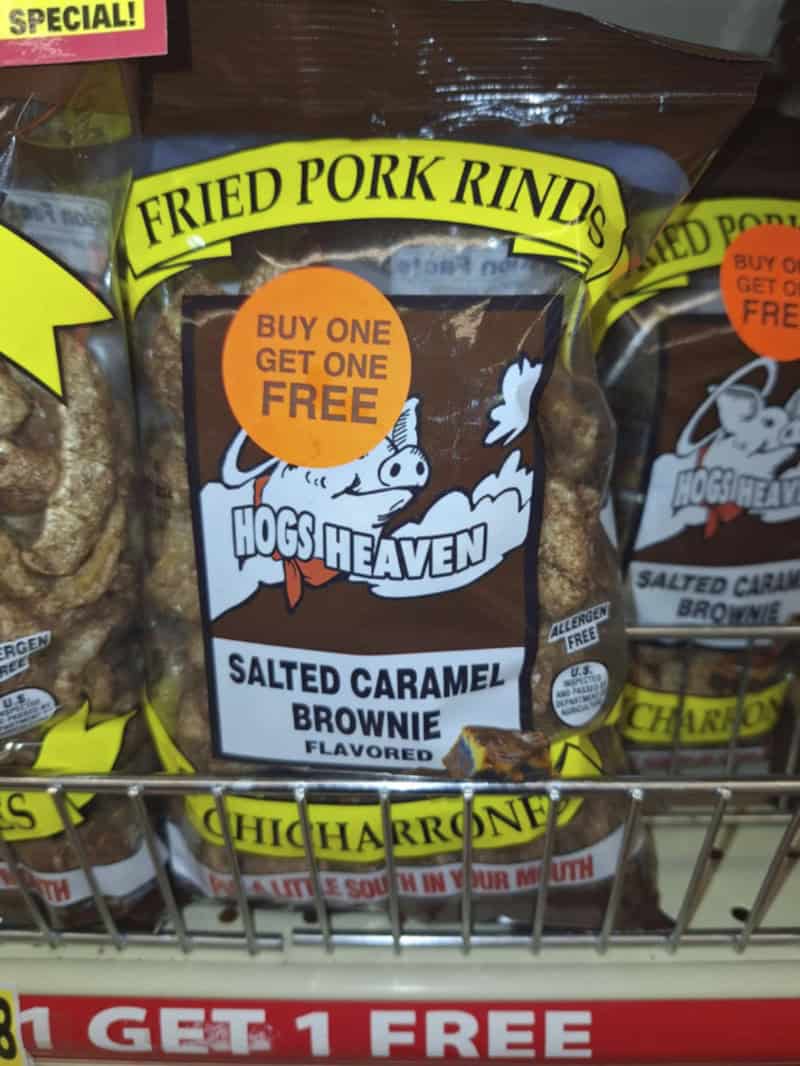
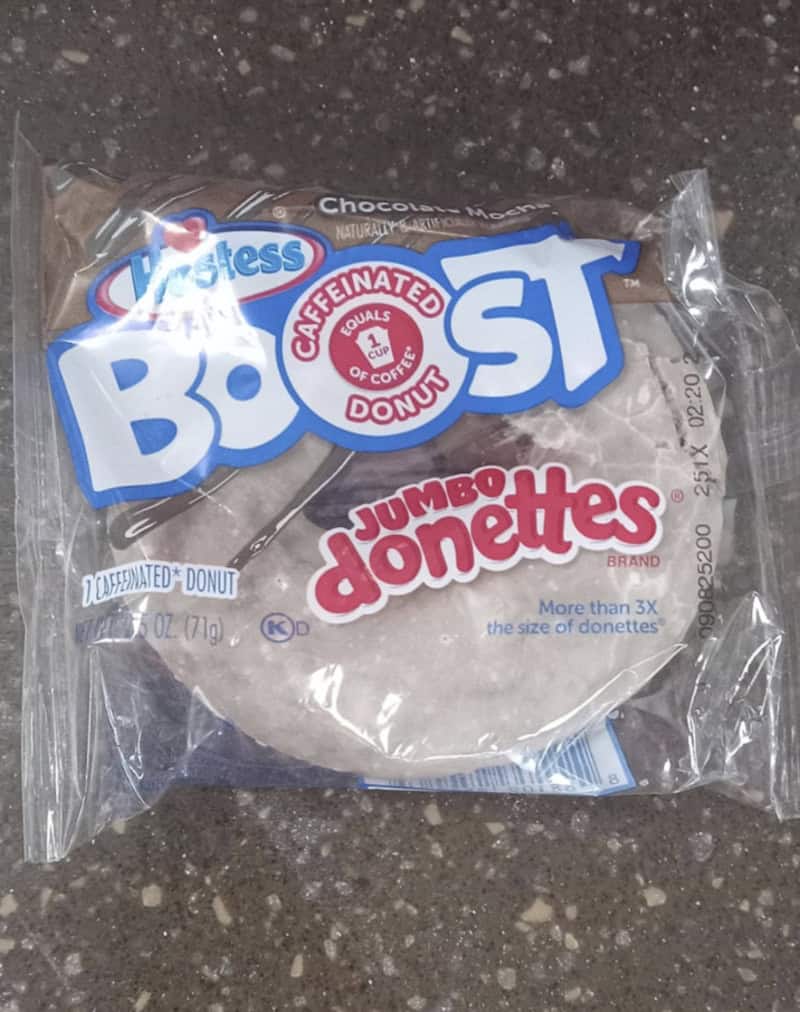
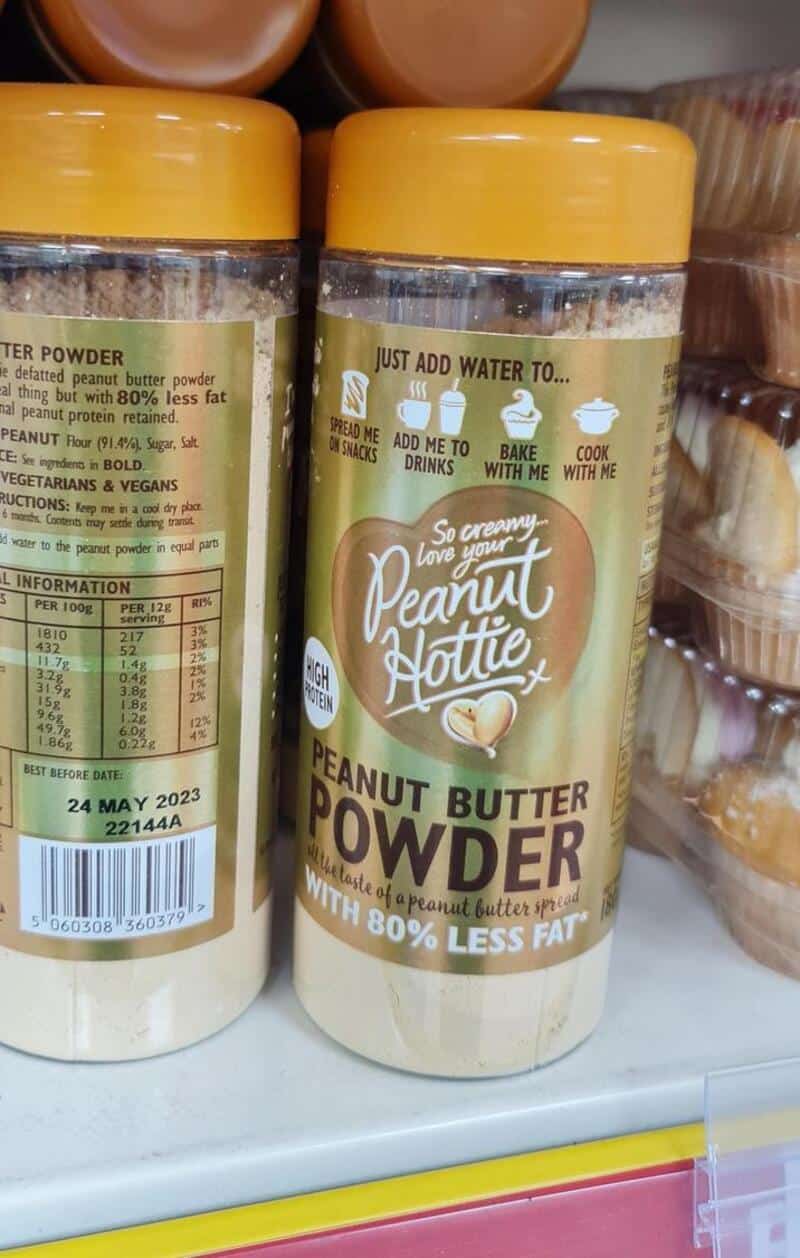
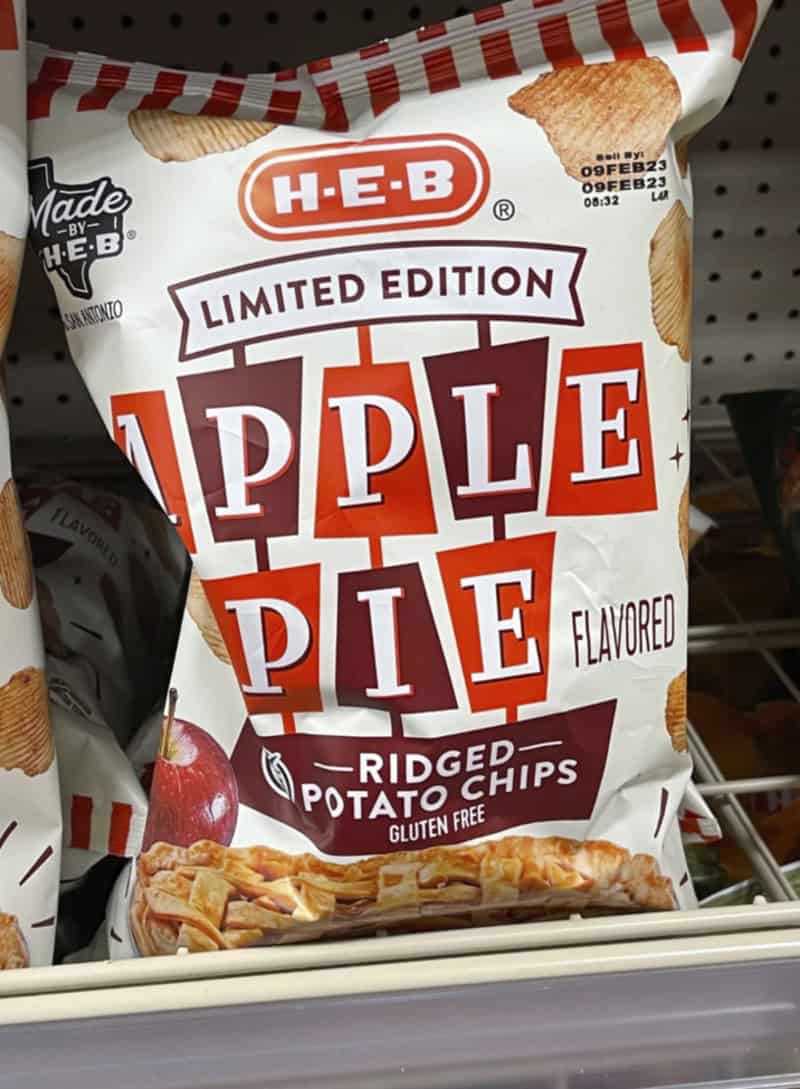
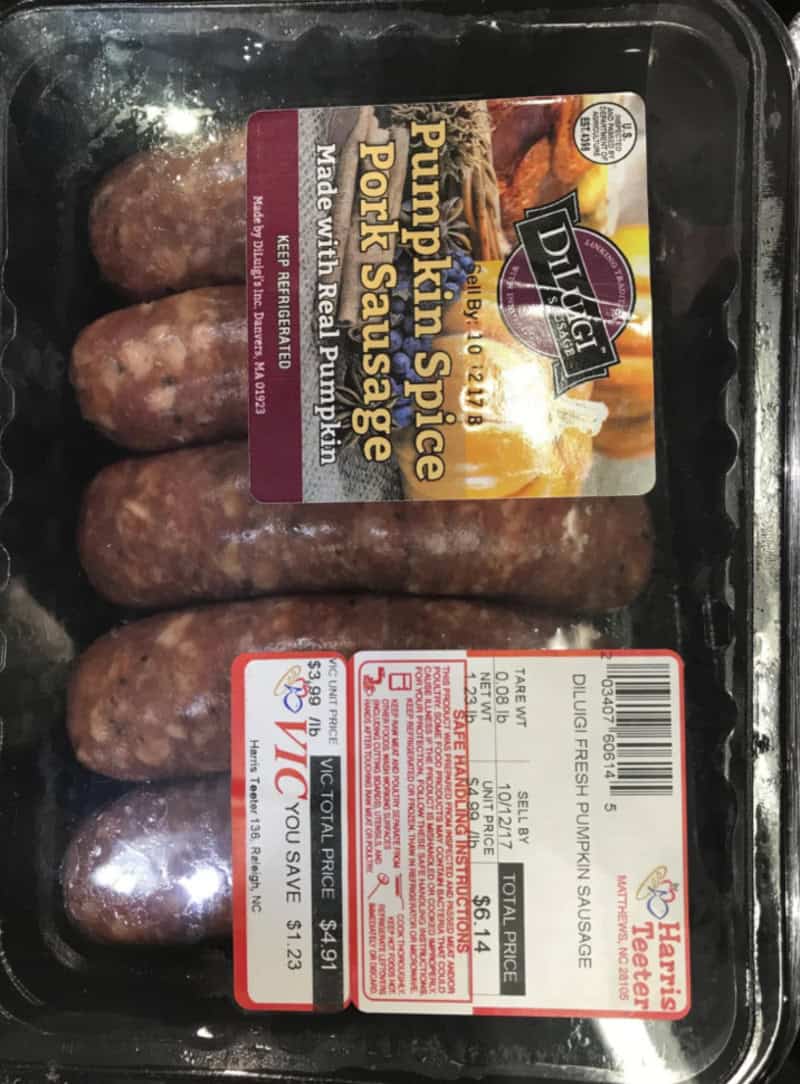
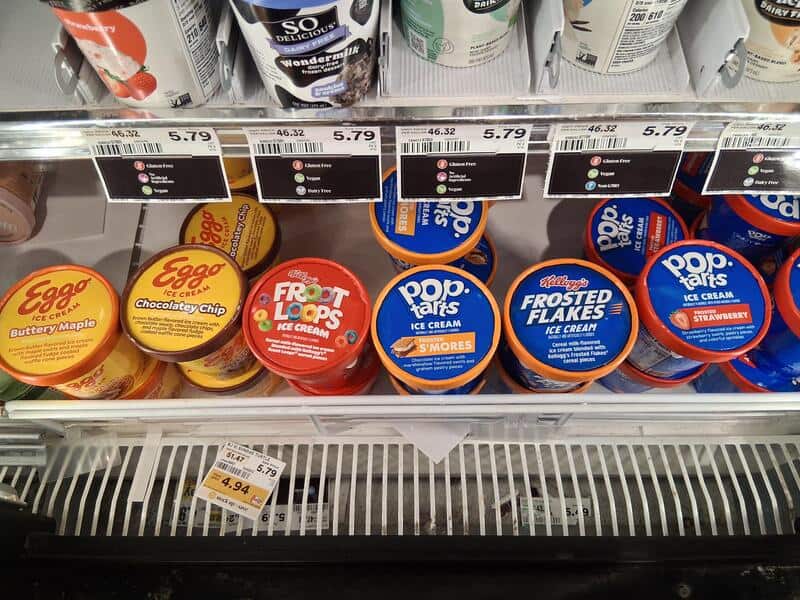
The food category in this gallery is operating in a register that nutritionists will study for years. Salted caramel brownie flavored pork rinds represent a snack product that has synthesized several entirely unrelated flavor experiences into one delivery system and then named it after a place where pigs are happy, which is a branding decision of considerable boldness. The caffeinated donut that replaces one cup of coffee is a product built on the premise that the problem with donuts is that they have not yet been optimized for productivity, and that what the morning routine was missing was the ability to consolidate two categories of regrettable decision into one transaction.
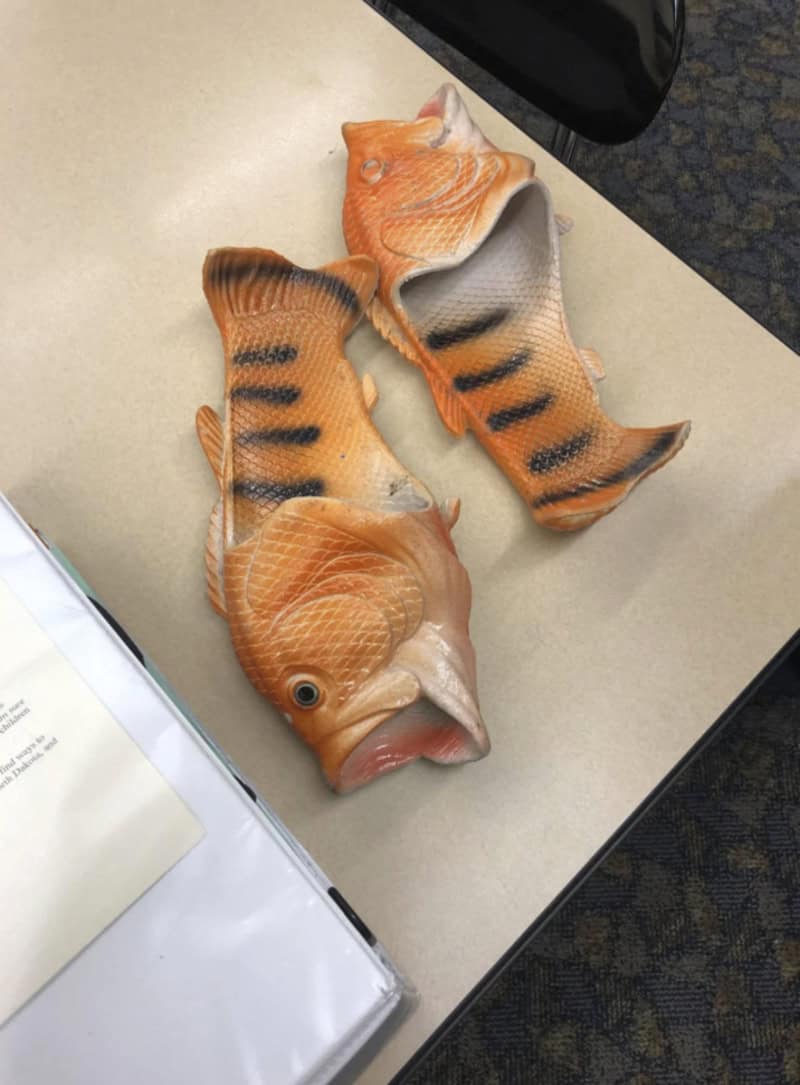
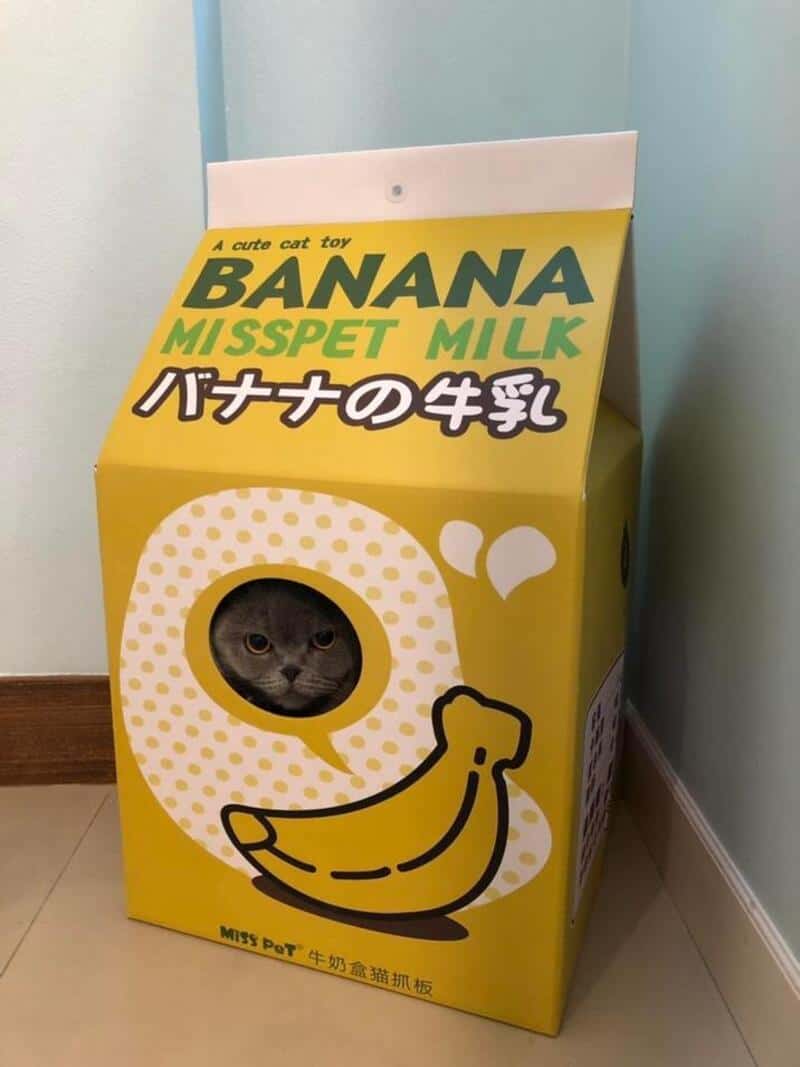
The fish sandals deserve a separate moment of recognition, because they are the item in this gallery most likely to have been worn with genuine conviction. Someone put on orange bass-shaped sandals and walked into a classroom and sat down and felt, if not good, then at least correct. The banana milk carton cat house, occupied by a cat who has clearly not read the product description and does not find it charming, is the item most likely to have been purchased by someone who loves their cat and has been responded to with total indifference, which is also, incidentally, a product working exactly as described.
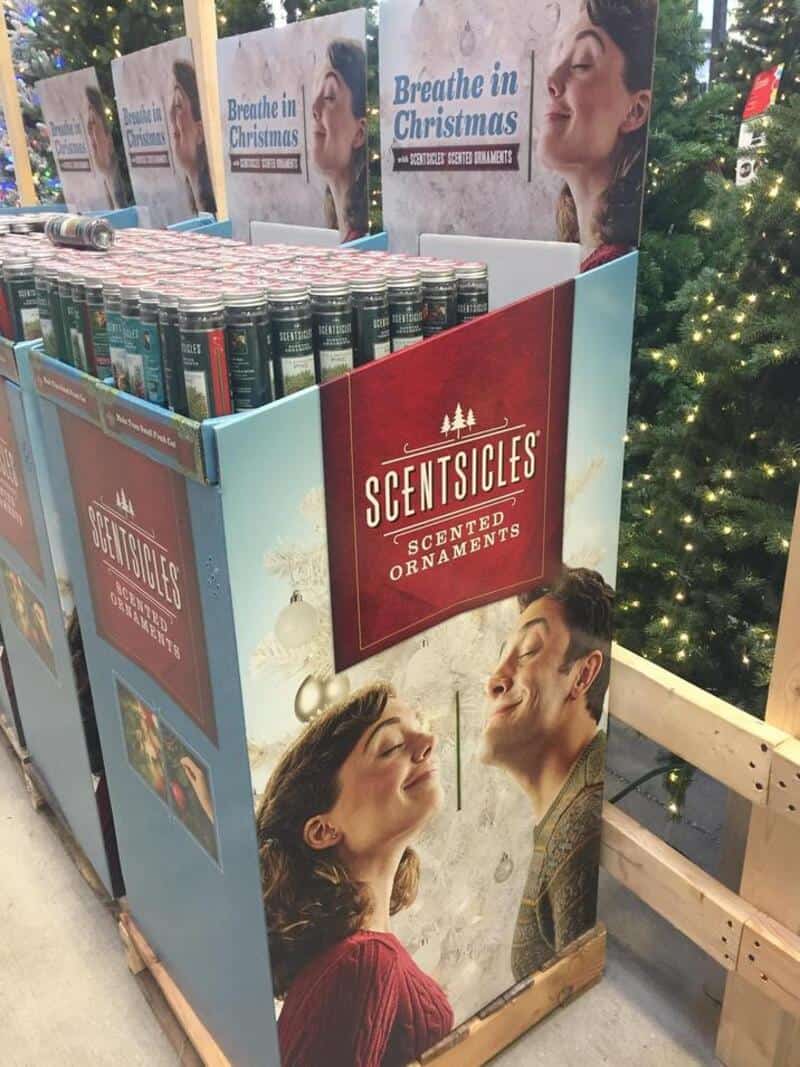
The scented Christmas ornaments with the tagline “Breathe in Christmas” are doing something philosophically ambitious, which is attempting to monetize the concept of a smell that already exists for free in the presence of an actual Christmas tree. This is not a criticism. This is an observation about the infinite expandability of the market for things that were previously just things. Someone smelled Christmas, identified it as an opportunity, and here we are. Here we all are.
If this gallery has left you both bewildered and quietly tempted, the world of strange products found online is a rich and largely unregulated ecosystem that rewards extended browsing. As Seen on TV product memes belong right beside it, covering the full spectrum of solutions to problems that needed no solving. And for the broadest possible category of human ingenuity pointed in a direction that raises questions, weird inventions and gadgets are the natural final destination, where every item comes with a patent number and absolutely no explanation.
Read Memes
Get Paid


Laura Bennett has spent eight years immersed in internet culture, specializing in deep dives into meme origins, evolving meme trends, and digital subcultures. As a contributor for several prominent online platforms, including BuzzFeed’s meme division and Know Your Meme, she’s written extensively about viral moments from Crying Jordan to Woman Yelling at a Cat. Laura believes memes aren't just internet jokes—they're modern-day folklore. She brings that passion to Thunder Dungeon by keeping readers connected to what's culturally significant, hilarious, and timelessly viral.