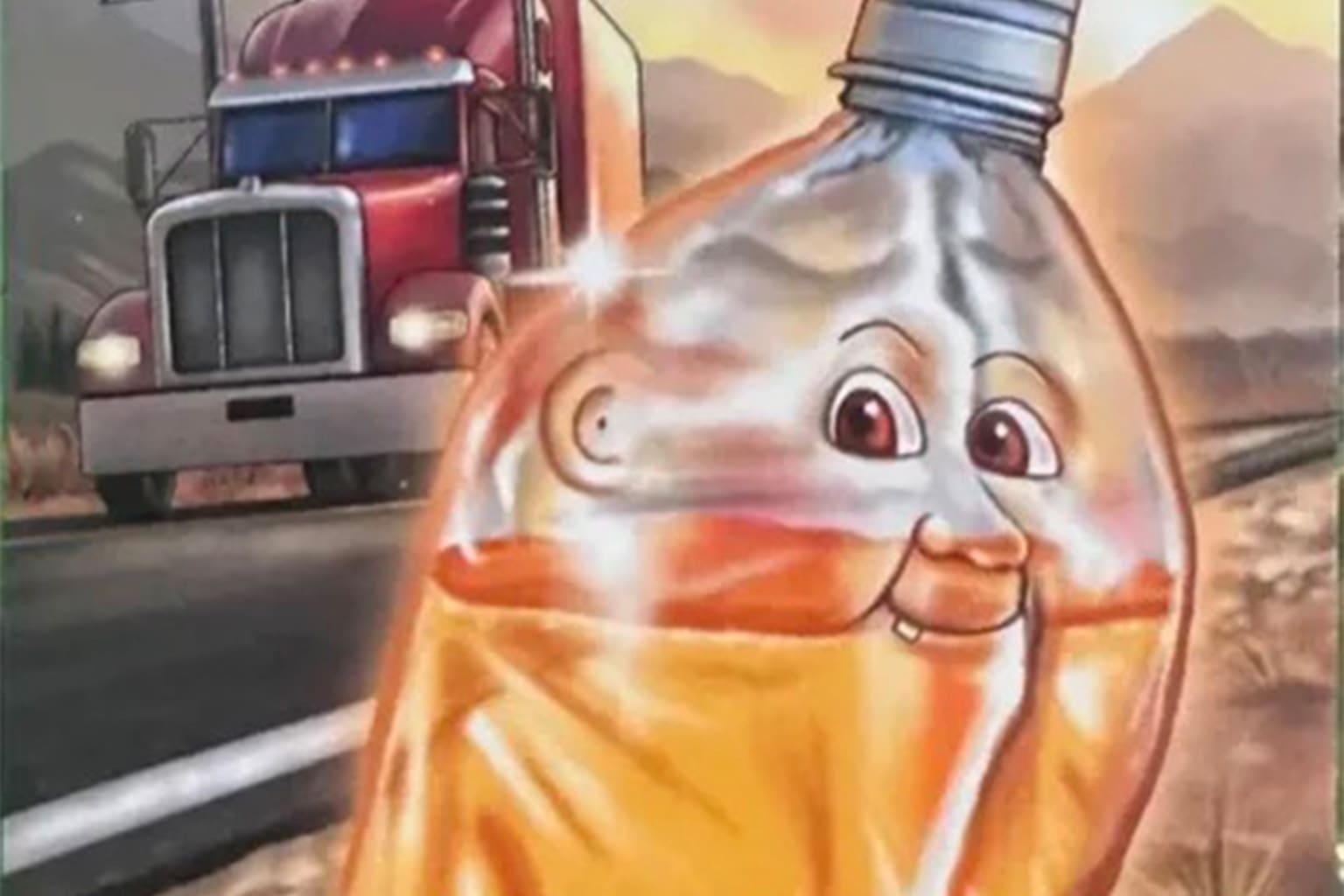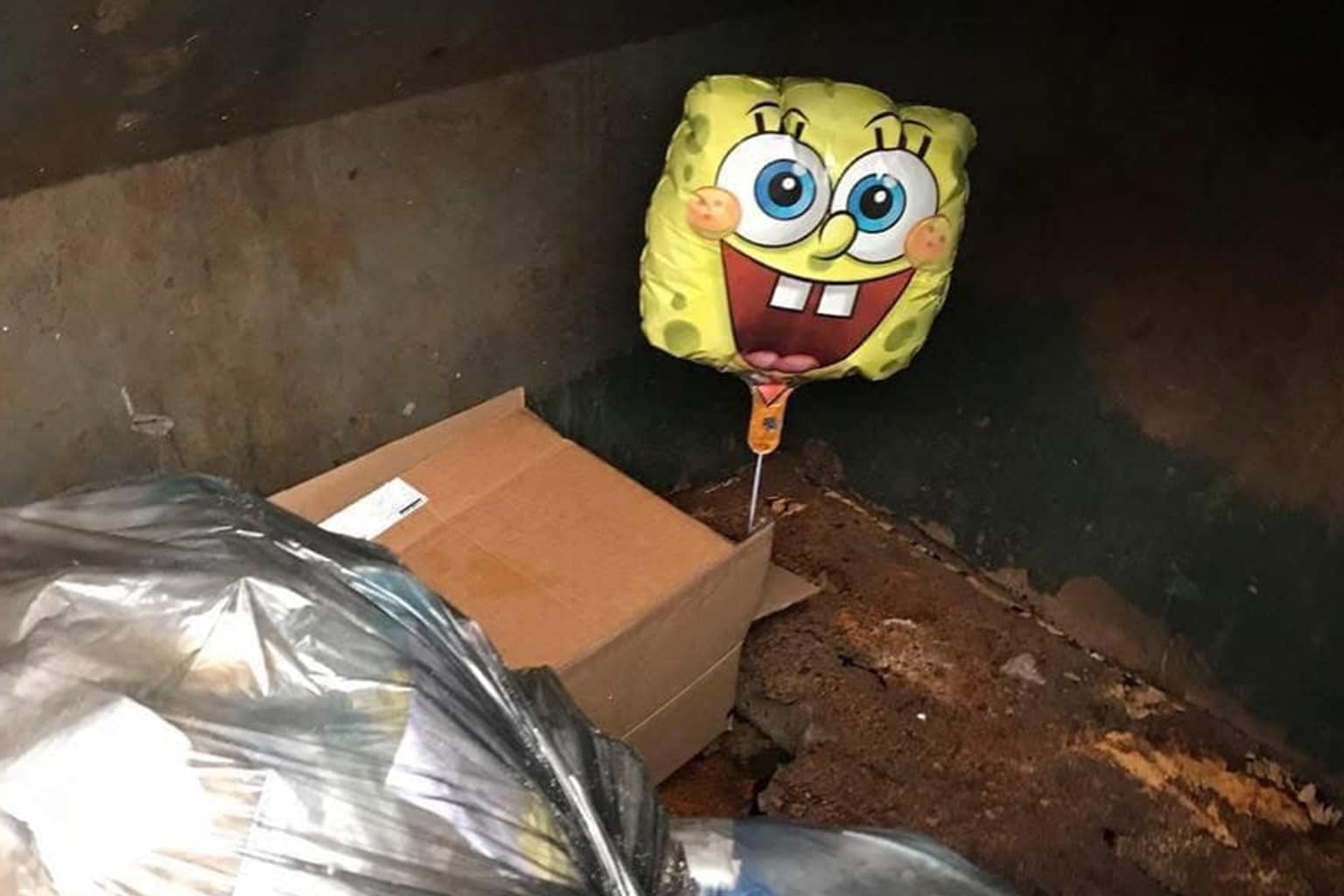

Classic memes are the closest thing the internet has to folklore: passed around, slightly mutated, and still weirdly accurate when you least expect it. Some jokes don’t age so much as settle in, like a familiar stain on the timeline.
What makes these vintage memes hold up isn’t the reference, it’s the structure: the same little human problems wearing different outfits. You’ll see why viral tweets keep getting re-quoted, why Twitter memes keep escaping their original context, and why meme templates remain useful long after the discourse has moved on.


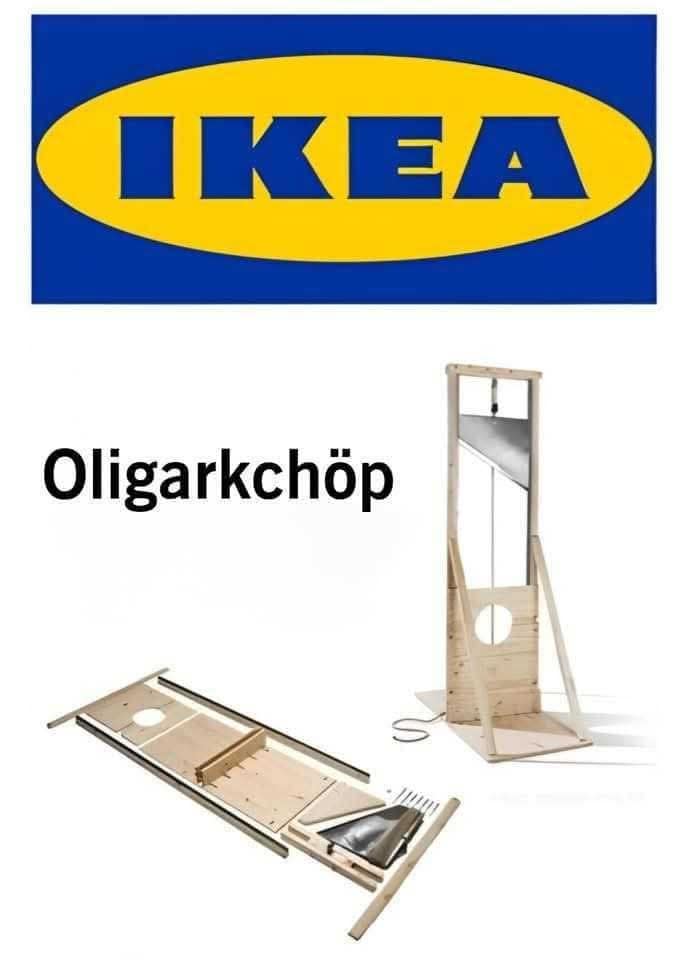
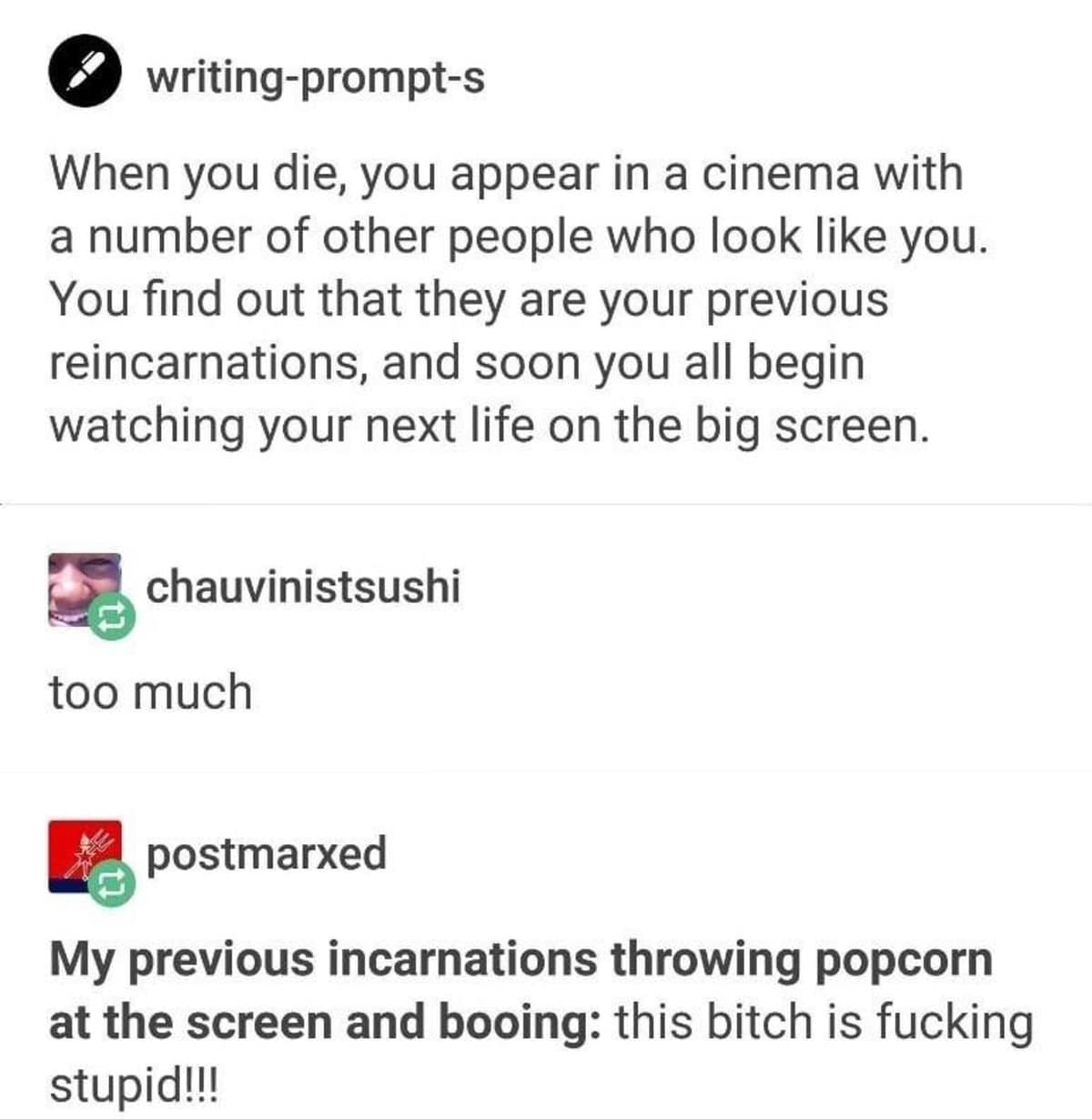
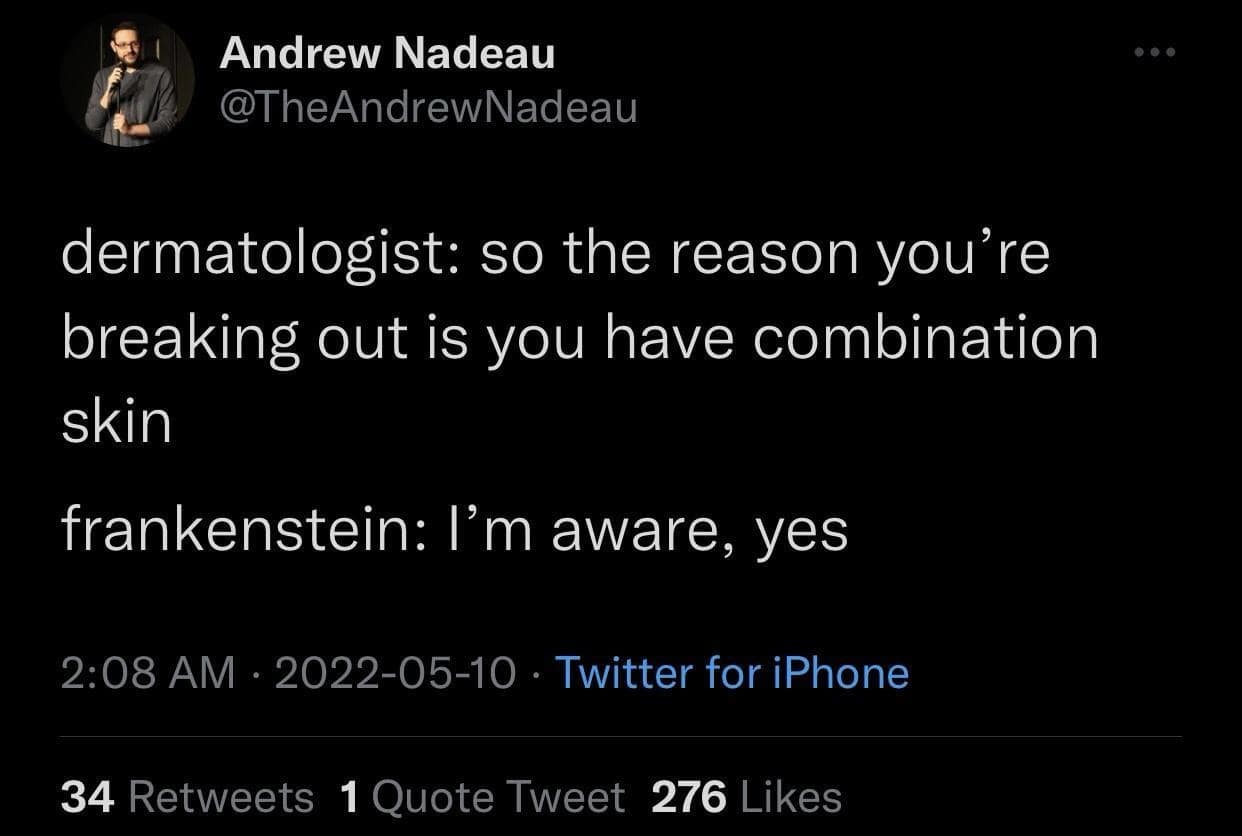


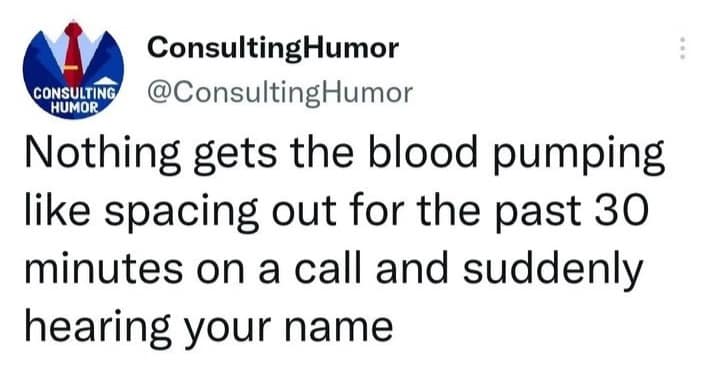

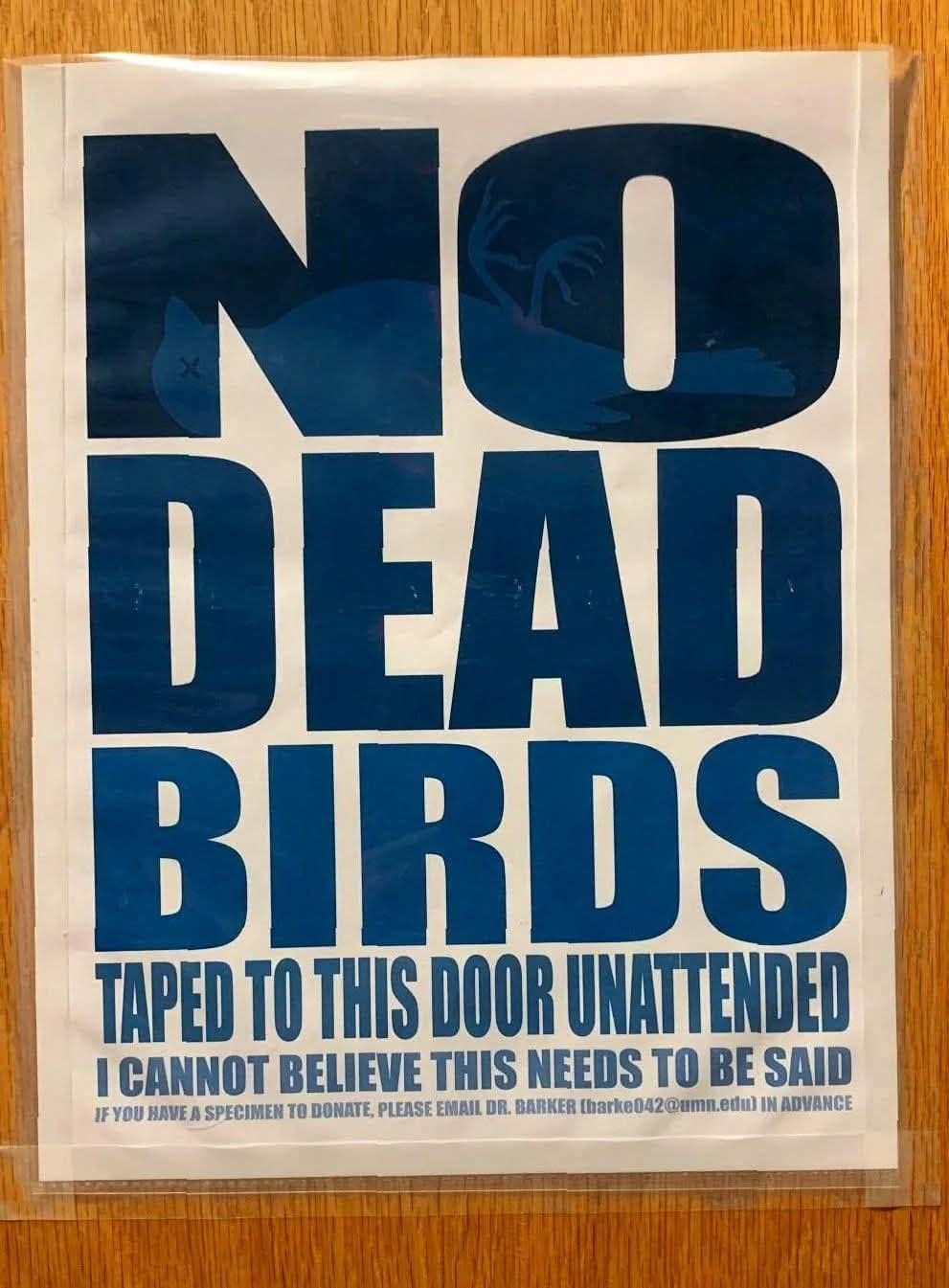
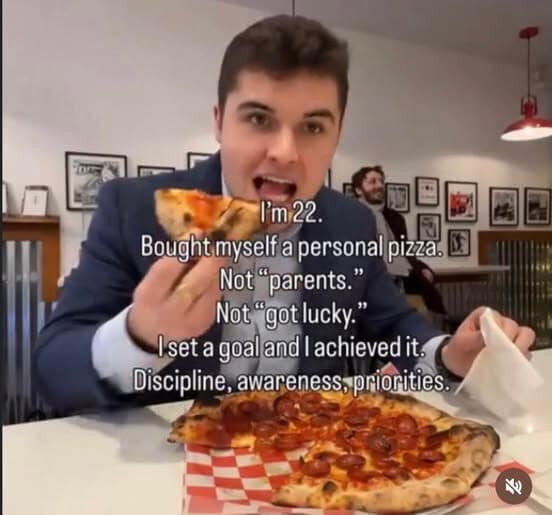

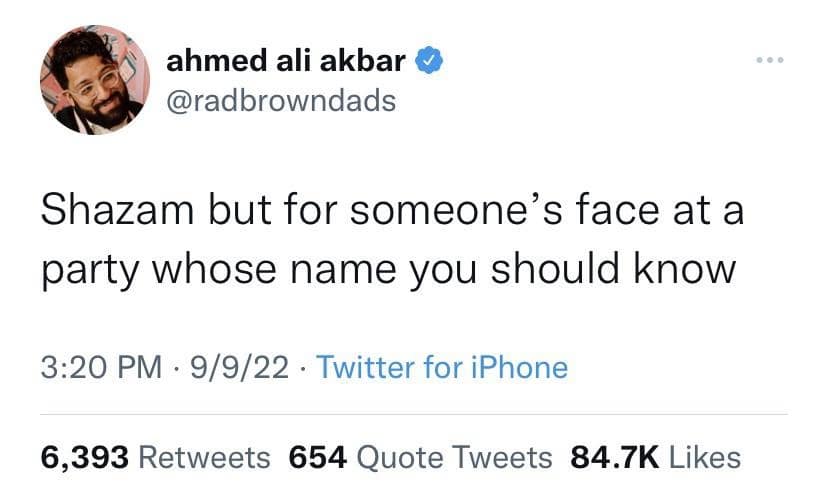
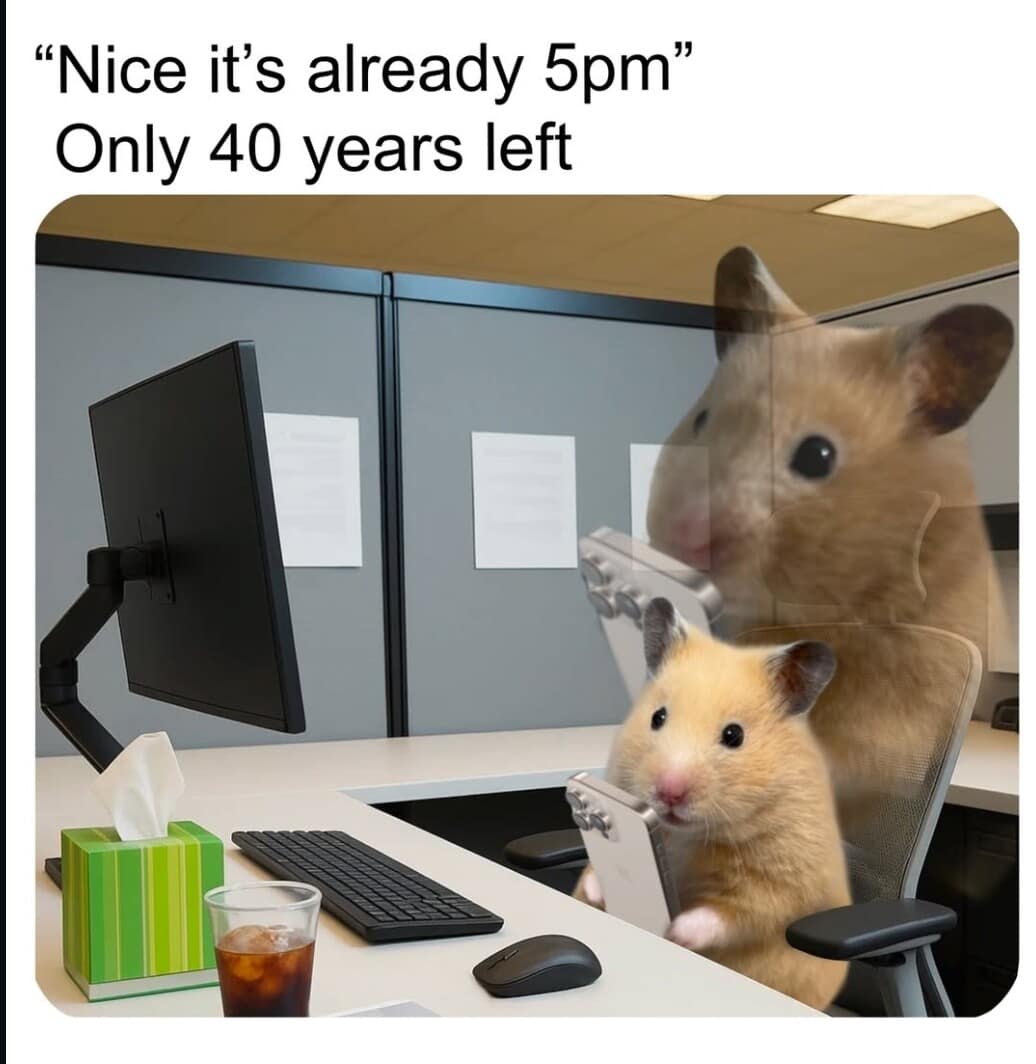



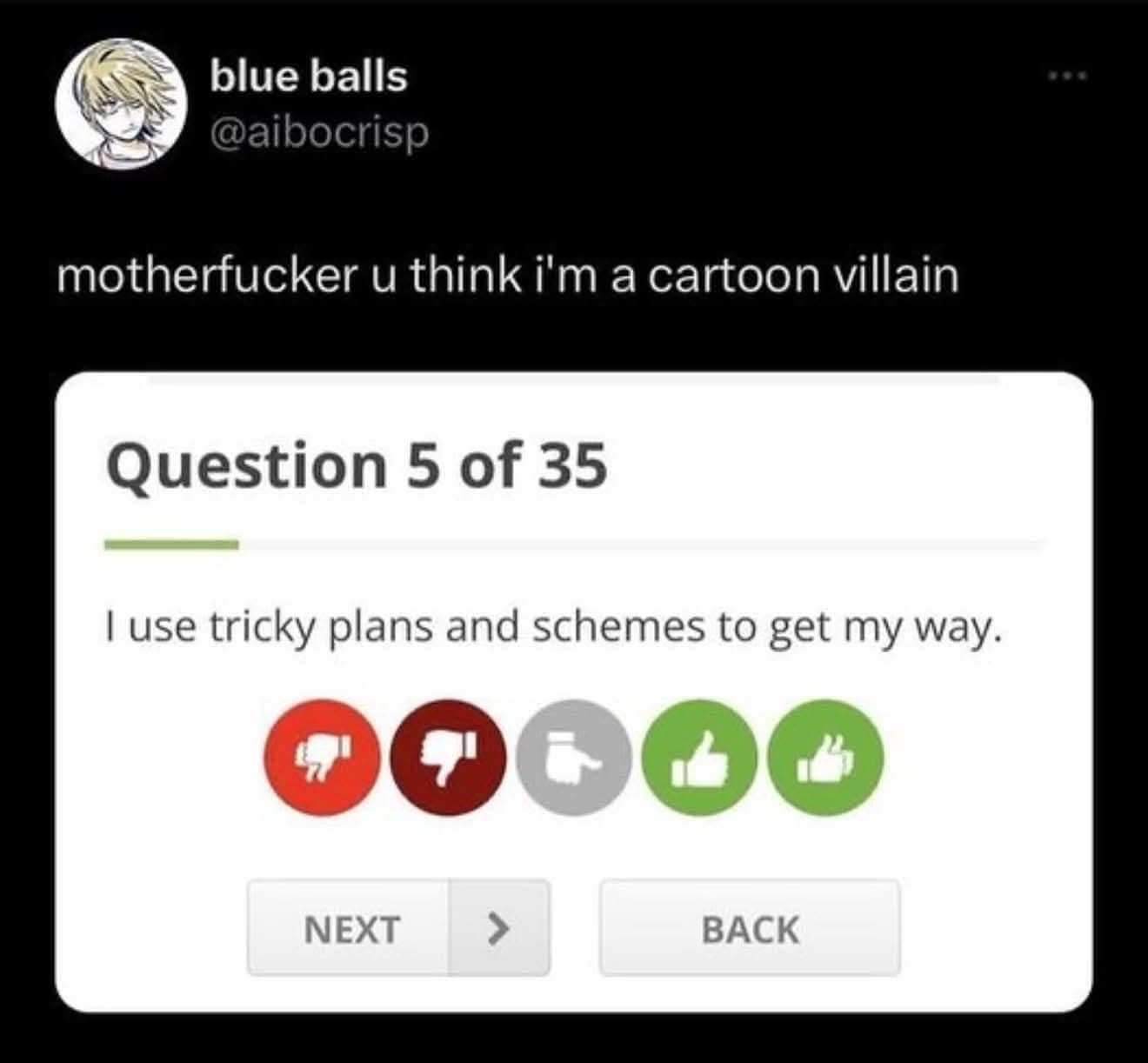
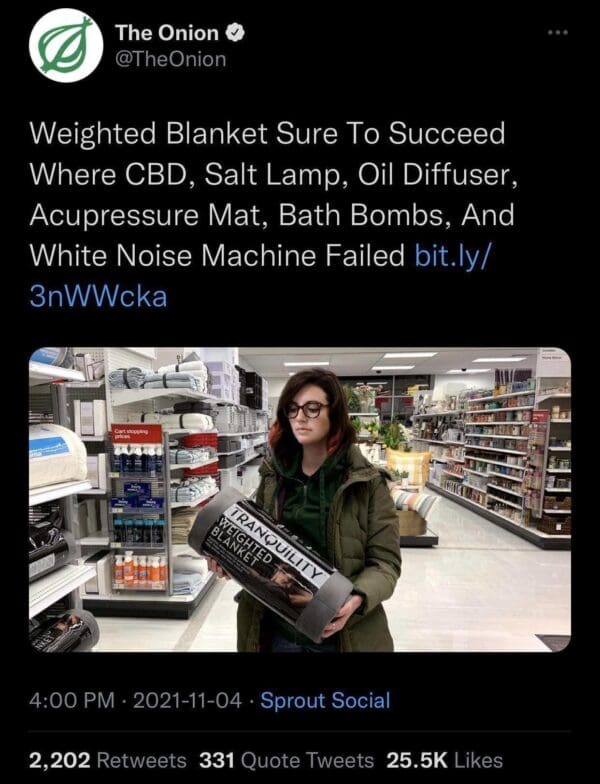
There’s a certain durable comedy in modern “self-care” turning into a shopping list, in the way we collect fixes like charms and then wonder why we’re still tired. A lot of viral tweets land because they say the quiet part out loud, in a sentence shaped like a shrug.
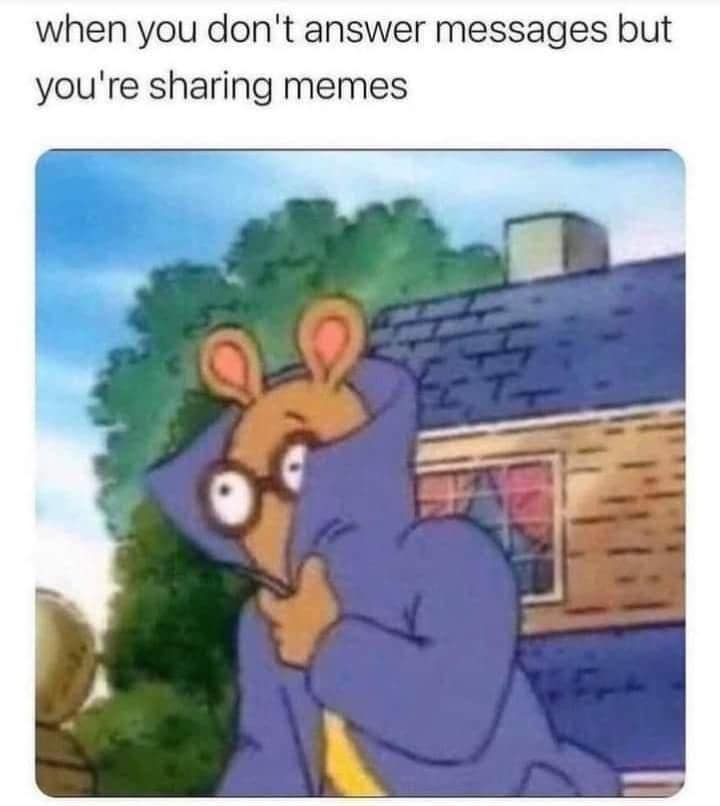
Another cluster lives in social avoidance and delayed replies: the tender hypocrisy of being too drained to respond, but energetic enough to communicate exclusively through posting. It’s not even cruelty; it’s just the internet’s most common love language, delivered in Twitter memes and forwarded screenshots.
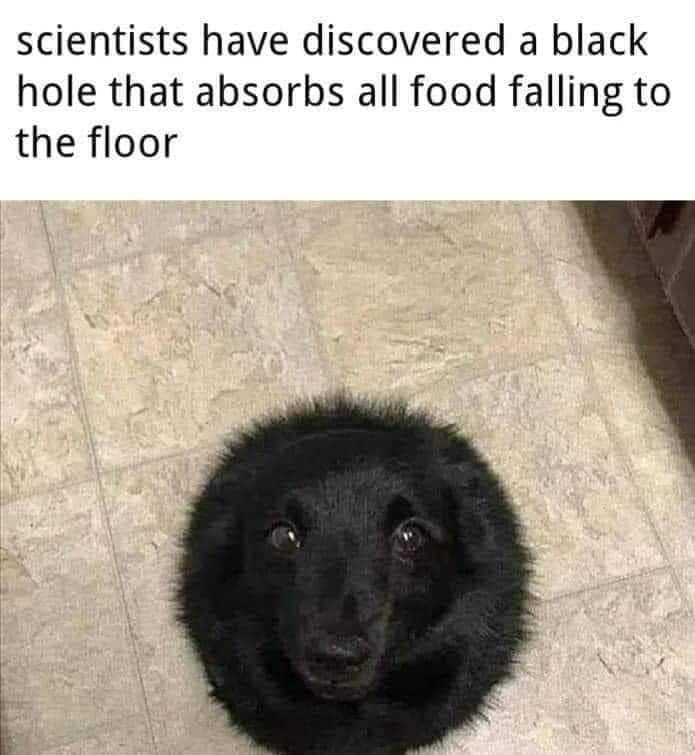
And then you’ve got the evergreen stuff: pets behaving like physics is optional, horror reframed as embarrassment, and everyday conversations stitched to absurd logic until they become clean, portable jokes. Meme templates keep working because they’re basically tiny stage plays—same set, new cast, same punchline pressure.
If you’re in the mood to keep wandering through the ruins where comedy stays strangely intact, consider a small reading list: 35 Small Brain Victories That Deserve a Parade, 15 Online Arguments That Started Over Nothing, and 30 Reddit Screenshots That Feel Like Accidental Poetry.
Phil M. catalogs the internet’s little rituals, then politely points at the parts that still make us laugh.
Read Memes
Get Paid


Phil M., Co‑Founder & Content Strategist
Phil is one of Thunder Dungeon’s co‑founders, doubling as our resident meme analyst and dark‑room brainstormer. He specializes in trend‑spotting across social platforms and shapes the editorial calendar to keep our galleries fresh, topical, and worthy of your valuable procrastination.